Tokyo Imperial Palace Guide: East Gardens, Nijubashi Bridge, Guided Tours and Cherry Blossom Walks
Tokyo Imperial Palace, known in Japanese as Kōkyo, is the official residence of Japan’s Imperial Family and one of the most important historic places in central Tokyo. Set behind moats, stone walls, bridges, pine trees and wide lawns, the palace stands on the former site of Edo Castle, once the stronghold of the Tokugawa shogunate.
For visitors, the Imperial Palace area is not a single ticketed attraction. Instead, it is a large historic district with several different experiences: the Imperial Palace East Gardens, the famous Nijubashi Bridge photo viewpoint, the spacious Kokyo Gaien National Garden, guided palace tours, moat-side walking paths, Chidorigafuchi cherry blossoms, and nearby Marunouchi, Tokyo Station and Hibiya Park.
The inner palace residence is not freely open for casual wandering, but travellers can still enjoy some of Tokyo’s best historic scenery here. The East Gardens are free to enter on open days, the Outer Gardens are excellent for photography and walking, and guided tours offer a controlled look inside part of the palace grounds.
Quick take: Trip.com offers a worldwide selection of tours and attractions and hotels
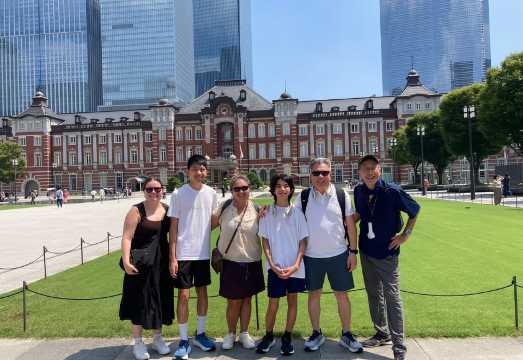
Tokyo Imperial Palace East Gardens and Tokyo Station Tour – Guided…Japan Tokyo Imperial Palace East Gardens and Tokyo Station Tour This walking tour links two sides of central Tokyo beautifully: the calm, historic grounds of the Imperial Palace East Gardens and the grand red-brick finish at Tokyo Station. If you want a Tokyo walking tour that blends old power, modern polish, and an easy-to-follow city route, this Imperial Palace East Gardens and Tokyo Station experience is a strong choice. It is not a rushed checklist tour and it is not a museum-heavy half day. Instead, it gives you a compact, well-balanced walk through one of the city’s most historically layered districts.…
Quick take: Trip.com helps you compare prices across accommodations. Use it to shortlist hotels, then click through to confirm the final price, room type, and inclusions on the booking site.
Tokyo Imperial Palace is worth visiting because it brings together Japanese history, city scenery and calm green space in the middle of one of the world’s busiest capitals. The palace grounds are surrounded by modern Tokyo, yet the moats, pine trees, gates and castle walls still preserve the atmosphere of old Edo.
This is not a place where you walk into the Emperor’s private residence. Instead, the experience is about gardens, bridges, castle remains, formal open spaces, history and seasonal beauty. It is especially rewarding if you enjoy walking, photography, Japanese history or quieter breaks between Tokyo’s busy shopping and entertainment districts.
Tokyo Imperial Palace is best for:
First-time visitors to Tokyo
History lovers interested in Edo Castle and Imperial Japan
Travellers staying near Tokyo Station, Marunouchi or Ginza
Cherry blossom walks in spring
Autumn foliage photography
Free sightseeing in central Tokyo
Morning walks, jogging routes and moat-side scenery
Visitors wanting a contrast to Shibuya, Shinjuku and Akihabara
Where Is Tokyo Imperial Palace?
Tokyo Imperial Palace is in Chiyoda, central Tokyo, close to Tokyo Station, Marunouchi, Otemachi, Hibiya and Ginza. Its location makes it easy to include in a Tokyo sightseeing day without long transport times.
East Gardens, Kokyo Gaien, Nijubashi viewpoint, moat-side walking paths
Best visit length
1 to 3 hours, depending on whether you take a guided tour
Best combined with
Tokyo Station, Marunouchi, Ginza, Hibiya Park, Chidorigafuchi or Yasukuni Shrine
What to Expect at Tokyo Imperial Palace
Expect a peaceful but spread-out historic area rather than a compact palace museum. You may walk quite a lot between gardens, bridges, gates and viewpoints. Some areas are open freely, some are accessible only on guided tours, and some are closed to the public because the palace remains an active Imperial residence.
What you can usually enjoy
Free entry to the Imperial Palace East Gardens on open days
Moats, stone walls and Edo Castle ruins
Nijubashi Bridge photo viewpoint from Kokyo Gaien
Guided palace tours by advance booking or same-day availability
Seasonal flowers, plum blossoms, cherry blossoms and autumn foliage
Quiet walks near Tokyo Station and Marunouchi
Chidorigafuchi cherry blossom scenery in spring
Nearby museums, cafés, shops and restaurants
What not to expect
Do not expect to freely enter the Emperor’s private residence.
Do not expect the East Gardens to be open every day.
Do not expect guided tours to include palace interiors.
Do not expect bikes or cars to be allowed inside palace tour areas.
Do not expect every route to be shaded in summer.
Do not expect cherry blossom season to be quiet.
Do not expect one entrance to serve every palace area.
Imperial Palace East Gardens
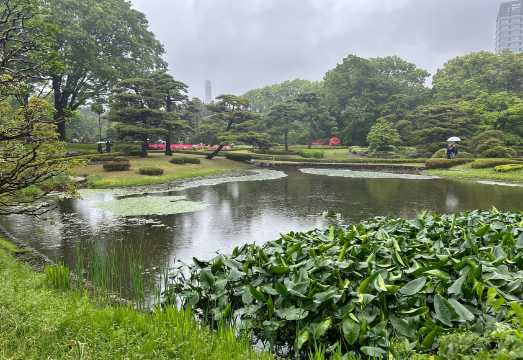
The Imperial Palace East Gardens, or Kōkyo Higashi Gyoen, are one of the most accessible parts of the palace grounds. They occupy the eastern part of the former Edo Castle site and include castle foundations, stone walls, guardhouses, gardens, lawns, seasonal plantings and historic remains.
Admission is free, but the gardens are not open every day. They are commonly closed on Mondays, Fridays and selected holidays or official occasions, and opening hours change by season. Always check the current Imperial Household Agency calendar before visiting.
East Gardens highlights
Otemon Gate: one of the main entrances to the East Gardens.
Site of the Edo Castle Tenshukaku: the stone base of the former main keep.
Ninomaru Garden: a peaceful Japanese-style garden area.
Hyakunin-bansho Guardhouse: one of the historic guardhouses of Edo Castle.
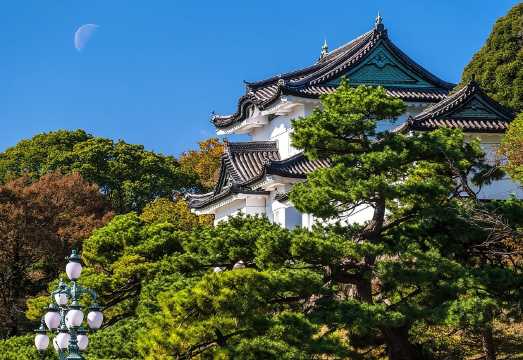
Fujimi-yagura: a surviving keep structure visible on palace routes.
Bairin-zaka: a plum-grove slope that is attractive in late winter.
Museum of the Imperial Collections: useful if open during your visit.
East Gardens tips
Enter via Otemon Gate if coming from Tokyo Station or Otemachi.
Use Hirakawa-mon or Kitahanebashi-mon if approaching from Takebashi.
Check opening hours and closed days before travelling.
Allow at least 60 to 90 minutes for a relaxed walk.
Wear comfortable shoes because the garden area is larger than it looks.
Visit in the morning for a quieter experience.
Bring water in summer because Tokyo heat and humidity can be intense.
Nijubashi Bridge and Kokyo Gaien
Nijubashi Bridge is one of the most famous Imperial Palace views. Many visitors come to the wide plaza of Kokyo Gaien to photograph the bridge, moat, stone walls and palace-side greenery.
The name Nijubashi is often used casually for the photogenic bridge view near the main palace entrance. The stone bridge seen from the public plaza is also known as Meganebashi because its reflection can look like eyeglasses in the water. The deeper palace bridge beyond is part of the formal entrance area and is not normally crossed by casual visitors.
Why visit Nijubashi?
It is the classic Tokyo Imperial Palace photo spot.
It is easy to reach from Tokyo Station, Nijubashi-mae or Hibiya.
The wide plaza gives a strong sense of palace scale.
It pairs well with Marunouchi, Hibiya Park and Ginza.
It is a good option when the East Gardens are closed.
Kokyo Gaien tips
Visit on a clear morning for better reflections and softer light.
Use a wide-angle lens or phone panorama for the moat and bridge scene.
Combine with a walk from Tokyo Station through Marunouchi.
Do not expect to cross the bridge unless you are on a permitted palace route.
In summer, carry water because the open plaza can feel hot.
Tokyo Imperial Palace Guided Tours
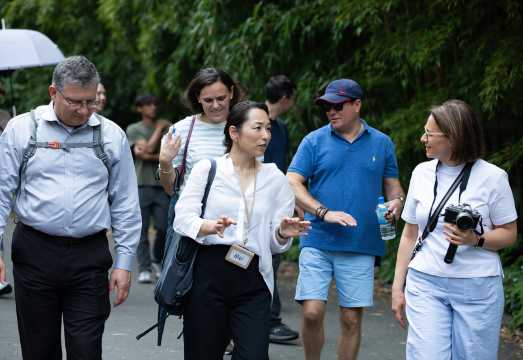
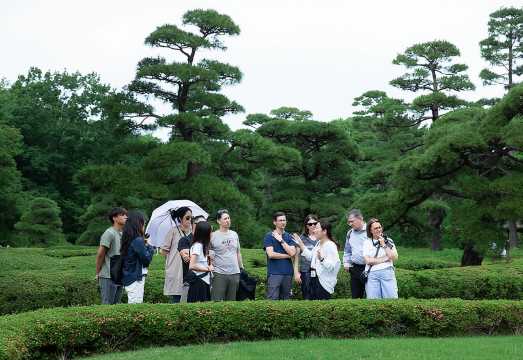
Guided tours of the Imperial Palace grounds are run through the Imperial Household Agency. They usually follow a controlled outdoor route through part of the palace grounds, passing gates, official buildings, historic keeps, moats and the area around the main palace approach.
These tours do not usually enter the private living quarters of the Imperial Family. They are best for travellers who want more context and access to areas not open during a normal East Gardens visit.
What guided tours may include
Kikyo-mon Gate meeting point
Imperial Household Agency Building area
Historic keep and gate views
Kyuden Totei Plaza area
Views toward the Imperial Palace buildings
Seimon-tetsubashi and Nijubashi-related viewpoints
Explanations from official staff or audio/video support depending on tour format
Guided tour tips
Book ahead if your Tokyo schedule is tight.
Bring ID if required for registration.
Arrive early at Kikyo-mon Gate.
Expect security procedures and group movement.
Wear comfortable shoes because the route is walked outdoors.
Check weather because tours may be hot, cold or wet depending on season.
Do not assume same-day spots will be available.
Edo Castle Ruins and Stone Walls
Before becoming the Imperial Palace, this site was Edo Castle, the political centre of Tokugawa Japan. Although the original castle tower no longer stands, the scale of the old fortress remains clear in the moats, gates, stone ramparts, guardhouses and the huge base of the former donjon.
The East Gardens are the best place to appreciate the Edo Castle remains. The stonework is massive, and the contrast with the towers of Marunouchi and Otemachi makes the area feel like a meeting point between old and modern Tokyo.
Historic features to look for
Moats surrounding the palace grounds
Stone ramparts and defensive walls
Former castle keep foundation
Guardhouses and gate structures
Wide lawns marking former castle spaces
Views toward modern Tokyo office towers beyond the castle walls
Chidorigafuchi and Cherry Blossoms
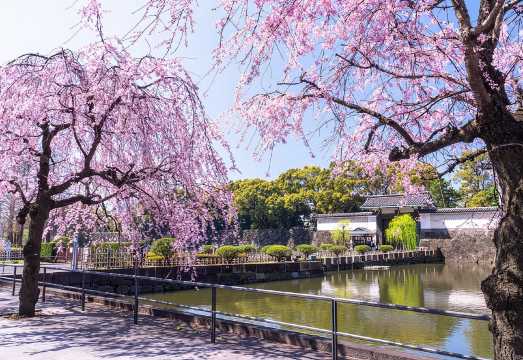
Chidorigafuchi is one of Tokyo’s most famous cherry blossom areas, located along the north-western moat of the Imperial Palace. In spring, the trees arch over the water and create one of the city’s most photogenic sakura scenes.
During peak bloom, this area can be very crowded, especially in the evening and on weekends. Boat rides may operate seasonally, but queues can be long. If you want quieter photos, go early in the morning.
Chidorigafuchi tips
Visit in late March or early April in a typical cherry blossom year.
Check blossom forecasts because timing changes each year.
Go early morning for fewer crowds.
Expect heavy foot traffic during peak bloom.
Combine with Yasukuni Shrine or Kitanomaru Park.
Use public transport because nearby roads and parking can be difficult.
Best Things to Do at Tokyo Imperial Palace
1. Walk the Imperial Palace East Gardens
The East Gardens are the best free entry point for history, castle remains and seasonal greenery.
2. Photograph Nijubashi Bridge
Head to Kokyo Gaien for the classic bridge, moat and palace wall view.
3. Join an official guided palace tour
A guided tour gives more access than a normal public walk, although it still does not enter private palace interiors.
4. See the Edo Castle keep foundation
The stone base of the former castle tower shows the scale of the old fortress.
5. Walk from Tokyo Station through Marunouchi
This route gives a dramatic contrast between modern Tokyo business towers and the palace moat.
6. Visit during cherry blossom season
Chidorigafuchi and the moat areas are among Tokyo’s most famous sakura scenes.
7. Enjoy autumn foliage
Late autumn brings warm colours to the gardens, moats and nearby parks.
8. Jog or walk the palace loop
The path around the Imperial Palace is a famous Tokyo running and walking route.
9. Visit the Museum of the Imperial Collections
Check opening status and exhibitions if you want to add art and cultural objects to your visit.
10. Combine with Ginza or Hibiya
The palace area is close enough to walk onward to shopping, dining and theatres.
Nearby Places to Visit
Tokyo Station
Tokyo Station is a major rail hub and architectural landmark. The Marunouchi side pairs beautifully with an Imperial Palace walk.
Marunouchi
Marunouchi is Tokyo’s polished business district, filled with restaurants, shops, cafés and elegant streets between Tokyo Station and the palace.
Ginza
Ginza is one of Tokyo’s best shopping and dining districts, easily combined with the Imperial Palace area.
Hibiya Park
Hibiya Park is a pleasant green space south of the palace, good for a rest between sightseeing and Ginza.
Kitanomaru Park
Kitanomaru Park sits north of the palace grounds and is useful for cherry blossoms, museums and a quieter walk.
National Museum of Modern Art, Tokyo
This museum near Takebashi works well with an East Gardens or Kitanomaru Park visit.
Yasukuni Shrine
Yasukuni Shrine is near Chidorigafuchi and often included in cherry blossom walks, though visitors should be aware of its complex modern historical context.
Otemachi
Otemachi is a major office and subway hub beside the palace, useful for transport and dining.
Best Time to Visit Tokyo Imperial Palace
Tokyo Imperial Palace can be visited year-round, but the best experience depends on your interests. Spring is famous for cherry blossoms, autumn for foliage, winter for clearer air and quieter walks, and summer for lush greenery but higher heat and humidity.
Season
What to Expect
Advice
Spring
Cherry blossoms around Chidorigafuchi, East Gardens and nearby parks
Beautiful but crowded. Visit early morning for calmer photos.
Summer
Lush greenery, long opening hours in some garden periods and hot weather
Go early, carry water and avoid midday heat.
Autumn
Comfortable walking weather and colourful foliage
One of the best seasons for relaxed sightseeing.
Winter
Cool air, clearer views and fewer garden crowds
Good for photography, moats and quiet walking.
Public access events
Special openings may occur on limited dates
Check official Imperial Household Agency notices before planning.
Suggested Tokyo Imperial Palace Itinerary Ideas
Option 1: Simple 1-Hour Imperial Palace Visit
Start: Arrive at Nijubashi-mae or Tokyo Station.
Walk: Head to Kokyo Gaien.
Main stop: Photograph Nijubashi Bridge and the palace moat.
Finish: Continue to Marunouchi, Hibiya or Ginza.
Option 2: Best Half-Day Palace Walk
Morning: Start at Tokyo Station Marunouchi side.
Walk: Cross Marunouchi toward the palace.
Stop 1: Photograph Nijubashi Bridge from Kokyo Gaien.
Stop 2: Enter the East Gardens via Otemon Gate if open.
Stop 3: See the Edo Castle keep foundation and Ninomaru Garden.
Finish: Exit toward Takebashi or Otemachi for lunch.
Option 3: Guided Tour and East Gardens
Morning: Join an official Imperial Palace guided tour if booked.
Midday: Have lunch in Marunouchi or Otemachi.
Afternoon: Visit the East Gardens if open.
Evening: Walk to Ginza or Tokyo Station for dinner.
Option 4: Cherry Blossom Route
Early morning: Start at Chidorigafuchi during peak sakura season.
Afternoon: Head to the East Gardens or Kokyo Gaien.
Finish: End in Marunouchi or Ginza.
Option 5: Tokyo Station, Palace and Ginza Day
Morning: Tokyo Station and Marunouchi architecture.
Late morning: Imperial Palace East Gardens.
Lunch: Marunouchi or Otemachi.
Afternoon: Nijubashi and Kokyo Gaien walk.
Evening: Ginza shopping, department stores and dinner.
Where to Stay Near Tokyo Imperial Palace
Area
Best For
Traveller Notes
Marunouchi / Tokyo Station
First-time visitors, rail access and polished hotels
Best for convenience, Shinkansen travel and palace walks.
Otemachi
Business hotels and subway access
Very practical for transport and East Gardens access.
Ginza
Shopping, dining and luxury stays
Easy walk or short subway ride to the palace area.
Hibiya / Yurakucho
Theatres, restaurants and central Tokyo atmosphere
Good for combining palace walks with Ginza and nightlife.
Akihabara / Kanda
Better value and train connections
Still convenient by train or subway.
Akasaka / Nagatacho
Government district, dining and subway access
Good for quieter central stays with multiple lines nearby.
Food, Cafés and Shopping Nearby
The Imperial Palace grounds themselves are not a dining district, but nearby Marunouchi, Otemachi, Tokyo Station, Hibiya and Ginza offer excellent food choices. Plan your meal before or after your walk rather than expecting many options inside the gardens.
Good nearby food areas
Tokyo Station: ramen streets, bento shops, cafés and restaurants.
Marunouchi: polished restaurants, bakeries, cafés and wine bars.
Otemachi: business lunch spots and underground dining areas.
Hibiya: cafés, restaurants and easy access to theatres.
Ginza: sushi, department-store food halls, sweets, cafés and fine dining.
Yurakucho: casual izakaya, under-railway dining and evening atmosphere.
Food tips
Eat before entering the East Gardens if you plan a long walk.
Use Tokyo Station for quick meals and snacks.
Book ahead for popular Ginza restaurants.
Carry water in summer.
Do not picnic in restricted areas or leave rubbish behind.
Useful Booking Resources for Tokyo Imperial Palace and Tokyo Activities
The Imperial Palace East Gardens and Kokyo Gaien can be visited independently, but booking platforms are useful for guided Tokyo walks, private history tours, cherry blossom routes, bike tours around the palace, Tokyo transport products, airport transfers and wider Japan planning. Skimlinks may automatically convert these merchant links into affiliate links if the merchant is active in your Skimlinks account.
GetYourGuide – offers Tokyo walking tours, Imperial Palace area tours, private guides, food tours, day trips, teamLab tickets and airport transfers.
Viator – offers private Tokyo tours, Imperial Palace and Marunouchi walks, cherry blossom tours, Tokyo highlights trips, cultural experiences and custom itineraries.
Klook – offers Tokyo attraction tickets, transport passes, airport transfers, eSIMs, guided tours, food experiences and Japan Rail-related products.
KKday – offers Tokyo activities, Japan transport products, guided tours, cultural workshops, day trips and attraction tickets.
Trip.com – useful for Tokyo hotels, flights, train-friendly stays, attraction listings and Japan travel planning.
Tiqets – useful for mobile-friendly attraction tickets, museums and cultural experiences in Tokyo and other major cities.
Musement – offers Tokyo tours, attraction tickets, cultural activities, guided walks and city experiences.
G Adventures – offers small-group Japan tours for travellers combining Tokyo with Kyoto, Osaka, Hiroshima and other destinations.
TourRadar – useful for comparing multi-day Japan tour packages that include Tokyo and wider Japan itineraries.
Booking tip: Before booking a Tokyo Imperial Palace-related tour, check whether it includes the East Gardens, Kokyo Gaien, Nijubashi, Chidorigafuchi, Marunouchi, a palace guided tour, or only an outside viewpoint. Also check whether the East Gardens are open on your chosen date.
Tokyo Imperial Palace Travel Tips
Check the East Gardens calendar
The East Gardens are free but not open every day. Always check the official calendar before travelling across Tokyo.
Use the correct entrance
Otemon Gate is useful from Tokyo Station and Otemachi. Other gates may be better if you are coming from Takebashi or Kitanomaru Park.
Do not expect palace interiors
Guided tours are mostly outdoor and controlled. They are worthwhile, but they are not interior palace tours.
Wear comfortable shoes
The palace area is large, and you may walk more than expected.
Go early in summer
Tokyo can be very hot and humid. Morning visits are more comfortable.
Plan around Mondays and Fridays
The East Gardens are commonly closed on Mondays and Fridays, plus selected holidays and official occasions.
Bring water and sun protection
Open plazas such as Kokyo Gaien have limited shade.
Respect restricted areas
The palace is an active Imperial residence. Stay within public areas and follow signs.
Combine with Tokyo Station
The Marunouchi side of Tokyo Station makes an excellent start or finish to the visit.
Use public transport
Driving is unnecessary. Tokyo Station, Otemachi, Nijubashi-mae and Takebashi give easy access.
Is Tokyo Imperial Palace Worth Visiting?
Yes, Tokyo Imperial Palace is worth visiting if you enjoy history, gardens, city walks and classic Tokyo scenery. It is not a conventional palace museum, but it is one of the best places to understand Tokyo’s transformation from Edo Castle town to modern capital.
It may not suit travellers expecting to enter ornate royal rooms or tour private palace interiors. The best experiences are outside: East Gardens, Edo Castle ruins, Nijubashi Bridge, moats, stone walls, Kokyo Gaien and seasonal routes such as Chidorigafuchi in cherry blossom season.
The best way to enjoy Tokyo Imperial Palace is to choose the right visit style: a quick Nijubashi photo stop, a free East Gardens walk, a guided official palace tour, a cherry blossom route, or a longer Tokyo Station-to-Ginza day built around the palace grounds.
FAQs About Tokyo Imperial Palace
Where is Tokyo Imperial Palace?
Tokyo Imperial Palace is in Chiyoda, central Tokyo, close to Tokyo Station, Marunouchi, Otemachi, Hibiya and Ginza.
Can tourists enter Tokyo Imperial Palace?
Tourists cannot freely enter the private Imperial residence, but they can visit public areas such as the East Gardens, Kokyo Gaien and Nijubashi viewpoint. Guided palace tours are also available on selected days.
Are the Imperial Palace East Gardens free?
Yes. The East Gardens are free to enter on open days, but they are closed on some regular days, holidays and official occasions.
What is the best entrance for the East Gardens?
Otemon Gate is one of the most convenient entrances if coming from Tokyo Station or Otemachi. Takebashi is useful for Hirakawa-mon or Kitahanebashi-mon access.
What is Nijubashi Bridge?
Nijubashi Bridge is the famous bridge view near the main Imperial Palace entrance. It is one of the classic photo spots in Tokyo.
Do Imperial Palace guided tours go inside the palace?
Guided tours usually follow a controlled outdoor route through part of the palace grounds. They do not generally include private palace interiors.
How long do you need at Tokyo Imperial Palace?
A quick Nijubashi photo stop can take 30 to 45 minutes. The East Gardens usually need 60 to 90 minutes. A guided tour plus gardens can take half a day.
When is the best time to visit Tokyo Imperial Palace?
Spring is best for cherry blossoms, autumn for foliage, winter for quiet walks and summer for lush greenery. Morning is usually the best time for comfort and fewer crowds.
Is Tokyo Imperial Palace near Tokyo Station?
Yes. The palace area is within walking distance of Tokyo Station’s Marunouchi side, making it easy to combine with Marunouchi and Ginza.
Is Tokyo Imperial Palace worth visiting?
Yes. Tokyo Imperial Palace is worth visiting for its East Gardens, Edo Castle ruins, Nijubashi Bridge, moats, stone walls, cherry blossoms, autumn foliage and central Tokyo history.
Sponsored Popular Items
Quick take: Trip.com offers a worldwide selection of tours and attractions and hotels
Tokyo Imperial Palace East Gardens and Tokyo Station Tour – Guided Sightseeing Experience Japan Tokyo Imperial Palace East Gardens and Tokyo Station Tour This walking tour links two sides of central Tokyo beautifully: the calm, historic grounds of the Imperial Palace East Gardens and the grand red-brick finish at Tokyo Station. If you want a Tokyo walking tour that blends old power, modern polish, and an easy-to-follow city route, this Imperial Palace East Gardens and Tokyo Station experience is a strong choice. It is not a rushed checklist tour and it is not a museum-heavy half day. Instead, it gives you a compact, well-balanced walk through one of the city’s most historically layered districts.…
Tokyo Imperial Palace East Gardens Walking Tour – Guided Sightseeing Experience Japan Tokyo Imperial Palace East Gardens Walking Tour This walking tour explores one of central Tokyo’s calmest and most historically layered spaces, where Edo Castle ruins, formal gardens, and wide open lawns sit in striking contrast to the surrounding city. If you want a Tokyo walking tour that feels rich in history without becoming heavy or overly formal, the Imperial Palace East Gardens is one of the easiest choices to make. It gives you a chance to step away from the city’s constant motion and into a landscape shaped by shoguns, castle defenses, and carefully preserved Japanese garden design. What makes…
Tokyo Imperial Palace East National Gardens private guided tour – Guided Tour Japan Tokyo Imperial Palace East National Gardens private guided tour - Explore the history and natural beauty of Japan's imperial family adds structure, local context and purposeful sightseeing to the itinerary. Tokyo Imperial Palace East National Gardens private guided tour - Explore the history and natural beauty of Japan's imperial family: experience overview Avoid the crowds of mass tourism and enjoy personalized guided commentary.;Perfect for history buffs, family travelers, or photography enthusiasts to deeply capture the serene beauty of the Imperial Palace.;Accompanied by a professional guide, delve into the buided commentary on the Imperial Palace's history and uncover the daily life…
Tokyo, East Garden of the Imperial Palace w / History Guide – Bookable Travel Experience Tokyo, East Garden of the Imperial Palace w/ History Guide provides a structured way to visit a notable attraction or cultural site. Tokyo, East Garden of the Imperial Palace w/ History Guide: experience overview Step into a living tapestry of Japanese history and nature, right in the heart of Tokyo.;Walk in the footsteps of emperors with an expert guide for a captivating cultural immersion.;Discover where Japan's majestic past meets serene beauty on a relaxing, time-honored journey. Available from trip.com. This makes the experience a useful option when planning time in > Tokyo local experienceSearch Results. The exact duration can depend…
Imperial Palace East Garden and Edo Castle Walking Tour in Tokyo – Guided Sightseeing Tour Imperial Palace East Garden and Edo Castle Walking Tour in Tokyo adds structure, local context and purposeful sightseeing to the itinerary. Imperial Palace East Garden and Edo Castle Walking Tour in Tokyo: experience overview from Trip.com in Tokyo. Stay connected with family and friends. Available from trip.com. This makes the experience a useful option when planning time in > Tokyo local experienceSearch Results. The exact duration can depend on the selected date, option or operating schedule. Routes, start times, inclusions and meeting arrangements may vary, so the current booking page should be treated as the final source of operational information.…
Tokyo: Imperial Palace, Edo Castle and Historical Tour – Guided Sightseeing Tour Tokyo: Imperial Palace, Edo Castle and Historical Tour adds structure, local context and purposeful sightseeing to the itinerary. Tokyo: Imperial Palace, Edo Castle and Historical Tour: experience overview Explore the stone ruins of historic Edo Castle.;Stroll through the scenic Ninomaru Garden.;Visit original gates and moats from the samurai era. Available from trip.com. This makes the experience a useful option when planning time in > Tokyo local experienceSearch Results. The exact duration can depend on the selected date, option or operating schedule. Routes, start times, inclusions and meeting arrangements may vary, so the current booking page should be treated as the…
Quick take: Trip.com helps you compare prices across accommodations. Use it to shortlist hotels, then click through to confirm the final price, room type, and inclusions on the booking site.
Tokyo Imperial Palace, Ginza & Tea Ceremony Half-Day Tour - Hands-On Experience Best deals for Half-Day Imperial Palace, Ginza and Japanese Tea Ceremony Guided Tour. Go on a morning walk around the Imperial Palance and enjoy the serene sights, try the foods behind Japanese health and wellbeing, discover Ginza. Available from Musement.
Tokyo Castle & Imperial PalaceーShogun Walking Tour – Guided Sightseeing Tour Japan Tokyo Castle & Imperial PalaceーShogun Walking Tour adds structure, local context and purposeful sightseeing to the itinerary. Tokyo Castle & Imperial PalaceーShogun Walking Tour: experience overview Discover the Hidden World of Edo Castle;History of the Samurai and the Shogun;Japan's 2,600-year imperial system Available from trip.com. This makes the experience a useful option when planning time in > Tokyo local experienceSearch Results > Tokyo Castle & Imperial PalaceーShogun Walking Tour. The exact duration can depend on the selected date, option or operating schedule. Routes, start times, inclusions and meeting arrangements may vary, so the current booking page should be treated as…
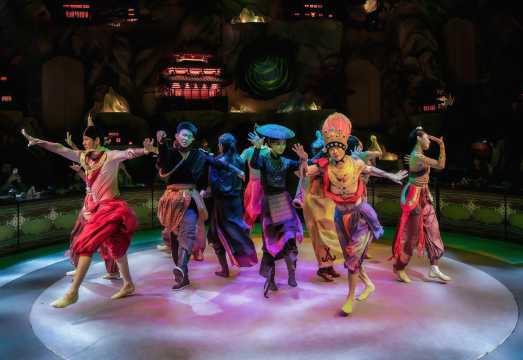
Wuhan Hankou Fenghua Palace Imperial Banquet & Dance Show China Wuhan Hankou Fenghua Palace Banquet - Immersive Imperial Feast (Ritual Music Civilization + Folk Dance + Hankou Legend Dance Musical + Optional... provides a structured way to visit a notable attraction or cultural site. Wuhan Hankou Fenghua Palace Banquet - Immersive Imperial Feast (Ritual Music Civilization + Folk Dance + Hankou Legend Dance Musical + Optional...: experience overview Immerse yourself in the Republic of China era with interactive performances featuring singing, dancing, and drama, transporting you back to old Hankou in an instant;70 minutes condensing Hankou's history, showcasing resilience through love, with interwoven music and plot delivering both tear-jerking and…
Shanghai Imperial Palace Banquet: Dunhuang Immersive Dinner & Show – Travel Experience China Shanghai Imperial Palace Banquet: Dunhuang Immersive Dinner & Show | Unusedrooms.com Shanghai Imperial Palace Banquet: Dunhuang Immersive Dinner & Show If you are looking for a Shanghai night out that feels more theatrical than a standard dinner reservation, this Trip.com listing is one to keep on your radar. The Shanghai Imperial Palace Banquet: Dunhuang Immersive Dinner & Show is presented as a 100-minute immersive dining experience that blends food, visual performance, and Dunhuang-inspired styling into one event. Rather than treating it like a conventional restaurant booking, it makes more sense to think of this as a dinner-and-show experience with a…
Lijiang Imperial Banquet & Palace Dining Show – Food & Drink Experience Best deals for Lijiang Imperial Banquet · Palace Dining Show in Yunnan|Panoramic immersive palace banquet show [Dinner + performance + free costume change—Join a.... 1. Immersive royal time-travel experience: The intricately carved beams and painted rafters, staff dressed in ancient or Naxi traditional costumes, along with the continuous welcoming music and banquet rituals, together create a strong royal ambiance. You can also freely change into ancient costumes to embody a character from the drama, deeply immersing yourself in this thousand-year-old royal feast.;2. Imperial banquet cuisine blends local flavors. The dishes are rooted in Naxi ethnic culinary culture, refined with imperial…
Hangzhou Palace Banquet – Chinese Imperial – Style Dining Experience – Food Experience Best deals for Hangzhou Palace Banquet · Chinese Imperial-Style Dining Experience [Exciting Song and Dance Performances + Ancient Imperial Feast + Optional.... 360° immersive Song Dynasty experience: A 3000㎡ circular theater with lighting and sound effects, featuring a cast of hundreds performing Hangzhou's iconic figures like Su Dongpo and Lady White Snake. From Hanfu costumes to ancient rituals like hand-washing and incense-burning, transporting you instantly to the thousand-year-old city of Lin'an.;A cultural feast of cuisine and rituals: Each dish is meticulously crafted by inheritors of imperial culinary traditions (intangible cultural heritage), with recipes sourced from ancient texts like "Old Stories…
Quick take: Trip.com helps you compare prices across accommodations. Use it to shortlist hotels, then click through to confirm the final price, room type, and inclusions on the booking site.