This walking tour explores one of central Tokyo’s calmest and most historically layered spaces, where Edo Castle ruins, formal gardens, and wide open lawns sit in striking contrast to the surrounding city.
If you want a Tokyo walking tour that feels rich in history without becoming heavy or overly formal, the Imperial Palace East Gardens is one of the easiest choices to make. It gives you a chance to step away from the city’s constant motion and into a landscape shaped by shoguns, castle defenses, and carefully preserved Japanese garden design.
What makes this experience especially appealing is its balance. You are not simply visiting a garden, and you are not just looking at ruins. The route combines both. That means the walk feels scenic and peaceful on the surface, while still carrying the deeper story of Edo Castle and the political heart of old Japan.
Quick overview
Tour name
Tokyo: Imperial Palace East Gardens Walking Tour
Location
Imperial Palace East Gardens, Tokyo, Japan
Duration
Approximately 2.5 hours
Tour style
Guided walking tour
Voucher format
E-voucher
Language
English
Main highlights
Honmaru area, Ninomaru Garden, Edo Castle ruins, stone walls, guardhouses, and seasonal garden scenery
Best for
History lovers, first-time visitors, photographers, and travelers wanting a calmer side of central Tokyo
Why this tour stands out
Tokyo has no shortage of great walking routes, but this one stands out because it reveals a quieter, older layer of the city that many visitors miss. Instead of focusing on neon districts or shopping streets, it brings you into the grounds of the former Edo Castle, where the scale of feudal power can still be felt in the stonework, open spaces, and surviving defensive structures.
It also works well for travelers who want something historically meaningful without committing to a museum-heavy experience. The setting does much of the work. Wide lawns, formal landscaping, bridges, and castle ruins keep the tour visually interesting from start to finish.
What to expect on the walk
This is the kind of tour that unfolds gradually. You are not moving between crowded indoor attractions. Instead, the guide helps make sense of what you are seeing as the route passes through former castle sections, landscaped garden zones, and preserved historic features.
Expect a mix of calm scenery and historical storytelling. The atmosphere is generally more reflective than energetic, which is part of the appeal. You are walking through one of Tokyo’s most important historical spaces, but it still feels like a break from the city rather than a lesson in a classroom.
What makes the Honmaru area important
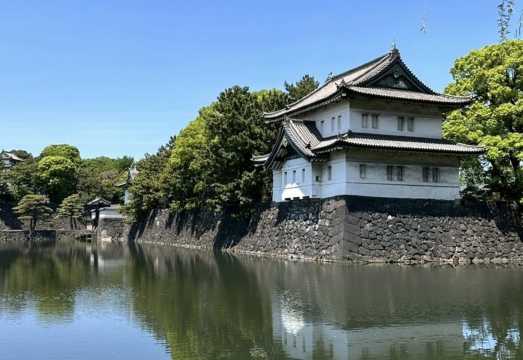
The Honmaru was once the main compound of Edo Castle, so it carries the greatest historical weight on the route. Today, the area is better known for its open lawns and the remains of the former castle foundations, but that does not lessen its importance. In many ways, it makes the story more vivid, because you are standing where the core of feudal authority once sat.
For visitors, this means the stop has more substance than a simple park walk. It is one of the best places to imagine the scale and strategic design of the old castle complex.
Why Ninomaru Garden is such a highlight
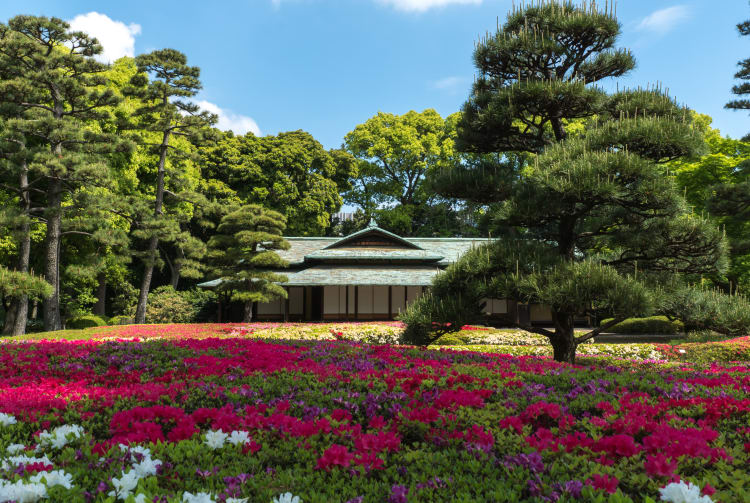
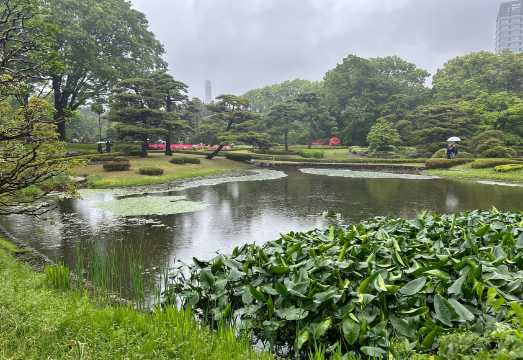
If the Honmaru gives the tour its historical backbone, Ninomaru Garden provides much of its beauty. This section is known for classic Japanese landscape design, with carefully arranged trees, shrubs, water, and stone features creating a softer and more elegant mood.
It is also one of the reasons the tour works in every season. Spring blossoms, summer greenery, autumn foliage, and winter clarity all bring out different sides of the garden. That makes the experience appealing even if you are not deeply focused on history alone.
More than just a garden
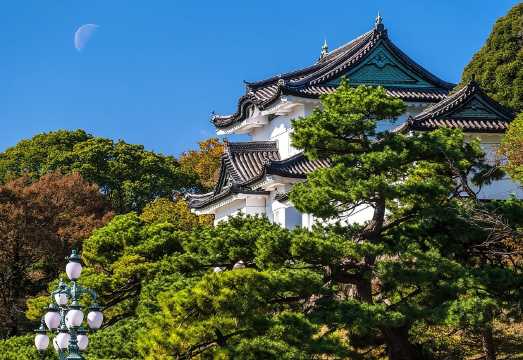
One of the strongest things about the East Gardens is that they feel like more than a scenic stroll. Stone walls, guardhouses, gates, and the remains of old defensive layouts keep reminding you that this was once part of the most powerful castle complex in Japan.
That contrast between beauty and former military function is what gives the visit its character. Few central Tokyo attractions combine quiet landscaping with such a strong sense of political history.
How to get there
The East Gardens are very easy to work into a Tokyo itinerary because they sit so centrally. Otemachi Station is one of the most convenient access points, and Tokyo Station is also within walking distance. That makes this tour especially attractive for visitors staying anywhere on Tokyo’s rail network.
As always, the exact meeting instructions on your booking confirmation matter most, but from a transport point of view this is one of the more straightforward historical tours in the city.
Who this tour suits best
First-time Tokyo visitors wanting a guided historical walk
Travelers who enjoy gardens, ruins, and architecture
People interested in the Tokugawa shoguns and Edo-period history
Visitors who prefer a slower-paced sightseeing experience
Couples, solo travelers, and older visitors looking for a manageable city walk
What to wear and bring
Comfortable walking shoes
Your e-voucher or booking confirmation
A light day bag
Water in warmer months
A phone or camera for garden and castle-ruin views
This is not a strenuous tour, but it is still more enjoyable if you dress for steady walking rather than for a quick city stop.
How much time should you allow?
The walking tour itself is about 2.5 hours, but it is wise to allow a little extra time before and after. The surrounding palace area is one of the most attractive parts of central Tokyo, and many visitors end up wanting a few extra minutes for photos or a slower wander once the guided section finishes.
Is it worth it?
Yes, especially if you want a historical Tokyo experience that feels accessible rather than overwhelming. The East Gardens give you a surprisingly spacious and elegant look at the city’s past, right in the middle of the modern capital.
It is particularly worthwhile for travelers who want something calmer than a busy urban neighborhood tour but still want real depth and context.
Booking tips
Check your final meeting details carefully before the day
Wear shoes suitable for a full outdoor walk
Bring light rain protection if the forecast is uncertain
Keep your schedule flexible in case you want extra time around the palace area afterwards
Visit in spring or autumn if seasonal garden color is a priority
Frequently asked questions
How long is the Tokyo Imperial Palace East Gardens Walking Tour?
The tour is approximately 2.5 hours.
Is this a guided walking tour or a bus tour?
This is a guided walking tour.
What are the main highlights?
The route focuses on the Honmaru area, Ninomaru Garden, Edo Castle ruins, and preserved features such as stone walls and guardhouses.
Is the East Gardens area worth visiting if I have limited time in Tokyo?
Yes. It is central, historically important, and visually rewarding without taking up a whole day.
Is the atmosphere more scenic or historical?
It is both. That combination is one of the main reasons the tour works so well.
Can first-time visitors enjoy this without knowing much Japanese history?
Absolutely. The setting is attractive on its own, and the guided format helps make the historical background easy to follow.
Is this a good option for older travelers?
For many people, yes. It is a manageable city walk rather than a physically demanding sightseeing route.
What season is best for this tour?
Spring and autumn are especially appealing, but the gardens are attractive year-round.
Final thoughts
This tour works because it shows Tokyo in a way many visitors do not expect. Instead of the city at its fastest, you get Tokyo at its most layered: castle ruins, formal gardens, open sky, and the lingering presence of the shogunate in the middle of the modern capital.
If you want a Tokyo activity that feels calm, elegant, and historically grounded, this is a very solid choice.
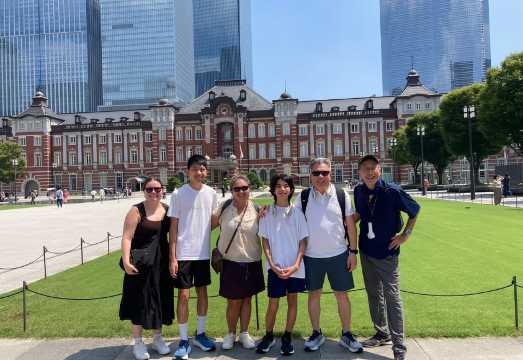
Tokyo Imperial Palace East Gardens and Tokyo Station Tour – Guided Sightseeing Experience Japan Tokyo Imperial Palace East Gardens and Tokyo Station Tour This walking tour links two sides of central Tokyo beautifully: the calm, historic grounds of the Imperial Palace East Gardens and the grand red-brick finish at Tokyo Station. If you want a Tokyo walking tour that blends old power, modern polish, and an easy-to-follow city route, this Imperial Palace East Gardens and Tokyo Station experience is a strong choice. It is not a rushed checklist tour and it is not a museum-heavy half day. Instead, it gives you a compact, well-balanced walk through one of the city’s most historically layered districts.…
Tokyo Imperial Palace East National Gardens private guided tour – Guided Tour Japan Tokyo Imperial Palace East National Gardens private guided tour - Explore the history and natural beauty of Japan's imperial family adds structure, local context and purposeful sightseeing to the itinerary. Tokyo Imperial Palace East National Gardens private guided tour - Explore the history and natural beauty of Japan's imperial family: experience overview Avoid the crowds of mass tourism and enjoy personalized guided commentary.;Perfect for history buffs, family travelers, or photography enthusiasts to deeply capture the serene beauty of the Imperial Palace.;Accompanied by a professional guide, delve into the buided commentary on the Imperial Palace's history and uncover the daily life…
Tokyo: Imperial Palace, Edo Castle and Historical Tour – Guided Sightseeing Tour Tokyo: Imperial Palace, Edo Castle and Historical Tour adds structure, local context and purposeful sightseeing to the itinerary. Tokyo: Imperial Palace, Edo Castle and Historical Tour: experience overview Explore the stone ruins of historic Edo Castle.;Stroll through the scenic Ninomaru Garden.;Visit original gates and moats from the samurai era. Available from trip.com. This makes the experience a useful option when planning time in > Tokyo local experienceSearch Results. The exact duration can depend on the selected date, option or operating schedule. Routes, start times, inclusions and meeting arrangements may vary, so the current booking page should be treated as the…
Tokyo Imperial Palace and Edo Castle Historical Guided Walking Tour – Guided Tour Japan Tokyo Imperial Palace and Edo Castle Historical Guided Walking Tour adds structure, local context and purposeful sightseeing to the itinerary. Tokyo Imperial Palace and Edo Castle Historical Guided Walking Tour: experience overview Discover the Shogun's Inner Garden (Ninomaru Garden);Stand Where Power Was Actually Wielded;See koi swimming in tranquil ponds within the palace grounds Available from trip.com. This makes the experience a useful option when planning time in > Tokyo local experienceSearch Results. The exact duration can depend on the selected date, option or operating schedule. Routes, start times, inclusions and meeting arrangements may vary, so the current booking page should…
Tokyo Imperial Palace, Ginza & Tea Ceremony Half-Day Tour - Hands-On Experience Best deals for Half-Day Imperial Palace, Ginza and Japanese Tea Ceremony Guided Tour. Go on a morning walk around the Imperial Palance and enjoy the serene sights, try the foods behind Japanese health and wellbeing, discover Ginza. Available from Musement.
Quick take: Trip.com helps you compare prices across accommodations. Use it to shortlist hotels, then click through to confirm the final price, room type, and inclusions on the booking site.