Yellowstone National Park is one of the most spectacular natural destinations in the United States. Spread across Wyoming, Montana and Idaho, it is famous for geysers, hot springs, bubbling mud pots, colourful thermal pools, waterfalls, canyons, forests, alpine lakes, bison herds, elk, bears, wolves and wide-open mountain scenery.
Yellowstone National Park Travel Guide: Geysers, Wildlife, Hot Springs, Canyons and Road Trip Tips
As the world’s first national park, Yellowstone is both iconic and complex. It is huge, seasonal, weather-dependent and busy in peak months. The best visit comes from planning carefully: choose the right entrance, allow enough driving time, book accommodation early, respect wildlife distances and build your route around Yellowstone’s major regions.
Sponsored Popular Items
Quick take: Musement.com offers a worldwide selection of tours and attractions
Yellowstone is worth visiting because it combines scenery, wildlife and geology in a way few places can match. In one trip, you can watch Old Faithful erupt, walk beside steaming geyser basins, see rainbow-coloured hot springs, photograph waterfalls, drive through bison-filled valleys and stand beside one of America’s most dramatic river canyons.
The park is especially good for road trippers, photographers, families, hikers, wildlife watchers and travellers who want a classic American national park experience. It is also a strong addition to a wider route through Grand Teton National Park, Jackson Hole, Montana, Wyoming, Idaho or the Rocky Mountain West.
Old Faithful and Upper Geyser Basin
Old Faithful is Yellowstone’s most famous geyser and one of the park’s must-see attractions. It erupts regularly enough that visitors can usually plan around predicted eruption windows posted by the park and visitor centre.
The geyser sits in the Upper Geyser Basin, one of the most concentrated hydrothermal areas in the world. Many visitors make the mistake of watching Old Faithful and leaving immediately. A better plan is to walk the boardwalks around the basin and explore nearby geysers, pools and thermal features.
Old Faithful Village also has visitor services, lodging, dining, restrooms, parking and the historic Old Faithful Inn. It is one of the busiest parts of Yellowstone, so arrive early or expect crowds in peak season.
Grand Prismatic Spring
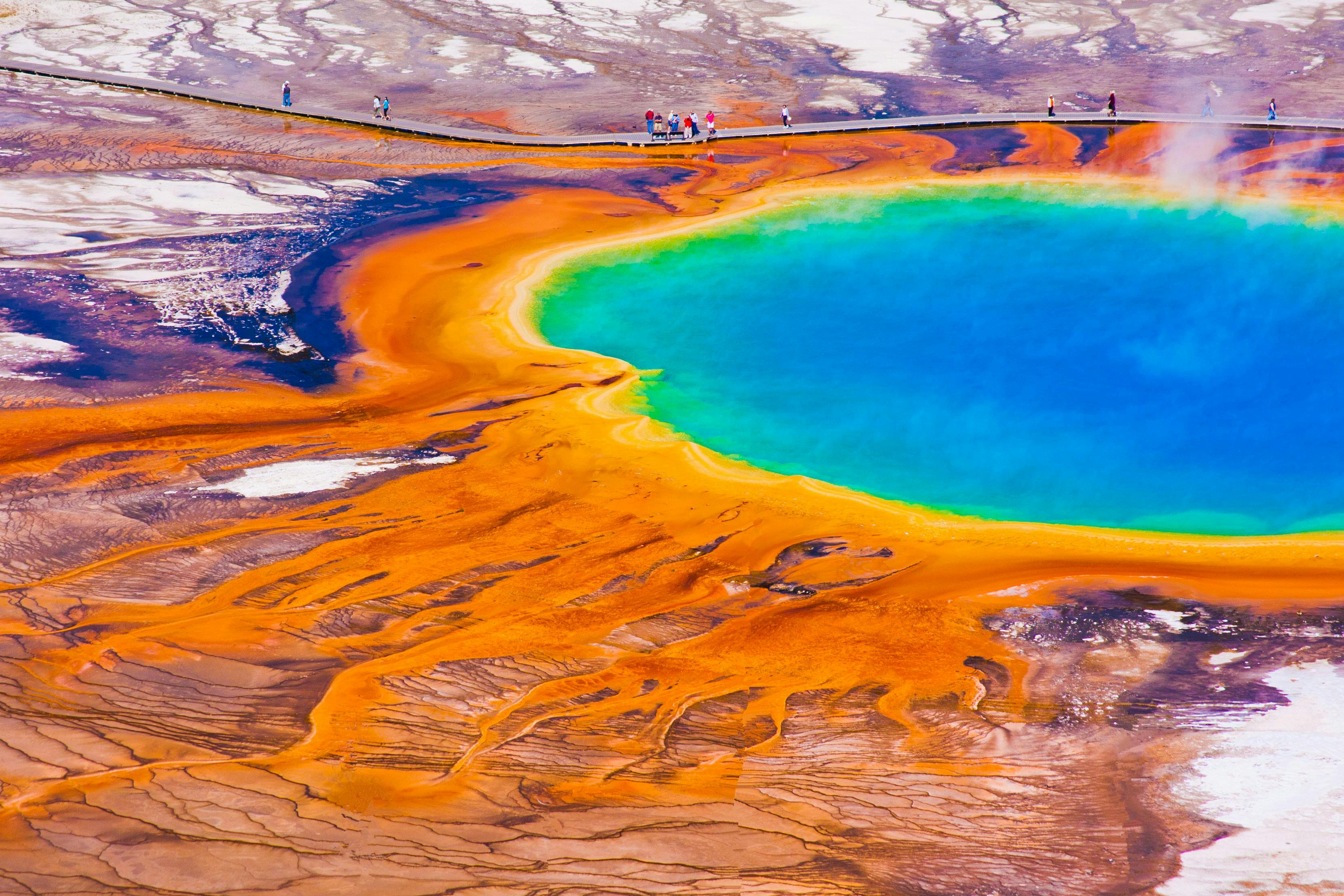
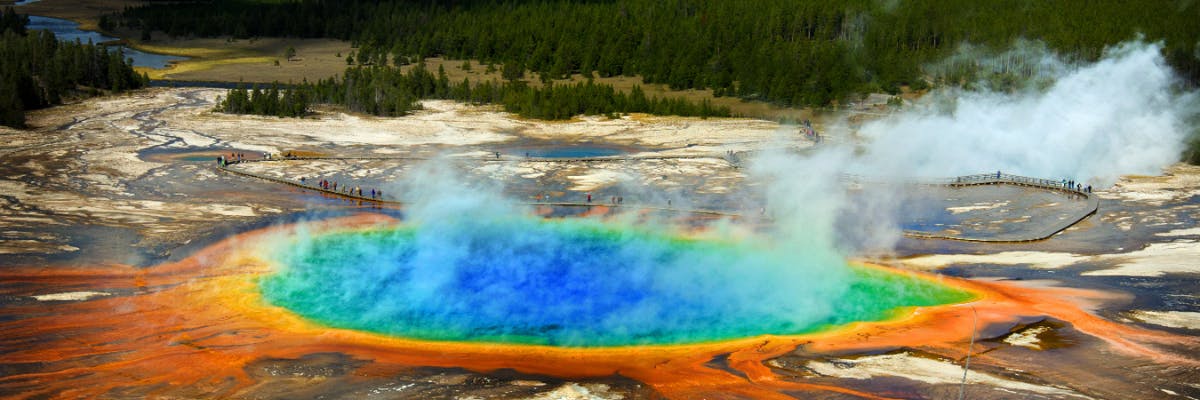
Grand Prismatic Spring is one of Yellowstone’s most photographed sights. Its blue centre, orange and yellow microbial mats, steam and large circular shape make it one of the park’s most visually striking thermal features.
There are two main ways to experience it. The boardwalk at Midway Geyser Basin takes you close to the spring, where you can see the colours and steam from ground level. The Grand Prismatic Overlook trail gives a higher view, which is often better for seeing the full shape and colour pattern.
For the best photos, visit on a cooler morning for steam effects or later in the day for clearer colour, depending on conditions. Crowds and parking can be heavy, so allow extra time.
Mammoth Hot Springs
Mammoth Hot Springs is located in the northern part of Yellowstone and is known for its pale travertine terraces. The terraces are formed by mineral-rich hot water flowing over limestone, creating stepped formations that look very different from the geyser basins near Old Faithful.
The area includes upper and lower terrace boardwalks, historic buildings, visitor services and frequent elk sightings around Mammoth village. Because the northern road corridor is one of the most accessible parts of the park, Mammoth is also important for shoulder-season and winter planning.
Grand Canyon of the Yellowstone
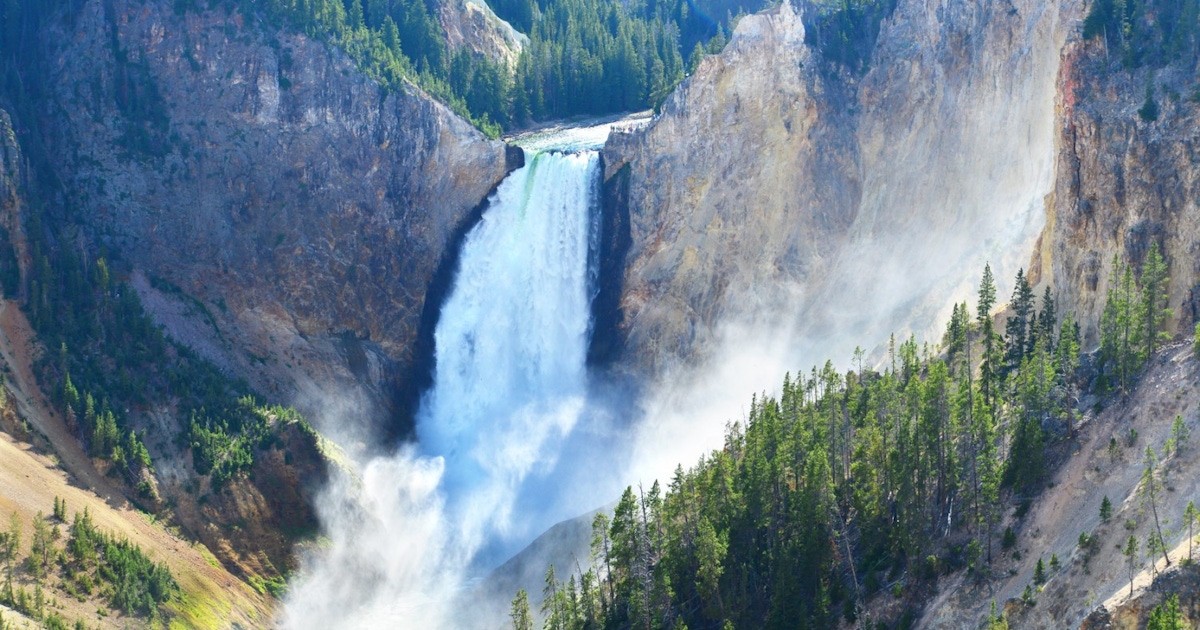
The Grand Canyon of the Yellowstone is one of the park’s most dramatic landscapes. The canyon is known for steep yellow, orange and rust-coloured walls, the Yellowstone River and powerful waterfalls.
The two most famous waterfalls are Upper Falls and Lower Falls. Lower Falls is the taller and more iconic of the two, often viewed from overlooks such as Artist Point, Lookout Point, Red Rock Point and the Brink of the Lower Falls area.
This region is excellent for photography and short viewpoint walks. It is also one of the best places in the park to appreciate Yellowstone’s scale beyond the geysers.
Yellowstone Lake
Yellowstone Lake is the largest body of water in the park and one of the largest high-elevation lakes in North America. It gives the park a very different mood from the geyser basins and wildlife valleys.
The lake area is good for scenic driving, photography, picnic stops, boating access where permitted, lakeside walks and a calmer break from the busier thermal areas. Lake Village, Fishing Bridge, Bridge Bay and West Thumb are useful lake-region stops.
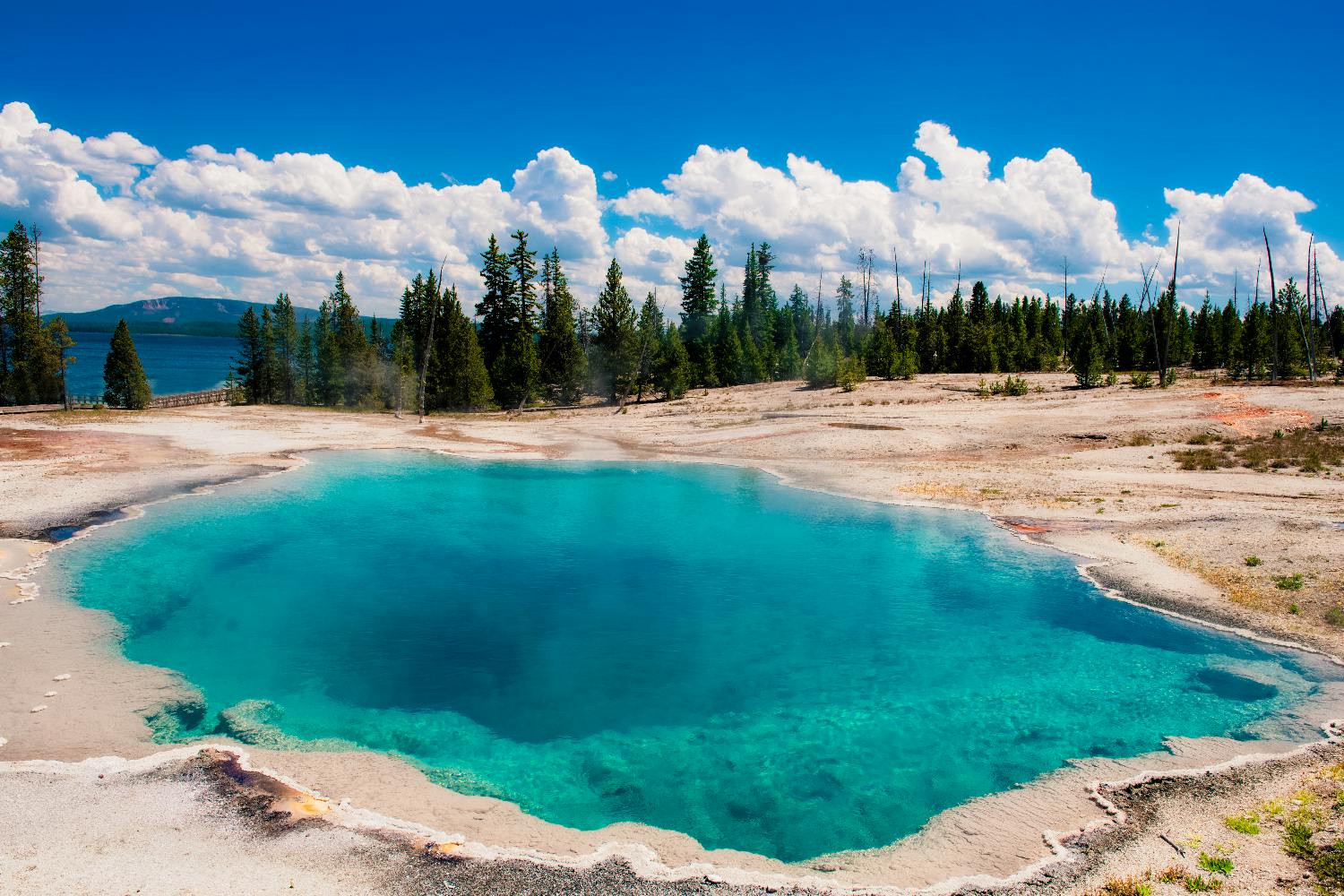
West Thumb Geyser Basin is especially worth visiting because it combines thermal features with lake views. Steam, hot pools and the wide lake backdrop make it one of Yellowstone’s most scenic boardwalk areas.
Lamar Valley
Lamar Valley is one of the best wildlife-watching areas in Yellowstone. Located in the park’s northeast, it is famous for bison, pronghorn, wolves, bears, coyotes and wide-open valley scenery.
Wildlife viewing is best early in the morning or late in the evening. Bring binoculars or a spotting scope if possible. Many animals will be far away, and approaching wildlife is dangerous and illegal.
Lamar Valley is farther from the park’s busiest southern attractions, so it works best if you stay near Mammoth, Roosevelt, Cooke City, Gardiner or plan a long wildlife-focused driving day.
Hayden Valley
Hayden Valley is another prime wildlife area, located between Canyon Village and Yellowstone Lake. It is one of the easiest places to see bison from the road and is also good for birdlife, elk, coyotes and occasional bear or wolf sightings.
Traffic can slow dramatically when animals are near the road. This is part of the Yellowstone experience, but it also means drive times can be much longer than expected. Use pullouts, do not stop in the road, and stay inside your vehicle when wildlife is close.
Wildlife in Yellowstone
Yellowstone is one of the best wildlife destinations in the United States. Commonly seen animals include bison, elk, mule deer, pronghorn, bighorn sheep, coyotes and many birds. With luck, visitors may also see black bears, grizzly bears, wolves, moose, foxes and river otters.
The safest and best wildlife viewing is done from a distance. Binoculars and telephoto lenses are essential if you want close-looking views without approaching animals.
Important wildlife safety rules include staying at least 100 yards from bears and wolves, and at least 25 yards from all other wildlife, including bison and elk. Bison may look calm but can run fast and injure visitors who get too close.
Yellowstone Entrances
Yellowstone has five main entrances, and the best one depends on your route.
West Entrance
The West Entrance near West Yellowstone, Montana, is one of the most popular entrances. It is convenient for Old Faithful, Grand Prismatic Spring, Madison and geyser basin routes.
North Entrance
The North Entrance near Gardiner, Montana, is useful for Mammoth Hot Springs, Lamar Valley and northern Yellowstone. It is also important for shoulder-season access.
Northeast Entrance
The Northeast Entrance near Cooke City and Silver Gate is best for Lamar Valley and wildlife-focused trips. It is one of the most scenic approaches, but road conditions and seasonal access matter.
East Entrance
The East Entrance connects Yellowstone with Cody, Wyoming. It works well for travellers coming from eastern Wyoming or building a route with Cody’s museums and western heritage.
South Entrance
The South Entrance connects Yellowstone with Grand Teton National Park and Jackson. It is ideal for travellers combining both parks, but visitors entering from the south usually pass through Grand Teton first and may need to account for separate park fees.
Where to Stay
Yellowstone is large, so where you stay has a major impact on your trip. In-park lodging is convenient but books far ahead. Gateway towns can offer more choice but add driving time.
Inside the Park
Staying inside Yellowstone saves driving and lets you reach major sights earlier. Useful areas include Old Faithful, Canyon Village, Lake Yellowstone, Grant Village, Mammoth Hot Springs and Roosevelt. In-park lodging and campgrounds are seasonal and should be booked as early as possible.
West Yellowstone
West Yellowstone is one of the most convenient gateway towns for first-time visitors. It has hotels, restaurants, tour operators and easy access to the West Entrance.
Gardiner
Gardiner is useful for the North Entrance, Mammoth Hot Springs and northern wildlife routes.
Cooke City and Silver Gate
These small towns are good for Lamar Valley and wildlife photographers, especially early morning starts.
Cody
Cody is farther from Yellowstone’s central sights but works well for travellers entering from the east or wanting a western-town experience.
Jackson and Grand Teton
Jackson is best if you are combining Yellowstone with Grand Teton National Park. It is not ideal as your only base for Yellowstone because many park highlights are a long drive away.
How Long to Spend in Yellowstone
One day: Very rushed. Choose either Old Faithful and Grand Prismatic, or Canyon and Hayden Valley, but do not expect to see the whole park.
Two days: Enough for the main southern highlights, including Old Faithful, Grand Prismatic, Yellowstone Lake and the Grand Canyon of the Yellowstone.
Three days: A good minimum for first-time visitors. This allows geyser basins, Canyon, Yellowstone Lake and one wildlife valley.
Four to five days: Better for most travellers. You can slow down, add Lamar Valley, Mammoth Hot Springs and more boardwalk walks.
One week: Ideal for deeper wildlife watching, hiking, photography, sunrise starts, less rushing and combining multiple regions of the park.
Simple Yellowstone Itinerary
Day 1: Old Faithful and Geyser Country
Enter through the West or South Entrance, depending on your route.
Visit Old Faithful and check the next predicted eruption time.
Walk the Upper Geyser Basin boardwalks.
Visit Biscuit Basin or Black Sand Basin if time allows.
Continue to Grand Prismatic Spring at Midway Geyser Basin.
Walk to the Grand Prismatic Overlook if conditions are suitable.
Stay near Old Faithful, West Yellowstone or Madison if available.
Day 2: Yellowstone Lake and Canyon
Start early and drive toward West Thumb Geyser Basin.
Visit Yellowstone Lake and Lake Village viewpoints.
Drive through Hayden Valley for wildlife viewing.
Explore the Grand Canyon of the Yellowstone.
Stop at Artist Point, Lookout Point and other waterfall viewpoints.
Stay near Canyon Village, Lake, West Yellowstone or Gardiner depending on route.
Day 3: Mammoth Hot Springs and Lamar Valley
Visit Mammoth Hot Springs terraces in the morning.
Drive toward Lamar Valley for wildlife scenery.
Bring binoculars and allow time at pullouts.
Return through Roosevelt or continue to Cooke City if staying nearby.
Watch for wildlife at dusk, but avoid driving too fast or too late when visibility is poor.
Use this day as a weather buffer if earlier days were smoky, stormy or crowded.
Best Time to Visit Yellowstone
The best time to visit Yellowstone depends on what you want to see.
Late Spring
Late spring brings wildlife activity, newborn animals, waterfalls and cooler weather. Some roads and facilities may still be opening, so check current conditions carefully.
Summer
Summer is the busiest season, with most roads, lodges, campgrounds and visitor services open. It is the easiest time for a first visit, but crowds, full parking lots and traffic jams are common.
Autumn
Autumn is one of the best times for wildlife, cooler weather and fewer crowds. Elk rut activity can be dramatic, and the light is beautiful for photography. Services begin closing gradually, so check operating dates.
Winter
Winter is quiet, snowy and beautiful, but access is limited. Most park roads are closed to regular vehicles, with travel to many areas by snowcoach or snowmobile. Mammoth and the northern road corridor remain especially important in winter planning.
Driving and Road Planning
Yellowstone driving takes longer than maps suggest. Roads are winding, speed limits are modest, parking areas fill, wildlife jams happen often and construction or weather can slow travel.
Plan by region rather than distance. For example, group Old Faithful, Upper Geyser Basin and Grand Prismatic together. Group Canyon, Hayden Valley and Yellowstone Lake together. Group Mammoth and Lamar Valley together.
Always check current road status before and during your trip. Yellowstone’s weather can change quickly, and seasonal closures are normal.
Entrance Fees and Reservations
Yellowstone requires an entrance pass, but the National Park Service currently states that vehicle reservations are not required to enter the park. A standard private vehicle entrance pass is typically valid for seven consecutive days.
Non-US residents should check the current fee rules carefully before arrival, as Yellowstone currently lists an additional nonresident fee for visitors aged 16 and over unless admitted with an Annual or America the Beautiful Pass.
Separate reservations are needed for lodging, campgrounds, some tours, guided activities and backcountry camping. Accommodation inside the park can book out far ahead, especially in summer.
Safety Tips
Stay on Boardwalks
Thermal areas are dangerous. The ground around hot springs and geysers can look solid but may be thin crust over superheated water. Stay on boardwalks and designated trails at all times.
Never Touch Thermal Water
Even runoff from thermal features can burn skin. Do not touch, enter or throw objects into hot springs, geysers or thermal pools.
Keep Wildlife Distance
Stay at least 100 yards from bears and wolves, and at least 25 yards from bison, elk and other wildlife. Use binoculars instead of approaching animals.
Carry Bear Spray on Trails
Yellowstone is bear country. Carry bear spray where it is quickly accessible, know how to use it and hike in groups where possible.
Drive Carefully
Wildlife often crosses roads. Bison may walk on roads and cause long delays. Use pullouts for photos and never block traffic.
Prepare for Fast Weather Changes
Yellowstone can have cold nights, storms, wind and even winter-like weather outside winter. Bring layers and rain protection.
What to Wear and Pack
Comfortable walking shoes or hiking shoes
Layered clothing for changing temperatures
Rain jacket
Warm jacket or fleece, even in summer
Hat, sunglasses and sunscreen
Reusable water bottle
Snacks or picnic supplies
Binoculars for wildlife
Camera or phone with power bank
Bear spray for hiking
Paper map or offline maps
Insect repellent in summer
Small first-aid kit
FAQs About Yellowstone National Park
Is Yellowstone National Park worth visiting?
Yes. Yellowstone is one of the most extraordinary national parks in the world, with geysers, hot springs, wildlife, waterfalls, canyons, lakes and mountain scenery.
What is Yellowstone famous for?
Yellowstone is famous for Old Faithful, Grand Prismatic Spring, Mammoth Hot Springs, the Grand Canyon of the Yellowstone, Yellowstone Lake, bison herds, wolves, bears and hydrothermal activity.
How many days do you need in Yellowstone?
Three days is a good minimum for first-time visitors. Four to five days is better if you want a less rushed trip with Lamar Valley, Mammoth Hot Springs and more wildlife time.
Do you need a reservation to enter Yellowstone?
Vehicle reservations are not currently required to enter Yellowstone, but an entrance pass is required. Lodging, campgrounds and tours should be reserved ahead.
What is the best entrance for Yellowstone?
The West Entrance is very convenient for Old Faithful and geyser basins. The North Entrance is good for Mammoth and Lamar Valley. The South Entrance is best for combining Yellowstone with Grand Teton.
Can you visit Yellowstone in one day?
You can visit for one day, but it will be very rushed. Focus on one region, such as Old Faithful and Grand Prismatic, rather than trying to cross the whole park.
When is the best time to visit Yellowstone?
Summer has the most services open, but also the biggest crowds. Late spring and autumn can be excellent for wildlife and fewer visitors, while winter offers a snowy, quieter experience with limited access.
Is Yellowstone good for families?
Yes. Yellowstone is excellent for families, especially with short boardwalk walks, wildlife viewing, geyser eruptions and scenic drives. Children must be closely supervised near thermal areas and wildlife.
Can you see wildlife from the road?
Yes. Many visitors see bison, elk and other animals from roads and pullouts. Lamar Valley and Hayden Valley are especially good for wildlife viewing.
Is Yellowstone dangerous?
Yellowstone is safe if visitors follow rules, but it has real hazards: hot springs, wild animals, fast-changing weather, traffic, rivers and bear country. Stay on boardwalks, keep wildlife distance and prepare properly.
Final Thoughts
Yellowstone National Park is a destination that deserves time and respect. Its geysers, hot springs, wildlife valleys, waterfalls and volcanic landscapes are unforgettable, but the park is large and seasonal, so careful planning matters.
For the best first visit, allow at least three or four days, stay in or near the park if possible, start early each morning, group your sightseeing by region and build in extra time for wildlife jams and weather changes. Whether you come for Old Faithful, Grand Prismatic Spring, Lamar Valley wolves or the Grand Canyon of the Yellowstone, this is one of America’s great natural journeys.
Sponsored Popular Items
Quick take: Musement.com offers a worldwide selection of tours and attractions
Yellowstone National Park Self-Driving Audio Tour United States Yellowstone national park self-driving audio tour is designed for travellers who prefer independent exploration while still having structured digital guidance available. Check current availability, inclusions and booking details before you go.
Yellowstone National Park Tours & Visitor Attractions United States Compare sightseeing experiences in Yellowstone National Park Tours & Visitor, with practical tips on timing, inclusions and choosing the right option. Check current availability, prices and booking conditions before you go.
4-Day Yellowstone and Tetons tour – Local Sightseeing Experience United States 4 day Yellowstone and Tetons tour adds structure, local context and purposeful sightseeing to the itinerary. Check current availability, inclusions and booking details before you go.
Grand Teton and Yellowstone Self-Guided Driving Tours Bundle – Self-Guided Tour Grand Teton and Yellowstone self-guided driving tours bundle is designed for travellers who prefer independent exploration while still having structured digital guidance available. Check current availability, inclusions and booking details before you go.
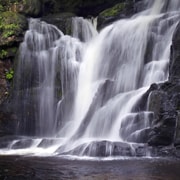
Torc Waterfall & Mountain Hike: Private Guided Adventure in Killarney National Park, Ireland Ireland Discover the spectacular natural beauty of southwest Ireland on a private guided hiking adventure to Torc Waterfall and the summit of Torc Mountain in Killarney National Park. This memorable outdoor experience combines cascading waterfalls, ancient Irish woodlands, rugged mountain landscapes and breathtaking panoramic views across the famous Lakes of Killarney. Located in County Kerry, Killarney National Park is one of Ireland's most remarkable natural destinations. Its landscape features lush forests, dramatic mountains, freshwater lakes and an extraordinary variety of wildlife. The Torc Waterfall and Mountain Hike offers visitors an opportunity to explore this beautiful region on foot, accompanied by an…
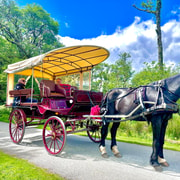
Killarney Views & Brews: Traditional Jaunting Car Tour Through Killarney National Park Ireland Experience the charm of Ireland's countryside on the Killarney Views & Brews Jaunting Tour, a memorable horse-drawn carriage adventure through the beautiful landscapes of Killarney National Park in County Kerry. This unique sightseeing experience combines traditional Irish transportation, historic castles, magnificent lake views and fascinating stories about the region's natural and cultural heritage. Travelling in a traditional horse-drawn jaunting car, visitors discover peaceful woodland paths, enjoy panoramic views of the MacGillycuddy's Reeks mountains and explore the historic surroundings of Ross Castle. The adventure concludes at a local Killarney taproom, where visitors can enjoy a handcrafted wood-fired pizza and a refreshing…
Killarney National Park Private Tour Ireland Best deals for Killarney National Park Private Tour. Relax on a private horse carriage tour by the lakes of Killarney National Park. Admire the views of Ross Castle, an ancient monastery, and Ireland's tallest mountain on your jaunt through the area. Available from getyourguide.com.