Yardang National Geopark, usually called Dunhuang Yardang National Geopark or Dunhuang Yadan National Geopark, is one of the most unusual desert landscapes in north-west China. Located beyond Dunhuang in Gansu Province, it is famous for wind-carved rock formations, dry Gobi scenery, long desert horizons and a strange ruined-city atmosphere that has earned it the nickname “Devil City” or “Ghost City.”
Yardang National Geopark Dunhuang: A Guide to China’s Desert “Ghost City”
For travellers following China’s Silk Road route, the geopark is a memorable contrast to Dunhuang’s Buddhist cave art, sand dunes and oasis scenery. It is remote, stark and powerful, with rock shapes that resemble castles, ships, animals, towers and ancient walls rising from the desert floor.
Sponsored Popular Items
Quick take: Musement.com offers a worldwide selection of tours and attractions
Private Shore Excursion: Eastern Kochi with UNESCO Geopark Best deals for Private Shore Excursion: Eastern Kochi with UNESCO Geopark. Explore the landscapes and culture of eastern Kochi in an itinerary perfect for cruise passengers. Visit the Muroto Global Geopark Center, and Mikurodo Cave. Available from getyourguide.com.
What Is Yardang National Geopark?
Dunhuang Yardang National Geopark is a protected desert landscape north-west of Dunhuang, in Gansu Province, China. It is known for yardang landforms: long, sculpted ridges and isolated rock masses shaped by wind, water erosion and the harsh conditions of the Gobi Desert.
The formations look like a ruined ancient city when seen from a distance. Some resemble towers, city walls, ships, animals or palaces. This makes the park one of the most dramatic geological stops on a Dunhuang itinerary.
The Chinese name is 敦煌雅丹国家地质公园. In travel listings, it may also appear as Dunhuang Yadan National Geological Park, Dunhuang Yardang Geopark, Yadan Devil City or simply Yardang National Geopark.
Why Visit Dunhuang Yardang?
Yardang National Geopark is worth visiting because it shows a completely different side of Dunhuang. The Mogao Caves reveal the region’s Buddhist art and Silk Road history, while Mingsha Mountain and Crescent Spring show classic oasis-and-dune scenery. Yardang Geopark gives you the raw desert geology: wind, rock, silence, distance and strange natural sculpture.
The landscape feels remote and almost otherworldly. In strong sun, the formations look pale and harsh. At sunset, the rocks turn gold, orange and red, and the shadows make the desert shapes more dramatic.
It is especially appealing for photographers, geology lovers, Silk Road travellers, desert scenery fans and visitors who want to see something beyond Dunhuang’s more famous attractions.
What Is a Yardang Landform?
A yardang is a wind-eroded landform shaped from softer rock, sediment or compacted material. Over long periods, wind and sand carve the landscape into ridges, grooves, mounds and streamlined shapes.
Many yardangs are longer than they are wide, and some look like boats, walls or long ridges when viewed from above. In Dunhuang, the formations are especially striking because they are concentrated across a dry desert plain and appear in many different shapes.
The result is not a normal mountain range or canyon. It is more like a natural sculpture field, shaped by desert wind and time.
Why Is It Called Devil City?
Dunhuang Yardang is often nicknamed “Devil City” or “Ghost City” because of its eerie landscape and the sound of wind moving through the formations. When strong winds blow across the desert, the rock corridors and ridges can create howling sounds.
The shapes also contribute to the name. From a distance, the formations can look like abandoned walls, ruined towers or a lost city in the desert. This gives the place a mysterious atmosphere, especially in late afternoon or after sunset.
What to See in the Geopark
The main attraction is the yardang landscape itself. Visitors usually see several named formations and viewing areas by shuttle bus or organised sightseeing route. Exact stops can vary, but common highlights may include formations compared to animals, ships, castles, towers or famous landmarks.
Wind-Carved Rock Formations
The park’s most distinctive feature is its natural rock architecture. Some formations rise like fortresses. Others look like crouching animals, ancient ships or broken city walls.
“Fleet” Landscapes
Some areas contain long ridges arranged across the desert like a fleet of ships. These shapes are among the most memorable examples of yardang erosion.
Desert Horizon Views
The openness is part of the experience. The Gobi landscape stretches far beyond the visitor route, giving the park a sense of isolation and scale.
Photography Stops
The formations are highly photogenic, especially when low-angle light creates strong shadows. Wide landscape shots work well, but close views of layered rock textures are also worth capturing.
Sunset at Yardang National Geopark
Sunset is the best time to see Yardang National Geopark. During the middle of the day, the desert light can be flat, bright and harsh. Late afternoon light adds colour, depth and shadow to the rock formations.
If possible, plan your visit so you are inside the scenic area during golden hour. The rock shapes become more dramatic, the desert temperature begins to ease, and the strange “lost city” feeling becomes much stronger.
Sunset visits require careful planning because the park is far from Dunhuang and tour schedules vary. Confirm return transport before committing to a late visit.
How the Visit Usually Works
Most visitors do not freely wander across the desert. Yardang National Geopark is usually visited through a managed route, commonly using scenic-area shuttle buses that stop at selected viewing points.
This system helps protect the fragile landforms and keeps visitors safe in a remote desert environment. Some areas may allow short walks around marked viewing zones, but visitors should not climb on formations or walk away into unmarked desert areas.
Some operators or scenic-area options may offer deeper exploration by special vehicle, but availability, cost and rules can change. Always confirm current arrangements locally.
How to Get There from Dunhuang
Yardang National Geopark is far outside Dunhuang city, so it is best visited by private driver, organised tour or a Silk Road day-trip route. It is not a quick town attraction.
Many travellers combine it with Yumen Pass, Han Great Wall ruins and other western Dunhuang historic sites. This makes better use of the long drive and gives the day both geological and Silk Road historical interest.
If you are travelling independently, ask your hotel or local travel agency to arrange a driver. Confirm the full price, route, waiting time, sunset timing and return to Dunhuang before departure.
What to Combine With Yardang Geopark
Yumen Pass
Yumen Pass, also known as Jade Gate Pass, is one of the classic historic stops west of Dunhuang. It was connected with ancient frontier routes and Silk Road travel.
Han Great Wall Ruins
Fragments of Han Dynasty frontier walls can be included on western Dunhuang routes. They add historical context to the desert landscape.
Yangguan Pass
Yangguan Pass is another important ancient pass linked with travel west from China. It can be visited on some Dunhuang itineraries depending on route planning.
Mogao Caves
The Mogao Caves are Dunhuang’s most famous cultural attraction. They are best visited separately rather than squeezed into a rushed Yardang day, because Mogao needs careful ticketing and a focused half-day visit.
Mingsha Mountain and Crescent Spring
Mingsha Mountain and Crescent Spring are best for sand dunes, camel rides and oasis scenery. They are closer to Dunhuang town and work well on a different day or evening.
Best Time to Visit
The best seasons for Dunhuang Yardang National Geopark are spring and autumn, when desert temperatures are generally more comfortable than peak summer and less cold than winter.
Summer can be very hot and exposed, especially at midday. Winter can be cold, windy and stark, but it may also be quieter. Desert weather can shift quickly, so check local conditions before leaving Dunhuang.
The best time of day is late afternoon into sunset. If photography matters, avoid the harshest midday light where possible.
How Long to Spend There
Allow at least half a day from Dunhuang because of the distance. The actual time inside the geopark may be around one to two hours for a standard visit, depending on the route, shuttle stops and whether you add sunset viewing.
If combining the geopark with Yumen Pass and other western Dunhuang sites, plan for a long day. Start early or plan carefully around sunset so you are not rushing the most scenic part of the visit.
What to Wear and Bring
Comfortable walking shoes
Hat or cap
Sunglasses
Sunscreen
Light scarf or face covering for dust and wind
Plenty of drinking water
Snacks for the long drive
Light jacket for sunset or cooler months
Phone with power bank
Camera with spare battery
Passport or ID if required for ticketing or travel checks
Cash or mobile payment option
Practical Travel Tips
Do Not Underestimate the Distance
Yardang National Geopark is remote. It is not like visiting a city museum or nearby temple. Plan transport properly and allow enough time for the return to Dunhuang.
Visit Near Sunset if You Can
The landscape is far more dramatic in low light. Sunset gives the formations colour, texture and stronger shadows.
Confirm Ticket and Shuttle Rules
Scenic-area ticketing, shuttle buses, special vehicle options and opening times can change. Confirm locally before travelling.
Bring Water
The desert is dry, exposed and far from city services. Carry more water than you think you need.
Stay on Marked Routes
The landforms are fragile and the desert can be disorienting. Do not wander into unmarked areas or climb the formations.
Prepare for Wind
Wind is part of the Yardang experience. A scarf, sunglasses and secure hat can make the visit more comfortable.
Use a Local Driver or Tour
For most travellers, a local driver or organised tour is the easiest way to visit. Public transport options can be limited and inconvenient.
Pair It With Silk Road Sites
Combining Yardang with Yumen Pass and Han Great Wall ruins gives the day more variety and helps justify the long drive.
Protect Your Camera Gear
Dust and sand can be hard on cameras and phones. Use a protective case or bag when wind picks up.
Check Weather Before Departure
Extreme heat, cold, dust or wind can affect the experience. Ask locally about conditions before committing to the journey.
FAQs About Yardang National Geopark
Where is Yardang National Geopark?
Dunhuang Yardang National Geopark is north-west of Dunhuang in Gansu Province, China, in the Gobi Desert region.
Is Yardang National Geopark worth visiting?
Yes, it is worth visiting if you enjoy desert scenery, geology, photography and unusual landscapes. It is especially good as part of a Dunhuang Silk Road itinerary.
What is a yardang?
A yardang is a wind-eroded landform, usually shaped into ridges, mounds or streamlined rock forms by desert erosion over long periods.
Why is Dunhuang Yardang called Devil City?
It is called Devil City because the wind can howl through the formations, and the rock shapes look like a ruined ghost city in the desert.
Can you visit Yardang National Geopark from Dunhuang in one day?
Yes, but it is a long outing. Most visitors combine it with Yumen Pass, Han Great Wall ruins or other western Dunhuang sites.
What is the best time to visit Yardang National Geopark?
Spring and autumn are generally the best seasons. Late afternoon and sunset are the best times of day for photography.
Can you walk freely inside the geopark?
No, visitors usually follow managed routes and shuttle stops. This protects the fragile formations and keeps visitors safe in the desert.
Do you need a guide?
A guide is not always essential, but a local driver or tour is strongly recommended because the geopark is far from Dunhuang and transport logistics can be difficult.
What should I combine with Yardang Geopark?
Good combinations include Yumen Pass, Han Great Wall ruins, Yangguan Pass, Mingsha Mountain, Crescent Spring and the Mogao Caves on a separate day.
Is Yardang National Geopark good for children?
It can be interesting for older children who enjoy unusual landscapes, but the long drive, heat, wind and limited shade may be difficult for younger children.
Final Thoughts
Yardang National Geopark is one of Dunhuang’s most striking natural attractions. Its wind-carved ridges, desert towers and ghost-city atmosphere make it feel very different from the oasis, cave and dune landscapes closer to town.
For the best experience, plan it as a proper half-day or full-day outing from Dunhuang, aim for sunset light, bring water and sun protection, and combine it with nearby Silk Road sites if time allows. The journey is long, but the reward is one of north-west China’s most memorable desert landscapes.
Sponsored Popular Items
Quick take: Musement.com offers a worldwide selection of tours and attractions
Private Shore Excursion: Eastern Kochi with UNESCO Geopark Best deals for Private Shore Excursion: Eastern Kochi with UNESCO Geopark. Explore the landscapes and culture of eastern Kochi in an itinerary perfect for cruise passengers. Visit the Muroto Global Geopark Center, and Mikurodo Cave. Available from getyourguide.com.
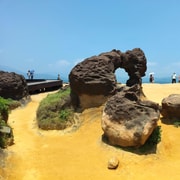
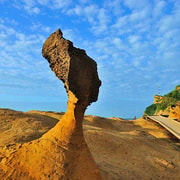
Yehliu Geopark, Jiufen Street, Shihfen Lantern One-Day Tour Taiwan Best deals for Yehliu Geopark, Jiufen Street, Shihfen Lantern One-Day Tour. The most famous and must see spots in Taipei city for foreign visitors who just want to explore the exciting of Taiwan. Guests can visit the exciting places in one day and have unforgettable memory. Available from getyourguide.com.
Yehliu Geopark Admission Ticket Taiwan Best deals for Yehliu Geopark Admission Ticket. Appreciate northern Taiwan's natural masterpieces. Witness sea erosion shaping rocks and the cape into real-life object forms. Enjoy convenient entry with QR codes. Available from getyourguide.com.
Langkawi UNESCO Geopark Mangrove Half-Day Tour Malaysia Langkawi UNESCO geopark mangrove half-day tour is a convenient way to add structure, local context and purposeful sightseeing to the itinerary. Check current availability, inclusions and booking details before you go.
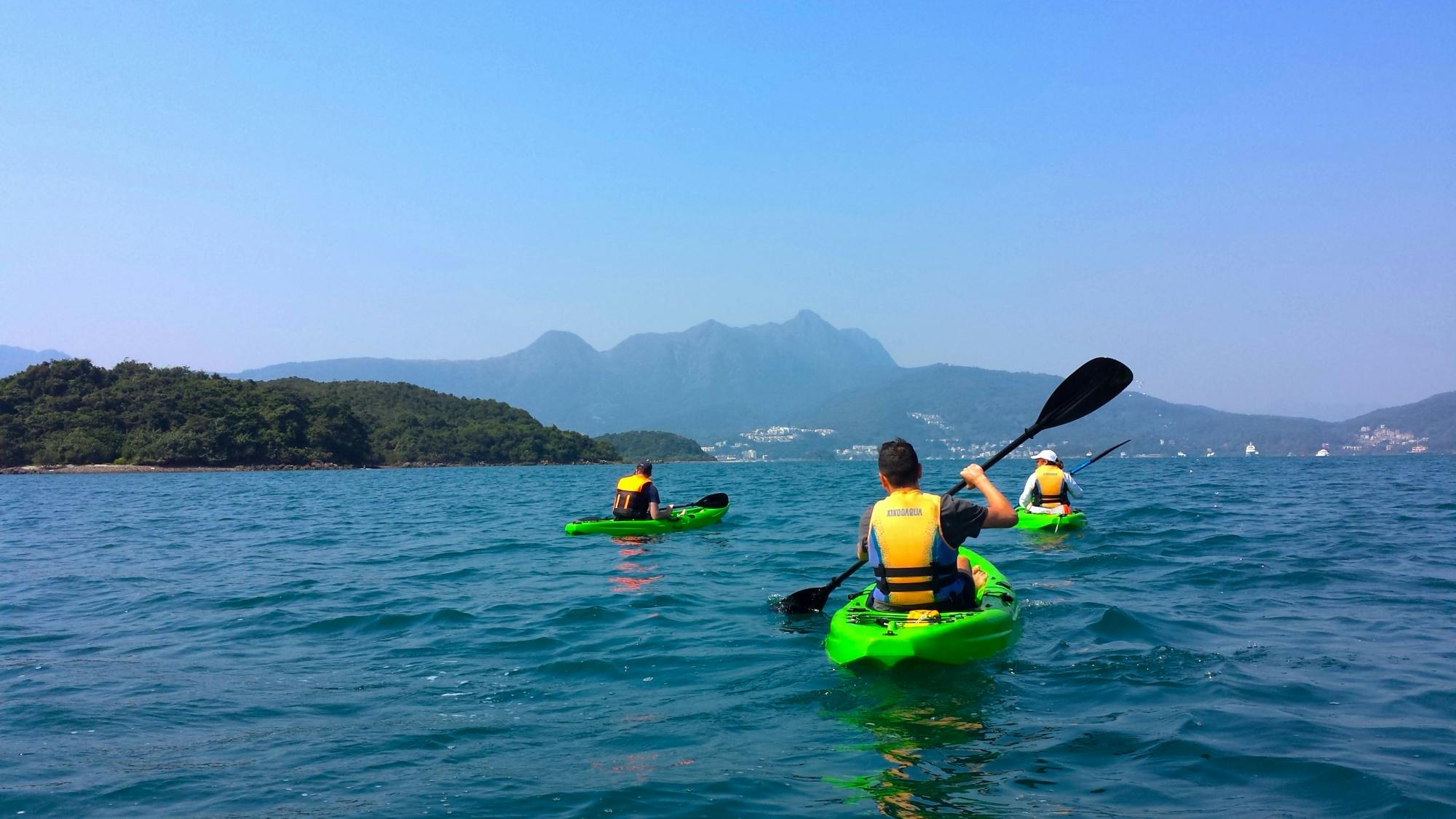
Hong Kong Global Geopark Kayaking Tour – Outdoor Adventure China Hong Kong Global Geopark Kayaking Tour brings an active alternative to standard sightseeing and should be planned with the stated safety requirements in mind. Check current availability, inclusions and booking details before you go.
Freita Plateau and Arouca Geopark Guided Walking Tour – Guided Sightseeing Portugal Freita Plateau and Arouca Geopark Guided Walking Tour brings several elements of the destination together in one organised sightseeing experience. Check current availability, inclusions and booking details before you go.
Torc Waterfall & Mountain Hike: Private Guided Adventure in Killarney National Park, Ireland Ireland Discover the spectacular natural beauty of southwest Ireland on a private guided hiking adventure to Torc Waterfall and the summit of Torc Mountain in Killarney National Park. This memorable outdoor experience combines cascading waterfalls, ancient Irish woodlands, rugged mountain landscapes and breathtaking panoramic views across the famous Lakes of Killarney. Located in County Kerry, Killarney National Park is one of Ireland's most remarkable natural destinations. Its landscape features lush forests, dramatic mountains, freshwater lakes and an extraordinary variety of wildlife. The Torc Waterfall and Mountain Hike offers visitors an opportunity to explore this beautiful region on foot, accompanied by an…