There are several excellent spots around Wollongong where native wildlife can be observed in their natural environments, both in the wild and in well-cared-for conservation settings.
Sponsored Popular Items
Quick take: Musement.com offers a worldwide selection of tours and attractions
Wollongong: 90-Minute Lake Illawarra Jet Ski Tour Australia Experience the thrill of riding a jet ski on Lake Illawarra on Sydney's south coast with a guided tour from Wollongong. Learn how to operate your own jet ski and cover 50 km of water in 90 minutes.
Illawarra Escarpment State Conservation Area
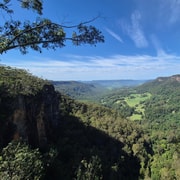
This vast conservation area frames Wollongong with dramatic sandstone cliffs, lush rainforests, and eucalyptus forests. Visitors often encounter a rich array of birdlife—including lyrebirds, parrots, and kookaburras—along with lizards, fungi, and even echidnas near the escarpment’s edge. Walking trails like the Mt Keira Ring Track and Bald Hill are especially rewarding for wildlife spotting .
Symbio Wildlife Park
For close-up encounters with iconic Australian animals such as koalas, kangaroos, wombats, and little penguins, visit Symbio Wildlife Park. This well-run park near Wollongong also houses reptiles, red pandas, monkeys, and a wide range of native birds, making it ideal for families and anyone who wants to see a diversity of wildlife in one location .
Illawarra Rhododendron and Rainforest Gardens
Set under the escarpment at Mt Pleasant, these gardens are a haven for native birds, frogs, water dragons, and even echidnas. It’s a peaceful, scenic spot with a variety of bushwalks through Illawarra rainforest, perfect for gentle wildlife observation .
Coastal and Marine Wildlife
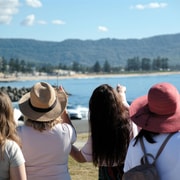
During the whale migration season (May–November), head to viewpoints like Barrack Point or Bass Point to spot migrating whales and dolphins, which can sometimes be seen year-round from coastal lookouts. Seals occasionally bask at Port Kembla’s rock wall, and pelicans are often visible in local harbors .
Other Notable Creatures and Places
Grey-headed flying foxes are commonly spotted flying over urban areas, especially at dusk .
The Wollongong Botanic Garden, Mount Keira Summit Park, and local creeks host species such as brushtail possums, bandicoots, and a dazzling variety of native birds (over 350 species recorded in the Illawarra region) .
Wollongong’s unique blend of escarpment, bushland, gardens, and coast creates endless opportunities for observing Australian flora and fauna in their natural habitats
Sponsored Popular Items
Quick take: Musement.com offers a worldwide selection of tours and attractions
Wollongong: 90-Minute Lake Illawarra Jet Ski Tour Australia Experience the thrill of riding a jet ski on Lake Illawarra on Sydney's south coast with a guided tour from Wollongong. Learn how to operate your own jet ski and cover 50 km of water in 90 minutes.
Wollongong’s Wicked Women: Inspiring History Walking Tour Australia Walk into Wollongong's hidden history and see Wollongong in a whole new light. Discover the city’s stories, meet the women who shaped it and have a few laughs along the way.
From Wollongong: Southern Highlands Explore Tour Australia Discover the Southern Highlands at a relaxed pace — scenic lookouts, cascading waterfalls & charming countryside on a private tour from Wollongong. Perfect for all fitness levels.
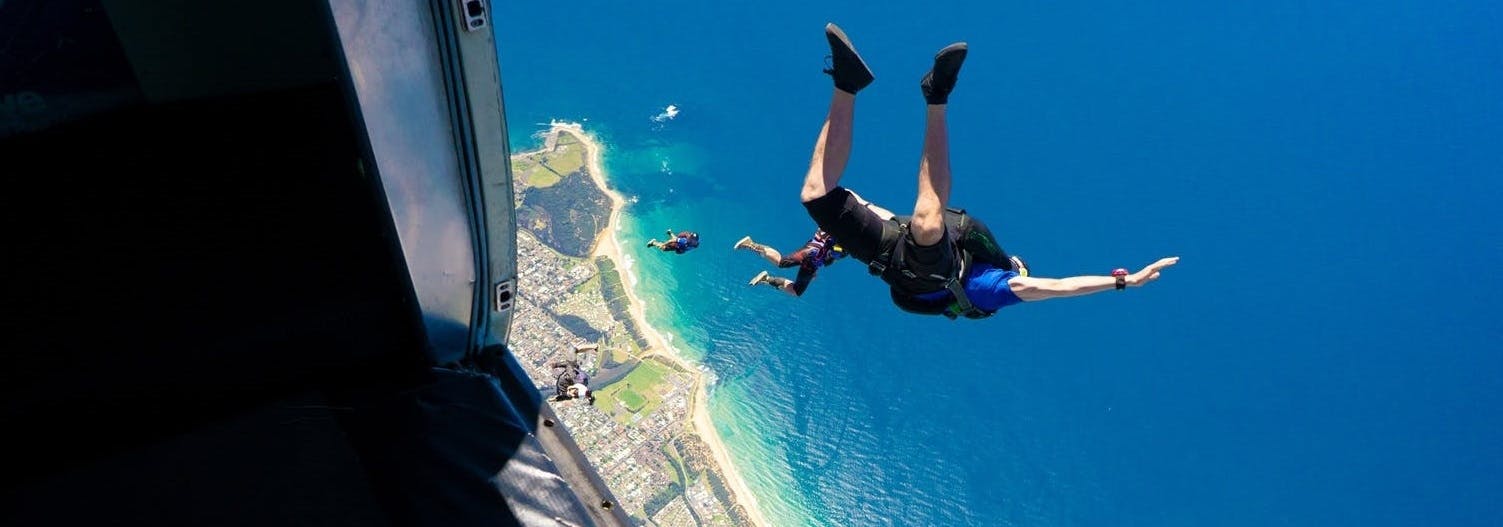
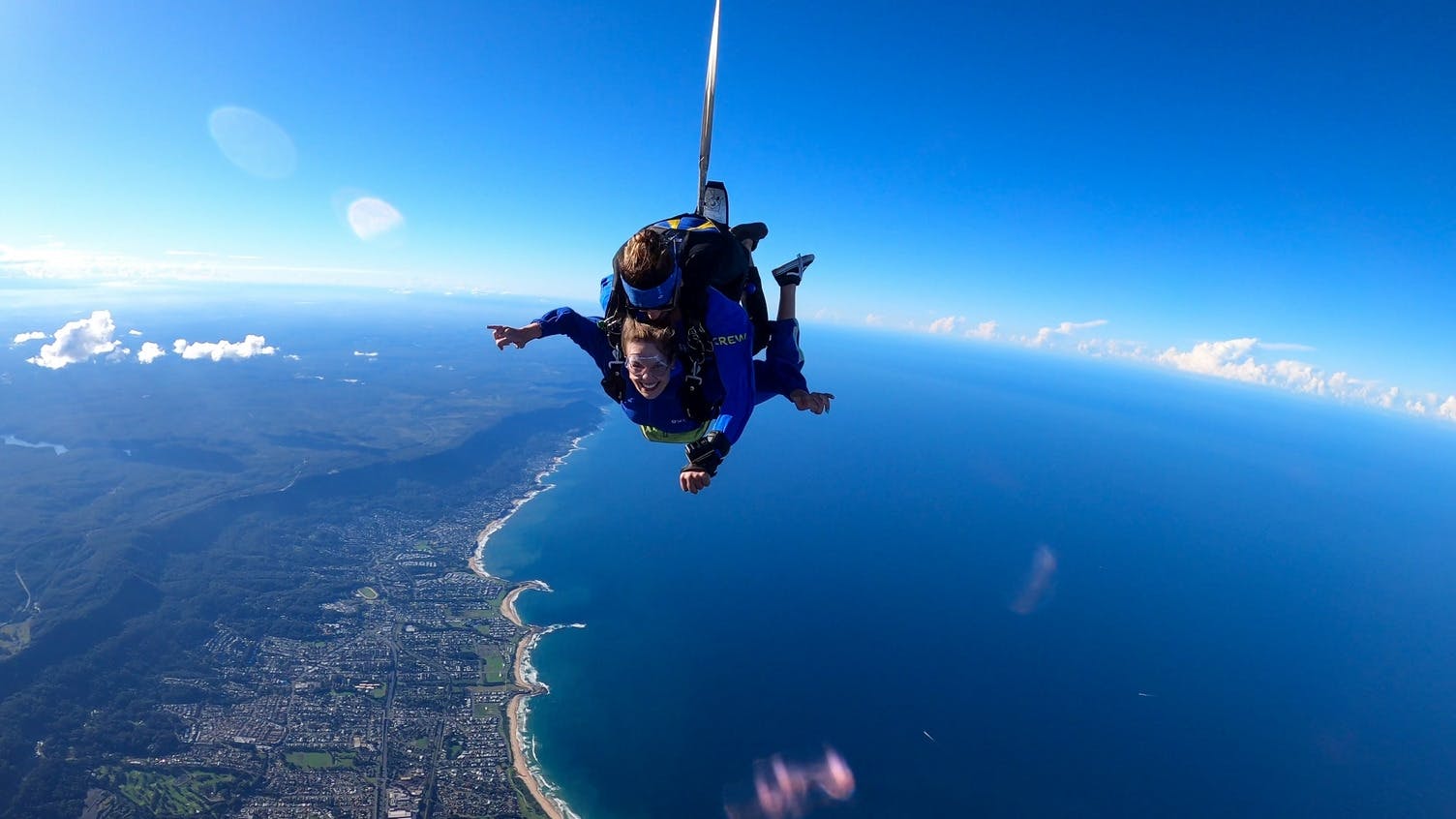
15,000 ft Skydiving Adventure Over Sydney-Wollongong – Outdoor Adventure Australia 15,000 ft Skydiving Adventure Over Sydney-Wollongong is for travellers who want movement, scenery and a stronger sense of adventure in their itinerary. Check current availability, inclusions and booking details before you go.