Wadi Darbat Oman: A Guide to Salalah’s Waterfalls, Lakes and Green Khareef Valley
Wadi Darbat is one of the most beautiful natural places near Salalah in Oman’s Dhofar region. Famous for seasonal waterfalls, green hills, calm lakes, grazing camels, limestone cliffs and misty Khareef scenery, it is one of the best day trips for travellers visiting southern Oman.
Unlike many dry wadis in Oman, Wadi Darbat can feel surprisingly lush, especially during the Khareef monsoon season when Dhofar turns green. Families picnic near the water, camels wander through the valley, waterfalls spill from the cliffs and visitors come for boat rides, photography, walking, viewpoints and peaceful mountain scenery.
Sponsored Popular Items
Quick take: Musement.com offers a worldwide selection of tours and attractions
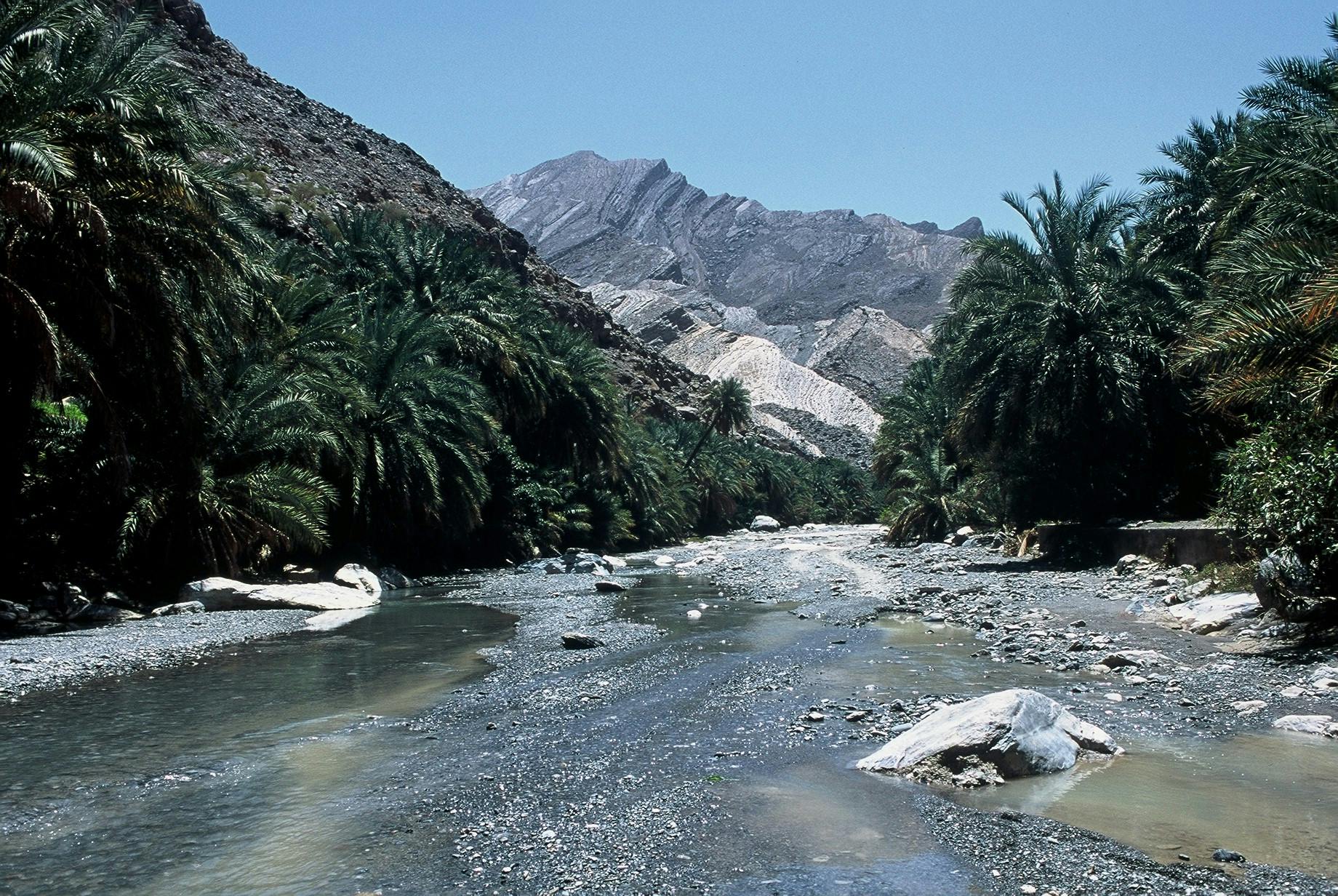
Wadi Darbat is a scenic valley in Dhofar, southern Oman, located east of Salalah near Taqah and Khor Rori. It is known for its lakes, waterfalls, caves, cliffs, greenery and camels, especially during the Khareef season.
The word “wadi” usually refers to a valley or dry riverbed, but Wadi Darbat is much more than a dry channel. In the right season, it becomes one of the greenest and most photogenic places in Oman, with water flowing through the valley and mist sitting low over the mountains.
It is one of the most popular stops on East Salalah sightseeing tours and mountain safari routes. Many travellers visit Wadi Darbat together with Taqah Castle, Taqah Beach, Sumhuram archaeological site, Tawi Atair Sinkhole, Jabal Samhan and the Anti-Gravity Point.
Why Visit Wadi Darbat?
Wadi Darbat is worth visiting because it shows a side of Oman that surprises many travellers. Instead of desert dunes and dry mountains, you can see green slopes, waterfalls, lakes, camels and lush seasonal landscapes.
It is especially appealing for families, photographers, nature lovers and travellers who want a gentle outdoor experience without difficult hiking. You can walk, take photos, enjoy a picnic, hire a boat, watch camels, visit viewpoints or simply sit near the water and enjoy the cooler Dhofar atmosphere.
The scenery changes dramatically by season. During Khareef, Wadi Darbat can be green, misty and wet. Outside Khareef, the valley is usually drier, but the lakes, cliffs and mountain setting can still be beautiful.
Wadi Darbat During Khareef
Khareef is the monsoon season in Dhofar, usually running through the summer months. During this period, moisture from the Arabian Sea brings mist, drizzle and cooler temperatures to the mountains around Salalah.
This is when Wadi Darbat is at its most famous. The hills turn green, waterfalls become more active, rivers and pools are replenished, and the whole valley can feel almost tropical compared with the rest of Oman.
Khareef is also the busiest time to visit. Local families, Gulf travellers and international visitors come to see the greenery, waterfalls and cool weather. Expect more cars, more people and possible delays around popular viewpoints and picnic areas.
Wadi Darbat Waterfalls
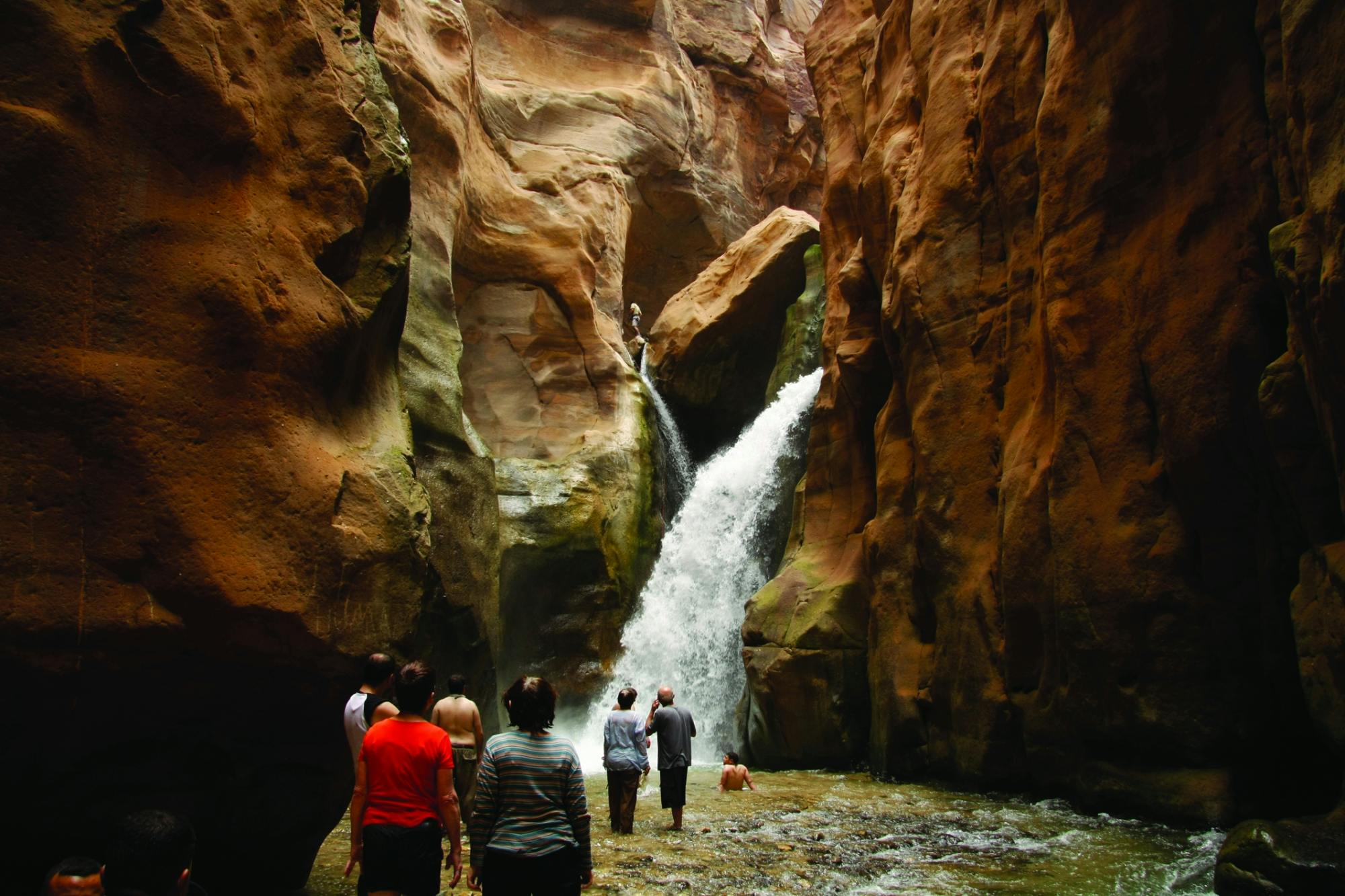
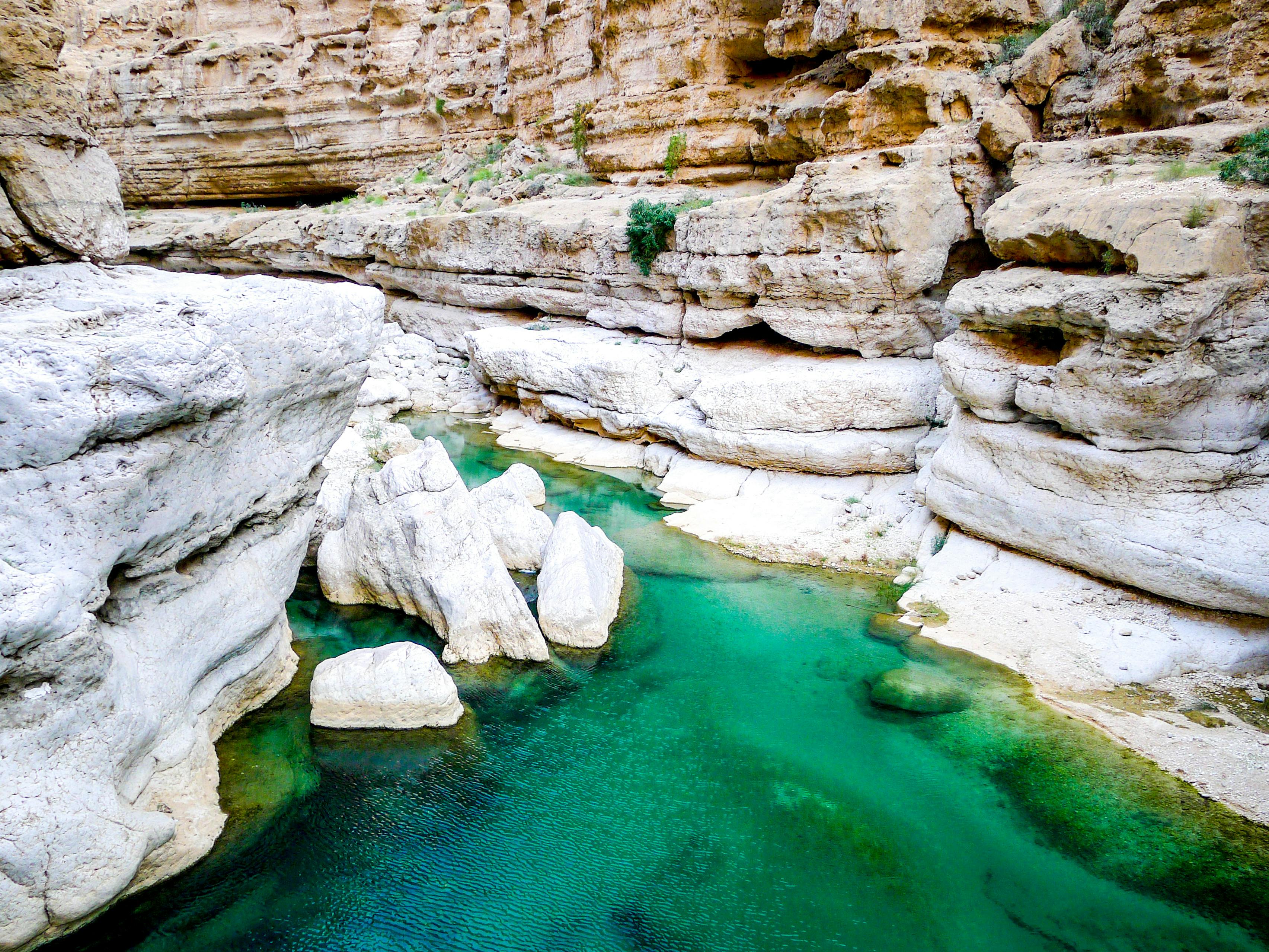
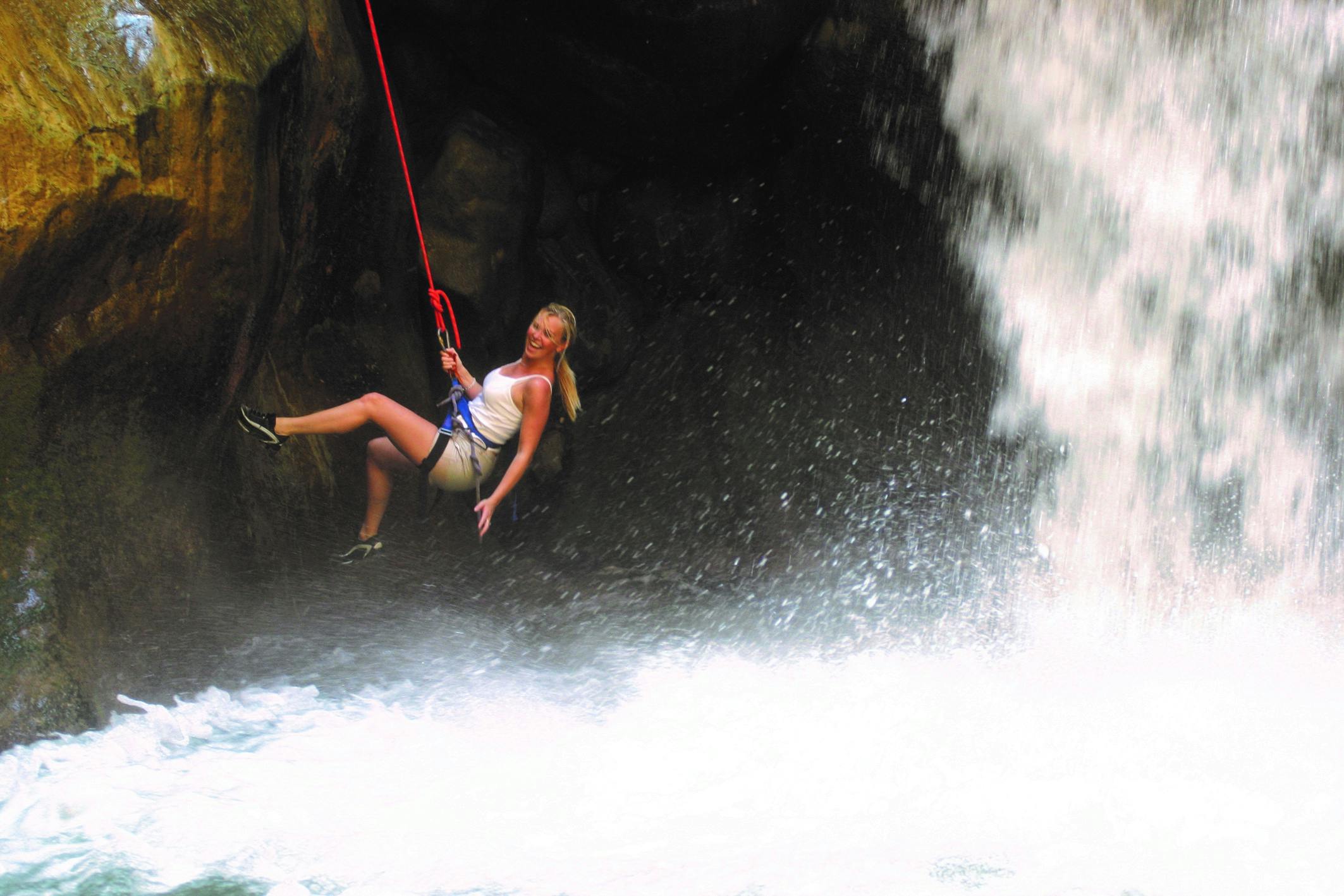
The waterfalls are one of Wadi Darbat’s biggest attractions. During Khareef and shortly afterwards, water can cascade down limestone cliffs into turquoise pools and green valley areas.
Waterfall flow is seasonal. Some years and months are more dramatic than others, depending on rainfall, timing and local conditions. If seeing waterfalls is your main reason for visiting, check recent local updates or ask your hotel, driver or tour operator before you go.
The waterfall viewpoints can become crowded during peak Khareef, so early morning is usually better if you want quieter photos and easier parking.
Lakes, Boat Rides and Kayaking
Wadi Darbat has calm lake areas where visitors may find paddle boats, kayaks or small boat rides, depending on season and local operations. These activities are especially popular with families and couples.
The water is surrounded by cliffs, trees and mountain scenery, making boating one of the most relaxed ways to experience the wadi. It is not an extreme adventure activity; it is more of a scenic, gentle outing.
Availability can vary, so do not assume every activity will be operating every day. Weather, water levels, seasonal demand and local management can all affect what is available.
Camels and Valley Scenery
One of the classic Wadi Darbat scenes is camels wandering beside the water. You may see them grazing, crossing the road, drinking near pools or standing on rocky slopes above the valley.
They make the landscape feel very distinctive: green Dhofar scenery mixed with traditional Omani desert life. However, camels are still large animals, so keep a respectful distance and avoid feeding or crowding them.
The combination of camels, turquoise pools, cliffs and misty hills is one of the main reasons Wadi Darbat is so popular for photography.
Best Things to Do at Wadi Darbat
See the Seasonal Waterfalls
If you visit during Khareef or soon after good rainfall, head to the waterfall areas and viewpoints. The cascades are the main highlight for many travellers.
Take a Boat Ride
Where available, a paddle boat or kayak ride is a gentle way to enjoy the lake scenery. This is especially good for families and travellers who want a relaxed activity.
Watch the Camels
Camels are often seen around the wadi and make excellent photo subjects. Keep your distance, drive slowly and remember they may wander onto the road.
Have a Picnic
Wadi Darbat is a favourite picnic area, especially during Khareef. Bring snacks, water and a picnic mat, but take all rubbish with you.
Walk Short Trails and Viewpoints
There are places to walk and explore, depending on conditions. Some paths can be muddy, rocky or slippery during the wet season, so wear sensible shoes.
Visit Darbat Café
Some tour itineraries include a coffee stop at Darbat Café, which can be a pleasant break with views over the landscape.
Photograph the Valley
The best photos often come early or late in the day, when the light is softer. During Khareef, mist and cloud can create dramatic atmospheric images.
How to Get to Wadi Darbat
Wadi Darbat is east of Salalah, near Taqah. Most travellers visit by rental car, private driver, taxi arrangement or organised East Salalah tour.
The drive from Salalah is usually straightforward in normal conditions, but travel time can increase during Khareef because of traffic, mist, wet roads and high visitor numbers. If you are driving yourself, use caution on mountain roads and watch for camels.
A guided tour or private driver is the easiest option if you want to combine Wadi Darbat with other eastern Dhofar sights without planning the route yourself.
What to Combine With Wadi Darbat
Wadi Darbat is usually visited as part of an East Salalah day trip. Good nearby combinations include:
Taqah Castle: A small historic fort that adds cultural context to the day.
Taqah Beach: A coastal stop with sea views and fishing-town atmosphere.
Sumhuram Archaeological Site: Ancient ruins linked with the frankincense trade near Khor Rori.
Tawi Atair Sinkhole: A dramatic limestone sinkhole in the Dhofar mountains.
Jabal Samhan: A high mountain viewpoint with cliffs, clouds and huge views.
Anti-Gravity Point: A fun roadside optical illusion stop often included on tours.
Baobab Trees: Unusual ancient-looking trees found in the eastern Dhofar landscape.
Best Time to Visit
The best time for green scenery and waterfalls is during Khareef, usually from June to September. This is when Wadi Darbat is at its most lush and atmospheric.
The best time for fewer crowds and clearer weather is outside peak Khareef, especially in the cooler months from October to March. The valley may be drier, but the weather is often more comfortable for walking and sightseeing.
If you want both greenery and slightly fewer crowds, visiting just after the main Khareef period can be a good compromise, though waterfall flow depends on the season’s rainfall.
How Long to Spend There
Allow at least one to two hours for a simple visit to Wadi Darbat. This gives you time to see the lake, take photos, stop at viewpoints and enjoy the general scenery.
If you want to take a boat ride, picnic, visit waterfalls and relax properly, allow three to four hours. As part of a full East Salalah tour, Wadi Darbat may be one of several stops across a six-to-eight-hour day.
What to Wear and Bring
Comfortable walking shoes with grip
Light clothing for warm weather
A light rain jacket during Khareef
Hat and sunglasses outside misty conditions
Sunscreen
Reusable water bottle
Snacks or picnic food
Camera or phone with power bank
Small cash for activities, cafés or local purchases
Modest clothing suitable for public family areas
Practical Travel Tips
Check Waterfall Conditions Before You Go
The waterfalls are seasonal. Ask locally before visiting if waterfall flow is important to your plans.
Visit Early During Khareef
Khareef is beautiful but busy. Early morning gives you a better chance of easier parking, cooler weather and fewer crowds.
Drive Slowly
Camels, wet roads, mist and visitor traffic can all affect driving conditions. Take your time, especially during Khareef.
Do Not Swim Unless It Is Clearly Allowed and Safe
Water conditions, depth, currents and local rules can vary. Follow signs and local advice.
Keep the Wadi Clean
Take all rubbish with you. Wadi Darbat is a fragile natural area and gets heavy visitor pressure during peak season.
Wear Proper Shoes
Some areas can be muddy, slippery or rocky, especially near water and during Khareef.
Respect Local Families
Wadi Darbat is popular with local families. Dress modestly, avoid intrusive photography and keep noise respectful.
Combine It With East Salalah Sights
Wadi Darbat is excellent on its own, but the day becomes richer if you also include Taqah, Sumhuram, Tawi Atair or Jabal Samhan.
FAQs About Wadi Darbat
Where is Wadi Darbat?
Wadi Darbat is in Dhofar, southern Oman, east of Salalah near Taqah and Khor Rori.
Is Wadi Darbat worth visiting?
Yes. Wadi Darbat is one of the best natural attractions near Salalah, especially during Khareef when the valley becomes green and waterfalls are more active.
When is the best time to visit Wadi Darbat?
The best time for waterfalls and green scenery is Khareef, usually from June to September. For fewer crowds and clearer weather, visit from October to March.
Can you see waterfalls at Wadi Darbat all year?
No. The waterfalls are seasonal and depend on rainfall and water flow. Check local conditions before visiting if waterfalls are your priority.
Can you take a boat ride at Wadi Darbat?
Boat rides, paddle boats or kayaking may be available on the lake, depending on season, water levels and local operations.
Is Wadi Darbat suitable for families?
Yes. Wadi Darbat is very popular with families because of its scenery, picnic areas, lake activities and easy access. Children should still be supervised near water, cliffs and roads.
Do you need a 4WD for Wadi Darbat?
In normal conditions, many visitors can reach the main areas by standard vehicle, but road conditions can vary during Khareef. A local driver or tour is useful if you are unsure.
How far is Wadi Darbat from Salalah?
Wadi Darbat is a short drive east of Salalah, usually visited as part of a half-day or full-day East Salalah trip.
What should I combine with Wadi Darbat?
Good combinations include Taqah Castle, Taqah Beach, Sumhuram, Tawi Atair Sinkhole, Jabal Samhan, baobab trees and the Anti-Gravity Point.
Is Wadi Darbat crowded?
It can be very crowded during Khareef, weekends and holidays. Visit early if you want a quieter experience.
Final Thoughts
Wadi Darbat is one of the highlights of Salalah and the Dhofar region. Its seasonal waterfalls, green valley, lake scenery, camels and mountain views show a softer, more surprising side of Oman.
For the best experience, visit during Khareef if you want mist, greenery and waterfalls, or come outside peak season for a quieter and clearer day in the valley. Start early, bring proper shoes, check seasonal conditions and combine Wadi Darbat with Taqah, Sumhuram or Jabal Samhan for a memorable East Salalah itinerary.
Sponsored Popular Items
Quick take: Musement.com offers a worldwide selection of tours and attractions
Grand Canyon Tour of Oman – Muscat Guided Tour Oman Grand Canyon tour of Oman is a convenient way to add structure, local context and purposeful sightseeing to the itinerary. Check current availability, inclusions and booking details before you go.
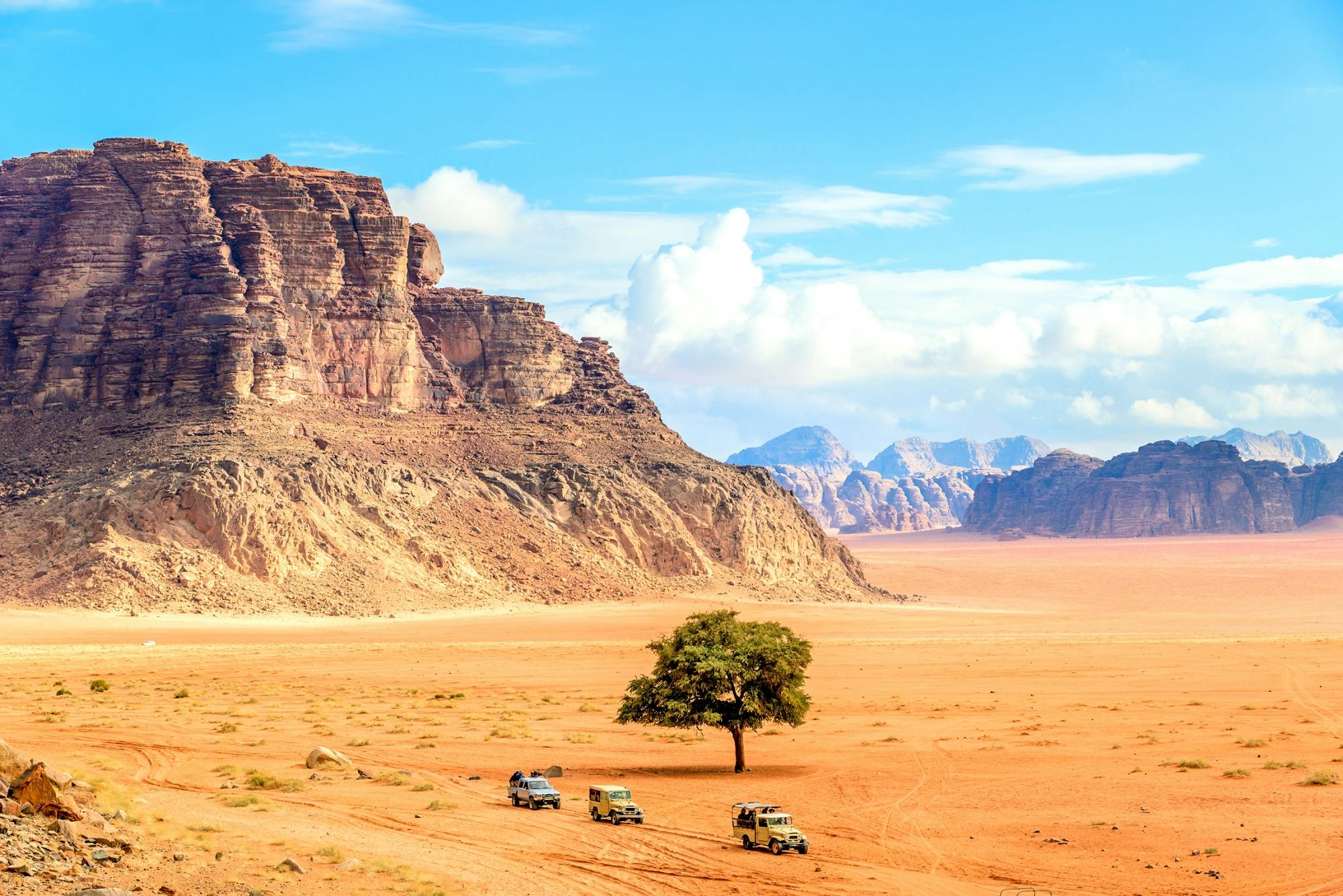
Wadi Rum Jeep Tour from Aqaba Jordan Wadi Rum jeep tour from Aqaba is a convenient way to add structure, local context and purposeful sightseeing to the itinerary. Check current availability, inclusions and booking details before you go.
4WD Tour to the White Wadi and Nakhl – Muscat Outdoor Adventure Oman 4WD tour to the White Wadi and Nakhl is a convenient way to add structure, local context and purposeful sightseeing to the itinerary. Check current availability, inclusions and booking details before you go.
Wadi Al Mujib and Dead Sea Panoramic Tour from Aqaba – Guided Tour Jordan Wadi Al Mujib and Dead Sea panoramic tour from Aqaba is a convenient way to add structure, local context and purposeful sightseeing to the itinerary. Check current availability, inclusions and booking details before you go.
Wadi Shab and Bimmah Sinkhole Full-Day Tour – Muscat Guided Tour Oman Wadi Shab and Bimmah Sinkhole Full-Day Tour is a convenient way to add structure, local context and purposeful sightseeing to the itinerary. Check current availability, inclusions and booking details before you go.
Wadi Mujib Siq Trail Hiking Experience - Outdoor Adventure Jordan Wadi Mujib Siq Trail hiking experience is for travellers who want movement, scenery and a more active element in their itinerary. Check current availability, inclusions and booking details before you go.