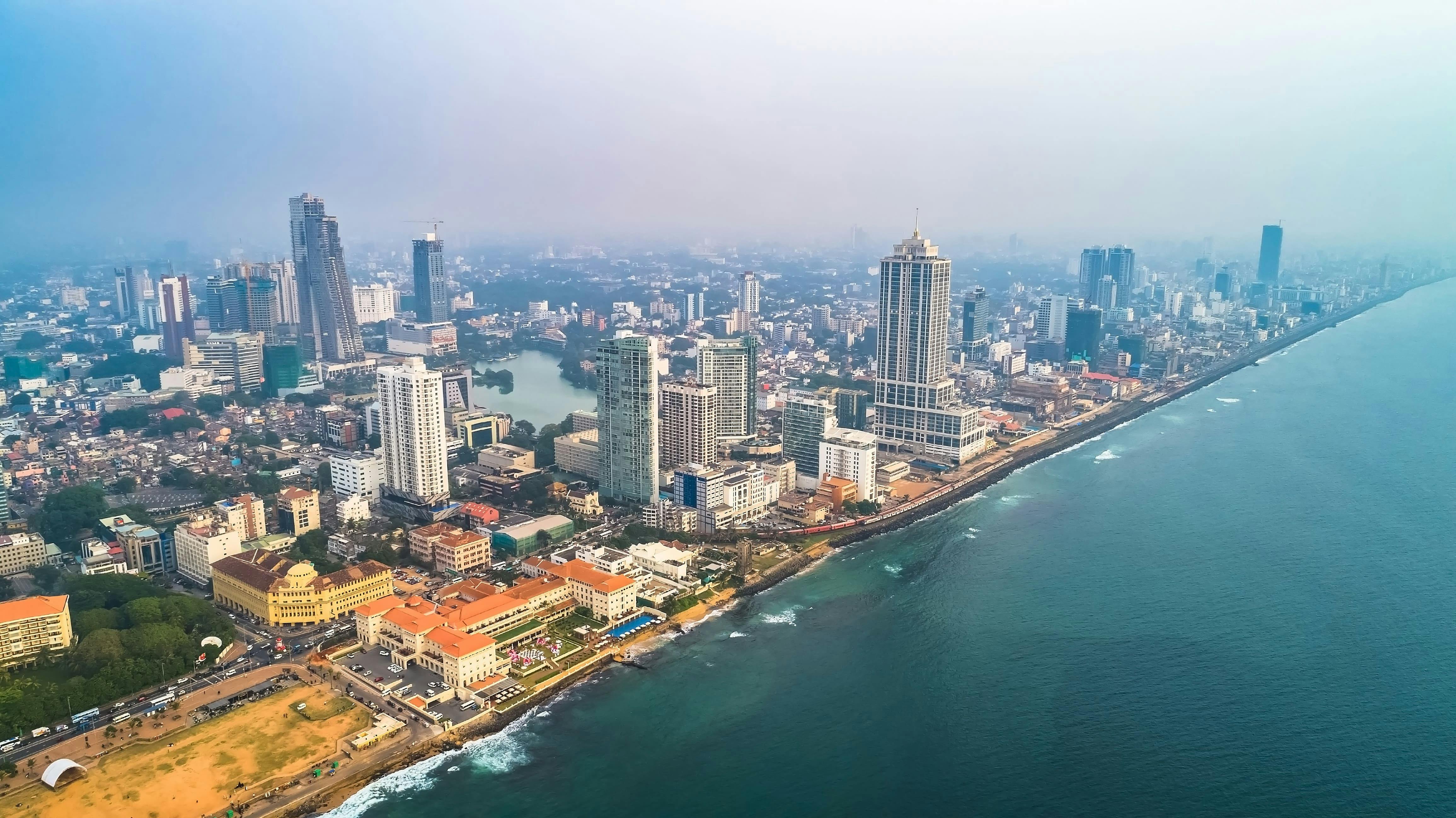
Colombo is Sri Lanka’s bustling commercial capital and coastal gateway — a city where colonial heritage, vibrant markets, seaside promenades, and rising skyscrapers all rub shoulders. It’s the place where your Sri Lankan journey often begins or ends, but it’s worth lingering in its layers for a taste of national life, street food, and urban charm.
Getting There & Best Time to Visit
How to Get There
Bandaranaike International Airport (CMB) is the main international airport, located about 30–45 minutes north of the city (traffic dependent).
You can also arrive via sea (cruise ships docking in Colombo port) though options are limited.
Once in Colombo, tuk-tuks, ride-share apps, trains, buses, and private cars move you around.
Best Time to Visit
December to March: relatively dry and cool — ideal for city walking and coastal drives.
April to September: wetter months, though showers often come in short bursts.
Pleasing trade winds help moderate humidity along the coast.
Top Sights & Neighborhoods
Galle Face Green & Seafront Promenade
A broad urban oceanfront park stretching along the Indian Ocean. Locals fly kites at sunset, snack on street food, and enjoy evening breezes.
Fort & Pettah Districts
Colombo Fort area hosts colonial buildings, banks, and high-end hotels. Adjacent Pettah is the city’s old mercantile quarter — narrow lanes and bazaars selling every imaginable good.
Independence Memorial & Cinnamon Gardens
Walk through leafy Cinnamon Gardens to the Independence Square, a centrally symbolic park where Sri Lanka’s independence was declared in 1948.
Gangaramaya Temple & Beira Lake
A colorful Buddhist temple with eclectic architecture and a glassed library. It sits beside Beira Lake, which invites a quiet stroll or boat ride.
National Museum & Colombo National Gallery
Discover Sri Lankan history and art through artifacts, regalia, colonial relics, and rotating exhibitions.
Mount Lavinia Beach
Just south of the city, this long beach is popular for evening swims, seafood dinners, and sunset walks. It’s a short drive from central Colombo.
Experiences, Food & Culture
Street food & market walks: In Pettah find kottu, hopper stalls, sweet waffles, and spice shops.
Sunset views: Rooftop bars in Fort and hotel terraces overlook city lights and ocean.
Art & gallery hopping: Small contemporary galleries and mural trails are growing.
Shopping: Odel, Arcade Independence Square, and local boutiques in Colombo 7 offer clothes, handicrafts, and modern picks.
Nightlife: Late dinners, jazz bars, lounges, and live music are concentrated in Fort and Kollupitiya.
Practical Tips & Safety
Traffic & time: Colombo’s traffic can be heavy—cross rivers and bridges early or late; allow buffers for appointments.
Tuk-tuk etiquette: Use meters if possible—or negotiate a fare ahead. Ask locals for typical rates.
Dress code: For temples and mosques, cover shoulders and knees; carry a scarf or sarong.
Staying connected: Local SIM cards (Mobitel, Dialog) are affordable and easy to get at the airport or shops.
Safety: Colombo is generally safe. Keep valuables secure, especially in busy market areas, and use licensed taxis or ride-share at night.
Colombo FAQs
Is Colombo worth visiting on a Sri Lanka itinerary?
Answer: Definitely. It offers a strong taste of urban Sri Lankan life, contrast to quieter countryside stops, and useful services (banks, SIMs, last-minute shopping).
How many days should I spend?
Answer: One full day is enough to hit highlights (temples, Fort, markets). Two days allows food tours, beach escape, and deeper strolling.
Can I use public transport?
Answer: Yes. Buses, trains, and tuk-tuks are common. Trains run along the coast and north/south lines, though schedules can be slow or crowded.
Best area to stay?
Answer: Fort or Cinnamon Gardens (Colombo 7 / 5) offer safe, walkable zones near restaurants, green spaces, and transport hubs.
Suggested 1–2 Day Itinerary
Day 1 — City & Culture
Morning: Gangaramaya Temple + Beira Lake.
Midday: Lunch in Pettah market and stroll the bazaar lanes.
Afternoon: Independence Square and National Museum.
Evening: Galle Face Green and sunset snacks.
Day 2 — Heritage & Beach
Fort heritage walk and colonial forts.
Shopping & café break in Colombo 7.
Late afternoon: head to Mount Lavinia Beach for seafood at sunset.
Why Colombo Should Be on Your Route
Colombo is more than a transit hub — it’s a living collage of old and new: colonial façades beside skyscrapers, spice scents mixing with sea breeze, rickshaws weaving past boutique cafés. It’s the place to adjust your mind to Sri Lanka — full of contrast, color, and genuine heart.
Sponsored Popular Items
Quick take: Musement.com offers a worldwide selection of tours and attractions
Colombo City Tour – Bentota City Tour Sri Lanka Like four cities in one, Colombo is a grand mix of colonial architecture, verdant cricket greens and gleaming skyscrapers. Check current availability, inclusions and booking details before you go.
Ringed by palm-fringed beaches and crowned by misty tea hills, Sri Lanka packs ancient cities, wildlife-rich parks, flavorful cuisine, and warm hospitality into a compact island. Whether you’re chasing surf on the south coast, temples in the Cultural Triangle, or cool mornings among tea estates, this guide gives you a clear, practical plan.
Getting There and Best Time to Visit
How to Get There
By air: International flights arrive at Bandaranaike International Airport (CMB), about 30–45 minutes north of Colombo (traffic-dependent).
By rail/road: Once in-country, scenic trains connect Colombo with Kandy, Ella, and Jaffna; highways and private drivers cover most routes.
When to Go
West/South/Highlands (Dec–Mar): Driest weather for beaches from Negombo to Tangalle and hill-country hikes.
East/North (May–Sep): Best for Arugam Bay surf, Trincomalee beaches, and Jaffna.
Shoulders: Apr and Oct–Nov bring mixed showers but fewer crowds and good value.
Where to Go: Regions at a Glance
Region
Why Go
Highlights
Good For
Cultural Triangle (Anuradhapura, Polonnaruwa, Sigiriya, Dambulla)
Ancient capitals, rock fortresses, cave temples
Sigiriya Rock, Dambulla Cave Temples, Minneriya elephants
History lovers, families
Hill Country (Kandy, Nuwara Eliya, Ella, Haputale)
Dry-season swap, surf and calm bays in mid-year months
Arugam Bay point break, Pigeon Island snorkelling
Surfers, summer beachgoers
Wild Parks (Yala, Udawalawe, Wilpattu)
Leopards, elephants, birdlife
Game drives at dawn/sunset
Wildlife enthusiasts
Jaffna & North
Distinct Tamil culture, temples, lagoons
Nallur Kandaswamy Kovil, Delft Island
Cultural explorers
Top Experiences
Sigiriya and the Cave Temples of Dambulla
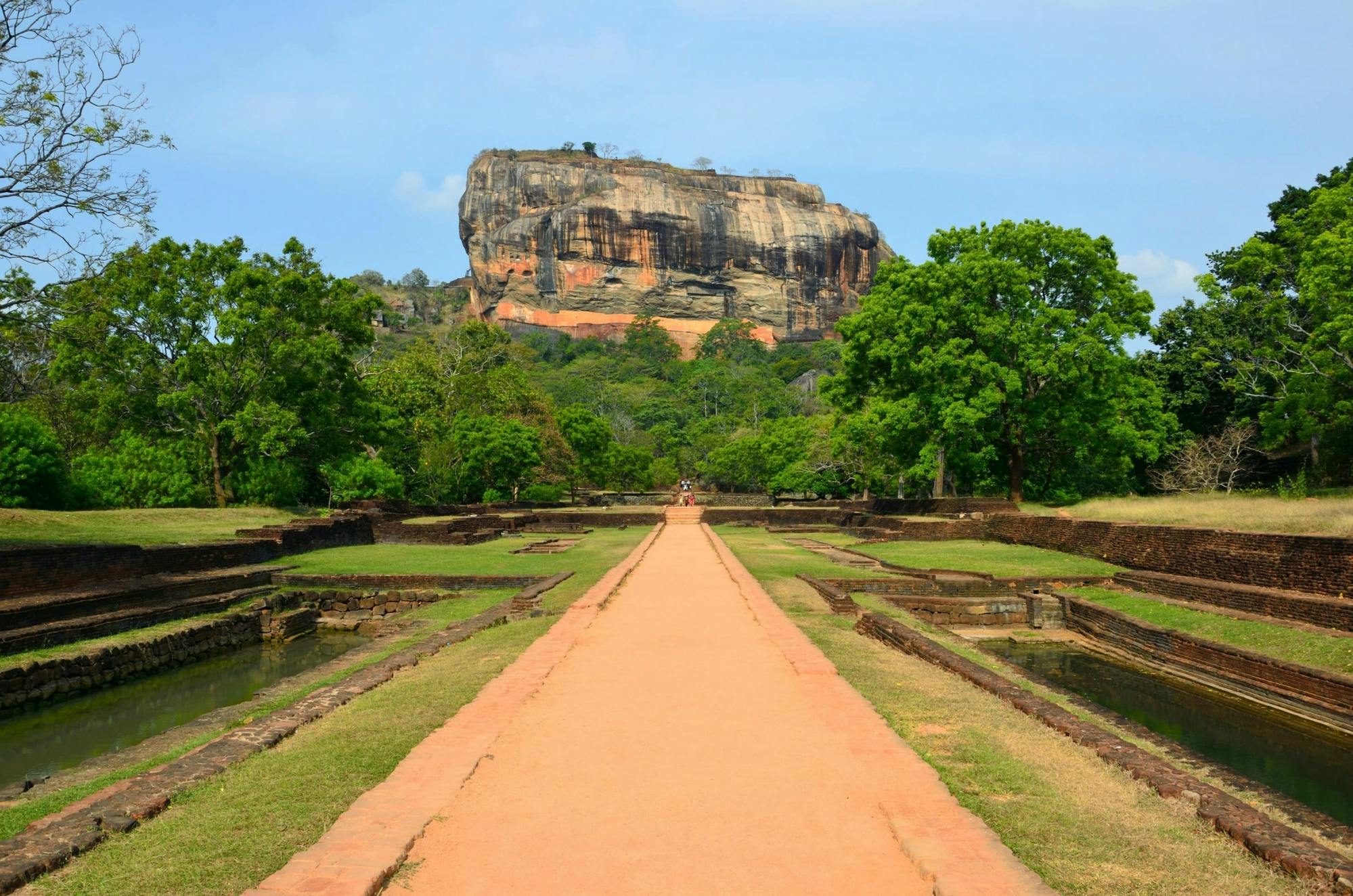
Climb Sigiriya’s lion-paw stairways for frescoes and royal ruins atop a volcanic plug. Pair with Dambulla’s Buddha-filled cave shrines for a perfect heritage day.
Tea Country by Train
Ride the blue train from Kandy to Ella past emerald tea, waterfalls, and mist. Break the journey with a factory tour and a ridge walk at sunrise.
Galle Fort and the Southern Beaches
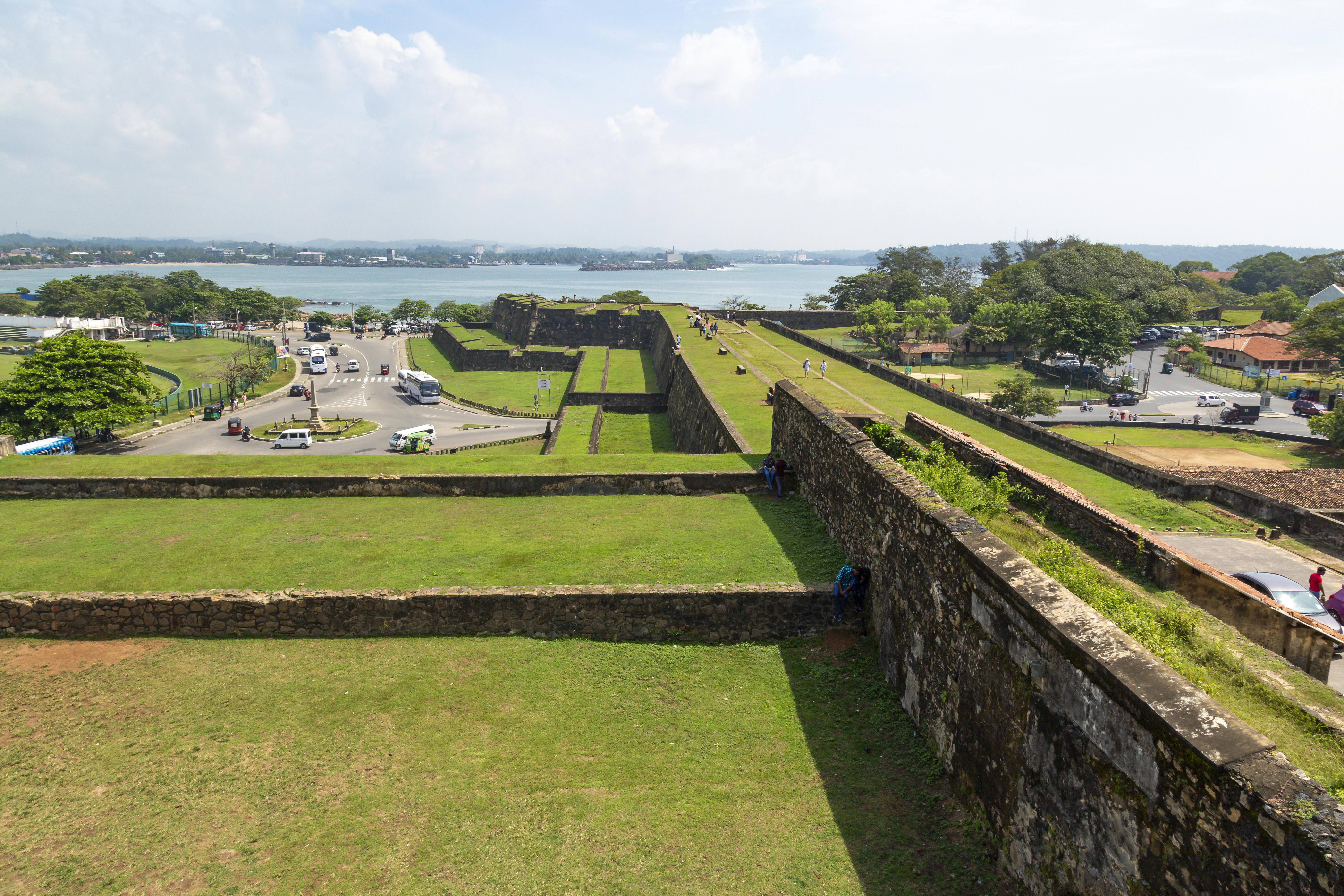
Wander UNESCO-listed Galle Fort’s ramparts, cafés, and galleries, then hop to Weligama for surf lessons or Mirissa for seasonal whale trips.
Safaris in Yala or Udawalawe
Search for leopards in Yala or herds of elephants in Udawalawe. Go at dawn or late afternoon for cooler temperatures and active wildlife.
Food, Spices, and Markets
Breakfast on hoppers with spicy sambol, try rice and curry thalis, seafood on the coast, and Jaffna crab in the north. Spice gardens and cooking classes are easy to add.
Practical Tips and Safety
Pace yourself: Distances are short, but travel can be slow; 2–4 nights per base is comfortable.
Hire a driver or mix modes: Trains are scenic; a driver fills the gaps between stations and parks.
Dress and etiquette: Shoulders/knees covered for temples; remove shoes and hats.
Wildlife etiquette: Never feed wild animals; keep distance on safaris and beaches.
Season-aware planning: Match coasts to monsoons for driest beach time.
Sri Lanka FAQs
Is Sri Lanka good for a first trip to South Asia?
Answer: Yes. It’s compact, welcoming, and varied — beaches, heritage, wildlife, and hill country within a day’s reach.
How many days do I need?
Answer: Ten to fourteen days covers the Cultural Triangle, Hill Country, and one coast. Add time for safaris and the north/east.
Is the tap water safe to drink?
Answer: Stick to bottled or filtered water; many hotels provide refill stations. Avoid ice where uncertain.
Do I need a visa?
Answer: Most travelers require an Electronic Travel Authorization (ETA) before arrival. Check current requirements for your nationality.
What about costs?
Answer: Mid-range stays and private drivers are affordable relative to many destinations; food is excellent value outside resort zones.
Suggested Itineraries
7 Days — Classic Highlights
Day 1–2: Sigiriya and Dambulla (Cultural Triangle)
Day 3–4: Kandy and train to Ella (Hill Country)
Day 5–7: South coast beaches around Weligama/Mirissa or Tangalle
10 Days — Wildlife and Tea
Day 1–2: Sigiriya, Minneriya elephant safari
Day 3–5: Kandy, Nuwara Eliya, Ella hikes
Day 6–7: Udawalawe or Yala safari lodge
Day 8–10: Galle Fort and south coast
14 Days — Two Coasts and the North
Days 1–3: Anuradhapura/Polonnaruwa + Sigiriya
Days 4–6: Kandy to Ella by train
Days 7–9: East coast (Trincomalee/Nilaveli in mid-year; Arugam Bay for surf)
Days 10–12: Jaffna culture and cuisine
Days 13–14: Colombo or south coast to unwind
Why Sri Lanka Belongs on Your List
Few places offer so much diversity in such a small package: sunrise on a fortress rock, lunch in the tea hills, sunset with turtles on the beach. With kind hosts, layered history, and year-round options, Sri Lanka suits first-timers and seasoned travelers alike.
Sponsored Popular Items
Quick take: Musement.com offers a worldwide selection of tours and attractions
Sri Lanka Adventure: Rafting, Train Ride, Safari & Whales Sri Lanka Experience Sri Lanka through white-water rafting, scenic mountain trains, wildlife safaris, coastal whale watching and authentic local experiences on a private 7-day adventure from Colombo
Sigiriya Lion Rock & Dambulla Cave Temple Tour in Sri Lanka – Heritage Tour Sri Lanka Plan Sigiriya Lion Rock & Dambulla Cave Temple Tour in Sri Lanka – Heritage Tour, a cultural or heritage experience, with practical tips on timing, inclusions and what to check before booking. Compare current availability, prices and booking conditions before you go.