Compare nature and outdoor experiences in Costa Brava, with practical tips on timing, inclusions and choosing the right option. Check current availability, prices and booking conditions before you go.
Nature in the Costa Brava: A Practical Visitor Guide
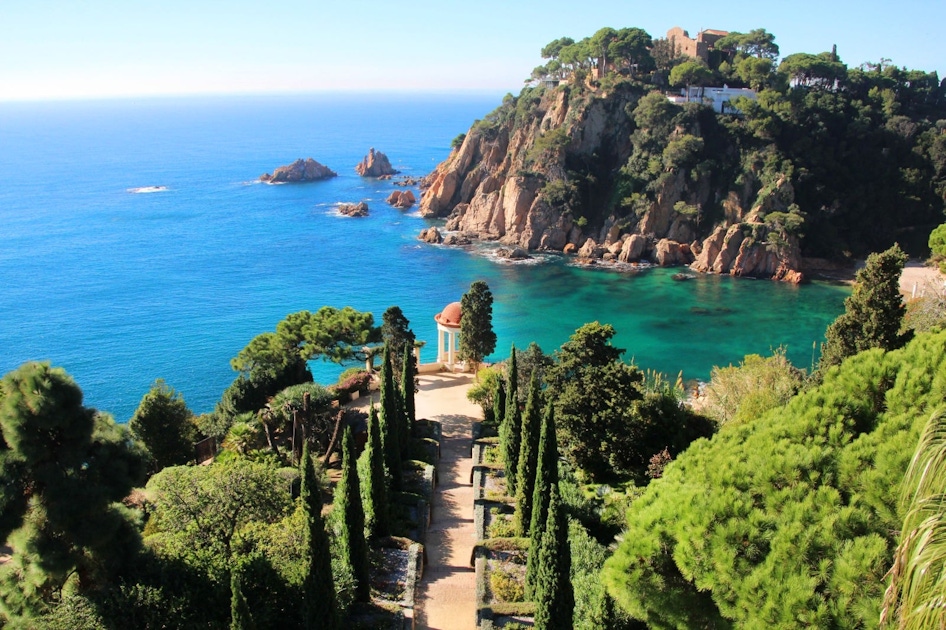
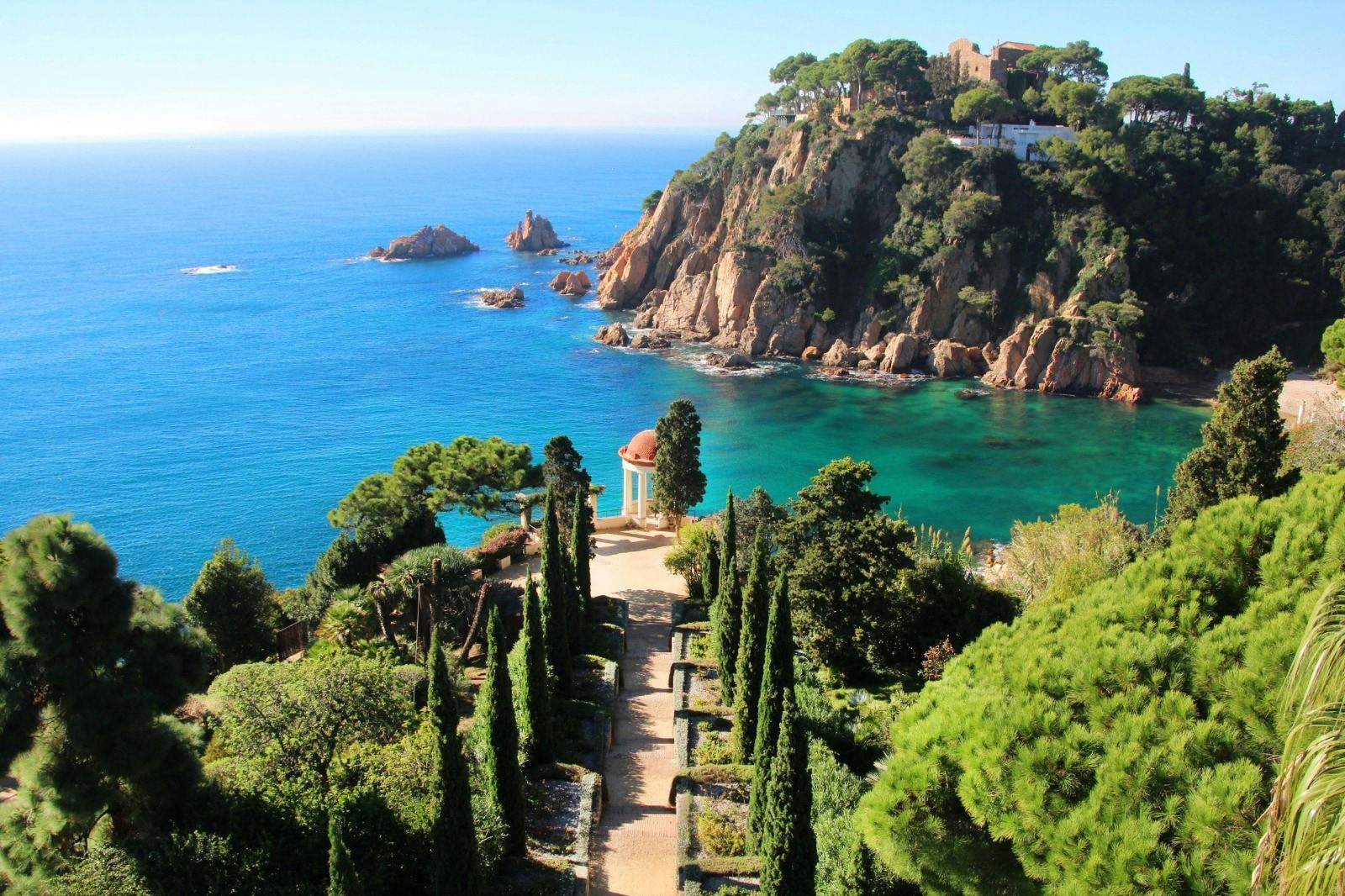
Quick overview: Booking nature in the Costa Brava can be a useful way to experience protected landscapes, wildlife and outdoor scenery. The Costa Brava combines rocky coves, fishing towns, medieval villages, Dalí heritage, coastal paths and protected Mediterranean landscapes. The linked product page is the final source for live availability because operators, routes, prices, schedules and inclusions can change.
Why Choose Nature in the Costa Brava?
A worthwhile visitor experience should make the destination easier to understand, navigate or enjoy. The strongest options provide knowledgeable interpretation, simplify transport, secure controlled access or introduce a landscape, neighbourhood or tradition that would be difficult to appreciate independently. Avoid selecting only by the number of advertised stops; enough time at fewer places normally creates a better day.
What You May Experience
Cap de Creus: Rocky headlands and strong wind create exposed hiking and coastal conditions.
Aiguamolls de l'Empordà: Wetland habitat supports birdlife without guaranteed sightings.
Camí de Ronda: Coastal paths vary from easy promenades to steep rocky sections.
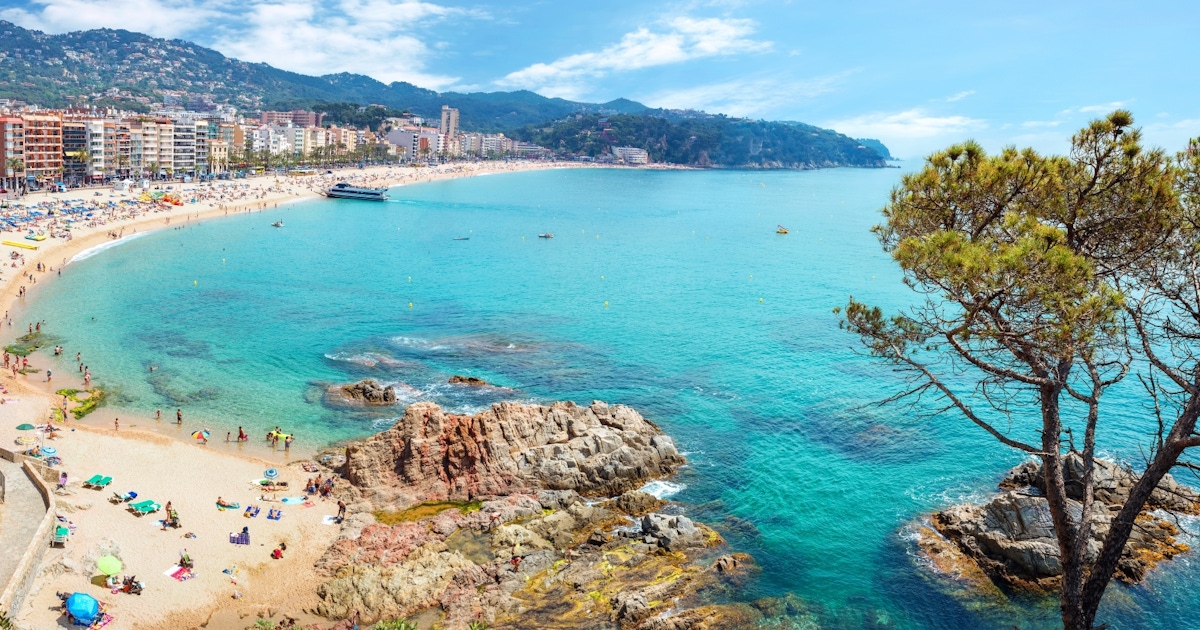
Marine reserves and coves: Boating and snorkelling should avoid anchoring damage and wildlife disturbance.
How to Plan the Experience
Best time: A practical period is April to June or September to October for coastal walking, villages and generally calmer crowds. Individual cruises, museums, religious sites, markets and outdoor activities may operate during a shorter window.
Getting around: The Costa Brava is a long, fragmented coastline. Buses serve major towns, while cars, taxis, boats and tours are useful for coves, villages and natural parks.
Allow enough time to locate the meeting point, pass security and cope with delays. Do not schedule a separate flight, train, ferry, museum or restaurant immediately after the advertised finish. Wear suitable footwear, carry water and check the forecast. Worship, restoration, wind, storms, wildfire controls, road closures, sea conditions and major events can alter access.
What to Check Before Booking
Read the complete live listing and confirm protected-area rules, weather, transport, footwear, wildlife ethics and actual time outdoors. Check whether the booking is immediately confirmed or still requires a separate reservation, permit or timed slot. A combination ticket is worthwhile only when every included element fits the itinerary; unused extras do not create genuine value.
Prices and availability change. Confirm the cancellation policy, exact meeting point, departure location and operator contact details before travelling. Wildlife sightings are never guaranteed, and protected landscapes should only be visited through authorised routes and responsible operators.
Allow the published duration plus at least 30 minutes for check-in, finding the meeting point and possible delays. Full-day regional tours may return later because of traffic, weather, sea conditions or attraction access.
Should I book in advance?
Advance booking is sensible for timed monuments, cruises, winery visits, museums, workshops and popular seasonal experiences. Flexible walking or self-guided products may be arranged closer to the day.
Is the activity suitable for everyone?
Suitability depends on stairs, walking distance, traffic, boat motion, heat, wind, steep terrain, swimming ability, age and health restrictions. Check accessibility and physical requirements on the live listing rather than assuming a visitor activity is effortless.
What happens if conditions change?
Indoor activities generally continue, while cruises, wildlife products, mountain routes and outdoor tours may be altered or cancelled. Review the operator’s weather and refund policy before paying.
Ready to plan Costa Brava Nature Tours & Outdoor Experiences?
Check the supplier for current availability, pricing, inclusions and booking conditions.
Costa Brava Shopping Tours & Retail Experiences Spain Compare shopping and local market experiences in Costa Brava, with practical tips on timing, inclusions and choosing the right option. Check current availability, prices and booking conditions before you go.
Costa Brava City Tours & Sightseeing Experiences Spain Compare sightseeing experiences in Costa Brava, with practical tips on timing, inclusions and choosing the right option. Check current availability, prices and booking conditions before you go.
Costa Brava Monument Visits & Heritage Tours Spain Compare sightseeing experiences in Costa Brava Monument Visits & Heritage, with practical tips on timing, inclusions and choosing the right option. Check current availability, prices and booking conditions before you go.
Costa Brava Folklore, Legends & Cultural Tours Spain Compare cultural experiences in Costa Brava Folklore, Legends & Cultural, with practical tips on timing, inclusions and choosing the right option. Check current availability, prices and booking conditions before you go.
Costa Brava Visitor Guide: Top Attractions, Tours & Activities Spain Costa Brava in Catalonia, Spain rewards travellers who plan the headline sights but leave room to explore at a comfortable pace. Check current availability, inclusions and booking details before you go.
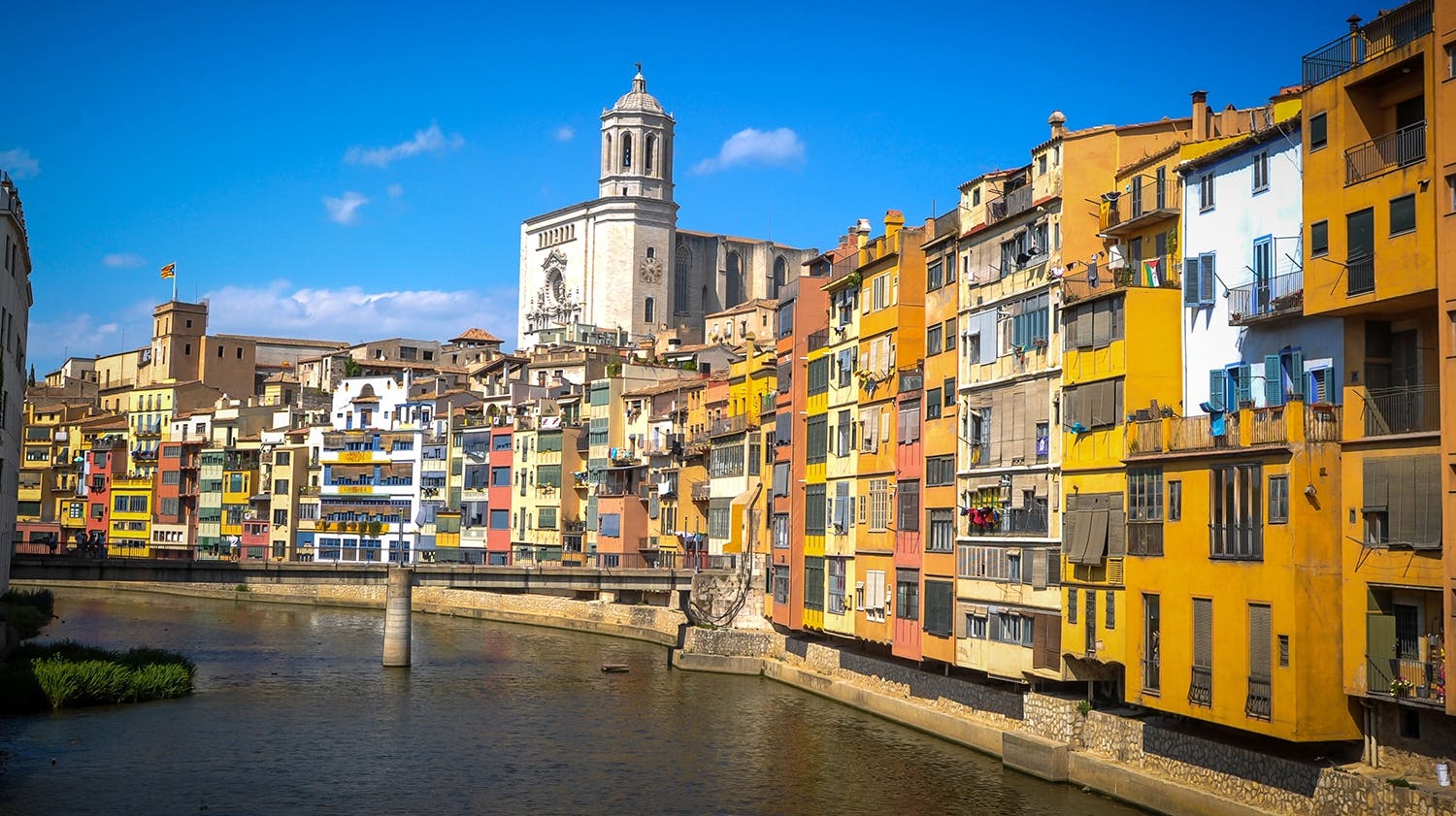
Girona and Costa Brava Full-Day Tour from Barcelona Spain Plan Girona and Costa Brava Full-Day Tour from Barcelona, a guided sightseeing experience, with practical tips on timing, inclusions and what to check before booking. Compare current availability, prices and booking conditions before you go.
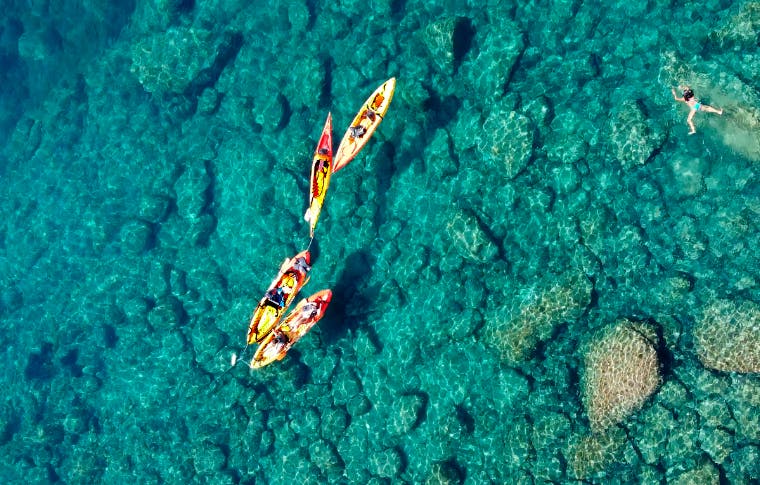
Costa Brava Kayaking & Snorkelling Trip from Barcelona Spain Kayaking and snorkeling excursion in Costa Brava from Barcelona is for travellers who want movement, scenery and a more active element in their itinerary. Check current availability, inclusions and booking details before you go.
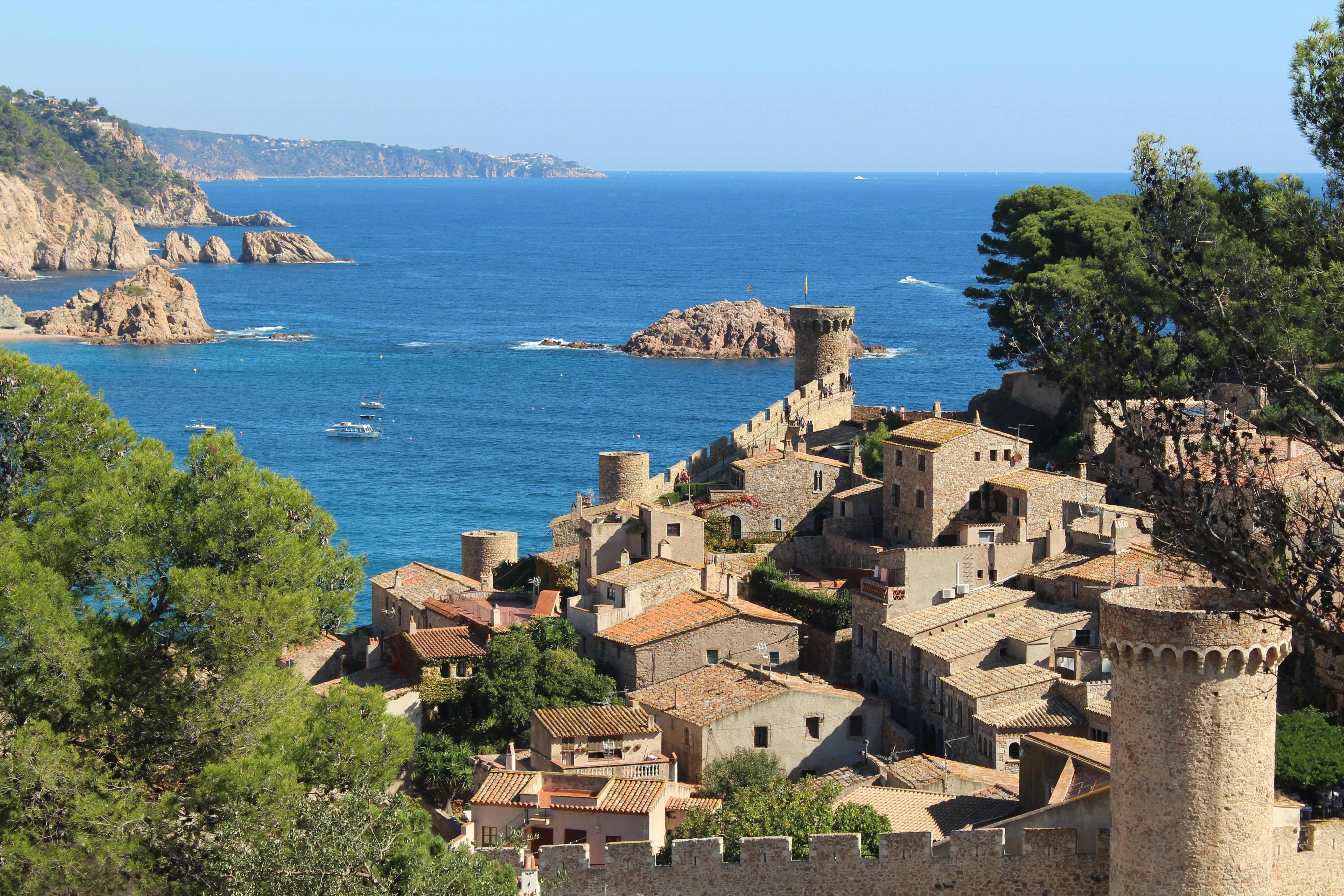
Costa Brava Full-Day Guided Tour from Barcelona Spain Costa Brava full-day guided tour from Barcelona is a convenient way to add structure, local context and purposeful sightseeing to the itinerary. Check current availability, inclusions and booking details before you go.