Banjul combines a compact national capital, working harbour and market, colonial-era history and access to the River Gambia, wetlands, wildlife reserves and cultural sites. Check current availability, inclusions and booking details before you go.
Quick overview: Booking nature in Banjul can be a useful way to experience protected landscapes, wildlife and outdoor scenery. Banjul combines a compact national capital, working harbour and market, colonial-era history and access to the River Gambia, wetlands, wildlife reserves and cultural sites. The linked product page is the final source for live availability because operators, routes, prices, schedules and inclusions can change.
Why Choose Nature in Banjul?
A worthwhile visitor experience should make the destination easier to understand, navigate or enjoy. The strongest options provide knowledgeable interpretation, simplify transport, secure controlled access or introduce a landscape, neighbourhood or tradition that would be difficult to appreciate independently. Avoid selecting purely by the number of advertised stops; enough time at fewer places normally creates a better day.
What You May Experience
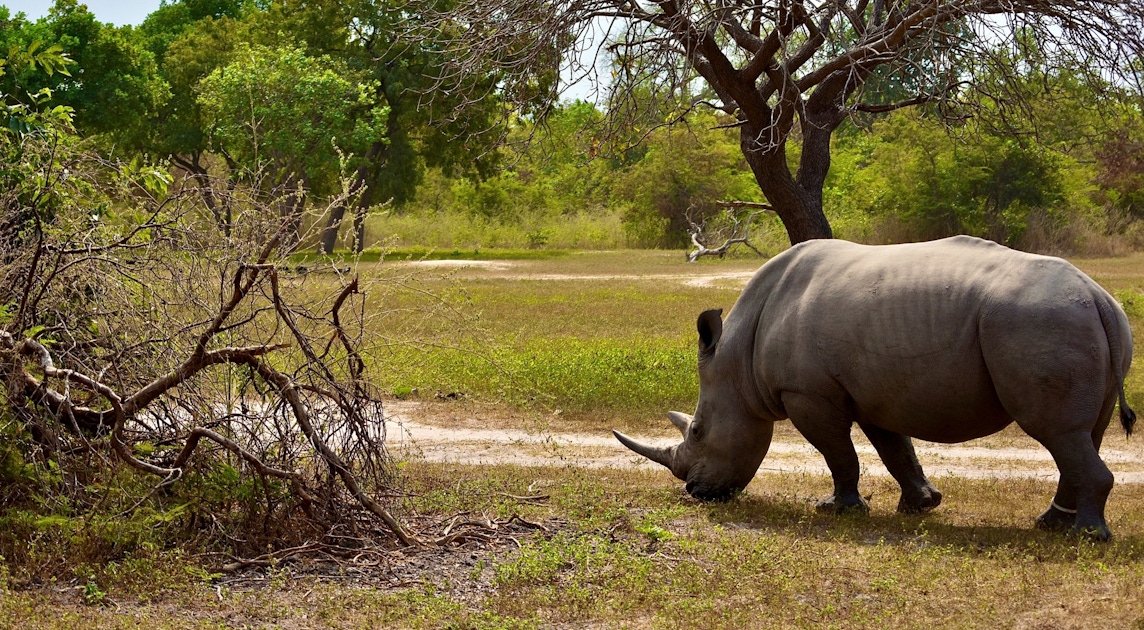
Abuko and regional reserves: Wildlife areas require responsible viewing and no guarantees of specific animals.
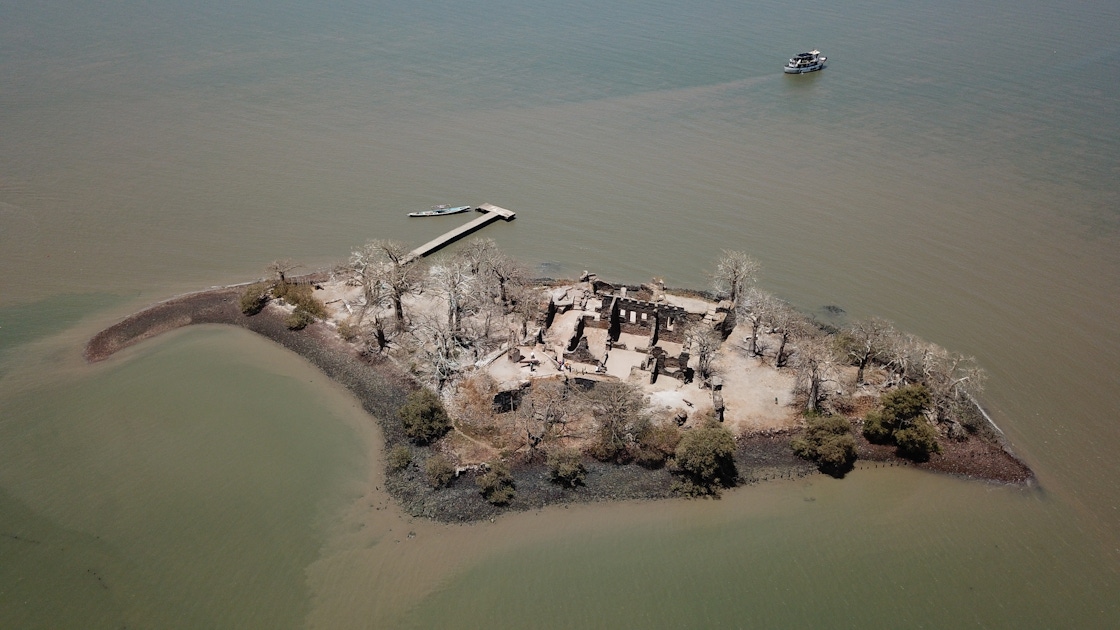
Makasutu Culture Forest: The site combines palm forest, wetland, community interpretation and managed visitor activity.
Kachikally area: The crocodile pool has cultural significance, but visitors should follow local safety and respect rules.
River and mangroves: Tides, heat and seasonal bird movement affect nature experiences.
How to Plan the Experience
Best time: A practical period is November to April for generally drier conditions, with heat, dust and road travel considered. Individual cruises, caves, monasteries, wildlife trips, markets and seasonal activities may operate during a shorter window.
Getting around: Banjul sits on St Mary's Island, while many visitor areas are around Bakau, Kotu, Kololi and Serrekunda. Taxis, minibuses, ferries and organised tours are commonly used.
Allow enough time to locate the meeting point, pass security and cope with delays. Do not schedule a separate flight, ferry, museum, restaurant or airport transfer immediately after the advertised finish. Wear suitable footwear, carry water and check the forecast for outdoor activities. Worship, restoration, wind, storms, wildfire restrictions, road closures, cave conditions and wildlife movement can alter access.
What to Check Before Booking
Read the complete live listing and confirm protected-area rules, weather, transport, footwear, wildlife ethics and actual time outdoors. Check whether the booking is immediately confirmed or still requires a separate reservation, permit or timed slot. A combination ticket is worthwhile only when every included element fits the itinerary; unused extras do not create genuine value.
Prices and availability change. Confirm the cancellation policy, exact meeting point, departure location and operator contact details before travelling. For wildlife and marine products, prefer operators that avoid feeding, chasing or crowding animals.
Allow the published duration plus at least 30 minutes for check-in, finding the meeting point and possible delays. Full-day regional tours may return later because of traffic, ferry schedules, weather, road conditions or attraction access.
Should I book in advance?
Advance booking is sensible for timed monuments, cruises, caves, monasteries, museums, cooking classes and popular summer activities. Flexible walking or self-guided products may be arranged closer to the day.
Is the activity suitable for everyone?
Suitability depends on stairs, walking distance, traffic, boat motion, heat, wind, steep terrain, swimming ability, age and health restrictions. Check accessibility and physical requirements on the live listing rather than assuming a visitor activity is effortless.
What happens if conditions change?
Indoor activities generally continue, while cruises, balloon flights, wildlife products, mountain routes and outdoor tours may be altered or cancelled. Review the operator’s weather, minimum-participant and refund policy before paying.
Ready to plan Banjul Nature, Landscapes & Wildlife Experiences Guide?
Check the supplier for current availability, pricing, inclusions and booking conditions.
Banjul Cruises, Boat Tours & Water Experiences Guide Gambia Banjul combines a compact national capital, working harbour and market, colonial-era history and access to the River Gambia, wetlands, wildlife reserves and cultural sites. Check current availability, inclusions and booking details before you go.
Banjul Off-Road, 4WD & Adventure Tours Guide Gambia Banjul combines a compact national capital, working harbour and market, colonial-era history and access to the River Gambia, wetlands, wildlife reserves and cultural sites. Check current availability, inclusions and booking details before you go.
Banjul Hop-On Hop-Off & Sightseeing Transport Guide Gambia Banjul combines a compact national capital, working harbour and market, colonial-era history and access to the River Gambia, wetlands, wildlife reserves and cultural sites. Check current availability, inclusions and booking details before you go.
Chester Nature, Landscapes & Wildlife Experiences Guide United Kingdom Chester combines Roman remains, medieval walls, black-and-white Rows, the River Dee, a major cathedral and access to wildlife and countryside attractions. Check current availability, inclusions and booking details before you go.
Glasgow Nature, Landscapes & Wildlife Experiences Guide United Kingdom Glasgow combines Victorian and modern architecture, world-class museums, music, industrial heritage, parks and quick access to Loch Lomond and western Scotland. Check current availability, inclusions and booking details before you go.
Llandudno Nature, Landscapes & Wildlife Experiences Guide United Kingdom Llandudno combines a Victorian seaside resort, the Great Orme headland, long promenade, historic pier and easy access to Conwy and Eryri. Check current availability, inclusions and booking details before you go.
Kutaisi Nature, Landscapes & Wildlife Experiences Guide Georgia Kutaisi combines an old western Georgian city, major monasteries, Imeretian food and wine, caves, canyons and access to lush regional landscapes. Check current availability, inclusions and booking details before you go.
Chania Nature, Landscapes & Wildlife Experiences Guide Greece Chania combines a Venetian harbour, Ottoman and Greek neighbourhoods, major western-Crete landscapes, food markets and access to gorges, villages and coast. Check current availability, inclusions and booking details before you go.
Corfu Nature, Landscapes & Wildlife Experiences Guide Greece Corfu combines a UNESCO-listed old town, Venetian fortresses, green hills, villages, beaches, olive landscapes and Ionian food traditions. Check current availability, inclusions and booking details before you go.