Kyoto combines temples, shrines, gardens, traditional districts, craft, tea, sake, seasonal cuisine and forested hills. Check current availability, inclusions and booking details before you go.
Quick overview: Booking must-sees in Kyoto can be a useful way to experience the destination's headline attractions. Kyoto combines temples, shrines, gardens, traditional districts, craft, tea, sake, seasonal cuisine and forested hills. The linked product page is the final source for live availability because operators, routes, prices, schedules and inclusions can change.
Why Choose Must-sees in Kyoto?
A worthwhile visitor experience should make the destination easier to understand, navigate or enjoy. The strongest options provide knowledgeable interpretation, simplify transport, secure controlled access or introduce a landscape, neighbourhood or tradition that would be difficult to appreciate independently. Avoid selecting purely by the number of advertised stops; enough time at fewer places normally creates a better day.
What You May Experience
Eastern Kyoto: Kiyomizu-dera, Gion and nearby streets can form one well-paced route.
Fushimi Inari: Early or later visits reduce crowd pressure in the lower shrine area.
Arashiyama: Bamboo, river, temples and hills require more time than one photo stop.
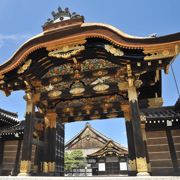
Major garden or palace:Nijō Castle, imperial grounds or a Zen temple adds architectural depth.
How to Plan the Experience
Best time: A practical period is March to May or October to November, with peak blossom and autumn periods extremely busy. Individual wildlife trips, cruises, markets, festivals and seasonal activities may operate during a shorter window.
Getting around: Trains, subways and buses connect the city, but traffic makes rail preferable where possible. Major districts are spread out and should be grouped geographically.
Allow enough time to locate the meeting point, pass security and cope with delays. Do not schedule a separate flight, train, museum, show or restaurant immediately after the advertised finish. Wear suitable footwear, carry water and check the forecast for outdoor activities. Worship, restoration, storms, snow, tides, road closures and major events can alter access.
What to Check Before Booking
Read the complete live listing and confirm timed reservations, admission, realistic travel time, closures, security and guide language. Check whether the booking is immediately confirmed or still requires a separate reservation, permit or timed slot. A combination ticket is worthwhile only when every included element fits the itinerary; unused extras do not create genuine value.
Prices and availability change. Confirm the cancellation policy, exact meeting point and operator contact details before travelling.
Allow the published duration plus at least 30 minutes for check-in, finding the meeting point and possible delays. Full-day regional tours may return later because of traffic, weather, sea conditions or attraction access.
Should I book in advance?
Advance booking is sensible for timed monuments, cruises, wildlife trips, cooking classes, museums and popular seasonal activities. Flexible walking or self-guided products may be arranged closer to the day.
Is the activity suitable for everyone?
Suitability depends on stairs, walking distance, traffic, motion, heat, humidity, cold, altitude, swimming ability, age and health restrictions. Check accessibility and physical requirements on the live listing rather than assuming a visitor activity is effortless.
What happens if conditions change?
Indoor activities generally continue, while flights, cruises, snow activities, wildlife trips and outdoor tours may be altered or cancelled. Review the operator’s weather and refund policy before paying.
Ready to plan Kyoto Must-See Attractions, Tours & Highlights Guide?
Check the supplier for current availability, pricing, inclusions and booking conditions.
From Kyoto/Osaka: Kyoto Top Highlights 1-Day Guided Bus Tour Japan Best deals for From Kyoto/Osaka: Kyoto Top Highlights 1-Day Guided Bus Tour. Explore Kyoto's iconic sites in one day: walk through Fushimi Inari's torii gates, admire UNESCO Sites Kiyomizu-dera and Kinkakuji, and stroll Arashiyama's serene bamboo grove with an expert guide. Available from getyourguide.com.
Osaka/Kyoto: Kyoto and Nara Customizable Day Tour with Guide Japan Best deals for Osaka/Kyoto: Kyoto and Nara Customizable Day Tour with Guide. Discover Kyoto & Nara on an exclusive private tour with guide & vehicle. Customize your itinerary & visit highlights like Fushimi Inari, Arashiyama, Kinkaku-ji, Nara Park, & Todai-ji at your own pace. Available from getyourguide.com.
Kyoto/Osaka : Kyoto & Osaka Private Tour With Driver/Guide Japan Best deals for Kyoto/Osaka : Kyoto & Osaka Private Tour With Driver/Guide. Explore Kyoto and Osaka on a private day tour with a local guide. Visit Fushimi Inari-Taisha Shrine, the Golden Pavilion, Kinkaku-ji Temple, Osaka Castle, and more. Available from getyourguide.com.
From Kyoto/Osaka: Kyoto Nara One Day Private Tour Japan Best deals for From Kyoto/Osaka: Kyoto Nara One Day Private Tour. Discover the best of Kyoto and Nara on a private customizable tour. Explore iconic temples, shrines, cultural landmarks, and beautiful scenery at your own pace. Available from getyourguide.com.
Kyoto/Osaka: Kyoto Imperial, Shogun & 1,000-Year Mochi Japan Best deals for Kyoto/Osaka: Kyoto Imperial, Shogun & 1,000-Year Mochi. Explore Kyoto from Kyoto or Osaka with hotel pickup. Visit Nijo Castle, Kyoto Imperial Palace, Imamiya Shrine, Kinkaku-ji and Kitano Tenmangu, plus a 1,000-year aburi mochi tradition. Available from getyourguide.com.
Kyoto: Toei Kyoto Studio Park Admission E-Ticket Japan Best deals for Kyoto: Toei Kyoto Studio Park Admission E-Ticket. Step into the world of samurai and ninjas at Toei Kyoto Studio Park! Explore Edo-period sets, watch live filming, dress up in costume, and enjoy hero attractions. Available from getyourguide.com.
From Osaka/Kyoto: Private Kyoto and Nara Customizable Tour Japan Best deals for From Osaka/Kyoto: Private Kyoto and Nara Customizable Tour. Explore Kyoto and Nara on a private car tour. Visit Arashiyama, Fushimi Inari Taisha, Kinkaku-ji, Nishiki Market, Nara Park, and Tōdai-ji Temple. Customize your itinerary to suit your interests. Available from getyourguide.com.
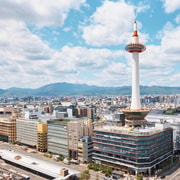
Kyoto: Nidec Kyoto Tower Observation Deck Admission Ticket Japan Best deals for Kyoto: Nidec Kyoto Tower Observation Deck Admission Ticket. Opening hours: 10:00~21:00 (Last entry: 20:30) Enjoy panoramic views of Kyoto from the observation deck of Nidec Kyoto Tower. Admire the unique structure of the tower, built without a steel frame. Available from getyourguide.com.
Kyoto: Memory Kyoto E-Bike Tour Japan Best deals for Kyoto: Memory Kyoto E-Bike Tour. Itinerary for this tour 1. Golden Pavilion ( Kinkakuji Temple ) 2. Arashiyama Bamboo Forest 3. Tenryuji Temple 4. Kitano Tenmangu Shrine Available from getyourguide.com.