Dublin combines Georgian streets, literary and political history, major museums, pub culture, riverfront districts and easy regional excursions. Check current availability, inclusions and booking details before you go.
Quick overview: Booking must-sees in Dublin can be a useful way to experience the destination's headline attractions. Dublin combines Georgian streets, literary and political history, major museums, pub culture, riverfront districts and easy regional excursions. The linked product page is the final source for live availability because operators, routes, prices, schedules and inclusions can change.
Why Choose Must-sees in Dublin?
A worthwhile visitor experience should make the destination easier to understand, navigate or enjoy. The strongest options provide knowledgeable interpretation, simplify transport, secure controlled access or introduce a landscape, neighbourhood or tradition that would be difficult to appreciate independently. Avoid selecting purely by the number of advertised stops; enough time at fewer places normally creates a better day.
What You May Experience
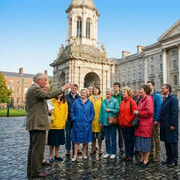
Trinity College area: Historic campus, library access and nearby streets require timed planning.
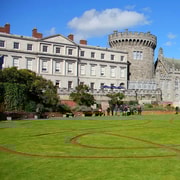
Dublin Castle: State rooms, courtyards and exhibitions explain centuries of government.
Cathedral or museum visit: Choose according to religious, artistic or political interests.
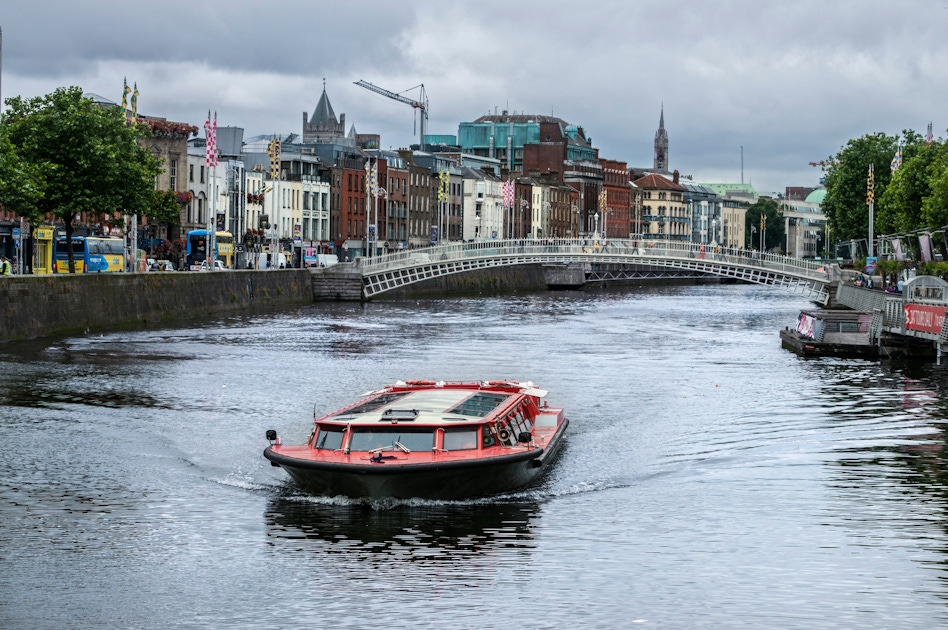
River and Georgian walk: The Liffey, Merrion Square and central streets reveal the city's layout.
How to Plan the Experience
Best time: A practical period is May to September for longer daylight, while museums, pubs and city tours operate throughout the year. Individual cruises, wildlife trips, markets, religious sites, trails and seasonal activities may operate during a shorter window.
Getting around: Dublin uses buses, trams, suburban rail, taxis, bicycles and extensive walking. Traffic can make rail or tram faster than road sightseeing at peak times.
Allow enough time to locate the meeting point, pass security and cope with delays. Do not schedule a separate flight, train, ferry, museum or restaurant immediately after the advertised finish. Wear suitable footwear, carry water and check the forecast for outdoor activities. Worship, restoration, storms, road closures, wildlife movement, security controls and major events can alter access.
What to Check Before Booking
Read the complete live listing and confirm timed reservations, admission, realistic travel time, closures, security and guide language. Check whether the booking is immediately confirmed or still requires a separate reservation, permit or timed slot. A combination ticket is worthwhile only when every included element fits the itinerary; unused extras do not create genuine value.
Prices and availability change. Confirm the cancellation policy, exact meeting point and operator contact details before travelling. For Jerusalem and other locations affected by changing security conditions, also check current official travel advice and same-day site access.
Allow the published duration plus at least 30 minutes for check-in, finding the meeting point and possible delays. Full-day regional tours may return later because of traffic, weather, sea conditions, security procedures or attraction access.
Should I book in advance?
Advance booking is sensible for timed monuments, cruises, wildlife trips, museums, cooking classes and popular seasonal activities. Flexible walking or self-guided products may be arranged closer to the day.
Is the activity suitable for everyone?
Suitability depends on stairs, walking distance, traffic, motion, heat, cold, steep terrain, swimming ability, age and health restrictions. Check accessibility and physical requirements on the live listing rather than assuming a visitor activity is effortless.
What happens if conditions change?
Indoor activities generally continue, while cruises, wildlife trips, mountain routes, marine activities and outdoor tours may be altered or cancelled. Security restrictions can also change monument access. Review the operator’s cancellation and refund policy before paying.
Ready to plan Dublin Must-See Attractions, Tours & Highlights Guide?
Check the supplier for current availability, pricing, inclusions and booking conditions.
Crafty Tours Dublin – A Taste of Dublin’s Best Brews Ireland Best deals for Crafty Tours Dublin – A Taste of Dublin’s Best Brews. Life’s Too Short To Drink Shit Beer. Step off the tourist trail and into five of the city’s best pubs - where the craft beer’s cold, the food’s hearty, and the stories flow faster than the pints Available from getyourguide.com.
Shore Tour from Dublin: Wicklow Mountains & Dublin Ireland Best deals for Shore Tour from Dublin: Wicklow Mountains & Dublin. The tour allows you to see the highlights of Dublin City, and also visit Glendalough and the Wicklow Mountains. Available from getyourguide.com.
Dublin: Fast-Track Book of Kells Ticket & Dublin Castle Tour Ireland Best deals for Dublin: Fast-Track Book of Kells Ticket & Dublin Castle Tour. Visit the Old Library at Trinity College Dublin to see the illuminated manuscript of the Book of Kells, one of Ireland's national treasures, before exploring the grounds and gardens of Dublin Castle. Available from getyourguide.com.
Dublin: Dark Walking Tour of Haunted Dublin Ireland Best deals for Dublin: Dark Walking Tour of Haunted Dublin. Discover the dark side of Dublin on a walking tour. Venture through the city centre - famous Temple Bar - then plunge into the dark heart of the old medieval city, and beyond. Available from getyourguide.com.
Dublin: Dublin Bay Cruise from Dun Laoghaire to Howth Ireland Best deals for Dublin: Dublin Bay Cruise from Dun Laoghaire to Howth. Blow off the cobwebs and discover the beauty of Dublin Bay by sailing from Dun Laoghaire to the beautiful fishing village of Howth. Available from getyourguide.com.
Dublin: Book of Kells, Dublin Castle and Christ Church Tour Ireland Best deals for Dublin: Book of Kells, Dublin Castle and Christ Church Tour. Visit the Book of Kells at Trinity College with skip-the-line tickets (3h tour only) and walk through Dublin's history: Dublin Castle, Christ Church Cathedral, St Patrick's Cathedral and more. Available from getyourguide.com.
Dublin: Fast-Entry Book of Kells & Dublin Castle Bespoke Tour Ireland Best deals for Dublin: Fast-Entry Book of Kells & Dublin Castle Bespoke Tour. Join our award winning experienced and fully qualified official tour guide historians in Dublin. Starting from the days of early Irish Christianity to conquest then rebellion to partial independence. Available from getyourguide.com.
Dublin: Walking Tour History & Highlights with a Local Guide Ireland Best deals for Dublin: Walking Tour History & Highlights with a Local Guide. Discover Dublin's history on a walking tour with a local expert. Explore key sites like the GPO and O'Connell Street, and get recommendations for pubs, food, and music. Available from getyourguide.com.
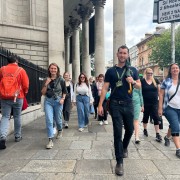
Dublin: Highlights and Hidden Gems Walking Tour Ireland Best deals for Dublin: Highlights and Hidden Gems Walking Tour. Join a walking tour of Dublin's city centre with an accredited guide. Hear about the history of the city as you pass landmarks such as Dublin Castle, Christ Church Cathedral, Trinity College, and more. Available from getyourguide.com.