Compare sightseeing experiences in Chambord Monument Visits & Heritage, with practical tips on timing, inclusions and choosing the right option. Check current availability, prices and booking conditions before you go.
Monument visits in Chambord: A Practical Visitor Guide
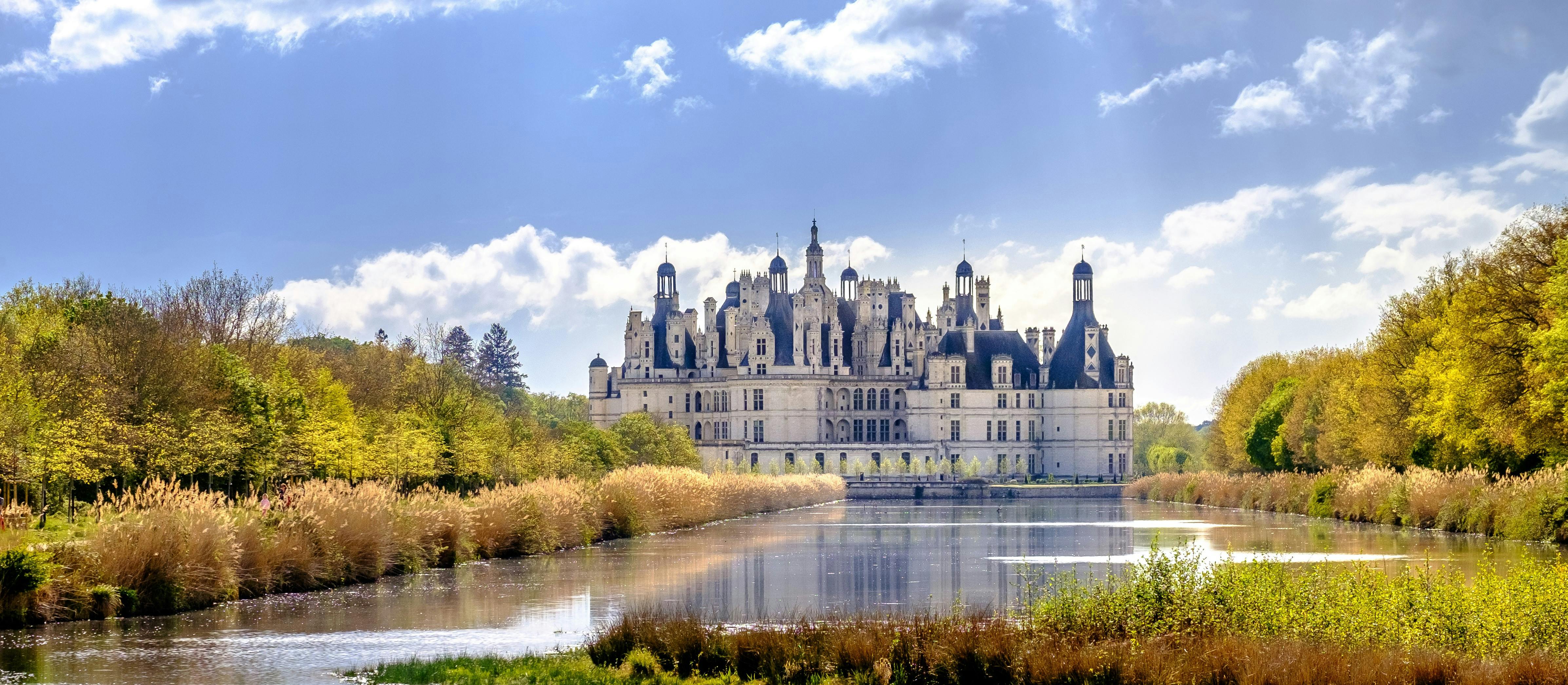
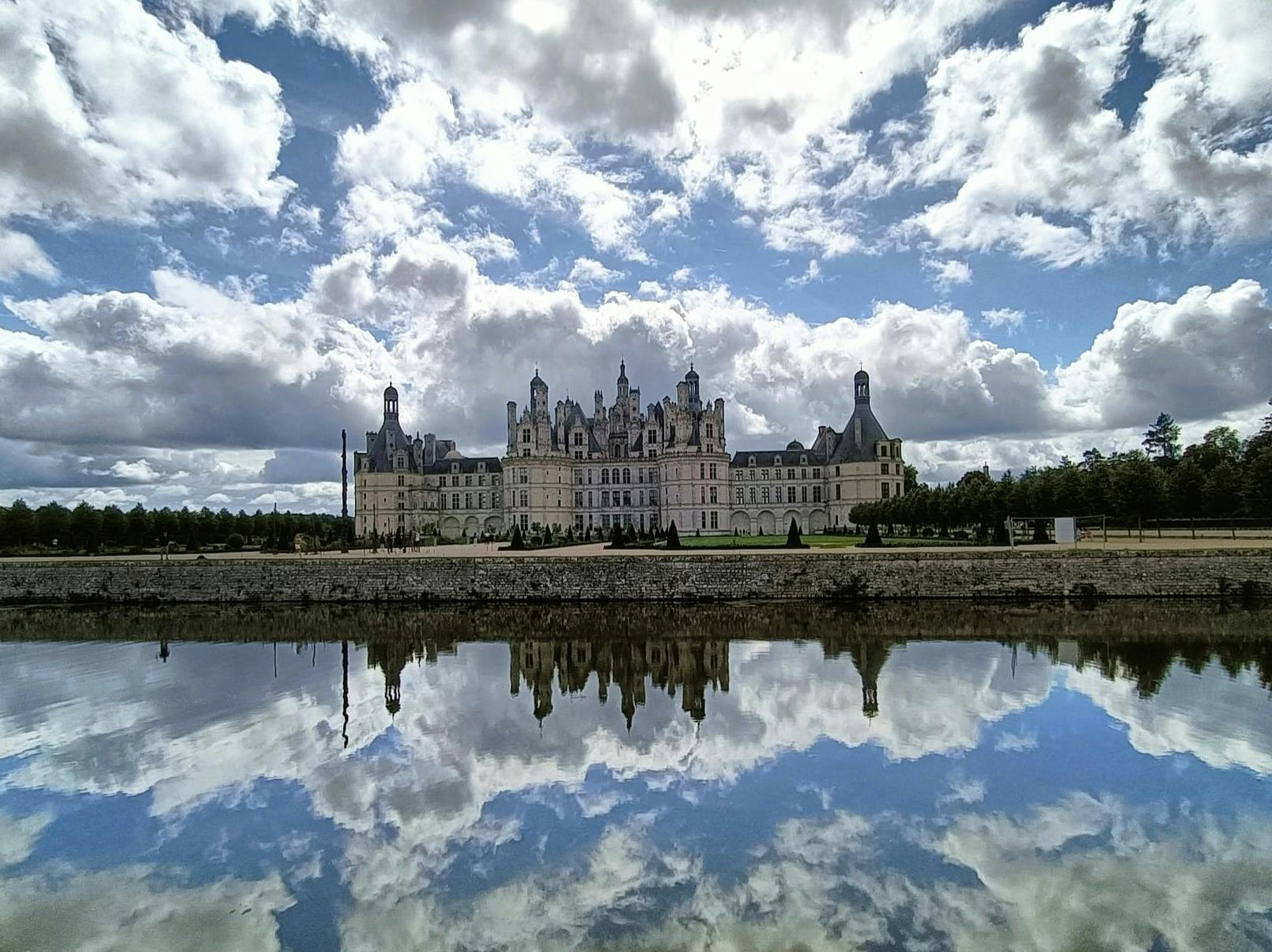
Quick overview: Booking monument visits in Chambord can be a useful way to experience important archaeological, religious and architectural sites. Chambord combines a monumental Renaissance château, vast enclosed estate, formal gardens, woodland and architecture associated with François I. The linked product page is the final source for live availability because operators, routes, prices, schedules and inclusions can change.
Why Choose Monument visits in Chambord?
A worthwhile visitor experience should make the destination easier to understand, navigate or enjoy. The strongest options provide knowledgeable interpretation, simplify transport, secure controlled access or introduce a landscape, neighbourhood or tradition that would be difficult to appreciate independently. Avoid selecting purely by the number of advertised stops; enough time at fewer places normally creates a better day.
What You May Experience
Château interiors: The double-helix staircase, royal apartments and terraces require several hours.
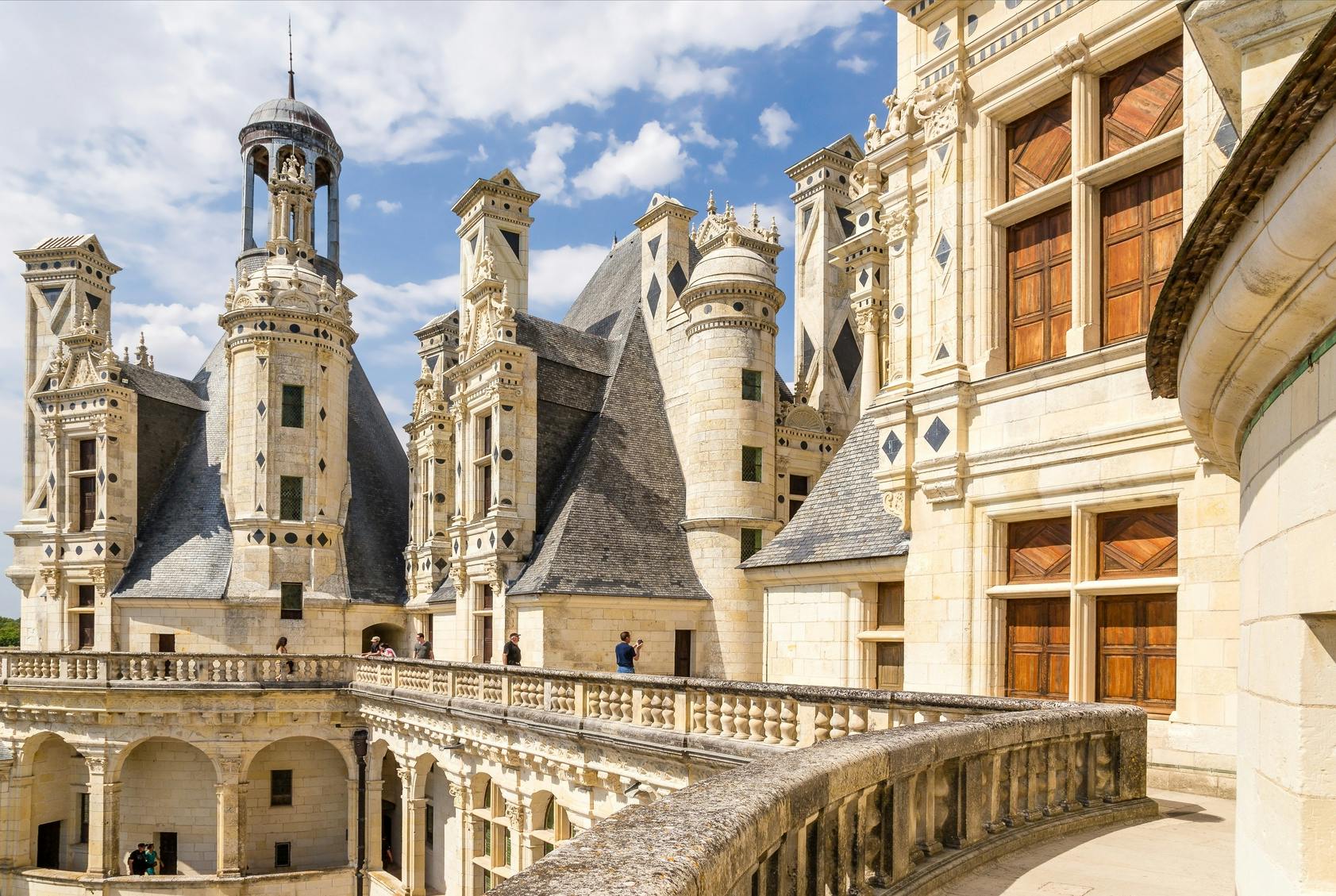
Roof terraces: Towers, chimneys and views reveal the building's unusual design.
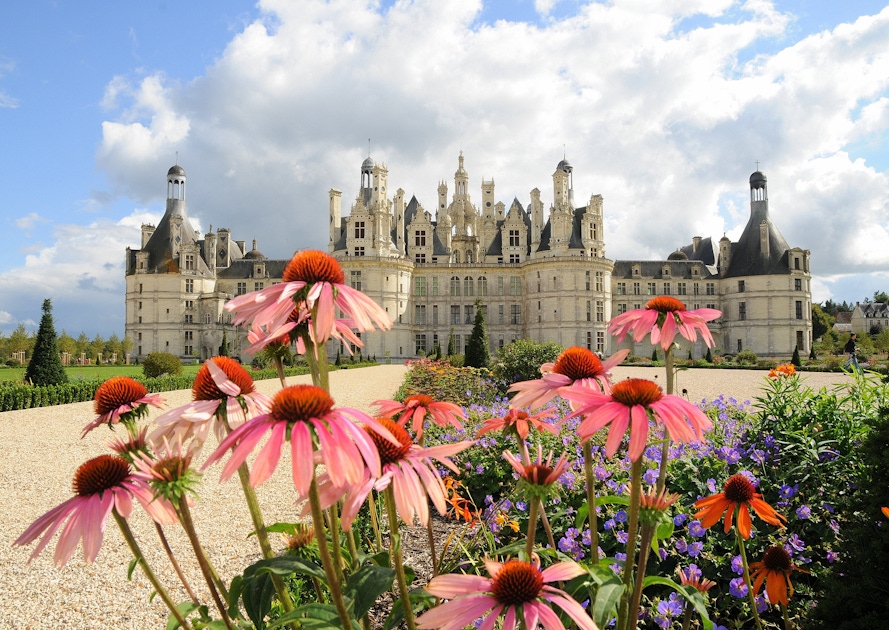
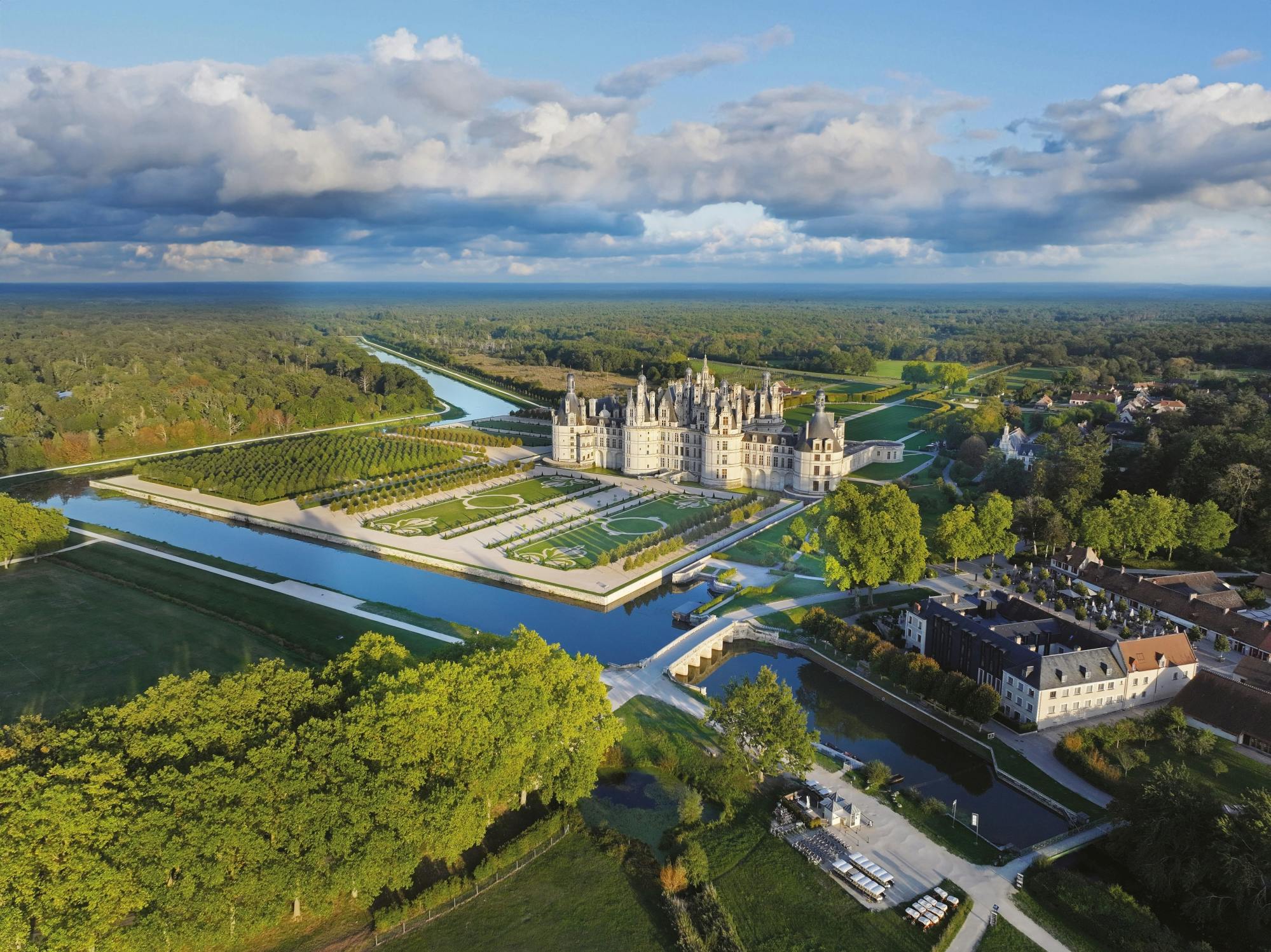
Formal gardens: Restored gardens provide a structured foreground to the château.
Estate landscape: Woodland, wildlife areas and long paths extend far beyond the building.
How to Plan the Experience
Best time: A practical period is April to June or September to October, with the estate busiest during summer and school holidays. Individual museums, châteaux, wineries, cruises, markets, winter routes and seasonal transport may operate during a shorter window.
Getting around: Chambord is a rural Loire Valley estate without a central railway station. Cars, seasonal shuttles, bicycles, taxis and organised tours are commonly used.
Allow enough time to locate the meeting point, pass security and cope with delays. Do not schedule a separate flight, train, ferry, museum, restaurant or airport transfer immediately after the advertised finish. Wear suitable footwear and carry weather-appropriate clothing. Worship, restoration, harvest activity, road closures, wildfire controls, snow, ice, wind and major events can alter access.
What to Check Before Booking
Read the complete live listing and confirm timed entry, security, stairs, dress rules, restoration, guide language and included areas. Check whether the booking is immediately confirmed or still requires a separate reservation, appointment, permit or timed slot. A combination ticket is worthwhile only when every included element fits the itinerary; unused extras do not create genuine value.
Prices and availability change. Confirm the cancellation policy, exact meeting point, departure location and operator contact details before travelling. Northern Lights and wildlife sightings are never guaranteed. For animal activities, prefer operators that publish clear welfare practices and appropriate rest arrangements.
Allow the published duration plus at least 30 minutes for check-in, finding the meeting point and possible delays. Regional excursions may return later because of traffic, weather, road conditions, cellar schedules or attraction access.
Should I book in advance?
Advance booking is sensible for châteaux, popular museums, winery visits, cooking classes, winter safaris and seasonal transport. Flexible walking and self-guided products can often be arranged closer to the day.
Is the activity suitable for everyone?
Suitability depends on stairs, cobbles, hills, walking distance, traffic, cold, heat, boat motion, cellar conditions, age and health restrictions. Check accessibility and physical requirements on the live listing rather than assuming a visitor activity is effortless.
What happens if conditions change?
Indoor activities generally continue, while vineyard tours, open-air transport, winter safaris, aurora trips and outdoor experiences may be altered or cancelled. Review the operator’s weather, disruption and refund policy before paying.
Ready to plan Chambord Monument Visits & Heritage Tours?
Check the supplier for current availability, pricing, inclusions and booking conditions.
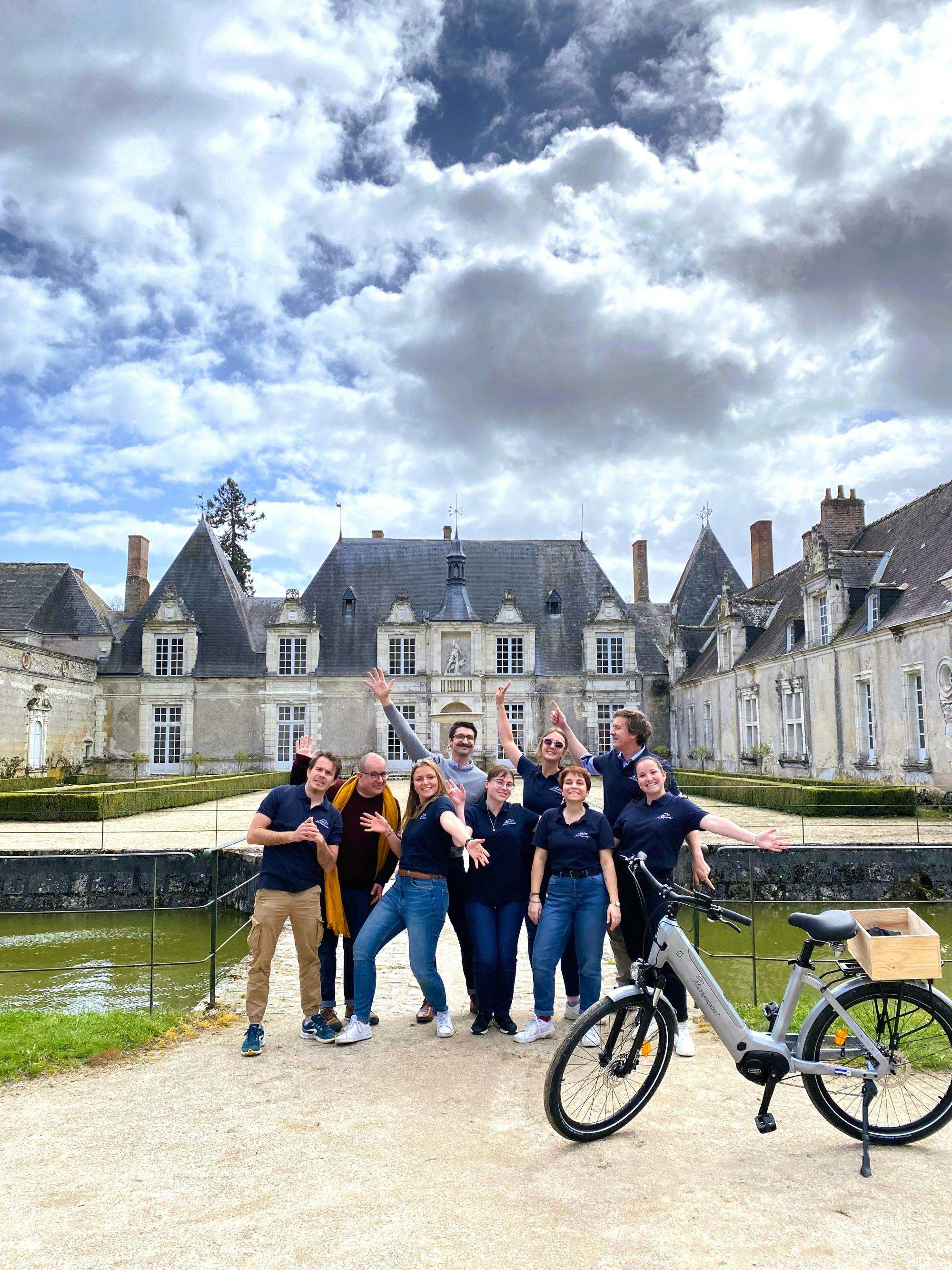
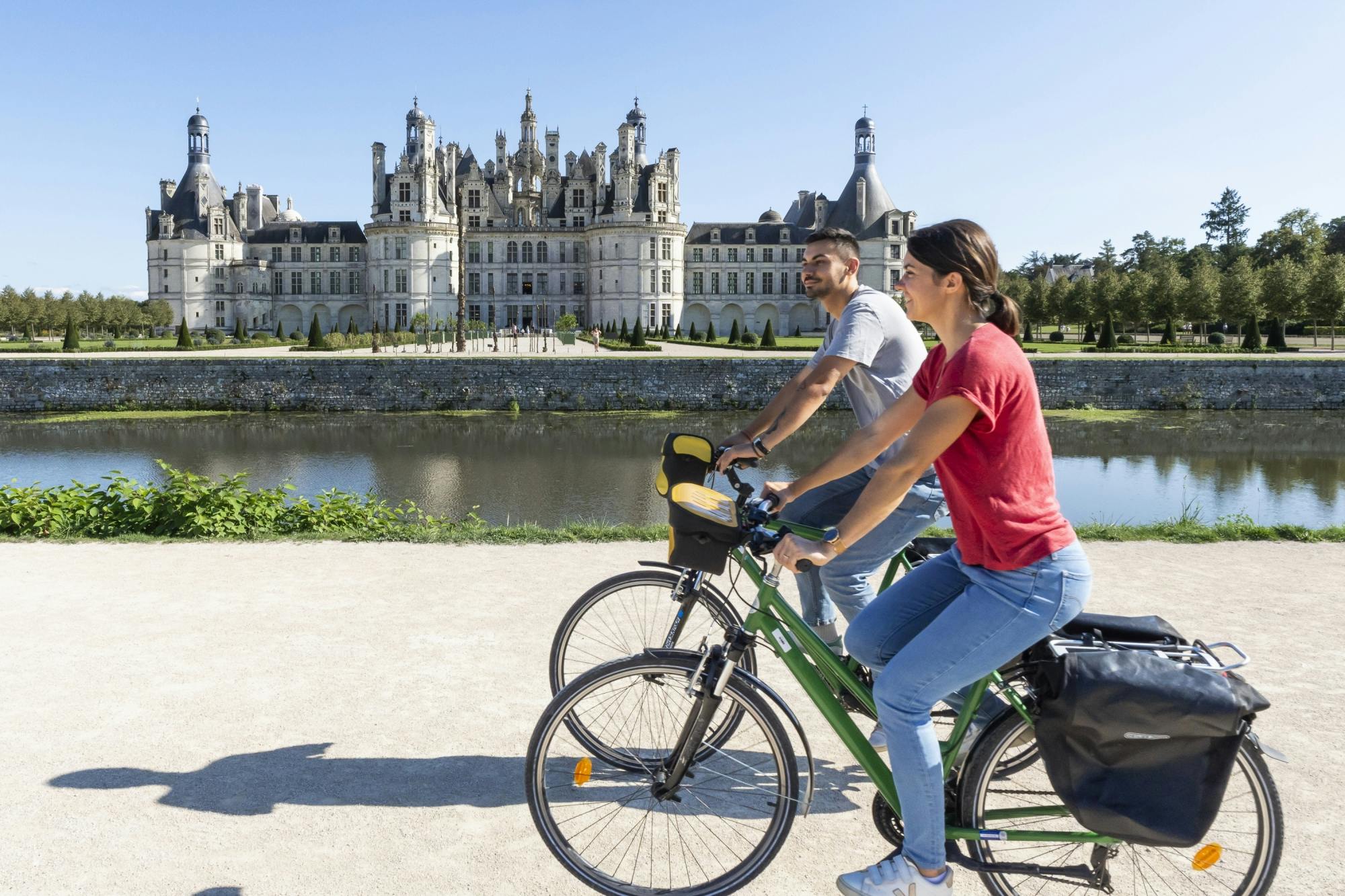
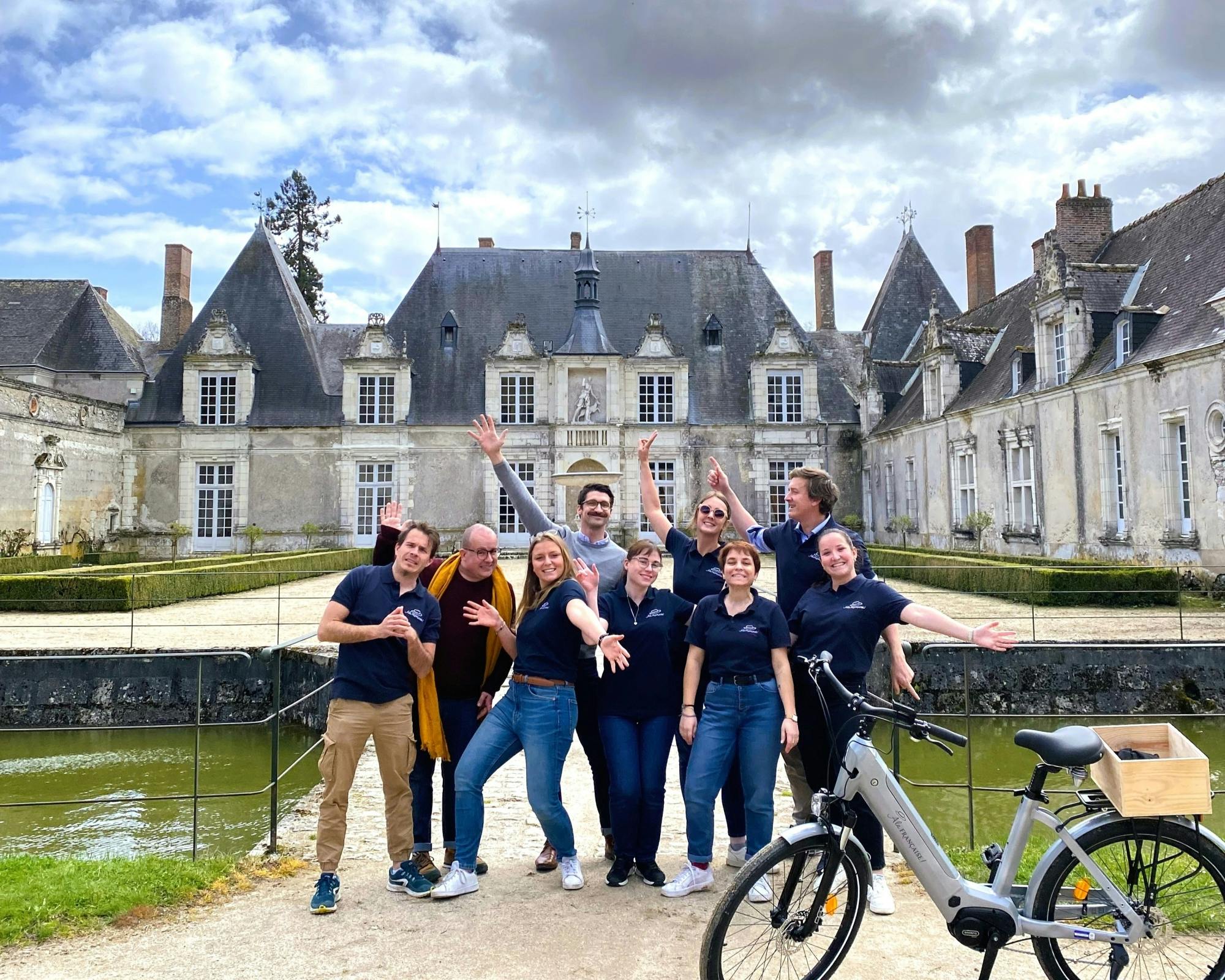
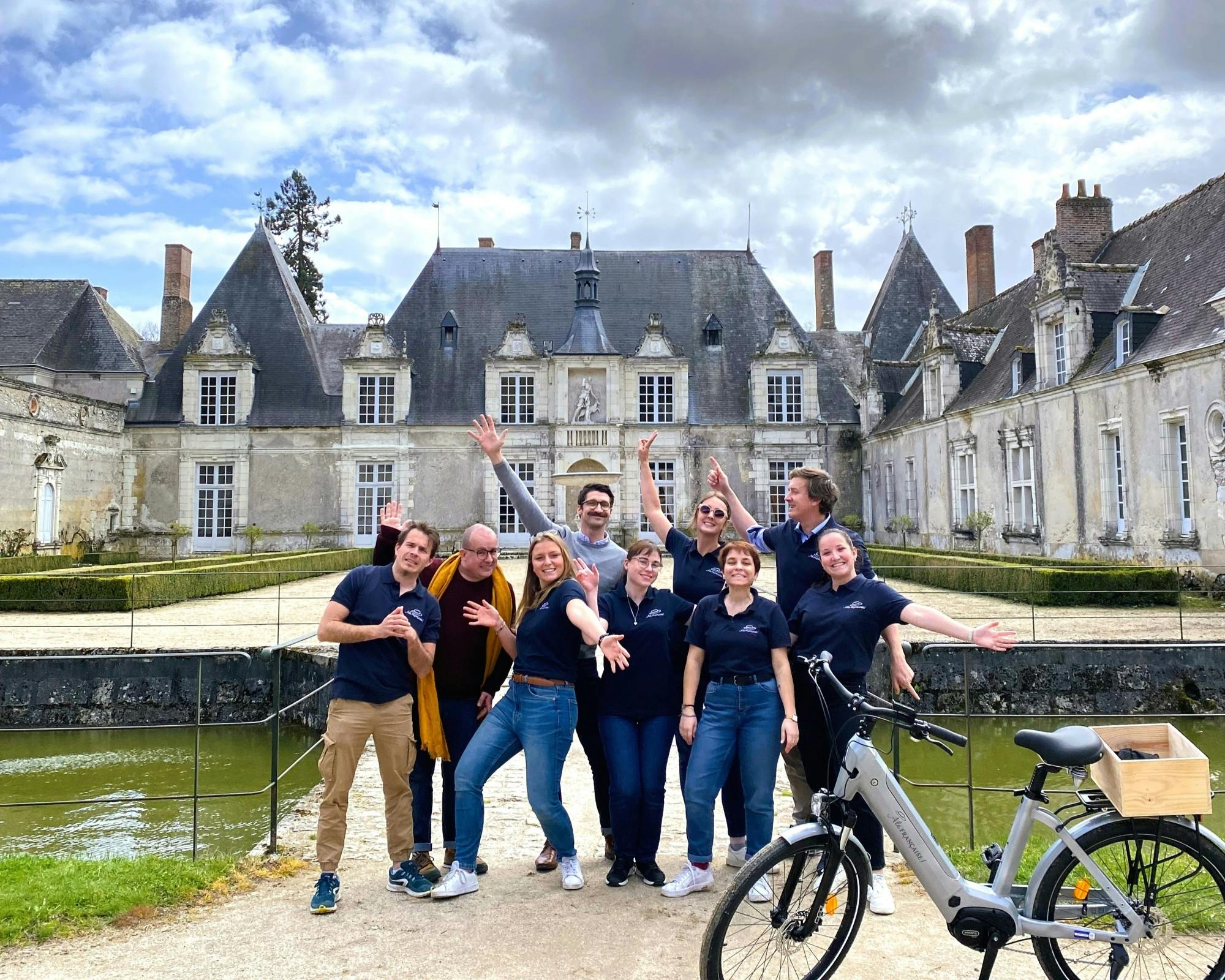
E-Bike Tour to Chambord from Tours France Visit of Château de Chambord, a UNESCO Heritage Site and discover Château de Villesavin, which is a charming family property on an e-bike. Check current availability, inclusions and booking details before you go.
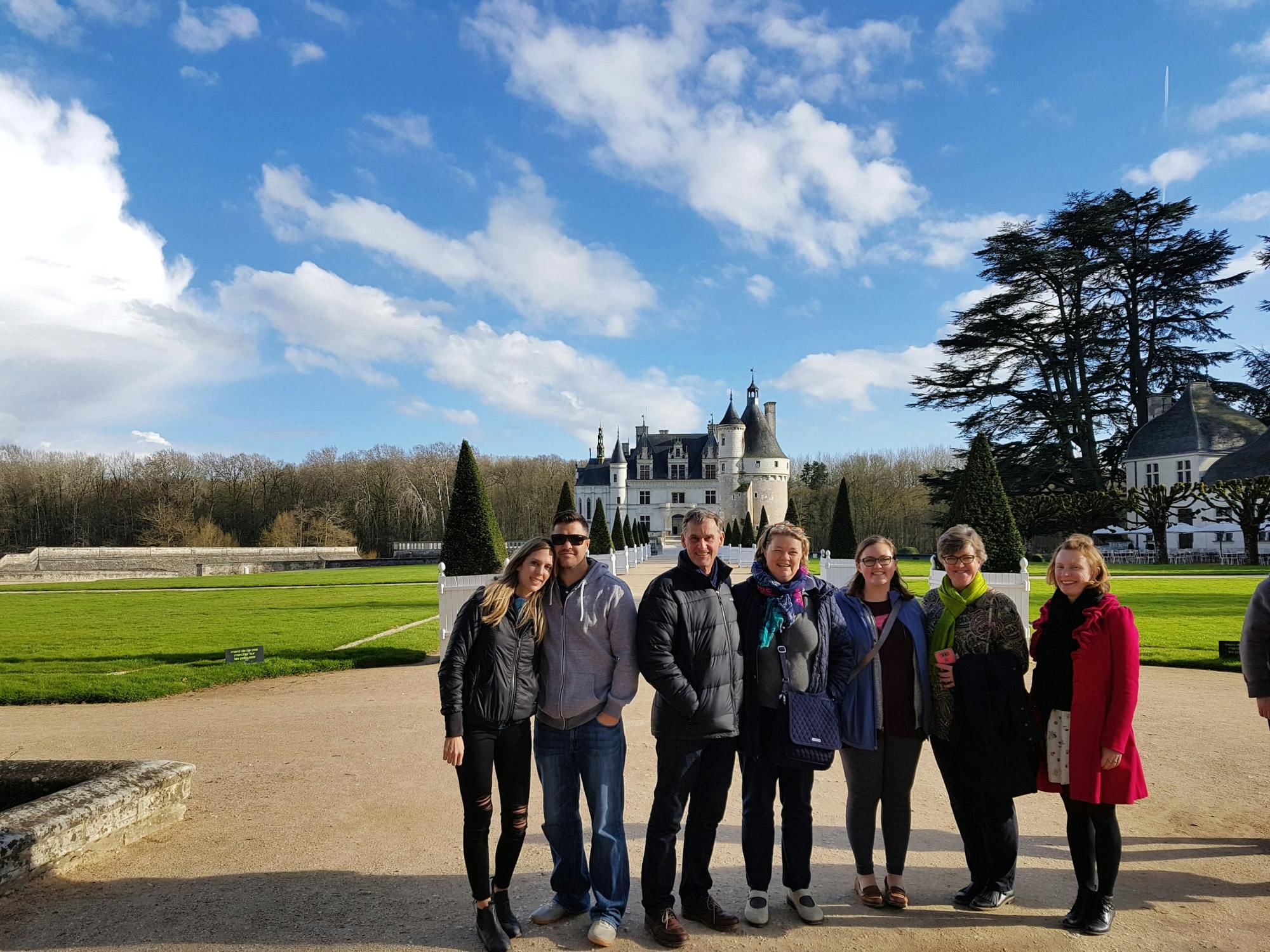
Day Tour of Chambord & Chenonceau from Tours France Discover two of the best castles of the Loire Valley on this excursion departing from Tours. Check current availability, inclusions and booking details before you go.
E-Bike Tour to Chambord from Amboise – Outdoor Adventure France E-Bike Tour to Chambord from Amboise adds structure, local context and purposeful sightseeing to the itinerary. Check current availability, inclusions and booking details before you go.
Chenonceau & Chambord Day Tour with Wine-Tasting France Chenonceau & Chambord Full-Day Tour with Wine-Tasting is a convenient way to add structure, local context and purposeful sightseeing to the itinerary. Check current availability, inclusions and booking details before you go.
Entrance Ticket to Chambord Castle – Entry Ticket France Entrance ticket to Chambord Castle provides a structured way to visit a notable attraction or cultural site. Check current availability, inclusions and booking details before you go.