The statue Charlemagne et ses Leudes (“Charlemagne and His Guards”) is a prominent bronze monument located on the south side of the Parvis Notre-Dame – Place Jean-Paul II, directly in front of Notre-Dame Cathedral in Paris. Created by French sculptor brothers Louis and Charles Rochet, it was cast by the Fonderie Thiébaut Frères and installed in 1882.
Sponsored Popular Items
Quick take: Musement.com offers a worldwide selection of tours and attractions
The Rochet brothers conceived the idea for the statue in 1853, initially intending it for Aachen. A plaster version was presented at the Universal Exposition of 1867, and the completed bronze group was exhibited at the Universal Exposition of 1878.
Due to political sensitivities surrounding Charlemagne’s associations, the statue’s placement in Paris faced controversy. Eventually, Charles Rochet offered to cover the cost of erecting the 15-ton sculpture, leading to its provisional installation on the Parvis Notre-Dame in 1882. The City of Paris acquired ownership in 1895, and the current stone pedestal was constructed in 1908.
Artistic Description
The statue depicts Charlemagne as an aged emperor, wearing the Imperial Crown of the Holy Roman Empire and holding the Scepter of Charles V. He is flanked by his legendary paladins, Roland and Oliver.
Roland carries his olifant, a double-headed axe known as a francisca, and the sword Durendal.
Oliver is armed with a scramasax and a pike.
The portrayal is intentionally anachronistic, combining elements from different periods to emphasize its allegorical nature.
Symbolism and Political Context
The statue serves as a political statement, aligning Charlemagne’s legacy with French national identity and Napoleon III’s Second Empire. By depicting Charlemagne with French symbols of power, the Rochet brothers aimed to assert France’s claim over his heritage, countering German and Belgian associations.
The inclusion of Roland and Oliver further anchors Charlemagne in French tradition.
Preservation and Legacy
Unlike many bronze statues that were melted down during World War II, Charlemagne et ses Leudes was preserved, partly due to Charlemagne’s significance in German history.
In 1973, proposals to relocate the statue to Metz or replace it with the Pillar of the Boatmen were considered but not implemented.
Today, the statue remains a notable feature of the Parvis Notre-Dame, contributing to the historical and cultural landscape of Paris.
Sponsored Popular Items
Quick take: Musement.com offers a worldwide selection of tours and attractions
Koh Samui: Paris Follies Cabaret Show Entry Ticket & Drinks Thailand Enjoy a dazzling ladyboy cabaret show in Koh Samui. Choose from a variety of drink packages and experience a colorful, high-energy performance with elaborate costumes and dance routines
The BEST Paris Tours and Things to Do in 2026 - FREE Cancellation | GetYourGuide France Find the top-rated and best-reviewed tours and activities in Paris for 2026. From prices and availability to skip-the-line options and mobile tickets, get all the information you need… Check current availability, inclusions and booking conditions.
Disneyland Paris France Book your Disneyland Paris tickets online. Save time and money with our best price guarantee. Make the most of your visit to Paris. Check current availability, inclusions and booking conditions.
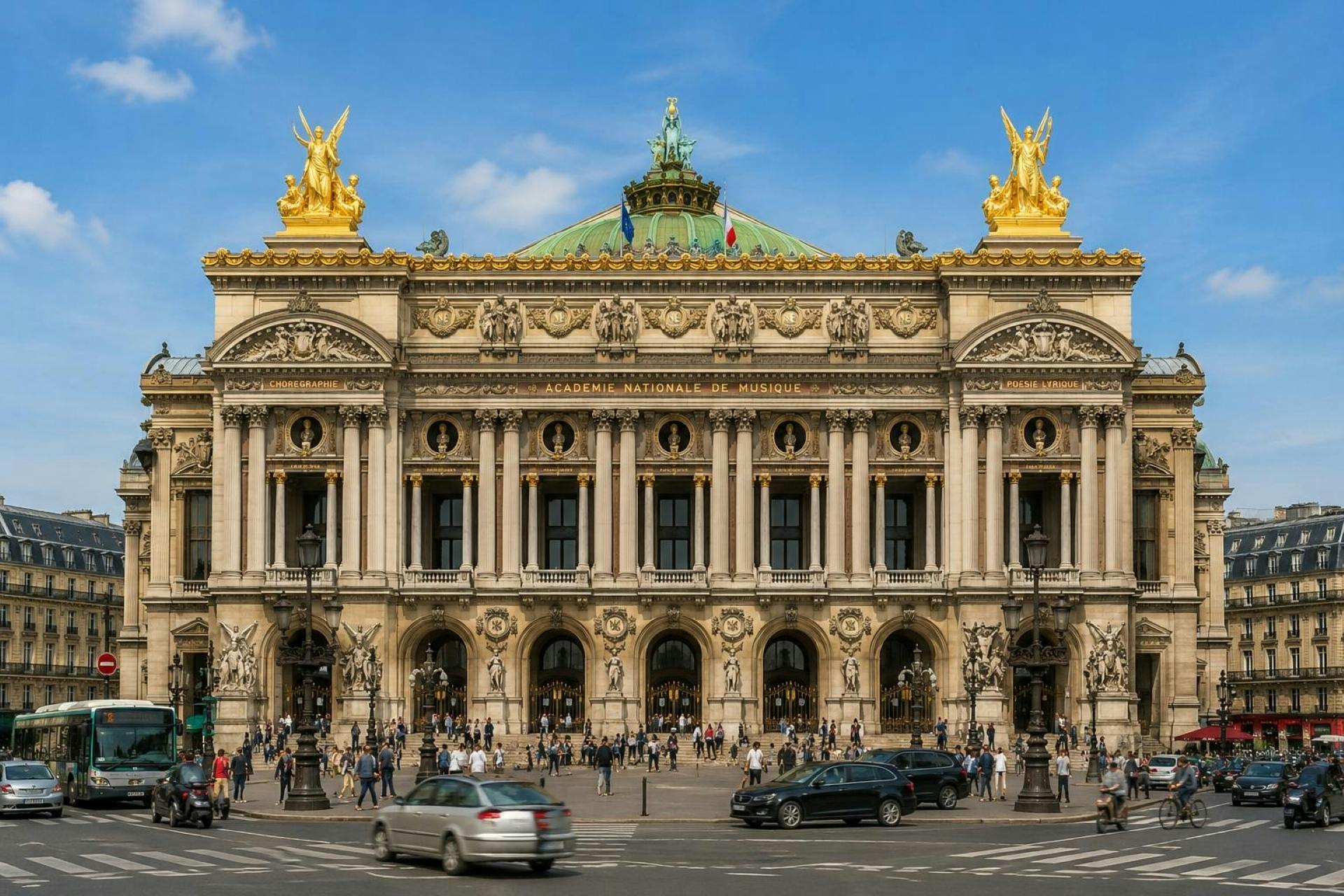
Opéra Garnier Entry Ticket with Paris Audio Guide and eSIM France Explore the ornate 19th-century Palais Garnier at your own pace, then use the included Paris audio guide and 1 GB eSIM during the rest of your stay. Check current availability, inclusions and booking details before you go.
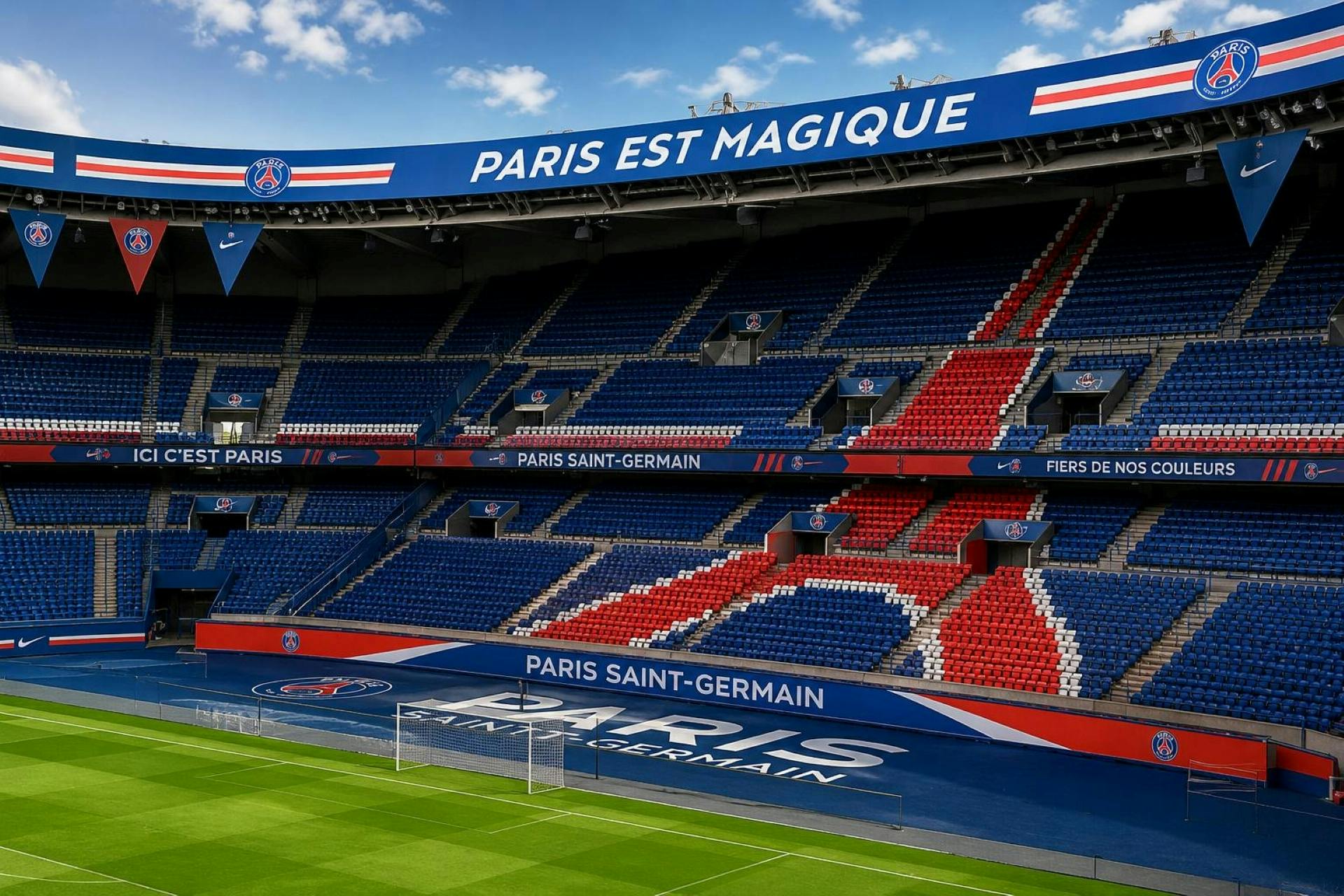
Parc des Princes Stadium Ticket with Paris Audio Guide France This Parc des Princes ticket gives football fans a behind-the-scenes look inside the home stadium of Paris Saint-Germain. Check current availability, inclusions and booking details before you go.
Cité de l'Histoire Ticket with Paris City Audio Tour and 1GB eSIM France Plan Cité de l'Histoire Ticket with Paris City Audio Tour and 1GB eSIM, a ticket or attraction experience, with practical tips on timing, inclusions and what to check before booking. Compare current availability, prices and booking conditions before you go.
Tickets for the Cité Immersive des Fables in Paris France Plan Tickets for the Cité Immersive des Fables in Paris, a ticket or attraction experience, with practical tips on timing, inclusions and what to check before booking. Compare current availability, prices and booking conditions before you go.