Planning a trip to Taiwan? This guide covers what to see and do, how to get around, where to stay, and the best bookable tours to make the most of your time.
Taiwan’s temples are not just religious sites—they’re cultural hubs blending Taoist, Buddhist, and folk traditions. Each temple tells a story through intricate carvings, smoky incense, and lively festivals. Here’s a north-to-south route covering the most iconic temples in Taiwan.
Sponsored Popular Items
Quick take: Trip.com offers a worldwide selection of tours and attractions and hotels
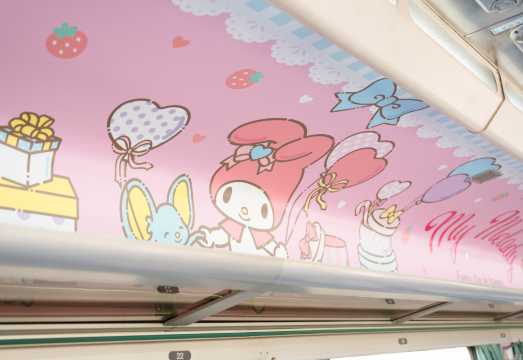
Taiwan Sanrio Themed Sightseeing Train Full-Day Island Star – Travel Experience Taiwan Travel around Taiwan on a Sanrio-themed sightseeing train with colourful carriages, scenic views and onboard activities. The Taiwan Sanrio themed sightseeing train is one of the cutest and most unusual rail experiences in Taiwan. Also known as the Island Star, Formosa Express or Moe Journey train, this special sightseeing train turns a long rail journey into a themed travel experience filled with Sanrio character designs, comfortable seats, meals, drinks, activities and scenic views from the window. The Trip.com package is designed for non-Taiwan residents and offers east and west one-day round-island train options departing from Taipei. It is a fun…
Quick take: Trip.com helps you compare prices across accommodations. Use it to shortlist hotels, then click through to confirm the final price, room type, and inclusions on the booking site.
Why visit: Built in 1738, it’s one of the most famous temples in Taiwan, dedicated to Guanyin (Goddess of Mercy). A mix of Taoist and Buddhist deities makes it a spiritual melting pot.
Planning a trip to Taiwan? This guide covers what to see and do, how to get around, where to stay, and the best bookable tours to make the most of your time.
Taiwan is home to 16 officially recognized indigenous groups, each with unique traditions, music, cuisine, and festivals. From the Amis on the east coast to the Paiwan and Rukai in the south, Taiwan’s indigenous heritage is a vital part of the island’s identity. As a visitor, you can experience this culture in enriching and respectful ways.
Sponsored Popular Items
Quick take: Trip.com offers a worldwide selection of tours and attractions and hotels
Taiwan Sanrio Themed Sightseeing Train Full-Day Island Star – Travel Experience Taiwan Travel around Taiwan on a Sanrio-themed sightseeing train with colourful carriages, scenic views and onboard activities. The Taiwan Sanrio themed sightseeing train is one of the cutest and most unusual rail experiences in Taiwan. Also known as the Island Star, Formosa Express or Moe Journey train, this special sightseeing train turns a long rail journey into a themed travel experience filled with Sanrio character designs, comfortable seats, meals, drinks, activities and scenic views from the window. The Trip.com package is designed for non-Taiwan residents and offers east and west one-day round-island train options departing from Taipei. It is a fun…
Quick take: Trip.com helps you compare prices across accommodations. Use it to shortlist hotels, then click through to confirm the final price, room type, and inclusions on the booking site.
History: Taiwan’s indigenous peoples are Austronesian, sharing linguistic and cultural links with communities across the Pacific.
Where they live: Many communities are based in Hualien, Taitung, Nantou, and Pingtung, as well as mountain villages.
Today: Indigenous groups maintain traditional practices alongside modern life, with festivals, crafts, and eco-tourism helping preserve their heritage.
🎉 Festivals & Events
Amis Harvest Festival (Ilisin) – Held each July–August, celebrating harvest with music, dance, and feasting.
Paiwan & Rukai Ceremonies – Known for beadwork, weaving, and slate houses.
Thao Tribe at Sun Moon Lake – Performances and storytelling bring their lake-based traditions to life.
💡 Respectful Travel Tip: If you’re invited to observe or participate, ask before taking photos and avoid interrupting rituals.
🏞️ Where to Experience Indigenous Culture
1. Formosan Aboriginal Culture Village (Nantou)
A mix of theme park and cultural centre near Sun Moon Lake.
Live shows, reconstructed villages, and indigenous dance performances.
Easy to access via the Sun Moon Lake Ropeway.
Best for: Families and first-time visitors who want a broad introduction.
2. Lanyu (Orchid Island)
Home of the Tao/Yami people, famous for traditional canoes and fishing culture.
Remote and less touristy, offering deep cultural immersion.
Best for: Adventurous travellers seeking authentic experiences.
3. Hualien & Taitung
Strong Amis and Bunun communities, known for music, millet wine, and weaving.
Cultural tours often include dance, handicraft workshops, and cooking experiences.
Best for: Nature-lovers pairing indigenous tours with Taroko Gorge or East Coast trips.
4. Kenting & Pingtung
Paiwan and Rukai tribes showcase unique arts—especially beaded jewellery and slate houses.
Village homestays and guided tours help visitors connect directly with artisans.
Best for: Southern Taiwan explorers.
🚆 How to Get Around
HSR (High Speed Rail): Connects you quickly to Taichung, Chiayi, Tainan, and Kaohsiung before bus transfers to indigenous areas.
TRA Trains: Perfect for Hualien and Taitung on the east coast.
Guided Tours: Many include transport, meals, and cultural activities—ideal for travellers without Mandarin skills.
🏨 Where to Stay
Sun Moon Lake: Lakeside resorts with easy access to the Thao tribe’s performances.
Hualien/Taitung: Guesthouses and eco-lodges run by indigenous families.
Kenting/Pingtung: Village stays and B&Bs that support local communities.
🎟️ Best Bookable Tours
Indigenous Amis Harvest Festival Tour (Viator)
Sun Moon Lake Ropeway + Aboriginal Culture Village Package (Klook)
East Coast Indigenous Culture & Craft Experience (Musement)
Paiwan Beadwork & Village Tour in Pingtung (Viator)
🙏 How to Travel Respectfully
Ask before photographing people, homes, or rituals.
Buy local crafts directly from artisans rather than mass-market shops.
Participate mindfully in dances or activities if invited—follow local lead.
Respect traditions around food, sacred spaces, and clothing.
Support community-based tourism where your spending directly benefits indigenous families.
✨ Final Thoughts
Taiwan’s indigenous cultures offer some of the island’s most meaningful travel experiences. From dance festivals on the east coast to quiet homestays in mountain villages, each encounter is a chance to connect with people who have shaped Taiwan’s history for thousands of years.
By travelling respectfully—supporting local communities, learning before you go, and being mindful as a guest—you’ll leave with not just beautiful memories, but also a deeper appreciation for Taiwan’s living heritage.
Taiwan Sanrio Themed Sightseeing Train Full-Day Island Star – Travel Experience Taiwan Travel around Taiwan on a Sanrio-themed sightseeing train with colourful carriages, scenic views and onboard activities. The Taiwan Sanrio themed sightseeing train is one of the cutest and most unusual rail experiences in Taiwan. Also known as the Island Star, Formosa Express or Moe Journey train, this special sightseeing train turns a long rail journey into a themed travel experience filled with Sanrio character designs, comfortable seats, meals, drinks, activities and scenic views from the window. The Trip.com package is designed for non-Taiwan residents and offers east and west one-day round-island train options departing from Taipei. It is a fun…
Quick take: Trip.com helps you compare prices across accommodations. Use it to shortlist hotels, then click through to confirm the final price, room type, and inclusions on the booking site.
From Taipei MRT: Take the Brown (Wenshan–Neihu) Line to Taipei Zoo Station, then hop on the official festival shuttle bus (approx NT$50 one way; ~40 minutes).eWave+9gourmetflyer.com+9橘子貓TTtrips+9
Why use it: The festival area will be heavily traffic-controlled, banning most private vehicles.
By Train
Take a TRA local train from Taipei Main Station to Ruifang (~45 minutes).
Heads-up: Expect crowded trains and platforms—arrive early.
By Tour Bus
Organized tours (via Klook, Viator, etc.) provide round-trip transport, English-speaking guides, and often include lanterns—great for stress-free participation.The Sensible Fay+2Taiwan Travel Blog+2eWave+1
Planning & Participation Tips
Register early: To join the official mass lantern release, arrive before 10:30 AM to get a free ticket and lantern—these are limited!Rove+5The Sensible Fay+5Taiwan Obsessed+5
Release waves: Lanterns are sent off in 20-minute intervals between 6:00 PM and 9:00 PM—stay near your timeslot for the best experience.The Sensible FayRove
What if tickets run out? You can still buy a lantern from vendors along the railway tracks and release it independently—though not as part of the main ceremony.eWave+10The Sensible Fay+10AP News+10
Environmental note: Consider using eco-friendly lanterns (made of rice paper and bamboo) and visit cleanup initiatives—some are held after the festival.gourmetflyer.com+1
The Dragon Boat Festival (端午節, Duānwǔ Jié) is one of Taiwan’s most exciting and colourful traditional celebrations. It’s held annually on the fifth day of the fifth lunar month (usually in May or June) and combines thrilling dragon boat races with cultural rituals and festive foods. Whether you’re in Taipei, Kaohsiung, or a smaller riverside town, here’s what you can expect.
🐉 The Origins
Commemorates the patriotic poet Qu Yuan, who drowned himself in protest against corruption over 2,000 years ago.
Villagers raced their boats to save him and threw rice dumplings into the water to keep fish away—traditions that live on in the form of dragon boat races and zongzi (sticky rice dumplings).
🚣 What to See and Do
1. Dragon Boat Races
The festival’s highlight, with ornately painted longboats racing to the beat of pounding drums.
Top places to watch:
Taipei – Dajia Riverside Park on the Keelung River.
Kaohsiung – Love River, famous for its night races with illuminated boats.
Lukang & Tainan – traditional southern celebrations with strong community spirit.
2. Try Zongzi (Sticky Rice Dumplings)
Pyramid-shaped dumplings wrapped in bamboo leaves.
Fillings vary by region: pork belly, salted egg yolk, mushrooms, peanuts, or sweet red bean.
Families often make and share them as part of the celebration.
3. Balancing Eggs at Noon
A fun folk custom where people try to stand a raw egg upright at midday, said to bring luck for the year ahead.
Easy to join in—kids especially love this tradition!
4. Folk Performances & Rituals
Expect lion dances, temple fairs, and offerings to ward off evil spirits.
In some towns, locals hang mugwort and calamus on doors for protection.
📍 Where to Experience the Festival
Taipei: Dajia Riverside Park – large-scale races with international teams.
Kaohsiung: Love River – night races, fireworks, and carnival atmosphere.
Tainan & Lukang: Smaller, authentic festivals with strong local traditions.
Hualien & Taitung: Coastal celebrations with indigenous cultural performances.
🚆 Getting Around
Taipei: Easy MRT access to Dajia Riverside Park.
Kaohsiung: MRT Orange Line → Yanchengpu Station, then walk to Love River.
Other towns: TRA trains connect Lukang, Tainan, and Hualien with ease.
Tours: Many operators run Dragon Boat Festival day tours with transport, guides, and reserved viewing areas.
🏨 Where to Stay
Taipei: Zhongshan or Ximending for central access to races.
Kaohsiung: Riverside hotels with Love River views.
Tainan: Boutique inns near temples and historic lanes.
🎟️ Best Bookable Tours
Dragon Boat Festival Cultural Day Tour (Viator)
Taipei Food & Festival Experience (Klook)
Kaohsiung Night Dragon Boat Race & Market Tour (Musement)
💡 Insider Tips
Arrive early: Popular races get crowded—secure your spot along the riverbanks.
Stay hydrated: Taiwan’s summer heat can be intense.
Respect local traditions: Festivals often include temple rituals—observe respectfully.
Try regional zongzi: Each area has its own flavour—don’t miss the chance to sample!
✨ Final Thoughts
The Dragon Boat Festival is one of the most thrilling times to visit Taiwan. With its mix of high-energy races, traditional food, and folk culture, it offers travellers a perfect chance to dive into local life.
Whether you’re cheering at Taipei’s Keelung River, strolling Kaohsiung’s Love River at night, or enjoying zongzi with locals in a smaller town, you’ll leave with unforgettable memories of one of Taiwan’s most colourful celebrations.
Planning a trip to Taiwan? This guide covers what to see and do, how to get around, where to stay, and the best bookable tours to make the most of your time.
Sponsored Popular Items
Quick take: Trip.com offers a worldwide selection of tours and attractions and hotels
Taiwan Sanrio Themed Sightseeing Train Full-Day Island Star – Travel Experience Taiwan Travel around Taiwan on a Sanrio-themed sightseeing train with colourful carriages, scenic views and onboard activities. The Taiwan Sanrio themed sightseeing train is one of the cutest and most unusual rail experiences in Taiwan. Also known as the Island Star, Formosa Express or Moe Journey train, this special sightseeing train turns a long rail journey into a themed travel experience filled with Sanrio character designs, comfortable seats, meals, drinks, activities and scenic views from the window. The Trip.com package is designed for non-Taiwan residents and offers east and west one-day round-island train options departing from Taipei. It is a fun…
Quick take: Trip.com helps you compare prices across accommodations. Use it to shortlist hotels, then click through to confirm the final price, room type, and inclusions on the booking site.