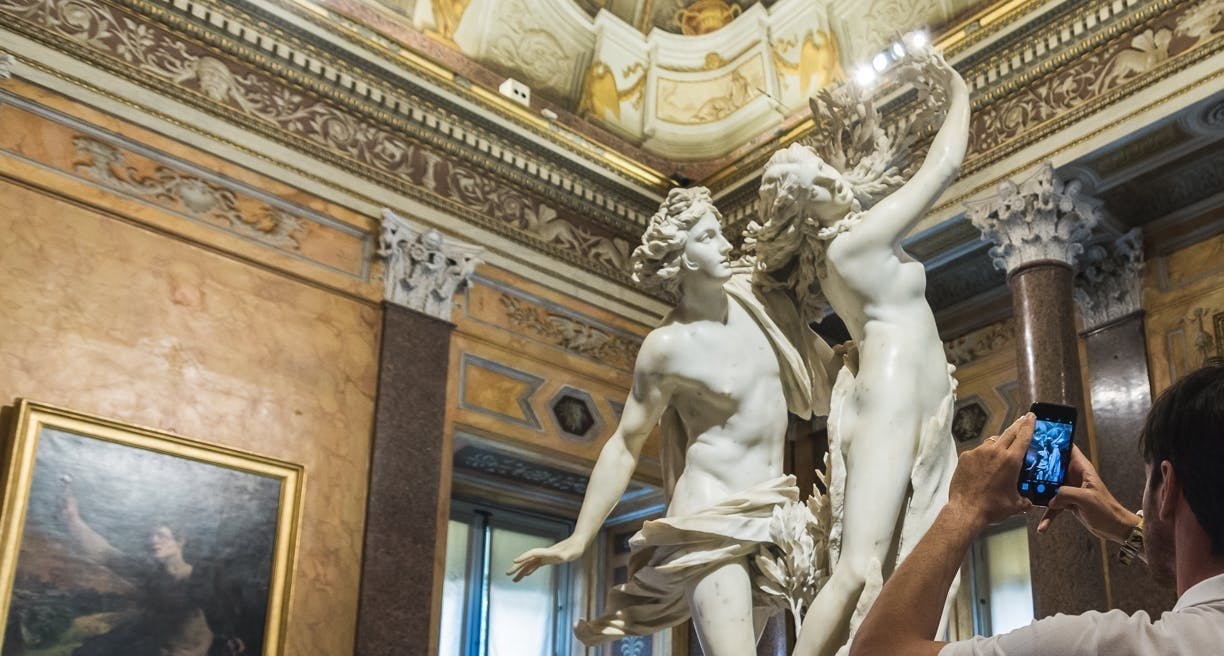
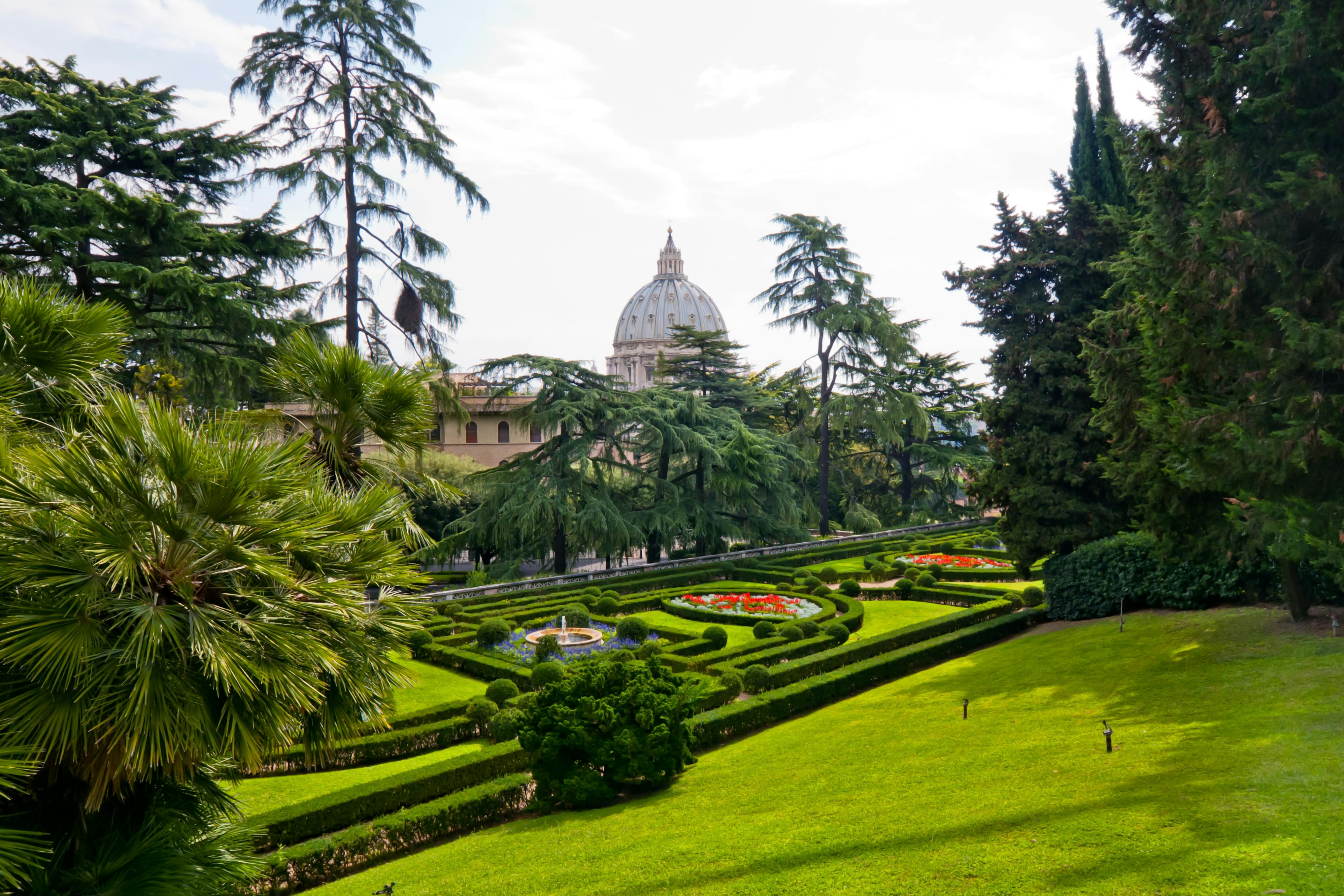
Galleria Borghese and of Villa Borghese gardens – Guided Sightseeing Tour Guided tour of Galleria Borghese and of Villa Borghese gardens. adds structure, local context and purposeful sightseeing to the itinerary. Guided tour of Galleria Borghese and of Villa Borghese gardens.: experience overview Enjoy a guided walking tour of Galleria Borghese and the Villa's gardens with skip-the-line admission and admire Caravaggio, Bernini and Canova's masterpieces! This makes the experience a useful option when planning time in Rome. The exact duration can depend on the selected date, option or operating schedule. Routes, start times, inclusions and meeting arrangements may vary, so the current booking page should be treated as the final source…
Quick take: Trip.com helps you compare prices across accommodations. Use it to shortlist hotels, then click through to confirm the final price, room type, and inclusions on the booking site.
Rome blends history, culture, and everyday life into a destination filled with engaging museums and memorable attractions. This guide highlights the kinds of places visitors love and what to expect at each, plus practical tips for planning your day.
Flagship History Museum
The main city history museum in Rome typically traces the region from early settlement to the present through artifacts, photographs, and interactive exhibits. Expect rotating shows, a solid gift shop, and helpful context for everything else you’ll see.
Art Museum & Sculpture Garden
A leading art museum usually anchors the local scene with classics, contemporary works, and special exhibitions. If there’s an outdoor sculpture garden, it’s a relaxing way to pair culture with a walk.
Science & Discovery Center
Hands-on galleries make science approachable for all ages—think space, engineering, and ecosystems—often with an IMAX or planetarium.
Landmark Cathedral or Temple
Historic houses of worship give insight into Rome’s architectural styles and community roots. Many offer guided tours and quiet courtyards.
Iconic Public Square or Old Town
Central plazas and heritage streets concentrate cafes, street performers, and local crafts. They’re perfect for people‑watching and photos.
Riverside, Harbor or Promenade
Waterfront paths and viewpoints provide fresh air and skyline views. Look for sunset spots, public art, and casual dining.
Family Favorite: Zoo, Aquarium, or Insectarium
Animal-focused attractions pair conservation with education. Check feeding schedules or touch‑pools for interactive moments.
Living Culture: Music Hall or Theatre
An intimate performance venue showcases local sound—jazz, folk, or contemporary—making for a memorable night out.
Planning Tips
Buy timed tickets online for popular museums and special exhibits.
Combine nearby sights to minimize travel time; many districts are walkable.
Check weekly free or discounted hours; student, senior, and family passes can reduce costs.
Start early for quieter galleries and better photos.
Bottom Line
From cornerstone museums to living cultural venues and scenic promenades, Rome offers a balanced mix of learning, leisure, and local flavor.
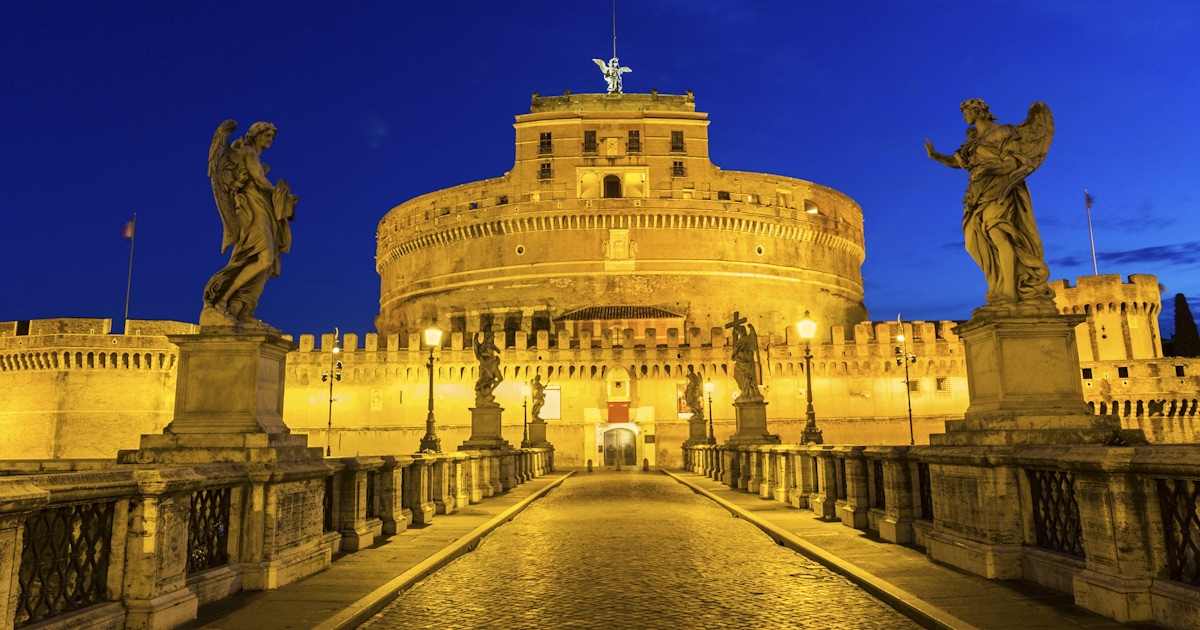
Castel Sant'Angelo Tickets & Guided Tours in Rome Castel Sant'Angelo in Rome: Tickets, Tours and Visitor Guide Quick overview: Castel Sant'Angelo in Rome is presented as a visitor attraction in Rome. A listing may offer basic admission, a guided visit, transport, a combination package or premium access. Read the exact live description because similarly named options can have different meeting points, durations and inclusions. Table of Contents About the experience What to expect Planning the visit Booking checklist Frequently asked questions About Castel Sant'Angelo in Rome This type of booking is most valuable when it solves a practical problem: securing limited admission, providing reliable interpretation, arranging transport or…
Quick take: Trip.com helps you compare prices across accommodations. Use it to shortlist hotels, then click through to confirm the final price, room type, and inclusions on the booking site.
Rome blends history, culture, and everyday life into a destination filled with engaging museums and memorable attractions. This guide highlights the kinds of places visitors love and what to expect at each, plus practical tips for planning your day.
Flagship History Museum
The main city history museum in Rome typically traces the region from early settlement to the present through artifacts, photographs, and interactive exhibits. Expect rotating shows, a solid gift shop, and helpful context for everything else you’ll see.
Art Museum & Sculpture Garden
A leading art museum usually anchors the local scene with classics, contemporary works, and special exhibitions. If there’s an outdoor sculpture garden, it’s a relaxing way to pair culture with a walk.
Science & Discovery Center
Hands-on galleries make science approachable for all ages—think space, engineering, and ecosystems—often with an IMAX or planetarium.
Landmark Cathedral or Temple
Historic houses of worship give insight into Rome’s architectural styles and community roots. Many offer guided tours and quiet courtyards.
Iconic Public Square or Old Town
Central plazas and heritage streets concentrate cafes, street performers, and local crafts. They’re perfect for people‑watching and photos.
Riverside, Harbor or Promenade
Waterfront paths and viewpoints provide fresh air and skyline views. Look for sunset spots, public art, and casual dining.
Family Favorite: Zoo, Aquarium, or Insectarium
Animal-focused attractions pair conservation with education. Check feeding schedules or touch‑pools for interactive moments.
Living Culture: Music Hall or Theatre
An intimate performance venue showcases local sound—jazz, folk, or contemporary—making for a memorable night out.
Planning Tips
Buy timed tickets online for popular museums and special exhibits.
Combine nearby sights to minimize travel time; many districts are walkable.
Check weekly free or discounted hours; student, senior, and family passes can reduce costs.
Start early for quieter galleries and better photos.
Bottom Line
From cornerstone museums to living cultural venues and scenic promenades, Rome offers a balanced mix of learning, leisure, and local flavor.
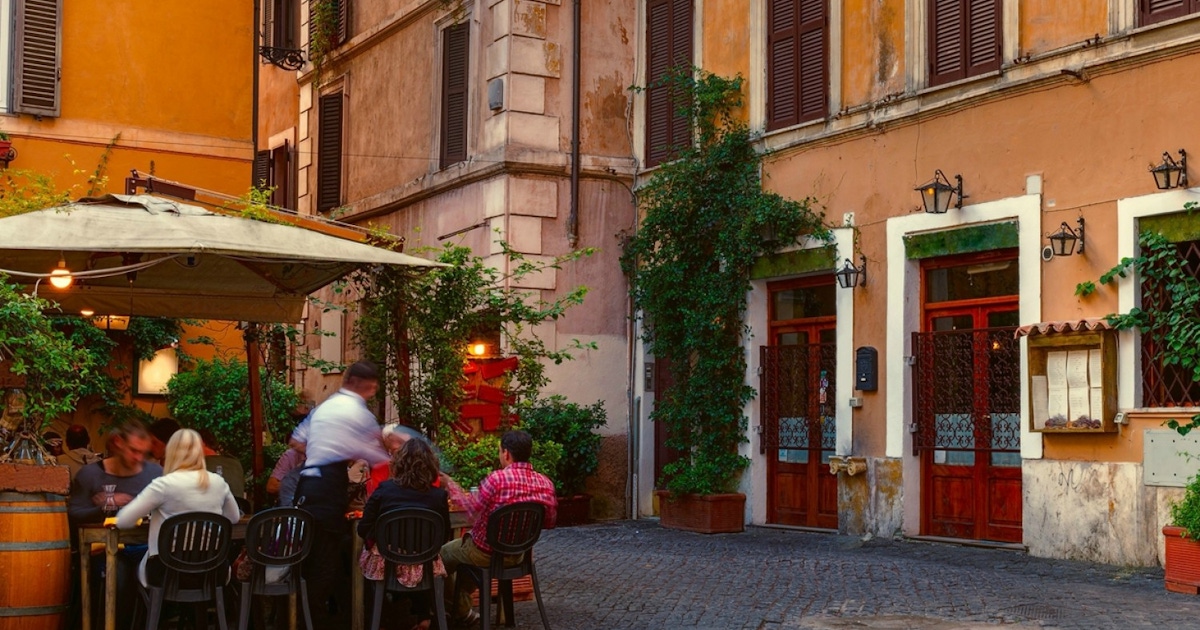
Trastevere in Rome Walking Tours & Local Experiences Trastevere in Rome: Tickets, Tours and Visitor Guide Quick overview: Trastevere in Rome is presented as a neighbourhood or city tour in Rome. A listing may offer basic admission, a guided visit, transport, a combination package or premium access. Read the exact live description because similarly named options can have different meeting points, durations and inclusions. Table of Contents About the experience What to expect Planning the visit Booking checklist Frequently asked questions About Trastevere in Rome This type of booking is most valuable when it solves a practical problem: securing limited admission, providing reliable interpretation, arranging transport or making…
Quick take: Trip.com helps you compare prices across accommodations. Use it to shortlist hotels, then click through to confirm the final price, room type, and inclusions on the booking site.
Rome blends history, culture, and everyday life into a destination filled with engaging museums and memorable attractions. This guide highlights the kinds of places visitors love and what to expect at each, plus practical tips for planning your day.
Flagship History Museum
The main city history museum in Rome typically traces the region from early settlement to the present through artifacts, photographs, and interactive exhibits. Expect rotating shows, a solid gift shop, and helpful context for everything else you’ll see.
Art Museum & Sculpture Garden
A leading art museum usually anchors the local scene with classics, contemporary works, and special exhibitions. If there’s an outdoor sculpture garden, it’s a relaxing way to pair culture with a walk.
Science & Discovery Center
Hands-on galleries make science approachable for all ages—think space, engineering, and ecosystems—often with an IMAX or planetarium.
Landmark Cathedral or Temple
Historic houses of worship give insight into Rome’s architectural styles and community roots. Many offer guided tours and quiet courtyards.
Iconic Public Square or Old Town
Central plazas and heritage streets concentrate cafes, street performers, and local crafts. They’re perfect for people‑watching and photos.
Riverside, Harbor or Promenade
Waterfront paths and viewpoints provide fresh air and skyline views. Look for sunset spots, public art, and casual dining.
Family Favorite: Zoo, Aquarium, or Insectarium
Animal-focused attractions pair conservation with education. Check feeding schedules or touch‑pools for interactive moments.
Living Culture: Music Hall or Theatre
An intimate performance venue showcases local sound—jazz, folk, or contemporary—making for a memorable night out.
Planning Tips
Buy timed tickets online for popular museums and special exhibits.
Combine nearby sights to minimize travel time; many districts are walkable.
Check weekly free or discounted hours; student, senior, and family passes can reduce costs.
Start early for quieter galleries and better photos.
Bottom Line
From cornerstone museums to living cultural venues and scenic promenades, Rome offers a balanced mix of learning, leisure, and local flavor.
St. Peter's Basilica Tickets & Guided Tours in Rome St. Peter's Basilica in Rome: Tickets, Tours and Visitor Planning Quick overview: St. Peter's Basilica in Rome is presented as a religious monument associated with Vatican City and Rome. Ticket pages may offer basic admission, guided tours, transport, combination packages or premium access. Read the exact product description because similarly named options can have very different meeting points, inclusions and cancellation terms. Table of Contents About the experience What to check Planning your visit Booking advice Frequently asked questions About St. Peter's Basilica in Rome A strong booking should make the visit easier through confirmed admission, useful interpretation or practical…
Quick take: Trip.com helps you compare prices across accommodations. Use it to shortlist hotels, then click through to confirm the final price, room type, and inclusions on the booking site.
Rome blends history, culture, and everyday life into a destination filled with engaging museums and memorable attractions. This guide highlights the kinds of places visitors love and what to expect at each, plus practical tips for planning your day.
Flagship History Museum
The main city history museum in Rome typically traces the region from early settlement to the present through artifacts, photographs, and interactive exhibits. Expect rotating shows, a solid gift shop, and helpful context for everything else you’ll see.
Art Museum & Sculpture Garden
A leading art museum usually anchors the local scene with classics, contemporary works, and special exhibitions. If there’s an outdoor sculpture garden, it’s a relaxing way to pair culture with a walk.
Science & Discovery Center
Hands-on galleries make science approachable for all ages—think space, engineering, and ecosystems—often with an IMAX or planetarium.
Landmark Cathedral or Temple
Historic houses of worship give insight into Rome’s architectural styles and community roots. Many offer guided tours and quiet courtyards.
Iconic Public Square or Old Town
Central plazas and heritage streets concentrate cafes, street performers, and local crafts. They’re perfect for people‑watching and photos.
Riverside, Harbor or Promenade
Waterfront paths and viewpoints provide fresh air and skyline views. Look for sunset spots, public art, and casual dining.
Family Favorite: Zoo, Aquarium, or Insectarium
Animal-focused attractions pair conservation with education. Check feeding schedules or touch‑pools for interactive moments.
Living Culture: Music Hall or Theatre
An intimate performance venue showcases local sound—jazz, folk, or contemporary—making for a memorable night out.
Planning Tips
Buy timed tickets online for popular museums and special exhibits.
Combine nearby sights to minimize travel time; many districts are walkable.
Check weekly free or discounted hours; student, senior, and family passes can reduce costs.
Start early for quieter galleries and better photos.
Bottom Line
From cornerstone museums to living cultural venues and scenic promenades, Rome offers a balanced mix of learning, leisure, and local flavor.
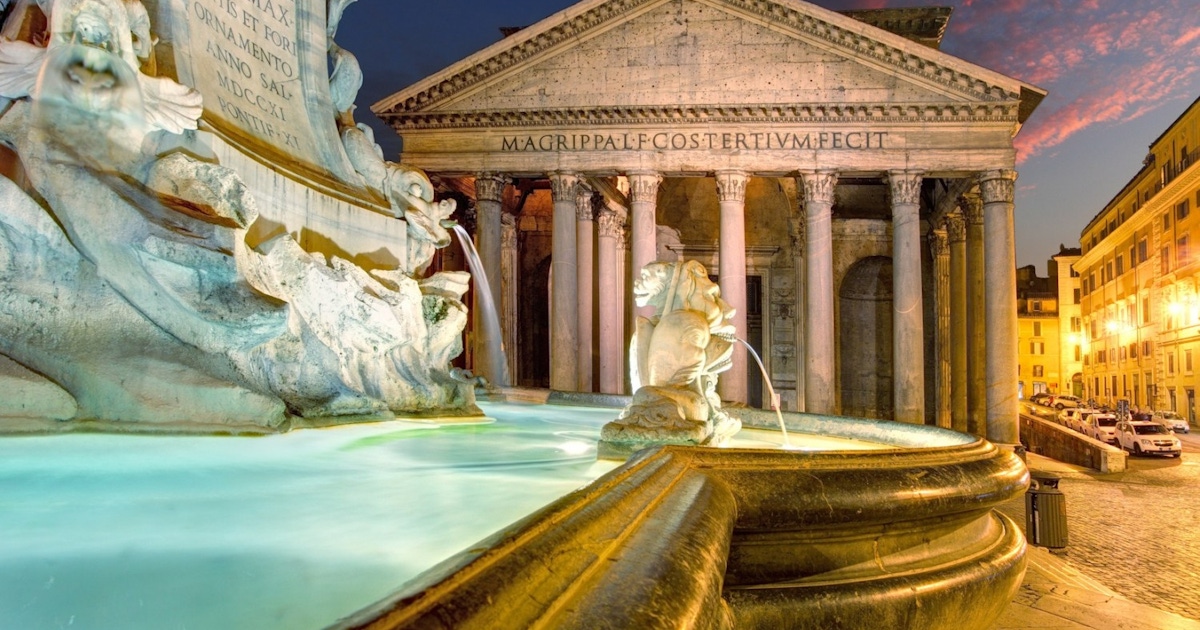
Pantheon Tickets & Guided Tours in Rome Pantheon in Rome: Tickets, Tours and Visitor Planning Quick overview: Pantheon in Rome is presented as a visitor attraction associated with Rome. Ticket pages may offer basic admission, guided tours, transport, combination packages or premium access. Read the exact product description because similarly named options can have very different meeting points, inclusions and cancellation terms. Table of Contents About the experience What to check Planning your visit Booking advice Frequently asked questions About Pantheon in Rome A strong booking should make the visit easier through confirmed admission, useful interpretation or practical transport. “Skip the line” usually refers to the ticket-purchase…
Quick take: Trip.com helps you compare prices across accommodations. Use it to shortlist hotels, then click through to confirm the final price, room type, and inclusions on the booking site.
Rome blends history, culture, and everyday life into a destination filled with engaging museums and memorable attractions. This guide highlights the kinds of places visitors love and what to expect at each, plus practical tips for planning your day.
Flagship History Museum
The main city history museum in Rome typically traces the region from early settlement to the present through artifacts, photographs, and interactive exhibits. Expect rotating shows, a solid gift shop, and helpful context for everything else you’ll see.
Art Museum & Sculpture Garden
A leading art museum usually anchors the local scene with classics, contemporary works, and special exhibitions. If there’s an outdoor sculpture garden, it’s a relaxing way to pair culture with a walk.
Science & Discovery Center
Hands-on galleries make science approachable for all ages—think space, engineering, and ecosystems—often with an IMAX or planetarium.
Landmark Cathedral or Temple
Historic houses of worship give insight into Rome’s architectural styles and community roots. Many offer guided tours and quiet courtyards.
Iconic Public Square or Old Town
Central plazas and heritage streets concentrate cafes, street performers, and local crafts. They’re perfect for people‑watching and photos.
Riverside, Harbor or Promenade
Waterfront paths and viewpoints provide fresh air and skyline views. Look for sunset spots, public art, and casual dining.
Family Favorite: Zoo, Aquarium, or Insectarium
Animal-focused attractions pair conservation with education. Check feeding schedules or touch‑pools for interactive moments.
Living Culture: Music Hall or Theatre
An intimate performance venue showcases local sound—jazz, folk, or contemporary—making for a memorable night out.
Planning Tips
Buy timed tickets online for popular museums and special exhibits.
Combine nearby sights to minimize travel time; many districts are walkable.
Check weekly free or discounted hours; student, senior, and family passes can reduce costs.
Start early for quieter galleries and better photos.
Bottom Line
From cornerstone museums to living cultural venues and scenic promenades, Rome offers a balanced mix of learning, leisure, and local flavor.
Sistine Chapel Tickets & Guided Tours in Rome Sistine Chapel in Rome: Tickets, Tours and Visitor Planning Quick overview: Sistine Chapel in Rome is presented as a religious monument associated with Vatican City and Rome. Ticket pages may offer basic admission, guided tours, transport, combination packages or premium access. Read the exact product description because similarly named options can have very different meeting points, inclusions and cancellation terms. Table of Contents About the experience What to check Planning your visit Booking advice Frequently asked questions About Sistine Chapel in Rome A strong booking should make the visit easier through confirmed admission, useful interpretation or practical transport. “Skip the…
Quick take: Trip.com helps you compare prices across accommodations. Use it to shortlist hotels, then click through to confirm the final price, room type, and inclusions on the booking site.
Rome blends history, culture, and everyday life into a destination filled with engaging museums and memorable attractions. This guide highlights the kinds of places visitors love and what to expect at each, plus practical tips for planning your day.
Flagship History Museum
The main city history museum in Rome typically traces the region from early settlement to the present through artifacts, photographs, and interactive exhibits. Expect rotating shows, a solid gift shop, and helpful context for everything else you’ll see.
Art Museum & Sculpture Garden
A leading art museum usually anchors the local scene with classics, contemporary works, and special exhibitions. If there’s an outdoor sculpture garden, it’s a relaxing way to pair culture with a walk.
Science & Discovery Center
Hands-on galleries make science approachable for all ages—think space, engineering, and ecosystems—often with an IMAX or planetarium.
Landmark Cathedral or Temple
Historic houses of worship give insight into Rome’s architectural styles and community roots. Many offer guided tours and quiet courtyards.
Iconic Public Square or Old Town
Central plazas and heritage streets concentrate cafes, street performers, and local crafts. They’re perfect for people‑watching and photos.
Riverside, Harbor or Promenade
Waterfront paths and viewpoints provide fresh air and skyline views. Look for sunset spots, public art, and casual dining.
Family Favorite: Zoo, Aquarium, or Insectarium
Animal-focused attractions pair conservation with education. Check feeding schedules or touch‑pools for interactive moments.
Living Culture: Music Hall or Theatre
An intimate performance venue showcases local sound—jazz, folk, or contemporary—making for a memorable night out.
Planning Tips
Buy timed tickets online for popular museums and special exhibits.
Combine nearby sights to minimize travel time; many districts are walkable.
Check weekly free or discounted hours; student, senior, and family passes can reduce costs.
Start early for quieter galleries and better photos.
Bottom Line
From cornerstone museums to living cultural venues and scenic promenades, Rome offers a balanced mix of learning, leisure, and local flavor.
Vatican Gardens Open Bus Tour, Vatican Museums and Sistine Chapel Vatican Gardens open bus tour, Vatican Museums and Sistine Chapel brings several elements of the destination together in one organised experience. Vatican Gardens open bus tour, Vatican Museums and Sistine Chapel: experience overview Discover the Vatican Gardens during an open bus tour and visit the Vatican Museums and Sistine Chapel with your reserved entrance. This makes the experience a useful option when planning time in Vatican City. The exact duration can depend on the selected date, option or operating schedule. Routes, start times, inclusions and meeting arrangements may vary, so the current booking page should be treated as the final…
Quick take: Trip.com helps you compare prices across accommodations. Use it to shortlist hotels, then click through to confirm the final price, room type, and inclusions on the booking site.
Rome blends history, culture, and everyday life into a destination filled with engaging museums and memorable attractions. This guide highlights the kinds of places visitors love and what to expect at each, plus practical tips for planning your day.
Flagship History Museum
The main city history museum in Rome typically traces the region from early settlement to the present through artifacts, photographs, and interactive exhibits. Expect rotating shows, a solid gift shop, and helpful context for everything else you’ll see.
Art Museum & Sculpture Garden
A leading art museum usually anchors the local scene with classics, contemporary works, and special exhibitions. If there’s an outdoor sculpture garden, it’s a relaxing way to pair culture with a walk.
Science & Discovery Center
Hands-on galleries make science approachable for all ages—think space, engineering, and ecosystems—often with an IMAX or planetarium.
Landmark Cathedral or Temple
Historic houses of worship give insight into Rome’s architectural styles and community roots. Many offer guided tours and quiet courtyards.
Iconic Public Square or Old Town
Central plazas and heritage streets concentrate cafes, street performers, and local crafts. They’re perfect for people‑watching and photos.
Riverside, Harbor or Promenade
Waterfront paths and viewpoints provide fresh air and skyline views. Look for sunset spots, public art, and casual dining.
Family Favorite: Zoo, Aquarium, or Insectarium
Animal-focused attractions pair conservation with education. Check feeding schedules or touch‑pools for interactive moments.
Living Culture: Music Hall or Theatre
An intimate performance venue showcases local sound—jazz, folk, or contemporary—making for a memorable night out.
Planning Tips
Buy timed tickets online for popular museums and special exhibits.
Combine nearby sights to minimize travel time; many districts are walkable.
Check weekly free or discounted hours; student, senior, and family passes can reduce costs.
Start early for quieter galleries and better photos.
Bottom Line
From cornerstone museums to living cultural venues and scenic promenades, Rome offers a balanced mix of learning, leisure, and local flavor.
Rome Boat Trips, Cruises & Waterfront Tours Cruises in Rome: How to Enjoy the Tiber River (Aperitif Boats, Walking Combos & 24-Hour River Tickets) Rome looks different from the water—especially around sunset on the Tiber. Most visitors experience Rome on foot—cobblestones, piazzas, and queues. A Tiber River cruise is a simple way to change perspective: the city becomes quieter, cooler, and unexpectedly scenic. In Rome, “cruises” are typically river experiences (not ocean liners), ranging from a casual aperitif boat to a 24-hour hop-on hop-off river ticket that doubles as a relaxed way to move between sightseeing areas. Quick navigation Types of cruises you’ll find in Rome Top…
Quick take: Trip.com helps you compare prices across accommodations. Use it to shortlist hotels, then click through to confirm the final price, room type, and inclusions on the booking site.
Rome blends history, culture, and everyday life into a destination filled with engaging museums and memorable attractions. This guide highlights the kinds of places visitors love and what to expect at each, plus practical tips for planning your day.
Flagship History Museum
The main city history museum in Rome typically traces the region from early settlement to the present through artifacts, photographs, and interactive exhibits. Expect rotating shows, a solid gift shop, and helpful context for everything else you’ll see.
Art Museum & Sculpture Garden
A leading art museum usually anchors the local scene with classics, contemporary works, and special exhibitions. If there’s an outdoor sculpture garden, it’s a relaxing way to pair culture with a walk.
Science & Discovery Center
Hands-on galleries make science approachable for all ages—think space, engineering, and ecosystems—often with an IMAX or planetarium.
Landmark Cathedral or Temple
Historic houses of worship give insight into Rome’s architectural styles and community roots. Many offer guided tours and quiet courtyards.
Iconic Public Square or Old Town
Central plazas and heritage streets concentrate cafes, street performers, and local crafts. They’re perfect for people‑watching and photos.
Riverside, Harbor or Promenade
Waterfront paths and viewpoints provide fresh air and skyline views. Look for sunset spots, public art, and casual dining.
Family Favorite: Zoo, Aquarium, or Insectarium
Animal-focused attractions pair conservation with education. Check feeding schedules or touch‑pools for interactive moments.
Living Culture: Music Hall or Theatre
An intimate performance venue showcases local sound—jazz, folk, or contemporary—making for a memorable night out.
Planning Tips
Buy timed tickets online for popular museums and special exhibits.
Combine nearby sights to minimize travel time; many districts are walkable.
Check weekly free or discounted hours; student, senior, and family passes can reduce costs.
Start early for quieter galleries and better photos.
Bottom Line
From cornerstone museums to living cultural venues and scenic promenades, Rome offers a balanced mix of learning, leisure, and local flavor.
Rome Museum & Art Gallery Tickets with Cultural Visits Museums & art galleries in Rome: A Practical Visitor Guide Quick overview: Booking museums & art galleries in Rome is a useful way to experience access to major collections and specialist exhibitions. Rome layers ancient ruins, Christian heritage, baroque squares, neighbourhood food and day trips into the Lazio countryside. The live product page can change as operators add dates or activities, so compare the exact itinerary, duration and inclusions before paying. Table of Contents Why choose this experience What you can experience How to plan it Booking advice Frequently asked questions Why Choose Museums & art galleries in Rome? Museums…
Quick take: Trip.com helps you compare prices across accommodations. Use it to shortlist hotels, then click through to confirm the final price, room type, and inclusions on the booking site.
Rome blends history, culture, and everyday life into a destination filled with engaging museums and memorable attractions. This guide highlights the kinds of places visitors love and what to expect at each, plus practical tips for planning your day.
Flagship History Museum
The main city history museum in Rome typically traces the region from early settlement to the present through artifacts, photographs, and interactive exhibits. Expect rotating shows, a solid gift shop, and helpful context for everything else you’ll see.
Art Museum & Sculpture Garden
A leading art museum usually anchors the local scene with classics, contemporary works, and special exhibitions. If there’s an outdoor sculpture garden, it’s a relaxing way to pair culture with a walk.
Science & Discovery Center
Hands-on galleries make science approachable for all ages—think space, engineering, and ecosystems—often with an IMAX or planetarium.
Landmark Cathedral or Temple
Historic houses of worship give insight into Rome’s architectural styles and community roots. Many offer guided tours and quiet courtyards.
Iconic Public Square or Old Town
Central plazas and heritage streets concentrate cafes, street performers, and local crafts. They’re perfect for people‑watching and photos.
Riverside, Harbor or Promenade
Waterfront paths and viewpoints provide fresh air and skyline views. Look for sunset spots, public art, and casual dining.
Family Favorite: Zoo, Aquarium, or Insectarium
Animal-focused attractions pair conservation with education. Check feeding schedules or touch‑pools for interactive moments.
Living Culture: Music Hall or Theatre
An intimate performance venue showcases local sound—jazz, folk, or contemporary—making for a memorable night out.
Planning Tips
Buy timed tickets online for popular museums and special exhibits.
Combine nearby sights to minimize travel time; many districts are walkable.
Check weekly free or discounted hours; student, senior, and family passes can reduce costs.
Start early for quieter galleries and better photos.
Bottom Line
From cornerstone museums to living cultural venues and scenic promenades, Rome offers a balanced mix of learning, leisure, and local flavor.
Rome & the Vatican Angels & Demons City Game – Flexible Self-Guided ExperienceRome and the Vatican angels and demons city game supports independent exploration with structured digital guidance. Rome and the Vatican angels and demons city game: experience overview Play a city exploration game as the main character in the 'Angels and Demons' movie and novel. This makes the experience a useful option when planning time in Rome. The exact duration can depend on the selected date, option or operating schedule. Routes, start times, inclusions and meeting arrangements may vary, so the current booking page should be treated as the final source of operational information. At a glance Experience type: Self-guided or…
Quick take: Trip.com helps you compare prices across accommodations. Use it to shortlist hotels, then click through to confirm the final price, room type, and inclusions on the booking site.
Rome blends history, culture, and everyday life into a destination filled with engaging museums and memorable attractions. This guide highlights the kinds of places visitors love and what to expect at each, plus practical tips for planning your day.
Flagship History Museum
The main city history museum in Rome typically traces the region from early settlement to the present through artifacts, photographs, and interactive exhibits. Expect rotating shows, a solid gift shop, and helpful context for everything else you’ll see.
Art Museum & Sculpture Garden
A leading art museum usually anchors the local scene with classics, contemporary works, and special exhibitions. If there’s an outdoor sculpture garden, it’s a relaxing way to pair culture with a walk.
Science & Discovery Center
Hands-on galleries make science approachable for all ages—think space, engineering, and ecosystems—often with an IMAX or planetarium.
Landmark Cathedral or Temple
Historic houses of worship give insight into Rome’s architectural styles and community roots. Many offer guided tours and quiet courtyards.
Iconic Public Square or Old Town
Central plazas and heritage streets concentrate cafes, street performers, and local crafts. They’re perfect for people‑watching and photos.
Riverside, Harbor or Promenade
Waterfront paths and viewpoints provide fresh air and skyline views. Look for sunset spots, public art, and casual dining.
Family Favorite: Zoo, Aquarium, or Insectarium
Animal-focused attractions pair conservation with education. Check feeding schedules or touch‑pools for interactive moments.
Living Culture: Music Hall or Theatre
An intimate performance venue showcases local sound—jazz, folk, or contemporary—making for a memorable night out.
Planning Tips
Buy timed tickets online for popular museums and special exhibits.
Combine nearby sights to minimize travel time; many districts are walkable.
Check weekly free or discounted hours; student, senior, and family passes can reduce costs.
Start early for quieter galleries and better photos.
Bottom Line
From cornerstone museums to living cultural venues and scenic promenades, Rome offers a balanced mix of learning, leisure, and local flavor.
Rome Culture Guide: Folklore, Traditions & Local Experiences Folklore in Rome: A Practical Visitor Guide Quick overview: Booking folklore in Rome is a useful way to experience local traditions, music and cultural stories. Rome layers ancient ruins, Christian heritage, baroque squares, neighbourhood food and day trips into the Lazio countryside. The live product page can change as operators add dates or activities, so compare the exact itinerary, duration and inclusions before paying. Table of Contents Why choose this experience What you can experience How to plan it Booking advice Frequently asked questions Why Choose Folklore in Rome? Folklore can add structure to a city break without forcing every…
Quick take: Trip.com helps you compare prices across accommodations. Use it to shortlist hotels, then click through to confirm the final price, room type, and inclusions on the booking site.
Rome blends history, culture, and everyday life into a destination filled with engaging museums and memorable attractions. This guide highlights the kinds of places visitors love and what to expect at each, plus practical tips for planning your day.
Flagship History Museum
The main city history museum in Rome typically traces the region from early settlement to the present through artifacts, photographs, and interactive exhibits. Expect rotating shows, a solid gift shop, and helpful context for everything else you’ll see.
Art Museum & Sculpture Garden
A leading art museum usually anchors the local scene with classics, contemporary works, and special exhibitions. If there’s an outdoor sculpture garden, it’s a relaxing way to pair culture with a walk.
Science & Discovery Center
Hands-on galleries make science approachable for all ages—think space, engineering, and ecosystems—often with an IMAX or planetarium.
Landmark Cathedral or Temple
Historic houses of worship give insight into Rome’s architectural styles and community roots. Many offer guided tours and quiet courtyards.
Iconic Public Square or Old Town
Central plazas and heritage streets concentrate cafes, street performers, and local crafts. They’re perfect for people‑watching and photos.
Riverside, Harbor or Promenade
Waterfront paths and viewpoints provide fresh air and skyline views. Look for sunset spots, public art, and casual dining.
Family Favorite: Zoo, Aquarium, or Insectarium
Animal-focused attractions pair conservation with education. Check feeding schedules or touch‑pools for interactive moments.
Living Culture: Music Hall or Theatre
An intimate performance venue showcases local sound—jazz, folk, or contemporary—making for a memorable night out.
Planning Tips
Buy timed tickets online for popular museums and special exhibits.
Combine nearby sights to minimize travel time; many districts are walkable.
Check weekly free or discounted hours; student, senior, and family passes can reduce costs.
Start early for quieter galleries and better photos.
Bottom Line
From cornerstone museums to living cultural venues and scenic promenades, Rome offers a balanced mix of learning, leisure, and local flavor.
Rome & the Vatican Angels & Demons City Game – Flexible Self-Guided ExperienceRome and the Vatican angels and demons city game supports independent exploration with structured digital guidance. Rome and the Vatican angels and demons city game: experience overview Play a city exploration game as the main character in the 'Angels and Demons' movie and novel. This makes the experience a useful option when planning time in Rome. The exact duration can depend on the selected date, option or operating schedule. Routes, start times, inclusions and meeting arrangements may vary, so the current booking page should be treated as the final source of operational information. At a glance Experience type: Self-guided or…
Quick take: Trip.com helps you compare prices across accommodations. Use it to shortlist hotels, then click through to confirm the final price, room type, and inclusions on the booking site.
Rome blends history, culture, and everyday life into a destination filled with engaging museums and memorable attractions. This guide highlights the kinds of places visitors love and what to expect at each, plus practical tips for planning your day.
Flagship History Museum
The main city history museum in Rome typically traces the region from early settlement to the present through artifacts, photographs, and interactive exhibits. Expect rotating shows, a solid gift shop, and helpful context for everything else you’ll see.
Art Museum & Sculpture Garden
A leading art museum usually anchors the local scene with classics, contemporary works, and special exhibitions. If there’s an outdoor sculpture garden, it’s a relaxing way to pair culture with a walk.
Science & Discovery Center
Hands-on galleries make science approachable for all ages—think space, engineering, and ecosystems—often with an IMAX or planetarium.
Landmark Cathedral or Temple
Historic houses of worship give insight into Rome’s architectural styles and community roots. Many offer guided tours and quiet courtyards.
Iconic Public Square or Old Town
Central plazas and heritage streets concentrate cafes, street performers, and local crafts. They’re perfect for people‑watching and photos.
Riverside, Harbor or Promenade
Waterfront paths and viewpoints provide fresh air and skyline views. Look for sunset spots, public art, and casual dining.
Family Favorite: Zoo, Aquarium, or Insectarium
Animal-focused attractions pair conservation with education. Check feeding schedules or touch‑pools for interactive moments.
Living Culture: Music Hall or Theatre
An intimate performance venue showcases local sound—jazz, folk, or contemporary—making for a memorable night out.
Planning Tips
Buy timed tickets online for popular museums and special exhibits.
Combine nearby sights to minimize travel time; many districts are walkable.
Check weekly free or discounted hours; student, senior, and family passes can reduce costs.
Start early for quieter galleries and better photos.
Bottom Line
From cornerstone museums to living cultural venues and scenic promenades, Rome offers a balanced mix of learning, leisure, and local flavor.