The best place in Australia is Ningaloo Reef in Western Australia. It is one of the world’s most reliable, best-regulated whale shark swim destinations, with whale sharks most reliably seen from March to July, sometimes continuing into August, September or October. Tours run from Exmouth and Coral Bay.
Best Places to See Whale Sharks
Destination Best Time Why Go
Ningaloo Reef, Western Australia March to July/August Best choice from Australia; strong regulation, reliable seasonal sightings, snorkelling tours from Exmouth or Coral Bay.
South Ari Atoll, Maldives Year-round, often best Jan–Mar for calm seas Good resort-style option; PADI says whale shark sightings occur year-round around South Ari Atoll.
Isla Mujeres / Isla Holbox, Mexico June to September, peak July–August One of the world’s famous seasonal aggregations; tours run from Isla Mujeres, Holbox and Cancun area.
Donsol, Philippines November to May/June, peak Feb–Apr Better ethical choice than Oslob because it is wild, seasonal and non-feeding; sightings are not guaranteed.
Sogod Bay, Southern Leyte, Philippines November to May Quieter and less commercial than Cebu/Oslob; good for travellers who want a more natural experience.
Cenderawasih Bay, Indonesia Often listed as year-round Remote Papua option, usually for serious divers/snorkellers and liveaboard-style trips.
Mafia Island, Tanzania October to March, often best Oct–Dec/Nov–Feb Good East Africa choice; works well with safari or Zanzibar-style trips.
Galápagos, Ecuador — Darwin & Wolf Islands June to November, peak Aug–Sep Best for advanced divers, not casual snorkellers; often involves liveaboard diving.
My Top 3 Picks
1. Ningaloo Reef, Western Australia
Best overall if you are travelling from Australia. It is seasonal, well managed and one of the more responsible places to swim with whale sharks. Base yourself in Exmouth or Coral Bay.
2. Donsol, Philippines
Best if you want a more natural, non-feeding encounter in Southeast Asia. Avoid Oslob if animal welfare is important to you, because Oslob’s year-round encounters are associated with feeding and heavy tourism pressure, while Donsol is seasonal and wild.
3. South Ari Atoll, Maldives
Best if you want a resort holiday with a chance of whale sharks. It is not a guarantee, but South Ari is one of the rare places where whale sharks are seen throughout the year.
What About Fiji?
Fiji is not one of the world’s reliable whale shark destinations. You may hear of rare sightings, but it is not a place I would choose if whale sharks are the main goal. Fiji is much better for manta rays, reef sharks, bull shark dives, soft coral diving and occasional humpback whale sightings in season. Fiji’s official tourism site lists manta ray season as May to October, humpback whales as July to October, and shark diving conditions as especially good around June to September.
Quick Recommendation
For the best chance and easiest logistics from Australia: Ningaloo Reef, WA — March to July.
For a Southeast Asia trip: Donsol or Southern Leyte, Philippines — February to April.
For a luxury tropical holiday: South Ari Atoll, Maldives — year-round, with Jan–Mar often a good weather window.
Reclining Buddha Bangkok Guide: Wat Pho, Temple of the Reclining Buddha, Tickets, Dress Code and Travel Tips
The Reclining Buddha in Bangkok is one of Thailand’s most famous religious images and one of the essential sights for first-time visitors to the city. It is housed inside Wat Pho, officially known as Wat Phra Chetuphon Wimon Mangkhalaram Rajwaramahawihan, a historic temple complex in Bangkok’s old city, just south of the Grand Palace.
The golden Reclining Buddha is famous for its enormous scale. The image is about 46 metres long and 15 metres high, filling the hall so completely that visitors walk along its length to appreciate the face, body, feet and surrounding murals. The soles of the feet are especially impressive, decorated with mother-of-pearl designs showing 108 auspicious symbols.
Wat Pho is more than a single statue. The complex includes ornate chedis, chapels, courtyards, murals, Buddha images, guardian statues, massage pavilions and one of Thailand’s most important traditional medicine and massage schools. It is easy to combine with the Grand Palace, Wat Phra Kaew, Wat Arun, Tha Tien Pier and a Chao Phraya River ferry ride.
Why Visit the Reclining Buddha in Bangkok?
The Reclining Buddha is worth visiting because it is one of Bangkok’s most memorable temple experiences. The scale of the statue is extraordinary, but the details are just as important: the calm facial expression, the gold surface, the decorated feet, the prayer bowls, the murals and the surrounding temple atmosphere.
Wat Pho also works beautifully in a classic Bangkok old-city itinerary. You can visit the Grand Palace in the morning, walk to Wat Pho, cross the river to Wat Arun, and finish with a sunset or dinner along the Chao Phraya River.
The Reclining Buddha is best for:
First-time visitors to Bangkok
Travellers interested in Thai temples and Buddhist art
Photography lovers
Families wanting a major cultural sight
Visitors combining Wat Pho with the Grand Palace and Wat Arun
People interested in traditional Thai massage
Short Bangkok stopovers
Chao Phraya River sightseeing routes
Travellers wanting a meaningful temple visit without leaving central Bangkok
Where Is the Reclining Buddha?
The Reclining Buddha is inside Wat Pho in Bangkok’s Phra Nakhon district. The temple sits close to the Grand Palace, Wat Phra Kaew and Tha Tien Pier, making it one of the easiest major temples to include in an old Bangkok walking route.
Location Detail
Traveller Notes
Attraction
Reclining Buddha Bangkok
Temple
Wat Pho / Wat Phra Chetuphon
Thai name
วัดพระเชตุพนวิมลมังคลาราม
District
Phra Nakhon, Bangkok
Nearby landmark
Grand Palace and Wat Phra Kaew
Nearest river pier
Tha Tien Pier
Good to combine with
Grand Palace, Wat Arun, Chao Phraya River, Museum Siam and Tha Maharaj
Suggested visit length
1.5 to 2.5 hours
What to Expect at Wat Pho
Expect a large, active temple complex rather than a single-room attraction. The Reclining Buddha hall is the highlight, but Wat Pho’s courtyards, chedis, Buddha galleries and massage school are also worth exploring.
What you may see
The giant golden Reclining Buddha
Mother-of-pearl decoration on the Buddha’s feet
108 bronze alms bowls along the wall
Colourful chedis and tiled stupas
Rows of seated Buddha images
Temple murals and ornate doors
Chinese guardian statues
Monks and worshippers
Traditional Thai massage areas
Large crowds during peak hours
What not to expect
Do not expect the Reclining Buddha hall to be quiet during peak tour times.
Do not expect to enter without removing your shoes.
Do not expect relaxed dress-code rules.
Do not expect the entire complex to be seen properly in 20 minutes.
Do not touch Buddha images or sacred objects.
Do not point your feet toward Buddha images when sitting.
Do not rely on old ticket prices; check current fees before visiting.
The Reclining Buddha Statue
The Reclining Buddha at Wat Pho represents the Buddha entering parinirvana, the final passing beyond the cycle of rebirth. The posture is calm, dignified and symbolic rather than simply decorative.
The statue is so large that it is difficult to capture in one photograph. Most visitors first see the face and upper body, then walk slowly along the hall to view the torso, feet and back of the image. The gold surface catches the light beautifully, especially in the morning.
Key features
Approximately 46 metres long
Approximately 15 metres high
Gold-covered surface
Calm reclining posture
Head supported by the right arm
Large mother-of-pearl feet
Wall murals and decorative temple interior
One of Bangkok’s most famous religious images
Photography tips
Use wide-angle mode if taking photos on a phone.
Start at the head and photograph the face first.
Move slowly with the flow of visitors.
Take detailed shots of the feet and pillow area.
Avoid blocking the narrow walkway.
Be respectful; this is a sacred image, not just a tourist display.
The Mother-of-Pearl Feet
The feet of the Reclining Buddha are one of the most impressive details at Wat Pho. They are decorated with intricate mother-of-pearl designs showing 108 auspicious symbols associated with the Buddha.
Many visitors are surprised by how detailed the feet are. Take time to look closely at the patterns, borders and symbolic designs rather than only photographing the full statue.
What to notice
Mother-of-pearl inlay
108 auspicious symbols
Decorative borders
Fine craftsmanship
The scale of the feet compared with visitors
The contrast between gold, black lacquer and pearl detail
The 108 Bronze Bowls
Along the wall of the Reclining Buddha hall, visitors will find 108 bronze bowls. Many people buy a small bowl of coins and drop one coin into each bowl while walking along the line. The sound of coins falling into the bowls is part of the Wat Pho experience.
This ritual is often associated with merit-making and good fortune. The donation also helps support temple upkeep.
Tips for the 108 bowls
Use the coin bowls provided at the temple if available.
Move slowly and do not block the walkway.
Keep the atmosphere respectful.
Explain the ritual to children before starting.
Do not treat the bowls as a game or noise-making activity.
Wat Pho Temple Complex
Wat Pho is one of Bangkok’s largest and most important temple complexes. After seeing the Reclining Buddha, allow time to explore the rest of the grounds. Many visitors rush through the main hall and miss the courtyards, chedis, Buddha galleries and quieter corners.
Highlights around Wat Pho
Phra Ubosot: the main ordination hall of the temple.
Phra Maha Chedi Si Rajakarn: four large royal chedis decorated with colourful tiles.
Rows of Buddha images: beautiful galleries with seated Buddha figures.
Chinese guardian statues: stone figures once used as ship ballast and later placed around the temple.
Murals and inscriptions: detailed cultural and religious artwork.
Small chedis: numerous decorated stupas throughout the complex.
Massage school: linked with Wat Pho’s traditional medicine heritage.
Temple complex tips
Walk slowly after seeing the Reclining Buddha.
Look closely at tiled chedis and door details.
Use shade when visiting in hot weather.
Do not enter monk-only or restricted areas.
Keep your voice low around prayer areas.
Traditional Thai Massage at Wat Pho
Wat Pho is strongly associated with traditional Thai massage and medicine. The temple is often described as one of Thailand’s most important centres for traditional massage education, and visitors can usually book massage treatments within or near the temple complex.
A massage after temple sightseeing can be a good way to rest, especially if you have spent the morning walking around the Grand Palace and Wat Pho.
Massage tips
Book early if visiting during busy periods.
Expect a traditional Thai massage to be firm and stretching-based.
Choose a foot massage if you want something gentler.
Tell the therapist about injuries or pain before starting.
Allow extra time; there may be a wait.
Do not book immediately before a timed tour or transport connection.
Tickets, Opening Hours and Entry Tips
Wat Pho is a ticketed temple for foreign visitors. Current online ticketing information lists admission for foreign visitors at 300 baht and opening hours from 8:00 AM to 7:30 PM. These details can change for ceremonies, holidays or temple events, so check current information before visiting.
Visitor Detail
Information
Temple
Wat Pho / Temple of the Reclining Buddha
Typical foreign visitor ticket
300 baht, subject to change
Commonly listed opening hours
Daily, around 8:00 AM to 7:30 PM, subject to change
Best visit length
1.5 to 2.5 hours
Payment tip
Carry cash in Thai baht in case card payment is not available
Best time
Early morning or late afternoon
Entry tips
Check current ticket prices before going.
Carry cash for entry, coins and small purchases.
Visit early to avoid heat and tour crowds.
Keep your ticket with you while inside.
Be prepared to remove shoes before entering the Reclining Buddha hall.
Dress modestly before arriving to avoid delays.
Dress Code and Temple Etiquette
Wat Pho is an active Buddhist temple, so visitors must dress and behave respectfully. The basic rule is to cover shoulders and knees. Avoid clothing that is too revealing, transparent or beach-like.
What to wear
Shirt or top covering shoulders
Skirt, dress or trousers covering knees
Comfortable sandals or shoes that are easy to remove
Light breathable clothing in hot weather
Scarf or shawl if you need extra coverage
Temple etiquette
Remove shoes before entering temple halls where required.
Do not touch Buddha images.
Keep your voice low.
Do not point your feet toward Buddha images or monks.
Ask before photographing people, monks or ceremonies.
Do not climb on temple structures.
Do not use flash where photography is restricted.
Show patience in crowded spaces.
How to Get to the Reclining Buddha in Bangkok
Wat Pho is in Bangkok’s old city, where traffic can be heavy. The easiest route depends on where you are staying. Many visitors use a mix of MRT, river boat, taxi and walking.
Transport Option
Best For
Traveller Notes
MRT to Sanam Chai Station
Independent travellers
One of the easiest public transport routes; walk from the station to Wat Pho.
Chao Phraya River boat to Tha Tien Pier
Scenic access and Wat Arun combinations
Excellent if arriving from riverside hotels or combining temples by boat.
Taxi or Grab
Families, hot weather and direct access
Convenient, but traffic around the old city can be slow.
Walking from the Grand Palace
Classic old-city route
Wat Pho is a short walk south of the Grand Palace area.
Guided temple tour
First-time visitors wanting context
Often combines Grand Palace, Wat Pho and Wat Arun.
Useful Thai names
Wat Pho: วัดโพธิ์
Wat Phra Chetuphon: วัดพระเชตุพน
Reclining Buddha: พระพุทธไสยาส
Tha Tien Pier: ท่าเตียน
Sanam Chai MRT: สนามไชย
Nearby Places to Visit
Grand Palace and Wat Phra Kaew
The Grand Palace and Temple of the Emerald Buddha are just north of Wat Pho. Many visitors see them first, then continue to Wat Pho.
Wat Arun
Wat Arun, the Temple of Dawn, is across the Chao Phraya River. From Wat Pho, walk to Tha Tien Pier and take the short ferry across.
Museum Siam
Museum Siam is close to Wat Pho and offers an air-conditioned cultural stop, useful in hot or rainy weather.
Tha Maharaj
Tha Maharaj is a riverside dining and shopping area near the Grand Palace, useful for a relaxed drink or meal after temple visits.
Pak Khlong Talat Flower Market
Pak Khlong Talat is Bangkok’s famous flower market. It can be added before or after Wat Pho, especially in the evening.
Chao Phraya River
The river is part of the Wat Pho experience. Use river boats to connect Wat Pho, Wat Arun, Iconsiam, Sathorn Pier and riverside hotels.
Suggested Itinerary Ideas
Option 1: Classic Bangkok Temple Half-Day
Morning: Visit the Grand Palace and Wat Phra Kaew.
Late morning: Walk to Wat Pho and see the Reclining Buddha.
Midday: Explore Wat Pho’s chedis and courtyards.
Lunch: Eat near Tha Tien or Tha Maharaj.
Afternoon: Cross the river to Wat Arun.
Option 2: Wat Pho and Wat Arun Easy Route
Start: Take the MRT to Sanam Chai.
Visit: Explore Wat Pho and the Reclining Buddha.
Next: Walk to Tha Tien Pier.
Ferry: Cross the river to Wat Arun.
Finish: Return by river boat or taxi.
Option 3: Cultural and Relaxation Day
Morning: Visit Wat Pho before crowds build.
Late morning: Book a traditional Thai massage at Wat Pho.
Lunch: Eat near the river.
Afternoon: Visit Museum Siam or Pak Khlong Talat Flower Market.
Evening: Take a Chao Phraya river cruise or riverside dinner.
Option 4: Photography-Focused Visit
Early morning: Photograph the courtyards and chedis before peak heat.
Mid-morning: Visit the Reclining Buddha hall.
Detail shots: Capture the mother-of-pearl feet and temple murals.
Afternoon: Cross to Wat Arun for river and temple photos.
Sunset: Photograph Wat Arun from the east bank or a riverside viewpoint.
Option 5: First-Day Bangkok Introduction
Morning: Start gently with Wat Pho rather than the busier Grand Palace.
Next: Walk around the old city and riverfront.
Lunch: Try Thai food near Tha Tien.
Afternoon: Visit Wat Arun or Museum Siam.
Evening: Continue to Chinatown or a riverside restaurant.
Best Time to Visit the Reclining Buddha
Time / Season
What to Expect
Advice
Early morning
Cooler weather and fewer crowds
Best overall time for Wat Pho.
Late morning
More tour groups and warmer weather
Good if coming after the Grand Palace.
Midday
Hot and crowded
Use shade, water and indoor temple halls.
Late afternoon
Softer light and slightly cooler conditions
Good for photography and combining with Wat Arun.
Dry season
Generally better walking weather
Popular with tourists; expect crowds.
Rainy season
Humid with possible showers
Bring an umbrella and use MRT or taxis as needed.
Thai holidays
More local worshippers and visitors
Check opening arrangements and behave respectfully.
Where to Stay Near Wat Pho
Area
Best For
Traveller Notes
Rattanakosin / Old City
Grand Palace, Wat Pho and historic Bangkok
Best for walking access to major temples, but nightlife is quieter than Sukhumvit.
Riverside
Scenic stays and boat access
Excellent for couples, first-time visitors and easy Chao Phraya transport.
Tha Tien / Grand Palace area
Close temple access
Good for boutique stays and river views near Wat Pho and Wat Arun.
Chinatown / Yaowarat
Food and evening atmosphere
Good for combining temples by day with street food at night.
Sukhumvit
Modern hotels, shopping and nightlife
Farther from Wat Pho, but easy with MRT and taxis.
Siam
Shopping and central convenience
Good city base, but temple visits require transport.
Food and Local Stops Nearby
Wat Pho is close to several good food areas, from riverside cafés to old-city Thai restaurants and markets. After temple sightseeing, you can eat near Tha Tien, Tha Maharaj, Pak Khlong Talat or continue to Chinatown.
Food ideas nearby
Pad Thai: classic Bangkok dish, with famous options not far from the old city.
Tom yum: spicy and sour Thai soup.
Mango sticky rice: easy dessert after temple sightseeing.
Thai iced tea: useful in hot weather.
Boat noodles: available in different parts of Bangkok, good for a local meal.
Riverside cafés: good for views toward Wat Arun.
Chinatown street food: excellent evening add-on after visiting Wat Pho.
Flower Market snacks: casual food and drinks near Pak Khlong Talat.
Food tips
Drink plenty of water after walking around the temple complex.
Use air-conditioned cafés for a midday break.
Check restaurant opening hours, as some old-city places close between meal times.
Continue to Chinatown in the evening if you want a stronger food experience.
Useful Booking Resources for the Reclining Buddha and Bangkok Temples
Wat Pho can be visited independently, but booking platforms are useful for guided temple tours, Grand Palace combinations, river cruises, airport transfers, hotels and Bangkok day trips. Skimlinks may automatically convert some merchant links into affiliate links if the merchant is active in your Skimlinks account.
GetYourGuide – offers Bangkok temple tours, Grand Palace and Wat Pho guided visits, Wat Arun combinations and river experiences.
Viator – useful for private Bangkok temple tours, old-city walking tours, river cruises and airport transfers.
Klook – useful for Bangkok attraction tickets, transport passes, eSIMs, river cruises and guided temple tours.
Trip.com – useful for Bangkok hotels, flights, activities and local transport planning.
Booking.com – useful for hotels around Bangkok Riverside, Old City, Sukhumvit, Siam and Chinatown.
Agoda – useful for Bangkok hotel deals, especially around the river and old city.
Booking tip: Before booking a guided Bangkok temple tour, check whether Wat Pho entry is included, whether the Grand Palace ticket is separate, whether Wat Arun is included, whether transport uses river boats or vans, and whether the guide explains dress code before pickup.
Reclining Buddha Bangkok Travel Tips
Visit early
Early morning is usually cooler and less crowded. It is the best time for temple photography and a calmer visit.
Dress properly before arriving
Cover shoulders and knees. Do not rely on buying cover-ups at the entrance.
Carry cash
Bring Thai baht for tickets, coins, donations, drinks and small purchases.
Remove shoes neatly
You will need to remove shoes before entering the Reclining Buddha hall. Wear footwear that is easy to take off and put back on.
Do not rush the temple complex
The Reclining Buddha is the highlight, but the chedis, courtyards and Buddha galleries make Wat Pho much more rewarding.
Combine with Wat Arun
Wat Arun is just across the river from Tha Tien Pier, making it the easiest add-on after Wat Pho.
Use MRT Sanam Chai
The MRT is often easier than sitting in Bangkok traffic, especially during peak times.
Book massage early
If you want a traditional Thai massage at Wat Pho, check availability before finishing your temple visit.
Stay hydrated
Bangkok heat can be intense, especially around midday. Bring water and take breaks in the shade.
Respect worshippers
Wat Pho is a sacred place. Keep your voice low, avoid inappropriate poses and do not interfere with people praying.
Is the Reclining Buddha in Bangkok Worth Visiting?
Yes, the Reclining Buddha in Bangkok is absolutely worth visiting. It is one of the city’s most important and impressive temple sights, and Wat Pho is a beautiful complex with history, architecture, religious meaning and traditional Thai massage heritage.
It may not suit travellers looking for a quiet hidden temple, because it is popular and can be crowded. However, the scale and detail of the Reclining Buddha make it one of Bangkok’s must-see cultural attractions.
The best way to enjoy it is to arrive early, dress respectfully, spend time with the Reclining Buddha and its mother-of-pearl feet, walk through the temple courtyards, then continue to Wat Arun or the Grand Palace for a classic Bangkok old-city day.
FAQs About the Reclining Buddha in Bangkok
Where is the Reclining Buddha in Bangkok?
The Reclining Buddha is inside Wat Pho, also known as Wat Phra Chetuphon, in Bangkok’s Phra Nakhon district near the Grand Palace and Tha Tien Pier.
How big is the Reclining Buddha at Wat Pho?
The Reclining Buddha is about 46 metres long and 15 metres high, making it one of Bangkok’s most impressive Buddha images.
What is special about the Buddha’s feet?
The feet are decorated with mother-of-pearl inlay showing 108 auspicious symbols associated with the Buddha.
How much is the Wat Pho entrance fee?
Current online ticketing information lists foreign visitor admission at 300 baht, but prices can change, so check the current official ticket information before visiting.
What are Wat Pho’s opening hours?
Current ticketing information commonly lists Wat Pho as open daily from around 8:00 AM to 7:30 PM, but opening hours can change for ceremonies or special events.
What should I wear to visit Wat Pho?
Wear modest clothing that covers shoulders and knees. Avoid sleeveless tops, short shorts, mini skirts and see-through clothing.
Do you have to remove shoes at Wat Pho?
Yes. Visitors must remove shoes before entering the Reclining Buddha hall and other temple buildings where required.
Can you visit Wat Pho and the Grand Palace on the same day?
Yes. Wat Pho is close to the Grand Palace, so they are commonly visited together. Many travellers visit the Grand Palace first, then walk to Wat Pho.
Can you visit Wat Pho and Wat Arun together?
Yes. Wat Arun is across the Chao Phraya River from Wat Pho. Walk to Tha Tien Pier and take the short ferry across.
Is the Reclining Buddha in Bangkok worth visiting?
Yes. The Reclining Buddha is one of Bangkok’s most famous and meaningful sights, especially for first-time visitors interested in Thai temples, Buddhist art and old-city culture.
Story Bridge is one of Brisbane’s most recognisable landmarks, stretching across the Brisbane River between the city side and Kangaroo Point. With its steel cantilever design, riverside setting, night lighting, walking and cycling connections, nearby dining precincts and famous bridge climb, it is one of the best places to appreciate Brisbane’s river-city character.
Story Bridge is one of Brisbane’s most iconic river landmarks, linking the city side with Kangaroo Point and offering excellent views from nearby riverfront areas.
Trip.com lists Story Bridge as a popular Brisbane attraction with free entry and a recommended visit time of around 15 to 30 minutes. That is enough time for photos, but if you want to walk nearby, visit Howard Smith Wharves, explore Kangaroo Point or join the Story Bridge Adventure Climb, allow much longer.
Best viewpoint areas: Kangaroo Point Cliffs, Howard Smith Wharves, Captain Burke Park and Brisbane River walks
Entry: Free to view and photograph
Recommended visit time: 15 to 30 minutes for photos, longer if walking, dining or climbing
Best time to visit: Sunset, twilight and night for lights and river views
Main experiences: Photography, riverside walks, cycling, bridge climb, dining nearby and Brisbane River views
Why Visit Story Bridge?
Story Bridge is more than a river crossing. It is one of Brisbane’s great visual symbols, framing views of the city skyline, the Brisbane River, Kangaroo Point and Howard Smith Wharves. Whether you see it from below, walk across it, cruise under it or climb over it, the bridge gives you a strong sense of Brisbane’s river-based identity.
The bridge is especially worthwhile if you enjoy photography, urban history, scenic walks, riverfront dining or active experiences. It is also easy to combine with nearby attractions, making it a useful stop in a Brisbane city itinerary.
A Short History of Story Bridge
Story Bridge opened for operation on 6 July 1940. It was built during a period when major public works projects helped provide employment during the Great Depression.
The bridge is named after John Douglas Story, a Queensland public servant connected with the state’s public works development. Its steel structure and industrial profile make it one of Brisbane’s most recognisable heritage landmarks.
Queensland tourism information describes Story Bridge as the largest steel bridge designed, fabricated and constructed in Australia by Australians. That gives it strong local significance, not just as a transport route but as a major Australian engineering achievement.
Where Is Story Bridge?
Story Bridge spans the Brisbane River near Kangaroo Point, Fortitude Valley, New Farm and Brisbane City. It sits close to several of the city’s best riverside areas, including Howard Smith Wharves on the city side and Captain Burke Park on the Kangaroo Point side.
Trip.com lists the address as State Route 15, New Farm QLD 4169, Australia. For visitors, the easiest approach depends on what you want to do: photograph it, walk across it, dine under it or join the adventure climb.
Best Places to See Story Bridge
Kangaroo Point Cliffs
Kangaroo Point Cliffs is one of the best places to view and photograph Story Bridge. From the clifftop or river level, you can see the bridge, Brisbane River and city skyline together.
Howard Smith Wharves
Howard Smith Wharves sits beneath the bridge on the city side. It is one of the best places to enjoy food, drinks and river views while looking up at the steel structure.
Captain Burke Park
Captain Burke Park is close to the southern end of the bridge at Kangaroo Point. It gives you a closer, lower-angle view of the bridge and is useful for photos, picnics and riverside walks.
New Farm Riverwalk
The New Farm Riverwalk gives you another attractive angle, especially if you are walking or cycling between New Farm and the city.
Brisbane River Cruises
A Brisbane River cruise or CityCat ride can give you excellent views of Story Bridge from the water. Seeing the bridge from below helps you appreciate its scale and steelwork.
Story Bridge Adventure Climb
The Story Bridge Adventure Climb is one of Brisbane’s most memorable activities. It takes visitors up onto the bridge structure with a guide, reaching around 80 metres above the Brisbane River.
Climb options may include day, dawn, twilight, night and full moon climbs. This is a good option if you want panoramic views over Brisbane City, Kangaroo Point, the river, distant mountain ranges and the wider urban landscape.
Children aged 6 and over may be able to join with a parent or guardian, and all safety equipment is provided. Check the current climb operator rules, prices, health requirements and availability before booking.
Is Story Bridge Free to Visit?
Yes, Story Bridge is free to view, photograph and admire from public areas. Walking or cycling nearby is also free, subject to current access conditions.
The paid experience is the Story Bridge Adventure Climb, which requires a booking and operates separately from casual sightseeing.
Can You Walk Across Story Bridge?
Story Bridge has historically provided pedestrian and cycling access, but restoration and maintenance works can affect access at times. Brisbane City Council has been progressing long-term restoration planning and bridge maintenance, so it is worth checking current access updates before relying on a walk or cycle across the bridge.
If access is open, walking across gives you a close-up view of the bridge structure and the river. If access is temporarily restricted, nearby alternatives such as river walks, ferries, the Kangaroo Point Bridge, Captain Burke Park or Howard Smith Wharves may still give you excellent views.
Best Time to Visit Story Bridge
Morning
Morning can be good for cooler temperatures, softer light and quiet riverside walks. It is also a practical time if you are combining the bridge with Kangaroo Point Cliffs or New Farm.
Afternoon
Afternoon is good for photography from certain river angles, especially if you want blue sky, reflections and city views.
Sunset
Sunset is one of the best times to visit. The bridge, river and skyline can all catch warm light, and the atmosphere around Howard Smith Wharves becomes livelier.
Night
At night, Story Bridge is illuminated and looks especially striking from the riverfront. This is a strong option if you want city lights, reflections and dining nearby.
What to Do Near Story Bridge
Visit Howard Smith Wharves
Howard Smith Wharves is a riverside dining and entertainment precinct directly beneath the bridge. It has restaurants, bars, open spaces and one of the best close-up views of the bridge.
Walk Along the Brisbane River
River walks around New Farm, the CBD, Howard Smith Wharves and Kangaroo Point are a relaxed way to enjoy the bridge from different angles.
Explore Kangaroo Point Cliffs
Kangaroo Point Cliffs offers city skyline views, picnic areas, walking paths and outdoor activities. It is one of the best areas to combine with a Story Bridge visit.
Take a CityCat or River Cruise
A ferry ride on the Brisbane River is one of the easiest ways to see the bridge from the water. This is especially good for visitors who want scenic views without walking long distances.
Have a Drink or Dinner Under the Bridge
The riverside venues at Howard Smith Wharves make Story Bridge a good evening destination. You can take photos, have dinner, enjoy drinks and watch the bridge light up after dark.
Try the Bridge Climb
If you want a more adventurous experience, book the Story Bridge Adventure Climb. It gives you the most dramatic views and turns the bridge from a sightseeing stop into a full activity.
Story Bridge for Photographers
Story Bridge is one of Brisbane’s best photography subjects. Its steel frame, river setting and city backdrop work well in daylight, sunset and night shots.
For classic wide views, try Kangaroo Point Cliffs or the riverfront around Howard Smith Wharves. For close-up steelwork, walk near the bridge approaches or use public areas below the bridge. For reflections, look for calm evening conditions along the Brisbane River.
Suggested Story Bridge Itinerary
Late afternoon: Start at Kangaroo Point Cliffs for city and river views.
Sunset: Photograph Story Bridge as the light changes across the Brisbane River.
Early evening: Walk or travel to Howard Smith Wharves for dinner or drinks beneath the bridge.
Night: Take final photos of the illuminated bridge from the riverside.
Optional upgrade: Book a twilight or night Story Bridge Adventure Climb for a more memorable experience.
How to Get to Story Bridge
Story Bridge is close to Brisbane City, Fortitude Valley, New Farm and Kangaroo Point. The best transport option depends on your starting point.
From Brisbane CBD: Walk, taxi, rideshare, bus or ferry depending on your route.
From Fortitude Valley: Walk or rideshare towards Howard Smith Wharves or the bridge climb centre.
From Kangaroo Point: Walk to Captain Burke Park, Kangaroo Point Cliffs or nearby riverfront viewpoints.
By ferry: Use Brisbane River ferry services to reach nearby riverside stops, then walk.
By car: Parking can be limited near riverfront areas, especially on weekends and evenings.
Visitor Tips
Check current bridge access if planning to walk or cycle across.
Visit at sunset or night for the most atmospheric views.
Combine the bridge with Howard Smith Wharves for food and drinks.
Use Kangaroo Point Cliffs for one of the best photo angles.
Book the Adventure Climb ahead if it is a must-do activity.
Wear comfortable shoes if walking along the river or climbing nearby paths.
Bring sunscreen and water during the day, especially in summer.
Take a light layer in the evening if you are doing a river cruise or night climb.
Is Story Bridge Worth Visiting?
Yes, Story Bridge is worth visiting if you are spending time in Brisbane. It is free to view, easy to combine with nearby riverfront areas and offers some of the best skyline and river views in the city.
If you only have a few minutes, stop for photos from Kangaroo Point or Howard Smith Wharves. If you have more time, walk the riverfront, have a meal nearby or book the Story Bridge Adventure Climb for a more exciting experience.
Who Will Enjoy Story Bridge Most?
First-time visitors to Brisbane
Photographers
Couples looking for sunset or night views
Families wanting a free city landmark stop
Active travellers interested in the bridge climb
Visitors exploring Kangaroo Point
Food and drink lovers visiting Howard Smith Wharves
Travellers who enjoy river walks and city viewpoints
Frequently Asked Questions
Where is Story Bridge located?
Story Bridge spans the Brisbane River near Kangaroo Point, Fortitude Valley, New Farm and Brisbane City in Queensland, Australia.
Is Story Bridge free to visit?
Yes. It is free to view and photograph from public areas. The paid activity is the Story Bridge Adventure Climb.
How long should I spend at Story Bridge?
Allow 15 to 30 minutes for photos, or longer if you want to walk nearby, dine at Howard Smith Wharves, visit Kangaroo Point Cliffs or join the bridge climb.
When was Story Bridge opened?
Story Bridge opened on 6 July 1940.
Can you climb Story Bridge?
Yes. The Story Bridge Adventure Climb offers guided climbs to the top of the bridge structure, with views over Brisbane and the river.
Is Story Bridge good at night?
Yes. Story Bridge is especially photogenic at night when it is illuminated and reflected in the Brisbane River.
Where is the best place to photograph Story Bridge?
Kangaroo Point Cliffs, Howard Smith Wharves, Captain Burke Park and river cruise viewpoints are some of the best places to photograph Story Bridge.
Can you walk across Story Bridge?
Pedestrian and cycling access may be available, but maintenance and restoration works can affect access. Check current Brisbane City Council updates before planning a walk or ride across.
What is near Story Bridge?
Nearby attractions include Howard Smith Wharves, Kangaroo Point Cliffs, Captain Burke Park, New Farm Riverwalk, Fortitude Valley and Brisbane River ferry routes.
Is Story Bridge suitable for families?
Yes. Families can enjoy free views, riverside walks and nearby parks. Children aged 6 and over may be able to join the Story Bridge Adventure Climb with a parent or guardian, subject to operator rules.
Warwick Fiji on the Coral Coast is a strong choice for travellers who want the classic Fiji resort experience without needing to take a boat to an outer island. Set beside a sheltered beach in Korolevu, the resort works well for couples, families, multi-generation groups and anyone who wants a mix of pool time, beach walks, cultural experiences and easy day trips.
Quick take: Trip.com offers a worldwide selection of tours and attractions and hotels
Tokyo Enjoyment Week Pass 1 Week Free Pass Guide – Attraction Entry Japan If you want a flexible Tokyo sightseeing product rather than a single attraction ticket, this Trip.com listing is one of the more practical options to consider. It is built around a city-pass concept, with the live page emphasizing selected facilities, combo tickets and gourmet restaurants rather than one fixed itinerary. The strongest appeal is flexibility. The page clearly positions this as a pass you can use across a week, which can suit travellers who want choice instead of committing to one tightly scheduled Tokyo activity. Check availability on Trip.com Table of Contents Pass overview Quick facts What the listing clearly…
Quick take: Trip.com helps you compare prices across accommodations. Use it to shortlist hotels, then click through to confirm the final price, room type, and inclusions on the booking site.
A week here gives you enough time to properly unwind while still exploring some of the best-known attractions along Viti Levu’s southern coastline. You can spend lazy mornings by the water, join a village or waterfall tour, visit Sigatoka, ride through the coast by railbike, or enjoy a river safari into the Sigatoka Valley.
Why Stay on the Coral Coast?
The Coral Coast is one of Fiji’s most convenient resort regions because it sits on the main island of Viti Levu. That means you can fly into Nadi, travel by road to the resort, and avoid the extra ferry or island transfer that some Fiji holidays require. The drive from Nadi Airport to Warwick Fiji is usually around 1.5 to 2 hours, depending on traffic, stops and transfer type.
The area is known for its fringing reefs, palm-lined beaches, village culture, family-friendly resorts and access to inland experiences. It is less urban than Nadi or Denarau, but still close enough to day-trip attractions, local markets and adventure activities.
What to Expect at Warwick Fiji
Warwick Fiji has the feel of a large beachfront resort, with gardens, ocean views, swimming pools, restaurants, bars and organised activities. It is especially useful for a week-long stay because you do not need to leave the property every day to feel entertained. There is a family-friendly pool, adults-only pool area, beach access, a kids club, spa, sports facilities and water-based activities such as kayaking and snorkelling when conditions suit.
Rooms vary from garden-view options to ocean-view rooms and suites. For families, some room types can accommodate multiple guests, while couples may prefer ocean-view rooms or upgraded suites for extra space and outlook.
Dining at Warwick Fiji
One of the advantages of staying at Warwick Fiji for a full week is the range of dining options within the resort. The resort has several restaurants and bars, including buffet-style dining, Italian food, Japanese teppanyaki, casual poolside meals and seafood dining at Wicked Walu.
For a special night, Wicked Walu is one of the resort’s most memorable options because of its overwater island-style setting. For easier family meals, Bula Brasserie and the casual grill-style options are practical choices. If you are staying for seven nights, it is worth mixing resort dining with at least one or two meals outside the resort if transport is available.
Are There Restaurants Within Walking Distance?
Warwick Fiji is not in a busy town centre, so do not expect a long strip of restaurants immediately outside the hotel. There are some local businesses and eateries in the broader Korolevu area, but for most visitors the easiest dining will be inside the resort or by using a taxi, hotel-arranged transfer, or local driver to nearby restaurants and neighbouring resort areas.
If you want to eat outside the resort, ask reception for current recommendations and transport costs before you go. This is especially useful at night, as the Coral Coast roads are not ideal for casual walking after dark.
Suggested 7-Day Warwick Fiji Itinerary
Day 1: Arrival and Resort Orientation
After arriving from Nadi, keep the first day simple. Check in, explore the resort, walk along the beach, book any tours you want to do later in the week, and enjoy dinner without rushing. If you arrive in the afternoon, this is a good night to have a relaxed resort meal and an early night.
Before dinner, check the activity board or ask reception about cultural activities, kids club sessions, snorkelling conditions, spa times and local tour pickups. Popular tours can book out, so it is worth organising your week early.
Day 2: Beach, Pool and Snorkelling Day
Use your first full day to enjoy the resort properly. Start with breakfast, then spend the morning by the pool or on the beach. The Coral Coast is reef-fringed, so swimming and snorkelling can depend on tides, weather and reef conditions. Reef shoes are useful, especially if you plan to walk near the water at low tide.
In the afternoon, try kayaking, a resort activity, a spa treatment, or simply relax in the adults-only pool area if you are travelling without children. Finish the day with sunset drinks or a casual dinner at the resort.
Day 3: Biausevu Waterfall and Village Visit
Biausevu Waterfall is one of the best half-day outings from the Coral Coast. The experience usually combines a village welcome with a guided walk through tropical scenery to a waterfall and swimming hole. The waterfall is about 20 metres high, and the walk is often described as manageable for most travellers with reasonable mobility.
Wear comfortable walking shoes or water shoes, bring swimwear, a towel, insect repellent and a small amount of cash for local fees or purchases. A village visit is also a good chance to learn about local customs, but dress modestly when entering village areas. Shoulders and knees are best covered, and hats are usually removed in traditional village settings.
Day 4: Sigatoka, Sand Dunes and Local Culture
Sigatoka is the main town for this part of the Coral Coast and is a useful place to visit if you want to see markets, shops and everyday local life. The Sigatoka Sand Dunes National Park is nearby and makes a good active morning trip. The dunes are one of Fiji’s most distinctive landscapes, with walking trails, coastal views and an important archaeological setting.
After visiting the dunes, continue into Sigatoka for lunch or a look around town. If you enjoy history, Tavuni Hill Fort is another worthwhile stop in the Sigatoka Valley area. It gives a different perspective on Fiji’s pre-colonial past and has views across the river valley.
Day 5: Kula WILD Adventure Park or EcoTrax Fiji
For families, Kula WILD Adventure Park is one of the easiest and most popular day trips from the Coral Coast. It combines native wildlife, marine displays, reptiles, birdlife and family-friendly activities. It is a good option if you are travelling with children or teenagers and want a break from the beach.
For something more unusual, consider EcoTrax Fiji. This guided railbike-style experience follows an old railway line through coastal scenery, villages, vegetation and beach areas. It is a memorable way to see the Coral Coast from a different angle and suits travellers who enjoy gentle adventure rather than a standard sightseeing tour.
Day 6: Sigatoka River Safari or Inland Adventure
If you want one bigger outing during your week, choose the Sigatoka River Safari. This tour travels by jet boat into the Sigatoka Valley and usually includes a village visit, cultural explanations and a meal or local hospitality experience. It is one of the better-known tours from the Coral Coast because it combines scenery, culture and adventure in one day.
This is also a good day to book a private driver if you want flexibility. A driver can help combine Sigatoka, Tavuni Hill Fort, local viewpoints, lunch and village or valley experiences into a more personalised day.
Day 7: Slow Final Day at the Resort
Keep the final full day easy. After several excursions, you will probably appreciate a slow resort day. Sleep in, enjoy breakfast, swim, take photos, book a massage, revisit your favourite pool area, or have a long lunch by the water.
For your final dinner, choose one of the resort’s more memorable dining options. If you have not eaten at Wicked Walu yet, this is a good night to do it. Book ahead, especially during busy travel periods.
Best Things to Do Near Warwick Fiji
Biausevu Waterfall
A village and waterfall experience that is close enough for a relaxed half-day trip. It is ideal for travellers who want rainforest scenery, a swim and a taste of local village life.
Sigatoka Sand Dunes National Park
A striking coastal dune landscape near Sigatoka. It is best visited in the morning before the heat builds. Bring water, sun protection and comfortable shoes.
Kula WILD Adventure Park
A family-friendly wildlife and adventure park with native birds, reptiles, marine displays and extra activities. It is one of the easiest outings for families staying on the Coral Coast.
Sigatoka River Safari
A popular jet boat and village tour that takes visitors inland along the Sigatoka River. It is a good choice for travellers wanting a more cultural and scenic day away from the resort.
EcoTrax Fiji
A fun guided railbike experience using modified electric-assisted carriages on an old railway line. Expect coastal views, villages, greenery and a relaxed adventure pace.
Tavuni Hill Fort
A historic hilltop site near Sigatoka with links to Fiji’s pre-colonial history. It is worth considering if you enjoy cultural history and scenic viewpoints.
What to Pack for a Week at Warwick Fiji
Swimwear, resort wear and light cotton clothing
Reef shoes or water shoes for beach and reef areas
Comfortable walking shoes for waterfalls, dunes and village visits
Sun hat, sunglasses and reef-safe sunscreen
Insect repellent for inland or evening activities
A light rain jacket if travelling in the wetter months
Modest clothing for village visits, including covered shoulders and knees
A reusable water bottle
Small cash for tips, village fees, markets or local purchases
Best Time to Visit the Coral Coast
Fiji is warm year-round, but the drier season from May to October is generally the most comfortable time for beach holidays, sightseeing and outdoor activities. This period usually brings lower humidity and more settled weather, but it can also be busier and more expensive, especially during Australian and New Zealand school holidays.
The wetter season from November to April is warmer and more humid, with tropical downpours possible. It can still be a good time to visit if you want lush scenery and potentially better-value accommodation, but travellers should keep plans flexible and monitor weather conditions.
Tips for Families Staying at Warwick Fiji
Warwick Fiji works well for families because the resort has a kids club, pool areas, casual dining and enough activities to fill relaxed days. For a seven-night stay, alternate active days with quiet days so children do not become overtired. Kula WILD Adventure Park, the pool, beach activities and short local outings are usually easier family choices than long full-day tours.
If travelling with grandparents or anyone with mobility concerns, request a room location that reduces walking and stairs. Larger resorts can involve more walking than expected, especially between rooms, dining areas, pools and beach zones.
Tips for Couples
Couples can make the stay feel more special by choosing an ocean-view room, booking a spa treatment, enjoying the adults-only pool, and reserving a dinner at Wicked Walu. A week gives you time to balance romance and adventure: spend some days doing very little, then add one waterfall trip, one river or rail adventure, and one local culture day.
Getting Around from Warwick Fiji
The easiest way to explore from Warwick Fiji is by hotel-arranged tour, private driver, taxi, or organised pickup. Local buses operate along the Queen’s Highway, but for families, older travellers, or anyone on a schedule, arranged transport is usually simpler.
If you plan to visit several places in one day, hiring a driver can be worthwhile. For example, Sigatoka town, the Sand Dunes and Tavuni Hill Fort can potentially be combined into one cultural sightseeing day. Always confirm return pickup times and costs before you leave the resort.
Is One Week Too Long at Warwick Fiji?
One week is a good length of stay if you want a true resort holiday rather than a rushed stopover. Three or four nights would give you pool time and one excursion, but seven nights lets you slow down and enjoy the Coral Coast properly. The key is not to over-plan every day. Fiji is best enjoyed with space in the itinerary for weather, tides, conversations, long lunches and spontaneous relaxation.
Final Thoughts
A week at Warwick Fiji is ideal for travellers who want an easy, comfortable Coral Coast base with enough resort facilities to relax and enough nearby attractions to explore. You can make the holiday as slow or active as you like: snorkel and swim, visit waterfalls, explore Sigatoka, learn about village life, ride the rails with EcoTrax, or simply settle into the rhythm of Fiji time.
For families, couples and multi-generation groups, Warwick Fiji offers a practical balance of beachfront resort comfort and accessible day trips. Plan a few key outings, leave plenty of room for rest, and you will have a Coral Coast holiday that feels both easy and memorable.
Springbrook National Park is one of the most beautiful natural escapes in the Gold Coast hinterland. Known for ancient rainforest, dramatic waterfalls, volcanic cliffs, glow worms, lookouts and cool mountain air, it is a rewarding day trip from the Gold Coast or Brisbane.
Springbrook National Park: A Guide to Waterfalls, Rainforest Walks, Natural Bridge and Gold Coast Hinterland Views
Part of the Gondwana Rainforests of Australia World Heritage Area, Springbrook protects subtropical rainforest, rare plants, ancient trees, cliff lines and waterfalls shaped by the remains of a massive ancient shield volcano. It is a place for short walks, scenic drives, photography, birdwatching and quiet rainforest experiences.
Sponsored Popular Items
Quick take: Trip.com offers a worldwide selection of tours and attractions and hotels
Gold Coast Natural Bridge, Springbrook National Park Half-Day Tour Gold Coast Natural Bridge, Springbrook National Park half-day tour [Purling Brook Falls, Springbrook National Park + rainforest hike] AUD 116.67 places landscapes, habitats or wildlife at the centre of the experience. Gold Coast Natural Bridge, Springbrook National Park half-day tour [Purling Brook Falls, Springbrook National Park + rainforest hike] AUD 116.67: experience overview View 5 waterfalls, including Purling Brook Falls and Natural Bridge.;Fully guided rainforest walk to Natural Bridge, Springbrook National Park.;Experience towering cliffs and lush green countryside pastures. Available from trip.com. This makes the experience a useful option when planning time in > Gold Coast local experience > Gold…
Quick take: Trip.com helps you compare prices across accommodations. Use it to shortlist hotels, then click through to confirm the final price, room type, and inclusions on the booking site.
Springbrook National Park is worth visiting because it offers a classic Gold Coast hinterland experience: waterfalls, rainforest, misty lookouts, mountain roads and ancient natural landscapes within easy reach of the coast.
Unlike the beachside Gold Coast, Springbrook feels cool, green and peaceful. It is ideal for travellers who want a break from the surf and city atmosphere, families looking for accessible rainforest walks, photographers chasing waterfalls, and nature lovers interested in World Heritage rainforest.
The park has several separate sections, so planning matters. Natural Bridge is not right beside Purling Brook Falls, and Mount Cougal is in another area again. Choose your route before you leave so you do not spend the day backtracking on winding roads.
Natural Bridge
Natural Bridge is one of Springbrook’s most famous attractions. A waterfall drops through a hole in the roof of a basalt cave into a dark pool below, creating one of the most photogenic rainforest scenes in Queensland.
The Natural Bridge Circuit is a short, popular rainforest walk. The track leads through lush forest to viewing areas where you can see the cave, waterfall and creek. It is a good option for visitors who want a memorable walk without committing to a long hike.
Swimming is not permitted at Natural Bridge. Cave Creek is a protected and restricted area, and visitors must stay on the formed track and behind barriers. This protects both visitors and the fragile glow-worm habitat.
Purling Brook Falls
Purling Brook Falls is one of Springbrook’s signature waterfalls. The waterfall drops from the plateau into a deep forested gorge, and the surrounding walking circuit gives several ways to experience the landscape.
The Purling Brook Falls Circuit is around 4 km and is commonly walked clockwise. This direction is often recommended because it makes the climb more manageable and gives a strong view of the waterfall and gorge scenery.
The walk includes forest, cliff views, steps and sections where the gorge atmosphere feels much cooler than the plateau above. Allow enough time, take water and wear proper shoes.
Restricted areas at the top and base of Purling Brook Falls must not be entered. These areas are unstable and dangerous, especially after rain.
Twin Falls Circuit
Twin Falls Circuit is another excellent Springbrook walk. It is around 4 km return and is known for rainforest, rock clefts, waterfalls, palms, tree ferns and the chance to walk behind waterfall sections depending on conditions.
The walk can be started from Tallanbana picnic area or Canyon Lookout. It is a strong choice if you want a slightly more adventurous walk than the short lookouts but still want something manageable for a half-day visit.
After rain, the waterfalls can look especially impressive, but tracks may also be slippery. Wear shoes with good grip and stay on the formed trail.
Best of All Lookout
Best of All Lookout is one of the easiest and most rewarding short walks in Springbrook. The track is about 600 m return and leads through cool rainforest to a lookout with sweeping views across the ancient volcanic landscape.
On a clear day, the view can stretch across the border ranges and toward the surrounding valleys. The walk itself is also part of the experience, with Antarctic beech trees and cool, mossy forest giving it a very different feel from the warmer coastal side of the Gold Coast.
This is a good stop for visitors with limited time or anyone who wants a beautiful lookout without a strenuous walk.
Other Lookouts in Springbrook
Springbrook has several lookouts that can be combined into a scenic driving route.
Canyon Lookout
Canyon Lookout is one of the most accessible lookouts in the park. It gives views across cliffs, forested valleys and waterfalls, and it is also a starting point for some walks.
Goomoolahra Falls Lookout
Goomoolahra Falls Lookout is a short and easy stop with views over the waterfall area and surrounding landscape. It is useful for travellers who want a scenic stop without a long walk.
Boojerahla Lookout
Boojerahla Lookout is another short walking option on the plateau and can be added to a slower sightseeing day.
Wunburra Lookout
Wunburra Lookout gives another perspective across the hinterland and is a worthwhile quick stop if you are exploring the plateau by car.
Glow Worms at Natural Bridge
Natural Bridge is one of the best-known places in Queensland to see glow worms. They are usually seen at night inside the cave area, where tiny blue-green lights appear on the cave walls.
If visiting for glow worms, keep noise low, avoid shining torches directly at the glow worms, and do not use flash photography. Glow worms are sensitive to light and disturbance.
A guided night tour can be a good option for visitors who do not want to drive winding hinterland roads in the dark or who want help understanding the glow-worm habitat.
Mount Cougal and Cougal Cascades
The Mount Cougal section is separate from the Springbrook plateau and Natural Bridge areas. It is accessed from the Currumbin Valley side and is known for Cougal Cascades, rainforest, creek scenery and historic sawmill remains.
This area works well as a different kind of hinterland outing, especially if you are staying around Currumbin, Palm Beach or southern Gold Coast suburbs. Roads can be affected by heavy rain, so check conditions before travelling.
Best Time to Visit
Springbrook can be visited year-round, but the best experience depends on what you want.
After Rain
Waterfalls are usually more dramatic after rain, and the rainforest looks lush and fresh. However, tracks can be slippery, creeks can rise quickly and roads may be affected by weather.
Clear Days
Clear days are best for lookouts such as Best of All Lookout and Canyon Lookout. Views can be hidden by mist or cloud, especially in cooler or wet weather.
Summer
Summer can be humid and stormy, but the rainforest is rich and green. Start early, bring water and watch weather warnings.
Winter
Winter often brings cooler, clearer conditions and comfortable walking weather. Mornings and evenings can feel chilly on the plateau.
How to Get There
Springbrook National Park is in the Gold Coast hinterland, about 100 km south of Brisbane and within day-trip range of the Gold Coast.
From the Gold Coast
For the Springbrook plateau, many visitors travel via Mudgeeraba and Gold Coast–Springbrook Road. The road is sealed but steep, narrow and winding in places, so drive carefully.
From Nerang
Another route uses Nerang–Murwillumbah Road and Pine Creek Road. This can be useful depending on which section of the park you are visiting.
To Natural Bridge
Natural Bridge is commonly reached via Nerang–Murwillumbah Road. It is a separate section, so do not assume it is right beside the main Springbrook plateau walks.
Important Road Note
There is no through-road access to New South Wales from the Springbrook plateau. Plan your route carefully, especially if using map apps that may suggest scenic but impractical detours.
How Long to Spend There
Two to three hours: Enough for one short walk, such as Natural Bridge or a lookout-focused visit.
Half day: Good for Purling Brook Falls or Twin Falls Circuit plus one or two lookouts.
Full day: Best for a relaxed visit combining Natural Bridge, plateau lookouts, Purling Brook Falls and picnic stops.
Two days: Ideal if you want slow walks, glow worms at night, sunrise or sunset lookouts and less driving pressure.
Simple Springbrook Day Trip Itinerary
Gold Coast to Springbrook Full-Day Plan
8:00 am: Leave the Gold Coast and drive toward Springbrook plateau.
9:00 am: Stop at Canyon Lookout for views.
9:30 am: Walk Twin Falls Circuit or choose a shorter lookout walk.
12:00 pm: Picnic lunch or café stop on the plateau.
1:00 pm: Visit Best of All Lookout.
2:30 pm: Drive toward Natural Bridge.
3:30 pm: Walk the Natural Bridge Circuit.
5:00 pm: Return to the Gold Coast, or stay later for a guided glow-worm experience.
Easy Short Visit
Visit Natural Bridge only.
Allow about one hour for the circuit.
Add a short picnic or coffee stop nearby.
Return before dark if you are not comfortable driving winding roads at night.
Waterfall-Focused Visit
Start with Purling Brook Falls Circuit.
Add Goomoolahra Falls Lookout.
Finish with Canyon Lookout or Twin Falls if time and energy allow.
What to Wear and Bring
Comfortable walking shoes with good grip
Reusable water bottle
Light rain jacket
Warm layer in winter or late afternoon
Hat and sunscreen
Insect repellent
Snacks or picnic food
Phone with offline maps or enough battery
Power bank
Small first-aid kit
Torch with red-light option if visiting glow worms
Safety Tips
Stay on Formed Tracks
Springbrook has cliffs, waterfalls, slippery rocks and restricted areas. Stay on formed tracks and behind barriers at all times.
Do Not Enter Restricted Areas
Restricted areas around Cave Creek at Natural Bridge and Purling Brook Falls are closed for safety and environmental protection. Penalties can apply.
Do Not Swim at Natural Bridge
Swimming is prohibited at Cave Creek, including in the cave pool at Natural Bridge.
Be Careful After Rain
Creeks can rise quickly, tracks can become slippery and roads may be affected by flooding or debris. Check park alerts before leaving.
Drive Slowly
Access roads are steep, narrow and winding. Use low gear on descents, watch for cyclists and wildlife, and avoid rushing.
Supervise Children Closely
Lookouts, cliff edges and waterfalls can be dangerous. Keep children close and do not let them climb barriers.
Respect Glow Worms
Keep quiet, avoid bright lights and never touch the cave walls. Flash photography can disturb glow worms.
Check Park Alerts
Queensland national parks can have temporary closures, track works and weather-related alerts. Check official park alerts before travelling.
FAQs About Springbrook National Park
Where is Springbrook National Park?
Springbrook National Park is in the Gold Coast hinterland in south-east Queensland, about 100 km south of Brisbane and within easy day-trip distance of the Gold Coast.
Is Springbrook National Park worth visiting?
Yes. Springbrook is one of the best Gold Coast hinterland destinations for waterfalls, rainforest walks, lookouts, glow worms and World Heritage nature.
What is Springbrook National Park famous for?
Springbrook is famous for Natural Bridge, Purling Brook Falls, Twin Falls, Best of All Lookout, ancient rainforest, glow worms and volcanic cliff scenery.
Can you swim at Natural Bridge?
No. Swimming is prohibited at Cave Creek in the Natural Bridge section, including inside the cave.
Can you see glow worms at Springbrook?
Yes. Glow worms can be seen at Natural Bridge at night. Visitors should avoid bright lights, noise and flash photography.
How long is the Purling Brook Falls walk?
The Purling Brook Falls Circuit is about 4 km. It is a Grade 3 walk and includes stairs, slopes and rainforest sections.
Is Springbrook suitable for families?
Yes, many parts of Springbrook are family-friendly, especially short lookout walks and Natural Bridge. Families should supervise children closely near cliffs, creeks and waterfalls.
Do you need a 4WD for Springbrook?
No. Main access roads are sealed, but they are steep, narrow and winding. Drive carefully, especially in wet weather.
What is the best walk in Springbrook?
Natural Bridge is the best short iconic walk, Purling Brook Falls is excellent for a waterfall circuit, Twin Falls is great for rainforest and waterfall scenery, and Best of All Lookout is ideal for a short scenic walk.
Can you visit Springbrook as a day trip from the Gold Coast?
Yes. Springbrook is one of the best day trips from the Gold Coast. A full day gives enough time for one longer walk, several lookouts and Natural Bridge.
Final Thoughts
Springbrook National Park is one of the Gold Coast hinterland’s most rewarding natural escapes. Its waterfalls, rainforest, cliffs, lookouts and glow-worm cave offer a completely different experience from the beaches below.
For the best visit, choose your section carefully, start early, wear proper walking shoes, check park alerts and respect restricted areas. Whether you come for Natural Bridge, Purling Brook Falls, Twin Falls or Best of All Lookout, Springbrook is a peaceful and powerful reminder of the ancient rainforest landscapes protected in south-east Queensland.
The Pinnacles Desert is one of the easiest and most memorable day trips from Perth. Located in Nambung National Park near Cervantes, this unusual desert landscape is filled with thousands of limestone pillars rising from golden sand, creating one of Western Australia’s most distinctive natural scenes.
Pinnacles Desert from Perth: A Practical Guide to Nambung National Park
For travellers based in Perth, the Pinnacles can be visited as a self-drive day trip, a guided coach tour, a sunset and stargazing tour, or as part of a longer Coral Coast road trip. The landscape is dramatic, accessible and suitable for most visitors, with a scenic drive loop, walking areas, a lookout and a discovery centre.
Sponsored Popular Items
Quick take: Trip.com offers a worldwide selection of tours and attractions and hotels
Pinnacles Desert Sunset Stargazing Dinner Experience from Perth – Travel…Australia Pinnacles Desert Sunset Stargazing Dinner Experience from Perth If you want a Western Australia day tour that feels bigger than a standard sightseeing trip, this Pinnacles Desert sunset and stargazing experience is an easy one to shortlist. It combines some of the state’s most striking coastal scenery with the surreal limestone spires of the Pinnacles, then finishes with the kind of evening atmosphere that makes this landscape unforgettable: fading light, open sky, and dinner out in one of WA’s most distinctive natural settings. Rather than focusing on one stop only, this experience turns the journey north from Perth into part…
Quick take: Trip.com helps you compare prices across accommodations. Use it to shortlist hotels, then click through to confirm the final price, room type, and inclusions on the booking site.
The Pinnacles are natural limestone formations scattered across the yellow sands of the Pinnacles Desert in Nambung National Park. Some are small and rounded, while others stand like towers, fingers, tombstones or weathered statues.
The formations are believed to have developed from ancient marine materials such as shells and limestone, shaped over time by water, wind, erosion and changing sand levels. The result is a surreal landscape that looks part desert, part sculpture garden and part lost ancient city.
The Pinnacles are especially striking because of the contrast between pale limestone, golden sand, low scrub and clear blue Western Australian sky.
Why Visit the Pinnacles from Perth?
The Pinnacles are worth visiting because they offer a completely different landscape within easy reach of Perth. In one day, you can leave the city, drive along the coast, explore a desert full of limestone pillars, visit small coastal towns and return to Perth by evening.
It is a good trip for photographers, families, road-trippers, nature lovers and visitors who want a simple but unusual Western Australia experience. The site is also easier to access than many remote outback landscapes, making it suitable for travellers with limited time.
How Far Are the Pinnacles from Perth?
The Pinnacles Desert is north of Perth near the coastal town of Cervantes. The drive usually takes around two to three hours depending on your starting point, traffic, route and stops.
The most scenic and common route follows the coast via Indian Ocean Drive. This makes it easy to combine the Pinnacles with beaches, lookouts, sand dunes, Lancelin, Cervantes or Lake Thetis.
Self-Drive from Perth
Self-driving is the most flexible way to visit the Pinnacles from Perth. The route is straightforward, and the main roads are sealed. A normal 2WD vehicle is suitable for reaching Nambung National Park and driving the Pinnacles loop in normal conditions.
Basic Self-Drive Route
Leave Perth and head north.
Follow Wanneroo Road and Indian Ocean Drive toward Cervantes.
Turn off at the signed entrance for Nambung National Park and the Pinnacles Desert.
Pay the park entry fee or use a valid WA park pass.
Visit the Discovery Centre, lookout, walk areas and drive loop.
Return to Perth the same way or continue north along the Coral Coast.
If you are comfortable driving in Australia, this is an easy day trip. Just allow plenty of time, carry water and avoid driving tired after sunset.
Pinnacles Tours from Perth
If you do not want to drive, there are many guided tours from Perth. These can include coach tours, small-group tours, 4WD-style tours, sunset tours and stargazing experiences.
A tour is a good choice if you want transport included, do not want to navigate, prefer commentary, or want to visit at sunset without driving back to Perth in the dark.
Stops at Lancelin, Cervantes, Yanchep or coastal viewpoints
Sandboarding or dune stops on some itineraries
Sunset and stargazing on evening tours
What to See at the Pinnacles Desert
The main attraction is the desert landscape itself. The limestone formations are spread across a large area, so the best experience is to drive slowly, stop at marked bays, walk between the formations and view the landscape from different angles.
Do not rush the visit. The Pinnacles look different depending on the light, shadows and direction you face. Some formations are tall and narrow, while others are squat, rounded or oddly shaped.
The Pinnacles Desert Drive Loop
The Pinnacles Desert has a drive loop that lets visitors explore the landscape by car. The loop is unsealed but suitable for normal cars in standard conditions. You can drive around slowly, stop in marked bays and walk short sections to photograph the formations.
There are also walking opportunities if you prefer to park and explore on foot. The lookout gives a broader view across the desert and is useful for understanding the scale of the landscape.
Pinnacles Desert Discovery Centre
The Pinnacles Desert Discovery Centre is a useful first stop. It explains the geology, landscape, plants, animals and natural history of the area. It also provides toilets and visitor information.
The centre is generally open during daytime hours, but if you are visiting for sunrise, sunset or stargazing, the desert access may not match the centre’s opening hours. Check current official opening times before planning your visit.
Best Time to Visit
The Pinnacles can be visited all year, but the best light is usually early morning or late afternoon. During these times, the limestone pillars cast long shadows across the sand and the colours look warmer.
Midday is the easiest time for a straightforward day trip, but the light can be harsh and the desert can feel hotter. If photography is important, aim for golden hour.
Seasonal Notes
Autumn and spring: Comfortable temperatures and good road-trip conditions.
Winter: Cooler weather and softer light, but check rain and wind conditions.
Summer: Hotter and more exposed, so bring extra water and sun protection.
Wildflower season: Spring can add extra colour to the surrounding region.
Sunset and Stargazing
Sunset is one of the best times to experience the Pinnacles. The limestone formations glow warmly, shadows stretch across the sand and the desert becomes more atmospheric.
After dark, the area can also be excellent for stargazing when skies are clear and moonlight is low. Many guided tours from Perth focus on sunset and night sky viewing because the desert setting feels especially dramatic after the day crowds leave.
If self-driving at night, take care. Roads can be dark, wildlife may be active, and the drive back to Perth is long after a full day.
Best Stops to Combine with the Pinnacles
Cervantes
Cervantes is the closest town to the Pinnacles and a practical stop for food, fuel and a coastal break. It is also a good overnight base if you want to avoid driving back to Perth the same day.
Lake Thetis
Lake Thetis is known for stromatolites, ancient living structures that are scientifically significant. It is close to Cervantes and easy to combine with the Pinnacles.
Lancelin Sand Dunes
Lancelin is a popular stop between Perth and the Pinnacles, especially for sandboarding, dune views and a beach-town break.
Yanchep National Park
Yanchep National Park can be added on the way north or south, especially if you want a nature stop closer to Perth.
Jurien Bay
Jurien Bay is farther north and works well if you are turning the Pinnacles into a longer Coral Coast trip.
Simple Perth to Pinnacles Itinerary
Classic Self-Drive Day Trip
8:00 am: Leave Perth and drive north.
10:00 am: Stop at Lancelin for coffee, beach views or sand dunes.
12:00 pm: Continue to Cervantes for lunch.
1:30 pm: Visit Lake Thetis if time allows.
2:30 pm: Enter Nambung National Park and explore the Pinnacles Desert.
4:30 pm: Stay for late-afternoon light or begin the return drive.
Evening: Return to Perth or stay overnight in Cervantes.
Sunset and Stargazing Option
Leave Perth later in the day.
Visit Lancelin or Cervantes on the way.
Arrive at the Pinnacles in time for golden hour.
Watch sunset over the limestone pillars.
Stay for stargazing if conditions are clear.
Return to Perth carefully or stay overnight nearby.
What to Wear and Bring
Comfortable walking shoes
Hat and sunglasses
Sunscreen
Reusable water bottle
Light jacket for sunset or winter visits
Camera or phone with enough battery
Power bank
Snacks or picnic food
Cash or card for park entry and local stops
Torch or headlamp for sunset or night visits
Practical Travel Tips
Check Current Park Fees
Nambung National Park charges an entry fee. Check the current official fee before travelling or use a valid Western Australia park pass if you have one.
Visit in Better Light
Early morning and late afternoon are best for photography. Midday is convenient but less dramatic.
Allow Enough Time
Do not drive all the way from Perth just to spend 20 minutes at the Pinnacles. Allow at least one to two hours in the desert area, more if you enjoy photography.
Use Marked Roads and Bays
Stay on the designated drive loop and park only in marked areas. This helps protect the fragile desert environment.
No Dogs
Dogs are not allowed in the Pinnacles Desert area of Nambung National Park, so do not plan to bring pets.
Bring Water
The desert is exposed, and shade is limited. Carry water even if you are only planning a short walk.
Be Careful Driving at Night
If you stay for sunset or stargazing, remember that the drive back to Perth is long and dark. Watch for wildlife and fatigue.
Combine It with Cervantes
Cervantes is the easiest nearby town for lunch, fuel or an overnight stay. It makes the trip more relaxed.
Check Weather and Wind
Hot days, strong wind or poor visibility can affect comfort. The Pinnacles are very exposed, so weather matters.
FAQs About Visiting the Pinnacles from Perth
Where are the Pinnacles?
The Pinnacles Desert is in Nambung National Park, near Cervantes in Western Australia, north of Perth.
How long does it take to drive from Perth to the Pinnacles?
The drive usually takes around two to three hours, depending on your route, starting point, traffic and stops.
Can you visit the Pinnacles as a day trip from Perth?
Yes. The Pinnacles are one of the best day trips from Perth, especially if you leave early or join a guided tour.
Do you need a 4WD for the Pinnacles?
No. A normal car is suitable for the main access roads and the Pinnacles drive loop in standard conditions.
Is there an entry fee?
Yes. Nambung National Park has a park entry fee, unless you are using a valid park pass.
What is the best time to visit the Pinnacles?
Late afternoon and sunset are best for photography, while morning is good for cooler conditions. Midday is convenient but can be hot and bright.
Can you see the Pinnacles at night?
Yes, the desert is popular for stargazing, especially on clear nights. If visiting at night, bring a torch and drive carefully.
How long should I spend at the Pinnacles?
Allow at least one to two hours for the drive loop, lookout, photos and a short walk. Photographers may want longer.
What should I combine with the Pinnacles?
Good stops include Cervantes, Lake Thetis, Lancelin Sand Dunes, Yanchep National Park and Jurien Bay.
Are the Pinnacles suitable for families?
Yes. The Pinnacles are family-friendly, especially because you can explore by car and take short walks. Children should be supervised around formations and roads.
Final Thoughts
The Pinnacles Desert is one of Western Australia’s most accessible and unusual natural landscapes. Its limestone pillars, golden sand and open sky make it a memorable contrast to Perth’s beaches, city streets and river views.
For the best experience, drive or tour from Perth with enough time to enjoy the landscape properly, visit in soft morning or late-afternoon light if possible, and consider adding Cervantes, Lake Thetis or Lancelin to make the day more rewarding. Whether you go for a simple self-drive visit or a sunset stargazing tour, the Pinnacles are one of the standout day trips from Perth.
Egypt is one of the most fascinating countries in the world, combining ancient temples, desert landscapes, Nile cruises, Islamic and Coptic heritage, Red Sea beaches, lively cities and some of the most famous archaeological sites ever built. From the Pyramids of Giza to the Valley of the Kings, from Cairo’s historic streets to the coral reefs of the Red Sea, Egypt offers a travel experience that feels both ancient and alive.
Egypt Travel Guide: Pyramids, Nile Temples, Red Sea Resorts and Desert Adventures
For first-time visitors, the classic route usually includes Cairo, Giza, Luxor, Aswan and Abu Simbel, often with a Nile cruise or train journey between Upper Egypt’s great temple cities. Travellers with more time can add Alexandria, Siwa Oasis, the White Desert, Hurghada, Sharm El Sheikh, Dahab or Marsa Alam for a broader view of the country.
Sponsored Popular Items
Quick take: Trip.com offers a worldwide selection of tours and attractions and hotels
Philae Temple & Nubian Village Tour with Nile Speedboat/Admission Ticket… Egypt Egypt Aswan Departure: Philae Temple + Nubian Village Tour with Nile Speedboat/Admission Ticket presents the destination from the water and offers a different perspective. Egypt Aswan Departure: Philae Temple + Nubian Village Tour with Nile Speedboat/Admission Ticket: experience overview Visit the breathtaking Philae Temple, a temple dedicated to the goddess Isis.;Embark on a speedboating journey upstream along the Nile, Africa's longest river.;Explore the vibrant lifestyle of the Nubian Village, stroll among the Nubian houses, and pick up some souvenirs. Available from trip.com. This makes the experience a useful option when planning time in > Aswan local experienceSearch results. The exact…
Quick take: Trip.com helps you compare prices across accommodations. Use it to shortlist hotels, then click through to confirm the final price, room type, and inclusions on the booking site.
Egypt is worth visiting because few countries offer such a powerful combination of world-famous history, dramatic landscapes and living culture. You can stand beside pyramids built more than four thousand years ago, walk through tombs still covered in vivid colours, sail the Nile, explore medieval mosques, snorkel over coral reefs and drink tea in a desert oasis.
The country is especially rewarding for travellers interested in ancient history, archaeology, photography, religious heritage, desert scenery, warm-weather escapes and once-in-a-lifetime travel experiences. Egypt is also a practical destination because many of its most famous sites can be linked into a clear route from Cairo to Luxor and Aswan.
Cairo and Giza
Cairo is Egypt’s capital and the usual starting point for a first visit. It is huge, crowded, noisy, historic and full of energy. Across the Nile from central Cairo, Giza is home to the Pyramids, the Sphinx and the Grand Egyptian Museum area.
Many travellers stay in either central Cairo, Zamalek, Downtown, Garden City, New Cairo or near the Pyramids in Giza. Each area has advantages. Staying near the Pyramids gives easy access to sunrise or early visits at Giza, while central Cairo is better for museums, old Cairo, restaurants and city atmosphere.
The Pyramids of Giza and the Sphinx
The Giza Plateau is Egypt’s most famous landmark and one of the world’s most recognisable ancient sites. The main highlights are the Great Pyramid of Khufu, the Pyramid of Khafre, the Pyramid of Menkaure, smaller queens’ pyramids, tombs, desert viewpoints and the Great Sphinx.
For the best experience, visit early in the morning before the heat and crowds build. Allow time not only for the classic close-up views, but also for the panoramic desert viewpoint where you can see the pyramids together across the plateau.
Visitors should expect touts, camel and horse ride offers, ticket checks and security procedures. A licensed guide or well-organised driver can make the visit smoother, especially for first-time travellers.
Grand Egyptian Museum
The Grand Egyptian Museum, often called GEM, is one of Egypt’s major modern cultural projects and sits near the Giza Pyramids. It is designed to showcase ancient Egyptian civilisation on a huge scale, including the Tutankhamun galleries, major statues, galleries, the Grand Hall, the Grand Stairs and the Khufu’s Boats Museum.
If you are visiting Cairo and Giza, plan enough time for both the Pyramids and the museum rather than rushing them into a single short stop. The museum is large, and travellers interested in ancient Egypt may want several hours inside.
Historic Cairo
Historic Cairo offers a completely different experience from the ancient sites at Giza. This is the Cairo of mosques, minarets, markets, medieval streets, Islamic architecture, Coptic churches and old city life.
Key areas and sights include Khan el-Khalili market, Al-Muizz Street, the Citadel, the Mosque of Muhammad Ali, the Sultan Hassan Mosque, Al-Rifa’i Mosque, the Hanging Church, Coptic Cairo and the National Museum of Egyptian Civilization.
Historic Cairo is best explored with a guide if you want context and a smoother route. The streets can be busy and confusing, but they are also full of atmosphere, food, architecture and everyday life.
Luxor
Luxor is one of the greatest archaeological destinations in the world. Built around the ancient city of Thebes, it contains temples, tombs and monuments on both sides of the Nile.
East Bank
The East Bank is home to Karnak Temple and Luxor Temple. Karnak is vast and monumental, with huge columns, courtyards, obelisks and sacred lakes. Luxor Temple is smaller but beautiful, especially in the late afternoon or evening when it is lit up.
West Bank
The West Bank contains the Valley of the Kings, Valley of the Queens, Hatshepsut Temple, Medinet Habu, the Colossi of Memnon and many tombs and temples. This side of Luxor is where many visitors experience the emotional power of ancient Egyptian burial art and royal monuments.
Luxor deserves at least two full days. One day is not enough to appreciate both banks properly.
Aswan and Nubian Egypt
Aswan is calmer than Cairo and Luxor, with a more relaxed Nile-side atmosphere. It is known for Nubian culture, islands, river views, granite quarries, Philae Temple and access to Abu Simbel.
Top things to do in Aswan include visiting Philae Temple, taking a felucca ride, seeing the Unfinished Obelisk, exploring Elephantine Island, visiting a Nubian village and watching the sunset over the Nile.
Aswan is also a good place to slow down. After busy temple days in Luxor, the slower rhythm of the Nile in Aswan can feel refreshing.
Abu Simbel
Abu Simbel is one of Egypt’s most impressive ancient sites. The two temples, built by Ramesses II near Lake Nasser, are famous for their colossal statues and dramatic relocation during the construction of the Aswan High Dam.
Most visitors reach Abu Simbel from Aswan by early morning road convoy, private tour or flight, depending on current schedules and budget. It is a long day by road but highly rewarding if you are interested in ancient Egypt.
Because the site is far south, plan carefully and confirm departure times, tickets and security requirements before travelling.
Nile Cruises
A Nile cruise between Luxor and Aswan is one of the classic ways to experience Egypt. Most cruises include stops at major temples such as Edfu and Kom Ombo, along with guided visits in Luxor and Aswan.
Cruises vary widely, from simple boats to luxury ships. Before booking, check the ship standard, cabin type, meal inclusions, guide arrangements, entry fees, tipping expectations and exact itinerary.
A Nile cruise is especially good for travellers who want a structured route and do not want to organise every transfer independently. Independent travellers may prefer trains, private drivers and hotels in Luxor and Aswan instead.
Red Sea Resorts
Egypt’s Red Sea coast is ideal if you want to add beaches, snorkelling or diving after the temples. The most popular resort areas include Hurghada, El Gouna, Marsa Alam, Sharm El Sheikh and Dahab.
Hurghada
Hurghada is one of the easiest Red Sea resort areas to combine with Luxor. It has large hotels, boat trips, diving centres, snorkelling excursions and desert activities.
El Gouna
El Gouna is a more polished resort town north of Hurghada, known for lagoons, marinas, restaurants, boutique hotels and a calmer atmosphere.
Marsa Alam
Marsa Alam is popular with snorkellers and divers, especially travellers hoping to see reefs, turtles and dugongs in the right conditions.
Sharm El Sheikh
Sharm El Sheikh is a major resort area on the Sinai Peninsula, known for diving, snorkelling, resorts and access to Ras Mohammed National Park.
Dahab
Dahab is more relaxed and independent, with a backpacker-diver feel, cafés, shore dives and a slower pace than larger resort zones.
Desert and Oasis Trips
Beyond the Nile Valley and Red Sea, Egypt has extraordinary desert landscapes. The White Desert is especially famous for chalk rock formations shaped by wind into surreal white sculptures.
Siwa Oasis is another standout destination, known for palm groves, salt lakes, mud-brick architecture, desert springs and a distinct local identity. It takes time to reach, so it suits longer itineraries rather than rushed first visits.
Desert trips should be planned with reputable guides and current safety advice. Conditions, permissions and regional access can change, so do not treat desert travel as casual self-drive sightseeing unless you are properly prepared and locally advised.
Alexandria
Alexandria sits on the Mediterranean coast and offers a different side of Egypt. It is known for sea views, Greco-Roman history, the Bibliotheca Alexandrina, the Citadel of Qaitbay, catacombs, cafés and a cooler coastal atmosphere.
It can be visited as a long day trip from Cairo, but an overnight stay gives you more time to enjoy the waterfront and slower pace.
How Long to Spend in Egypt
Five to six days: Enough for Cairo, Giza and either Luxor or Aswan, but it will feel rushed.
Seven to nine days: A good minimum for a first visit covering Cairo, Giza, Luxor and Aswan.
Ten to twelve days: Better for adding Abu Simbel, a Nile cruise or a short Red Sea stay.
Two weeks: Ideal for Cairo, Giza, Luxor, Aswan, Abu Simbel, a Nile cruise and a Red Sea beach break.
Three weeks or more: Allows a deeper trip including Alexandria, Siwa, the White Desert, Sinai or slower independent travel.
Simple Egypt Itinerary
Classic 10-Day Egypt Itinerary
Day 1: Arrive in Cairo and settle in.
Day 2: Visit the Pyramids of Giza, the Sphinx and the Grand Egyptian Museum area.
Day 3: Explore Historic Cairo, Coptic Cairo, Khan el-Khalili and major museums.
Day 4: Fly or take the train to Luxor. Visit Luxor Temple in the evening.
Day 5: Explore Karnak Temple and the Luxor East Bank.
Day 6: Visit the West Bank, including the Valley of the Kings and Hatshepsut Temple.
Day 7: Travel or cruise toward Aswan, visiting Edfu and Kom Ombo if included.
Day 8: Visit Philae Temple, Elephantine Island or take a felucca ride in Aswan.
Day 9: Take an early trip to Abu Simbel or enjoy a slower Aswan day.
Day 10: Return to Cairo or continue to the Red Sea.
Egypt With Red Sea Extension
Days 1–3: Cairo and Giza.
Days 4–6: Luxor temples and tombs.
Days 7–9: Aswan, Philae and Abu Simbel.
Days 10–13: Hurghada, El Gouna, Sharm El Sheikh, Dahab or Marsa Alam.
Day 14: Return home or continue travelling.
Best Time to Visit Egypt
The best time to visit Egypt is generally from October to April, when temperatures are more comfortable for sightseeing. This is especially important for Cairo, Luxor, Aswan and desert areas, where summer heat can be intense.
December and January are popular and pleasant, but major sites can be busy. March and April can be good for weather, though occasional dust or wind may affect plans. Summer can be very hot in Upper Egypt, so if travelling then, start sightseeing early and rest during the hottest part of the day.
The Red Sea can be visited for much of the year, but conditions vary by resort, season and activity. Divers and snorkellers should check water temperature, wind and visibility before booking.
Getting Around Egypt
Domestic Flights
Flights are useful for covering long distances quickly, especially between Cairo, Luxor, Aswan, Abu Simbel and Red Sea resort areas.
Trains
Trains connect Cairo with Luxor and Aswan. Overnight trains can save hotel time, but comfort varies by service and ticket type.
Nile Cruises
Nile cruises are a comfortable and organised way to travel between Luxor and Aswan, with temple stops included along the route.
Private Drivers
Private drivers are common for day trips, airport transfers and routes where public transport is less convenient. Confirm prices and inclusions before departure.
Guided Tours
Guided tours can be very helpful in Egypt because many sites are historically complex and logistically busy. A good Egyptologist guide can make temples and tombs far more meaningful.
What to Wear and Pack
Lightweight breathable clothing
Modest clothing for mosques, churches and local neighbourhoods
Comfortable walking shoes
Hat, sunglasses and sunscreen
Light scarf or shawl
Reusable water bottle
Small day bag
Power bank
Hand sanitiser and tissues
Swimwear for Red Sea or hotel pools
Light jacket for winter evenings or air-conditioned transport
Any personal medication
Practical Travel Tips
Check Visa Requirements Early
Many travellers need a visa for Egypt. Check the official Egypt e-Visa portal or your nearest Egyptian consulate before departure, and apply early rather than leaving it to the last minute.
Check Current Travel Advice
Travel advice can change because of regional security, border conditions and local events. Australian travellers should check Smartraveller before booking and again before departure.
Start Sightseeing Early
Egypt’s main sites are best early in the morning. You avoid some heat, crowds and traffic, and the light is better for photography.
Use Licensed Guides
A licensed guide can help with history, navigation, tickets, timing and avoiding confusion at major sites. This is especially useful at Giza, Luxor and Historic Cairo.
Carry Small Cash
Small notes are useful for tips, toilets, short rides, small purchases and cafés. Keep larger notes separate.
Be Clear About Prices
Before accepting a taxi, camel ride, carriage ride, souvenir, boat trip or informal guide service, agree clearly on the price, currency and duration.
Dress Respectfully
Egypt is conservative in many public areas. Loose, modest clothing is practical for heat, sun protection and cultural comfort.
Protect Yourself From the Sun
Many archaeological sites have limited shade. Bring a hat, water and sunscreen, especially in Luxor, Aswan and Abu Simbel.
Plan Rest Time
Egypt can be intense. Build in slower afternoons, hotel breaks, pool time or a Nile-side café stop so you do not burn out.
Choose Red Sea Operators Carefully
For diving, snorkelling and boat trips, choose reputable operators with proper safety standards, life jackets, clear briefings and well-maintained vessels.
FAQs About Egypt
Is Egypt worth visiting?
Yes. Egypt is one of the world’s great travel destinations, especially for ancient history, archaeology, Nile scenery, desert landscapes and Red Sea snorkelling or diving.
What is Egypt famous for?
Egypt is famous for the Pyramids of Giza, the Sphinx, Luxor, the Valley of the Kings, Karnak Temple, Abu Simbel, Nile cruises, Historic Cairo and Red Sea resorts.
How many days do you need in Egypt?
Seven to ten days is a good minimum for Cairo, Giza, Luxor and Aswan. Two weeks is better if you want Abu Simbel, a Nile cruise and the Red Sea.
What is the best first-time Egypt itinerary?
A strong first-time route is Cairo and Giza, then Luxor, then Aswan and Abu Simbel, with an optional Nile cruise or Red Sea extension.
Is Cairo enough for a short Egypt trip?
Cairo and Giza are enough for a short introduction, but Egypt’s greatest temple and tomb experiences are in Luxor and Aswan. If time allows, go beyond Cairo.
Should I take a Nile cruise?
A Nile cruise is a good choice if you want a relaxed, organised route between Luxor and Aswan. Independent travellers may prefer hotels and private transfers.
Which is better, Luxor or Aswan?
Luxor is better for major temples and tombs, while Aswan is better for relaxed Nile scenery, Nubian culture and access to Abu Simbel. Ideally, visit both.
When is the best time to visit Egypt?
October to April is generally the best period for sightseeing because temperatures are more comfortable than in the hot summer months.
Do I need a guide in Egypt?
You can visit independently, but a good guide is very valuable at major historical sites. Egypt’s temples and tombs are far more meaningful with context.
Is Egypt suitable for families?
Yes, Egypt can be excellent for families, especially older children and teenagers interested in history, boats, deserts and beaches. Families should plan rest breaks and avoid overly long sightseeing days.
Final Thoughts
Egypt is a destination that rewards planning. The country can be busy, hot and intense, but it also offers experiences that are genuinely unforgettable: the Pyramids at sunrise, painted tombs in Luxor, the Nile at sunset, Abu Simbel’s colossal statues, Cairo’s old streets and the bright blue water of the Red Sea.
For the best first trip, allow at least ten days if possible, use guides where they add value, start sightseeing early and balance ancient sites with slower Nile or Red Sea time. Egypt is not just a country of monuments; it is a living, layered destination where history, faith, landscape and daily life meet at every turn.
Port Douglas is one of Tropical North Queensland’s most appealing holiday towns, combining palm-lined streets, relaxed resort living, Great Barrier Reef tours, rainforest day trips, boutique shopping, tropical dining and the famous sweep of Four Mile Beach. It is smaller and more village-like than Cairns, but still has enough restaurants, tours, resorts and local services to make travel easy.
Set between the Coral Sea and the rainforest-covered mountains of the Wet Tropics region, Port Douglas is perfectly placed for two of Australia’s great natural experiences: the Great Barrier Reef and the Daintree Rainforest. Reef boats depart from the marina, rainforest tours head north toward Mossman Gorge, the Daintree River and Cape Tribulation, and Four Mile Beach gives the town a tropical beach-holiday feel.
Port Douglas suits many travel styles: couples looking for a romantic escape, families wanting easy beach and resort access, nature lovers chasing reef and rainforest, food lovers exploring Macrossan Street, and road-trippers following the Great Barrier Reef Drive north from Cairns.
Quick take: Trip.com offers a worldwide selection of tours and attractions and hotels
Daintree Rainforest, Mossman Gorge Small-Group from Port Douglas – Guided Tour Daintree Rainforest, Mossman Gorge Small-Group from Port Douglas AUD 274.92 adds structure, local context and purposeful sightseeing to the itinerary. Daintree Rainforest, Mossman Gorge Small-Group from Port Douglas AUD 274.92: experience overview from Trip.com in Port Douglas. Stay connected with family and friends. Available from trip.com. This makes the experience a useful option when planning time in > Port Douglas local experienceSearch Results. The exact duration can depend on the selected date, option or operating schedule. Routes, start times, inclusions and meeting arrangements may vary, so the current booking page should be treated as the final source of operational information.…
Quick take: Trip.com helps you compare prices across accommodations. Use it to shortlist hotels, then click through to confirm the final price, room type, and inclusions on the booking site.
Port Douglas is worth visiting because it gives you a relaxed tropical base with excellent access to reef, rainforest and beach experiences. It feels polished but not too big, with a walkable village centre, marina, beach, resorts, restaurants and day tours all close together.
The town works especially well if you want a slower alternative to Cairns. You can spend one day snorkelling the outer reef, another exploring the Daintree, another relaxing by Four Mile Beach, and still have time for sunset drinks, local markets, spa treatments or a scenic drive along the coast.
Port Douglas is best for:
Great Barrier Reef snorkelling and diving trips
Couples wanting a tropical resort escape
Families looking for reef, beach and wildlife experiences
Travellers wanting easy access to the Daintree Rainforest
Food lovers exploring restaurants, cafés and tropical produce
Road-trippers following the Great Barrier Reef Drive
Visitors who prefer a smaller town atmosphere than Cairns
Where Is Port Douglas?
Port Douglas is in Far North Queensland, about an hour north of Cairns by road, depending on traffic and stops. The drive from Cairns follows one of Australia’s most scenic coastal routes, with rainforest-covered hills on one side and the Coral Sea on the other.
Crystalbrook Superyacht Marina / Port Douglas Marina area
Nearby natural highlights
Great Barrier Reef, Daintree Rainforest, Mossman Gorge, Cape Tribulation
Best visit style
Resort stay, reef holiday, rainforest adventure, family trip or romantic tropical escape
Port Douglas is close enough to Cairns for transfers and day touring, but it has a distinct identity. It feels more village-like, resort-focused and relaxed, making it a strong choice for travellers who want fewer city distractions.
Four Mile Beach
Four Mile Beach is the signature beach of Port Douglas. It stretches along the edge of town with palm trees, wide sand, mountain views and warm Coral Sea water. It is ideal for morning walks, beach photography, sunrise, swimming in the patrolled area when conditions are safe, and relaxed tropical scenery.
The northern end is closest to town and has access to the Surf Life Saving Club, beach facilities and the Flagstaff Hill Lookout area. The beach becomes quieter as you move farther south.
Best things to do at Four Mile Beach
Walk the beach early in the morning before the heat builds.
Swim only in the patrolled area and between the flags.
Use the marine stinger enclosure during stinger season if operating.
Photograph the curve of the beach from Flagstaff Hill Lookout.
Watch sunrise over the Coral Sea.
Hire a bike and ride nearby paths or beach-access routes where permitted.
Relax under the palms with a book or picnic.
Beach safety at Port Douglas
Port Douglas is in tropical North Queensland, so beach safety matters. Swim only where beaches are patrolled, follow lifeguard signs and use the stinger enclosure during marine stinger season when advised. Marine stinger season generally runs from November to May, and wearing a stinger suit is strongly recommended during higher-risk months.
Great Barrier Reef Tours from Port Douglas
Port Douglas is one of the best bases for visiting the Great Barrier Reef. Reef boats usually depart from the marina and travel to outer reef platforms, snorkelling sites, dive locations or low-island-style experiences depending on the operator.
Compared with some Cairns departures, Port Douglas reef tours can offer excellent access to outer reef areas north of Cairns. Tour styles range from large stable reef vessels to smaller eco boats, sailing catamarans, dive boats, luxury snorkelling cruises and private charters.
Popular reef trip styles
Tour Type
Best For
Traveller Notes
Outer reef snorkelling cruise
First-time reef visitors and families
Often includes snorkelling gear, lunch and multiple reef sites or a platform.
Dive boat
Certified divers and adventurous travellers
Check whether introductory dives are available for beginners.
Sailing reef trip
Couples, relaxed travellers and smaller groups
Usually slower and more atmospheric than large motor vessels.
Low Isles tour
Families and relaxed snorkellers
Often calmer and more island-based than outer reef trips.
Private reef charter
Groups, celebrations and premium travel
More expensive but flexible and personalised.
Reef and helicopter package
Bucket-list travellers and photographers
Gives aerial views of reef patterns, weather permitting.
Reef trip tips
Book early during school holidays and peak season.
Choose a boat style that suits your comfort level.
Take seasickness tablets if you are sensitive to boat movement.
Wear reef-safe behaviour in the water.
Do not touch coral or marine life.
Use a rash vest or stinger suit when advised.
Bring sunglasses, hat, towel and a dry change of clothes.
Check whether lunch, wetsuits, prescription masks and transfers are included.
Daintree Rainforest, Mossman Gorge and Cape Tribulation
Port Douglas is also one of the easiest bases for exploring the Daintree Rainforest. From town, you can visit Mossman Gorge, cruise the Daintree River, explore rainforest boardwalks, learn about Kuku Yalanji culture, and continue toward Cape Tribulation where rainforest meets reef coastline.
The Daintree is not just a scenic add-on. It is one of the world’s most important tropical rainforest regions and deserves a full day if you have time. Guided tours are useful because they handle transport, ferry logistics, wildlife spotting, boardwalk access and local interpretation.
Best Daintree experiences from Port Douglas
Mossman Gorge – rainforest walks, river scenery and cultural experiences.
Daintree River cruise – wildlife spotting, birdlife and possible crocodile sightings.
Cape Tribulation – dramatic meeting point of rainforest and coast.
Rainforest boardwalks – easy walking through ancient forest environments.
Kuku Yalanji cultural tours – guided experiences sharing Indigenous knowledge of Country.
Daintree Discovery Centre – useful for travellers wanting structured rainforest interpretation.
Great Barrier Reef Drive – scenic coastal drive between Cairns, Port Douglas and the Daintree region.
Some Daintree roads and Cape Tribulation access conditions can be affected by heavy rain, flooding or repairs, especially in the wet season. Always check current road and tour conditions before travelling north.
Best Things to Do in Port Douglas
1. Walk Four Mile Beach
Four Mile Beach is the town’s signature landscape. Walk early, swim safely in the patrolled area and visit Flagstaff Hill Lookout for the classic view.
2. Take a Great Barrier Reef snorkelling trip
A reef day is one of the main reasons to stay in Port Douglas. Choose outer reef, Low Isles, sailing, diving or private charter depending on your travel style.
3. Visit Mossman Gorge
Mossman Gorge is one of the most accessible rainforest experiences near Port Douglas, with walking tracks, river views and cultural tour options.
4. Explore Macrossan Street
Macrossan Street is the heart of Port Douglas, lined with restaurants, cafés, boutiques, bars, galleries and holiday shops.
5. Visit the Sunday Markets
The Port Douglas Sunday Markets near Anzac Park are a relaxed way to browse local crafts, tropical produce, clothing, jewellery, food stalls and souvenirs.
6. Cruise the Daintree River
A Daintree River cruise gives you a chance to see mangroves, birds, crocodiles and rainforest-fringed waterways.
7. Watch sunset at Rex Smeal Park
Rex Smeal Park is one of the best sunset spots in town, with palm trees, water views and a relaxed picnic atmosphere.
8. Visit Wildlife Habitat Port Douglas
Wildlife Habitat is a family-friendly attraction where visitors can see Australian animals and learn about rainforest, wetlands and savannah habitats.
9. Take a sailing trip to Low Isles
Low Isles trips are a good choice if you want a smaller island-style reef experience with snorkelling and a more relaxed pace.
10. Drive the Great Barrier Reef Drive
The coastal road between Cairns and Port Douglas is one of the most scenic drives in Queensland, with sea views, beaches and rainforest-covered ranges.
Food, Markets and Macrossan Street
Port Douglas has a strong dining scene for a town of its size. You will find seafood restaurants, tropical cafés, cocktail bars, resort dining, bakeries, casual takeaway and modern Australian menus using local produce.
Food and drink experiences to try
Fresh seafood – prawns, barramundi, coral trout and reef fish where available.
Tropical fruit – mango, papaya, pineapple, dragon fruit and passionfruit in season.
Modern Australian dining – local produce with tropical flavours.
Sunday market snacks – casual food, juices and local treats.
Sunset drinks – ideal after a beach or reef day.
Coffee on Macrossan Street – easy before tours or beach walks.
Resort dining – good for special occasions and relaxed dinners.
Restaurants can book out during peak season, school holidays and major events. Book dinner ahead if you want a specific venue or time.
Wildlife and Nature Around Port Douglas
Port Douglas gives access to several habitats: reef, beach, rainforest, mangroves, river systems and coastal wetlands. That means wildlife experiences are varied, from reef fish and turtles to crocodiles, cassowaries, birds, butterflies and rainforest creatures.
Wildlife you may encounter
Reef fish and coral life on Great Barrier Reef trips.
Sea turtles if you are lucky on reef or island tours.
Crocodiles on Daintree River cruises and in suitable wild habitats.
Cassowaries in rainforest areas, though sightings are not guaranteed.
Birdlife around wetlands, rainforest and coastal areas.
Butterflies and insects in the rainforest.
Wallabies and other native animals in wildlife parks and surrounding areas.
Wildlife safety tips
Never swim in crocodile warning areas.
Follow signs near rivers, beaches and mangroves.
Do not approach or feed wildlife.
Keep children away from water edges in crocodile habitat.
Drive carefully in rainforest areas where cassowaries or wildlife may cross.
Use responsible reef operators and avoid touching coral or marine life.
Best Time to Visit Port Douglas
Port Douglas has a tropical climate with a drier season and a wetter season. The dry season, generally from May to October, is the most popular time to visit because conditions are usually sunnier, humidity is lower and reef trips are often more comfortable. The wet season, generally from November to April, brings heat, humidity, tropical rain, lush rainforest and a higher chance of weather disruptions.
Season
What to Expect
Advice
May to October
Drier weather, lower humidity, popular reef and rainforest season
Best all-round time for most visitors; book early.
June to August
Cooler tropical weather and peak demand
Excellent conditions but higher prices and crowds.
September to October
Warm, clear and often very pleasant
Great for beach, reef and resort stays.
November to May
Marine stinger season and wetter, warmer conditions
Use stinger protection and follow beach safety advice.
January to March
Wettest, hottest and most humid period
Good for lush rainforest, but keep plans flexible.
Suggested Port Douglas Itinerary Ideas
Option 1: Classic 3-Day Port Douglas Escape
Day 1: Arrive, walk Four Mile Beach, explore Macrossan Street and watch sunset at Rex Smeal Park.
Day 2: Take a Great Barrier Reef snorkelling or diving tour from the marina.
Day 3: Visit Mossman Gorge and add a Daintree River cruise or cultural tour.
Option 2: Reef and Rainforest 5-Day Stay
Day 1: Settle into Port Douglas and enjoy Four Mile Beach.
Day 2: Outer reef snorkelling or diving trip.
Day 3: Mossman Gorge and Daintree River cruise.
Day 4: Cape Tribulation day trip or rainforest boardwalks.
Day 5: Sunday Markets, Macrossan Street, spa time or Low Isles sailing.
Option 3: Family-Friendly Port Douglas Plan
Morning: Swim at the patrolled section of Four Mile Beach if conditions are safe.
Midday: Visit Wildlife Habitat or enjoy resort pool time.
Afternoon: Walk Macrossan Street for ice cream, shops and casual dinner.
Reef day: Choose a stable family-friendly boat with flotation gear and lunch included.
Rainforest day: Keep walks short and add Mossman Gorge or a Daintree River cruise.
Option 4: Romantic Port Douglas Weekend
Day 1: Arrive, check into a boutique hotel or resort and have dinner on Macrossan Street.
Day 2: Take a sailing trip to Low Isles or a smaller reef cruise.
Day 2 evening: Sunset drinks at Rex Smeal Park or a waterfront venue.
Day 3: Relax at the beach, book a spa treatment or visit Mossman Gorge before leaving.
Option 5: Adventure and Nature Route
Day 1: Great Barrier Reef snorkelling or diving.
Day 2: Daintree Rainforest, Cape Tribulation and rainforest boardwalks.
Day 3: Daintree River wildlife cruise and Mossman Gorge walk.
Day 4: Optional fishing charter, helicopter flight, cultural tour or 4WD extension if conditions allow.
Where to Stay in Port Douglas
Area
Best For
Traveller Notes
Macrossan Street area
Restaurants, shops, nightlife and walkability
Best for first-time visitors who want convenience.
Four Mile Beach northern end
Beach access and town proximity
Good balance of beach and village atmosphere.
Four Mile Beach southern end
Resorts, quieter stays and families
May require a shuttle, car or bike to reach town.
Marina area
Reef tours and harbour access
Useful if boat trips are your main focus.
Luxury resorts outside the centre
Couples, weddings, spa stays and relaxation
Check transport options if you want to dine in town often.
Mossman / Daintree region
Rainforest immersion and slower nature stays
Better for travellers prioritising rainforest over beach-town convenience.
Useful Booking Resources for Port Douglas Tours and Tropical North Queensland Activities
Port Douglas is easy to enjoy independently, but booking platforms are useful for Great Barrier Reef tours, Daintree day trips, Mossman Gorge experiences, wildlife parks, sailing cruises, private charters, transfers and local activities. The suppliers below are useful places to compare tour styles, inclusions and cancellation rules. Skimlinks may automatically convert these merchant links into affiliate links if the merchant is active in your Skimlinks account.
GetYourGuide – offers Port Douglas reef cruises, Daintree Rainforest tours, Mossman Gorge trips, Cape Tribulation day tours, wildlife experiences, transfers and Tropical North Queensland activities.
Viator – offers Great Barrier Reef tours from Port Douglas, Daintree and Cape Tribulation day trips, private charters, wildlife tours, airport transfers and customisable Queensland itineraries.
Klook – offers Cairns and Port Douglas activities, reef tours, transport products, SIM/eSIM options, attraction tickets and Tropical North Queensland travel add-ons.
KKday – offers local tours, transport services, attraction tickets and Australia travel products useful for comparing reef, rainforest and wildlife activities.
Tiqets – offers mobile-friendly tickets for attractions, museums and landmarks, useful for combining Cairns or Queensland sightseeing with a Port Douglas stay.
Musement – offers city tours, attraction tickets, cultural activities and local experiences across Australia and wider travel destinations.
G Adventures – offers small-group and multi-day Australia tours that may include Queensland, reef, rainforest and East Coast itineraries.
Go City – offers bundled attraction passes in selected destinations, useful for readers comparing multi-attraction city sightseeing options before or after Australia.
CityPASS – offers bundled attraction passes mainly for selected North American cities. It is not a main Port Douglas booking option, but may suit readers planning wider international travel.
Booking tip: Before booking a Port Douglas tour, check whether the price includes hotel pickup, reef levy, snorkelling equipment, lunch, wetsuit or stinger suit, prescription mask availability, guide language, child rules, cancellation policy, weather policy, Daintree ferry arrangements, and exact return time. For reef trips, choose the boat style carefully because a large platform vessel, small eco boat, sailing catamaran and private charter can feel very different.
Port Douglas Travel Tips
Book reef tours early
Popular reef tours can fill during dry season, school holidays and winter peak periods. Book ahead if you want a specific operator or boat style.
Swim only where advised
Use patrolled beaches, swim between the flags and follow all marine stinger and crocodile warning signs. During stinger season, use the enclosure and wear a stinger suit if advised.
Take seasickness precautions
Reef trips can involve open-water travel. Take suitable medication before boarding if you are prone to motion sickness.
Allow a full day for the Daintree
The Daintree and Cape Tribulation area deserves time. A rushed day can feel like too much driving and not enough rainforest.
Stay flexible in the wet season
Tropical rain can affect roads, reef conditions and rainforest access. Keep backup plans and check tour updates.
Use Macrossan Street as your evening base
Most restaurants, bars, boutiques and casual dining options are concentrated around Macrossan Street, making it the easiest place for dinner and wandering.
Visit Four Mile Beach early
Morning is usually cooler and more comfortable for beach walks, photography and gentle exercise.
Hire a car if exploring widely
You can rely on tours and transfers, but a car gives more freedom for Mossman, scenic lookouts, beaches and the Great Barrier Reef Drive.
Respect crocodile country
Never ignore crocodile warning signs. Do not stand close to river edges, mangroves or unsafe waterways, especially in remote areas.
Pack for tropical conditions
Bring lightweight clothing, rain jacket, insect repellent, sunscreen, hat, sunglasses, swimwear, sandals and comfortable walking shoes for rainforest boardwalks.
Is Port Douglas Worth Visiting?
Yes, Port Douglas is absolutely worth visiting, especially if you want a relaxed tropical base with easy access to the Great Barrier Reef, Daintree Rainforest, Four Mile Beach and excellent dining.
It may not suit travellers looking for big-city nightlife or a cheap backpacker-style base. Cairns has more urban energy and wider budget options, while Port Douglas is more resort-focused, boutique and relaxed.
The best way to enjoy Port Douglas is to stay at least three nights, walk Four Mile Beach, take a reef tour, visit Mossman Gorge or the Daintree, dine on Macrossan Street and leave enough slow time for beach mornings and tropical sunsets.
FAQs About Port Douglas
Where is Port Douglas?
Port Douglas is in Far North Queensland, Australia, about an hour north of Cairns by road along the Great Barrier Reef Drive.
What is Port Douglas famous for?
Port Douglas is famous for Four Mile Beach, Great Barrier Reef tours, Daintree Rainforest access, Macrossan Street dining, tropical resorts and relaxed village atmosphere.
Is Port Douglas better than Cairns?
Port Douglas is better for a relaxed resort-style holiday and easy reef-and-rainforest touring. Cairns is better for nightlife, budget travel, transport connections and a larger city feel.
Can you visit the Great Barrier Reef from Port Douglas?
Yes. Port Douglas is one of the best bases for Great Barrier Reef snorkelling and diving tours, with boats departing from the marina to outer reef and island-style reef locations.
Can you visit the Daintree from Port Douglas?
Yes. Port Douglas is a convenient base for Mossman Gorge, Daintree River cruises, Cape Tribulation tours and rainforest day trips.
Is Four Mile Beach safe for swimming?
Swim only in the patrolled area, between the flags, and follow lifeguard advice. During marine stinger season, use the stinger enclosure and wear a stinger suit if advised.
When is the best time to visit Port Douglas?
The dry season from May to October is generally the best time for lower humidity, sunny weather, reef tours and rainforest trips. November to April is warmer, wetter and includes marine stinger season.
How many days do you need in Port Douglas?
Three days is enough for a beach walk, reef trip and rainforest experience. Five to seven days is better for a relaxed holiday with the Daintree, Mossman Gorge, Low Isles, dining and resort time.
Do you need a car in Port Douglas?
You do not need a car if you are staying near Macrossan Street and booking tours with pickup. A car is useful for exploring Mossman, beaches, lookouts and the Daintree region independently.
Is Port Douglas worth visiting?
Yes. Port Douglas is one of Tropical North Queensland’s best holiday bases, combining Four Mile Beach, reef tours, rainforest access, restaurants, resorts and a relaxed coastal village feel.
Wilsons Promontory, often called The Prom, is one of Victoria’s most loved national parks. Located at the southernmost tip of mainland Australia, it combines granite mountains, white-sand beaches, turquoise bays, coastal bushland, wombats, kangaroos, emus, walking tracks, remote campsites and the much-loved visitor base of Tidal River.
This is a place where you can walk to Squeaky Beach, climb Mount Oberon for one of Victoria’s best coastal views, swim at Norman Beach, look for wombats near Tidal River, explore rainforest at Lilly Pilly Gully, or take on overnight hikes to remote beaches such as Sealers Cove, Refuge Cove, Little Waterloo Bay and Oberon Bay.
Wilsons Promontory suits many travel styles: family camping, day trips, beach holidays, wildlife photography, serious hiking, gentle nature walks and scenic road trips through South Gippsland. It is beautiful year-round, but accommodation and campsites can book out quickly during school holidays, long weekends and summer.
Quick take: Trip.com offers a worldwide selection of tours and attractions and hotels
Melbourne Wilsons Promontory Full-Day tour – Squeaky Beach – Sightseeing… AustraliaMelbourne Wilsons Promontory 1-day tour [Squeaky Beach + Rainforest Walk] AUD 157.74 adds structure, local context and purposeful sightseeing to the itinerary. Melbourne Wilsons Promontory 1-day tour [Squeaky Beach + Rainforest Walk] AUD 157.74: experience overview Warm, friendly, and informative guides will take you to experience a truly unique and unspoiled region where you can genuinely reconnect with nature!;Discover excellent hiking trails and enjoy breathtaking mountaintop views. Available from trip.com. This makes the experience a useful option when planning time in > Melbourne local experienceSearch Results. The listing describes this as a 1-day experience. Routes, start times, inclusions and meeting…
Quick take: Trip.com helps you compare prices across accommodations. Use it to shortlist hotels, then click through to confirm the final price, room type, and inclusions on the booking site.
Wilsons Promontory is worth visiting because it offers a rare mix of accessible nature and true wilderness. You can enjoy easy beaches and short walks around Tidal River, or you can disappear into the southern wilderness on multi-day hikes where the coastline feels remote and wild.
The scenery is a major drawcard. Granite peaks rise above coastal heathland, beaches curve around clear bays, and walking tracks move between forest, dunes, creeks and clifftop viewpoints. The wildlife is also a highlight. Wombats, kangaroos, emus, wallabies and native birds are regularly seen, especially around Tidal River and open grassland areas.
Wilsons Promontory is best for:
Beach lovers wanting white sand and clear water
Families looking for a nature-based camping holiday
Hikers wanting short walks, day hikes or overnight treks
Wildlife watchers hoping to see wombats, emus and kangaroos
Photographers chasing coastal views, granite boulders and sunsets
Couples wanting a scenic Gippsland escape
Travellers looking for one of Victoria’s best national parks
Where Is Wilsons Promontory?
Wilsons Promontory National Park is in South Gippsland, Victoria, at the southernmost point of mainland Australia. The main visitor area is Tidal River, reached by road through the park entrance near Yanakie.
Location Detail
Traveller Notes
Destination
Wilsons Promontory National Park
Nickname
The Prom
State
Victoria, Australia
Region
South Gippsland
Main visitor hub
Tidal River
Closest gateway areas
Yanakie, Foster, Fish Creek, Sandy Point and Waratah Bay
Best visit style
Camping, hiking, beach stay, wildlife trip, day trip or weekend road trip
From Melbourne, Wilsons Promontory is a long but possible day trip. However, it is far better as a weekend or multi-night stay because the best experiences need time: early morning wildlife, sunset beach walks, longer hikes and relaxed exploring around Tidal River.
Tidal River: The Main Visitor Hub
Tidal River is the central base inside Wilsons Promontory National Park. It has the main campground, visitor services, walking-track access, Norman Beach, the tidal river itself and easy links to popular walks such as Mount Oberon, Squeaky Beach and Lilly Pilly Gully.
For first-time visitors, Tidal River is the easiest place to stay because you are already inside the park. You can wake up near the beach, walk to the river, look for wombats in the evening and start hikes without driving long distances.
What you will find at Tidal River
Main campground and bookable accommodation
Visitor centre and park information
Access to Norman Beach
Short walks and longer hiking trailheads
General store or basic supplies depending on current operations
Picnic areas and amenities
Wildlife viewing opportunities
Access road to Mount Oberon car park
Because Tidal River is extremely popular, bookings are essential in busy periods. If you cannot get accommodation inside the park, stay in nearby towns such as Yanakie, Foster, Fish Creek, Sandy Point or Waratah Bay and drive in for the day.
Best Beaches at Wilsons Promontory
Squeaky Beach
Squeaky Beach is one of the most famous beaches at Wilsons Promontory. It is known for bright white quartz sand that can squeak under your feet, clear water and large granite boulders at the ends of the beach. You can drive close to it or walk there from Tidal River, Picnic Bay or other nearby trailheads.
Norman Beach
Norman Beach is the main beach beside Tidal River. It is one of the easiest beaches to access if you are camping or staying at Tidal River. It is ideal for beach walks, sunsets, relaxing and swimming when conditions are safe.
Whisky Bay
Whisky Bay is a beautiful small beach with granite rocks, sunset potential and a more intimate feel than some of the larger beaches. It is a strong stop for photographers.
Picnic Bay
Picnic Bay is close to Squeaky Beach and Whisky Bay, making it easy to combine several beaches in one short coastal route. It is good for a quieter beach stop when conditions suit.
Oberon Bay
Oberon Bay is reached by hiking and has a wilder, more remote feel. It is popular with overnight walkers and experienced hikers wanting to move beyond the easy-access beaches.
Sealers Cove
Sealers Cove is one of the Prom’s most famous remote beaches. It is reached by a longer hike and is usually associated with overnight walking rather than casual day-tripping.
Little Waterloo Bay
Little Waterloo Bay is a remote southern beach reached on overnight hiking routes. It is one of the classic wilderness stops for walkers exploring the southern Prom.
Best Walks and Hikes at Wilsons Promontory
Walk
Best For
Traveller Notes
Mount Oberon Summit Walk
Panoramic views over Tidal River, Norman Beach and offshore islands
One of the best views in Victoria; steep final section and exposed summit.
Tidal River to Squeaky Beach
Classic beach walk and coastal scenery
A popular route if you want to avoid driving between beaches.
Lilly Pilly Gully Circuit
Forest, rainforest pockets and easier nature walking
Good for families and visitors wanting shade and birdlife.
Prom Wildlife Walk
Kangaroos, emus, wombats and open grassland
Best around cooler parts of the day.
Big Drift
Large sand dunes and unusual landscapes
Navigation can be confusing; avoid windy or hot conditions.
Tongue Point Walk
Coastal views and granite scenery
Good for walkers wanting a longer coastal route.
Sealers Cove Track
Remote beach hiking
Best for experienced walkers; check track status before planning.
Southern Circuit Overnight Hike
Remote beaches and multi-day wilderness
Requires preparation, permits and strong hiking fitness.
Mount Oberon Summit
Mount Oberon is the classic viewpoint walk at Wilsons Promontory. The summit gives a sweeping view over Norman Beach, Tidal River, the turquoise coastline and offshore islands. It is especially beautiful in clear weather, but the top can be windy and exposed.
Lilly Pilly Gully
Lilly Pilly Gully offers a gentler forest experience, with birdlife, eucalypt forest and patches of temperate rainforest. It is a useful alternative when beaches are windy or when you want a more sheltered walk.
The Big Drift
The Big Drift is a large inland dune system near the park entrance. It feels very different from the beaches and mountains, but visitors need to take care because the dunes can be disorienting.
Wildlife at Wilsons Promontory
Wildlife is one of the biggest pleasures of Wilsons Promontory. You may see wombats grazing near Tidal River, kangaroos and emus in open areas, wallabies near tracks and a wide variety of birds throughout the park.
Wildlife you may see
Wombats – often seen near Tidal River, especially in the evening.
Kangaroos – common in open grassy areas.
Emus – often seen near roads, grasslands and open spaces.
Wallabies – common in bushland and around quieter tracks.
Crimson rosellas and parrots – colourful birdlife around camps and forested areas.
Seabirds – seen along the coastline and beaches.
Marine wildlife – possible offshore, depending on season and luck.
Wildlife safety and respect
Never feed wildlife.
Store food securely at campsites.
Drive slowly, especially at dawn, dusk and night.
Keep distance from wombats, emus and kangaroos.
Do not leave rubbish or food scraps behind.
Keep children away from wild animals, even if they seem calm.
Observe animals quietly and use a zoom lens for photos.
Camping and Accommodation at Wilsons Promontory
The main place to stay inside the park is Tidal River. It offers campsites and other accommodation options, but demand is very high during peak periods. Booking ahead is essential.
Accommodation options
Tidal River camping: best for classic Prom camping close to the beach and walks.
Tidal River cabins or roofed accommodation: useful for travellers who want comfort inside the park.
Overnight hike camps: suitable for experienced walkers with permits and proper gear.
Yanakie accommodation: convenient gateway outside the park entrance.
Foster and Fish Creek stays: good for cafés, supplies and a small-town base.
Sandy Point and Waratah Bay: beach-town alternatives outside the park.
If Tidal River is booked out, staying outside the park still works well. Drive in early, carry what you need for the day and plan your walks around daylight, weather and return travel time.
Best Time to Visit Wilsons Promontory
Wilsons Promontory can be visited year-round, but the experience changes by season. Summer is warm and popular for camping and beaches. Autumn is often excellent for walking, wildlife and milder weather. Winter is quieter and dramatic, but colder and wetter. Spring brings wildflowers, fresh greenery and changeable weather.
Season
What to Expect
Advice
Summer
Warm beach weather, school holidays, busy campground
Book early and expect crowds at Tidal River and popular beaches.
Autumn
Milder weather, good walking conditions and fewer crowds
One of the best all-round seasons for The Prom.
Winter
Cooler, quieter, windy and atmospheric
Good for solitude, but pack warm and waterproof layers.
Spring
Wildflowers, wildlife activity and changing weather
Great for photography and walking, but check forecasts carefully.
Nearby Towns and Attractions
Yanakie
Yanakie is the main gateway settlement near the entrance to Wilsons Promontory. It is convenient for accommodation, supplies and access to the park road.
Foster
Foster is a practical South Gippsland base with shops, cafés, fuel, accommodation and visitor services. It is a good option if you cannot stay inside the park.
Fish Creek
Fish Creek is a small creative town with galleries, cafés and country charm. It works well as a relaxed base for exploring the Prom and South Gippsland.
Sandy Point
Sandy Point is a beach town outside the park, useful for accommodation and a quieter coastal stay near Waratah Bay.
Waratah Bay
Waratah Bay offers a long beach and views toward the Prom. It is a good option for visitors wanting a coastal stay outside the national park.
Agnes Falls
Agnes Falls is one of Victoria’s taller waterfalls and can be added to a South Gippsland road trip if you have extra time.
Port Welshpool
Port Welshpool is known for the Long Jetty and coastal views. It can be combined with a wider South Gippsland route.
Suggested Wilsons Promontory Itinerary Ideas
Option 1: Wilsons Promontory Day Trip
Early morning: Drive to Wilsons Promontory and stop at the visitor information area.
Morning: Walk to Squeaky Beach or drive to the beach car park.
Lunch: Picnic at Tidal River or Norman Beach.
Afternoon: Walk part of Lilly Pilly Gully or visit Whisky Bay and Picnic Bay.
Late afternoon: Look for wildlife on the Prom Wildlife Walk or around Tidal River.
Evening: Drive out carefully before dark if not staying inside the park.
Option 2: Classic Weekend at Tidal River
Day 1: Arrive at Tidal River, set up camp and walk Norman Beach at sunset.
Day 2 morning: Climb Mount Oberon for the famous view.
Day 2 afternoon: Visit Squeaky Beach, Picnic Bay and Whisky Bay.
Day 2 evening: Watch for wombats and enjoy a quiet camp dinner.
Day 3: Walk Lilly Pilly Gully before driving home.
Option 3: Family-Friendly Prom Plan
Morning: Start with Norman Beach and Tidal River.
Midday: Picnic and rest near the visitor hub.
Afternoon: Choose a short beach walk or gentle forest walk.
Evening: Look for wombats from a respectful distance.
Tip: Avoid overpacking the day; distances and walks take longer with children.
Option 4: Photography-Focused Route
Sunrise: Photograph Norman Beach or Tidal River if staying inside the park.
Morning: Walk to Mount Oberon in clear weather.
Afternoon: Photograph granite boulders at Squeaky Beach.
Sunset: Visit Whisky Bay or Norman Beach for softer light.
Evening: Photograph wildlife only from a safe and respectful distance.
Option 5: Overnight Hiking Adventure
Before you go: Check track status, permit requirements and weather conditions.
Day 1: Hike from Tidal River toward an approved overnight camp.
Day 2: Continue through remote beaches and coastal tracks.
Day 3: Return via the planned circuit or exit route.
Important: Overnight hiking requires fitness, navigation, food, water planning and proper gear.
Useful Booking Resources for Wilsons Promontory Tours and Victoria Travel
Wilsons Promontory is often explored independently by car, but booking platforms can be useful for guided day trips, wildlife tours, Melbourne transfers, accommodation, Gippsland experiences and wider Victoria travel planning. The suppliers below are useful places to compare tour styles, inclusions and cancellation rules. Skimlinks may automatically convert these merchant links into affiliate links if the merchant is active in your Skimlinks account.
GetYourGuide – offers Victoria day trips, national park tours, Melbourne activities, wildlife experiences and selected Wilsons Promontory-style excursions depending on availability.
Viator – offers Wilsons Promontory day tours, private trips from Melbourne, wildlife tours, South Gippsland sightseeing and customisable Victoria itineraries.
Klook – offers Melbourne and Victoria activities, attraction tickets, transport products, SIM/eSIM options and selected regional day trips.
KKday – offers local tours, attraction tickets, transport services and Australia travel products useful for comparing Victoria experiences.
Tiqets – offers mobile-friendly tickets for attractions, museums and landmarks, useful for combining Melbourne sightseeing before or after a Prom trip.
Musement – offers city tours, attraction tickets, cultural activities and local experiences across Australia and wider travel destinations.
G Adventures – offers small-group and multi-day Australia tours that may suit travellers planning a broader Victoria or Australia itinerary.
Go City – offers bundled attraction passes in selected destinations, useful for readers comparing multi-attraction city sightseeing options before or after Australia.
CityPASS – offers bundled attraction passes mainly for selected North American cities. It is not a main Wilsons Promontory booking option, but may suit readers planning wider international travel.
Booking tip: Before booking a Wilsons Promontory tour or stay, check whether the price includes park entry arrangements, transport from Melbourne, walking difficulty, wildlife stops, lunch, guide language, hotel pickup, cancellation policy, weather policy and exact time inside the park. For camping and park accommodation, book through official Parks Victoria channels and check current alerts before travelling.
Wilsons Promontory Travel Tips
Check current park conditions before travelling
Roads, bridges, tracks, campsites and access areas can close because of weather, repairs, wildlife management or conservation works. Check official park alerts before leaving.
Book Tidal River early
Tidal River is extremely popular, especially during summer, school holidays and long weekends. Book well ahead or consider staying outside the park.
Start hikes early
Weather can change quickly, and parking fills in busy periods. Start early for Mount Oberon, Squeaky Beach and longer day walks.
Wear proper walking shoes
Even short walks can include sand, rocks, steps, uneven tracks and slippery surfaces. Good shoes make the day much easier.
Bring layers
The Prom can be windy and changeable. Bring a rain jacket, warm layer, hat and sun protection even on clear days.
Do not feed wildlife
Feeding wombats, kangaroos or birds harms them and creates dangerous behaviour. Store food securely at campsites.
Drive slowly
Wildlife often crosses the roads. Slow down, especially around dawn and dusk.
Carry enough food and water
Services inside the park are limited. Bring what you need for the day, especially if walking away from Tidal River.
Respect beach conditions
Not every beach is safe for swimming every day. Check surf, currents and weather before entering the water.
Leave no trace
Take all rubbish with you, stay on marked tracks, respect campsites and protect the park’s fragile coastal environment.
Is Wilsons Promontory Worth Visiting?
Yes, Wilsons Promontory is absolutely worth visiting. It is one of Victoria’s most beautiful national parks and one of the best places in Australia for combining beaches, wildlife, walking tracks and coastal scenery in one destination.
It may not suit travellers wanting a quick urban-style attraction with lots of shops and restaurants. The Prom is a national park experience, so planning, weather awareness and respect for nature matter.
The best way to enjoy Wilsons Promontory is to stay at least one or two nights, base yourself at Tidal River if possible, walk Mount Oberon, visit Squeaky Beach, look for wildlife at quiet times and leave space in your itinerary for slow beach and bushland moments.
FAQs About Wilsons Promontory
Where is Wilsons Promontory?
Wilsons Promontory is in South Gippsland, Victoria, at the southernmost point of mainland Australia.
What is Wilsons Promontory famous for?
Wilsons Promontory is famous for Tidal River, Squeaky Beach, Mount Oberon, white-sand beaches, granite mountains, wombats, emus, kangaroos and excellent walking tracks.
Can you visit Wilsons Promontory as a day trip from Melbourne?
Yes, but it is a long day. A weekend or multi-night stay is much better because you will have more time for walks, beaches and wildlife.
Where should first-time visitors go at Wilsons Promontory?
First-time visitors should focus on Tidal River, Norman Beach, Squeaky Beach, Mount Oberon and Lilly Pilly Gully.
Why is Squeaky Beach called Squeaky Beach?
Squeaky Beach is named for its white quartz sand, which can make a squeaking sound when walked on.
Can you camp at Wilsons Promontory?
Yes. The main campground is at Tidal River, and there are also designated overnight hiking camps for experienced walkers. Bookings and permits are required.
What wildlife can you see at Wilsons Promontory?
You may see wombats, kangaroos, wallabies, emus, parrots, seabirds and other native wildlife. Sightings are common but never guaranteed.
What is the best walk at Wilsons Promontory?
Mount Oberon is one of the best short-to-moderate walks for panoramic views. Squeaky Beach and Lilly Pilly Gully are also excellent for first-time visitors.
When is the best time to visit Wilsons Promontory?
Autumn is one of the best all-round seasons for walking and milder weather. Summer is best for beach weather but is also the busiest period.
Is Wilsons Promontory worth visiting?
Yes. Wilsons Promontory is one of Victoria’s best national parks, offering beaches, wildlife, camping, hiking, granite mountains and some of the finest coastal scenery in southern Australia.
Phillip Island seal watching is one of the best wildlife experiences in Victoria. Just off the rugged south-west coast of Phillip Island, Seal Rocks is home to one of Australia’s largest colonies of Australian fur seals. From a dedicated wildlife cruise, visitors can see thousands of seals resting on the rocks, swimming through the water, calling to each other, feeding their pups and sometimes approaching the boat with natural curiosity.
The most popular way to see the seals up close is on a Phillip Island Seal Cruise departing from Cowes. The cruise travels along the coastline to Seal Rocks, offering views of the island’s cliffs, beaches, seabirds and wild ocean scenery before reaching the seal colony.
This experience is very different from the famous Phillip Island Penguin Parade. The Penguin Parade happens at dusk on land, while seal watching is a daytime boat-based wildlife cruise. Many visitors combine both in one Phillip Island trip for a full day of coastal nature and native wildlife.
Quick take: Trip.com offers a worldwide selection of tours and attractions and hotels
2h Seal Watching Cruise at Phillip Island Australia Guide – Scenic Water…Australia If you want a wildlife-focused Phillip Island experience that gives you a close look at the island’s marine life rather than just another coastal viewpoint, this Trip.com listing is one of the more appealing options to consider. It is built around a 2-hour seal-watching cruise to Seal Rocks, which gives the outing a very clear purpose from the start. The strongest appeal is simplicity with strong wildlife value. You are not trying to cram half of Victoria into one day here. This is a shorter marine outing built around one of Phillip Island’s best-known natural spectacles, which makes it easier…
Quick take: Trip.com helps you compare prices across accommodations. Use it to shortlist hotels, then click through to confirm the final price, room type, and inclusions on the booking site.
Seal watching on Phillip Island is worth doing because it gives you a close, natural wildlife encounter without needing to leave Victoria. The seals live at Seal Rocks year-round, so the cruise is not just a seasonal gimmick. Depending on the time of year, you may see pups, large adult bulls, playful juveniles, seals swimming around the boat, and large groups resting on the rocks.
The cruise also shows a wilder side of Phillip Island. From the water, you can see the coastline differently: dark rock shelves, wave-washed cliffs, seabirds, open Bass Strait views and the famous Nobbies area from offshore.
Phillip Island seal watching is best for:
Wildlife lovers wanting to see Australian fur seals up close
Families looking for a memorable nature experience
Photographers wanting seals, waves and rugged coastline views
Visitors combining the cruise with the Penguin Parade
Travellers staying in Cowes, San Remo or Phillip Island
Melbourne visitors planning a coastal day trip or overnight escape
Anyone who enjoys boat trips, marine wildlife and ocean scenery
Where Is Seal Rocks?
Seal Rocks lies off the south-western tip of Phillip Island, near The Nobbies and not far from the Penguin Parade area. The rocks sit offshore in Bass Strait, where Australian fur seals gather in large numbers.
Location Detail
Traveller Notes
Main wildlife site
Seal Rocks, Phillip Island
Nearest land landmark
The Nobbies, south-west Phillip Island
Main cruise departure
Cowes Jetty / Cowes foreshore area
Island
Phillip Island, Victoria, Australia
Best visit style
2-hour wildlife cruise, self-drive day trip or guided Phillip Island tour
Good combination
Seal cruise by day, Penguin Parade at dusk
Although you can view the general Seal Rocks area from The Nobbies boardwalk, the best close-up experience is from a dedicated seal watching cruise.
What to Expect on a Phillip Island Seal Watching Cruise
The standard Phillip Island seal watching experience is a coastal wildlife cruise from Cowes to Seal Rocks. The boat travels across Western Port and around the coastline before reaching the seal colony. Once near Seal Rocks, the vessel slows down so visitors can observe the seals in their natural environment.
Expect fresh sea air, movement on the water and excellent wildlife viewing. The seals may be resting on the rocks, diving into the sea, swimming close to the boat, calling loudly or interacting with each other. The smell can be strong near the colony, which is normal for a large wild seal population.
What you may see
Thousands of Australian fur seals at Seal Rocks
Seals resting, swimming, playing and calling
Seal pups during the right season
Large adult male seals during breeding season
Seabirds around the rocks and coastline
Views of The Nobbies and Phillip Island’s rugged coast
Occasional dolphins or other marine wildlife if lucky
Waves crashing over dark volcanic rocks
What not to expect
Do not expect to land on Seal Rocks.
Do not expect the boat to touch the seals or disturb them.
Do not expect calm water every day.
Do not expect whale sightings on a seal cruise, although other wildlife may sometimes appear.
Do not expect perfect photos if the sea is rough or the weather is misty.
Do not expect a luxury dinner cruise; this is a wildlife-focused coastal boat trip.
Australian Fur Seals at Seal Rocks
The seals at Phillip Island are Australian fur seals. They are strong swimmers, social animals and often surprisingly curious. On the rocks, they may look lazy and heavy, but in the water they are fast, agile and playful.
Seal Rocks is especially important because it supports a very large colony. This makes the cruise reliable compared with many wildlife experiences where sightings depend heavily on luck. The exact number visible on any day changes with season, weather, breeding activity and feeding patterns.
Seal behaviours to watch for
Resting on rocks – seals often lie in large groups between feeding trips.
Swimming close to the boat – curious seals may approach and look up at passengers.
Calling and barking – large colonies can be noisy, especially during busy social periods.
Pups near mothers – most likely during breeding and pupping season.
Young seals playing – juveniles may chase each other in the water.
Adult males displaying – large males can be seen holding space during breeding season.
Best Time to Go Seal Watching on Phillip Island
Seals are present at Seal Rocks year-round, so the cruise can be worthwhile in any season if conditions are safe. The best time depends on what you want to see and how comfortable you are with weather and sea conditions.
Season
What to Expect
Advice
Summer
Warmer weather, busy travel period, good family season
Book ahead and bring sun protection.
Autumn
Milder weather and often fewer crowds
A good balance for wildlife viewing and comfort.
Winter
Cooler, windier and more rugged conditions
Dress warmly and prepare for sea spray.
Spring
Breeding season approaches, coastal scenery improves
Good for combining wildlife with island walks.
October to December
Breeding season activity increases
A strong period for seeing colony behaviour and pups.
Morning and afternoon cruise conditions can vary with wind and swell. Always check the operator’s weather guidance before travelling.
Can You See Seals from The Nobbies?
You can see the Seal Rocks area from The Nobbies boardwalk and viewpoints, but the seals are offshore and usually too far away for a detailed view without binoculars. The Nobbies is still worth visiting because it offers dramatic coastal scenery, boardwalks, seabirds, blowhole views in rough conditions and excellent sunset light.
For a close wildlife encounter, the boat cruise is the better option. For a free land-based stop, The Nobbies is the best place to understand where Seal Rocks sits in the landscape.
Best way to combine both
Take the seal cruise from Cowes during the day.
Drive to The Nobbies later for coastal views.
Continue to the Penguin Parade at dusk if pre-booked.
Allow time between each activity so the day does not feel rushed.
Things to Do Near Phillip Island Seal Watching
Penguin Parade
The Phillip Island Penguin Parade is the island’s most famous wildlife attraction. At dusk, little penguins return from the sea and waddle across the beach to their burrows. It pairs naturally with a daytime seal cruise.
The Nobbies
The Nobbies offers boardwalks, ocean views, rugged cliffs and distant views toward Seal Rocks. It is one of Phillip Island’s most scenic free stops.
Cowes
Cowes is the main town on Phillip Island and the usual departure point for the seal cruise. It has cafés, restaurants, beaches, shops and accommodation.
Phillip Island Wildlife Park
Phillip Island Wildlife Park is a family-friendly stop where visitors can see Australian animals such as kangaroos, wallabies, wombats and birds.
Koala Conservation Reserve
The Koala Conservation Reserve offers boardwalks through eucalypt habitat where visitors can look for koalas in the trees.
Cape Woolamai
Cape Woolamai is famous for surf beaches, pink granite cliffs, walking tracks and coastal views. It is excellent for travellers who want a more active Phillip Island day.
Churchill Island
Churchill Island combines heritage farm buildings, gentle walks, bay views and family-friendly activities. It is a good contrast to the wild southern coastline.
San Remo
San Remo is the gateway town before crossing the bridge to Phillip Island. It is useful for fish and chips, pelican feeding times and coastal views.
Suggested Phillip Island Seal Watching Itinerary Ideas
Option 1: Seal Cruise and Penguin Parade Day
Morning: Drive from Melbourne to Phillip Island.
Midday: Have lunch in Cowes.
Afternoon: Join the Phillip Island Seal Watching Cruise from Cowes.
Late afternoon: Visit The Nobbies boardwalk.
Evening: Attend the Penguin Parade at dusk with pre-booked tickets.
Night: Stay overnight on Phillip Island or drive back carefully.
Option 2: Family-Friendly Wildlife Day
Morning: Visit the Koala Conservation Reserve.
Lunch: Eat in Cowes.
Afternoon: Take the seal watching cruise.
Late afternoon: Choose an easy beach stop or return to accommodation.
Evening: Add Penguin Parade only if children can handle a long day.
Option 3: Overnight Phillip Island Nature Escape
Day 1: Arrive from Melbourne, visit Churchill Island and Cowes.
Day 1 afternoon: Take the seal cruise or relax by the beach.
Day 1 evening: Attend the Penguin Parade.
Day 2: Walk Cape Woolamai, visit The Nobbies and enjoy a slower return to Melbourne.
Option 4: Photography-Focused Route
Morning: Photograph Cape Woolamai or Cowes foreshore.
Afternoon: Take the seal cruise for close-up wildlife and coastline photos.
Golden hour: Visit The Nobbies for dramatic ocean light.
Evening: Photograph the coastline before or after the Penguin Parade, following all wildlife rules.
Option 5: Relaxed Phillip Island Weekend
Friday night: Stay in Cowes or nearby.
Saturday: Seal cruise, beach lunch, The Nobbies and Penguin Parade.
Sunday: Slow breakfast, Koala Conservation Reserve, San Remo and return to Melbourne.
Useful Booking Resources for Phillip Island Seal Watching and Wildlife Tours
Phillip Island seal watching cruises are popular, especially on weekends, school holidays and during summer. Booking ahead is strongly recommended if you are combining the cruise with the Penguin Parade or travelling from Melbourne. The suppliers below are useful places to compare cruise times, inclusions and cancellation rules. Skimlinks may automatically convert these merchant links into affiliate links if the merchant is active in your Skimlinks account.
GetYourGuide – offers Phillip Island seal watching cruises, Penguin Parade tours, Melbourne day trips, wildlife experiences and combined Phillip Island itineraries.
Viator – offers Phillip Island seal cruises, Penguin Parade day tours, private Phillip Island trips, wildlife park visits and transport-inclusive options from Melbourne.
Klook – offers Phillip Island activities, wildlife tours, Penguin Parade tickets, seal watching products where available, Melbourne transfers and Australia travel add-ons.
KKday – offers local tours, attraction tickets, transport services and Australia travel products, useful for comparing Phillip Island and Melbourne day-trip options.
Tiqets – offers mobile-friendly tickets for attractions, museums and landmarks. It is useful for ticket-led sightseeing in Melbourne before or after a Phillip Island trip.
Musement – offers city tours, attraction tickets, cultural activities and local experiences, including Australia and Victoria travel products where available.
G Adventures – offers small-group and multi-day Australia tours that may suit travellers planning a broader Victoria or Australia itinerary rather than a standalone seal cruise.
Go City – offers bundled city attraction passes in selected destinations. It is not a main Phillip Island seal cruise booking option, but it can help readers planning wider Australia stopovers.
CityPASS – offers bundled attraction passes mainly for selected North American cities. It is not designed for Phillip Island or Melbourne, but may suit readers planning wider international travel.
Booking tip: Before booking a Phillip Island seal watching cruise, check the exact departure point, cruise duration, whether afternoon tea is included, weather cancellation policy, child pricing, accessibility, onboard toilets, indoor seating, sea-sickness advice and whether your ticket can be combined with Penguin Parade or other Phillip Island attractions.
Phillip Island Seal Watching Travel Tips
Book ahead
Seal cruises can sell out during busy periods. Book early if you are travelling on weekends, school holidays or during summer.
Dress warmly
Even on sunny days, it can feel cold and windy on the water. Bring layers, a windproof jacket and secure footwear.
Prepare for sea spray
The boat may encounter spray, especially near Seal Rocks or in windy conditions. Protect cameras, phones and glasses.
Take sea-sickness precautions
If you are prone to motion sickness, take suitable medication before departure and avoid a heavy meal immediately before the cruise.
Bring binoculars or a zoom lens
The boat gets close enough for good viewing, but binoculars or a zoom lens make wildlife details even better.
Arrive early at Cowes
Allow time for parking, check-in, toilets and boarding. Do not arrive at the last minute.
Respect the seals
Do not shout at wildlife, throw food or encourage seals to approach. Watch quietly and follow crew instructions.
Combine with The Nobbies
The Nobbies gives you a land-based view of the Seal Rocks area and is a strong addition before or after the cruise.
Do not overpack the day
If you are visiting from Melbourne and also attending the Penguin Parade, the day can be long. Consider staying overnight on Phillip Island.
Check weather before travelling
Boat cruises are weather-dependent. Check with the operator if conditions look rough or windy.
Is Phillip Island Seal Watching Worth It?
Yes, Phillip Island seal watching is absolutely worth it if you enjoy wildlife, boat trips and rugged coastal scenery. Seeing thousands of Australian fur seals at Seal Rocks is one of the most impressive marine wildlife experiences near Melbourne.
It may not suit travellers who get severe sea sickness or dislike windy boat conditions, but for most visitors the cruise is a memorable and highly visual experience. It is especially worthwhile when combined with The Nobbies and the Penguin Parade.
The best way to enjoy it is to book ahead, dress for wind and spray, take the 2-hour cruise from Cowes, then build the rest of your Phillip Island day around nearby wildlife and coastal stops.
FAQs About Phillip Island Seal Watching
Where can you see seals on Phillip Island?
The main place to see seals on Phillip Island is Seal Rocks, off the island’s south-west coast near The Nobbies. The best close-up viewing is from a seal watching cruise.
How long is the Phillip Island Seal Cruise?
The standard Phillip Island Seal Cruise is commonly listed as a 2-hour coastal wildlife cruise from Cowes to Seal Rocks.
Where does the seal watching cruise depart from?
Seal watching cruises usually depart from Cowes on Phillip Island. Check your ticket for the exact meeting point and boarding time.
Can you see seals from The Nobbies?
You can see the Seal Rocks area from The Nobbies, but the seals are usually too far away for detailed viewing without binoculars. A boat cruise gives the best close-up experience.
Are seals at Phillip Island all year?
Yes. Australian fur seals live at Seal Rocks year-round, although numbers and behaviour vary by season.
When is the best time to see seals on Phillip Island?
Seal watching can be good year-round. October to December is especially interesting because breeding season activity increases.
Is the seal cruise suitable for children?
Yes, it can be suitable for children who are comfortable on boats. Bring warm clothes, snacks if allowed, and sea-sickness precautions if needed.
Will I get seasick?
Some visitors may feel seasick, especially if the water is choppy. Take precautions before boarding if you are prone to motion sickness.
Can you combine seal watching with the Penguin Parade?
Yes. Many visitors take a daytime seal cruise, visit The Nobbies, then attend the Penguin Parade at dusk. Book both activities ahead during busy periods.
Is Phillip Island seal watching worth it?
Yes. It is one of the best wildlife experiences near Melbourne and a memorable way to see Australian fur seals in their natural coastal environment.
Bruny Island is one of Tasmania’s best day trips and short escapes, combining rugged coastlines, quiet beaches, wildlife, local produce, rainforest walks, dramatic lookouts and some of the freshest food experiences in southern Australia. Located off the south-east coast of Tasmania, Bruny is reached by a short vehicle ferry from Kettering, making it easy to visit from Hobart.
The island is effectively divided into North Bruny and South Bruny, joined by a narrow sandy isthmus known as The Neck. This famous lookout is one of the most photographed views in Tasmania, with ocean surf on one side and calm channel waters on the other.
Bruny Island suits travellers who love nature but also enjoy good food. In one day, you can climb The Neck lookout, taste oysters, cheese, chocolate or honey, walk through rainforest, visit Cape Bruny Lighthouse, look for white wallabies and finish with beach or coastal views. With more time, stay overnight and slow the pace down.
Quick take: Trip.com offers a worldwide selection of tours and attractions and hotels
3-hour wilderness cruise on Bruny Island, Tasmania – Scenic Water Experience 3-hour wilderness cruise on Bruny Island, Tasmania presents the destination from the water and offers a different perspective. 3-hour wilderness cruise on Bruny Island, Tasmania: experience overview Experience the power of nature at the convergence of the Tasman Sea and the Southern Ocean. Available from trip.com. This makes the experience a useful option when planning time in > Bruny Island local experienceSearch results. The listing describes this as a 3-hour experience. Routes, start times, inclusions and meeting arrangements may vary, so the current booking page should be treated as the final source of operational information. At a glance Experience type:…
Quick take: Trip.com helps you compare prices across accommodations. Use it to shortlist hotels, then click through to confirm the final price, room type, and inclusions on the booking site.
Bruny Island is worth visiting because it combines the best parts of Tasmania in a compact, easy-to-reach island setting. You get wild cliffs, calm bays, white beaches, forests, wildlife, fresh seafood, artisan produce and a sense of remoteness without needing to travel far from Hobart.
The island feels slower and more natural than a standard city day trip. Roads wind through farmland, forest and coastal scrub. Beaches are often quiet. Food stops feel local. The southern end of the island becomes wilder, especially around South Bruny National Park and Cape Bruny Lighthouse.
Bruny Island is best for:
Day trips from Hobart
Food lovers wanting oysters, cheese, honey, whisky, chocolate and local produce
Nature lovers interested in beaches, cliffs, forests and wildlife
Couples looking for a relaxed Tasmanian escape
Families wanting an easy island adventure
Photographers wanting The Neck, lighthouse views and coastal scenery
Travellers who enjoy self-drive routes and scenic stops
Where Is Bruny Island?
Bruny Island sits off Tasmania’s south-east coast, south of Hobart, across the D’Entrecasteaux Channel. The ferry leaves from Kettering on the Tasmanian mainland and arrives at Roberts Point on North Bruny.
Location Detail
Traveller Notes
Destination
Bruny Island, Tasmania
Closest major city
Hobart
Main ferry port
Kettering
Island ferry arrival
Roberts Point, North Bruny
Ferry crossing time
About 20 minutes
Best visit style
Self-drive day trip, guided food tour, wildlife cruise or overnight island stay
Bruny is close enough for a day trip from Hobart, but the island is larger than many visitors expect. A full day is the minimum for a satisfying visit, and one or two nights is better if you want beaches, walks, wildlife and food without rushing.
How to Get to Bruny Island
The usual way to reach Bruny Island is by the SeaLink Bruny Island Ferry from Kettering. The ferry carries vehicles and passengers across to Roberts Point. You then drive south through North Bruny, cross The Neck and continue into South Bruny.
Basic ferry facts
The ferry runs between Kettering and Roberts Point.
The crossing takes about 20 minutes.
Services operate every day of the year.
Kettering is roughly 35 to 40 minutes south of Hobart by car.
Ferry schedules can change by season, weather, demand and special events.
Pre-purchasing tickets online can save time during busy periods.
During weekends, school holidays and summer, ferry queues can be long. Start early, check the latest timetable, and avoid planning a tight return if you have an evening flight or dinner booking in Hobart.
What to Expect on Bruny Island
Expect a self-drive island experience with limited public transport. Roads are a mix of sealed and gravel sections, and distances take longer than they look because you will want to stop often. Fuel, toilets, shops and food options are more limited than in Hobart, so plan ahead.
The island has a quiet, rural feel. North Bruny has farmland, bays and food stops. South Bruny is wilder, with national park scenery, beaches, forests, lighthouse views and longer drives.
What you may find
Scenic ferry crossing from Kettering
The Neck lookout and penguin rookery area
Adventure Bay and Two Tree Point
South Bruny National Park
Cape Bruny Lighthouse
Oysters, cheese, honey, whisky, chocolate and local produce
White wallabies and birdlife
Boat cruises along dramatic sea cliffs
Quiet beaches, forest walks and gravel roads
What not to expect
Do not expect fast roads everywhere.
Do not expect frequent public transport around the island.
Do not expect every café or producer to be open every day.
Do not underestimate ferry queues in peak periods.
Do not enter South Bruny National Park without the correct parks pass where required.
Best Places to Visit on Bruny Island
1. The Neck and Truganini Lookout
The Neck is the narrow isthmus connecting North and South Bruny. Climb the timber steps to Truganini Lookout for one of Tasmania’s most iconic coastal views. On one side is surf beach; on the other is the calmer D’Entrecasteaux Channel.
2. Cape Bruny Lighthouse
Cape Bruny Lighthouse is one of Bruny Island’s most important landmarks. Set high above rugged cliffs in South Bruny National Park, it offers sweeping views over the Southern Ocean and a strong sense of maritime history. Guided tours may be available, and a national parks pass is required for this area.
3. Adventure Bay
Adventure Bay is one of the island’s most practical bases and one of its best-known beaches. It is sheltered, scenic and useful for food stops, beach walks, boat tours and wildlife spotting.
4. Two Tree Point
Two Tree Point is a peaceful historic and scenic stop near Adventure Bay. It is good for a short walk, calm water views and photography.
5. South Bruny National Park
South Bruny National Park covers some of the island’s wildest coastal scenery, including cliffs, heathland, beaches, forest, walking tracks and the Cape Bruny Lighthouse area.
6. Cloudy Bay
Cloudy Bay is a beautiful southern beach with wild, windswept scenery. It is popular for beach walks, surfing in suitable conditions and a more remote feeling than the northern island stops.
7. Mavista Nature Walk
Mavista Nature Walk is a short rainforest-style walk near Adventure Bay. It is a good family-friendly stop and an easy way to experience Bruny’s wetter forest environment.
8. Bruny Island food trail
The island’s food stops are part of the attraction. Plan time for oysters, cheese, chocolate, honey, whisky, cider, berries or local bread depending on what is open during your visit.
9. Bruny Island Cruises
A wilderness cruise is one of the most dramatic ways to experience Bruny’s sea cliffs, wildlife and southern coastline. These tours are weather-dependent and should be booked ahead in busy periods.
10. Alonnah and Lunawanna
These small settlements on South Bruny are useful for accommodation, calm water views, local history and a quieter overnight base.
Bruny Island Food and Produce
Bruny Island is famous for local produce. Food is one of the main reasons many travellers choose a guided tour, because tours can link the island’s producers together without needing to self-drive, queue for the ferry or watch the clock.
Foods and drinks to look for
Fresh oysters – one of Bruny’s signature food experiences.
Artisan cheese – local cheese tastings are a classic Bruny stop.
Honey – Tasmanian honey products are popular souvenirs.
Chocolate and fudge – easy food gifts and family-friendly stops.
Whisky and spirits – suitable for adults on slower itineraries.
Berries – seasonal and best checked before visiting.
Seafood – look for oysters, fish and local seafood dishes.
Local bread, cider and beer – availability depends on opening days and operators.
Food travel tip
Check opening hours before building your whole day around one producer. Smaller island businesses may close on certain days, change seasonal hours or pause service during private events.
Wildlife and Nature on Bruny Island
Bruny Island is excellent for wildlife watching, but sightings are never guaranteed. The island is known for birdlife, marine wildlife and the chance of seeing white Bennett’s wallabies, especially around South Bruny and Adventure Bay areas.
Wildlife you may see
White wallabies
Bennett’s wallabies
Penguins near The Neck after dark, depending on season and conditions
Seabirds and shorebirds
Sea eagles
Fur seals on coastal cruises
Dolphins on boat tours
Whales during migration seasons, if lucky
Use wildlife-safe behaviour. Keep distance, drive slowly at dawn and dusk, do not feed animals, use red-light rules where signed around penguin areas, and stay on formed paths near sensitive habitat.
Best Walks and Beaches on Bruny Island
Walk or Beach
Best For
Traveller Notes
The Neck Lookout
Iconic views and photography
Short but involves stairs; go early or late for softer light.
Mavista Nature Walk
Easy forest experience
Good for families and a quick rainforest-style stop.
Grass Point
Easy coastal walk and history
Suitable for many visitors and close to Adventure Bay.
Fluted Cape
Clifftop views and a stronger walk
More demanding than Grass Point; check conditions and fitness.
Cloudy Bay
Wild beach scenery
Beautiful but exposed; check surf and weather conditions.
Adventure Bay Beach
Swimming, picnics and easy access
One of the island’s most practical beach stops.
East Cloudy Head
Longer walk and panoramic views
For experienced walkers with time and suitable weather.
Suggested Bruny Island Itinerary Ideas
Option 1: Classic Bruny Island Day Trip from Hobart
Early morning: Drive from Hobart to Kettering and take the ferry to Roberts Point.
Morning: Stop for oysters, cheese or another produce tasting on North Bruny.
Mid-morning: Climb The Neck lookout for the famous view.
Lunch: Eat near Adventure Bay or bring a picnic.
Afternoon: Visit Mavista Nature Walk, Two Tree Point or South Bruny National Park.
Late afternoon: Return to Roberts Point and take the ferry back to Kettering.
Option 2: Food Lover’s Day
Morning: Catch an early ferry and begin with oysters or cheese.
Late morning: Visit honey, chocolate, fudge or bakery-style stops.
Lunch: Choose a local restaurant or guided tasting lunch.
Afternoon: Add whisky, cider or another producer stop if you are not driving.
Evening: Return to Hobart or stay overnight on the island.
Option 3: Nature and Lighthouse Day
Early morning: Take the ferry and drive south.
First stop: The Neck lookout.
Midday: Continue to South Bruny National Park and Cape Bruny Lighthouse.
Afternoon: Walk a short beach or forest track depending on time.
Late afternoon: Return north, stopping for food if open.
Option 4: Overnight Bruny Island Escape
Day 1: Travel from Hobart, explore North Bruny, The Neck and Adventure Bay.
Night: Stay in Adventure Bay, Alonnah, Lunawanna or a secluded cabin.
Day 2: Visit Cape Bruny Lighthouse, Cloudy Bay or longer walks before returning to Hobart.
Option 5: Family-Friendly Bruny Island Plan
Morning: Take the ferry and make a simple food stop.
Mid-morning: Visit The Neck lookout if children can manage the stairs.
Lunch: Picnic or casual café stop around Adventure Bay.
Afternoon: Mavista Nature Walk or beach time at Adventure Bay.
Return: Catch the ferry before children are overtired.
Better if you want to reduce driving on arrival or departure.
Remote cabins and shacks
Romantic escapes and quiet retreats
Check road access, heating, supplies and mobile reception.
Book ahead in summer, school holidays and long weekends. Accommodation on Bruny is limited compared with Hobart, and the best cabins, beach houses and boutique stays can fill early.
Useful Booking Resources for Bruny Island Tours and Tasmania Travel
Bruny Island can be visited independently with a car, but tours are useful if you do not want to drive, want tastings included, prefer a lighthouse tour, or want a wildlife cruise. The suppliers below are useful places to compare travel products. Skimlinks may automatically convert these merchant links into affiliate links if the merchant is active in your Skimlinks account.
GetYourGuide – offers Bruny Island day trips from Hobart, food and sightseeing tours, wildlife cruises, private tours and broader Tasmania activities.
Viator – offers Bruny Island tours, Hobart day trips, food tastings, lighthouse itineraries, wilderness cruises, private transfers and customisable Tasmania sightseeing.
Klook – offers Australia activities, Hobart tours, day trips, transfers, SIM/eSIM products and selected Tasmania experiences depending on availability.
KKday – offers local tours, attraction tickets, transport services and Australia travel add-ons, useful for comparing Tasmania activity options.
Tiqets – offers mobile-friendly tickets for attractions, museums and landmarks. It is more useful for city-based sightseeing before or after a Bruny Island trip.
Musement – offers city tours, attraction tickets, cultural activities and local experiences, including Australia and Tasmania travel products where available.
G Adventures – offers small-group and multi-day adventure tours that may suit travellers planning a broader Tasmania or Australia itinerary rather than a standalone Bruny visit.
Go City – offers bundled city attraction passes in selected destinations. It is not a main Bruny Island booking option, but it can help readers planning wider Australia stopovers.
CityPASS – offers bundled attraction passes mainly for selected North American cities. It is not designed for Tasmania, but may suit readers planning wider international travel.
Booking tip: Before booking a Bruny Island tour, check whether the price includes Hobart pickup, ferry crossing, national park fees, Cape Bruny Lighthouse access, food tastings, lunch, wildlife cruise, guide service, child pricing, cancellation rules and exact return time. For self-drive trips, check ferry timetable, park pass requirements and producer opening hours before leaving Hobart.
Bruny Island Travel Tips
Start early
For a day trip, leave Hobart early. This gives you more time on the island and helps reduce stress around ferry queues and return travel.
Check the ferry timetable
The ferry runs frequently, but schedules can change by season or demand. Check the latest timetable before travelling.
Pre-purchase ferry tickets in busy periods
Online tickets can make the process smoother, especially during holidays, weekends and peak summer travel.
Bring a car or join a tour
Bruny is best explored by car. If you do not want to drive, a guided tour is the easiest option.
Allow extra time for gravel roads
Some southern island roads and access routes may be gravel. Drive slowly and check rental-car conditions if using a hire vehicle.
Pack layers
Bruny weather can change quickly. Bring a warm layer, rain jacket, hat and sun protection even if the morning looks clear.
Carry water and snacks
Food stops are excellent but not always open when you need them. Carry basics, especially if travelling with children.
Respect wildlife
Drive slowly at dawn and dusk, keep distance from wallabies and birds, and never feed wildlife.
Check national park pass requirements
South Bruny National Park requires the correct Tasmanian parks pass. Check current rules before visiting Cape Bruny Lighthouse or park walks.
Stay overnight if possible
A day trip is good, but an overnight stay makes Bruny feel far less rushed and gives you better chances for wildlife, sunrise, sunset and quiet beaches.
Is Bruny Island Worth Visiting?
Yes, Bruny Island is absolutely worth visiting, especially if you are staying in Hobart and want a day trip or overnight escape with food, wildlife, beaches and dramatic coastal scenery.
It is one of the best places in Tasmania for travellers who want variety without a long drive: ferry crossing, island roads, fresh produce, coastal lookouts, forest walks, lighthouse history and wildlife all fit into one compact route.
The best way to enjoy Bruny is to slow down. A rushed day trip can still be excellent, but one or two nights lets you experience the island properly: quiet beaches, early light at The Neck, evening wildlife, local food and the wilder southern coastline.
FAQs About Bruny Island
Where is Bruny Island?
Bruny Island is off Tasmania’s south-east coast, south of Hobart. It is reached by ferry from Kettering to Roberts Point.
How do you get to Bruny Island?
Drive from Hobart to Kettering, then take the SeaLink Bruny Island Ferry across to Roberts Point. The ferry crossing takes about 20 minutes.
Can you visit Bruny Island as a day trip from Hobart?
Yes. Bruny Island is one of the best day trips from Hobart, but you should start early and plan your route carefully.
Do you need a car on Bruny Island?
A car is strongly recommended because attractions are spread out and public transport is limited. If you do not have a car, book a guided tour from Hobart.
What is Bruny Island famous for?
Bruny Island is famous for The Neck lookout, Cape Bruny Lighthouse, South Bruny National Park, white wallabies, beaches, wildlife cruises, oysters, cheese, honey, whisky and chocolate.
How long should you spend on Bruny Island?
One full day is the minimum. One or two nights is better if you want to visit South Bruny, enjoy food stops, walk, see wildlife and avoid rushing.
Do you need a national parks pass for Bruny Island?
You need a Tasmanian parks pass for South Bruny National Park areas, including Cape Bruny Lighthouse and some park walks. Check current requirements before travelling.
Where is the best view on Bruny Island?
The Neck and Truganini Lookout is the classic view, with sweeping scenery over the narrow isthmus between North and South Bruny.
Can you see white wallabies on Bruny Island?
Yes, Bruny Island is known for white Bennett’s wallabies, especially around parts of South Bruny. Sightings are possible but not guaranteed.
Is Bruny Island worth visiting?
Yes. Bruny Island is one of Tasmania’s best island escapes, offering a strong mix of food, wildlife, beaches, cliffs, walks, lighthouse history and easy access from Hobart.
Dongmen Old Street, also known as Dongmen Pedestrian Street or simply Laojie, is one of Shenzhen’s busiest and most famous shopping districts. Located in Luohu District, it combines street snacks, fashion shops, small malls, bargain shopping, neon signs, local crowds, fast food, cosmetics, shoes, accessories and the fast-moving energy that Shenzhen is known for.
This is not a quiet heritage lane or a polished luxury mall. Dongmen is loud, colourful, busy and commercial. It is one of the best places in Shenzhen to experience everyday shopping culture, especially if you enjoy browsing, snacking and people-watching.
Quick take: Trip.com offers a worldwide selection of tours and attractions and hotels
Shenzhen Private Day Tour: Splendid China, OCT Wetland Park, Dongmen Old… China Shenzhen Private Day Tour: Splendid China, OCT Wetland Park, Dongmen Old Street & Diwang Sky View This private Shenzhen day tour mixes culture, wetlands, old-market atmosphere and skyline views into one varied city itinerary. If you want a Shenzhen day that shows more than just modern skyscrapers and shopping malls, this private itinerary has much more range than a simple city highlights tour. It combines one of Shenzhen’s best-known culture parks with an urban wetland, the city’s oldest commercial district and a high-rise observation deck with far-reaching views over Shenzhen and, on clear days, toward Hong Kong. That contrast is…
Quick take: Trip.com helps you compare prices across accommodations. Use it to shortlist hotels, then click through to confirm the final price, room type, and inclusions on the booking site.
For visitors, Dongmen Old Street works best as a half-day or evening stop. It is easy to reach by metro, close to Laojie Station, and useful for travellers staying in Luohu or crossing between Hong Kong and Shenzhen. Come for affordable fashion, street food, shopping malls, local atmosphere and a very different feeling from Shenzhen’s newer luxury districts.
Why Visit Dongmen Old Street?
Dongmen Old Street is worth visiting if you want to see one of Shenzhen’s classic commercial areas. Before Shenzhen became a global technology and finance city, the Dongmen area was already an important market and shopping district. Today, it still feels like one of the city’s most active retail zones.
The appeal is not one single landmark. It is the whole atmosphere: crowded pedestrian streets, small shops stacked above one another, snack stalls, budget clothing, bright signs, local shoppers, quick meals and the constant sense of movement. If you enjoy energetic Asian shopping streets, Dongmen is one of Shenzhen’s easiest places to explore.
Dongmen Old Street is best for:
Travellers who enjoy shopping streets and local markets
Visitors looking for affordable clothing, accessories and casual fashion
Food lovers wanting snacks, milk tea and casual street eats
People staying in Luohu or near the Hong Kong border crossing
First-time Shenzhen visitors wanting a lively local district
Photographers who like neon, crowds and urban street scenes
Travellers who prefer local energy over luxury shopping malls
Where Is Dongmen Old Street?
Dongmen Old Street is in Luohu District, one of Shenzhen’s oldest and most central commercial districts. The easiest metro access is usually Laojie Station, served by Shenzhen Metro Lines 1 and 3.
Location Detail
Traveller Notes
Main name
Dongmen Old Street / Dongmen Pedestrian Street
Chinese name
东门老街 / 东门步行街
District
Luohu District, Shenzhen
Nearest metro
Laojie Station
Metro lines
Line 1 and Line 3
Best visit style
Shopping, street food, evening walk or half-day Luohu stop
If you are arriving from Hong Kong through Luohu Port, Dongmen is a convenient first Shenzhen stop after crossing the border. If you are staying in Futian, Nanshan or another part of Shenzhen, the metro is usually the simplest way to reach the area.
What to Expect at Dongmen Old Street
Expect crowds, signs, shops, food, noise and constant movement. Dongmen is a dense commercial area made up of pedestrian streets, malls, side lanes, food stalls and retail buildings. Some sections feel like open-air shopping streets, while others feel like indoor markets or budget malls.
It is not a calm old-town experience. The word “Old Street” refers more to the area’s commercial roots than to a perfectly preserved historic street. Much of the modern Dongmen area has been redeveloped, but it still carries the identity of one of Shenzhen’s oldest shopping zones.
Do not expect luxury shopping like MixC or high-end malls.
Do not expect every shop to accept foreign cards.
Do not expect English to be widely spoken in small shops.
Do not expect a relaxed experience during peak weekend evenings.
Best Things to Do at Dongmen Old Street
1. Walk the pedestrian streets
The best way to experience Dongmen is simply to walk. Start near Laojie Station and follow the crowds through the main pedestrian zones. Allow time to wander into side streets and small shopping buildings because some of the most interesting finds are not on the main strip.
2. Try local snacks
Dongmen is a good area for casual food. You may find grilled skewers, fried snacks, noodles, dumplings, desserts, bubble tea, fruit drinks and fast bites. It is better for snacking than formal dining.
3. Browse affordable fashion
Dongmen is popular for clothing, shoes, bags and accessories. Prices vary, and quality varies too, so inspect items carefully before buying. It is a good place for fun, budget-friendly shopping rather than premium designer purchases.
4. Explore small shopping malls
Several shopping buildings around Dongmen contain many small independent shops. These can be good for fashion, phone accessories, cosmetics, toys and gift items.
5. Visit in the evening
Dongmen is often more atmospheric after dark. Signs light up, food stalls become busier, and the area feels more energetic. Evening is usually the best time for photos and street atmosphere.
6. Look for older cultural details
Although much of Dongmen is modern, the area still has traces of old Shenzhen identity. Look for traditional-style rooflines, old street references, local memorial markers and surviving cultural sites around the wider Luohu area.
7. Compare it with Shenzhen’s newer districts
Dongmen feels very different from Futian CBD, OCT Harbour, Shenzhen Bay or Nanshan’s modern tech corridors. Visiting both old commercial Luohu and newer Shenzhen districts gives you a better sense of how fast the city has changed.
What to Eat at Dongmen Old Street
Dongmen is one of the easiest places in Shenzhen for casual eating. The best approach is to snack as you walk rather than sit down for one long meal. Food options change often, but the area usually has a wide mix of local Chinese snacks, fast-food brands, desserts and drinks.
Foods and drinks to look for
Grilled skewers – meat, seafood or vegetables cooked quickly and served hot.
Fried snacks – crispy street-food bites, often served in paper trays or bags.
Noodles and rice bowls – quick, filling and easy to find in small eateries.
Dumplings and buns – simple comfort food for a quick break.
Bubble tea and fruit tea – very popular with younger shoppers.
Desserts – shaved ice, sweet soups, cakes or modern dessert chains.
Fast food – useful if you want something familiar or easy.
If you have dietary restrictions, use a translation app and check ingredients carefully. Many small stalls may not have English menus.
Shopping Tips for Dongmen Old Street
Dongmen is fun for browsing, but it is not the place to shop blindly. Quality, sizing and prices can vary from store to store. Take your time, compare options and avoid pressure buying.
Shopping Category
What to Expect
Tip
Clothing
Casual fashion, trendy pieces, budget items and small boutiques
Check stitching, fabric and sizing carefully.
Shoes
Affordable sneakers, sandals and fashion shoes
Try them on if possible; sizes may differ from Australian sizing.
Bags and accessories
Handbags, wallets, hair accessories and costume jewellery
Inspect zips, straps and metal parts before buying.
Cosmetics
Beauty stores, skincare, makeup and personal-care products
Buy from reputable stores and avoid suspiciously cheap branded products.
Phone accessories
Cases, chargers, cables, screen protectors and gadgets
Test items where possible and check compatibility.
Practical shopping advice
Carry some cash or use a payment method accepted locally.
Use a translation app for prices, sizes and ingredients.
Ask about returns before buying, as many small shops may not offer refunds.
Check goods before leaving the shop.
Be cautious with branded goods that seem unusually cheap.
Visit earlier in the day if you dislike heavy crowds.
Things to Do Near Dongmen Old Street
Luohu Commercial City
Luohu Commercial City is another well-known shopping complex near the Hong Kong border. It is often associated with tailoring, bags, clothing, accessories and bargain shopping. It is a different experience from Dongmen and is useful if you are crossing through Luohu Port.
KK100 and the Caiwuwei area
KK100 is one of Shenzhen’s landmark skyscrapers and sits in the broader Luohu/Caiwuwei area. It is useful for seeing the contrast between older shopping districts and modern Shenzhen towers.
The MixC Shenzhen
The MixC is a more polished mall experience than Dongmen. Visit if you want international brands, restaurants, air-conditioning and a cleaner luxury-mall atmosphere.
Shenzhen Museum and Civic Center
If you want more history and urban context, head toward Futian for the Shenzhen Museum and Civic Center area. This gives a more official view of Shenzhen’s development.
Lizhi Park
Lizhi Park is a useful green space in central Shenzhen. It can be a calmer stop before or after a busy Dongmen shopping session.
Huaqiangbei Electronics District
Huaqiangbei is Shenzhen’s famous electronics district. It is not next door to Dongmen, but it can be combined in a Shenzhen shopping day if you are interested in gadgets, components and tech accessories.
Hong Kong border crossings
Dongmen is convenient for travellers using Luohu or nearby border links between Shenzhen and Hong Kong. Always check visa, entry and transport rules before planning a cross-border visit.
Suggested Dongmen Old Street Itinerary Ideas
Option 1: Easy Evening Visit
Late afternoon: Take the metro to Laojie Station.
Early evening: Walk the main Dongmen Pedestrian Street area.
Dinner: Try snacks, noodles, dumplings or casual food.
Night: Browse shops and take photos of the lights.
Return: Take the metro or taxi back to your hotel.
Option 2: Luohu Shopping Day
Morning: Start at Luohu Commercial City if arriving from Hong Kong or staying nearby.
Lunch: Eat in Luohu or near Dongmen.
Afternoon: Explore Dongmen Old Street for clothing, snacks and street atmosphere.
Evening: Continue shopping or relax at a nearby mall or hotel.
Option 3: Shenzhen Old and New Contrast
Morning: Visit Dongmen Old Street for older commercial Shenzhen energy.
Afternoon: Head to Futian CBD, Civic Center or Shenzhen Museum.
Evening: Visit a modern mall, rooftop bar or city-view area.
Option 4: Food and Shopping Walk
Start: Arrive at Laojie Station.
First hour: Walk the main pedestrian streets and identify food spots.
Second hour: Snack as you browse clothing, shoes and accessories.
Final hour: Choose a café, dessert shop or milk tea stop before leaving.
Option 5: Shenzhen Shopping Pairing
Morning: Visit Huaqiangbei for electronics and phone accessories.
Afternoon: Move to Dongmen for fashion, food and street energy.
Evening: Finish at The MixC or another modern mall for dinner.
Useful Booking Resources for Dongmen Old Street and Shenzhen Tours
Dongmen Old Street itself does not usually need a ticket. It is a public shopping and pedestrian district. However, tours, transfers and activity platforms can be useful if you want a guided Shenzhen city tour, Hong Kong-to-Shenzhen day trip, food tour, private driver or broader Guangdong itinerary. The suppliers below are useful places to compare travel products. Skimlinks may automatically convert these merchant links into affiliate links if the merchant is active in your Skimlinks account.
GetYourGuide – offers Shenzhen city tours, private guides, food experiences, Hong Kong-to-Shenzhen day trips and Guangdong sightseeing options where available.
Viator – offers private Shenzhen tours, Hong Kong and Shenzhen transfer-style itineraries, city sightseeing, food tours, shopping-focused outings and customisable day trips.
Klook – offers China and Hong Kong activities, transport products, attraction tickets, local tours, SIM/eSIM options and transfer services that can help with a Shenzhen visit.
KKday – offers local tours, attraction tickets, transport services and cultural activities across Asia. It is useful for comparing Shenzhen, Hong Kong and Guangdong travel add-ons.
Tiqets – offers mobile-friendly tickets for attractions, museums and landmarks. It is more useful for ticketed sightseeing in major cities before or after a Shenzhen shopping stop.
Musement – offers city tours, attraction tickets, cultural activities and local experiences. It can help travellers compare Shenzhen, Hong Kong and wider China sightseeing ideas.
G Adventures – offers small-group and multi-day adventure tours. It is best suited to travellers planning a broader China itinerary rather than a standalone Dongmen Old Street visit.
Go City – offers bundled city attraction passes in selected destinations. It is not a main Dongmen booking option, but it can help readers planning multi-city stopovers before or after China.
CityPASS – offers bundled attraction passes mainly for selected North American cities. It is not designed for Shenzhen, but may suit readers planning a wider international trip.
Booking tip: Before booking a Shenzhen tour that includes Dongmen Old Street, check whether the price includes hotel pickup, border-crossing assistance if coming from Hong Kong, guide service, food tastings, metro fares, private transport, shopping time, lunch and return transfer. Dongmen itself is easy to visit independently by metro, so a tour is most useful if you want context, food guidance or a wider city route.
Dongmen Old Street Travel Tips
Use Laojie Station
Laojie Station is the easiest metro access point for most visitors. Follow signs for Dongmen or the pedestrian shopping area once you exit.
Visit in the evening for atmosphere
Dongmen is lively during the day, but evening is usually more interesting for lights, snacks and crowds. Visit earlier if you prefer less congestion.
Keep your valuables secure
As with any busy shopping street, keep your phone, wallet and bag secure. Crowded areas require normal travel awareness.
Carry local payment options
Many shops in China prefer mobile payments. Some may accept cash, but foreign cards may not work in smaller stores. Prepare payment options before you go.
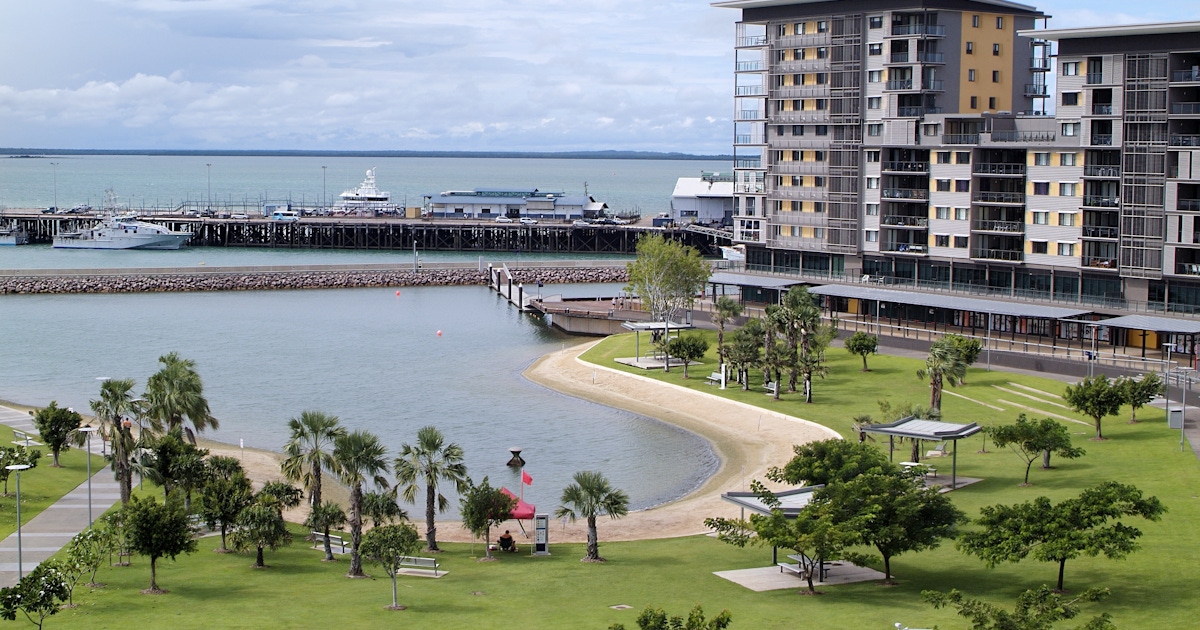
Use a translation app
Menus, prices and shop signs may not be in English. A translation app makes ordering food and checking products much easier.
Check sizes carefully
Clothing and shoe sizes may differ from what you are used to. Try items on where possible and check measurements before buying.
Do not expect easy returns
Small shops may not offer refunds or exchanges. Inspect items before paying.
Go hungry
Dongmen is best when you snack as you walk. Leave room for drinks, desserts and casual street food.
Plan around crowds
Weekend evenings and public holidays can be very busy. If you dislike crowds, visit on a weekday afternoon.
Combine it with Luohu or Futian
Dongmen works well with Luohu Commercial City, KK100, The MixC or a later trip to Futian for a more modern Shenzhen contrast.
Is Dongmen Old Street Worth Visiting?
Yes, Dongmen Old Street is worth visiting if you enjoy busy shopping districts, street food, budget fashion and local urban energy. It is one of the easiest places in Shenzhen to experience an older commercial side of the city.
It may not suit travellers who only want luxury malls, quiet cultural sites or polished sightseeing. Dongmen is crowded, commercial and sometimes chaotic. That is exactly why many people enjoy it.
The best way to visit is to arrive by metro, wander without rushing, snack as you go, compare shops before buying and finish with a drink or casual meal. If you are staying in Luohu or crossing from Hong Kong, Dongmen Old Street is one of the most convenient Shenzhen stops to add to your itinerary.
FAQs About Dongmen Old Street
What is Dongmen Old Street?
Dongmen Old Street, also called Dongmen Pedestrian Street, is a famous shopping and food district in Luohu, Shenzhen. It is known for affordable fashion, snacks, malls, street energy and local crowds.
Where is Dongmen Old Street?
Dongmen Old Street is in Luohu District, Shenzhen, around the Laojie area near Renmin Road North and Jiefang Road.
How do you get to Dongmen Old Street by metro?
Take Shenzhen Metro Line 1 or Line 3 to Laojie Station. Exit A is commonly listed as a convenient exit for Dongmen Pedestrian Street.
Is Dongmen Old Street good for shopping?
Yes. Dongmen is good for affordable clothing, shoes, bags, accessories, cosmetics, snacks and casual shopping. It is better for budget browsing than luxury brands.
Is Dongmen Old Street good for food?
Yes. The area is good for snacks, noodles, dumplings, desserts, bubble tea, fast food and casual eateries. It is best for informal eating rather than fine dining.
When is the best time to visit Dongmen Old Street?
Evening is best for atmosphere, lights and street food. Weekday afternoons are better if you want fewer crowds.
Is Dongmen Old Street suitable for families?
Yes, families can visit, but it can be crowded and busy. Keep children close, avoid peak crush periods and take breaks in malls or cafés.
How long do you need at Dongmen Old Street?
Allow two to three hours for a casual visit. Shoppers and food lovers may want half a day.
Is Dongmen Old Street near Hong Kong?
It is in Luohu, not far from Shenzhen’s Luohu border area. It can be convenient for travellers crossing between Hong Kong and Shenzhen, but always check current visa and border requirements.
Is Dongmen Old Street worth visiting?
Yes, if you want lively Shenzhen shopping, snacks and local atmosphere. It is less suitable if you want quiet heritage sightseeing or luxury retail.