Hawaii is one of the most beautiful and distinctive travel destinations in the United States. Set in the middle of the Pacific Ocean, the Hawaiian Islands offer volcanic landscapes, tropical beaches, waterfalls, rainforests, surf towns, historic sites, cultural experiences, scenic drives and some of the most memorable sunsets in the world.
Each island has its own personality. Oʻahu offers Waikīkī, Pearl Harbor, Honolulu and the North Shore. Maui is known for beaches, Haleakalā, the Road to Hāna and resort areas. Kauaʻi is loved for dramatic cliffs, lush valleys and Waimea Canyon. The Island of Hawaiʻi, also called the Big Island, is famous for volcanoes, black-sand beaches, waterfalls, coffee farms and stargazing. Lānaʻi and Molokaʻi offer quieter, less-developed island experiences.
This guide covers the best places to visit in Hawaii, including islands, beaches, national parks, scenic drives, cultural sites, family attractions and practical travel tips.
Why Visit Hawaii?
Hawaii is ideal for travellers who want a mix of relaxation, nature, culture and adventure. It is a destination where you can swim at a tropical beach, hike through volcanic landscapes, watch surfers on the North Shore, visit powerful historic sites, enjoy local food, see waterfalls and learn about Hawaiian culture in one trip.
One of the best things about Hawaii is the variety between the islands. Oʻahu is the easiest island for first-time visitors because it combines beaches, history, shopping, dining and tours. Maui is popular with couples and resort travellers. Kauaʻi is excellent for scenery and nature. The Island of Hawaiʻi is best for volcanoes, road trips and diverse landscapes. Lānaʻi and Molokaʻi suit travellers looking for a quieter pace.
Hawaii also rewards respectful travel. Visitors should take time to learn about local customs, protect natural areas, support local businesses, follow ocean safety guidance and travel with care in culturally significant places.
Best Places to Visit in Hawaii
Oʻahu
Oʻahu is one of the best islands to visit in Hawaii, especially for first-time travellers. It offers a strong mix of beaches, history, city life, surf culture, shopping, dining, hikes and family attractions.
Honolulu and Waikīkī provide the classic Hawaii holiday experience, with hotels, restaurants, beaches and tours close together. Beyond the city, visitors can explore Pearl Harbor, Diamond Head, the North Shore, Kailua, Lanikai Beach, Nuʻuanu Pali Lookout and cultural attractions around the island.
Oʻahu is also the easiest island for travellers who do not want to hire a car for the whole trip, although having a car for a few days makes it easier to explore beyond Waikīkī.
Best for: first-time visitors, families, history lovers, surfers, shopping, nightlife and easy sightseeing.
Honolulu
Honolulu is Hawaii’s capital and the main city on Oʻahu. It combines urban energy with beach access, museums, historic sites, shopping, food and harbour views.
Top things to do in Honolulu include visiting ʻIolani Palace, the Bishop Museum, Chinatown, Ala Moana Center, Kakaʻako murals and the waterfront. Honolulu is also a practical base for exploring Waikīkī, Pearl Harbor and Diamond Head.
Food lovers will enjoy the city’s mix of Hawaiian, Japanese, Korean, Filipino, Chinese, Portuguese and modern Pacific influences. From poke bowls and plate lunches to fine dining and food trucks, Honolulu is one of the best places in Hawaii to eat.
Best for: city breaks, culture, food, museums, shopping and first-time Hawaii visitors.
Waikīkī Beach
Waikīkī Beach is one of the most famous beaches in the world and a classic place to stay on Oʻahu. It offers calm swimming areas, surf lessons, beachfront hotels, restaurants, shopping and views toward Diamond Head.
Waikīkī is busy and developed, but it is also convenient, especially for first-time visitors who want tours, dining and beach access within walking distance. It is a good place to learn to surf, enjoy sunset walks and use as a base for day trips around the island.
Best for: first-time visitors, families, surf lessons, beach hotels, nightlife and convenience.
Pearl Harbor National Memorial
Pearl Harbor National Memorial is one of the most important historic sites in Hawaii. It commemorates the attack on Pearl Harbor on December 7, 1941, and honours those who lost their lives during the events that brought the United States into World War II.
The USS Arizona Memorial is the most recognised site at Pearl Harbor. Visitors should plan ahead because access to the memorial program can require timed reservations and security rules apply. The wider Pearl Harbor area also includes additional museums and historic attractions.
This is a place for quiet reflection and respectful behaviour. It is one of the most meaningful stops on Oʻahu for travellers interested in history.
Best for: history lovers, educational travel, families, military history and meaningful sightseeing.
Diamond Head State Monument
Diamond Head is one of Oʻahu’s most recognisable landmarks. The crater rises above Waikīkī and offers a popular hike to a lookout with views over Honolulu, the coastline and the Pacific Ocean.
The trail includes stairs, slopes and exposed sections, so it is best to start early, wear comfortable shoes and bring water. Reservations may be required for some visitors, so check current entry rules before going.
Best for: hiking, views, photography, first-time visitors and active travellers staying near Waikīkī.
North Shore of Oʻahu
The North Shore is famous for surf culture, beach towns, food trucks and big winter waves. Towns such as Haleʻiwa offer a relaxed local atmosphere with shops, cafes and access to some of the island’s most famous surf beaches.
Popular stops include Waimea Bay, Sunset Beach, Banzai Pipeline, Shark’s Cove and Haleʻiwa town. In summer, some beaches may be calmer for snorkelling and swimming, while winter brings powerful surf that is best admired from a safe distance.
Best for: surf culture, food trucks, beach drives, photography, relaxed day trips and scenic coastal exploring.
Kailua and Lanikai Beach
Kailua and nearby Lanikai Beach offer a softer, more residential side of Oʻahu. The beaches are known for pale sand, clear water and views toward the Mokulua Islands.
Visitors can swim, kayak, paddleboard, walk the beach or explore Kailua town’s cafes and shops. Parking and access can be limited in residential areas, so visitors should be respectful of local communities and follow signs.
Best for: beach lovers, kayaking, couples, families, calm water and relaxed Oʻahu day trips.
Maui
Maui is one of Hawaii’s most popular islands, known for beaches, scenic drives, resort areas, whale watching, volcanic landscapes and relaxed coastal towns. It is a favourite for couples, honeymooners, families and travellers who want a balance of comfort and nature.
Top Maui experiences include visiting Haleakalā National Park, driving part or all of the Road to Hāna, relaxing in Wailea or Kā‘anapali, snorkelling at Molokini when conditions allow, exploring Upcountry Maui and enjoying sunset from the beach.
Visitors should travel thoughtfully, especially in areas affected by past wildfires. Support local businesses, follow local guidance and check current Maui travel updates before finalising plans.
Best for: couples, beaches, resort stays, scenic drives, whale watching, snorkelling and relaxed holidays.
Haleakalā National Park
Haleakalā National Park is one of Maui’s most extraordinary natural attractions. The park protects a dramatic volcanic landscape, high-elevation summit areas, native ecosystems and the lush Kīpahulu district near the coast.
Many visitors come for sunrise or sunset at the summit, where clouds, volcanic terrain and changing light create an unforgettable experience. Sunrise entry requires advance planning and vehicle reservations during designated early-morning hours, so check current booking rules before travelling.
Hiking is also popular, but the summit is high and the weather can be cold and windy. Bring warm layers, water and sun protection, and allow time to adjust to the elevation.
Best for: sunrise views, volcanic scenery, hiking, photography, couples and nature lovers.
Road to Hāna
The Road to Hāna is one of Hawaii’s most famous scenic drives. This winding route on Maui’s east side passes rainforest, waterfalls, coastal views, bridges, beaches and small communities.
Popular stops may include Twin Falls, Waiʻānapanapa State Park, Hāna town, coastal viewpoints and the Kīpahulu side of Haleakalā National Park. Some sites require reservations, and road conditions can be narrow and slow, so this drive is best approached with patience.
Visitors should avoid trespassing, park only where allowed and respect local residents. The Road to Hāna is not just a checklist of stops; it is a journey through a living community and fragile natural environment.
Best for: scenic drives, waterfalls, rainforest, photography, couples and adventurous road trippers.
Lahaina and West Maui
Lahaina was once one of Hawaii’s most historic and beloved towns, known for its waterfront, galleries, restaurants and whaling-era history. The devastating Maui wildfires changed the area deeply, and visitors should check current guidance before planning time in West Maui.
Other parts of West Maui, including Kā‘anapali, Kapalua and Napili, remain known for beaches, resorts, coastal walks, snorkelling and sunset views. Travellers should support local businesses where appropriate, be sensitive when discussing affected areas and avoid entering restricted or recovery zones.
Best for: thoughtful travel, beaches, resorts, coastal walks, snorkelling and sunset stays.
Kauaʻi
Kauaʻi is often called the Garden Isle because of its lush scenery, dramatic cliffs, green valleys, waterfalls and relaxed pace. It is one of the best Hawaiian islands for nature lovers and travellers who prefer scenery over nightlife.
Top places to visit include Waimea Canyon, the Nāpali Coast, Hanalei Bay, Poʻipū, Kōkeʻe State Park, Wailua River and the island’s many beaches and lookouts. Kauaʻi is also excellent for hiking, boat tours, helicopter sightseeing and photography.
Because Kauaʻi’s landscapes are rugged and weather can vary across the island, plans should stay flexible. Rain can create beautiful waterfalls, but it can also affect trails and ocean conditions.
Best for: nature lovers, couples, hikers, photographers, scenic drives and quieter island holidays.
Nāpali Coast
The Nāpali Coast is one of the most spectacular landscapes in Hawaii. Located on Kauaʻi’s northwest side, it is known for steep green cliffs, hidden beaches, sea caves, waterfalls and remote coastline.
Visitors can experience the coast by boat tour, helicopter tour or, for experienced hikers with permits, by sections of the Kalalau Trail. Ocean and trail conditions can be challenging, so it is important to choose reputable operators and follow safety guidance.
Best for: photography, boat tours, hiking, dramatic scenery, adventure travel and nature lovers.
Waimea Canyon
Waimea Canyon is one of Kauaʻi’s most famous natural attractions. Often described as the “Grand Canyon of the Pacific”, it features colourful canyon walls, deep valleys, waterfalls and dramatic viewpoints.
Visitors can drive to lookout points, continue into Kōkeʻe State Park and enjoy hiking trails when conditions allow. The canyon is especially beautiful when light and cloud conditions reveal the layers of red, green and brown across the landscape.
Best for: scenic drives, viewpoints, hiking, photography, families and nature lovers.
Hanalei Bay
Hanalei Bay is one of the most beautiful beach settings in Hawaii. Surrounded by mountains and waterfalls, the bay has a peaceful North Shore atmosphere and a wide sandy beach.
Visitors can swim when conditions are calm, walk the beach, photograph the pier, explore Hanalei town and enjoy the surrounding scenery. During winter, surf can be powerful, so always check ocean conditions before entering the water.
Best for: beach walks, photography, couples, relaxed stays, surfing culture and North Shore scenery.
Island of Hawaiʻi
The Island of Hawaiʻi, often called the Big Island, is the largest and most geographically diverse island in Hawaii. It offers volcanoes, black-sand beaches, waterfalls, coffee farms, lava landscapes, ranch country, rainforests and high mountain scenery.
Because the island is large, it is worth allowing several days to explore. Many travellers split their stay between the Kona side for beaches, snorkelling and sunsets, and the Hilo or Volcano area for waterfalls, rainforests and Hawaiʻi Volcanoes National Park.
Best for: volcanoes, road trips, diverse landscapes, coffee farms, snorkelling, waterfalls and adventurous travellers.
Hawaiʻi Volcanoes National Park
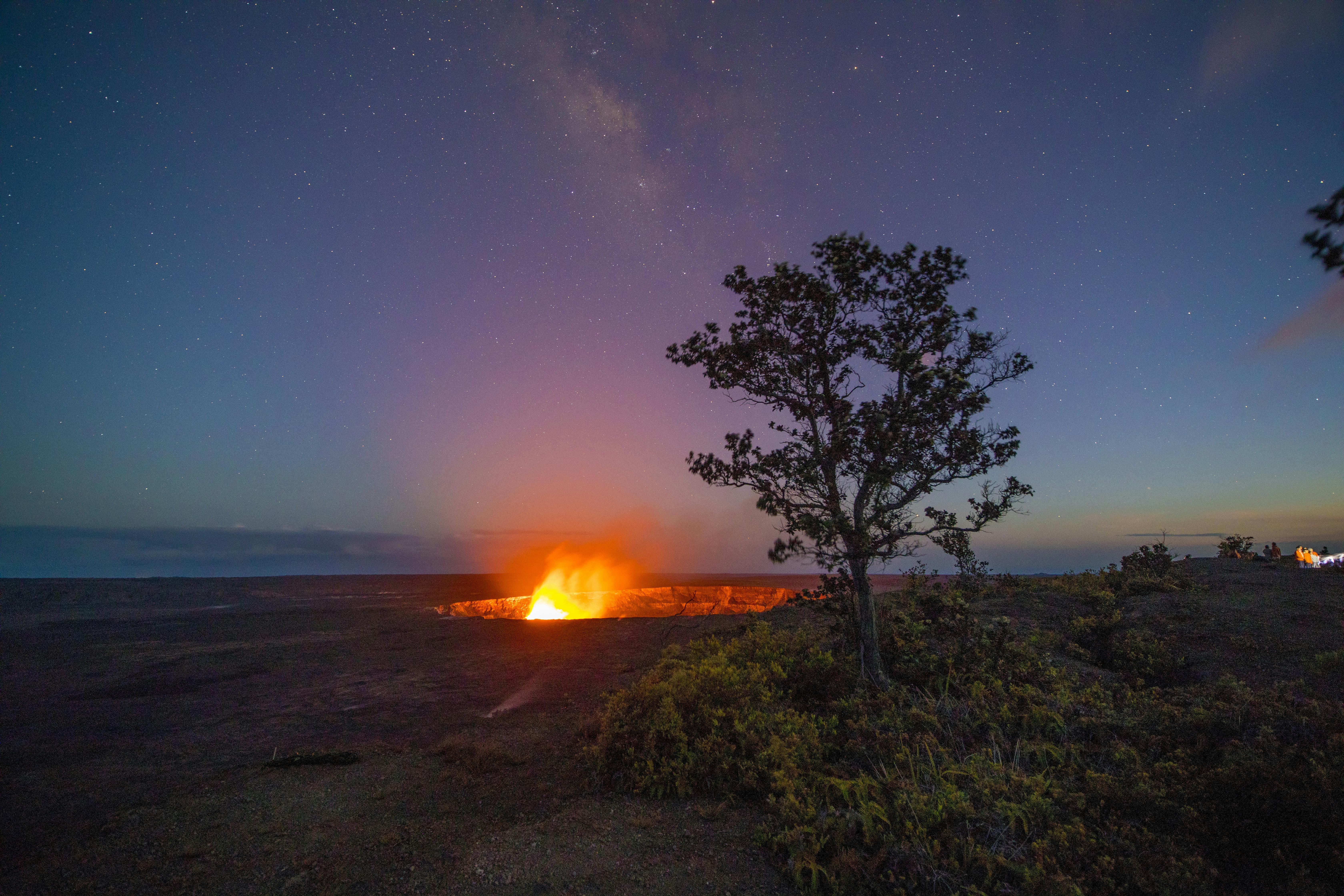
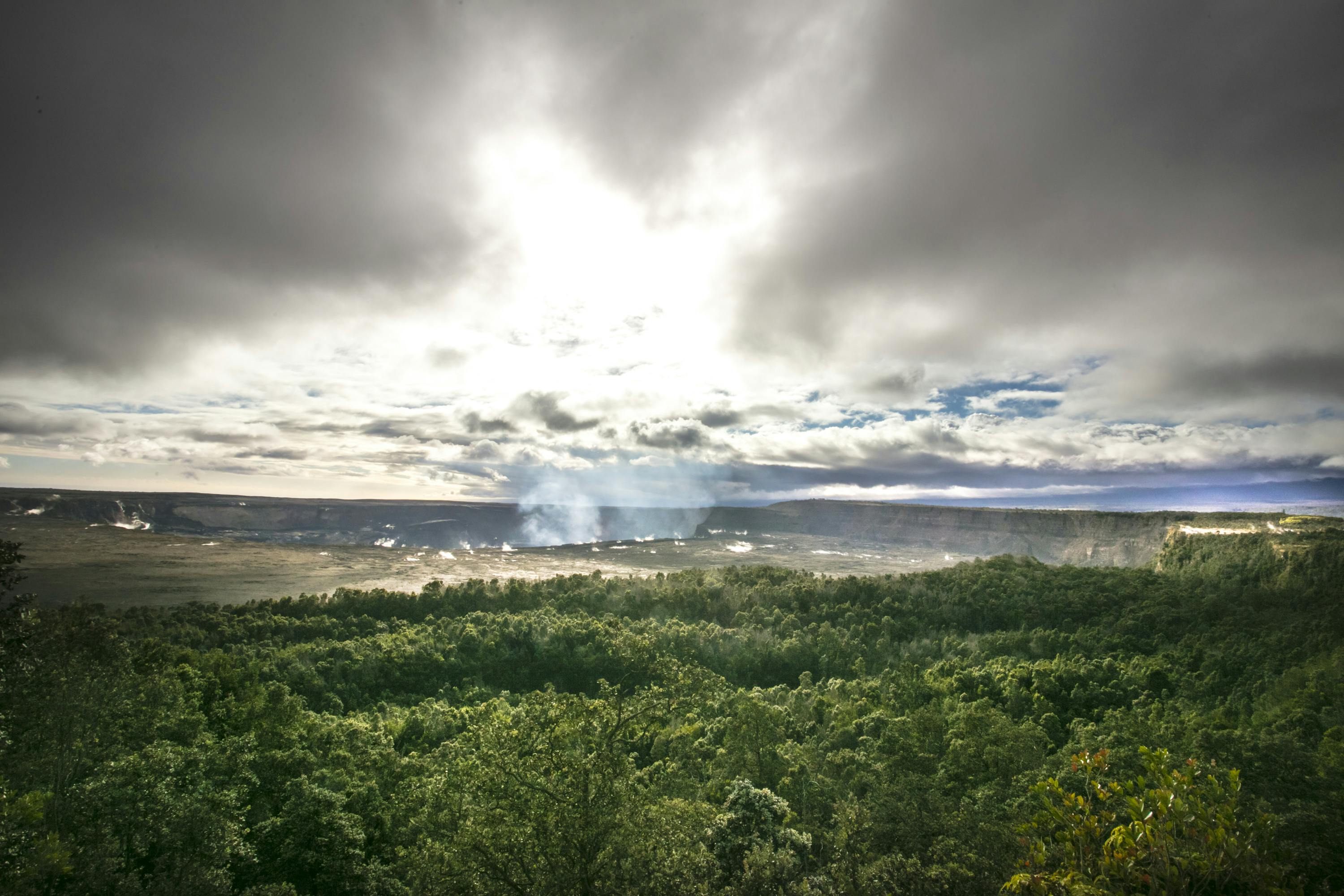
Hawaiʻi Volcanoes National Park is one of the most important natural and cultural sites in Hawaii. The park protects volcanic landscapes shaped by Kīlauea and Mauna Loa, as well as native ecosystems and places of deep Hawaiian cultural significance.
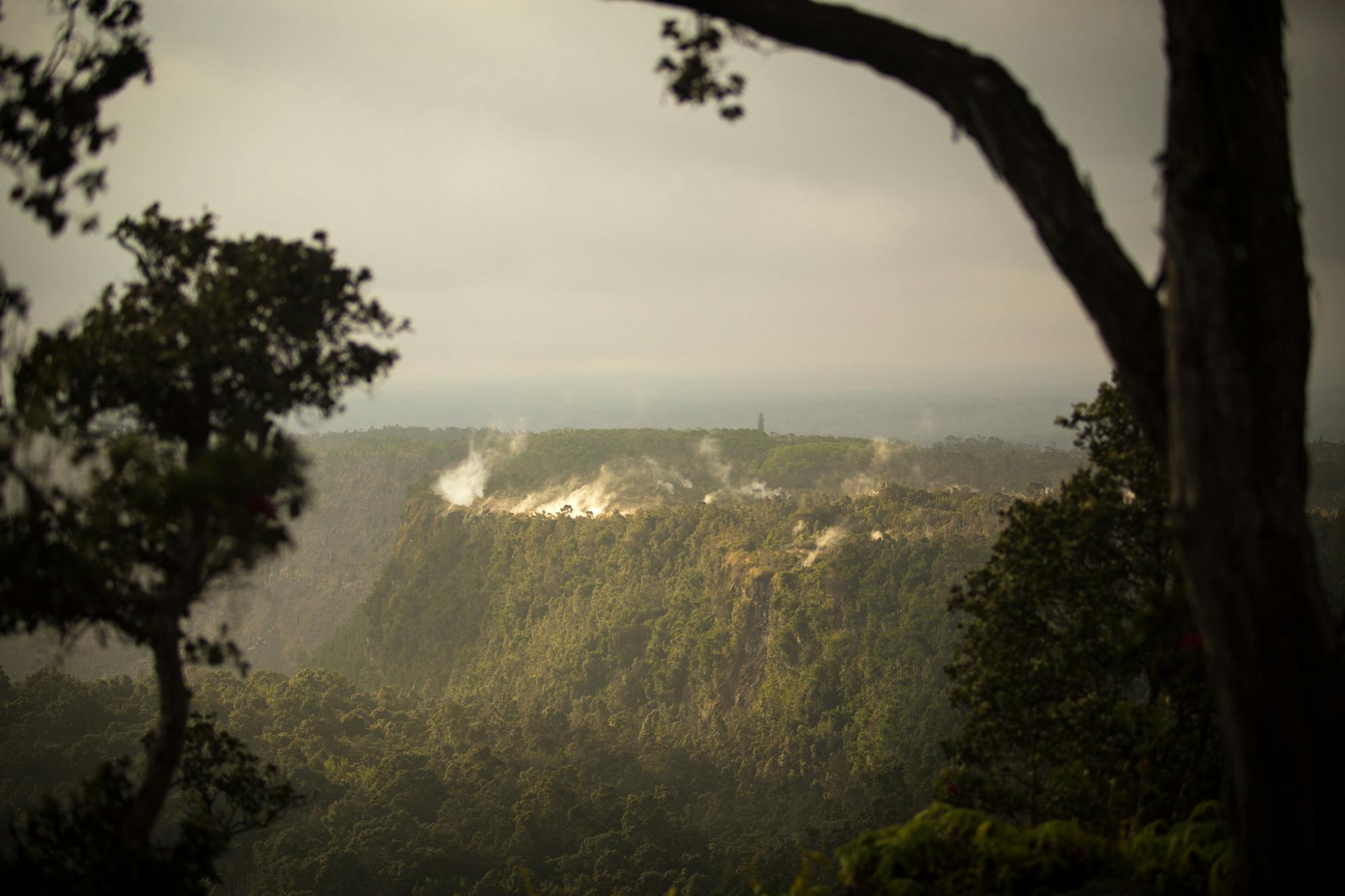
Visitors can explore crater viewpoints, lava fields, steam vents, scenic drives, hiking trails and visitor centre exhibits. Volcanic activity changes over time, so lava viewing is never guaranteed and safety rules can change quickly.
Before visiting, check current park alerts, road conditions and eruption updates. Stay on marked trails, respect closures and be aware that volcanic gases can affect people with respiratory or heart conditions.
Best for: volcanoes, hiking, geology, culture, families, photographers and national park travellers.
Kona
Kona, on the west side of the Island of Hawaiʻi, is known for sunny weather, coffee farms, snorkelling, beaches, sunsets and historic sites. Kailua-Kona is a popular base with restaurants, shops, waterfront views and access to tours.
Visitors can tour Kona coffee farms, snorkel at Kealakekua Bay with a permitted tour operator, visit Puʻuhonua o Hōnaunau National Historical Park, enjoy manta ray night snorkel tours when conditions allow and relax along the coast.
Best for: coffee, snorkelling, sunsets, boat tours, history, couples and west-side Big Island stays.
Hilo
Hilo is the main town on the east side of the Island of Hawaiʻi. It has a greener, rainier and more local feel than Kona, with waterfalls, gardens, markets and access to Hawaiʻi Volcanoes National Park.
Popular places nearby include Rainbow Falls, ʻAkaka Falls State Park, Liliʻuokalani Gardens, the Hilo Farmers Market and the Hamakua Coast. Hilo is a good base for travellers who enjoy waterfalls, rainforest scenery and a quieter pace.
Best for: waterfalls, gardens, local markets, rainforest, volcano access and slower travel.
Mauna Kea
Mauna Kea is one of Hawaii’s most significant mountains, known for its high elevation, cultural importance and world-class astronomy. Stargazing experiences on the Big Island often focus on visitor-accessible areas rather than the summit itself.
Because Mauna Kea is sacred to many Native Hawaiians and conditions at high elevation can be serious, visitors should approach with respect, use authorised tours where appropriate and follow access rules. Warm clothing is essential for any high-elevation evening stargazing experience.
Best for: stargazing, cultural awareness, photography, science lovers and guided tours.
Lānaʻi
Lānaʻi is a quieter Hawaiian island known for luxury resorts, rugged landscapes, beaches, off-road adventures and a slower pace. It is much less developed than Oʻahu, Maui or the Island of Hawaiʻi.
Visitors may explore Hulopoʻe Bay, Lānaʻi City, scenic viewpoints and remote beaches, though some areas require a four-wheel-drive vehicle or guided access. Lānaʻi suits travellers who want seclusion and are comfortable with fewer services.
Best for: luxury escapes, couples, quiet beaches, off-road exploring and peaceful island stays.
Molokaʻi
Molokaʻi offers one of the most traditional and low-key travel experiences in Hawaii. It is known for rural landscapes, sea cliffs, cultural depth, quiet beaches and a slower rhythm of life.
Molokaʻi is not a resort-heavy island and is best suited to travellers who value simplicity, respect local communities and are not looking for nightlife or extensive tourist infrastructure. Visitors should plan carefully, support local businesses and travel with sensitivity.
Best for: quiet travel, culture, rural scenery, respectful visitors and off-the-beaten-path experiences.
Best Beaches in Hawaii
Hawaii has beaches for every type of traveller, from calm family-friendly bays to dramatic black-sand beaches and famous surf breaks. Ocean conditions can change quickly, so always check local safety signs and lifeguard guidance.
Waikīkī Beach, Oʻahu: Best for first-time visitors, surf lessons, hotels, restaurants and convenience.
Lanikai Beach, Oʻahu: Best for soft sand, turquoise water and views toward the Mokulua Islands.
Hāpuna Beach, Island of Hawaiʻi: Best for a classic white-sand beach experience on the Big Island.
Punaluʻu Black Sand Beach, Island of Hawaiʻi: Best for volcanic sand, photography and sea turtle viewing from a respectful distance.
Hanalei Bay, Kauaʻi: Best for mountain-backed scenery, beach walks and a relaxed North Shore feel.
Poʻipū Beach, Kauaʻi: Best for families, sunshine, swimming and resort-area convenience.
Kā‘anapali Beach, Maui: Best for resorts, sunsets, swimming and snorkelling when conditions are suitable.
Wailea Beach, Maui: Best for couples, luxury resorts and relaxed beach days.
Hulopoʻe Bay, Lānaʻi: Best for peaceful scenery, snorkelling and a quieter island feel.
Best National Parks and Historic Sites in Hawaii
Hawaii has outstanding national parks, historic sites and culturally significant places. These destinations help visitors understand the islands beyond beaches and resorts.
Hawaiʻi Volcanoes National Park: Volcanic landscapes, cultural sites, hiking and changing views of Kīlauea and Mauna Loa.
Haleakalā National Park: Maui’s volcanic summit, rare ecosystems, hiking and the Kīpahulu coastal district.
Pearl Harbor National Memorial: A major World War II remembrance site on Oʻahu.
Puʻuhonua o Hōnaunau National Historical Park: A sacred and historic place on the Island of Hawaiʻi.
Kaloko-Honokōhau National Historical Park: Coastal Hawaiian fishponds, petroglyphs, trails and cultural history near Kona.
Kalaupapa National Historical Park: A deeply significant site on Molokaʻi with limited and sensitive access.
Best Scenic Drives in Hawaii
Scenic driving is one of the best ways to experience Hawaii, but routes can be narrow, winding and weather-dependent. Take your time and respect local traffic and communities.
Road to Hāna, Maui: Rainforest, waterfalls, coastal views and a famous winding route to East Maui.
Haleakalā Highway, Maui: A climb from sea level toward volcanic summit landscapes.
Kauaʻi’s Waimea Canyon Drive: Canyon views, forest scenery and access to Kōkeʻe State Park.
Oʻahu Circle Island route: A varied drive linking Honolulu, Windward Oʻahu, the North Shore and central areas.
Big Island Belt Road: A longer route linking Kona, Hilo, waterfalls, volcano areas and coastal landscapes.
Hamakua Coast, Island of Hawaiʻi: Green cliffs, waterfalls, scenic valleys and lush roadside views.
Best Places in Hawaii for Families
Hawaii is excellent for families, especially when you choose the right island and pace. Families usually do best with a balance of beach time, easy walks, cultural activities and relaxed sightseeing.
Oʻahu: Best for first-time families, Waikīkī, Pearl Harbor, beaches, museums and easy tours.
Maui: Best for resort stays, beach days, whale watching, snorkelling and scenic drives.
Kauaʻi: Best for nature-loving families, easy viewpoints, beaches and boat tours.
Island of Hawaiʻi: Best for volcanoes, waterfalls, stargazing, coffee farms and road trips.
Waikīkī: Best for convenience, surf lessons, restaurants and family-friendly accommodation.
Poʻipū: Best for sunny Kauaʻi beach stays and resort-style family holidays.
Kona Coast: Best for snorkelling, sunsets and Big Island family bases.
Best Outdoor Adventures in Hawaii
Hawaii is one of the best outdoor destinations in the United States. Activities range from gentle beach walks to serious hikes, ocean adventures and volcanic landscapes.
Snorkelling: Popular around Maui, the Big Island, Kauaʻi and Oʻahu when ocean conditions are safe.
Surf lessons: Waikīkī is one of the best places for beginners.
Hiking: Trails range from short lookout walks to challenging routes through valleys, craters and coastlines.
Whale watching: Maui and other islands are popular during the winter whale season.
Volcano exploring: Hawaiʻi Volcanoes and Haleakalā offer unique volcanic landscapes.
Boat tours: Nāpali Coast, Molokini, manta ray tours and sunset cruises are popular options.
Kayaking: Good options include Kailua, Wailua River, Kealakekua Bay and selected coastal areas.
Stargazing: The Island of Hawaiʻi is especially strong for night-sky experiences.
Best Time to Visit Hawaii
Hawaii can be visited year-round, but different seasons suit different travel styles. Temperatures are generally warm throughout the year, though rainfall, surf, crowds and prices vary by island and season.
Spring: A very good time for pleasant weather, fewer crowds than peak holiday periods and good conditions for sightseeing.
Summer: Popular for families, beach holidays and generally calmer ocean conditions on some shores, though prices and crowds can be higher.
Autumn: Often a good shoulder season, with warm weather and fewer visitors outside school holiday periods.
Winter: Popular for whale watching, big surf on north-facing shores and escaping colder climates, though some ocean conditions can be rougher.
For whale watching, winter into early spring is usually the key season. For big-wave surf viewing, winter is best on Oʻahu’s North Shore, but swimming there can be dangerous during high surf. For hiking and road trips, spring and autumn are often comfortable choices.
Suggested 10-Day Hawaii Itinerary
For a first visit, it is usually better to choose two islands rather than trying to visit too many. This 10-day itinerary combines Oʻahu and Maui for a balanced introduction to Hawaii.
Day 1: Arrive in Honolulu
Arrive on Oʻahu and settle into Waikīkī. Take a beach walk, enjoy an easy dinner and watch the sunset.
Day 2: Waikīkī and Diamond Head
Start early with a hike at Diamond Head, then spend the afternoon at Waikīkī Beach. In the evening, enjoy Honolulu dining or a cultural show.
Day 3: Pearl Harbor and Honolulu
Visit Pearl Harbor National Memorial in the morning, then explore ʻIolani Palace, Chinatown, Kakaʻako or the Bishop Museum.
Day 4: Oʻahu North Shore
Take a day trip to the North Shore. Visit Haleʻiwa, Waimea Bay, Sunset Beach and food trucks. Check surf and swimming conditions before entering the water.
Day 5: Kailua or Windward Oʻahu
Spend the day around Kailua, Lanikai Beach, Nuʻuanu Pali Lookout or other Windward Oʻahu scenic stops. Return to Waikīkī for your final Oʻahu evening.
Day 6: Fly to Maui
Fly to Maui and settle into your accommodation in Wailea, Kā‘anapali, Kihei or another chosen base. Enjoy a relaxed beach afternoon.
Day 7: Haleakalā National Park
Visit Haleakalā National Park for sunrise, daytime hiking or sunset. If planning sunrise, book the required vehicle reservation in advance and bring warm layers.
Day 8: Road to Hāna
Drive part or all of the Road to Hāna, allowing time for waterfalls, rainforest views and coastal scenery. Book any required park reservations and avoid rushing.
Day 9: Maui Beach and Snorkelling Day
Spend the day at the beach, join a snorkelling tour, explore Upcountry Maui or enjoy a relaxed coastal walk.
Day 10: Final Maui Morning
Enjoy a final swim, breakfast or scenic stop before flying home or continuing to another island.
Alternative 14-Day Hawaii Island-Hopping Itinerary
If you have two weeks, consider visiting three islands at a relaxed pace.
Days 1 to 4: Oʻahu for Waikīkī, Pearl Harbor, Diamond Head, Honolulu and the North Shore.
Days 5 to 8: Maui for Haleakalā, the Road to Hāna, beaches and whale watching in season.
Days 9 to 14: Island of Hawaiʻi or Kauaʻi. Choose the Big Island for volcanoes, waterfalls and stargazing, or Kauaʻi for Nāpali Coast, Waimea Canyon and lush scenery.
Travel Tips for Visiting Hawaii
Do not try to visit too many islands: Inter-island travel takes time, so choose one or two islands for a shorter trip.
Book early: Flights, accommodation, rental cars, popular tours and park reservations can sell out during busy periods.
Respect local communities: Avoid trespassing, park legally, keep noise low and follow signs in residential areas.
Learn basic Hawaiian place names: Using correct names and respecting cultural sites helps create a more thoughtful trip.
Check ocean conditions: Hawaii’s beaches can be dangerous even when they look beautiful. Follow lifeguard advice and posted warnings.
Use reef-safe habits: Do not touch coral or marine life, and choose ocean activities that protect the environment.
Pack for microclimates: Bring swimwear, sun protection, rain gear, walking shoes and warm layers for volcanic summits.
Support local businesses: Eat at local restaurants, buy from local makers and choose responsible tour operators.
Reserve special sites: Some parks and attractions require advance bookings, especially sunrise, beach park or high-demand natural areas.
Slow down: Hawaii is best enjoyed with time for beaches, local food, scenic stops and respectful cultural learning.
Final Thoughts on the Best Places to Visit in Hawaii
Hawaii is more than a beach destination. It is a place of deep culture, powerful landscapes, sacred sites, volcanic energy, ocean beauty and island communities. The best Hawaii trip is not about rushing from one famous attraction to another, but about choosing the right island for your travel style and exploring with care.
For first-time visitors, Oʻahu is the easiest starting point, especially with Waikīkī, Pearl Harbor, Diamond Head and the North Shore. Maui is ideal for beaches, scenic drives and Haleakalā. Kauaʻi is perfect for dramatic natural scenery. The Island of Hawaiʻi is best for volcanoes, waterfalls, black-sand beaches and road trips. Lānaʻi and Molokaʻi offer quieter, slower and more secluded experiences.
Whether you are planning a family holiday, honeymoon, nature escape, island-hopping adventure or relaxing beach break, Hawaii offers unforgettable places to visit and experiences that stay with you long after you leave.
Frequently Asked Questions About Visiting Hawaii
What is the best island to visit in Hawaii for first-time visitors?
Oʻahu is often the best island for first-time visitors because it has Waikīkī, Pearl Harbor, Diamond Head, Honolulu, beaches, restaurants, shopping, nightlife and easy tours. It gives a broad introduction to Hawaii in one island.
What is the prettiest place in Hawaii?
Some of the prettiest places in Hawaii include the Nāpali Coast on Kauaʻi, Waimea Canyon, Haleakalā National Park, Hanalei Bay, Lanikai Beach, Hawaiʻi Volcanoes National Park, the Road to Hāna and the beaches of Maui and the Big Island.
How many days do you need in Hawaii?
For one island, 5 to 7 days is a good minimum. For two islands, 10 days is better. If you want to visit three islands, allow around 14 days so you do not lose too much time moving between airports and hotels.
Which Hawaiian island is best for families?
Oʻahu and Maui are excellent for families. Oʻahu is convenient and has many attractions close together, while Maui offers beaches, resorts, snorkelling, whale watching and scenic drives. The Big Island is also good for families interested in volcanoes and nature.
Which Hawaiian island is best for couples?
Maui is one of the most popular islands for couples because of its beaches, resorts, sunsets, scenic drives and relaxed pace. Kauaʻi is also excellent for couples who love nature, scenery and quieter stays.
What is Hawaii best known for?
Hawaii is best known for beaches, volcanoes, surfing, waterfalls, tropical scenery, Hawaiian culture, Pearl Harbor, hula, aloha spirit, scenic drives, snorkelling, whale watching and island landscapes.
Is Hawaii good for a road trip?
Yes, Hawaii is good for road trips, but the experience depends on the island. The Big Island is best for longer road trips. Maui has the Road to Hāna and Haleakalā. Kauaʻi has scenic canyon and coastal routes. Oʻahu has a rewarding circle-island drive.
Can you visit Hawaii without a car?
You can visit parts of Hawaii without a car, especially Waikīkī and Honolulu on Oʻahu. However, a rental car is very helpful for exploring Maui, Kauaʻi, the Big Island and quieter parts of Oʻahu.
What is the best time of year to visit Hawaii?
Hawaii is a year-round destination. Spring and autumn are often excellent for pleasant weather and fewer crowds. Summer is popular for family holidays, while winter is good for whale watching and big-wave surf viewing on north-facing shores.
What should I pack for Hawaii?
Pack swimwear, light clothing, sunscreen, sunglasses, a hat, sandals, comfortable walking shoes, a reusable water bottle, a light rain jacket and warm layers if visiting Haleakalā, Mauna Kea or other high-elevation areas.
Sponsored Popular Items
Quick take: Musement.com offers a worldwide selection of tours and attractions
Best places to visit in the Whitsundays: Where to start Australia Lachlan lives in Paris and is the Head of Content and Community at misterb&b, an LGBTQ+ accommodation platform. He enjoys coffee and cocktails (not always in that order), and loves to… Check current availability, inclusions and booking conditions.
Tokyo: Mt Fuji Top Best Places Full-Day Private Tour Japan Best deals for Tokyo: Mt Fuji Top Best Places Full-Day Private Tour. Discover Mt. Fuji's most famous viewpoints, lakes, shrines, villages, and scenic attractions on a private full-day tour from Tokyo with hotel pickup & drop-off included. Available from getyourguide.com.
Tokyo: Mt. Fuji & Hakone Best Places Old-Japan Private Tour Japan Best deals for Tokyo: Mt. Fuji & Hakone Best Places Old-Japan Private Tour. Discover Mt. Fuji and Hakone on a customizable private full-day tour from Tokyo. Visit iconic viewpoints, shrines, lakes, and volcanic landscapes with an English-speaking driver. Available from getyourguide.com.
Audio-Guided Driving Tour Through Oahu, Hawaii – Self-Guided Experience United States Audio-Guided Driving Tour Through Oahu, Hawaii USD 19.99 adds structure, local context and purposeful sightseeing to the itinerary. Check current availability, inclusions and booking details before you go.
Hawaii Big Island volcano adventure – Nature & Scenic Experience United States Hawaii Big Island volcano adventure USD 195.81 places landscapes, habitats or wildlife at the centre of the experience. Check current availability, inclusions and booking details before you go.
Big Island of Hawaii volcano hiking tour from Kona – Outdoor Adventure United States Big Island of Hawaii volcano hiking tour from Kona USD 269 adds movement, scenery and a more active element to the itinerary. Check current availability, inclusions and booking details before you go.