American Samoa is one of the most remote and culturally distinctive destinations in the South Pacific, offering volcanic mountains, rainforest trails, coral reefs, quiet beaches, traditional villages, World War II history, island drives and one of the least-crowded national parks in the U.S. National Park system. It is a destination for travellers who prefer nature, culture and slow exploration over large resorts and heavily developed tourist areas.
The territory includes the volcanic islands of Tutuila, Aunuʻu, Ofu, Olosega and Taʻū, along with the remote coral atolls of Rose and Swains. The National Park Service notes that American Samoa is the only U.S. territory south of the equator and is made up of five rugged volcanic islands and two coral atolls. 1
For most visitors, the main gateway is Tutuila, home to Pago Pago Harbor, the National Park of American Samoa Visitor Center, scenic coastal villages, mountain viewpoints, beaches, markets and cultural sites. Travellers with more time and flexibility can continue to the Manuʻa Islands, especially Ofu and Taʻū, for some of the most beautiful remote beach and reef scenery in the Pacific.
Why Visit American Samoa?
American Samoa is ideal for travellers who enjoy remote island landscapes, Polynesian culture, rainforest walks, reef snorkelling and off-the-beaten-path travel. The official American Samoa visitor site highlights beaches, hiking in the national park, snorkelling in lagoons, World War II sites, diving in the marine sanctuary and local shopping. 2
This is not a polished resort destination. Travel here is more independent, services are limited compared with Hawaii or Fiji, and schedules can be flexible. That is part of its appeal. Visitors come for dramatic green mountains, reef-fringed beaches, village life, Samoan hospitality and a sense of being somewhere genuinely different.
Best Places to Visit in American Samoa
National Park of American Samoa
The National Park of American Samoa is the territory’s most important natural attraction and one of the most unusual national parks in the United States. The park protects sections of Tutuila, Ofu and Taʻū, including rainforest, volcanic mountain slopes, villages, beaches and coral reef environments. The National Park Service says the park includes sections of three islands and that about 4,000 acres of the park are underwater, offshore from all three islands. 3
Unlike many U.S. national parks, this park does not have extensive visitor infrastructure. Instead, visitors explore scenic roads, village areas, rainforest trails, beaches, overlooks and reef environments with a strong cultural context. The park is as much about Samoan culture and village life as it is about landscapes.
Best for: rainforest, snorkelling, hiking, cultural travel, photography, birdwatching, beaches and national park collectors.
Pago Pago
Pago Pago is the main harbour town and practical base for most visitors to American Samoa. The deep natural harbour is surrounded by steep green mountains, giving the town one of the most dramatic settings in the South Pacific.
Top things to do include visiting the National Park of American Samoa Visitor Center, walking around the harbour area, visiting local shops and markets, exploring nearby villages, driving scenic coastal roads and using Pago Pago as a base for day trips around Tutuila.
Best for: arrival base, harbour views, local culture, shopping, food, history and national park information.
National Park of American Samoa Visitor Center
The National Park of American Samoa Visitor Center is one of the best first stops on Tutuila. The National Park Service says the visitor center is located in Pago Pago and is open on weekdays from 8:00 a.m. to 3:00 p.m., closed on weekends and federal holidays. 4
Visitors can speak with rangers, get current trail and travel advice, learn about Samoan culture, ask about park areas and plan safe visits to rainforest, coastal and marine sites.
Best for: trip planning, maps, ranger advice, cultural information and first-time visitors.
Pago Pago Harbor
Pago Pago Harbor is one of the most striking natural harbours in the Pacific, framed by steep rainforest-covered mountains and coastal villages. Even if you only have a short stay, a drive around the harbour gives you a strong sense of American Samoa’s landscape.
The harbour area is especially atmospheric in the morning or late afternoon, when light falls across the water and the surrounding ridges.
Best for: photography, scenic drives, harbour views, short visits and first impressions of Tutuila.
Mount Alava
Mount Alava is one of the best-known hikes on Tutuila and offers excellent views over Pago Pago Harbor, the surrounding mountains and the coastline. The trail is part of the National Park of American Samoa experience and is best suited to visitors who are comfortable with humid conditions, uneven terrain and tropical weather.
Start early, carry plenty of water and avoid hiking after heavy rain, as trails can be muddy and slippery.
Best for: hiking, harbour views, rainforest, photography, active travellers and national park exploring.
Lower Sauma Ridge
Lower Sauma Ridge is another rewarding national park hike on Tutuila. It offers rainforest scenery, coastal views and a chance to understand the island’s steep volcanic landscape without committing to the longer Mount Alava route.
As with all hikes in American Samoa, check local conditions first and be prepared for heat, humidity and sudden rain.
Best for: short hikes, rainforest scenery, views, nature lovers and active day trips.
Vatia Village
Vatia is a scenic village on the north side of Tutuila, surrounded by steep mountains and coastal views. It is closely connected to the National Park of American Samoa and is one of the best places to appreciate how village life, rainforest and ocean landscapes sit together.
The drive to Vatia is memorable, with mountain roads, viewpoints and lush scenery. Visitors should travel respectfully, dress modestly and ask permission before taking close-up photos of people, homes or village activities.
Best for: village scenery, cultural awareness, coastal drives, photography and national park landscapes.
Pola Island Viewpoint
Pola Island is one of the most photogenic coastal landmarks on Tutuila. The offshore rock formation rises from the sea near the north coast and is often seen from viewpoints around Vatia and the national park area.
This is a beautiful stop for photographers, especially when the sea is clear and the mountains are visible behind the coastline.
Best for: coastal photography, short scenic stops, birdwatching, nature views and north-coast drives.
Two Dollar Beach
Two Dollar Beach is one of the most popular beach stops on Tutuila. It is known for clear water, palm-fringed scenery and reef-protected swimming and snorkelling areas when conditions are calm.
Visitors should check local conditions before swimming, wear reef-safe sun protection and avoid stepping on coral. Some beaches in American Samoa may have local access fees or village customs to observe.
Best for: beach time, swimming, snorkelling, families, picnics and easy coastal relaxation.
Alega Beach
Alega Beach is another beautiful Tutuila beach area, offering tropical scenery, calm-water potential and a relaxed island atmosphere. It can be a good choice for visitors who want a simple beach day without travelling to the more remote islands.
As always in American Samoa, check conditions, currents and local access arrangements before swimming or snorkelling.
Best for: beach days, swimming, local scenery, relaxed afternoons and Tutuila road trips.
Fagatele Bay National Marine Sanctuary
Fagatele Bay is one of American Samoa’s important marine areas, known for coral reefs, marine life and coastal scenery. It is part of the territory’s wider marine conservation story and is a strong destination for visitors interested in reef environments.
Access and conditions can vary, so visitors should seek current local guidance before planning snorkelling, diving or coastal walks in the area.
Best for: marine life, reef scenery, conservation, snorkelling, diving and nature-focused travellers.
Blunts Point Trail
Blunts Point Trail is a short but meaningful hike near Pago Pago that leads to World War II-era gun emplacements overlooking the harbour. It combines history, views and a manageable walking experience close to the main town area.
This is a good option for visitors who want a shorter activity that connects American Samoa’s strategic wartime history with its dramatic harbour geography.
Best for: World War II history, short hikes, harbour views, photography and easy sightseeing from Pago Pago.
Jean P. Haydon Museum
The Jean P. Haydon Museum in Pago Pago is a useful cultural stop for visitors who want to learn more about local history, Samoan life, traditional objects and the territory’s past.
It pairs well with the National Park Visitor Center, Pago Pago Harbor and a walk through the town area.
Best for: culture, history, rainy days, local heritage and first-time visitors.
Aunuʻu Island
Aunuʻu is a small island off the southeast coast of Tutuila and a worthwhile side trip for travellers who want a quieter, local island experience. It is known for village life, coastal scenery, wetlands, volcanic landscapes and a slower pace.
Access usually involves a small boat from the Tutuila side, and visitors should check local arrangements before travelling. Aunuʻu is best approached respectfully, as it is a lived-in community rather than a resort island.
Best for: quiet island scenery, village culture, walking, photography and off-the-main-route exploring.
Ofu Island
Ofu Island is one of the most beautiful places in American Samoa and one of the most remote beach destinations in the U.S. National Park system. The official visitor site notes that the national park area on Ofu features sand beaches and coral reefs with a mountain backdrop. 5
Ofu is famous for its white sand beach, clear lagoon, coral reefs and dramatic volcanic peaks. It is a dream destination for snorkelling, photography and peaceful beach walking, but it requires planning because transport and services are limited.
Best for: remote beaches, snorkelling, coral reefs, photography, national park travel and slow island escapes.
Ofu Beach
Ofu Beach is often considered one of the most beautiful beaches in the South Pacific. The beach combines white sand, turquoise water, reef scenery and a backdrop of green mountains, with far fewer visitors than better-known Pacific destinations.
Bring what you need, respect local rules and protect the reef. This is not a beach with resort-style facilities, which is exactly what makes it so special.
Best for: beach photography, snorkelling, solitude, reef scenery, walking and once-in-a-lifetime island travel.
Olosega Island
Olosega is linked to Ofu by a bridge and forms part of the Manuʻa Islands experience. It is quieter and less visited, with steep mountains, traditional village life and dramatic coastal scenery.
Travellers who reach Ofu may be able to explore Olosega as part of a local island stay, depending on transport, accommodation and village arrangements.
Best for: remote scenery, village culture, quiet roads, photography and adventurous island travel.
Taʻū Island
Taʻū is the largest of the Manuʻa Islands and one of the most culturally important islands in American Samoa. The official American Samoa visitor site notes that Taʻū is the traditional capital of Manuʻa and that the southeastern half of the island is included in the national park. 6
Taʻū is also home to Mount Lata, American Samoa’s tallest peak at 3,170 feet, which lies within the national park and overlooks rainforest and steep cliffs. 7
Best for: cultural history, rainforest, remote island scenery, hiking, traditional villages and Manuʻa exploration.
Mount Lata
Mount Lata is American Samoa’s highest point and one of the most significant natural landmarks in the territory. It rises on Taʻū Island and is part of the National Park of American Samoa landscape.
Reaching and exploring this area requires more planning than visiting sites on Tutuila, so visitors should seek current local guidance before attempting hikes or remote travel on Taʻū.
Best for: high-point travellers, rainforest scenery, remote hiking, photography and Manuʻa adventure.
Rose Atoll
Rose Atoll is one of the remote coral atolls of American Samoa and an important wildlife and marine conservation area. It is not a typical visitor destination, but it is part of the territory’s broader natural identity.
Most travellers will not visit Rose Atoll, but its presence highlights the ecological richness of American Samoa’s ocean territory.
Best for: conservation interest, marine ecology and understanding American Samoa’s wider island geography.
Best Beaches in American Samoa
Ofu Beach: Best for remote beauty, reef snorkelling, white sand and dramatic mountain scenery.
Two Dollar Beach: Best for an accessible Tutuila beach day with swimming and snorkelling potential.
Alega Beach: Best for relaxed coastal scenery and an easy beach stop on Tutuila.
Fagatele Bay area: Best for reef and marine conservation interest, with local guidance.
Vatia coastline: Best for dramatic scenery, photography and national park landscapes.
Aunuʻu Island beaches: Best for quiet local island scenery and peaceful walking.
Olosega coastline: Best for remote village and coastal scenery in the Manuʻa Islands.
Best Hikes and Outdoor Adventures in American Samoa
Mount Alava Trail: Best for Pago Pago Harbor views, rainforest and a classic Tutuila hike.
Lower Sauma Ridge: Best for a shorter national park hike with coastal and rainforest scenery.
Blunts Point Trail: Best for a short walk with World War II history and harbour views.
Vatia and Pola Island viewpoints: Best for coastal photography and dramatic north-shore scenery.
Ofu Beach snorkelling: Best for coral reef scenery in a remote national park setting.
Aunuʻu Island walking: Best for quiet village and island landscapes.
Taʻū rainforest areas: Best for adventurous travellers with local guidance and flexible plans.
Best Cultural Experiences in American Samoa
Visit local villages respectfully: American Samoa’s villages are lived-in communities with strong cultural traditions.
Learn about fa’a Samoa: The Samoan way of life shapes family, church, village customs, hospitality and social expectations.
Stop at the National Park Visitor Center: Learn how culture and nature are connected in the park.
Visit the Jean P. Haydon Museum: Explore local history and heritage in Pago Pago.
Attend church respectfully if invited: Sunday is culturally important, and many businesses or activities may be limited.
Try local food: Look for taro, breadfruit, coconut, fish, palusami, tropical fruit and Samoan-style meals.
Understand village etiquette: Dress modestly, ask before photographing people and avoid walking through private village areas without permission.
Best Scenic Drives in American Samoa
Pago Pago Harbor drive: Best for mountain-backed harbour views and an easy introduction to Tutuila.
North coast road to Vatia: Best for rainforest, ridges, coastal viewpoints and national park scenery.
Eastern Tutuila coastal route: Best for beaches, villages, harbour views and relaxed island exploring.
Western Tutuila route: Best for local villages, coastline, airport access and a broader look at daily island life.
Aunuʻu side trip: Best for a short boat crossing and slower small-island atmosphere.
Best Places in American Samoa for Families
Pago Pago: Best for visitor services, cultural stops, harbour views and easy local exploring.
National Park Visitor Center: Best for learning, maps and ranger advice.
Two Dollar Beach: Best for an accessible beach day when conditions are calm.
Blunts Point Trail: Best for a short walk with history and views.
Jean P. Haydon Museum: Best for a cultural and educational indoor stop.
Aunuʻu Island: Best for a gentle island side trip with local planning.
Ofu Beach: Best for adventurous families who are comfortable with remote travel and limited services.
Best Places in American Samoa for Food Lovers
Pago Pago: Best for the widest range of local eateries, shops and practical food options.
Tafuna area: Best for casual local meals, shops and airport-area convenience.
Village meals and local gatherings: Best for experiencing Samoan food traditions if invited or arranged respectfully.
Markets and local shops: Best for fruit, snacks, drinks and simple road-trip supplies.
American Samoa Foods to Try
Palusami: Taro leaves baked with coconut cream, often served with local meals.
Taro: A staple root crop used in many Samoan dishes.
Breadfruit: A traditional Pacific staple often roasted, boiled or cooked with coconut.
Fresh fish: Common in island cooking and coastal meals.
Coconut: Used in drinks, sauces, desserts and savoury dishes.
Bananas and tropical fruit: Look for local fruit depending on season and availability.
Samoan-style barbecue: Often available at local food spots and gatherings.
Best Time to Visit American Samoa
American Samoa has a tropical climate, with warm temperatures year-round. Visitors should plan around humidity, rain, ocean conditions and transport reliability rather than expecting sharp seasonal changes.
May to October: Often considered the drier and slightly cooler period, making it one of the better times for hiking, scenic drives and beach days.
November to April: Warmer and wetter, with higher humidity and greater risk of storms or disrupted plans.
Year-round: Culture, village life, rainforest and coastal scenery can be experienced in every season, but flexibility is important.
For first-time visitors, the drier months are generally easier for hiking and snorkelling, but weather can still change quickly. Always check local forecasts, surf conditions and current travel advice before heading to beaches, trails or outer islands.
Suggested 5-Day American Samoa Itinerary
Day 1: Pago Pago and Visitor Center
Start in Pago Pago. Visit the National Park of American Samoa Visitor Center, walk around the harbour area, stop at local shops or markets and take a relaxed scenic drive around Pago Pago Harbor.
Day 2: Mount Alava or Lower Sauma Ridge
Spend the morning hiking in the national park. Choose Mount Alava for a longer and more active day, or Lower Sauma Ridge for a shorter rainforest and viewpoint experience. In the afternoon, relax at a beach or explore nearby villages respectfully.
Day 3: Vatia and North Coast Scenery
Drive toward Vatia and the north coast. Enjoy viewpoints, rainforest scenery, village landscapes and views toward Pola Island. Allow time for photos and slow travel on winding roads.
Day 4: Aunuʻu Island or Beach Day
Take a locally arranged side trip to Aunuʻu Island, or spend the day at Two Dollar Beach, Alega Beach or another accessible coastal area if swimming conditions are suitable.
Day 5: History, Culture and Harbour Views
Visit Blunts Point Trail for World War II history and harbour views, then explore the Jean P. Haydon Museum or local cultural stops. Finish with a final scenic drive or sunset view near the harbour.
Longer 7 to 10-Day American Samoa Itinerary
Days 1 to 2: Pago Pago, visitor center, harbour drive, museum and local food stops.
Day 3: Mount Alava, Lower Sauma Ridge or another national park hike on Tutuila.
Day 4: Vatia, Pola Island viewpoint and north-coast scenery.
Day 5: Aunuʻu Island or eastern Tutuila beaches and villages.
Days 6 to 8: Travel to the Manuʻa Islands if flights and local logistics allow. Focus on Ofu Beach, Olosega scenery and reef snorkelling.
Days 9 to 10: Add Taʻū for deeper Manuʻa cultural and rainforest experiences, or return to Tutuila with buffer time for transport changes.
Travel Tips for Visiting American Samoa
Plan transport carefully: Flights and boats to the Manuʻa Islands can be limited and schedules may change.
Build in buffer days: Weather, aircraft schedules and local logistics can affect travel plans, especially to Ofu and Taʻū.
Start with the visitor center: Rangers can provide current safety, trail and access information.
Respect village customs: Dress modestly, ask before taking photos and be mindful of Sunday observances.
Bring reef-safe sun protection: The sun can be strong, and coral ecosystems are fragile.
Carry cash: Some smaller businesses, taxis or local services may not accept cards.
Drive carefully: Roads can be steep, winding, narrow or affected by rain.
Check ocean conditions: Reefs, currents and surf can be dangerous even when the water looks calm.
Pack insect repellent: Mosquitoes can be present, especially around rainforest and village areas.
Do not touch coral or wildlife: Protect reefs, turtles, fish and coastal habitats by observing without disturbing.
Final Thoughts on the Best Places to Visit in American Samoa
American Samoa is a remarkable destination for travellers who want natural beauty, cultural depth and a genuine sense of remoteness. It offers rainforest mountains, coral reefs, dramatic harbours, traditional villages, quiet beaches, World War II history and one of the most distinctive national parks in the U.S. system.
For a first visit, focus on Tutuila, including Pago Pago, the National Park Visitor Center, Mount Alava, Vatia, Pola Island views, Two Dollar Beach, Blunts Point and Aunuʻu Island. Travellers with more time and flexible plans should add Ofu, Olosega and Taʻū in the Manuʻa Islands for remote beaches, reef scenery and deeper cultural travel.
Whether you are planning a national park journey, reef snorkelling escape, cultural trip, photography adventure or slow South Pacific holiday, American Samoa offers a rare and memorable travel experience far from the usual tourist trail.
Frequently Asked Questions About Visiting American Samoa
What is the prettiest place in American Samoa?
Ofu Beach is often considered one of the prettiest places in American Samoa because of its white sand, clear lagoon, coral reef and dramatic mountain backdrop. Other beautiful places include Pago Pago Harbor, Vatia, Pola Island views, Aunuʻu Island and the rainforest areas of the National Park of American Samoa.
What is American Samoa best known for?
American Samoa is best known for the National Park of American Samoa, Pago Pago Harbor, Samoan culture, rainforest-covered volcanic mountains, coral reefs, Ofu Beach, traditional villages, World War II history and its remote South Pacific setting.
Is American Samoa good for a family holiday?
American Samoa can be good for adventurous families who are comfortable with simple travel conditions, limited tourism infrastructure and flexible schedules. Tutuila is the easiest island for families, while Ofu and Taʻū require more planning.
How many days do you need in American Samoa?
Five days is enough for a first visit focused on Tutuila. Seven to ten days is better if you want to add Aunuʻu and attempt a trip to the Manuʻa Islands, especially Ofu or Taʻū.
What is the best time to visit American Samoa?
The drier months from around May to October are generally the easiest time to visit for hiking, beaches and scenic drives. The wetter season from November to April can bring heavier rain, humidity and greater risk of weather disruptions.
Is American Samoa good for a road trip?
Yes, Tutuila is good for short scenic drives. The island has coastal roads, harbour views, village stops, mountain roads and access to national park areas. Distances are not long, but roads can be steep, winding and slower than expected.
Where should first-time visitors go in American Samoa?
First-time visitors should consider Pago Pago, the National Park Visitor Center, Pago Pago Harbor, Mount Alava, Lower Sauma Ridge, Vatia, Pola Island viewpoints, Two Dollar Beach, Alega Beach, Blunts Point Trail and Aunuʻu Island.
Does American Samoa have good hiking?
Yes, American Samoa has good hiking, especially on Tutuila in and around the National Park of American Samoa. Popular options include Mount Alava, Lower Sauma Ridge and Blunts Point Trail. Trails can be humid, muddy and slippery, so preparation is important.
Can you visit Ofu Island?
Yes, but visiting Ofu requires careful planning. The National Park Service notes that Samoa Airways is the only airline currently offering flights between Tutuila and the Manuʻa Islands, and that service is limited. 8
What should I pack for American Samoa?
Pack lightweight clothing, modest clothing for villages, swimwear, reef-safe sunscreen, insect repellent, a hat, sunglasses, sturdy walking shoes, sandals, a rain jacket, a refillable water bottle, snorkelling gear if desired and enough personal supplies for remote areas.
Sponsored Popular Items
Quick take: Musement.com offers a worldwide selection of tours and attractions
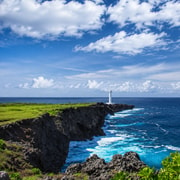
Central Okinawa: American Village & Onna Coast Tour Best deals for Central Okinawa: American Village & Onna Coast Tour. Private 10-hour central Okinawa coast tour from Naha or Onna. Visit American Village, Cape Zanpa or Zakimi, Cape Maeda and Manzamo. Available from getyourguide.com.
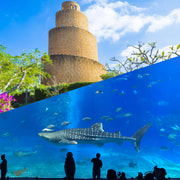
Okinawa Bus: Churaumi or Tropical, Kouri & American Village Best deals for Okinawa Bus: Churaumi or Tropical, Kouri & American Village. Enjoy an efficient overview of Okinawa on a sightseeing bus tour with a smartphone audio guide, visiting Churaumi Aquarium or the Tropical Dream Center, Kouri Island, Cape Manza, and American Village. Available from getyourguide.com.
Niagara River Freedom boat tour with American Departure Canada Plan Niagara River Freedom boat tour with American Departure, a water-based experience, with practical tips on timing, inclusions and what to check before booking. Compare current availability, prices and booking conditions before you go.
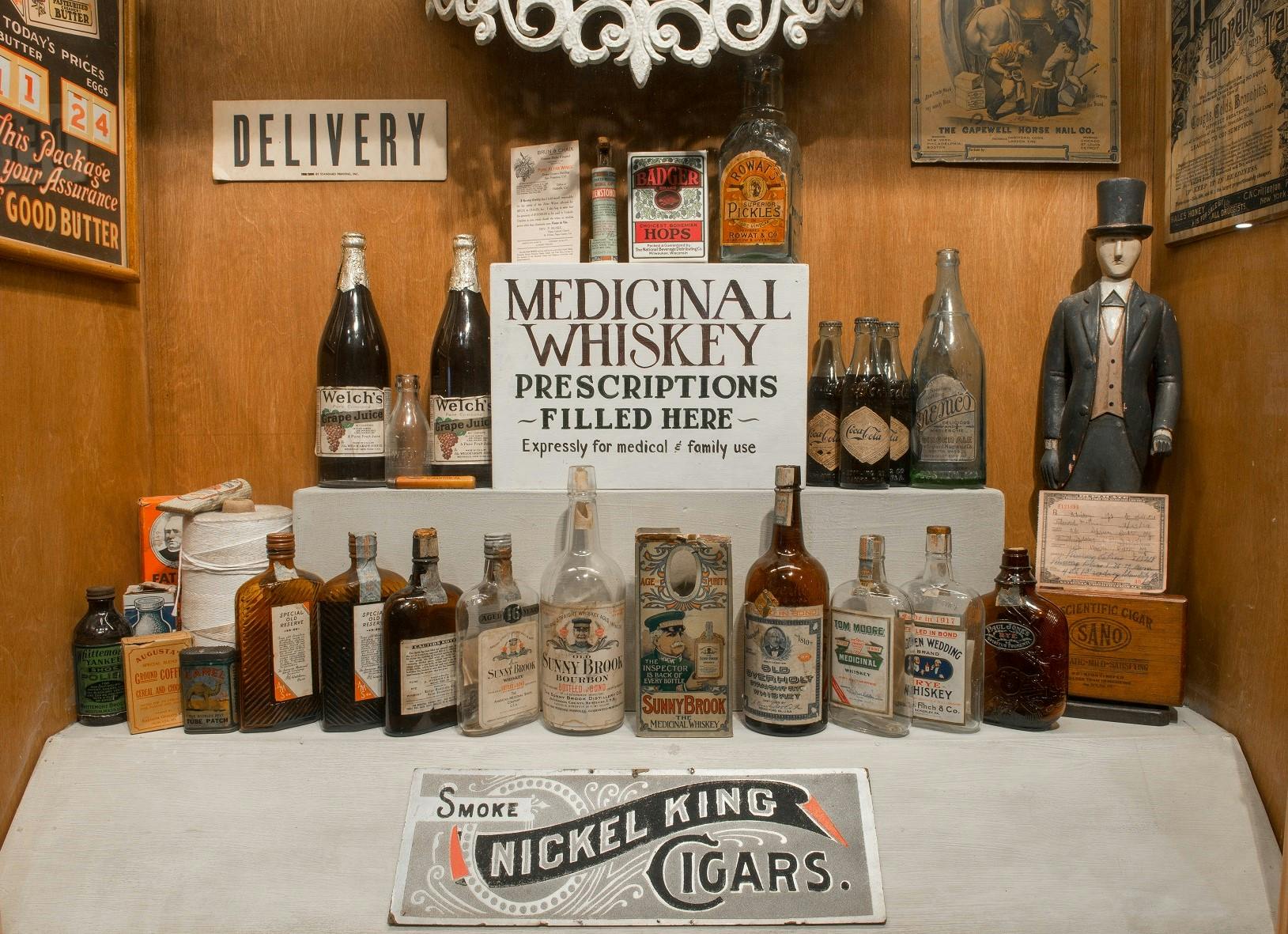
American Prohibition Museum Savannah Tickets – Entry Ticket United States American Prohibition Museum Savannah tickets provides a structured way to visit a notable attraction or cultural site. Check current availability, inclusions and booking details before you go.
Normandy D-Day and American Battlefields Day Trip – Paris Heritage Tour France Normandy D-Day and American battlefields day trip is a convenient way to add structure, local context and purposeful sightseeing to the itinerary. Check current availability, inclusions and booking details before you go.
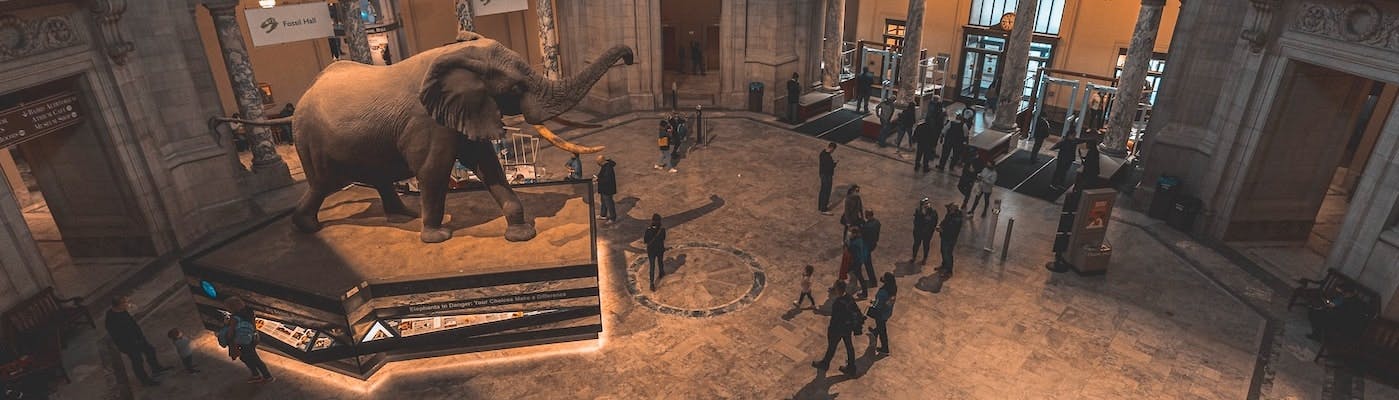
Smithsonian Portrait Gallery & American Art Museum Semi-Private Tour United States Semi-private tour of the Smithsonian National Portrait Gallery and American Art Museum brings several elements of the destination together in one organised experience. Check current availability, inclusions and booking details before you go.