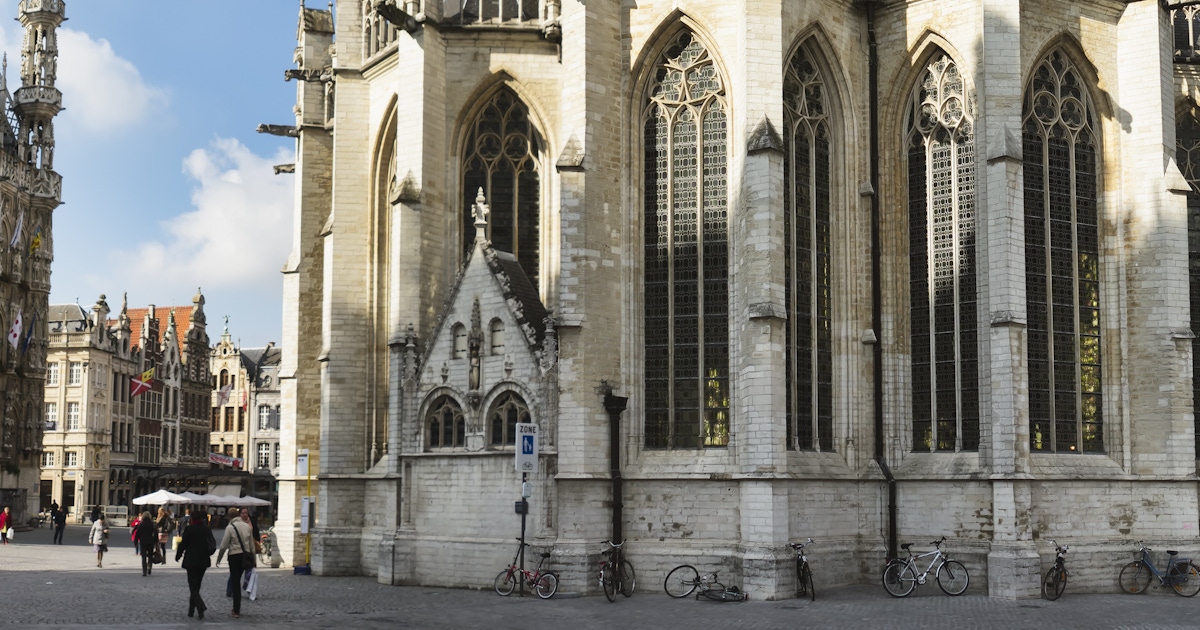
Antwerpen - Merksem City Tours & Sightseeing Experiences Belgium Compare sightseeing experiences in Antwerpen - Merksem, with practical tips on timing, inclusions and choosing the right option. Check current availability, prices and booking conditions before you go.
Why Visit Antwerpen – Merksem
Antwerpen – Merksem blends history, culture, and everyday life into a destination filled with engaging museums and memorable attractions. This guide highlights the kinds of places visitors love and what to expect at each, plus practical tips for planning your day.
Flagship History Museum
The main city history museum in Antwerpen – Merksem typically traces the region from early settlement to the present through artifacts, photographs, and interactive exhibits. Expect rotating shows, a solid gift shop, and helpful context for everything else you’ll see.
Art Museum & Sculpture Garden
A leading art museum usually anchors the local scene with classics, contemporary works, and special exhibitions. If there’s an outdoor sculpture garden, it’s a relaxing way to pair culture with a walk.
Science & Discovery Center
Hands-on galleries make science approachable for all ages—think space, engineering, and ecosystems—often with an IMAX or planetarium.
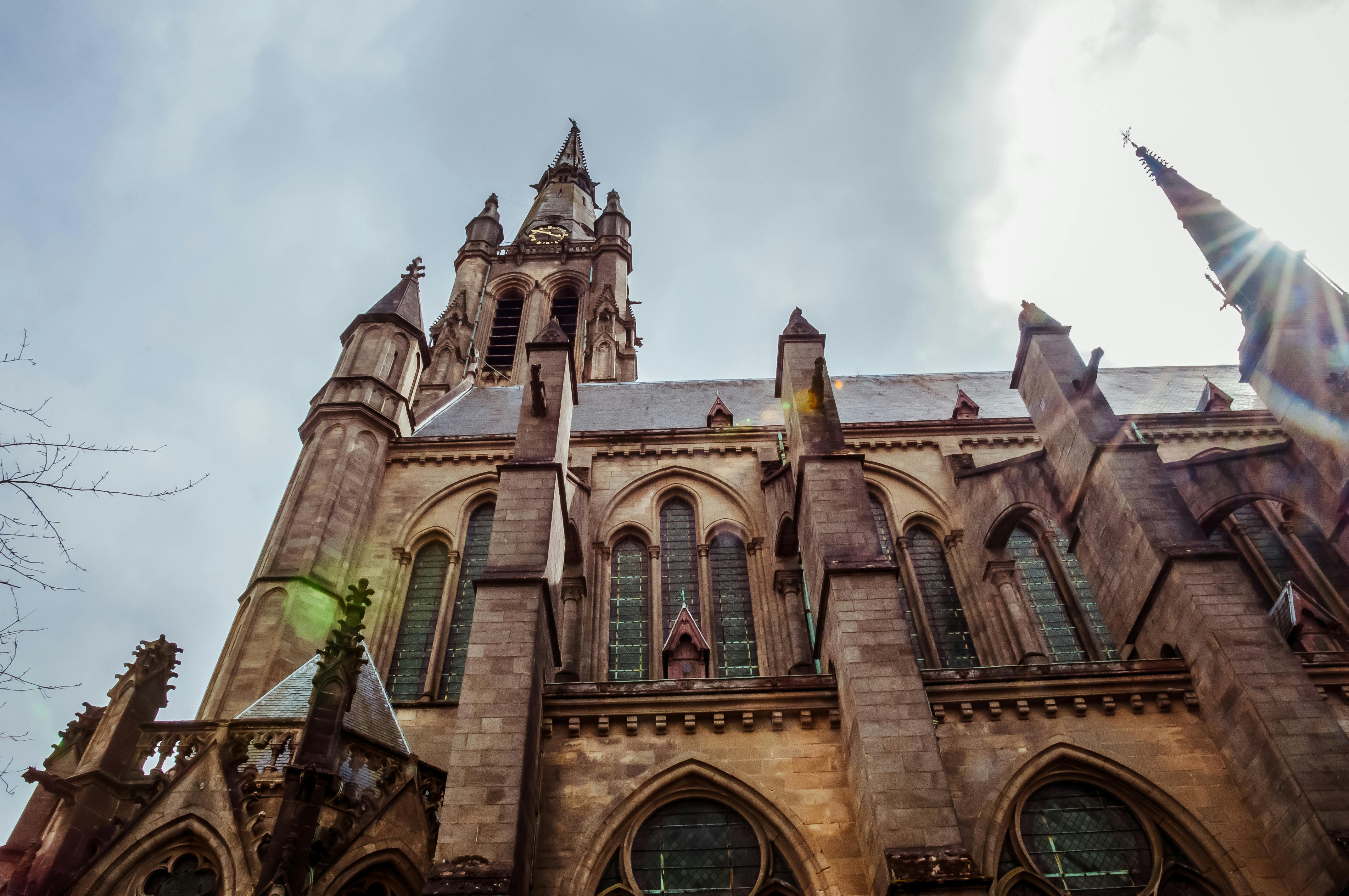
Landmark Cathedral or Temple
Historic houses of worship give insight into Antwerpen – Merksem’s architectural styles and community roots. Many offer guided tours and quiet courtyards.
Iconic Public Square or Old Town
Central plazas and heritage streets concentrate cafes, street performers, and local crafts. They’re perfect for people‑watching and photos.
Riverside, Harbor or Promenade
Waterfront paths and viewpoints provide fresh air and skyline views. Look for sunset spots, public art, and casual dining.
Family Favorite: Zoo, Aquarium, or Insectarium
Animal-focused attractions pair conservation with education. Check feeding schedules or touch‑pools for interactive moments.
Living Culture: Music Hall or Theatre
An intimate performance venue showcases local sound—jazz, folk, or contemporary—making for a memorable night out.
Planning Tips
Buy timed tickets online for popular museums and special exhibits.
Combine nearby sights to minimize travel time; many districts are walkable.
Check weekly free or discounted hours; student, senior, and family passes can reduce costs.
Start early for quieter galleries and better photos.
Bottom Line
From cornerstone museums to living cultural venues and scenic promenades, Antwerpen – Merksem offers a balanced mix of learning, leisure, and local flavor.
Sponsored Popular Items
Quick take: Musement.com offers a worldwide selection of tours and attractions
Antwerpen - Merksem City Tours & Sightseeing Experiences Belgium Compare sightseeing experiences in Antwerpen - Merksem, with practical tips on timing, inclusions and choosing the right option. Check current availability, prices and booking conditions before you go.
Antwerpen Visitor Guide: Top Attractions, Tours & Activities Belgium Antwerpen - Merksem on Musement currently features a small, practical set of experiences you can book online—two self-guided audio tours in Antwerp (both about 2 hours) and one self-guided escape game in…. Check current availability, inclusions and booking details before you go.
Arlon Visitor Guide: Top Attractions, Tours & Activities Belgium Things to do in Arlon : Museums and attractions Belgium Top Museums & Cultural Attractions Arlon Archaeological Museum Home to an exceptional collection of Gallo-Roman and prehistoric artifacts—think…. Check current availability, inclusions and booking details before you go.
Why Visit Arlon
Arlon blends history, culture, and everyday life into a destination filled with engaging museums and memorable attractions. This guide highlights the kinds of places visitors love and what to expect at each, plus practical tips for planning your day.
Flagship History Museum
The main city history museum in Arlon typically traces the region from early settlement to the present through artifacts, photographs, and interactive exhibits. Expect rotating shows, a solid gift shop, and helpful context for everything else you’ll see.
Art Museum & Sculpture Garden
A leading art museum usually anchors the local scene with classics, contemporary works, and special exhibitions. If there’s an outdoor sculpture garden, it’s a relaxing way to pair culture with a walk.
Science & Discovery Center
Hands-on galleries make science approachable for all ages—think space, engineering, and ecosystems—often with an IMAX or planetarium.
Landmark Cathedral or Temple
Historic houses of worship give insight into Arlon’s architectural styles and community roots. Many offer guided tours and quiet courtyards.
Iconic Public Square or Old Town
Central plazas and heritage streets concentrate cafes, street performers, and local crafts. They’re perfect for people‑watching and photos.
Riverside, Harbor or Promenade
Waterfront paths and viewpoints provide fresh air and skyline views. Look for sunset spots, public art, and casual dining.
Family Favorite: Zoo, Aquarium, or Insectarium
Animal-focused attractions pair conservation with education. Check feeding schedules or touch‑pools for interactive moments.
Living Culture: Music Hall or Theatre
An intimate performance venue showcases local sound—jazz, folk, or contemporary—making for a memorable night out.
Planning Tips
Buy timed tickets online for popular museums and special exhibits.
Combine nearby sights to minimize travel time; many districts are walkable.
Check weekly free or discounted hours; student, senior, and family passes can reduce costs.
Start early for quieter galleries and better photos.
Bottom Line
From cornerstone museums to living cultural venues and scenic promenades, Arlon offers a balanced mix of learning, leisure, and local flavor.
Sponsored Popular Items
Quick take: Musement.com offers a worldwide selection of tours and attractions
Arlon Visitor Guide: Top Attractions, Tours & Activities Belgium Things to do in Arlon : Museums and attractions Belgium Top Museums & Cultural Attractions Arlon Archaeological Museum Home to an exceptional collection of Gallo-Roman and prehistoric artifacts—think…. Check current availability, inclusions and booking details before you go.
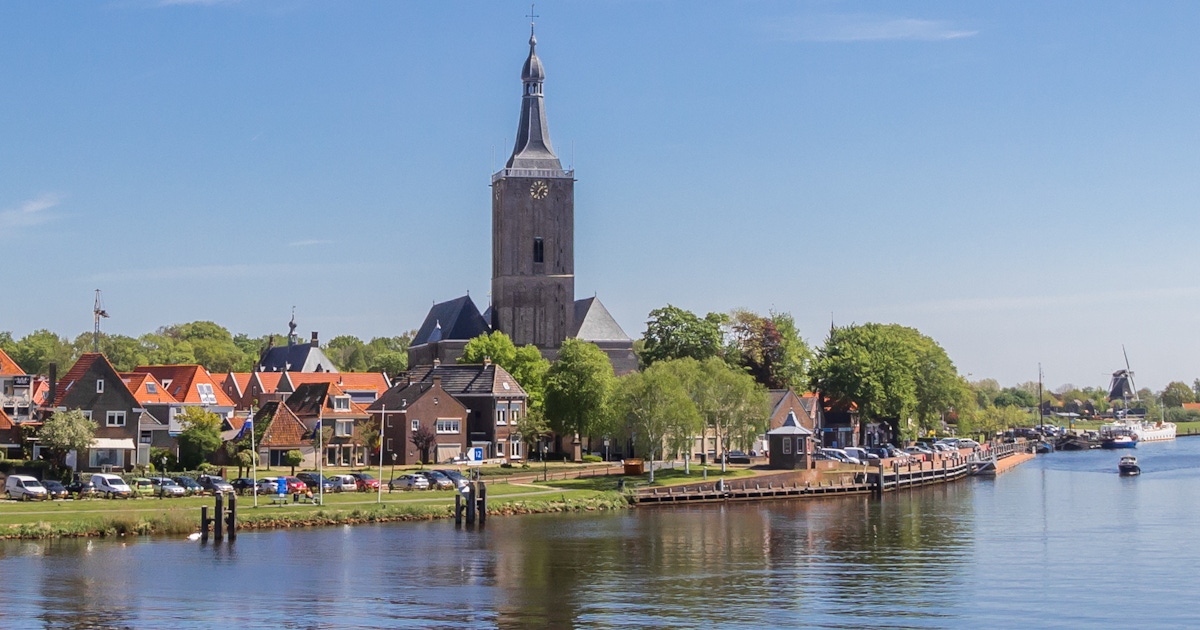
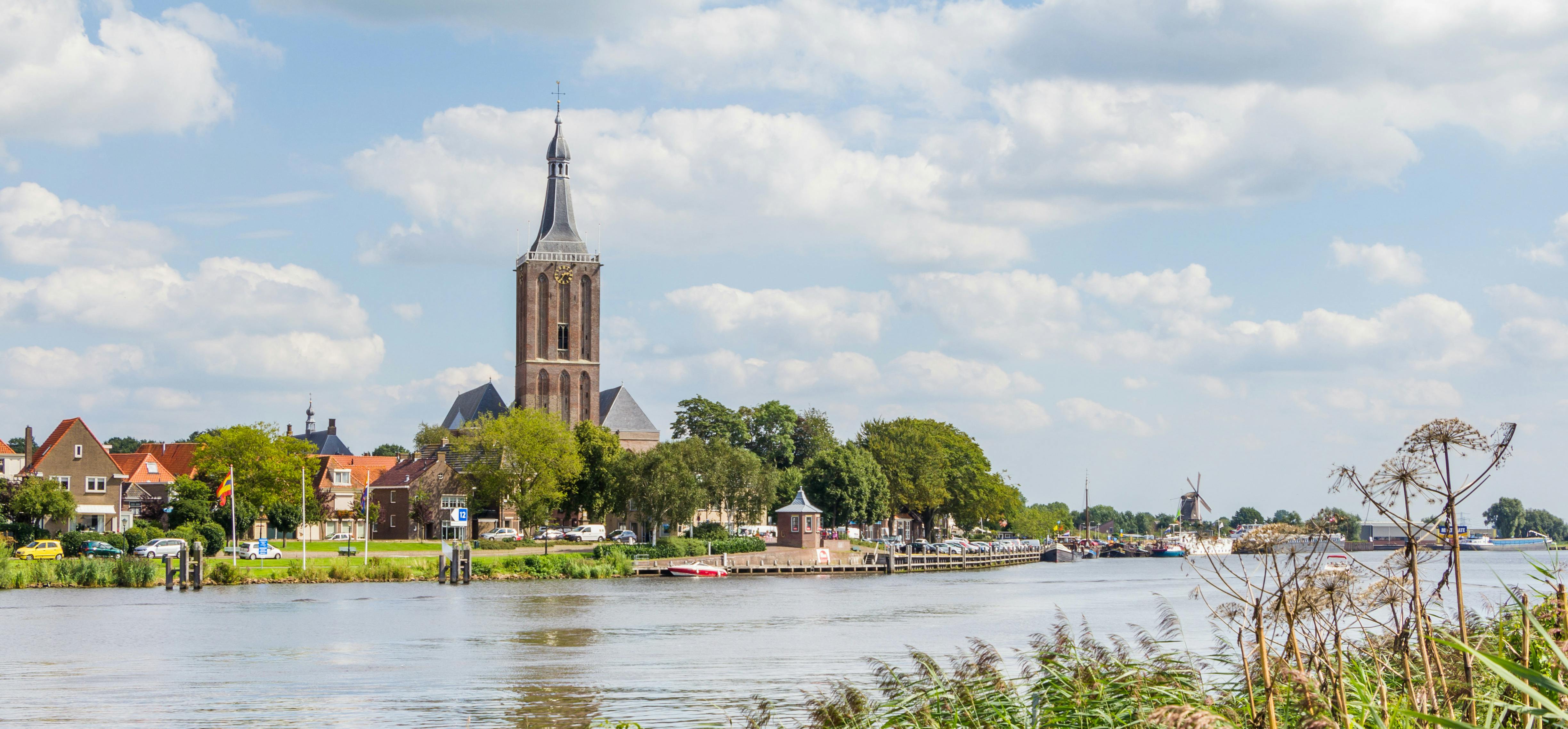
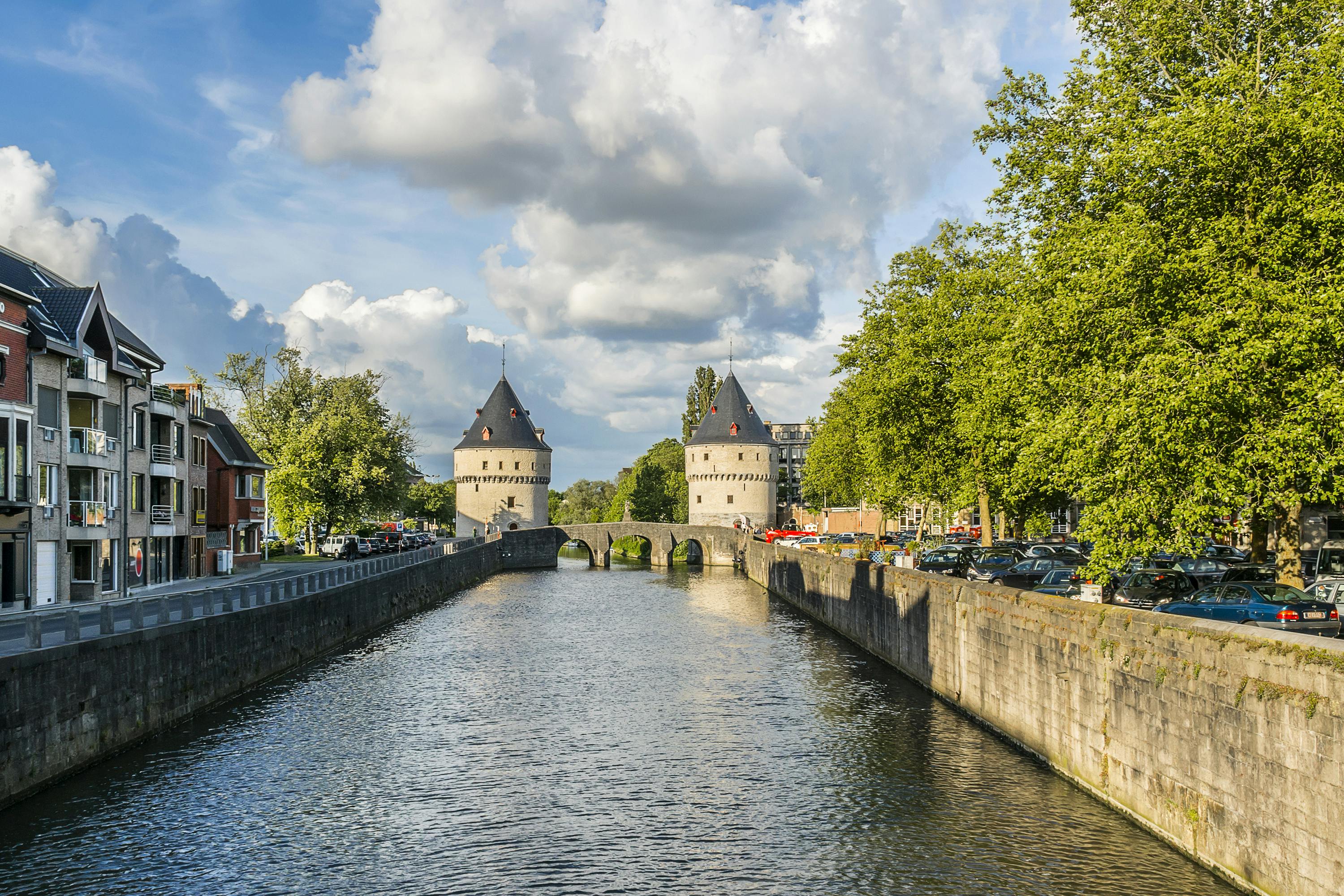
Kortrijk Belgium Museums, tours, & attractions Guide: Attractions, Tours & Experiences Belgium Things to do in Kortrijk Belgium Museums, tours, and attractions Kortrijk, located in the Flemish region of Belgium , is a city steeped in medieval history yet alive with modern charm. Check current availability, inclusions and booking details before you go.
Bastogne Visitor Guide: Top Attractions, Tours & Activities Belgium Quick overview: Bastogne in Wallonia, Belgium is best explored by combining its headline attractions with local neighbourhoods, landscapes and food. Check current availability, inclusions and booking details before you go.
Why Visit Bastogne
Bastogne blends history, culture, and everyday life into a destination filled with engaging museums and memorable attractions. This guide highlights the kinds of places visitors love and what to expect at each, plus practical tips for planning your day.
Flagship History Museum
The main city history museum in Bastogne typically traces the region from early settlement to the present through artifacts, photographs, and interactive exhibits. Expect rotating shows, a solid gift shop, and helpful context for everything else you’ll see.
Art Museum & Sculpture Garden
A leading art museum usually anchors the local scene with classics, contemporary works, and special exhibitions. If there’s an outdoor sculpture garden, it’s a relaxing way to pair culture with a walk.
Science & Discovery Center
Hands-on galleries make science approachable for all ages—think space, engineering, and ecosystems—often with an IMAX or planetarium.
Landmark Cathedral or Temple
Historic houses of worship give insight into Bastogne’s architectural styles and community roots. Many offer guided tours and quiet courtyards.
Iconic Public Square or Old Town
Central plazas and heritage streets concentrate cafes, street performers, and local crafts. They’re perfect for people‑watching and photos.
Riverside, Harbor or Promenade
Waterfront paths and viewpoints provide fresh air and skyline views. Look for sunset spots, public art, and casual dining.
Family Favorite: Zoo, Aquarium, or Insectarium
Animal-focused attractions pair conservation with education. Check feeding schedules or touch‑pools for interactive moments.
Living Culture: Music Hall or Theatre
An intimate performance venue showcases local sound—jazz, folk, or contemporary—making for a memorable night out.
Planning Tips
Buy timed tickets online for popular museums and special exhibits.
Combine nearby sights to minimize travel time; many districts are walkable.
Check weekly free or discounted hours; student, senior, and family passes can reduce costs.
Start early for quieter galleries and better photos.
Bottom Line
From cornerstone museums to living cultural venues and scenic promenades, Bastogne offers a balanced mix of learning, leisure, and local flavor.
Sponsored Popular Items
Quick take: Musement.com offers a worldwide selection of tours and attractions
Bastogne Visitor Guide: Top Attractions, Tours & Activities Belgium Quick overview: Bastogne in Wallonia, Belgium is best explored by combining its headline attractions with local neighbourhoods, landscapes and food. Check current availability, inclusions and booking details before you go.
Blankenberge Visitor Guide: Top Attractions, Tours & Activities Belgium Things to do in Blankenberge: Museums, tours, and attractions Belgium Blankenberge, one of Belgium’s most popular coastal towns, offers a blend of seaside charm, cultural experiences, and family-friendly…. Check current availability, inclusions and booking details before you go.
Why Visit Blankenberge
Blankenberge blends history, culture, and everyday life into a destination filled with engaging museums and memorable attractions. This guide highlights the kinds of places visitors love and what to expect at each, plus practical tips for planning your day.
Flagship History Museum
The main city history museum in Blankenberge typically traces the region from early settlement to the present through artifacts, photographs, and interactive exhibits. Expect rotating shows, a solid gift shop, and helpful context for everything else you’ll see.
Art Museum & Sculpture Garden
A leading art museum usually anchors the local scene with classics, contemporary works, and special exhibitions. If there’s an outdoor sculpture garden, it’s a relaxing way to pair culture with a walk.
Science & Discovery Center
Hands-on galleries make science approachable for all ages—think space, engineering, and ecosystems—often with an IMAX or planetarium.
Landmark Cathedral or Temple
Historic houses of worship give insight into Blankenberge’s architectural styles and community roots. Many offer guided tours and quiet courtyards.
Iconic Public Square or Old Town
Central plazas and heritage streets concentrate cafes, street performers, and local crafts. They’re perfect for people‑watching and photos.
Riverside, Harbor or Promenade
Waterfront paths and viewpoints provide fresh air and skyline views. Look for sunset spots, public art, and casual dining.
Family Favorite: Zoo, Aquarium, or Insectarium
Animal-focused attractions pair conservation with education. Check feeding schedules or touch‑pools for interactive moments.
Living Culture: Music Hall or Theatre
An intimate performance venue showcases local sound—jazz, folk, or contemporary—making for a memorable night out.
Planning Tips
Buy timed tickets online for popular museums and special exhibits.
Combine nearby sights to minimize travel time; many districts are walkable.
Check weekly free or discounted hours; student, senior, and family passes can reduce costs.
Start early for quieter galleries and better photos.
Bottom Line
From cornerstone museums to living cultural venues and scenic promenades, Blankenberge offers a balanced mix of learning, leisure, and local flavor.
Sponsored Popular Items
Quick take: Musement.com offers a worldwide selection of tours and attractions
Blankenberge Visitor Guide: Top Attractions, Tours & Activities Belgium Things to do in Blankenberge: Museums, tours, and attractions Belgium Blankenberge, one of Belgium’s most popular coastal towns, offers a blend of seaside charm, cultural experiences, and family-friendly…. Check current availability, inclusions and booking details before you go.
Kortrijk Belgium Museums, tours, & attractions Guide: Attractions, Tours & Experiences Belgium Things to do in Kortrijk Belgium Museums, tours, and attractions Kortrijk, located in the Flemish region of Belgium , is a city steeped in medieval history yet alive with modern charm. Check current availability, inclusions and booking details before you go.
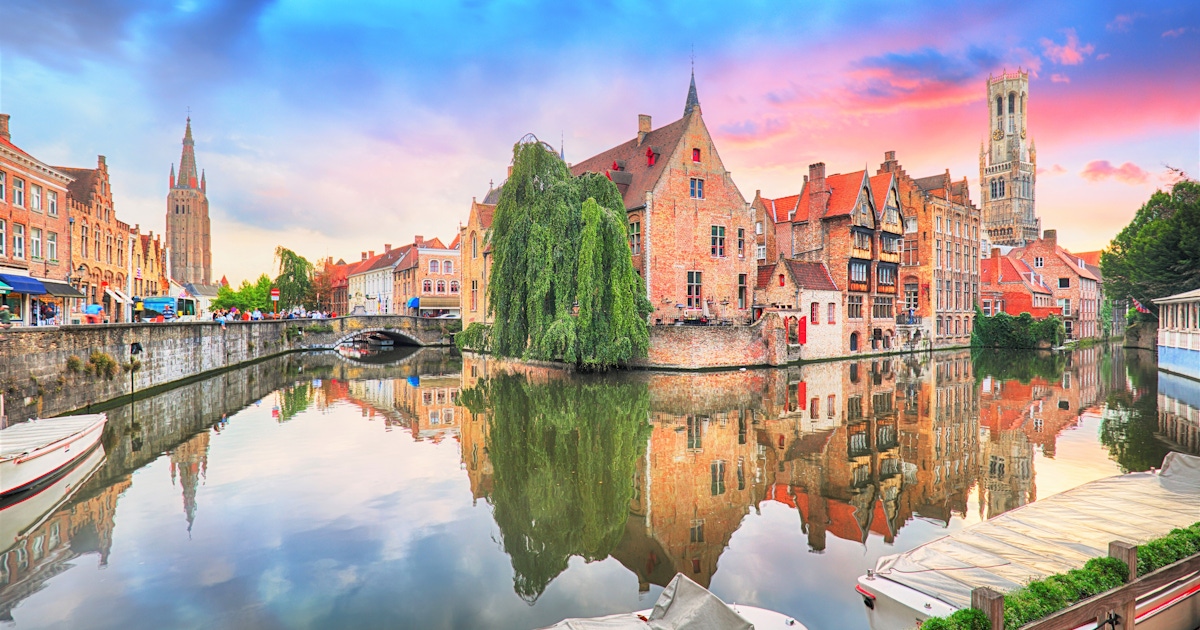
Explore museums and attractions in Explore Bruges A Fairytale City of Canals Cobblestones and Culture—from flagship history and art spaces to science centers, family picks, and scenic promenades.
Sponsored Popular Items
Quick take: Musement.com offers a worldwide selection of tours and attractions
Bruges Visitor Guide: Canals, Culture & Historic Streets Belgium Explore Bruges: A Fairytale City of Canals, Cobblestones, and Culture Bruges, often called the “Venice of the North,” is a city that feels like it has been frozen in time. Check current availability, inclusions and booking details before you go.
Why Visit Explore Bruges A Fairytale City of Canals Cobblestones and Culture
Explore Bruges A Fairytale City of Canals Cobblestones and Culture blends history, culture, and everyday life into a destination filled with engaging museums and memorable attractions. This guide highlights the kinds of places visitors love and what to expect at each, plus practical tips for planning your day.
Flagship History Museum
The main city history museum in Explore Bruges A Fairytale City of Canals Cobblestones and Culture typically traces the region from early settlement to the present through artifacts, photographs, and interactive exhibits. Expect rotating shows, a solid gift shop, and helpful context for everything else you’ll see.
Art Museum & Sculpture Garden
A leading art museum usually anchors the local scene with classics, contemporary works, and special exhibitions. If there’s an outdoor sculpture garden, it’s a relaxing way to pair culture with a walk.
Science & Discovery Center
Hands-on galleries make science approachable for all ages—think space, engineering, and ecosystems—often with an IMAX or planetarium.
Landmark Cathedral or Temple
Historic houses of worship give insight into Explore Bruges A Fairytale City of Canals Cobblestones and Culture’s architectural styles and community roots. Many offer guided tours and quiet courtyards.
Iconic Public Square or Old Town
Central plazas and heritage streets concentrate cafes, street performers, and local crafts. They’re perfect for people‑watching and photos.
Riverside, Harbor or Promenade
Waterfront paths and viewpoints provide fresh air and skyline views. Look for sunset spots, public art, and casual dining.
Family Favorite: Zoo, Aquarium, or Insectarium
Animal-focused attractions pair conservation with education. Check feeding schedules or touch‑pools for interactive moments.
Living Culture: Music Hall or Theatre
An intimate performance venue showcases local sound—jazz, folk, or contemporary—making for a memorable night out.
Planning Tips
Buy timed tickets online for popular museums and special exhibits.
Combine nearby sights to minimize travel time; many districts are walkable.
Check weekly free or discounted hours; student, senior, and family passes can reduce costs.
Start early for quieter galleries and better photos.
Bottom Line
From cornerstone museums to living cultural venues and scenic promenades, Explore Bruges A Fairytale City of Canals Cobblestones and Culture offers a balanced mix of learning, leisure, and local flavor.
Sponsored Popular Items
Quick take: Musement.com offers a worldwide selection of tours and attractions
Bruges Visitor Guide: Canals, Culture & Historic Streets Belgium Explore Bruges: A Fairytale City of Canals, Cobblestones, and Culture Bruges, often called the “Venice of the North,” is a city that feels like it has been frozen in time. Check current availability, inclusions and booking details before you go.
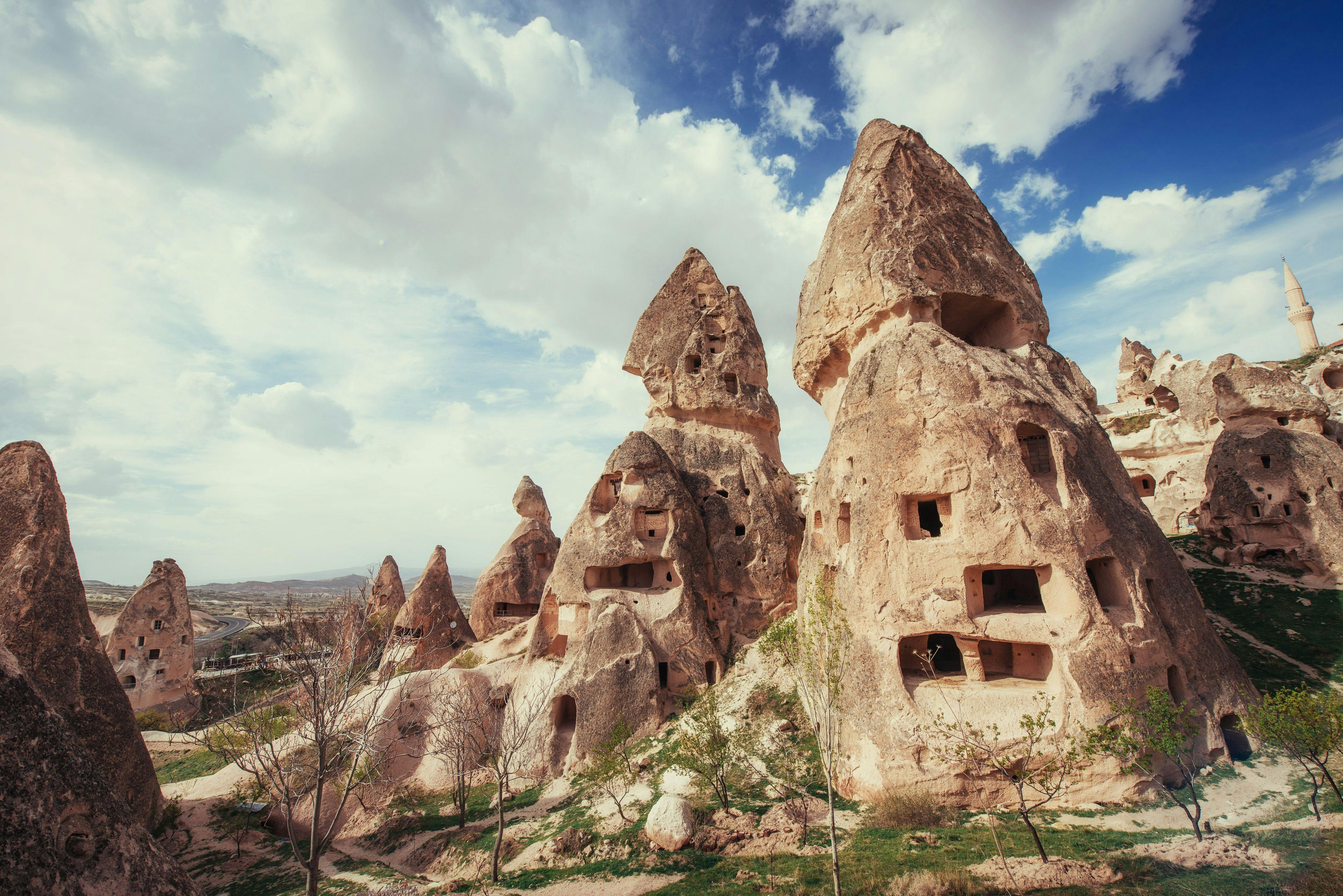
Fairytale Cappadocia Private Day Tour Turkey Fairytale Cappadocia private day tour brings several elements of the destination together in one organised experience. Check current availability, inclusions and booking details before you go.
Brussels Food Tour with Full Meal Belgium - Food & Drink Experience Brussels Food Tour with Full Meal Belgium explores the destination through flavour, regional customs and the stories connected with food or drink. Check current availability, inclusions and booking details before you go.
Why Visit Brussels
Brussels blends history, culture, and everyday life into a destination filled with engaging museums and memorable attractions. This guide highlights the kinds of places visitors love and what to expect at each, plus practical tips for planning your day.
Flagship History Museum
The main city history museum in Brussels typically traces the region from early settlement to the present through artifacts, photographs, and interactive exhibits. Expect rotating shows, a solid gift shop, and helpful context for everything else you’ll see.
Art Museum & Sculpture Garden
A leading art museum usually anchors the local scene with classics, contemporary works, and special exhibitions. If there’s an outdoor sculpture garden, it’s a relaxing way to pair culture with a walk.
Science & Discovery Center
Hands-on galleries make science approachable for all ages—think space, engineering, and ecosystems—often with an IMAX or planetarium.
Landmark Cathedral or Temple
Historic houses of worship give insight into Brussels’s architectural styles and community roots. Many offer guided tours and quiet courtyards.
Iconic Public Square or Old Town
Central plazas and heritage streets concentrate cafes, street performers, and local crafts. They’re perfect for people‑watching and photos.
Riverside, Harbor or Promenade
Waterfront paths and viewpoints provide fresh air and skyline views. Look for sunset spots, public art, and casual dining.
Family Favorite: Zoo, Aquarium, or Insectarium
Animal-focused attractions pair conservation with education. Check feeding schedules or touch‑pools for interactive moments.
Living Culture: Music Hall or Theatre
An intimate performance venue showcases local sound—jazz, folk, or contemporary—making for a memorable night out.
Planning Tips
Buy timed tickets online for popular museums and special exhibits.
Combine nearby sights to minimize travel time; many districts are walkable.
Check weekly free or discounted hours; student, senior, and family passes can reduce costs.
Start early for quieter galleries and better photos.
Bottom Line
From cornerstone museums to living cultural venues and scenic promenades, Brussels offers a balanced mix of learning, leisure, and local flavor.
Sponsored Popular Items
Quick take: Musement.com offers a worldwide selection of tours and attractions
Brussels Food Tour with Full Meal Belgium - Food & Drink Experience Brussels Food Tour with Full Meal Belgium explores the destination through flavour, regional customs and the stories connected with food or drink. Check current availability, inclusions and booking details before you go.
Kortrijk Belgium Museums, tours, & attractions Guide: Attractions, Tours & Experiences Belgium Things to do in Kortrijk Belgium Museums, tours, and attractions Kortrijk, located in the Flemish region of Belgium , is a city steeped in medieval history yet alive with modern charm. Check current availability, inclusions and booking details before you go.
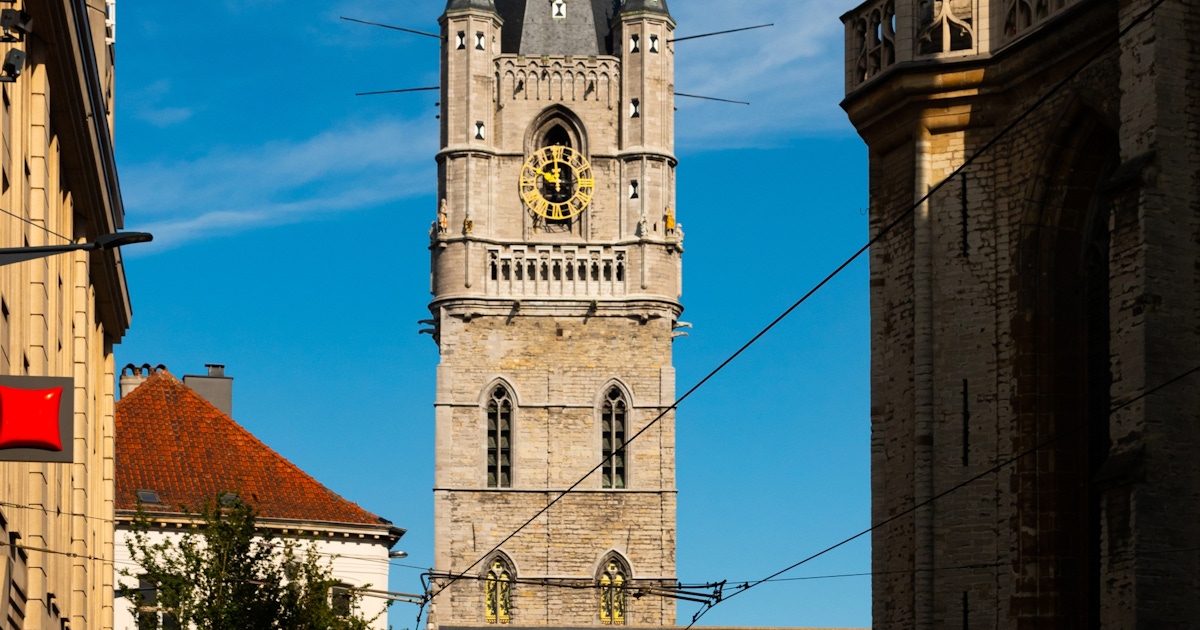
Explore museums and attractions in Explore Ghent Top Things to Do Why You Should Book Ahead—from flagship history and art spaces to science centers, family picks, and scenic promenades.
Sponsored Popular Items
Quick take: Musement.com offers a worldwide selection of tours and attractions
Best Neighborhoods in Melbourne: Where Should You Go? Multiple Countries Aimee Long is a Chicago-based travel writer and lover of cool-weather destinations, all things Asian cuisine, (trying to) pet cats in cities across the globe, and—most of all—writing… Check current availability, inclusions and booking conditions.
Why Visit Explore Ghent Top Things to Do Why You Should Book Ahead
Explore Ghent Top Things to Do Why You Should Book Ahead blends history, culture, and everyday life into a destination filled with engaging museums and memorable attractions. This guide highlights the kinds of places visitors love and what to expect at each, plus practical tips for planning your day.
Flagship History Museum
The main city history museum in Explore Ghent Top Things to Do Why You Should Book Ahead typically traces the region from early settlement to the present through artifacts, photographs, and interactive exhibits. Expect rotating shows, a solid gift shop, and helpful context for everything else you’ll see.
Art Museum & Sculpture Garden
A leading art museum usually anchors the local scene with classics, contemporary works, and special exhibitions. If there’s an outdoor sculpture garden, it’s a relaxing way to pair culture with a walk.
Science & Discovery Center
Hands-on galleries make science approachable for all ages—think space, engineering, and ecosystems—often with an IMAX or planetarium.
Landmark Cathedral or Temple
Historic houses of worship give insight into Explore Ghent Top Things to Do Why You Should Book Ahead’s architectural styles and community roots. Many offer guided tours and quiet courtyards.
Iconic Public Square or Old Town
Central plazas and heritage streets concentrate cafes, street performers, and local crafts. They’re perfect for people‑watching and photos.
Riverside, Harbor or Promenade
Waterfront paths and viewpoints provide fresh air and skyline views. Look for sunset spots, public art, and casual dining.
Family Favorite: Zoo, Aquarium, or Insectarium
Animal-focused attractions pair conservation with education. Check feeding schedules or touch‑pools for interactive moments.
Living Culture: Music Hall or Theatre
An intimate performance venue showcases local sound—jazz, folk, or contemporary—making for a memorable night out.
Planning Tips
Buy timed tickets online for popular museums and special exhibits.
Combine nearby sights to minimize travel time; many districts are walkable.
Check weekly free or discounted hours; student, senior, and family passes can reduce costs.
Start early for quieter galleries and better photos.
Bottom Line
From cornerstone museums to living cultural venues and scenic promenades, Explore Ghent Top Things to Do Why You Should Book Ahead offers a balanced mix of learning, leisure, and local flavor.
Sponsored Popular Items
Quick take: Musement.com offers a worldwide selection of tours and attractions
Best Neighborhoods in Melbourne: Where Should You Go? Multiple Countries Aimee Long is a Chicago-based travel writer and lover of cool-weather destinations, all things Asian cuisine, (trying to) pet cats in cities across the globe, and—most of all—writing… Check current availability, inclusions and booking conditions.
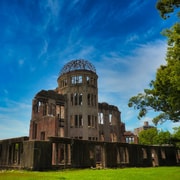
Hiroshima Historical Walking Tour - Why the A-Bomb was Dropped Best deals for Hiroshima Historical Walking Tour - Why the A-Bomb was Dropped. Join us on a profound journey through Hiroshima to understand why the atomic bomb was dropped on this city. Available from getyourguide.com.
Sydney: Dee Why Beach Group Surfing Lesson Australia Learn to surf at Dee Why Beach with a group lesson. Enjoy a fun, social, and supportive environment as you learn the art of surfing with a professional surf coach.
Hasselt blends history, culture, and everyday life into a destination filled with engaging museums and memorable attractions. This guide highlights the kinds of places visitors love and what to expect at each, plus practical tips for planning your day.
Flagship History Museum
The main city history museum in Hasselt typically traces the region from early settlement to the present through artifacts, photographs, and interactive exhibits. Expect rotating shows, a solid gift shop, and helpful context for everything else you’ll see.
Art Museum & Sculpture Garden
A leading art museum usually anchors the local scene with classics, contemporary works, and special exhibitions. If there’s an outdoor sculpture garden, it’s a relaxing way to pair culture with a walk.
Science & Discovery Center
Hands-on galleries make science approachable for all ages—think space, engineering, and ecosystems—often with an IMAX or planetarium.
Landmark Cathedral or Temple
Historic houses of worship give insight into Hasselt’s architectural styles and community roots. Many offer guided tours and quiet courtyards.
Iconic Public Square or Old Town
Central plazas and heritage streets concentrate cafes, street performers, and local crafts. They’re perfect for people‑watching and photos.
Riverside, Harbor or Promenade
Waterfront paths and viewpoints provide fresh air and skyline views. Look for sunset spots, public art, and casual dining.
Family Favorite: Zoo, Aquarium, or Insectarium
Animal-focused attractions pair conservation with education. Check feeding schedules or touch‑pools for interactive moments.
Living Culture: Music Hall or Theatre
An intimate performance venue showcases local sound—jazz, folk, or contemporary—making for a memorable night out.
Planning Tips
Buy timed tickets online for popular museums and special exhibits.
Combine nearby sights to minimize travel time; many districts are walkable.
Check weekly free or discounted hours; student, senior, and family passes can reduce costs.
Start early for quieter galleries and better photos.
Bottom Line
From cornerstone museums to living cultural venues and scenic promenades, Hasselt offers a balanced mix of learning, leisure, and local flavor.
Sponsored Popular Items
Quick take: Musement.com offers a worldwide selection of tours and attractions
Hasselt Visitor Guide: Top Attractions, Tours & Activities Belgium Things to do in Hasselt: Museums, tours, and attractions Belgium Hasselt, the capital of Belgium’s Limburg province , is a charming city known for its fashion, flavour, and friendly atmosphere. Check current availability, inclusions and booking details before you go.
Explore museums and attractions in Kortrijk Belgium Museums—from flagship history and art spaces to science centers, family picks, and scenic promenades.
Sponsored Popular Items
Quick take: Musement.com offers a worldwide selection of tours and attractions
Kortrijk Belgium Museums, tours, & attractions Guide: Attractions, Tours & Experiences Belgium Things to do in Kortrijk Belgium Museums, tours, and attractions Kortrijk, located in the Flemish region of Belgium , is a city steeped in medieval history yet alive with modern charm. Check current availability, inclusions and booking details before you go.
Why Visit Kortrijk Belgium Museums
Kortrijk Belgium Museums blends history, culture, and everyday life into a destination filled with engaging museums and memorable attractions. This guide highlights the kinds of places visitors love and what to expect at each, plus practical tips for planning your day.
Flagship History Museum
The main city history museum in Kortrijk Belgium Museums typically traces the region from early settlement to the present through artifacts, photographs, and interactive exhibits. Expect rotating shows, a solid gift shop, and helpful context for everything else you’ll see.
Art Museum & Sculpture Garden
A leading art museum usually anchors the local scene with classics, contemporary works, and special exhibitions. If there’s an outdoor sculpture garden, it’s a relaxing way to pair culture with a walk.
Science & Discovery Center
Hands-on galleries make science approachable for all ages—think space, engineering, and ecosystems—often with an IMAX or planetarium.
Landmark Cathedral or Temple
Historic houses of worship give insight into Kortrijk Belgium Museums’s architectural styles and community roots. Many offer guided tours and quiet courtyards.
Iconic Public Square or Old Town
Central plazas and heritage streets concentrate cafes, street performers, and local crafts. They’re perfect for people‑watching and photos.
Riverside, Harbor or Promenade
Waterfront paths and viewpoints provide fresh air and skyline views. Look for sunset spots, public art, and casual dining.
Family Favorite: Zoo, Aquarium, or Insectarium
Animal-focused attractions pair conservation with education. Check feeding schedules or touch‑pools for interactive moments.
Living Culture: Music Hall or Theatre
An intimate performance venue showcases local sound—jazz, folk, or contemporary—making for a memorable night out.
Planning Tips
Buy timed tickets online for popular museums and special exhibits.
Combine nearby sights to minimize travel time; many districts are walkable.
Check weekly free or discounted hours; student, senior, and family passes can reduce costs.
Start early for quieter galleries and better photos.
Bottom Line
From cornerstone museums to living cultural venues and scenic promenades, Kortrijk Belgium Museums offers a balanced mix of learning, leisure, and local flavor.
Sponsored Popular Items
Quick take: Musement.com offers a worldwide selection of tours and attractions
Kortrijk Belgium Museums, tours, & attractions Guide: Attractions, Tours & Experiences Belgium Things to do in Kortrijk Belgium Museums, tours, and attractions Kortrijk, located in the Flemish region of Belgium , is a city steeped in medieval history yet alive with modern charm. Check current availability, inclusions and booking details before you go.
Explore museums and attractions in Leuven Belgium Museums—from flagship history and art spaces to science centers, family picks, and scenic promenades.
Sponsored Popular Items
Quick take: Musement.com offers a worldwide selection of tours and attractions
Leuven Visitor Guide: Museums, Historic Sights, Tours & Attractions Belgium Things to do in Leuven Belgium Museums, tours, and attractions Leuven, the lively university city of Belgium, blends historic charm with a youthful energy. Check current availability, inclusions and booking details before you go.
Why Visit Leuven Belgium Museums
Leuven Belgium Museums blends history, culture, and everyday life into a destination filled with engaging museums and memorable attractions. This guide highlights the kinds of places visitors love and what to expect at each, plus practical tips for planning your day.
Flagship History Museum
The main city history museum in Leuven Belgium Museums typically traces the region from early settlement to the present through artifacts, photographs, and interactive exhibits. Expect rotating shows, a solid gift shop, and helpful context for everything else you’ll see.
Art Museum & Sculpture Garden
A leading art museum usually anchors the local scene with classics, contemporary works, and special exhibitions. If there’s an outdoor sculpture garden, it’s a relaxing way to pair culture with a walk.
Science & Discovery Center
Hands-on galleries make science approachable for all ages—think space, engineering, and ecosystems—often with an IMAX or planetarium.
Landmark Cathedral or Temple
Historic houses of worship give insight into Leuven Belgium Museums’s architectural styles and community roots. Many offer guided tours and quiet courtyards.
Iconic Public Square or Old Town
Central plazas and heritage streets concentrate cafes, street performers, and local crafts. They’re perfect for people‑watching and photos.
Riverside, Harbor or Promenade
Waterfront paths and viewpoints provide fresh air and skyline views. Look for sunset spots, public art, and casual dining.
Family Favorite: Zoo, Aquarium, or Insectarium
Animal-focused attractions pair conservation with education. Check feeding schedules or touch‑pools for interactive moments.
Living Culture: Music Hall or Theatre
An intimate performance venue showcases local sound—jazz, folk, or contemporary—making for a memorable night out.
Planning Tips
Buy timed tickets online for popular museums and special exhibits.
Combine nearby sights to minimize travel time; many districts are walkable.
Check weekly free or discounted hours; student, senior, and family passes can reduce costs.
Start early for quieter galleries and better photos.
Bottom Line
From cornerstone museums to living cultural venues and scenic promenades, Leuven Belgium Museums offers a balanced mix of learning, leisure, and local flavor.
Sponsored Popular Items
Quick take: Musement.com offers a worldwide selection of tours and attractions
Leuven Visitor Guide: Museums, Historic Sights, Tours & Attractions Belgium Things to do in Leuven Belgium Museums, tours, and attractions Leuven, the lively university city of Belgium, blends historic charm with a youthful energy. Check current availability, inclusions and booking details before you go.
Kortrijk Belgium Museums, tours, & attractions Guide: Attractions, Tours & Experiences Belgium Things to do in Kortrijk Belgium Museums, tours, and attractions Kortrijk, located in the Flemish region of Belgium , is a city steeped in medieval history yet alive with modern charm. Check current availability, inclusions and booking details before you go.
Lichtaart Visitor Guide: Top Attractions, Tours & Activities Belgium Things to do in Lichtaart : Museums and attractions Belgium Lichtaart, a charming village in the Antwerp Province of Belgium, is surrounded by natural beauty and offers a peaceful escape with…. Check current availability, inclusions and booking details before you go.
Why Visit Lichtaart
Lichtaart blends history, culture, and everyday life into a destination filled with engaging museums and memorable attractions. This guide highlights the kinds of places visitors love and what to expect at each, plus practical tips for planning your day.
Flagship History Museum
The main city history museum in Lichtaart typically traces the region from early settlement to the present through artifacts, photographs, and interactive exhibits. Expect rotating shows, a solid gift shop, and helpful context for everything else you’ll see.
Art Museum & Sculpture Garden
A leading art museum usually anchors the local scene with classics, contemporary works, and special exhibitions. If there’s an outdoor sculpture garden, it’s a relaxing way to pair culture with a walk.
Science & Discovery Center
Hands-on galleries make science approachable for all ages—think space, engineering, and ecosystems—often with an IMAX or planetarium.
Landmark Cathedral or Temple
Historic houses of worship give insight into Lichtaart’s architectural styles and community roots. Many offer guided tours and quiet courtyards.
Iconic Public Square or Old Town
Central plazas and heritage streets concentrate cafes, street performers, and local crafts. They’re perfect for people‑watching and photos.
Riverside, Harbor or Promenade
Waterfront paths and viewpoints provide fresh air and skyline views. Look for sunset spots, public art, and casual dining.
Family Favorite: Zoo, Aquarium, or Insectarium
Animal-focused attractions pair conservation with education. Check feeding schedules or touch‑pools for interactive moments.
Living Culture: Music Hall or Theatre
An intimate performance venue showcases local sound—jazz, folk, or contemporary—making for a memorable night out.
Planning Tips
Buy timed tickets online for popular museums and special exhibits.
Combine nearby sights to minimize travel time; many districts are walkable.
Check weekly free or discounted hours; student, senior, and family passes can reduce costs.
Start early for quieter galleries and better photos.
Bottom Line
From cornerstone museums to living cultural venues and scenic promenades, Lichtaart offers a balanced mix of learning, leisure, and local flavor.
Sponsored Popular Items
Quick take: Musement.com offers a worldwide selection of tours and attractions
Lichtaart Visitor Guide: Top Attractions, Tours & Activities Belgium Things to do in Lichtaart : Museums and attractions Belgium Lichtaart, a charming village in the Antwerp Province of Belgium, is surrounded by natural beauty and offers a peaceful escape with…. Check current availability, inclusions and booking details before you go.
Kortrijk Belgium Museums, tours, & attractions Guide: Attractions, Tours & Experiences Belgium Things to do in Kortrijk Belgium Museums, tours, and attractions Kortrijk, located in the Flemish region of Belgium , is a city steeped in medieval history yet alive with modern charm. Check current availability, inclusions and booking details before you go.
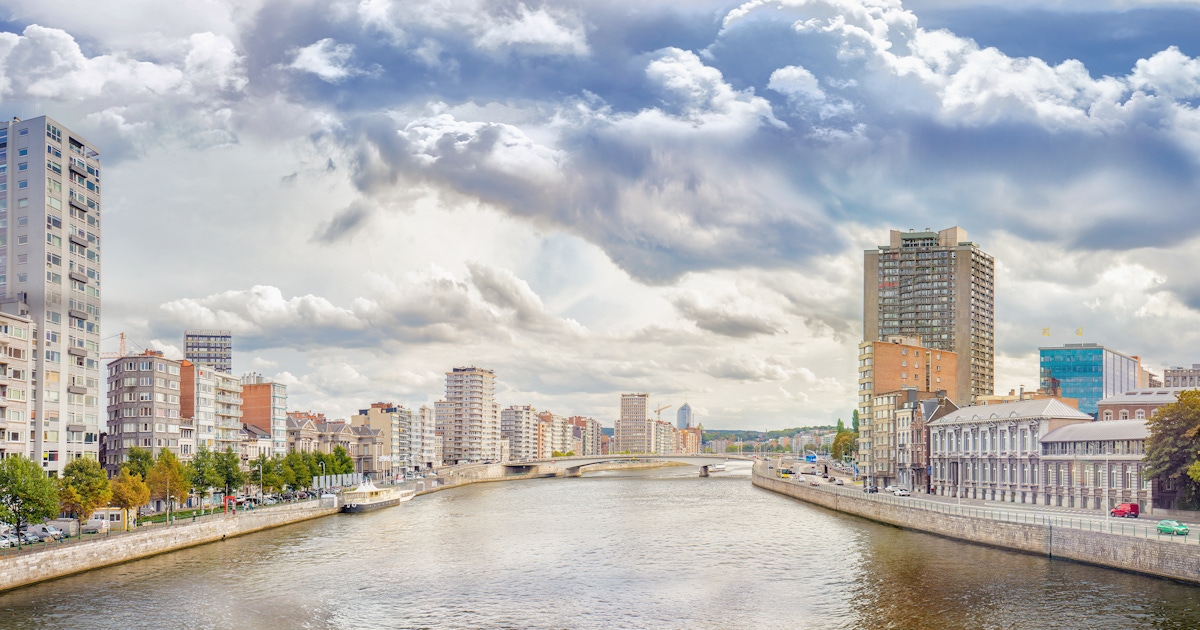
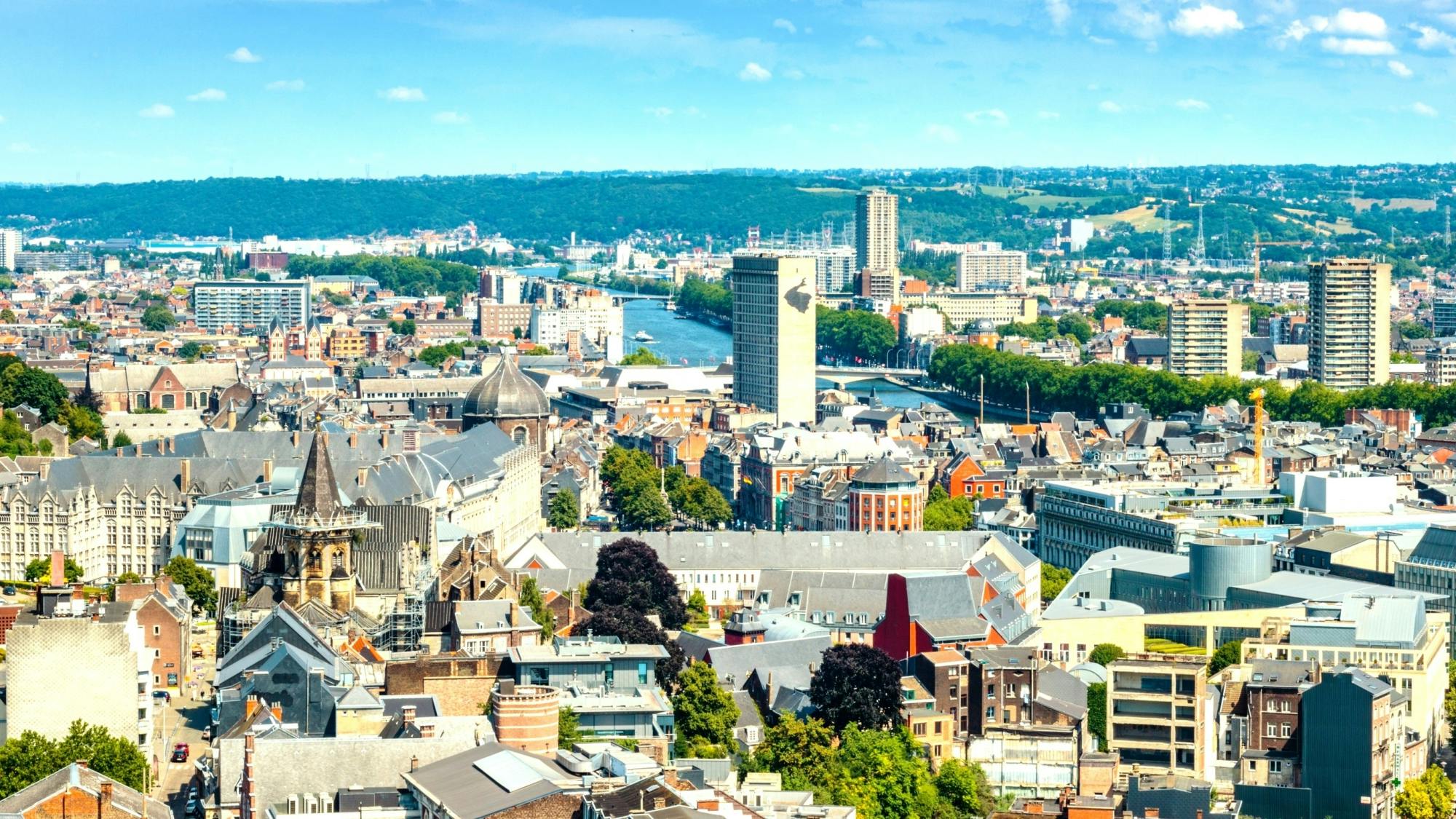
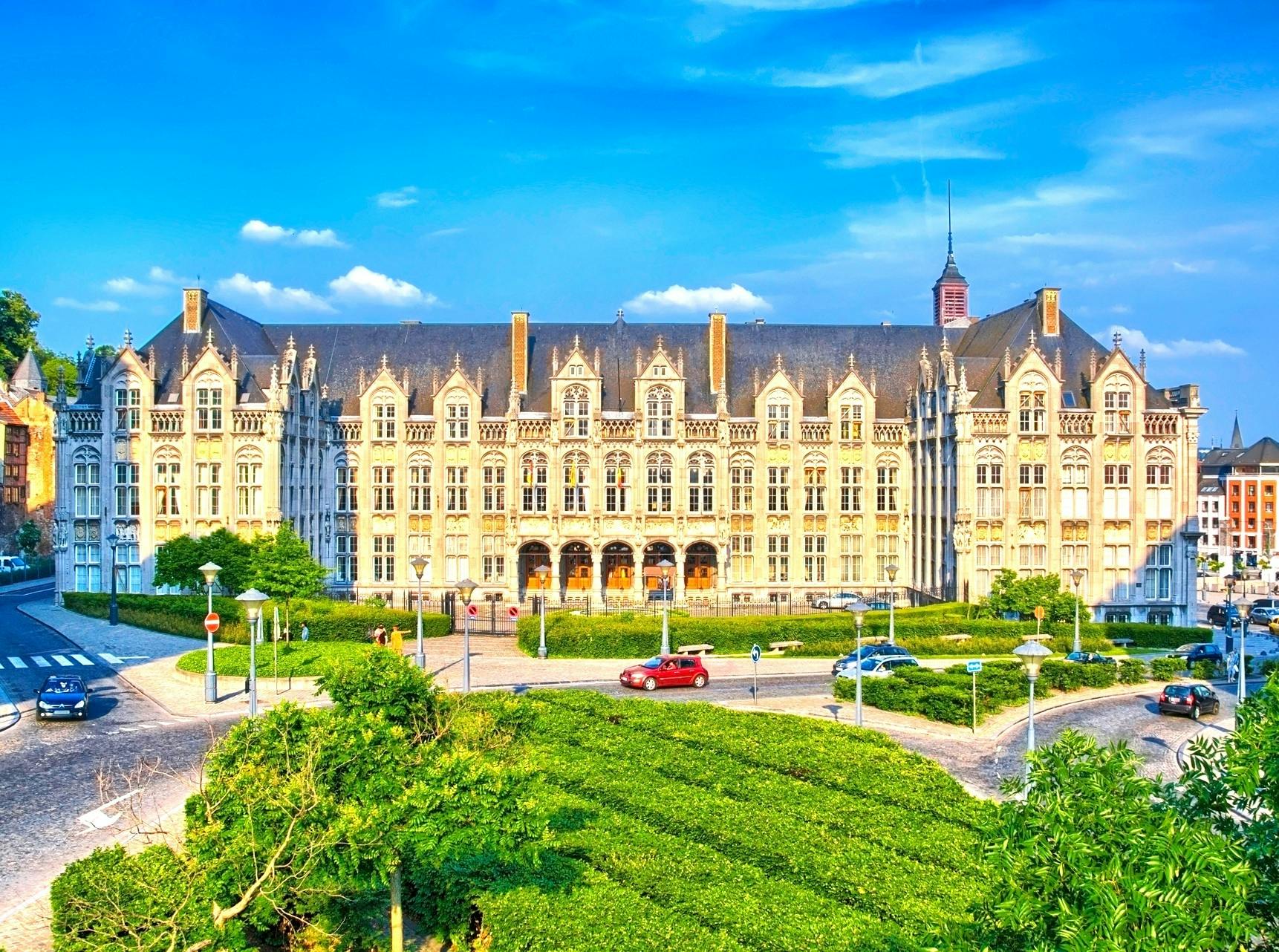
Liège Visitor Guide: Top Attractions, Tours & Activities Belgium Things to do in Liege: Museums, tours, and attractions Belgium Liège, located in Belgium’s French-speaking Wallonia region, is a vibrant riverside city known for its rich industrial heritage, striking…. Check current availability, inclusions and booking details before you go.
Why Visit Liege
Liege blends history, culture, and everyday life into a destination filled with engaging museums and memorable attractions. This guide highlights the kinds of places visitors love and what to expect at each, plus practical tips for planning your day.
Flagship History Museum
The main city history museum in Liege typically traces the region from early settlement to the present through artifacts, photographs, and interactive exhibits. Expect rotating shows, a solid gift shop, and helpful context for everything else you’ll see.
Art Museum & Sculpture Garden
A leading art museum usually anchors the local scene with classics, contemporary works, and special exhibitions. If there’s an outdoor sculpture garden, it’s a relaxing way to pair culture with a walk.
Science & Discovery Center
Hands-on galleries make science approachable for all ages—think space, engineering, and ecosystems—often with an IMAX or planetarium.
Landmark Cathedral or Temple
Historic houses of worship give insight into Liege’s architectural styles and community roots. Many offer guided tours and quiet courtyards.
Iconic Public Square or Old Town
Central plazas and heritage streets concentrate cafes, street performers, and local crafts. They’re perfect for people‑watching and photos.
Riverside, Harbor or Promenade
Waterfront paths and viewpoints provide fresh air and skyline views. Look for sunset spots, public art, and casual dining.
Family Favorite: Zoo, Aquarium, or Insectarium
Animal-focused attractions pair conservation with education. Check feeding schedules or touch‑pools for interactive moments.
Living Culture: Music Hall or Theatre
An intimate performance venue showcases local sound—jazz, folk, or contemporary—making for a memorable night out.
Planning Tips
Buy timed tickets online for popular museums and special exhibits.
Combine nearby sights to minimize travel time; many districts are walkable.
Check weekly free or discounted hours; student, senior, and family passes can reduce costs.
Start early for quieter galleries and better photos.
Bottom Line
From cornerstone museums to living cultural venues and scenic promenades, Liege offers a balanced mix of learning, leisure, and local flavor.
Sponsored Popular Items
Quick take: Musement.com offers a worldwide selection of tours and attractions
Liège Visitor Guide: Top Attractions, Tours & Activities Belgium Things to do in Liege: Museums, tours, and attractions Belgium Liège, located in Belgium’s French-speaking Wallonia region, is a vibrant riverside city known for its rich industrial heritage, striking…. Check current availability, inclusions and booking details before you go.
Liège 2-Hour Intro Walking Tour with a Local Belgium Plan Liège 2-Hour Intro Walking Tour with a Local, a outdoor experience, with practical tips on timing, inclusions and what to check before booking. Compare current availability, prices and booking conditions before you go.
Liège City Highlights Walking Tour with a Local Belgium Plan Liège City Highlights Walking Tour with a Local, a outdoor experience, with practical tips on timing, inclusions and what to check before booking. Compare current availability, prices and booking conditions before you go.