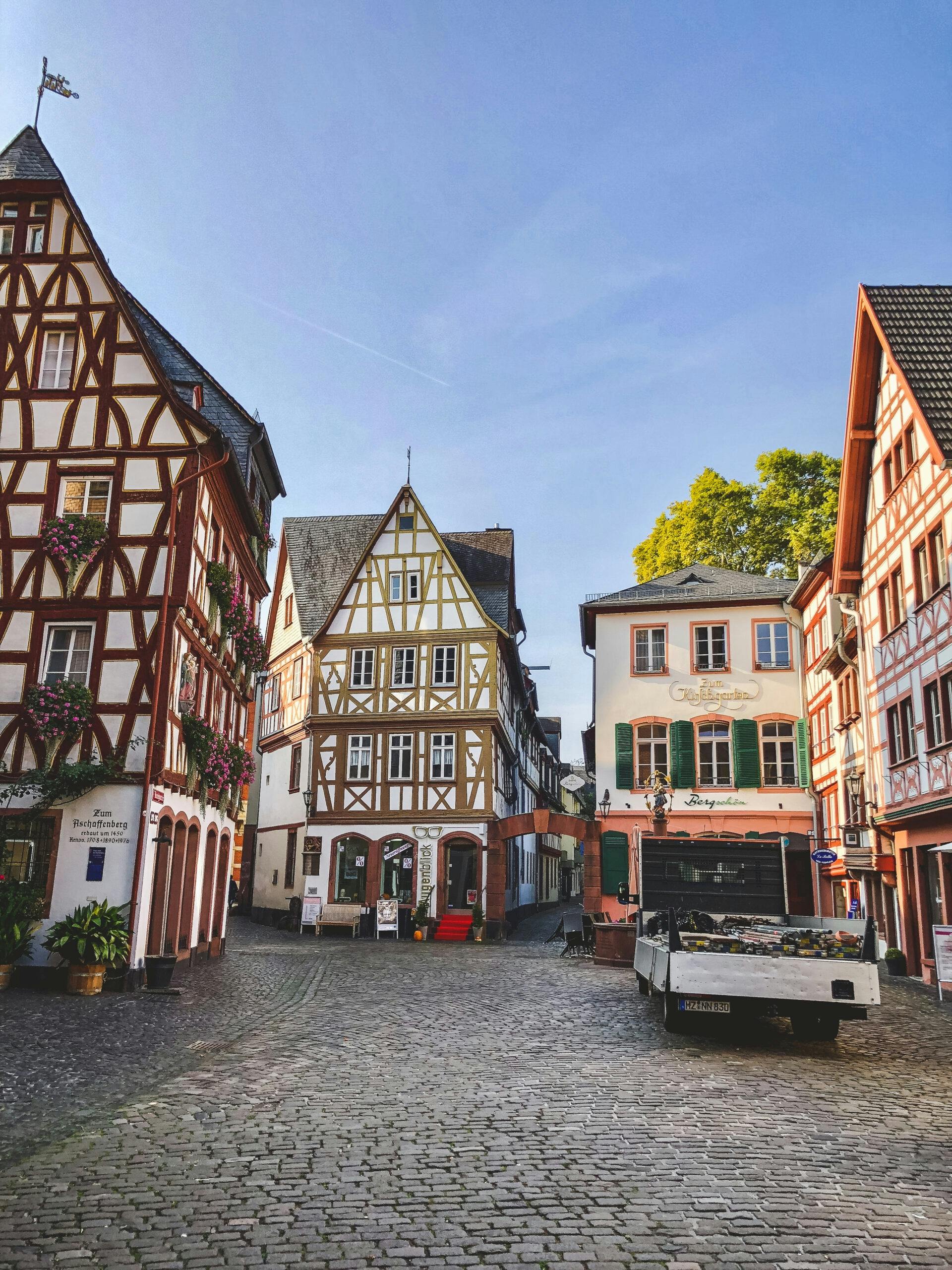
Bonn is often introduced as Ludwig van Beethoven’s birthplace or as the former capital of West Germany. Both descriptions are accurate, but neither fully explains the city.
Set beside the Rhine in North Rhine-Westphalia, Bonn combines a walkable historic centre, excellent museums, elegant 19th-century neighbourhoods, university gardens, modern international institutions and easy access to the wooded hills and castles of the Rhine Valley.
Sponsored Popular Items
Quick take: Trip.com offers a worldwide selection of tours and attractions and hotels
Things to do in Bonn : Museums and attractions Things to do in Bonn : Museums and attractions Discover the best deals for Things to do in Bonn : Museums and attractions. Find out what’s happening in Bonn, Germany, and book your tickets for the best museums and shows in advance. Skip the line, make your trip more enjoyable. Museums, shows, classical concerts at your fingertips. Available from. Set in Bonn, this experience invites travellers to discover key highlights and local culture. For schedules, inclusions, and current pricing, see the official supplier: https://www.musement.com/us/bonn/. You can also view availability and details on our page: https://unusedrooms.com/product/things-to-do-in-bonn-museums-and-attractions-musement/.
Quick take: Trip.com helps you compare prices across accommodations. Use it to shortlist hotels, then click through to confirm the final price, room type, and inclusions on the booking site.
It is quieter and more compact than nearby Cologne. Visitors can walk from Beethoven’s birthplace to the Rhine in minutes, travel by tram to the former government quarter, and finish the day with a river cruise or an excursion to Drachenfels and Schloss Drachenburg.
Bonn works particularly well for travellers interested in music, modern European history, art, gardens or riverside walking. One day is sufficient for the historic centre and one museum, but two or three days provide a much better introduction.
Bonn Quick Facts
Visitor information
Details
Country
Germany
State
North Rhine-Westphalia
River
Rhine
Known for
Beethoven, German political history, museums and the Rhine
Former national role
Capital of West Germany and later seat of government of reunified Germany
Recommended stay
Two nights
Historic-centre visit
Half a day
Main museum district
Museumsmeile, or Museum Mile
Principal railway station
Bonn Hauptbahnhof
Nearest major airport
Cologne Bonn Airport
Best local transport
Tram, Stadtbahn, bus and walking
Current Bonn 24-hour transport ticket
€10.30 for unlimited journeys within the city
Best seasons
April to June and September to early October
Cherry-blossom period
Usually April, depending entirely on weather
Best nearby excursion
Königswinter, Drachenfels and Schloss Drachenburg
Current-information note: Museum exhibitions, river-cruise timetables, public-transport fares and seasonal attractions can change. Check live information before travelling.
Why Visit Bonn?
Bonn offers an unusually broad range of experiences within a manageable city.
Its principal advantages include:
One of the world’s most important Beethoven museums.
A compact pedestrian centre.
Free entry to a major museum of modern German history.
International art exhibitions.
Walks beside the Rhine.
Elegant university and residential architecture.
Excellent regional train connections.
Direct access to the beginning of the Romantic Rhine landscape.
Bonn is also a useful base. Cologne is nearby, while Königswinter, the Siebengebirge hills, the Ahr wine region and several Rhine castles can be reached on day trips.
A Short History of Bonn
Bonn’s history extends back to Roman settlement along the Rhine.
The area later developed into an important ecclesiastical centre connected with the archbishops and electors of Cologne. Baroque palaces, university buildings and churches reflect this period.
Ludwig van Beethoven was born in Bonn in 1770 and spent his formative years in the city before moving to Vienna.
During the 19th century, Bonn became known for its university, elegant residential districts and Rhine tourism.
Its modern international importance began after the Second World War. In 1949, Bonn became the provisional capital of the Federal Republic of Germany, commonly known as West Germany.
Government ministries, parliament buildings, embassies and media organisations transformed what had previously been a relatively modest university city.
Following German reunification, parliament and much of the federal government moved to Berlin. Bonn nevertheless retained several federal ministries and developed into an important centre for the United Nations, international cooperation, science and sustainability policy.
How Long Should You Spend in Bonn?
One Day
One full day allows time for:
Beethoven-Haus.
Market Square.
Bonn Minster.
A walk beside the Rhine.
One Museum Mile attraction.
Two Days
Two days are ideal for a first visit. Add:
Haus der Geschichte.
Bundeskunsthalle or Kunstmuseum.
Poppelsdorf Palace and the Botanical Gardens.
The Südstadt district.
A longer Rhine walk.
Three Days
With three days, include:
A Rhine cruise.
Drachenfels and Schloss Drachenburg.
Bad Godesberg or Rheinaue Park.
A concert or seasonal event.
Beethoven-Haus
Beethoven-Haus is Bonn’s essential cultural attraction.
The museum occupies the house in which Ludwig van Beethoven was born, together with neighbouring buildings used for exhibitions, research, ticketing and visitor services.
What Is Inside?
The collection includes:
Original manuscripts and printed music.
Letters and personal documents.
Portraits and sculptures.
Musical instruments.
Objects connected with Beethoven’s hearing loss.
Early editions of his works.
Listening and multimedia installations.
Temporary exhibitions.
The museum focuses not only on Beethoven’s achievements but also on his personality, family, friendships, creative methods and health.
Current Hours
The museum currently opens from Wednesday through Monday between 10:00 am and 6:00 pm.
On Tuesdays, it opens only for registered groups.
Current Admission
Adults: €15.
Children: €10.
Family and reduced tickets: Available under current eligibility rules.
Online tickets can normally be purchased until the day before the visit.
How Long to Allow
Allow 60 to 90 minutes.
Music specialists and visitors using all multimedia material may spend two hours.
Accessibility Warning
The birthplace is a protected historic building with:
Uneven floors.
Different step heights.
Low beams.
Narrow spaces.
Several changes of level.
Contact the museum before travelling when full step-free access is required.
Following Beethoven Through Bonn
Beethoven’s connection with Bonn extends beyond his birthplace.
A self-guided route through the city can include:
Beethoven-Haus on Bonngasse.
The Beethoven Monument on Münsterplatz.
Remigius Church locations associated with his baptism and early life.
The electoral palace where court musicians worked.
Sites connected with his family and teachers.
The Rhine, which formed part of his childhood environment.
Beethovenhalle.
Modern information points and digital material help explain the places that have disappeared or changed substantially.
The complete route is best treated as a city walk rather than a series of major museum interiors.
Beethovenhalle and Beethovenfest
Beethovenhalle stands near the Rhine northeast of the historic centre.
The post-war concert hall reopened after an extensive restoration programme and again serves as an important performance venue and home of the Beethoven Orchestra Bonn.
Seeing the Hall
The building is normally visited by attending a concert, conference or scheduled event rather than as a continuously open museum.
Check the current programme before travelling.
Beethovenfest 2026
The 2026 Beethovenfest runs from 3 September to 3 October.
Concerts take place across Bonn in venues including:
Beethovenhalle.
Bonn Minster.
Beethoven-Haus.
Market Square.
Churches and university buildings.
Smaller neighbourhood venues.
Popular orchestral events can sell out well in advance, while some outdoor and community performances are free.
Market Square and Old Town Hall
Bonn’s central Market Square, or Marktplatz, is one of the most attractive public spaces in the historic centre.
The Rococo-style Old Town Hall dominates the square with its pink-and-gold façade, tall windows and external staircase.
The building witnessed many official visits during Bonn’s years as the national capital.
What to Do Around the Square
Browse the produce market when operating.
Sit at an outdoor café.
Walk towards the Rhine.
Continue to Beethoven-Haus.
Explore the surrounding pedestrian streets.
Market activity varies by day, weather and public events.
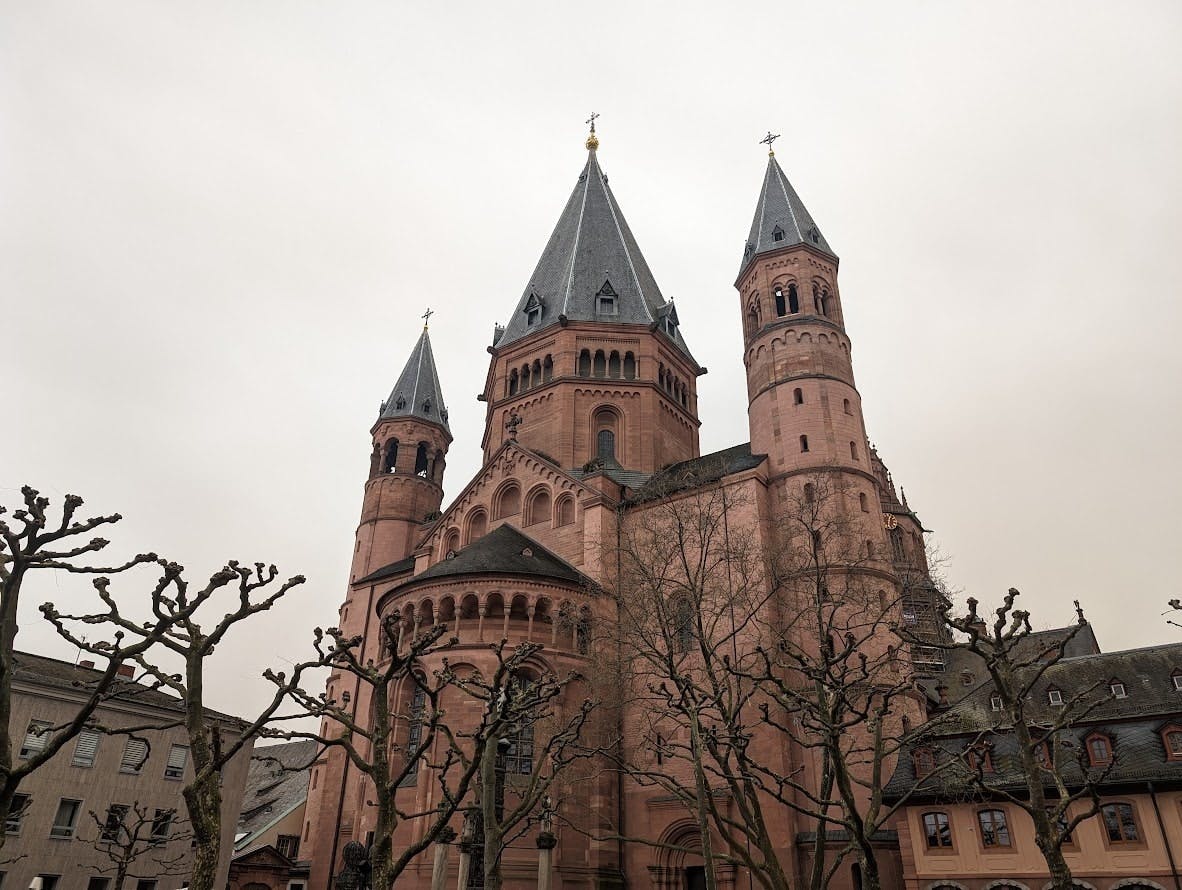
Bonn Minster
Bonn Minster is one of the city’s principal landmarks.
The church has almost one thousand years of architectural history and incorporates Romanesque, Gothic and later elements.
Highlights
The tall crossing tower.
Romanesque stonework.
The cloister.
Historic sculpture.
The crypt and religious traditions associated with the city’s patron saints.
The open space of Münsterplatz.
It remains an active church. Tourist access may pause during services, concerts, confessions and other religious activities.
Dress respectfully, keep conversations quiet and avoid photographing worshippers.
Exploring the Historic Centre
Bonn’s centre is compact and mostly pedestrianised.
A useful walking route connects:
Bonn Central Station.
Münsterplatz and the Beethoven Monument.
Bonn Minster.
Remigiusplatz.
Market Square and the Old Town Hall.
Bonngasse and Beethoven-Haus.
Bertha-von-Suttner-Platz.
The Rhine promenade.
What to Expect
International shops.
Department stores.
Cafés and bakeries.
Historic façades mixed with post-war buildings.
University students.
Frequent markets and public events.
Bonn was heavily damaged during the Second World War, so the centre is not an untouched medieval old town. Its appeal comes from the mixture of surviving monuments, reconstructed buildings and modern city life.
Bonn’s Cherry Blossoms
Bonn’s northern Altstadt district becomes famous each spring when ornamental Japanese cherry trees bloom along residential streets.
The best-known locations include:
Heerstraße.
Breite Straße.
Maxstraße and nearby streets.
When Do They Bloom?
Flowering usually occurs during April, but the exact period changes annually.
Warm weather can bring early flowering and shorten the display. Cold conditions can delay it.
The strongest colour may last only around one or two weeks.
Crowd Advice
Visit early in the morning on a weekday for:
Fewer photographers.
Less vehicle traffic.
Better light.
Less disruption to residents.
Respecting the Neighbourhood
The blossom streets are residential.
Do not enter private doorways.
Do not block roads or bicycle access.
Do not shake branches for photographs.
Keep noise low.
Use public transport rather than searching for scarce parking.
The Rhine Promenade
The Rhine gives Bonn much of its character.
Several walking areas connect the central waterfront with parks, museums and neighbourhoods farther south.
Central Rhine Walk
From the city centre, visitors can walk past:
The opera area.
Beethovenhalle.
Boat landings.
Riverside lawns.
Views towards Beuel on the eastern bank.
South Towards the Government Quarter
A longer walk leads towards:
Villa Hammerschmidt.
Palais Schaumburg.
The Bundeshaus.
Museum Mile.
The UN Campus.
Rheinaue Park.
The route is largely level and works well for walking or cycling.
Crossing to Beuel
Bridges and public transport connect the city centre with Beuel.
The eastern bank provides broad views of Bonn’s waterfront and often feels more residential and relaxed.
Bonn’s Museum Mile
The Museum Mile is not one enclosed complex. It is a group of museums and cultural institutions along and around the former government district.
Principal attractions include:
Haus der Geschichte.
Bundeskunsthalle.
Kunstmuseum Bonn.
Museum Koenig.
Deutsches Museum Bonn farther south.
The Heussallee/Museumsmeile Stadtbahn stop serves the central group.
Do not attempt to see every museum in one day. Choose one history museum and one art or science museum.
Haus der Geschichte
Haus der Geschichte is one of Germany’s most informative modern-history museums.
Its exhibitions examine Germany from the end of the Second World War to the present, covering both East and West Germany, reunification and subsequent political and social developments.
Subjects Covered
Division of Germany.
The Cold War.
Economic recovery.
Everyday life in East and West.
Protest movements.
Migration.
German reunification.
European integration.
Recent social change.
Current Admission
Entry is free.
Current Hours
Tuesday–Friday: 9:00 am–6:00 pm.
Saturday and Sunday: 10:00 am–6:00 pm.
Monday: Closed.
How Long to Allow
Allow at least two hours.
Visitors who read extensively and explore temporary exhibitions can spend half a day.
Accessibility
The museum is largely barrier-free and provides:
Level entrance access.
Lifts.
Accessible parking.
Seating.
Free cloakroom and lockers.
Space for pushchairs and mobility aids.
Bundeskunsthalle
The Bundeskunsthalle is a national exhibition venue rather than a museum with one fixed permanent collection.
Its programme can include:
Fine art.
Photography.
Archaeology.
Design.
Science and environmental subjects.
Cultural history.
Large international loan exhibitions.
Current Hours
Tuesday: 10:00 am–6:00 pm.
Wednesday: 10:00 am–9:00 pm.
Thursday–Sunday: 10:00 am–6:00 pm.
Monday: Normally closed, except selected public holidays.
Current Day Ticket
Regular: €14.
Reduced: €7.
Final-hour ticket: A reduced ticket may be available shortly before closing.
Roof Garden
The roof can host gardens, sculpture, installations and views, but access depends on weather and exhibition construction.
Do not assume it will be open during every visit.
Kunstmuseum Bonn
Kunstmuseum Bonn focuses particularly on modern and contemporary German art.
It is especially associated with:
August Macke and the Rhenish Expressionists.
German art after 1945.
Contemporary exhibitions.
Works on paper.
Large-scale sculpture and installation.
Current Hours
Tuesday–Sunday: 11:00 am–6:00 pm.
Wednesday: Open until 7:00 pm.
Monday: Closed.
Current Admission
Regular: €10.
Reduced: €5.
First Sunday of each month: Free under the current programme.
Visitors aged 18 or younger: Free.
Combined Art Ticket
A combined ticket with the neighbouring Bundeskunsthalle may be available. Confirm which temporary exhibitions it covers before purchasing.
Museum Koenig
Museum Koenig is a major natural-history museum and research institution.
Its historical importance extends beyond science. The opening session of the Parliamentary Council that prepared West Germany’s Basic Law took place in the museum in 1948.
Exhibitions
Displays explore habitats and biodiversity through reconstructed environments and zoological collections.
Subjects can include:
African savanna.
Central European wildlife.
Polar regions.
Rainforest ecosystems.
Birds and mammals.
Evolution and biodiversity.
Check current exhibition access, opening hours and renovation notices before visiting.
The Former Government Quarter
The government quarter explains Bonn’s role as the political centre of West Germany.
Many buildings are modest compared with monumental capital architecture elsewhere. That restraint reflected the idea that Bonn’s capital status was temporary and that the new republic should distance itself from authoritarian displays of power.
Important Sites
Bundeshaus: The former parliamentary complex.
Plenary Chamber: Associated with the Bundestag before the move to Berlin.
Palais Schaumburg: Former Chancellor’s Office.
Villa Hammerschmidt: Official residence associated with Germany’s federal president.
Chancellor’s Bungalow: Modern residence used by several chancellors.
Path of Democracy: Outdoor route connecting important political sites.
Some interiors are accessible only on scheduled guided tours and may require advance registration and identification.
The UN Campus
Bonn reinvented part of its former government district as an international centre after the capital moved to Berlin.
The UN Campus accommodates organisations working on subjects including:
Climate change.
Desertification.
Volunteering.
Environmental protection.
International development.
The tall former parliamentary office tower, now known as the Langer Eugen, is a visible symbol of this transition.
Security restrictions mean the campus is not generally explored like a public museum. Visitors can view the district from surrounding roads, the Rhine promenade and Rheinaue Park, or join a scheduled tour when offered.
Poppelsdorf Palace and Botanical Gardens
Poppelsdorf Palace stands at the end of a long, tree-lined avenue extending from the university’s main palace.
The Baroque building now forms part of the University of Bonn.
The Botanical Gardens
The gardens surrounding the palace contain:
Historic trees.
Systematic plant collections.
Greenhouses.
Water plants.
Succulents and tropical species.
Research and teaching collections.
Current Summer Hours
April–October: Daily from 10:00 am to 6:00 pm.
April–September Thursdays: Open until 8:00 pm.
Greenhouses: Close 30 minutes before the garden.
Weekday entry is normally free. A small admission charge applies on weekends and public holidays, and current visitor information indicates that payment facilities may be cash-only.
Current Winter Hours
From November through March, the gardens generally open Monday to Friday from 10:00 am to 4:00 pm and close on weekends and public holidays.
Walking from the Centre
The gardens are approximately a 15-minute walk from Bonn Central Station along Poppelsdorfer Allee.
Bonn’s Südstadt
Südstadt lies south of the central station and is one of Bonn’s most attractive residential districts.
Its broad, tree-lined streets contain a large concentration of late-19th-century and early-20th-century buildings.
What to Look For
Decorative historic façades.
Bay windows and balconies.
Mature street trees.
Small cafés and restaurants.
Connections towards Poppelsdorf and the Rhine.
The neighbourhood is best explored as a slow architectural walk rather than a checklist of individual monuments.
Rheinaue Park
Rheinaue is a large landscape park beside the Rhine south of the former government quarter.
It was created for the 1979 Federal Horticultural Show and remains one of Bonn’s principal outdoor spaces.
Activities
Walking and cycling.
Picnics.
Lake and garden views.
Outdoor concerts and festivals.
Flea markets on selected dates.
Views of the Post Tower and UN district.
The park is spacious and largely level, making it suitable for families and visitors wanting a break from museums.
Bad Godesberg
Bad Godesberg is a southern district of Bonn with its own town centre and historical identity.
It became particularly important during Bonn’s capital years because many embassies, diplomatic residences and international organisations were based nearby.
Things to See
Godesburg castle ruins and views.
Historic villas.
Redoute and surrounding architecture.
Residential embassy districts.
Rhine access at Plittersdorf and Rüngsdorf.
Bad Godesberg is more spread out than central Bonn. Use local transport rather than attempting to include every attraction on foot.
Rhine Cruises from Bonn
Seasonal sightseeing boats operate from Bonn along the Rhine.
Mushroom Foraging Guided Hike in Bonn Süd USD 71 Best deals for Mushroom Foraging Guided Hike in Bonn Süd. Book a 3-hour mushroom foraging guided hike in Bonn Süd. Discover seasonal fungi, learn from expert guides, and enjoy a relaxing forest nature experience. Available from musement.com.
Quick take: Trip.com helps you compare prices across accommodations. Use it to shortlist hotels, then click through to confirm the final price, room type, and inclusions on the booking site.
Bonn is an understated city whose importance becomes clearer the longer a visitor stays.
Beethoven’s birthplace provides the obvious starting point, but the city’s wider story includes Roman settlement, Baroque university architecture, the creation of post-war German democracy and Bonn’s modern transformation into a United Nations centre.
The best visit combines several sides of the city: Beethoven-Haus in the historic centre, Haus der Geschichte on Museum Mile, a walk beside the Rhine and the gardens at Poppelsdorf.
With an additional day, travel to Königswinter for Drachenfels and Schloss Drachenburg. The journey introduces the wooded hills and castle scenery that mark the beginning of the Romantic Rhine.
Bonn may lack the dramatic cathedral skyline of Cologne or the nightlife of Düsseldorf, but its music, museums, political history and riverside setting make it one of western Germany’s most rewarding compact city breaks.
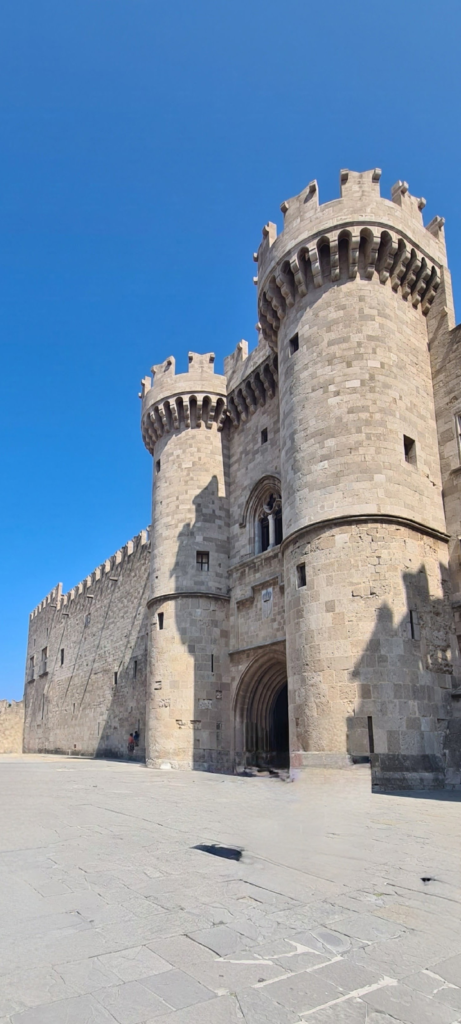
The Royal Fortress of Chinon stretches across a rocky ridge above the Vienne River in France’s Loire Valley. Its pale limestone walls dominate the town below, creating one of the region’s most dramatic medieval skylines.
Chinon differs from the elegant Renaissance châteaux for which the Loire Valley is famous. It is primarily a military and royal fortress rather than a decorative country palace. Visitors encounter defensive towers, ruined walls, deep ditches, reconstructed royal rooms, open courtyards and broad views across the town, river and surrounding vineyards.
Sponsored Popular Items
Quick take: Trip.com offers a worldwide selection of tours and attractions and hotels
Royal Fortress of Chinon: Entry Ticket + AR Tablet Best deals for Royal Fortress of Chinon: Entry Ticket + AR Tablet. Get this SIM/eSIM for high-speed Internet from Trip.com in Chinon. Stay connected with family and friends. Available from trip.com.
Quick take: Trip.com helps you compare prices across accommodations. Use it to shortlist hotels, then click through to confirm the final price, room type, and inclusions on the booking site.
The fortress is closely associated with some of the most important figures in medieval European history. Henry II of England made Chinon a central stronghold within the Plantagenet territories and died there in 1189. Eleanor of Aquitaine was held there during her conflict with Henry. Knights Templar were imprisoned in the Coudray Tower, while Joan of Arc came to Chinon in 1429 to meet the future Charles VII.
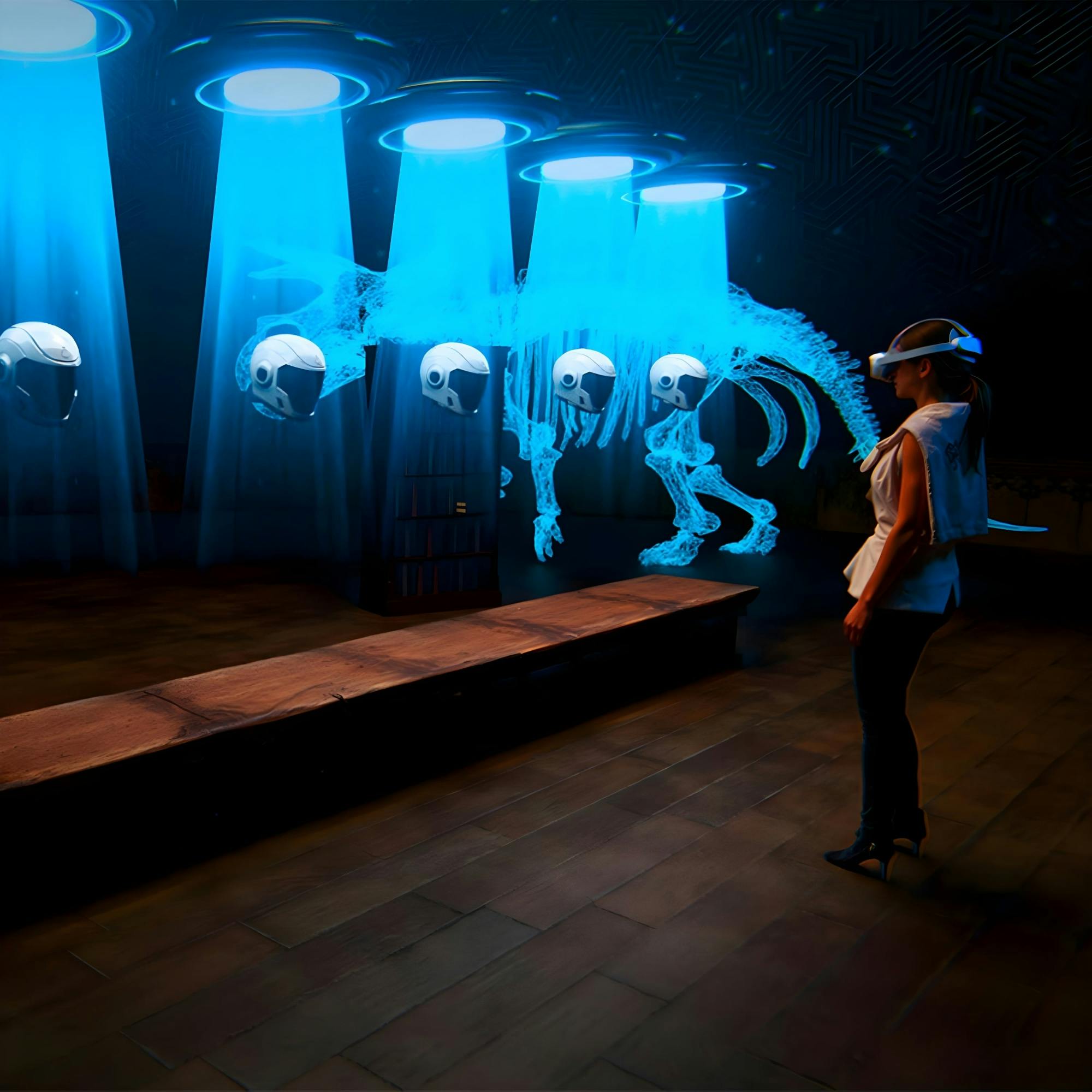
A modern visit combines surviving medieval architecture with digital interpretation. The included HistoPad reconstructs lost rooms and buildings, helping visitors understand spaces that are now partly ruined or completely absent.
This guide explains what to see, how long to allow, current admission prices, accessibility, transport, parking and how to combine the fortress with Chinon’s historic town and surrounding Loire Valley attractions.
Royal Fortress of Chinon Quick Facts
Visitor information
Details
Location
Chinon, Indre-et-Loire, Centre-Val de Loire, France
Address
4 Rue du Château, 37500 Chinon
Type of site
Medieval royal fortress divided into three fortified sections
Main historical figures
Henry II, Eleanor of Aquitaine, Philip Augustus, Jacques de Molay, Charles VII and Joan of Arc
Current adult admission
€12.50
Reduced admission
€10.50
Children under seven
Free
HistoPad
Included with normal paid admission, subject to availability
Recommended visit
Two to three hours
Train-station walk
Approximately 20 minutes
Drive from Tours
Approximately 40 minutes
Parking
Free visitor parking near the fortress
Closed
1 January and 25 December
Walking conditions
Cobbles, gravel, steep slopes, towers and irregular stairs
Best general seasons
May, June, September and early October
Important: Special events can alter access to particular towers, underground areas or roads approaching the fortress. Check the current programme before travelling.
What Is the Royal Fortress of Chinon?
The Royal Fortress of Chinon is a complex of medieval fortifications occupying a long limestone promontory above the town.
It is not a single intact castle built during one period. The site developed across many centuries and contains architecture associated with different rulers, defensive technologies and royal needs.
Its principal features include:
Three fortified zones separated by ditches.
Defensive walls and towers.
Royal residential buildings.
A monumental gate tower and clock.
Ruined domestic and religious structures.
Open lawns and courtyards.
Views across Chinon and the Vienne Valley.
Museum displays and digital reconstructions.
The fortress’s appearance is partly ruinous. Visitors should not expect every tower to contain furnished rooms or every wall to be complete.
The surviving architecture, archaeological remains and reconstructed royal lodgings are interpreted together to explain how the complex changed from a military stronghold into an important royal residence.
Why Visit Chinon Fortress?
Chinon is particularly worthwhile for visitors interested in medieval history rather than only the formal gardens and richly furnished interiors of later Loire châteaux.
Reasons to visit include:
Its importance within the Plantagenet territories.
Its connection with Henry II and Eleanor of Aquitaine.
The imprisonment of senior Knights Templar.
Joan of Arc’s meetings with Charles VII.
Clear examples of medieval defensive architecture.
Excellent views over Chinon and the Vienne River.
Interactive interpretation suitable for families.
Easy combination with Chinon’s old town and vineyards.
The fortress also reveals a less decorative side of the Loire Valley. While places such as Chenonceau and Villandry display Renaissance elegance, Chinon communicates political instability, siege warfare and royal power during the Middle Ages.
The Fortress’s Three Castles
Medieval documents describe the complex as three castles contained within one extended enclosure.
Fort Saint-Georges
Fort Saint-Georges occupied the eastern end of the ridge.
Henry II Plantagenet developed a palace there during the 12th century to accommodate an expanding royal court and administration.
Much of this section has disappeared, but its position illustrates the scale of the medieval fortress beyond the surviving central buildings.
The modern visitor reception area stands near the eastern approach.
The Middle Castle
The Middle Castle forms the central and most recognisable part of the site.
It contains:
The Clock Tower.
The surviving Royal Dwellings.
The Treasury Tower.
Important museum displays.
Routes towards the principal ramparts and viewpoints.
This was the main residential and administrative heart of the later royal fortress.
Fort du Coudray
Fort du Coudray occupies the western part of the ridge.
It was separated from the Middle Castle by a ditch and protected by the imposing Coudray Tower.
This section is strongly associated with Philip Augustus and the imprisonment of senior Knights Templar.
The western end also provides broad views along the Vienne Valley.
A Short History of Chinon Fortress
Ancient and Late Roman Occupation
The strategic ridge has been occupied for thousands of years.
Its elevation provided:
Views along the river.
Natural protection from steep slopes.
Control of river crossings and local roads.
Access to fertile land and trade routes.
The promontory was fortified during the later Roman period and remained occupied through the Merovingian and Carolingian eras.
Medieval Counts and the Plantagenets
Chinon became increasingly important under the counts of Anjou.
By the 12th century, it formed part of the territories controlled by Henry Plantagenet, who became King Henry II of England in 1154.
His combined lands extended across much of western France as well as England, making Chinon a strategically central royal residence.
Philip Augustus
French king Philip II Augustus captured Chinon in 1205 after a lengthy siege.
He strengthened the western defences and constructed the large Coudray Tower.
The change brought the fortress firmly under the control of the French Crown.
Late Medieval Royal Residence
During the 14th and 15th centuries, royal residential buildings were expanded.
Charles VII and Queen Marie of Anjou used Chinon during the difficult final stages of the Hundred Years’ War.
Decline
As military technology and royal preferences changed, Chinon gradually lost its strategic and residential importance.
Buildings deteriorated, roofs collapsed and parts of the fortress were dismantled or reused.
Preservation and Restoration
The fortress was classified as a French historical monument in 1840.
Modern conservation has stabilised ruins, restored sections of the Royal Dwellings and introduced archaeological and digital interpretation.
Henry II Plantagenet
Henry II became King of England in 1154 while already controlling extensive territories in France.
Other territories controlled directly or through family relationships.
Chinon stood near the centre of this collection of lands and became an important administrative and financial stronghold.
Henry stored part of his treasury at Chinon and stayed there frequently.
Death at Chinon
Henry’s final years were marked by conflict with the French king and rebellion among his sons.
Ill and politically weakened, he died at Chinon in 1189.
His body was transported to Fontevraud Abbey, where his tomb effigy can still be seen beside that of Eleanor of Aquitaine.
Eleanor of Aquitaine
Eleanor of Aquitaine was one of the most powerful women of medieval Europe.
She became Queen of France through her marriage to Louis VII and later Queen of England after marrying Henry II.
Her marriage brought the vast Duchy of Aquitaine into the Plantagenet political world.
Family Conflict
Eleanor supported a revolt by her sons against Henry II in 1173.
After the rebellion failed, she was held under varying degrees of confinement. Chinon was among the places associated with her detention before she was moved to England.
After Henry’s death, Eleanor regained an important political role and supported the reigns of her sons Richard the Lionheart and John.
Understanding Eleanor at the Fortress
The HistoPad and interpretive displays help reconstruct the appearance of royal domestic rooms and explain how elite residents might have used them.
Visitors should remember that most furnishings are interpretive rather than an untouched collection belonging personally to Eleanor.
The Knights Templar at Chinon
One of Chinon’s most intriguing episodes occurred during the suppression of the Knights Templar.
In 1307, King Philip IV of France ordered the arrest of members of the order and accused them of serious religious offences.
Senior Templar officials were imprisoned at Chinon in 1308, including:
Jacques de Molay, the final Grand Master.
Other high-ranking officials of the order.
Templar Graffiti
Graffiti within the Coudray Tower has traditionally been associated with the imprisoned Templars.
The markings include religious forms such as:
Crosses.
An angel.
A soldier-like figure.
Symbols linked with the Passion of Christ.
Interpretation remains cautious because proving the individual creator of every mark is difficult.
The Chinon Parchment
The Templar interrogations at Chinon produced an important historical document commonly called the Chinon Parchment.
It provides evidence about the papal investigation and remains central to historical discussion of the order’s suppression.
Joan of Arc and Charles VII
Joan of Arc arrived in Chinon in February 1429 during a critical stage of the Hundred Years’ War.
Charles VII’s claim to the French throne remained contested, and English and Burgundian forces controlled large parts of the kingdom.
Joan believed she had a divine mission to:
Relieve the siege of Orléans.
Assist Charles in reaching Reims.
Help secure his coronation.
The Meeting at Chinon
The familiar legend describes Joan entering a crowded hall and immediately identifying Charles despite his attempt to hide among courtiers.
The historical events were more complex.
Joan had more than one meeting with Charles. Her first reception was relatively private, followed by examination of her claims and a later public presentation.
The Recognition Hall
The large medieval hall traditionally associated with the meeting no longer survives.
Its former position is interpreted near the Royal Dwellings and is referred to as the Recognition Hall.
Digital reconstruction helps visitors understand the size and arrangement of the lost building.
Why the Meeting Mattered
Joan subsequently joined the campaign that lifted the siege of Orléans.
Charles was crowned at Reims in July 1429, strengthening his legitimacy and changing the political direction of the war.
The Royal Dwellings
The surviving Royal Dwellings occupy the southern side of the Middle Castle.
The residential complex was once considerably larger and consisted of three wings around a courtyard.
Only the principal southern wing survives in recognisable form.
What Visitors See
The buildings contain:
Interpretive rooms.
Historical collections.
Reconstructions of royal interiors.
Displays concerning Joan of Arc.
Architectural information.
HistoPad stations.
The rooms are not filled with a complete original royal furniture collection.
Instead, the presentation combines surviving objects, modern reconstructions and digital imagery to show how the residence may have looked.
Architectural Features
Look for:
Stone fireplaces.
Mullioned windows.
Small corner turrets.
Slate roofs.
Views over the old town and river.
The Clock Tower
The Clock Tower forms the monumental gateway to the Middle Castle.
It rises through five levels and originally defended access with a drawbridge and portcullis.
Marie-Javelle Bell
The tower contains an old bell known as Marie-Javelle.
The bell and clock have marked time for Chinon since the late 14th century.
The historical mechanism used suspended stone weights that had to be raised manually.
The View
The tower offers one of the finest elevated views within the fortress.
Visitors can see:
Chinon’s tiled and slate roofs.
The Vienne River.
Bridges and riverbanks.
Vineyards and countryside.
The fortress walls extending along the ridge.
Access involves stairs and confined historic spaces.
Coudray Tower
The Coudray Tower is one of the strongest and most historically significant structures at Chinon.
Philip Augustus built it following the French capture of the fortress in 1205.
Defensive Features
The tower included:
Arrow slits on several levels.
A protected upper entrance.
A drawbridge.
Double portcullises.
A murder hole above the entrance.
Connections with surrounding wall walks.
Its thick masonry and restricted approach demonstrate how a keep could function as a final secure position within a larger fortress.
Templar Association
The imprisoned Templar dignitaries were held in this section during 1308.
The interior is consequently one of the most atmospheric parts of the visit.
Lighting can be subdued, stairs are irregular and some spaces feel confined.
Other Towers and Defences
Treasury Tower
Henry II constructed the Treasury Tower against the southern wall of the Middle Castle.
It was used to protect royal treasure in the form of documents, charters and administrative records as well as valuable objects.
Boissy Tower
The Boissy Tower helped guard the southern side of the fortress and later took its name from a captain associated with work undertaken there.
Mill Tower
The Mill Tower stands near the western end of the ridge.
It is associated with Richard the Lionheart’s period and provided surveillance over the valley and approaches.
Dog Tower
The Dog Tower’s name is connected with nearby royal kennels.
Its internal features included ovens associated with the service and domestic life of the fortress.
Argenton Tower
This later defensive tower demonstrates how the fortifications continued to change in response to military needs.
Ditches and Curtain Walls
The divisions between the three castles were reinforced by ditches.
These made it harder for attackers who captured one section to move immediately into another.
The HistoPad Experience
The HistoPad is included with standard paid admission, subject to availability.
It uses location-sensitive digital reconstruction to show spaces as they may have appeared during different historical periods.
What It Adds
360-degree reconstructions.
Recreated furniture and decoration.
Historical characters.
Explanations of missing buildings.
An interactive map.
A treasure hunt.
Historical costume photographs.
Languages
The current system is available in nine languages, including English.
Is the HistoPad Necessary?
It is particularly useful at Chinon because substantial buildings no longer survive.
Without reconstruction, lawns and ruined foundations can be difficult to interpret.
Visitors who prefer not to use a tablet can follow the physical signs and printed guide material instead.
Children’s Route
A separate self-guided family route designed for approximately five- to ten-year-old children is available in French and English.
The HistoPad treasure hunt is particularly suitable for older children who enjoy searching for objects and completing challenges.
Current Games and Activities
The fortress runs changing family programmes, guided visits and medieval demonstrations during school holidays and special weekends.
The 2026 programme currently includes:
The “Guardians of Time” monument game through 31 December 2026.
The “Building a Castle” GeoGaming experience through early March 2027.
Selected siege-engine demonstrations and medieval activities.
Seasonal guided visits.
Occasional access to normally closed spaces.
Some activities operate only in French or require a separate booking.
Check:
Language.
Minimum age.
Starting time.
Whether admission is included.
Whether spaces are limited.
The Best Views
Clock Tower
The Clock Tower provides a high panoramic perspective over Chinon.
Southern Ramparts
Views from the south side extend across the historic centre and Vienne River.
Western Fortress
The Fort du Coudray area looks along the river valley and surrounding countryside.
From the Vienne Riverbank
The classic external view shows the complete fortress rising above houses and trees.
From Chinon’s Bridges
Bridge viewpoints place the river in the foreground and are especially attractive in early morning or late afternoon light.
Photography Conditions
The pale limestone can appear flat under harsh midday sun.
Morning and late-afternoon light generally provide stronger texture and warmer colour.
Current Admission Prices
Ticket
Current price
Full adult admission
€12.50
Reduced admission
€10.50
Children under seven
Free
Green cyclist ticket
€11.50
Adult annual privilege pass
€25
Annual pass for ages 7–17
€20
Reduced Admission
Reduced admission currently applies to eligible categories including:
Visitors aged 7–18.
Students.
Visitors with disabilities.
One accompanying person.
Large-family card holders.
Selected education-pass holders.
Passengers holding a valid same-day TER Centre train ticket.
Groups of at least 15.
Valid evidence is required.
Free Admission
In addition to children under seven, free entry may apply to eligible jobseekers, journalists, museum professionals and authorised guides.
Cyclist Discount
Cyclists can currently receive a €1 reduction from the full adult price by presenting a photograph of themselves and their bicycle outside the reception building.
HistoPad Charges
The HistoPad is normally included for paying visitors.
Visitors receiving free entry may be charged separately for the tablet.
Opening Hours
Period
Opening hours
January–February
10:00 am–5:00 pm
March–June
9:30 am–6:00 pm
July–August
9:30 am–7:00 pm
September–October
9:30 am–6:00 pm
November–December
10:00 am–5:00 pm
The fortress is normally open daily except:
1 January.
25 December.
The ticket office and shop close 30 minutes before the site closes.
Arriving at the final ticket-sale time does not leave enough time for a meaningful visit. Enter at least two hours before closing whenever possible.
How Long Should You Spend?
Time available
Realistic experience
One hour
Quick walk through principal ruins and Royal Dwellings
Two hours
Main towers, HistoPad highlights and viewpoints
Three hours
Detailed visit with exhibitions, reconstructions and photography
Half day
Fortress plus Chinon old town and riverside
Full day
Fortress, town, lunch, wine tasting and surrounding countryside
Two to three hours is ideal for most first-time visitors.
Families using the HistoPad treasure hunt may need longer than adults following a straightforward historical route.
The Best Time to Visit
Early Morning
Arrive at opening for:
Quieter towers.
Easier parking.
Cooler summer conditions.
Clearer photographs.
Late Afternoon
Late afternoon provides attractive light over the town and river.
Allow enough time before closing to complete the towers and Royal Dwellings.
Spring
April to June offers green countryside, comfortable temperatures and long daylight.
Summer
July and August provide the longest hours and the most activities.
Open courtyards, towers and walls can become hot, while the most confined interiors may feel crowded.
Autumn
September and October combine mild conditions with vineyard colour and lower visitor numbers.
Winter
Winter visits are quieter and atmospheric.
Expect shorter hours, cold stone interiors, possible rain and fewer seasonal food services.
Getting to Chinon by Train
Regional TER trains connect Tours and Chinon.
The journey commonly takes approximately 46–55 minutes, depending on the service.
Trains may stop at places including:
Joué-lès-Tours.
Ballan.
Azay-le-Rideau.
Rivarennes.
From Paris
A typical journey involves:
A high-speed train from Paris Montparnasse to Saint-Pierre-des-Corps or Tours.
A connection to the regional Chinon service.
Total journey time varies considerably with the connection and is commonly around two and a half to three and a half hours.
From Chinon Station
The fortress is approximately a 20-minute walk from the station.
The route passes through the lower town and finishes with an uphill section.
A local bus can reduce the climb by stopping near the cemetery, approximately five minutes’ walk from the fortress.
Train Discount
Visitors holding a valid same-day TER Centre ticket currently qualify for the reduced fortress admission price.
Driving and Parking
From Tours
The drive from Tours takes approximately 40 minutes in normal traffic.
From Paris
Allow roughly two and a half to three hours via the A10 and A85, depending on traffic and starting point.
From Nearby Châteaux
The fortress is approximately 25 minutes by car from:
Château d’Azay-le-Rideau.
Villandry and its gardens.
Parking
Free visitor parking is available near the fortress for:
Cars.
Coaches.
Motorhomes.
Bicycles.
The principal parking area on Avenue François Mitterrand includes electric-vehicle charging points.
Secure lockers for charging electric-bicycle batteries are also available.
Driving Advice
Follow fortress parking signs rather than entering narrow old-town streets.
Do not attempt to park directly in the medieval centre below.
Expect steep roads near the ridge.
Arrive early during summer events.
Do not leave luggage visible inside the vehicle.
Walking from Chinon Town
The fortress stands immediately above the old centre, but the change in elevation is significant.
Possible approaches include:
Stepped lanes from the medieval streets.
Sloping roads around the ridge.
The route from the railway station.
The climb rewards visitors with changing views over rooftops and the river.
Wear shoes with grip because stone and paving can become slippery after rain.
Accessibility and Reduced Mobility
Chinon is a protected historic monument built for defence rather than modern accessibility.
Main Difficulties
Cobbles.
Loose gravel.
A steep ramp after reception.
Irregular tower stairs.
Low doors.
Dark interior spaces.
Long distances between sections.
Parking and Drop-Off
Two reserved parking spaces are available close to reception.
Visitors using wheelchairs should normally be accompanied.
On request, a vehicle may be allowed into the park to drop a passenger near the Royal Dwellings before the driver returns to the designated parking area.
Accessible Facilities
Accessible toilets are provided in the reception building.
The HistoPad includes features for visitors with visual or hearing limitations, including audio substitution, magnification, written content and subtitled video.
Visitors requiring specific access should contact the fortress before arrival because not every tower or wall route is reachable.
Visiting with Children
Chinon is one of the more family-friendly historical sites in the Loire Valley.
Why Children May Enjoy It
Towers and battlements.
Stories of kings, Templars and Joan of Arc.
HistoPad reconstructions.
Treasure hunts.
Historical costume photographs.
Seasonal siege-engine demonstrations.
Large outdoor spaces.
Practical Challenges
Numerous stairs.
Steep drops and walls.
Hot open areas in summer.
Uneven surfaces unsuitable for running.
Dark rooms that may concern very young children.
Pushchair parking is available.
A lightweight folding pushchair or child carrier is more practical than a large pram.
Visiting with a Dog
Dogs are allowed in the outdoor park when kept on a lead.
Inside buildings, only animals carried in a person’s arms or in a suitable bag are normally accepted.
Temporary exhibitions in the Royal Dwellings may impose additional restrictions.
Recognised assistance dogs are allowed inside.
Owners should:
Carry water.
Remove all waste.
Avoid hot stone surfaces in summer.
Keep dogs away from walls and archaeological remains.
Food, Toilets and Visitor Facilities
Food
A seasonal food area operates within the fortress grounds.
The current schedule is generally:
Weekends during May and June.
Daily during July and August.
Approximately 11:00 am–6:00 pm.
Offerings may include:
Sandwiches.
Salads.
Crêpes.
Desserts.
Artisanal ice cream.
Local beer.
Loire Valley wine.
Outside the summer period, eat in Chinon town or bring water and a small snack.
Water and Drinks
The reception area has a water fountain and hot and cold drink machines.
Toilets
Toilets, including accessible facilities, are located near reception.
Left Luggage
Free left-luggage facilities are currently available.
Large suitcases are inconvenient on tower routes and should be stored before entering.
Wi-Fi
Public Val de Loire Wi-Fi is available in designated areas.
Chinon Historic Centre
The town below the fortress contains narrow streets, half-timbered houses, pale stone buildings, churches, restaurants and wine shops.
Rue Voltaire
Rue Voltaire is one of the main historic streets and contains medieval and Renaissance façades.
Place du Général de Gaulle
The central square is useful for cafés, restaurants and access to surrounding streets.
Vienne Riverfront
The riverside provides:
Views of the fortress.
Shaded walks.
Bridges and boating activity.
Picnic possibilities.
Good morning and evening photography.
Chapelle Sainte-Radegonde
The partly rock-cut chapel is associated with medieval wall paintings and Plantagenet history.
Opening arrangements can be limited, so confirm before planning the day around it.
Musée Le Carroi
The local museum presents Chinon’s art, history and archaeology through changing displays.
Chinon Wine
Chinon lies at the centre of an important Loire wine appellation.
Red Wine
Most Chinon red wine is produced from Cabernet Franc.
Styles range from:
Fresh, light and fruit-driven wines.
Structured wines suitable for ageing.
Earthy and herbal expressions.
Rosé and White Wine
The appellation also produces rosé and smaller quantities of white wine, commonly based on Chenin Blanc.
Wine Cellars
Some producers use caves excavated into the soft limestone hills.
Tastings may be available in:
Town wine shops.
Estate cellars.
Nearby vineyard villages.
Rock-cut cave systems.
Reserve estate visits in advance and use a designated driver.
Places to Visit Near Chinon
Fontevraud Abbey
Fontevraud is closely connected with Chinon’s Plantagenet history.
The abbey contains the famous tomb effigies of Henry II, Eleanor of Aquitaine and Richard the Lionheart.
It is one of the strongest historical additions to a Chinon visit.
Château d’Azay-le-Rideau
Azay-le-Rideau offers a contrasting Renaissance residence reflected in water.
It is approximately 25 minutes away by car.
Villandry
Villandry is best known for its formal ornamental and kitchen gardens.
It combines well with Chinon when visitors want both medieval fortifications and Renaissance landscaping.
Candes-Saint-Martin
This attractive village stands near the meeting of the Loire and Vienne rivers.
Its stone houses, collegiate church and riverside setting make it a useful short stop.
Montsoreau
Montsoreau contains a château beside the Loire and a historic village centre.
Rigny-Ussé
Château d’Ussé presents the more romantic, fairy-tale side of the Loire château tradition.
Vineyards and Cellars
Chinon’s surrounding countryside contains numerous wine estates, but opening days and tasting arrangements vary.
Suggested Half-Day Itinerary
9:30 am: Enter the Fortress
Collect the HistoPad and begin before tour groups arrive.
9:45 am: Fort Saint-Georges
Use the digital reconstruction to understand the largely vanished eastern palace.
10:15 am: Middle Castle
Visit the Clock Tower and Royal Dwellings.
11:15 am: Joan of Arc Displays
Explore the reconstructed royal rooms and the site of the Recognition Hall.
11:45 am: Fort du Coudray
See the Coudray Tower, Templar associations and western views.
12:30 pm: Descend into Chinon
Walk through the old streets for lunch.
Suggested One-Day Chinon Itinerary
9:30 am: Royal Fortress
Allow two and a half to three hours for the complete visit.
12:30 pm: Lunch in the Historic Centre
Choose a restaurant around the old streets or central square.
2:00 pm: Medieval Town Walk
Explore Rue Voltaire, old houses and local churches.
3:00 pm: Vienne Riverfront
Cross a bridge or follow the river for views back towards the fortress.
4:00 pm: Wine Tasting
Visit a pre-booked cellar or a town tasting room.
5:30 pm: Optional Excursion
Drive towards Candes-Saint-Martin or Fontevraud when daylight permits.
Is Chinon Fortress Worth Visiting?
The Royal Fortress of Chinon is highly worthwhile for travellers interested in medieval politics, Joan of Arc, Plantagenet history or military architecture.
Main Advantages
Major historical importance.
Association with English and French royalty.
Strong Joan of Arc interpretation.
Templar history.
Excellent views.
Interactive HistoPad included.
Family-friendly activities.
Free parking.
Easy combination with wine and the historic town.
Possible Drawbacks
Many buildings are ruined or missing.
Visitors expecting a fully furnished palace may be disappointed.
Stairs and gravel make access difficult.
Open grounds can be hot in summer.
Winter interiors can feel cold.
Seasonal food services are limited.
The fortress is most satisfying when visitors use the HistoPad and understand that the apparent empty spaces once contained a densely built royal complex.
Frequently Asked Questions About the Royal Fortress of Chinon
Where is the Royal Fortress of Chinon?
It stands above the town of Chinon in the Indre-et-Loire department of France’s Centre-Val de Loire region.
Is Chinon in the Loire Valley?
Yes. Chinon lies within the wider Loire Valley cultural landscape, although the fortress overlooks the Vienne River rather than the Loire itself.
Is Chinon Castle the same as the Royal Fortress?
Yes. “Chinon Castle” is a common informal name, but Royal Fortress of Chinon is more accurate.
Is it one castle?
No. The enclosure was historically divided into Fort Saint-Georges, the Middle Castle and Fort du Coudray.
How much is admission?
Current full adult admission is €12.50.
How much is the reduced ticket?
The reduced rate is currently €10.50.
Are children free?
Children under seven enter free. Visitors aged 7–18 qualify for the reduced rate.
Is the HistoPad included?
Yes, it is included with normal paid admission, subject to availability.
What languages are on the HistoPad?
It is currently available in nine languages, including English.
How long does the visit take?
Allow two to three hours.
Can I visit in one hour?
Yes, but you will need to skip many towers, reconstructions and displays.
What are the opening hours?
The fortress opens from 10:00 am to 5:00 pm in the quieter winter months, 9:30 am to 6:00 pm in spring and autumn, and 9:30 am to 7:00 pm in July and August.
Which days is it closed?
It is normally closed on 1 January and 25 December.
Do I need to reserve a ticket?
Advance booking is useful during summer, school holidays and special events, although ordinary visits may also be purchased at reception subject to availability.
Was Henry II really at Chinon?
Yes. Chinon was an important Plantagenet fortress, and Henry II died there in 1189.
Where is Henry II buried?
He is buried at Fontevraud Abbey.
Was Eleanor of Aquitaine imprisoned at Chinon?
She was held at Chinon during the conflict with Henry II before being confined in England.
Did Richard the Lionheart live at Chinon?
Richard was connected with the Plantagenet stronghold and is associated with work on parts of its defences.
Did Joan of Arc meet Charles VII at Chinon?
Yes. She met him at Chinon in 1429 before the campaign that lifted the siege of Orléans and led towards his coronation.
Did Joan identify Charles in a crowded hall?
The popular story is highly simplified. Historical evidence indicates more than one meeting and a longer process of investigation.
Does the hall where Joan met Charles still exist?
No. The great hall has disappeared, but its former position is interpreted as the Recognition Hall.
Were Knights Templar held at Chinon?
Yes. Senior officials, including Jacques de Molay, were imprisoned there in 1308.
Can I see Templar graffiti?
Graffiti in the Coudray Tower is traditionally attributed to the prisoners and is interpreted during the visit.
Is the fortress fully restored?
No. It contains restored buildings, stabilised ruins and archaeological remains.
Are the rooms furnished?
Some spaces contain interpretive furniture and displays, but the fortress does not preserve a complete original royal interior.
Is there a guided tour?
Guided tours operate on selected dates and times. Some are available only in French.
Are there activities for children?
Yes. Options include a HistoPad treasure hunt, a family route and seasonal games or medieval demonstrations.
Is the fortress suitable for young children?
Yes, but parents must supervise children closely around stairs, walls and uneven ground.
Can I use a pushchair?
Some outdoor areas are manageable, but stairs and gravel limit access. Pushchair parking is provided.
Is the fortress wheelchair accessible?
Only partly. The steep ramp, cobbles and tower stairs prevent access to the complete route.
Are accessible parking spaces available?
Yes. Two reserved spaces are located near reception.
Can a vehicle drop off a wheelchair user inside?
On request, vehicle drop-off near the Royal Dwellings may be arranged.
Are accessible toilets available?
Yes, in the reception building.
Can I bring a dog?
Dogs are allowed on a lead in the outdoor park. Inside buildings, they normally need to be carried.
Are assistance dogs allowed?
Yes.
Is there food inside the fortress?
A seasonal food outlet operates on weekends in May and June and daily in July and August.
Can I leave luggage?
Yes. Free left-luggage facilities are currently available.
Are there toilets?
Yes, near reception.
Is parking free?
Yes. Free car, coach, motorhome and bicycle parking is available near the site.
Are electric-car chargers available?
Yes, at the main parking area on Avenue François Mitterrand.
How far is the fortress from Chinon station?
Approximately a 20-minute walk.
Is the walk from the station steep?
The final section climbs towards the fortress.
Is there a bus from the station?
A local bus can travel towards the cemetery stop, around five minutes’ walk from the fortress.
How long is the train from Tours?
Direct regional trains commonly take around 46–55 minutes.
Can Chinon be visited from Paris in one day?
Yes, but the rail journey requires a connection and the day will be long. Staying overnight provides a more relaxed experience.
How far is Chinon from Tours?
The drive takes approximately 40 minutes.
Can I combine Chinon with Azay-le-Rideau?
Yes. Azay-le-Rideau is approximately 25 minutes away by car.
Can I combine Chinon with Villandry?
Yes. Villandry is also approximately 25 minutes away.
What is the best historical combination?
Chinon Fortress and Fontevraud Abbey provide the strongest Plantagenet-themed day.
Is Fontevraud close?
Yes. It is within easy driving distance and contains the tomb effigies of Henry II and Eleanor of Aquitaine.
What wine is Chinon known for?
It is best known for red wine made from Cabernet Franc.
Can I visit a winery?
Yes. Numerous estates and town tasting rooms operate nearby, but appointments are recommended.
Is Chinon Fortress a UNESCO World Heritage Site?
The fortress is not generally presented as a separately inscribed UNESCO property. It stands within the broader UNESCO-recognised Loire Valley cultural landscape.
What is the best month to visit?
May, June and September generally provide pleasant weather and fewer crowds than August.
Is it open during winter?
Yes, except for its two annual closure dates, but the hours are shorter.
Is it worth visiting in rain?
Yes, although walls, cobbles and steps become slippery. Several displays and Royal Dwelling rooms are indoors.
What should I wear?
Wear comfortable shoes and carry a waterproof or warm layer depending on the season.
Is Chinon better than other Loire châteaux?
It offers a different experience. Choose Chinon for medieval history and fortifications, and places such as Chenonceau or Villandry for Renaissance architecture and gardens.
What is the most important planning advice?
Allow enough time to use the HistoPad. The digital reconstruction is essential for understanding the large buildings that no longer survive.
Sponsored Popular Items
Quick take: Trip.com offers a worldwide selection of tours and attractions and hotels
Ticket to the Royal Fortress of Chinon Best deals for Ticket to the Royal Fortress of Chinon. Book your skip-the-line ticket to the Royal Fortress of Chinon and discover French history through the adventures of Jeanne d'Arc and Richard Coeur de Lion. Available from musement.com.
Quick take: Trip.com helps you compare prices across accommodations. Use it to shortlist hotels, then click through to confirm the final price, room type, and inclusions on the booking site.
The Royal Fortress of Chinon is one of the Loire Valley’s most historically important medieval sites.
Its power lies less in luxurious furnishing than in the events that occurred there. Henry II governed from Chinon and later died within its walls. Eleanor of Aquitaine was caught in the fortress’s family and political struggles. Templar leaders were imprisoned in the Coudray Tower, and Joan of Arc came to persuade Charles VII to pursue his crown.
The surviving towers and ramparts provide only part of the story. Large halls, chapels and residential buildings once filled spaces that now appear as lawns or foundations. The included HistoPad makes those lost structures understandable and turns an apparently fragmented ruin into a coherent royal complex.
Allow at least two hours, climb the Clock Tower when able and spend time in the Royal Dwellings rather than treating the fortress only as a viewpoint.
After the visit, descend into Chinon for lunch, walk beside the Vienne and try the region’s Cabernet Franc. Together, the fortress, medieval town and vineyards create one of the most complete historical day trips in the western Loire Valley.
The Troodos Mountains reveal a side of Cyprus that feels completely different from the island’s beach resorts. Pine-covered peaks give way to deep valleys filled with stone houses, tiled roofs, orchards, vineyards, monasteries and small churches whose modest exteriors conceal remarkable medieval paintings.
Sponsored Popular Items
Quick take: Trip.com offers a worldwide selection of tours and attractions and hotels
Troodos mountain villages food and wine tour Best deals for Troodos mountain villages food and wine tour. Learn about the Cypriot cuisine, taste some traditional dishes and explore the mountain villages. Available from Musement.
Quick take: Trip.com helps you compare prices across accommodations. Use it to shortlist hotels, then click through to confirm the final price, room type, and inclusions on the booking site.
There is no single village called “Troodos village” that represents the entire region. The mountains contain dozens of communities divided among several valleys and cultural areas. Kakopetria and Galata lie in the green Solea Valley; Kalopanayiotis, Moutoullas and Pedoulas occupy the Marathasa Valley; Agros and Kyperounta belong to Pitsilia; while Omodos, Arsos and Lofou form part of the southern wine-village landscape.
Most visitors explore the villages by car on a day trip from Limassol, Nicosia, Paphos or Larnaca. A longer stay is more rewarding. Mountain roads are slow, historic churches may have restricted opening arrangements and the best village experiences often involve an unplanned meal, a short woodland walk or a conversation in a local workshop.
This guide explains which villages to prioritise, how to organise logical driving routes, where to find UNESCO-listed painted churches, what regional food to try and what winter travellers should know about mountain road conditions.
Troodos Mountain Villages Quick Facts
Visitor information
Details
Country
Cyprus
Location
Central and western interior of the island
Highest mountain
Mount Olympus, approximately 1,952 metres
Main village regions
Solea, Marathasa, Pitsilia and the southern wine villages
UNESCO attraction
Ten Painted Churches in the Troodos Region
Best-known villages
Kakopetria, Kalopanayiotis, Pedoulas, Omodos, Platres and Agros
Best transport
Hire car or organised tour
Driving side
Left
Recommended stay
Two or three nights
Best general seasons
April to June and September to November
Summer advantage
Cooler temperatures than the coast
Winter conditions
Cold, with possible snow and ice at higher elevations
Regional products
Wine, Commandaria, fruit, rose products, nuts, honey and preserved meats
Typical road conditions
Narrow, winding and slow through village centres
Important: Small museums, wineries and painted churches may close outside their advertised hours or open only by appointment. Telephone ahead when a particular interior is essential to the trip.
Understanding the Troodos Region
Troodos is a mountain range rather than one compact visitor district. The villages are spread across different valleys, and driving between them can take considerably longer than the map distance suggests.
Solea Valley
Solea is one of the easiest areas to reach from Nicosia.
Its principal villages include:
Kakopetria.
Galata.
Evrychou.
Spilia and Kourdali.
The valley is green and relatively fertile, with streams, fruit trees, traditional houses and several painted churches.
Marathasa Valley
Marathasa is a steep mountain valley associated with orchards, sulphur springs and important Byzantine churches.
Its principal visitor villages include:
Kalopanayiotis.
Moutoullas.
Pedoulas.
Prodromos.
Lemithou.
Kykkos Monastery lies beyond the main village chain on a remote mountain road.
Pitsilia
Pitsilia occupies the eastern and southeastern Troodos slopes.
It includes:
Agros.
Kyperounta.
Palaichori.
Fikardou.
Alona.
Pelendri.
This region is known for rose cultivation, fruit, cured meats, Commandaria-related traditions and hillside villages.
Wine Villages
The southern and southwestern slopes contain the traditional wine villages, known as the Krassochoria.
Popular stops include:
Omodos.
Arsos.
Vasa Koilaniou.
Koilani.
Lofou.
Vouni.
These villages are generally easier to combine with Limassol than with the northern valleys.
Why Visit the Troodos Mountain Villages?
The villages offer a mixture of scenery, architecture, food, religion and everyday rural culture.
Visitors can experience:
Stone and mud-brick houses with wooden balconies.
Cobbled lanes and shaded village squares.
Medieval churches covered in frescoes.
Traditional wineries.
Waterfalls and woodland trails.
Fruit orchards and vineyards.
Small folk museums.
Monasteries and chapels.
Cooler summer weather.
Mountain food and village tavernas.
The most attractive villages remain living communities rather than reconstructed open-air museums. Modern houses, parked cars and ordinary shops sit beside protected historic quarters.
Visitors who expect every lane to be untouched and picturesque may be disappointed. Those who appreciate the mixture of old architecture and present-day village life generally find the region much more rewarding.
The Best Troodos Villages at a Glance
Village
Best for
Allow
Kakopetria
Old-quarter walks, streams and restaurants
2–3 hours
Galata
Painted churches and traditional houses
1–2 hours
Kalopanayiotis
Architecture, spa atmosphere and UNESCO heritage
3–5 hours
Moutoullas
Quiet village scenery and a UNESCO chapel
1 hour
Pedoulas
Cherry orchards, museums and painted church
2–3 hours
Omodos
Wine, cafés, monastery and shopping
2–4 hours
Platres
Forest walks, accommodation and waterfalls
Half or full day
Lofou
Stone architecture and quiet lanes
1–2 hours
Agros
Rose products, food and mountain views
2–3 hours
Fikardou
Preserved folk architecture
1–2 hours
Kakopetria
Kakopetria is one of the most popular and easiest Troodos villages for a first-time visitor.
It lies in the Solea Valley, where the Karkotis and Garillis streams meet. Trees, running water and mountain shade have made the village a long-established summer retreat.
Old Kakopetria
The preserved old quarter contains:
Narrow stone lanes.
Traditional two-storey houses.
Wooden balconies.
Tiled roofs.
Small courtyards.
Restored guesthouses.
The quarter is best explored on foot. Some lanes are too narrow for normal visitor traffic and are more enjoyable without a car.
Church of Agios Nikolaos tis Stegis
A short drive outside Kakopetria stands the UNESCO-listed Church of Saint Nicholas of the Roof.
The church takes its English name from its steep timber roof, which was built to protect the structure from mountain rain and snow.
Inside are layers of wall paintings from different periods. Modest clothing and quiet behaviour are expected.
Restaurants and Accommodation
Kakopetria has one of the strongest selections of:
Tavernas.
Cafés.
Bakeries.
Small hotels.
Traditional guesthouses.
It is a practical base for visitors who want village atmosphere without giving up basic services.
Parking
Park in designated areas outside the tightest part of the old quarter. Driving into narrow historic lanes can be stressful and may block residents.
Galata
Galata lies only a few kilometres from Kakopetria but receives fewer casual visitors.
The village is particularly important for its concentration of painted churches.
Panagia Podithou
Panagia Podithou is included in the UNESCO World Heritage property.
The church was once part of a monastery and contains early 16th-century paintings influenced by both Byzantine and Italian Renaissance traditions.
Other Painted Churches
Galata also contains or is associated with:
Agios Sozomenos.
Archangelos Michael or Panagia Theotokos.
Agia Paraskevi.
Not all are permanently staffed. Some open by appointment through a local keeper.
Village Walk
Galata has traditional houses, tiled roofs and several small bridges. It works particularly well as a quieter cultural addition to Kakopetria.
A practical half-day combines Kakopetria’s old quarter, lunch and one or two churches in Galata.
Kalopanayiotis
Kalopanayiotis, also written Kalopanagiotis, is one of the most attractive villages in the Marathasa Valley.
Traditional stone houses cover the steep valley slopes, linked by lanes, steps and terraces. The Setrachos River runs through the lower village.
Monastery of Agios Ioannis Lampadistis
The village’s principal cultural attraction is the Monastery of Saint John Lampadistis.
The complex contains several connected churches beneath a large protective timber roof. It is included among the UNESCO Painted Churches of the Troodos Region.
Visitors should allow time to examine the frescoes rather than treating the monastery as a quick photograph stop.
Venetian Bridge
A small stone bridge crosses the river near the lower village. It forms part of an attractive pedestrian area linking the monastery, traditional houses and water.
Sulphur Springs
Kalopanayiotis has long been associated with mineral springs. Modern accommodation and wellness businesses have built upon this tradition.
Village Lift
A lift assists movement between the higher road level and the lower heritage area. It reduces part of the steep climb but does not make the entire village level or step-free.
How Long to Stay
Kalopanayiotis is a strong overnight choice. Staying allows visitors to enjoy its lanes and restaurants after day-trippers leave.
Moutoullas
Moutoullas lies close to Kalopanayiotis on the steep slopes of the Marathasa Valley.
It is quieter and less developed for tourism, making it a useful stop for travellers who prefer an ordinary mountain village to a polished resort.
Panagia tou Moutoulla
The small 13th-century church of Panagia tou Moutoulla is one of the earliest surviving examples of the steep-roofed Troodos church type.
It is included in the UNESCO group because of its architecture and paintings.
The church may be locked outside arranged visiting times. Confirm access before making a special journey.
Village Character
Expect:
Steep streets.
Traditional houses mixed with newer buildings.
Valley views.
Small local cafés rather than a major tourist precinct.
Pedoulas
Pedoulas sits at approximately 1,100 metres in the Marathasa Valley.
The village is surrounded by orchards and is particularly associated with cherries.
Archangelos Michael Church
The small Church of the Archangel Michael dates from 1474 and is included in the UNESCO property.
Its plain timber-roofed exterior contrasts sharply with the painted interior.
Byzantine Museum
Pedoulas has a local museum displaying icons and church objects from the valley.
Opening arrangements should be checked before arrival.
Folkloric Museum
A separate village museum explains rural life, agriculture, domestic tools and local traditions.
Holy Cross Church
The large modern church above the village is visible across the valley and provides a strong contrast with the tiny medieval chapel below.
Food and Fruit
Seasonal products include:
Fresh cherries.
Cherry preserves.
Fruit sweets.
Nuts.
Local honey.
Pedoulas is a practical lunch or overnight stop when exploring Marathasa and Kykkos Monastery.
Omodos
Omodos is one of Cyprus’s most visited wine villages.
It sits at approximately 800 metres in the southern Troodos foothills, surrounded by vineyards.
Village Square
A broad cobbled square forms the centre of the village.
It is lined with:
Cafés.
Tavernas.
Wine shops.
Craft and souvenir businesses.
Traditional buildings.
Monastery of the Holy Cross
The monastery complex dominates the square and contains religious art and objects associated with local Christian traditions.
Visitors should dress respectfully and remember that it is a religious site rather than simply a tourism attraction.
Wine and Traditional Products
Omodos is a convenient place to sample:
Local red and white wines.
Commandaria.
Zivania.
Grape sweets.
Olive products.
Bread and pastries.
Crowds
Omodos can become very busy during weekends and coach-tour hours.
Arrive before 10:00 am or remain into the late afternoon for a quieter visit.
Platres
Platres sits at approximately 1,100 metres and has long served as a mountain resort.
Its hotels, villas and shaded roads reflect the period when residents and visitors escaped the summer heat of the lowlands.
Nature and Walking
Platres is a useful base for:
Caledonia Waterfall.
Millomeris Waterfall.
Forest walking routes.
Trips to Troodos Square.
Mount Olympus trails.
Caledonia Waterfall
The walk follows a stream through forest and can be muddy or slippery.
The waterfall is more impressive after rain and may be reduced during dry periods.
Millomeris Waterfall
Millomeris is reached by a shorter access route, although the road and parking area can become congested.
Village Atmosphere
Platres is more of a mountain resort than a perfectly preserved traditional village. Its strength lies in accommodation, forest access and cooler summer weather.
Foini
Foini lies near Platres at approximately 920 metres.
The village is associated with forest scenery, pottery, furniture making and loukoumi sweets.
Traditional Pottery
Foini developed a distinctive pottery tradition using local clay.
Workshops and displays may operate irregular hours, so visitors interested in purchasing directly from a maker should arrange ahead.
Chantara Waterfall
The nearby waterfall is reached through forest country.
Road and track conditions vary, particularly after rain.
Combining Foini and Platres
The villages are close enough to combine with:
A waterfall walk.
A pottery stop.
Lunch.
A visit to Trooditissa Monastery, subject to access rules.
Lofou
Lofou is a compact hilltop village south of the central Troodos range.
Its winding lanes, stone houses and restored accommodation make it one of the best villages for architecture and a quiet overnight stay.
What to See
Traditional stone houses.
Wooden doors and balconies.
Narrow cobbled streets.
The village church.
Small squares and fountains.
Views over the surrounding hills.
Parking
Use parking at the village edge and explore on foot.
Historic lanes are narrow, steep and shared with residents.
Who Will Enjoy Lofou?
Lofou suits travellers seeking:
A less commercial village.
Traditional accommodation.
Photography.
Quiet evenings.
Easy access from Limassol.
Arsos
Arsos is a long-established wine-producing village on the slopes of Laona mountain.
It receives fewer large tours than Omodos while preserving strong links with viticulture.
Village Attractions
Traditional houses.
Stone fountains.
Village churches.
A folk-art museum.
Wine-related displays.
Walking paths through surrounding countryside.
Food Traditions
Grape products may include:
Palouze, a grape-juice pudding.
Soutzoukos, nuts coated in thickened grape juice.
Raisins.
Wine.
Zivania spirit.
Arsos is an effective alternative for visitors who find Omodos too crowded.
Agros
Agros spreads across a mountainside in the Pitsilia region.
Its layout resembles an amphitheatre, with houses and roads curving around the slopes.
Rose Products
Agros is famous for the cultivation of fragrant roses and the production of:
Rosewater.
Rose oil.
Rose sweets.
Cosmetics.
Liqueurs.
The rose harvest normally occurs during spring, with timing depending on weather.
Food Production
The village is also known for:
Smoked and cured pork.
Loukanika sausages.
Hiromeri ham.
Fruit preserves.
Spoon sweets.
Agros Festival Visits
Seasonal festivals can make the village lively but also produce parking pressure and crowded roads. Verify dates before planning a quiet visit.
Kyperounta
Kyperounta is one of the highest substantial villages in Cyprus.
It has a cooler climate, orchards, mountain views and a stronger everyday-community atmosphere than heavily visited Omodos.
Attractions
Agia Marina Church.
Local folk and history collections.
Nearby nature trails.
Regional winery visits.
Access towards Madari mountain routes.
Who Should Visit?
Kyperounta suits travellers exploring Pitsilia, wine enthusiasts and hikers using the village as a practical base.
Fikardou
Fikardou is one of Cyprus’s best-preserved traditional villages.
The village declined substantially in population, leaving an unusually intact collection of historic rural buildings.
Protected Architecture
The village is protected as an ancient monument and contains restored houses with:
Stone ground floors.
Mud-brick upper levels.
Wooden balconies.
Traditional roof structures.
Domestic and agricultural spaces.
Ethnological Museum
The Houses of Katsinioros and Achilleas Dimitri operate as a museum explaining rural domestic life and architecture.
Check opening times before making the long drive.
Practical Limitations
Fikardou is small and quiet. Restaurant and café choices can be limited, especially outside weekends and holidays.
Bring water and do not assume every service shown online remains open year-round.
Palaichori
Palaichori is a larger Pitsilia village occupying slopes on both sides of a valley.
Metamorfosis tou Sotiros
The Church of the Transfiguration of the Saviour is included in the UNESCO Painted Churches property.
Its early 16th-century interior contains one of Cyprus’s most complete post-Byzantine mural cycles.
Village Museums
Palaichori has museums and memorial sites connected with Byzantine heritage and modern Cypriot history.
Combining the Area
Palaichori can be combined with:
Fikardou.
Agros.
Askas.
Nearby Pitsilia food producers.
The roads are winding, so combining every village in one day is unrealistic.
Is Lefkara Part of Troodos?
Lefkara lies in the southeastern foothills of the broader Troodos mountain system rather than the central high mountains.
It is commonly included in wider mountain-village itineraries because of its traditional architecture and crafts.
Why Visit?
Lefkaritika lace embroidery.
Silver filigree.
Stone houses and narrow streets.
The Church of the Holy Cross.
Craft museums and workshops.
Lefkara is best combined with Larnaca, Nicosia or the southeastern foothills. It does not combine efficiently with Pedoulas, Kykkos or Kakopetria during a short day.
UNESCO Painted Churches of the Troodos Region
Ten churches form the UNESCO World Heritage property known as the Painted Churches in the Troodos Region.
The buildings are scattered across several valleys rather than gathered in one complex.
Panagia Phorviotissa, commonly called Panagia Asinou, near Nikitari.
Panagia tou Arakou at Lagoudera.
Agios Ioannis Lampadistis at Kalopanayiotis.
Panagia tou Moutoulla at Moutoullas.
Archangelos Michael at Pedoulas.
Timios Stavros at Pelendri.
Panagia Podithou at Galata.
Stavros tou Agiasmati near Platanistasa.
Metamorfosis tou Sotiros at Palaichori.
Why the Churches Have Large Roofs
Many have steep wooden roofs covered with flat tiles.
These protect the masonry and paintings from mountain rain and snow. From outside, some resemble barns or rural houses more than monumental churches.
Opening Arrangements
Access varies.
Churches may be:
Open during published daytime hours.
Closed for public holidays.
Opened by a local caretaker.
Available only by appointment.
Temporarily closed for worship or conservation.
Telephone ahead when planning an itinerary around a specific church.
Church Etiquette
Dress with shoulders and knees covered.
Speak quietly.
Do not use flash.
Do not touch paintings or icon screens.
Do not enter restricted sanctuary areas.
Follow photography signs.
Leave a donation where appropriate.
Kykkos Monastery
Kykkos is one of Cyprus’s best-known and wealthiest monasteries.
It stands in a remote part of the western Troodos mountains, around 13 kilometres by winding road from Pedoulas.
What to See
Decorated courtyards.
Mosaics and frescoes.
The monastery church.
A museum of icons and religious objects.
Mountain views.
Makarios III Tomb
The tomb of Archbishop Makarios III lies at Throni on a nearby mountain ridge.
A separate road and walk are required.
Planning Warning
Kykkos looks close to other villages on a map but takes time to reach.
Do not combine it casually with Omodos, Platres, Kakopetria and several churches in one day.
Troodos Geopark
The Troodos range is internationally important for geology because erosion exposes sections of ancient oceanic crust.
Rocks that once formed beneath an ocean can now be examined high in the mountains.
Troodos Geopark Visitor Centre
The visitor centre is located in the former Amiantos asbestos-mine area.
Displays explain:
The formation of Troodos.
Oceanic crust.
Mining history.
Minerals and rocks.
Local plants and habitats.
Current general hours are usually 9:00 am to 4:00 pm, with admission listed at €3 for adults and €2 for children. Holiday closures and changes should be checked before arrival.
Troodos Botanic Garden
The nearby garden focuses on native and traditionally cultivated plants.
It also provides interpretation of the former mine landscape and environmental restoration.
Walking, Waterfalls and Nature
The villages can be combined with forest trails, but walking conditions change considerably with elevation and season.
Artemis Trail
The Artemis Trail circles part of Mount Olympus near the highest areas of Troodos.
It provides forest scenery, geological interest and broad views without requiring a summit climb.
Atalanti Trail
The longer Atalanti Trail follows the high slopes around Mount Olympus.
It suits experienced walkers with sufficient water and daylight.
Caledonia Trail
This forest route near Platres follows a stream towards Caledonia Waterfall.
Expect wet rocks, roots and slippery sections.
Millomeris Waterfall
Millomeris can be visited by a relatively short walk, although parking near the access area is limited.
Madari Region
Trails near Kyperounta, Spilia and Madari provide ridge views and access to quieter forest landscapes.
Summer Heat
Mountain temperatures are cooler than the coast but can still become hot. Begin longer walks early and carry adequate water.
Food and Drink
The mountain villages are excellent places to try traditional Cypriot food.
Common Taverna Dishes
Kleftiko, slow-cooked lamb or goat.
Souvla, large pieces of meat cooked over charcoal.
Sheftalia sausages.
Halloumi.
Village salad.
Pourgouri cracked wheat.
Legumes and seasonal vegetables.
Meze selections.
Mountain Specialities
Loukanika wine sausages.
Lountza cured pork loin.
Hiromeri smoked ham.
Fresh and preserved fruit.
Walnuts and almonds.
Honey.
Spoon sweets.
Grape products.
Ordering Meze
A full meze may contain many dishes and can take considerable time.
Ask:
How many people must order it.
Whether the price is per person.
Whether it includes meat, fish or both.
How long service normally takes.
Wine Villages and Tastings
Cyprus has one of the world’s oldest continuous wine traditions.
Commandaria
Commandaria is a sweet fortified or naturally strong dessert wine made from sun-dried grapes.
Its protected production area lies on the southern slopes of Troodos.
Local Grape Varieties
Wineries may offer wines made from varieties such as:
Xynisteri.
Mavro.
Maratheftiko.
Yiannoudi.
Booking Tastings
Smaller wineries may require advance reservations, particularly on Sundays or outside the main visitor season.
Driving and Wine
Mountain roads require concentration. Use a designated driver or book an organised wine tour when visiting multiple wineries.
Traditional Crafts
Different villages developed specialist crafts based on local materials and trade.
Examples
Foini pottery.
Lefkara lace and silver filigree.
Wood carving.
Basket making.
Weaving.
Icon painting.
Traditional food production.
Not every business presented as a workshop makes its goods locally. Ask where items were produced when authenticity matters.
Photography inside workshops should be requested rather than assumed.
Getting to the Troodos Villages
From Limassol
Limassol is the most convenient base for:
Omodos.
Lofou.
Vouni.
Platres.
Foini.
Troodos Square.
Omodos is approximately 42 kilometres from Limassol, while Lofou is closer at roughly 26 kilometres.
From Nicosia
Nicosia is best placed for:
Kakopetria.
Galata.
Fikardou.
Palaichori.
Kalopanayiotis.
Pedoulas.
From Paphos
Paphos can be combined with:
Omodos and the western wine villages.
Kykkos Monastery.
Marathasa Valley.
Statos–Agios Fotios.
Mountain travel from Paphos involves long winding roads. Allow more time than the distance suggests.
From Larnaca
Larnaca is practical for Lefkara and the southeastern foothills.
A day trip to central Troodos is possible but involves a longer drive.
Public Transport
Buses reach selected Troodos communities, but services are designed partly around residents rather than a full sightseeing circuit.
Limitations include:
Low frequency.
Few evening services.
Different operators or connections.
No direct access to many churches and trailheads.
Schedules that vary by weekday.
A public-transport trip may work for spending most of a day in one place such as Kakopetria. It is not an efficient method for visiting Omodos, Platres, Pedoulas and Kalopanayiotis in one day.
Use the current Cyprus Public Transport journey planner or Pame application rather than relying on an old blog timetable.
Driving and Parking
Cyprus drives on the left.
Mountain-Road Conditions
Expect:
Sharp bends.
Narrow lanes.
Steep gradients.
Limited overtaking.
Slow agricultural vehicles.
Pedestrians in village streets.
Occasional fallen rocks after rain.
Navigation
Download offline maps before entering remote valleys.
Navigation applications may choose a very narrow local road simply because it is slightly shorter.
When possible, follow signed regional roads rather than unverified shortcuts.
Parking
Use designated village car parks and walk into old quarters.
Do not:
Block house entrances.
Park across narrow bends.
Occupy spaces reserved for residents.
Stop in the road for photographs.
Drive into pedestrian lanes.
Fuel
Fuel is available in larger villages and on main approaches, but stations may close earlier than those in coastal cities.
Refuel before a long Marathasa or Kykkos route.
Winter Road Conditions
Troodos can receive snow between roughly December and March, particularly near Mount Olympus.
Conditions may include:
Ice.
Fog.
Slush.
Snow-covered roads.
Falling rocks.
Temporary road closures.
Police may restrict higher roads to four-wheel-drive vehicles or vehicles fitted with snow chains.
Before Driving in Winter
Check live road conditions.
Confirm whether the rental company permits snow-chain use.
Carry warm clothes.
Avoid leaving the mountains after dark.
Do not stop in traffic lanes to play in snow.
Expect heavy local traffic after fresh snowfall.
A normal small rental car should not be taken past a police restriction.
The Best Time to Visit
March to May
Spring brings wildflowers, flowing streams and comfortable walking weather.
Higher routes may remain cool, wet or occasionally affected by late snow.
June
June offers long daylight and temperatures cooler than the coast.
Fruit and village dining make this an excellent touring month.
July and August
The mountains provide relief from intense coastal heat.
Popular villages and picnic areas become busy on weekends and public holidays.
September and October
These months are excellent for wine, harvest products and walking.
Rain becomes more likely later in autumn.
November
November is quieter, with cooler weather and autumn colour in selected valleys.
Some tourism businesses reduce their hours.
December to February
Winter offers fireside accommodation, Christmas events and possible snow.
Driving and attraction access require greater flexibility.
Where to Stay
Kakopetria
Best for restaurants, services, streams and easy access from Nicosia.
Kalopanayiotis
Best for traditional architecture, wellness accommodation and a scenic valley stay.
Pedoulas
Best for orchards, UNESCO heritage and access towards Kykkos.
Platres
Best for forest walks, hotels and access to Mount Olympus.
Omodos
Best for wine, dining and an active village atmosphere.
Lofou or Arsos
Best for quiet stone-village accommodation.
Agros
Best for Pitsilia food, rose products and mountain views.
Suggested One-Day Route from Limassol
8:30 am: Leave Limassol
Travel into the southern Troodos foothills before the tour buses arrive.
9:15 am: Lofou
Walk through the stone lanes and have coffee.
11:00 am: Omodos
Visit the square, monastery, craft shops and a winery or tasting room.
1:00 pm: Lunch
Eat in Omodos or continue towards Platres.
3:00 pm: Platres or Foini
Choose a waterfall walk, pottery stop or forest café.
5:30 pm: Return to Limassol
Descend before dark, especially during winter.
Suggested One-Day Route from Nicosia
8:00 am: Leave Nicosia
Travel towards the Solea Valley.
9:15 am: Galata
Visit Panagia Podithou or another prearranged painted church.
10:45 am: Kakopetria
Walk through the old quarter and beside the streams.
12:30 pm: Lunch
Choose a village taverna.
2:00 pm: Agios Nikolaos tis Stegis
Visit the UNESCO church outside Kakopetria.
3:30 pm: Optional Extension
Choose Evrychou and its railway museum or return slowly through the valley.
Do not add Kalopanayiotis and Pedoulas unless prepared for a substantially longer day.
Suggested Two-Day Troodos Village Route
Day One: Solea and Marathasa
Begin in Kakopetria.
Visit Galata’s painted churches.
Continue to Kalopanayiotis.
See Agios Ioannis Lampadistis.
Stay in Kalopanayiotis or Pedoulas.
Day Two: Pedoulas, Kykkos and Southern Villages
Visit Archangelos Michael in Pedoulas.
Drive to Kykkos Monastery.
Return through the mountains.
Finish in Platres or Omodos.
This route involves substantial mountain driving. A slower alternative is to spend both nights within Marathasa and leave the southern wine villages for a separate day.
Visiting with Children
The villages can work well for families when the day is not overloaded.
Good Family Experiences
Kakopetria’s streams and old quarter.
Short waterfall walks near Platres.
Troodos Geopark Visitor Centre.
Fruit and sweet shops.
Village playgrounds and picnic areas.
Snow play when roads are officially safe.
Possible Difficulties
Long winding drives.
Carsickness.
Steep cobbled streets.
Quiet religious sites.
Limited public toilets.
Few late-opening shops.
Avoid scheduling more than three villages with younger children.
Troodos Square, parts of Platres and central Omodos are generally easier than the steep lower lanes of Kalopanayiotis or Moutoullas.
Kalopanayiotis has a public lift linking levels, but movement within the heritage area still involves slopes and uneven surfaces.
Contact accommodation and individual museums directly when step-free access is essential.
What to Bring
Walking shoes: Cobbles and forest tracks can be slippery.
Warm layer: Mountain temperatures can be far below coastal temperatures.
Rain jacket: Weather changes quickly at elevation.
Water: Carry it between villages and on trails.
Sun protection: Mountain sunlight remains strong.
Offline maps: Useful in valleys with weak reception.
Cash: Helpful in small cafés, churches and workshops.
Modest clothing: Needed for churches and monasteries.
Motion-sickness preparation: Useful for passengers affected by winding roads.
Church contact details: Keep appointment numbers available offline.
Responsible Village Tourism
Park without blocking residents.
Keep noise low in residential lanes.
Ask before photographing people or workshops.
Buy locally made products where possible.
Dress respectfully in churches.
Do not touch frescoes or icons.
Do not enter private courtyards.
Use marked walking trails.
Take rubbish away.
Do not collect plants, rocks or archaeological material.
Support village tavernas, bakeries and accommodation.
Are the Troodos Mountain Villages Worth Visiting?
The Troodos villages are highly worthwhile for travellers interested in architecture, food, wine, religion, walking and rural culture.
Main Advantages
A dramatic contrast with coastal Cyprus.
UNESCO-listed medieval churches.
Traditional stone architecture.
Excellent local food and wine.
Cooler summer weather.
Forest and waterfall walks.
Good agrotourism accommodation.
Enough variety for several days.
Possible Drawbacks
Slow mountain roads.
Limited public transport.
Irregular attraction hours.
Difficult accessibility.
Winter ice and snow.
Weekend crowding in popular villages.
Some villages have few restaurants or services.
The greatest planning mistake is attempting to cover the entire mountain range in one day. Choose one valley or one wine-village circuit and explore it properly.
Frequently Asked Questions About the Troodos Mountain Villages
Where are the Troodos Mountains?
They occupy much of the central and western interior of Cyprus.
What is the prettiest Troodos village?
Kalopanayiotis is one of the most scenic overall, Kakopetria has the strongest old-quarter atmosphere and Lofou is particularly attractive for stone architecture.
Which village is best for a first visit?
Kakopetria is an easy introduction because it combines traditional architecture, food, accommodation and nearby heritage sites.
Which village is best for wine?
Omodos is the best-known and most visitor-friendly wine village. Arsos provides a quieter alternative.
Which village is best for an overnight stay?
Kalopanayiotis, Kakopetria, Platres, Omodos and Lofou all have good accommodation options.
How many villages can I visit in one day?
Two or three nearby villages are realistic. More usually means spending most of the day driving.
Do I need a car?
A car is strongly recommended for visiting several villages, churches or trails.
Can I visit by bus?
Yes, selected villages have bus connections, but schedules are limited and unsuitable for a broad sightseeing loop.
Does Cyprus drive on the left?
Yes.
Are mountain roads difficult?
They are generally surfaced but often narrow, winding and steep.
Do I need a four-wheel drive?
Not during normal dry conditions on principal village roads. Snow or ice may bring temporary winter restrictions.
Does it snow in Troodos?
Yes, particularly around Mount Olympus and Troodos Square during winter.
Are snow chains required?
Police may require snow chains or four-wheel drive on selected high roads during severe conditions.
What is the best month to visit?
May, June, September and October generally offer comfortable weather and good driving conditions.
Are the villages cooler than the coast?
Yes. Temperatures fall with elevation, and evenings may be cool even in summer.
What should I wear?
Wear comfortable shoes and carry a warm layer. Bring modest clothing for churches.
Are the UNESCO churches free?
Many have free admission, although donations are welcomed. Opening arrangements vary.
Why are some painted churches locked?
They are small protected religious monuments without permanent staff and may rely on local key holders.
Should I telephone before visiting a church?
Yes, especially when it is the main reason for your journey.
Can I photograph the frescoes?
Rules vary. Flash is normally prohibited, and some churches prohibit all interior photography.
How many UNESCO painted churches are there?
Ten churches form the listed World Heritage property.
Can I see all ten churches in one day?
No. They are spread across several valleys and have different opening arrangements.
Which UNESCO church is near Kakopetria?
Agios Nikolaos tis Stegis.
Which UNESCO church is in Kalopanayiotis?
The monastery complex of Agios Ioannis Lampadistis.
Which UNESCO church is in Pedoulas?
Archangelos Michael.
Which UNESCO church is in Moutoullas?
Panagia tou Moutoulla.
Is Kykkos Monastery a UNESCO painted church?
No. It is an important separate monastery and museum.
How far is Kykkos from Pedoulas?
It is approximately 13 kilometres away, but the winding road makes the journey slower than the distance suggests.
Is Omodos in central Troodos?
It lies on the southern slopes in the wine-village region rather than near the highest summit area.
Is Lefkara a Troodos village?
It lies in the southeastern foothills of the wider mountain system and is often included in broader mountain-village routes.
What is Kakopetria known for?
Its preserved old quarter, streams, traditional houses and nearby painted churches.
What is Kalopanayiotis known for?
Its traditional architecture, mineral springs, valley scenery and Agios Ioannis Lampadistis monastery.
What is Pedoulas known for?
Cherry orchards, museums and the Archangelos Michael church.
What is Agros known for?
Roses, rosewater, fruit preserves and cured meats.
What is Foini known for?
Traditional pottery, loukoumi sweets and nearby forest scenery.
What is Fikardou known for?
Its protected traditional houses and ethnological museum.
Are there wineries in the mountains?
Yes. Numerous small and larger wineries operate around the southern slopes and Pitsilia.
Do wineries require reservations?
Many small producers do, particularly for guided tastings.
What is Commandaria?
It is a historic sweet Cypriot wine made from sun-dried grapes within a protected production region.
What food should I try?
Try mountain cured meats, halloumi, kleftiko, village bread, fruit preserves, spoon sweets and grape products.
Are vegetarian meals available?
Yes. Cypriot cuisine includes many vegetable, pulse, cheese and grain dishes, although a meat meze is not vegetarian.
Are the villages busy in summer?
Popular villages become busy on weekends because local residents also escape the coastal heat.
Are shops open on Sundays?
Some tourism businesses open, but small museums, workshops and ordinary shops may close or use reduced hours.
Can I visit in winter?
Yes. Winter offers mountain scenery and possible snow, but road conditions and opening hours need checking.
Are there Christmas villages?
Selected villages host seasonal Christmas programmes, but participating locations and dates change annually.
Can I hike from village to village?
Some communities are linked by trails or old paths, but road walking and steep terrain make careful route planning essential.
Are the waterfalls always flowing?
No. Flow is strongest after winter and spring rain and may decline considerably in summer.
Is Troodos suitable for children?
Yes, especially for short walks, streams, food stops and visitor centres. Limit long winding drives.
Are the villages wheelchair accessible?
Accessibility is limited by steep streets, cobbles and steps. Central Omodos and selected resort areas are among the easier options.
Can I combine Troodos and a beach in one day?
Yes from Limassol or Paphos, but the village portion should be limited to one compact area.
Can I visit Troodos from a cruise ship?
Yes, especially from Limassol, but use an organised excursion or private driver because public transport is too slow for a short port call.
What is the best day trip from Limassol?
Lofou, Omodos and Platres form a logical route.
What is the best day trip from Nicosia?
Galata and Kakopetria form the easiest compact route.
What is the best two-day route?
Combine the Solea Valley with Kalopanayiotis and Pedoulas, staying overnight in Marathasa.
What is the most important planning advice?
Choose one valley, confirm church opening arrangements and allow much more driving time than the distance suggests.
Sponsored Popular Items
Quick take: Trip.com offers a worldwide selection of tours and attractions and hotels
Troodos Mountain Villages Tour from Paphos + Lampadistis Monastery Troodos Mountain Villages Tour with Lampadistis Monastery (From Paphos): What to Expect If you want to see the “other Cyprus” beyond the coast, a Troodos Mountains day tour is one of the easiest ways to do it. This full-day experience focuses on rural villages, forest landscapes, a Venetian-era bridge photo stop, and a standout cultural visit: the UNESCO-listed Monastery/Church complex of St John Lampadistis in Kalopanayiotis. The day is rounded out with a locally sourced Cypriot lunch and a winery wine tasting. Check availability + book: Troodos Mountain villages tour with Lampadistis Monastery (Musement) Featured image Troodos Mountains scenery—expect greener,…
Quick take: Trip.com helps you compare prices across accommodations. Use it to shortlist hotels, then click through to confirm the final price, room type, and inclusions on the booking site.
The Troodos mountain villages offer a richer experience than a rapid drive through the central square at Troodos.
The true character of the region is found in the shaded lanes of Kakopetria, the valley terraces of Kalopanayiotis, the tiny painted church at Moutoullas, the orchards of Pedoulas and the wine cellars of Omodos and Arsos.
No single village contains every aspect of Troodos. Solea is strongest for streams and painted churches, Marathasa for steep valley scenery and Byzantine heritage, Pitsilia for food and agricultural traditions, and the southern slopes for wine and stone-built villages.
Travel slowly, park outside historic centres and confirm access before making a long journey to a small church or museum.
With two or three days, the Troodos villages become one of the most memorable parts of Cyprus: cooler, quieter and deeply connected to the island’s religious art, agriculture and rural life.
Mahón Harbour is far more than a marina beside Menorca’s capital. It is a long natural inlet containing historic islands, military fortifications, fishing coves, ferry terminals, waterfront restaurants, naval facilities and some of the island’s most interesting cultural attractions.
Known locally as the Port of Maó, the harbour extends for almost six kilometres from the centre of Maó to the open Mediterranean. Its sheltered position and deep water made it strategically valuable to Spanish, British and French forces, all of whom left visible traces around the shoreline.
Sponsored Popular Items
Quick take: Trip.com offers a worldwide selection of tours and attractions and hotels
Mahon Harbour Yellow Catamarans Cruise with Underwater Views Best deals for Mahon Harbour Yellow Catamarans Cruise with Underwater Views. Menorca boasts the biggest, natural harbour in the Mediterranean. And it’s only from the water that you can really admire all its islets, fortifications, villas and corners of great beauty. So this hour-long catamaran cruise is just the ticket for taking in the views along Mahon's 5km-long harbour. Available from Musement.
Quick take: Trip.com helps you compare prices across accommodations. Use it to shortlist hotels, then click through to confirm the final price, room type, and inclusions on the booking site.
The harbour is best understood from the water. A sightseeing cruise reveals the true scale of the inlet and passes places that are difficult to see properly from the road, including the quarantine island, Illa del Rei, La Mola Fortress, the remains of Sant Felip Castle and the waterfront village of Es Castell.
Visitors should also spend time on land. The upper streets of Maó contain markets, churches, museums and Georgian-influenced architecture, while the lower harbour has marinas, seafood restaurants and long waterfront walks. Farther east, Cales Fonts offers one of Menorca’s most attractive evening dining areas.
Harbour cruises, island visits, fortresses, dining and waterfront walks
Standard harbour cruise
Approximately 60–70 minutes
2026 standard cruise price
€18 adults, €9 children aged 3–12
Illa del Rei shuttle
Approximately 15 minutes each way
Illa del Rei return fare
Currently €10
La Mola adult admission
Currently €8.25
Fort Marlborough admission
Currently around €6, including audio presentation
Nearest airport
Menorca Airport, approximately 4–6 kilometres away
Airport public transport
Bus Line 10 to Maó bus station
Best season
May, June, September and early October
Recommended visit
One full day
Important: Harbour tours, island shuttles and historic monuments operate seasonal schedules. Check live availability immediately before travelling.
Mahón, Maó or Port Mahon?
Visitors will encounter several names for the same city and harbour.
Maó: The official Catalan name.
Mahón: The Spanish form and the spelling widely used in English travel material.
Port Mahon: A traditional English name, especially common in naval history and literature.
Port de Maó: The Catalan name for the harbour.
All refer to the capital of Menorca and its harbour.
When searching maps, use Maó for the city, Moll de Llevant for the main visitor waterfront and the exact attraction name for individual forts or boat departure points.
Why Visit Mahón Harbour?
Mahón Harbour combines scenery, history and modern island life within one easily accessible area.
Visitors can:
Take a glass-bottom sightseeing cruise.
Visit a contemporary art gallery on an island.
Explore one of Europe’s largest 19th-century fortresses.
Walk through a British fort cut into rock.
Eat beside fishing boats at Cales Fonts.
Watch ferries and yachts pass through the inlet.
See Georgian-influenced architecture in Maó.
Learn about quarantine, naval medicine and military history.
Enjoy evening light over the water.
The harbour is particularly useful for travellers who want more than beaches. It provides insight into why Menorca was fought over repeatedly and why the island’s capital developed in the east rather than around a large open bay elsewhere.
How Large Is the Harbour?
Official tourism and port organisations frequently promote Mahón as the second-largest natural harbour in the world.
Exact international rankings vary according to how a natural harbour is defined and measured. What is not disputed is that Mahón is exceptionally long, deep and well sheltered.
Its principal characteristics include:
A length of almost six kilometres.
A broad outer entrance protected by fortifications.
Deep channels suitable for ferries and cruise ships.
Several islands and narrow channels.
Protected coves used for fishing, marinas and naval facilities.
A mainly east–west orientation that provides shelter from some prevailing winds.
The city centre occupies the high southern shore near the inner end. The harbour then widens towards Es Castell, the islands and the Mediterranean entrance.
A Short History of Mahón Harbour
Mahón’s natural shelter has attracted settlement and shipping for more than two thousand years.
Ancient Period
Phoenician, Carthaginian and Roman sailors used Menorca’s coastal anchorages. The name Mahón is traditionally connected with the Carthaginian general Mago, although the exact origin of the name is debated.
Medieval Menorca
After periods of Vandal, Byzantine and Muslim rule, Menorca was conquered by Alfonso III of Aragon in 1287.
Illa del Rei received its modern name from the tradition that the king first landed there during the campaign.
Spanish Fortification
Spain built Sant Felip Castle near the harbour entrance during the 16th century to defend against Ottoman and other naval threats.
British Rule
British forces occupied Menorca during the War of the Spanish Succession. Britain formally gained the island under the Treaty of Utrecht in 1713.
The harbour became an important Royal Navy base in the western Mediterranean. British influence remains visible in:
Fort Marlborough.
The military hospital on Illa del Rei.
Georgian-style sash windows and houses.
English loanwords in Menorcan culture.
Naval cemeteries and former residences.
French and Spanish Control
France captured Menorca in 1756. Britain regained it in 1763, Spain captured it in 1782, and Britain held it again between 1798 and 1802.
The Treaty of Amiens returned Menorca permanently to Spain in 1802.
La Mola
Spain began building La Mola Fortress during the 19th century in response to changing European naval power and concern that Britain or France might again seek control of the harbour.
Modern Harbour
Today the port combines:
Passenger ferries.
Cruise ships.
Commercial cargo.
Naval activity.
Marinas and repair services.
Fishing vessels.
Restaurants and tourism.
Harbour Sightseeing Cruises
A boat cruise is the most efficient way to understand the geography and history of Mahón Harbour.
The best-known public excursion is operated by Yellow Catamarans using glass-bottom boats designed specifically for the harbour.
2026 Schedule
Period
Typical departures
1–30 April
10:30 am, 12:00 pm, 1:30 pm and 3:00 pm
May, June, September and October
10:30 am, 12:00 pm, 1:30 pm and 3:00 pm
July and August
10:30 am, 12:00 pm, 1:30 pm, 3:00 pm and 4:30 pm
Duration
The complete cruise lasts around 60–70 minutes and does not include a landing stop.
Current Standard Prices
Adults: €18.
Children aged 3–12: €9.
Children aged 0–2: Free.
Discounted online prices may be offered.
Where to Board
Tickets and boarding are available at points around the Maó waterfront, including Moll de Llevant and Pla de Baixamar.
Passengers should be aboard at least ten minutes before departure.
Commentary
Recorded historical commentary is available in several languages, including English.
What You See on the Harbour Cruise
The route normally travels down one side of the harbour, approaches or briefly leaves the harbour entrance when conditions permit, and returns along the opposite shore.
Highlights may include:
Spanish Naval Base
The naval facilities show that Mahón remains an active strategic port rather than a harbour devoted only to tourism.
Photography may be restricted around sensitive military installations. Follow crew instructions.
S’Altra Banda
The quieter northern shore contains villas, former country houses, small coves and wooded slopes.
Anglo-American Cemetery
The historic cemetery reflects the international naval population once connected with the harbour.
Illa Plana
This small island formed part of the harbour’s military and quarantine landscape.
Lazaretto Island
The large walled quarantine complex occupies a strategically controlled island near the harbour entrance.
La Mola Fortress
The enormous fortifications extend across the northern headland and are especially impressive from the water.
Sant Felip Castle
Although much of the once-mighty fortress was demolished, its position opposite La Mola shows how the harbour entrance was controlled.
Cales Fonts and Es Castell
The former fishing harbour appears as a curved waterfront lined by restaurants and old boathouses.
Illa del Rei
The island’s former military hospital and cultural centre are clearly visible during the return journey.
Maó Skyline
The final approach reveals the old city rising above cliffs and the long marina below.
Glass-Bottom and Underwater Viewing
The harbour catamarans contain underwater viewing areas.
When weather and water clarity permit, the boat may approach the clear water near the outer harbour so passengers can see fish and the seabed.
Visibility depends on:
Sun angle.
Waves.
Recent wind.
Sediment.
Boat movement.
Whether fish are present.
Visitors should view this as an additional feature rather than the main reason for booking.
The tour remains worthwhile when underwater visibility is poor because the fortifications, islands and harbour history are the principal attractions.
Illa del Rei
Illa del Rei, also called Isla del Rey or King’s Island, lies roughly halfway between inner Maó and the harbour entrance.
The triangular island contains two particularly important historic sites:
Remains of an early Christian basilica.
An 18th-century British naval hospital.
The island is named after Alfonso III, who is traditionally said to have landed there before the conquest of Menorca in 1287.
The Naval Hospital
The British established a hospital on the island during the 18th century. It continued to develop under later administrations and served military and maritime patients for generations.
Restoration has preserved wards, courtyards, service buildings and medical-history displays.
How to Visit
Access is by shuttle boat from Moll de Llevant 61 in Maó.
The boat journey takes approximately 15 minutes.
2026 Shuttle Fare
The current return fare is €10, with an open return subject to the day’s schedule and capacity.
Hauser & Wirth Menorca
Hauser & Wirth Menorca occupies restored buildings beside the former hospital on Illa del Rei.
The seasonal art centre combines:
Contemporary exhibitions.
Outdoor sculpture.
Gardens designed for the island setting.
Educational activities.
Guided tours and events.
Cantina restaurant and bar.
Access to the historic hospital museum.
2026 Summer Season
For the main summer period from 21 June to 6 September, the island centre is scheduled to operate daily from 11:00 am until 10:00 pm.
From 9 September to 25 October, opening is scheduled from Wednesday to Sunday, 10:00 am to 4:00 pm.
Shuttle Times
During the main summer period:
Boats leave Maó approximately hourly from 11:00 am to 9:00 pm.
Return boats leave Illa del Rei approximately hourly from 12:30 pm to 11:30 pm.
Admission
Entry to the gallery and gardens is free, but the boat transfer must be reserved and paid for.
Animals
Animals are not permitted on the island, except recognised guide dogs, because Illa del Rei supports a protected native lizard population.
How Long to Allow
Allow two to three hours for the art centre, hospital and meal or drink.
Lazaretto Island
Illa del Llatzeret occupies a large island near the outer harbour.
The complex was constructed as a quarantine station for travellers, crews and cargo suspected of carrying infectious disease.
Its walls, isolation areas, chapels, warehouses and medical spaces reflect a period when maritime quarantine was a central part of Mediterranean public health.
Hundreds of thousands of people passed through the facility during its operation.
Can You Visit?
The island is not an ordinary walk-in attraction.
Visits generally require:
A scheduled guided tour.
An organised event.
Boat access arranged by an authorised operator.
Most travellers see the walls and buildings from a harbour cruise.
La Mola Fortress
La Mola, officially the Fortress of Isabel II, occupies the large headland on the northern side of the harbour entrance.
Construction began during the 19th century when Spain feared that foreign naval powers might again attempt to seize Mahón.
The fort was designed for modern artillery but became partly outdated as military technology advanced.
What You Can See
Massive defensive walls.
Underground galleries.
Gun batteries.
Casemates and powder magazines.
Military courtyards.
Coastal observation points.
Views across the harbour entrance.
Later artillery installations.
Current Admission
General admission: €8.25.
Ages 12–16 and visitors over 65: €5.75.
Ages 6–11: €4.25.
Children aged 0–5: Free.
Tickets are purchased at the fortress reception.
Current Seasonal Hours
April–September: Daily, 10:00 am–8:00 pm.
October: Daily, with progressively earlier closing.
November: Reduced morning hours, usually closed Mondays.
Early December: Limited operation.
January: Closed.
A special reduced schedule may apply on 8 September.
How Long to Allow
La Mola is enormous. Allow at least two hours, and preferably three, for a useful visit.
Walking distances are substantial, and many areas are exposed to sun and wind.
Getting There
The simplest options are:
Hire car.
Taxi.
Private excursion.
Seasonal water taxi.
Confirm return transport before travelling by boat or taxi.
Fort Marlborough
Fort Marlborough is an 18th-century British fort cut into the rock above Cala Sant Esteve on the southern side of the harbour entrance.
It was built between 1720 and 1726 and named after John Churchill, Duke of Marlborough.
Why It Is Unusual
Much of the fort is hidden underground.
Visitors pass through:
Rock-cut tunnels.
Defensive galleries.
Underground rooms.
Artillery positions.
An upper central enclosure.
Viewpoints over the harbour entrance.
An audiovisual presentation recreates the fort’s history and the conflicts of 18th-century Menorca.
Admission
Current published admission is approximately €6 and includes the audio presentation.
Opening
Hours vary significantly by season. Confirm the current timetable before travelling.
Getting There
Fort Marlborough is approximately five kilometres from Maó.
It is approximately two kilometres from Es Castell.
Parking is available before the descent into Cala Sant Esteve.
There is no direct public bus to the fort.
Visitors using public transport can take a bus to Es Castell and walk approximately two kilometres.
Sant Felip Castle
Sant Felip Castle once stood opposite La Mola on the southern side of the harbour entrance.
Spain began constructing the fortress during the 16th century. The British later expanded it into one of the Mediterranean’s largest fortified complexes.
After Spain recovered Menorca in 1782, King Charles III ordered much of the fortress demolished.
Today visitors can explore surviving underground galleries on scheduled guided visits.
Planning a Visit
Do not expect a complete castle standing above ground.
The principal value lies in:
Underground passages.
Military archaeology.
Siege history.
The relationship with Fort Marlborough.
Understanding the scale of the vanished fortress.
Opening dates and guided-tour schedules should be confirmed in advance.
Es Castell
Es Castell stands on the southern shore of Mahón Harbour, east of Maó.
The town developed strongly during British rule and was known as Georgetown.
Its orderly streets, military square and harbour orientation retain a different atmosphere from the older lanes of Maó.
Main Sights
Plaça de s’Esplanada.
Military Museum of Menorca.
Cales Fonts.
Cala Corb.
British-influenced street plan.
Harbour viewpoints.
Es Castell is commonly described as Spain’s easternmost town and is one of the first urban places in the country to see sunrise.
Getting There
Regular buses connect Maó and Es Castell, with frequency varying by season.
The trip is short enough for a taxi, and active visitors can also walk sections of the harbour-side route.
Cales Fonts
Cales Fonts is a former fishing cove below Es Castell.
Old boathouses and storage buildings have been converted into:
Restaurants.
Bars.
Craft shops.
Small galleries.
Seasonal market stalls.
Fishing boats and leisure craft still use the harbour, preserving a working-maritime atmosphere.
Best Time to Visit
Late afternoon and evening are the most attractive times.
The setting becomes especially atmospheric when restaurant lights reflect on the water.
Food
Menus commonly feature:
Grilled fish.
Squid.
Mussels.
Seafood rice.
Tapas.
Menorcan cheese.
Gin-based drinks.
Reserve a waterfront table during July and August.
Maó Waterfront
The Maó waterfront stretches along Moll de Llevant beneath the old city.
It contains:
Yacht marinas.
Harbour-tour ticket offices.
Restaurants and cafés.
Ferry and commercial facilities.
Boat-repair businesses.
Tourist information.
Seasonal island shuttles.
The harbour road is long. A restaurant described as being “at the port” may still be a considerable walk from your boat or parking space.
Walking Conditions
The waterfront itself is generally level and paved, but the historic centre is high above it.
Expect steep streets, stairs and sloping routes when moving between the harbour and upper town.
Signed lift access exists in parts of central Maó, but operation and the most convenient route should be checked locally.
Maó Old Town
Maó’s historic centre is compact enough to explore on foot once the climb from the harbour has been completed.
Santa Maria Church
The church is known for its large organ and regularly hosts recitals during the visitor season.
Mercat des Claustre
The market occupies the cloister area of the former Carmelite complex and contains food stalls, small shops and places to drink or eat.
Fish Market
The historic fish-market area combines food sales with modern tapas and drinks businesses.
Museum of Menorca
The museum presents the island’s archaeology, history and art, including Talayotic culture and later periods.
Georgian Influence
British-era features visible around Maó include sash windows, restrained façades and architectural details unusual elsewhere in Spain.
Viewpoints
Several streets and terraces provide elevated views across the harbour, marinas and opposite shore.
Eating Around the Harbour
Mahón Harbour offers everything from simple tapas to high-end waterfront dining.
Local Foods to Try
Mahón-Menorca cheese: Cow’s-milk cheese ranging from mild to strongly aged.
Caldereta: Menorcan seafood stew, commonly associated with lobster.
Oliaigua: Traditional vegetable and bread soup.
Stuffed aubergines: A common Menorcan preparation.
Fresh fish: Often priced by weight.
Pomada: Menorcan gin mixed with lemonade.
Restaurant Areas
Moll de Llevant in Maó.
Cales Fonts in Es Castell.
Maó old town.
Cala Corb.
Illa del Rei’s seasonal Cantina.
Practical Advice
Ask the price before ordering fish sold by weight, and check whether bread, olives or other table items are charged separately.
Waterfront restaurants are busiest after 8:00 pm during summer.
Ferries and Cruise Ships
Mahón remains an active passenger port.
Ferries connect Menorca with destinations that may include Barcelona, Valencia and Palma, depending on season and operator.
Ferry Passengers
The passenger terminal is within the wider harbour but may not be beside the main restaurant and sightseeing-boat area.
Check:
The exact terminal.
Check-in deadline.
Vehicle-boarding time.
Whether transport is required from your accommodation.
Cruise Ships
Smaller and medium-sized cruise ships may berth within the harbour. Larger vessels may use different arrangements depending on vessel size and port operations.
The harbour entrance is an attraction in itself, so remain on deck during arrival or departure when possible.
Commercial Activity
Parts of the harbour contain cargo, fuel and industrial infrastructure.
This working-port character is part of Mahón’s identity and explains why not every waterfront section is intended for leisurely walking.
Getting There from Menorca Airport
Menorca Airport is close to Maó.
Bus Line 10
Line 10 connects the airport with Maó’s main bus station.
From the bus station, visitors can:
Walk to the old town.
Continue downhill to the harbour.
Take a taxi to a specific marina or hotel.
Transfer to buses serving other towns.
The bus station is in the upper city rather than directly on Moll de Llevant.
Taxi
A taxi is the simplest option for travellers with luggage, mobility limitations or a ferry departure.
Give the driver the precise harbour address because the port extends for several kilometres.
Getting Around by Bus
Maó is Menorca’s principal eastern bus hub.
Services connect the city with:
Es Castell.
Sant Lluís.
Punta Prima.
Binibèquer.
Alaior.
Ciutadella.
Airport and resort areas.
Routes and frequency change between winter and summer.
For Es Castell and Cales Fonts
Take a regular bus from Maó towards Es Castell, then walk downhill to Cales Fonts.
For Fort Marlborough
No normal bus runs directly to the fort. Travel to Es Castell and continue on foot or by taxi.
For La Mola
Do not assume a regular public bus is available. A taxi, hire car or seasonal boat transfer is more dependable.
Driving and Parking
A car is useful for La Mola, Fort Marlborough and combining the harbour with other parts of eastern Menorca.
Parking in Maó
Options include:
Regulated blue-zone street parking.
Central public car parks.
Parking near Plaça de s’Esplanada.
Selected harbour-side spaces.
Free or less expensive areas farther from the central streets.
Rules and charging hours vary by zone and season.
Harbour Parking
Do not assume you can park directly beside a boat departure in peak summer.
Allow additional time to:
Find a legal space.
Pay at a meter or app.
Walk to the correct quay.
Locate the ticket office.
Es Castell
Larger parking areas are available near the upper town, followed by a downhill walk to Cales Fonts.
La Mola
The fortress has visitor parking at its reception area.
Walking Around the Harbour
The harbour is too large to walk in full during a casual visit.
Useful walking sections include:
Maó Waterfront
Walk along Moll de Llevant past marinas, excursion boats and restaurants.
Maó to Es Castell
Sections can be walked by active visitors, but traffic, heat and discontinuous waterfront access make it less straightforward than the distance suggests.
Es Castell to Cala Sant Esteve
This approximately two-kilometre route provides access towards Fort Marlborough.
Carry water and avoid midday heat.
Cales Fonts and Cala Corb
These small harbours can be combined in a relaxed evening walk.
Water Taxis and Private Boats
Water taxis provide a useful alternative to road travel for selected harbour destinations.
Possible services include:
Transfers to La Mola.
Private Illa del Rei transport.
Restaurant transfers.
Custom harbour tours.
Connections between Maó and Es Castell areas.
Services are seasonal and weather dependent.
Before booking, confirm:
Whether the price is per person or per boat.
Return time.
Minimum passenger numbers.
Whether attraction admission is included.
Cancellation rules.
Accessibility.
The Best Time to Visit
April
Harbour cruises begin operating, but restaurants and island services may still use reduced schedules.
May and June
These are excellent months for comfortable walking, good light and moderate visitor numbers.
July and August
Summer offers the widest range of tours and evening activity.
Expect:
More yachts and excursion boats.
Busy restaurants.
Hot conditions at La Mola.
Parking pressure.
Advance-booking requirements.
September
The harbour remains active while temperatures and crowds begin to ease.
October
Some boat tours continue, but weather becomes less predictable and seasonal venues begin closing.
Winter
Winter is suitable for walking around Maó and Es Castell, but most sightseeing-boat and island services are unavailable or limited.
Weather and Sea Conditions
The harbour is sheltered, but the entrance can be affected by wind and open-sea swell.
The Tramuntana, a strong northerly wind, can influence:
Harbour-tour routes.
Underwater visibility.
Water-taxi services.
Ferry movements.
Comfort near La Mola.
A cruise may remain inside the harbour when conditions prevent travel beyond the entrance.
Summer sun is intense on boats and exposed fortifications. Shade can be limited.
Visiting with Children
Mahón Harbour works well for families because activities vary from short cruises to large fortresses.
Best Family Activities
Glass-bottom harbour cruise.
Illa del Rei boat trip.
Exploring La Mola.
Watching boats at Cales Fonts.
Maó market and ice-cream stops.
Fort Marlborough’s audiovisual presentation.
Planning Tips
Choose the morning harbour cruise in hot weather.
Carry hats and sunscreen.
Do not schedule La Mola immediately after a long midday meal.
Keep children beside adults around quays and fort walls.
Confirm toilets on smaller boats.
Use a compact pushchair rather than a large pram.
Best Short Activity
The 60–70-minute harbour cruise is manageable for most children and provides frequent visual interest.
Accessibility and Mobility
Accessibility varies greatly between the waterfront, boats, islands and fortifications.
Maó Waterfront
Much of the main quay is level, although kerbs, marina equipment and long distances can create difficulties.
Upper Maó
The old town sits above the port and contains steep streets and stairways.
Use lifts, taxis or gentler access streets where available.
Harbour Cruises
Yellow Catamarans promotes relatively easy access, but travellers should confirm:
Gangway width.
Steps.
Wheelchair storage.
Accessible toilet availability.
Whether a passenger can remain in a wheelchair.
Illa del Rei
The shuttle boat, historic hospital and island surfaces may present boarding and mobility challenges. Contact the operator before booking.
La Mola
The fortress covers a vast area with long distances, slopes and uneven surfaces.
Mobility services or vehicle-assisted visits may be available, but should be reserved or confirmed directly.
Fort Marlborough
Rock-cut passages, steps and confined spaces limit accessibility.
What to Bring
Sun protection: Essential on boats and at La Mola.
Comfortable shoes: Needed for forts and old-town streets.
Water: Carry it during fortress visits.
Light wind layer: Useful on harbour cruises.
Booking confirmations: Keep boat and island tickets available offline.
Camera strap: Useful on moving boats.
Small bag: Easier on shuttle boats and narrow passages.
Motion-sickness treatment: Consider it when sensitive, especially near the harbour mouth.
Cash and card: Small vendors and parking systems vary.
Swimwear: Not needed for the standard harbour cruise, which makes no swimming stop.
Suggested One-Day Mahón Harbour Itinerary
9:00 am: Explore Maó Old Town
Visit the market area, Santa Maria Church and harbour viewpoints before the main heat.
10:30 am: Harbour Cruise
Take the 60–70-minute sightseeing trip to understand the islands and fortifications.
12:00 pm: Waterfront Walk
Continue along Moll de Llevant and stop for coffee or an early lunch.
1:30 pm: Illa del Rei
Take the shuttle to the island for the hospital, art centre and gardens.
4:30 pm: Return to Maó
Collect a car or take a bus or taxi towards Es Castell.
5:15 pm: Es Castell
Walk through the central square and descend to the harbour.
6:00 pm: Cales Fonts
Browse craft shops and enjoy drinks beside the fishing boats.
8:00 pm: Dinner
Eat at Cales Fonts or return to Maó’s harbour restaurants.
Suggested Half-Day Itinerary
Option One: Classic Harbour Visit
Harbour cruise.
Waterfront walk.
Old-town market.
Lunch in Maó.
Option Two: Military History
Drive to La Mola.
Spend two to three hours at the fortress.
Stop at Es Castell.
Lunch at Cales Fonts.
Option Three: Art and History
Shuttle to Illa del Rei.
Visit the naval hospital.
Explore Hauser & Wirth.
Eat at Cantina.
Return to Maó.
Advice for Cruise Passengers
Mahón is one of the easier Mediterranean cruise ports for independent exploration when the ship docks close to the city.
On Arrival
Check the exact berth or tender point.
Allow time for the uphill journey into the old town.
Confirm the ship’s all-aboard time.
Do not book a harbour cruise with a tight return margin.
Best Independent Options
Maó old town and market.
Standard harbour cruise.
Illa del Rei, when shuttle times fit.
Taxi to Es Castell and Cales Fonts.
Prearranged trip to La Mola.
Timing Warning
La Mola is large and distant enough that it should not be added casually to a short port call.
Return taxis and water transport should be arranged in advance.
Is Mahón Harbour Worth Visiting?
Mahón Harbour is one of Menorca’s most rewarding non-beach destinations.
Main Advantages
Exceptional natural-harbour scenery.
Strong British, Spanish and French history.
Easy public sightseeing cruises.
Major fortresses.
Contemporary art on Illa del Rei.
Waterfront restaurants.
Good access from the airport.
Suitable for a few hours or a full day.
Possible Drawbacks
The port is too large to explore entirely on foot.
The old town is steeply above the water.
Historic attractions use different seasonal schedules.
Summer parking can be difficult.
Some harbour sections are industrial.
La Mola requires substantial walking.
Water transport can be affected by wind.
The best first visit combines a one-hour harbour cruise with either Illa del Rei or Es Castell and Cales Fonts.
Frequently Asked Questions About Mahón Harbour
Where is Mahón Harbour?
It is on the eastern side of Menorca in Spain’s Balearic Islands.
Is Maó the same as Mahón?
Yes. Maó is the official Catalan name, while Mahón is the Spanish form.
How long is the harbour?
It extends for almost six kilometres.
Is it really the second-largest natural harbour in the world?
Official tourism sources often describe it that way, although global rankings depend on the measurement and definition used.
Can I walk around the whole harbour?
Not conveniently. The shoreline is long and includes military, industrial and inaccessible sections.
What is the best way to see it?
A sightseeing boat tour provides the clearest overall view.
How long is the standard harbour cruise?
Approximately 60–70 minutes.
How much does it cost?
The standard 2026 price is €18 for adults and €9 for children aged 3–12.
Are babies free?
Children aged two and younger currently travel free on the standard Yellow Catamarans cruise.
Does the boat stop anywhere?
No. The normal one-hour harbour circuit does not include a landing.
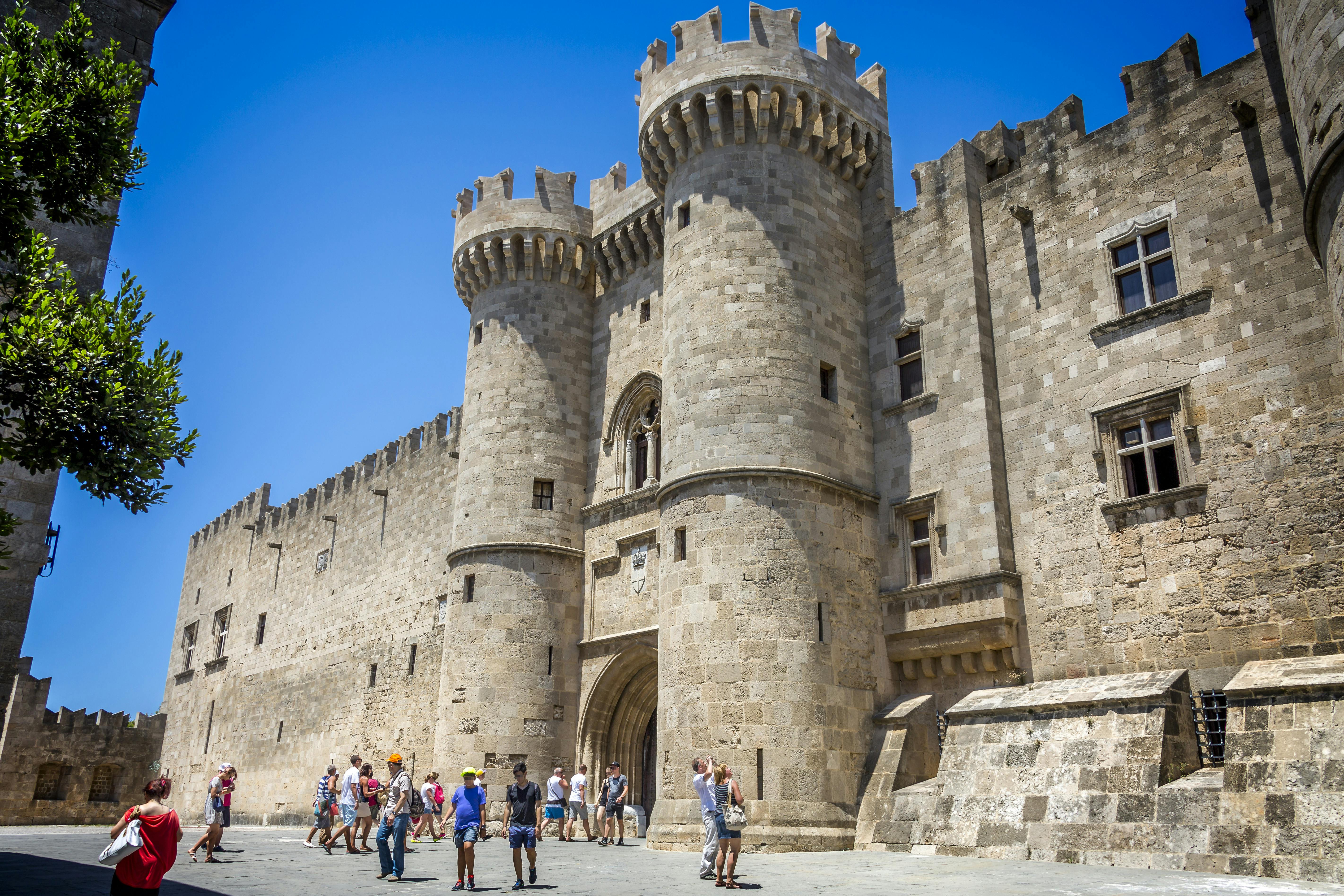
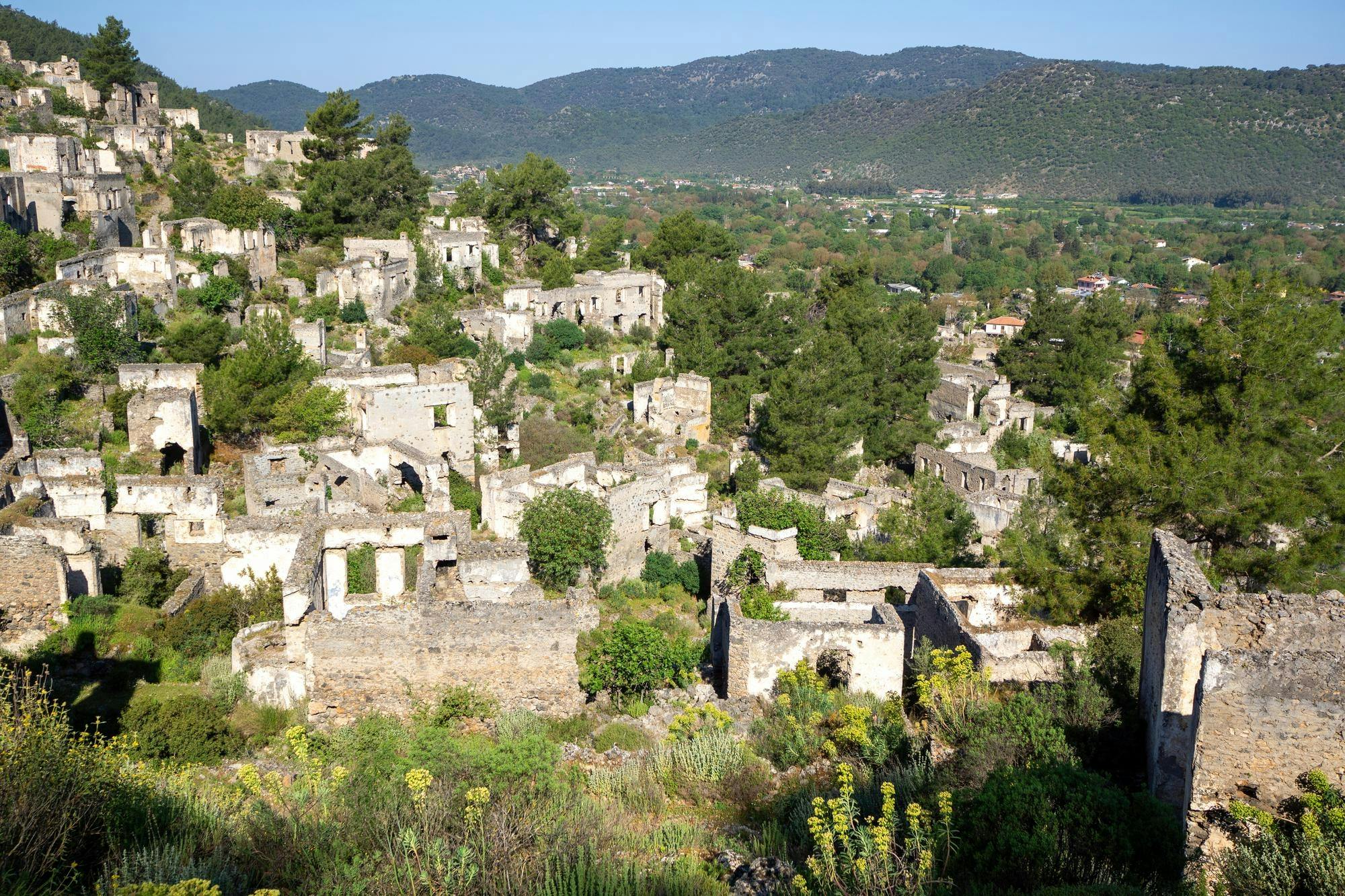
Is there English commentary?
Yes. Historical commentary is available in English and other languages.
Does the cruise leave the harbour?
It may briefly approach or pass outside the entrance when sea conditions permit.
Are the underwater views guaranteed?
No. Visibility depends on sunlight, waves, water clarity and marine life.
Where do the sightseeing boats depart?
They depart from the Maó waterfront around Moll de Llevant and Pla de Baixamar.
How early should I arrive?
Be aboard at least ten minutes before sailing and arrive earlier when buying tickets locally.
Can I visit Illa del Rei?
Yes, during its seasonal operating period by shuttle boat from Maó.
How much is the Illa del Rei boat?
The current return fare is €10.
How long is the crossing?
Approximately 15 minutes each way.
Is Hauser & Wirth free?
Entry to the gallery and gardens is free, but the shuttle boat is paid.
What else is on Illa del Rei?
The island contains an old British naval hospital and remains of an early Christian basilica.
Can I take a dog to Illa del Rei?
No, except for recognised guide dogs.
Can I visit Lazaretto Island?
Only through scheduled tours, authorised events or organised boat access.
What is La Mola?
It is the enormous 19th-century Fortress of Isabel II at the northern side of the harbour entrance.
How much is La Mola?
General admission is currently €8.25.
How long should I spend at La Mola?
Allow at least two hours, and preferably three.
Can I reach La Mola by bus?
A regular public bus should not be assumed. A car, taxi or seasonal water transfer is more practical.
What is Fort Marlborough?
It is an 18th-century British fort carved into rock near Cala Sant Esteve.
How much is Fort Marlborough?
Current admission is approximately €6.
Is Fort Marlborough in Maó?
It is on the Es Castell side of the harbour entrance, around five kilometres from Maó.
Can I take a bus to Fort Marlborough?
No direct bus reaches the fort. Take a bus to Es Castell and walk around two kilometres or continue by taxi.
What is Cales Fonts?
It is a former fishing cove below Es Castell lined with restaurants, bars and craft shops.
What is the best time for Cales Fonts?
Late afternoon and evening.
Can I swim in Mahón Harbour?
Do not swim from busy commercial quays or marinas. Use recognised bathing areas outside the working port.
Are there beaches in central Maó Harbour?
The central harbour is primarily a working port and marina rather than a beach destination.
How far is the airport?
Menorca Airport is approximately four to six kilometres from Maó, depending on the destination within the harbour.
Is there an airport bus?
Yes. Line 10 connects the airport with Maó bus station.
Does the airport bus go directly to the harbour?
It terminates in the upper city, so a walk, taxi or connecting journey may be required.
Can I park at the harbour?
Yes, but central spaces are regulated and can fill quickly during summer.
Is the harbour wheelchair accessible?
The principal quay is relatively level, but the steep connection with the old town and access to boats and forts vary considerably.
Are harbour cruises wheelchair accessible?
Some boats offer easier access, but exact gangway, toilet and wheelchair arrangements must be confirmed directly.
Is Mahón Harbour suitable for children?
Yes. Boat cruises, Illa del Rei and the fortifications are generally engaging for families.
Can I visit the harbour in winter?
Yes, but most excursion boats and island attractions use reduced schedules or close seasonally.
What is the best month to visit?
June and September provide warm weather, active services and generally lower crowd levels than August.
Mahon Harbour glass-bottom boat tour Best deals for Mahon Harbour glass-bottom boat tour. Straddling the main Mediterranean trade routes, Mahon has enjoyed great strategic importance throughout history. The Romans, Arabs, Catalans, Spanish, French and British all coveted its deep-water harbour as their own. This one-hour catamaran trip takes you on a voyage of exploration all of your own. Available from musement.com.
Quick take: Trip.com helps you compare prices across accommodations. Use it to shortlist hotels, then click through to confirm the final price, room type, and inclusions on the booking site.
Mahón Harbour is one of Menorca’s most historically layered and visually impressive areas.
Its long protected waters explain centuries of naval rivalry, while its islands, forts and waterfront settlements reveal how military, medical, commercial and everyday life developed around the port.
A one-hour harbour cruise is the best introduction. It provides context for La Mola, Fort Marlborough, the quarantine island, Illa del Rei and Es Castell before visitors choose which places deserve a closer look.
Allow a full day when possible. Spend the morning in Maó, take a cruise, visit Illa del Rei and finish with dinner at Cales Fonts.
With sensible planning and attention to seasonal schedules, Mahón Harbour offers far more than a pleasant marina. It is one of the most complete combinations of maritime scenery, military history, contemporary culture and waterfront dining in the Balearic Islands.
Tajana & Zlatni Rat Excursions operates boat trips from Medulin Harbour along the southern coast of Croatia’s Istrian Peninsula.
The excursions combine several of the region’s most attractive maritime sights: the rocky coast of Cape Kamenjak, clear swimming water, sea caves, Porer Lighthouse and the sandy shoreline of Levan Island.
Sponsored Popular Items
Quick take: Trip.com offers a worldwide selection of tours and attractions and hotels
Sunset Safari Dolphin Tour on Boat Tajana from Medulin Best deals for Sunset Safari Dolphin Tour on Boat Tajana from Medulin. Combine a sunset cruise with a dolphin-watching expedition in Croatia. First, you’ll sail along the Istrian coast and search for dolphins around the Medulin archipelago. With luck, you’ll see these incredible creatures at play in their natural habitat. Then, enjoy dinner and drinks on board as the sun sinks beyond the horizon. It’s one magical holiday experience. Available from musement.com.
Quick take: Trip.com helps you compare prices across accommodations. Use it to shortlist hotels, then click through to confirm the final price, room type, and inclusions on the booking site.
The company now promotes its excursions under the wider name Medulin Boat Excursions or Pirate Boat Excursions. The traditional names Tajana and Zlatni Rat remain associated with its boats and harbour operation, which can make the attraction appear under several slightly different names online.
Passengers can choose between a five- to six-hour shared day cruise, a sunset dolphin-watching trip, a full eight-hour Kamenjak expedition, a shorter glass-bottom boat excursion or a private charter.
This guide explains the differences between the tours, what is included, what the cave and island stops are really like, current indicative prices and the practical details that should be checked before boarding.
Tajana & Zlatni Rat Excursions Quick Facts
Visitor information
Details
Location
Medulin Harbour, Istria, Croatia
Also known as
Medulin Boat Excursions and Pirate Boat Excursions
Boat names associated with the operator
Tajana and Zlatni Rat
Main season
Approximately May to October
Main destinations
Cape Kamenjak, Porer Lighthouse, Golumbera cave area and Levan Island
Shortest shared excursion
Approximately three hours
Longest shared excursion
Approximately eight hours
Main day trip
Five- to six-hour Kamenjak and Levan cruise
Dolphin trip
Three-hour sunset cruise with dinner
Private boat price
Currently from approximately €350 per boat
Departure point
Medulin waterfront near the Port Authority
Check-in
Normally 10–30 minutes before departure, depending on the tour
Cancellation
Currently free until 24 hours before departure
Dolphin guarantee
No; dolphins are wild animals
Cave guarantee
No; entry depends on waves, wind and the captain’s decision
Important: Published prices, departure times and route details can vary by date. Treat the booking confirmation as the final authority.
What Is Tajana & Zlatni Rat Excursions?
Tajana & Zlatni Rat Excursions is a family-owned boat-tour operation based on Medulin’s waterfront.
The operator has developed a pirate theme around its traditional excursion boats and coastal storytelling. The vessels are not amusement-park pirate ships. They are working sightseeing boats decorated and presented to give families and groups a more memorable experience.
Current trips focus on the waters between Medulin Bay, the Medulin Archipelago and the exposed southern end of Istria.
The usual experience combines:
Panoramic cruising through Medulin Bay.
Views of small islands and coves.
A pass near Porer Lighthouse.
Swimming beside Cape Kamenjak.
Possible guided entry into a sea cave.
Lunch or dinner on selected tours.
Time on sandy Levan Island.
Dolphin searching on the sunset cruise.
The operator’s excursion desk is on the Riva, Medulin’s waterfront promenade. Look for the branded desk or boat-shaped advertising counter and the light-blue umbrella near the Port Authority.
Current Tour Comparison
Tour
Duration
Main features
Food
Pirate Sea Adventure
5–6 hours
Kamenjak, cave swim, Porer and Levan Island
Lunch and drinks
Captain’s Premium Day
8 hours
Kamenjak by land and sea, long cave and island stops
Breakfast, lunch and drinks
Sunset Dolphin Cruise
3 hours
Dolphin search, sunset, Porer and Kamenjak views
Dinner and drinks
Glass-Bottom Boat
3 hours
Underwater viewing and Kamenjak swim stop
Drinks
Private Boat Tour
6 hours
Flexible Kamenjak, cave, bays and Levan route
Bring your own food unless arranged
Private Glass-Bottom Boat
6 hours
Private underwater viewing and flexible swim stops
Bring your own food unless arranged
Medulin Pirate Sea Adventure
The five- to six-hour Pirate Sea Adventure is the operator’s standard shared day excursion.
It provides the best general introduction for travellers who want swimming, sightseeing, lunch and beach time without spending a full eight hours away.
Typical Route
Boarding at Medulin Harbour.
Panoramic cruise through the Medulin Archipelago.
Views of Porer Lighthouse.
Swimming at Cape Kamenjak.
Guided cave entry when conditions permit.
Lunch served during the cruise.
Approximately two hours on Levan Island.
Return to Medulin.
Kamenjak Swimming Stop
The scheduled Kamenjak stop normally lasts around 30 minutes.
Passengers can swim beside the boat, use their own snorkelling mask and, when conditions are suitable, follow a crew member towards the cave.
The exact anchoring location can change. The captain must consider waves, wind, congestion and the ability of passengers to enter and leave the water safely.
Levan Island Stop
The Levan stop generally lasts approximately two hours.
This is the longest period off the boat and provides time to swim, sit on the sand, visit a beach bar or rent a sunbed.
Beach-bar purchases, umbrellas and loungers are not included in the cruise price.
Who Is This Tour Best For?
First-time visitors to Medulin.
Families with children who can manage a half-day boat trip.
Travellers interested in both Kamenjak and Levan.
People who want lunch included.
Visitors wanting several experiences rather than a single swimming stop.
Captain’s Premium Day at Sea and Land
The eight-hour Captain’s Premium Day is the most complete shared tour.
It differs from the standard trip by including longer stops and an opportunity to explore part of Cape Kamenjak from land.
Typical Timing
The published schedule currently runs from approximately 9:00 am until 5:00 pm.
Passengers should reach the harbour at least 30 minutes before departure.
Included Experiences
Welcome drink.
Breakfast sandwich.
Porer Lighthouse panorama.
Approximately two hours at Polje Bay.
Short exploration of Kamenjak trails and viewpoints.
Dino Park area.
Approximately 90 minutes near Golumbera Sea Cave.
Guided cave approach when safe.
Lunch and drinks aboard the boat.
Levan Island stop.
Advantages
The longer itinerary gives passengers more time to swim and explore instead of spending most of the day moving between locations.
It is particularly suitable for visitors who do not have another day available to tour Cape Kamenjak by road or bicycle.
Possible Drawbacks
Eight hours can be long for very young children.
Passengers spend significant time exposed to sun and sea air.
It is more expensive than the regular shared cruise.
Sea conditions may still force changes to the advertised schedule.
The on-land section involves uneven natural paths.
Sunset Dolphin and Dinner Cruise
The sunset cruise lasts approximately three hours and focuses on finding dolphins in the waters beyond Medulin.
The route normally includes views of Cape Kamenjak and Porer Lighthouse during the evening light.
What Is Included?
Welcome drink.
Dolphin search led by the captain.
Sunset cruise.
Dinner with meat, fish or vegetarian choice.
Beer, wine, water and soft drinks.
Guide or crew commentary.
Dolphin Sightings
Dolphins are not confined to a fixed viewing location. The captain searches areas where previous activity, sea conditions and experience suggest they may be present.
Passengers may see:
A single surfacing animal.
A small moving group.
Dolphins at considerable distance.
No dolphins at all.
A responsible operator should not chase, surround, feed or force animals to approach the vessel.
Sunset Conditions
Cloud can hide the sun even when the cruise operates normally.
The open water may also feel considerably cooler after sunset, so bring a light jacket or long-sleeved layer.
Who Should Choose It?
Couples.
Families wanting a shorter boat trip.
Travellers primarily interested in dolphins.
Visitors who prefer not to spend the hottest part of the day at sea.
People who have already visited Kamenjak during the day.
Glass-Bottom Boat Adventure
The three-hour glass-bottom trip is designed particularly for families and visitors who want a shorter excursion.
Panels in the vessel allow passengers to look beneath the boat at the seabed and passing fish.
What to Expect
Departure from Medulin Harbour.
Views through the glass-bottom panels.
Panoramic cruise towards Cape Kamenjak.
Porer Lighthouse views.
Approximately 45 minutes for swimming.
Views of the Golumbera cave area.
Drinks aboard the boat.
Managing Expectations
A glass-bottom boat does not guarantee aquarium-like visibility.
What passengers see depends on:
Water clarity.
Sunlight.
Depth.
Wave movement.
Boat speed.
Whether fish happen to be nearby.
The strongest viewing normally occurs in calm, shallow and well-lit water.
Best For
Young families.
Non-swimmers.
Visitors with limited time.
People who do not want a full-day cruise.
Travellers curious about the underwater landscape.
Private Boat Tours
Private charters provide the greatest flexibility.
The standard private boat currently accommodates up to 14 passengers, with the published starting price covering the boat, captain and fuel.
Possible Destinations
Cape Kamenjak.
Golumbera cave area.
Porer Lighthouse.
Levan Island.
Calmer hidden bays.
Sections of the Medulin Archipelago.
Advantages of Going Private
Only your group uses the boat.
More time at preferred swimming stops.
Less waiting for a large group.
Flexible pacing for children.
Suitable for birthdays and celebrations.
Food and drinks can be brought aboard under current rules.
Limits to Flexibility
A private booking does not override marine safety or protected-area rules.
The captain still controls:
Whether cave entry is safe.
How close the boat approaches Porer.
Which bays can be used.
Whether the open-sea route is practical.
The time required to return before poor weather.
Cape Kamenjak
Cape Kamenjak forms the southernmost section of the Istrian Peninsula.
It is officially part of the protected landscape known as Lower Kamenjak and the Medulin Archipelago. It is often casually marketed as a nature park, but it is not one of Croatia’s national parks.
The landscape includes:
Rocky coves.
Low limestone cliffs.
Mediterranean scrub.
Grassland.
Pine-shaded bays.
Clear marine habitats.
Rare plant species.
Boat tours reveal the cape from a different angle than a road visit. From the water, passengers see exposed rock layers, caves, inlets and cliff sections that may be difficult to reach on foot.
Sea Conditions
The outer side of Kamenjak is exposed to open Adriatic weather.
Conditions can be considerably rougher than inside Medulin Bay. A calm harbour does not guarantee a calm cave stop.
Golumbera Sea Cave and Swimming Stop
The operator describes its principal cave stop as Golumbera Sea Cave.
The cave area lies along the rocky Kamenjak coast, where sunlight, limestone and clear water can produce blue and turquoise colours.
How Entry Works
The excursion boat normally anchors outside the cave area.
Passengers entering the water may follow a crew member towards the opening. Depending on the sea, visitors may swim partly inside or view the cave from outside.
The boat itself should not be expected to enter a narrow swimming cave.
Cave Entry Is Conditional
The crew may cancel cave swimming because of:
Waves entering the opening.
Strong current.
Wind.
Reduced visibility.
Boat congestion.
Passenger safety concerns.
Do not pressure the crew to proceed after the captain has judged the cave unsafe.
Who Should Remain Near the Boat?
Weak swimmers.
Visitors uncomfortable in deep water.
People unable to climb the boat ladder.
Anyone with a recent injury.
Children who cannot follow instructions.
Passengers concerned by waves or confined spaces.
Remaining beside the vessel and snorkelling outside can still be enjoyable.
Porer Lighthouse
Porer Lighthouse stands on a small rocky islet southwest of Cape Kamenjak.
The lighthouse was built in 1846 during the period of Austrian rule and continues to mark hazardous waters near Istria’s southern tip.
Most excursions provide a panoramic pass rather than landing on the islet.
Why Boats Do Not Normally Land
Porer is exposed to wind, current and open-sea swell. Landing requires suitable conditions and specific arrangements.
Passengers should expect photographs from the boat rather than a visit inside the lighthouse.
Photography Advice
Use burst mode because the vessel is moving.
Keep the horizon level.
Protect the phone from spray.
Avoid standing suddenly when other passengers are taking photographs.
Use a secure wrist strap.
Levan Island
Levan is a small island on the eastern side of the Medulin Archipelago.
It is especially popular because sandy beaches are relatively unusual in Istria, where many shorelines consist of stone, rock or pebbles.
What Is Available?
Seasonal facilities may include:
Beach bars.
Food and drinks.
Toilets linked with commercial facilities.
Sunbed rental.
Umbrella rental.
Moorings and taxi boats.
The Beach
The water close to shore is generally shallow, making the island popular with families.
Conditions can still change with wind, passing boats and seasonal crowding.
What Is Not Included?
The normal excursion price does not cover:
Beach-bar purchases.
Additional cocktails or meals ashore.
Sunbeds.
Umbrellas.
Independent water activities.
Carry some cash because not every small seasonal business can be relied upon to accept every card.
Environmental Care
Levan is a small island under considerable summer pressure.
Take all rubbish to a suitable bin or back to the boat, avoid damaging vegetation and do not remove shells or marine animals.
The Medulin Archipelago
Medulin Bay contains approximately ten small islands and islets.
The wider protected landscape includes places such as:
Levan.
Ceja.
Bodulaš.
Fenera.
Fenoliga.
Frašker and Fraškerić.
Smaller rocky islets.
Levan, Ceja and Bodulaš have seasonal food or visitor facilities, while other islets remain largely undeveloped.
The waters contain shallow areas, reefs and navigational hazards. Visitors hiring their own boat should use proper charts and local advice rather than copying the route of a staffed excursion vessel.
Food and Drinks on Board
Food arrangements depend on the selected tour.
Shared Day Cruise
The standard day excursion includes lunch with a choice of:
Meat.
Fish.
Vegetarian meal.
Wine, beer, water, juice and soft drinks are currently included.
Premium Day
The premium excursion includes a breakfast sandwich, lunch and drinks.
Sunset Cruise
The evening trip includes a dinner choice and selected unlimited drinks.
Glass-Bottom Tour
Drinks are included, but a complete meal is not normally part of the shorter shared trip.
Dietary Requirements
Contact the operator before booking when a passenger has:
A serious food allergy.
Coeliac disease.
Vegan requirements.
Religious dietary restrictions.
A medical diet.
The vegetarian choice should not automatically be assumed to meet every vegan or allergy requirement.
Managing Expectations
The meal is simple boat-excursion food intended to feed a large group. Travellers should not expect restaurant-style presentation or a broad menu.
Dolphin Watching
Bottlenose dolphins and other marine mammals may be encountered in the northern Adriatic, but sightings vary from day to day.
No operator can honestly guarantee that wild dolphins will appear.
Responsible Observation
A suitable wildlife approach includes:
Reducing speed near animals.
Avoiding sudden course changes.
Not separating mothers and calves.
Not feeding dolphins.
Not encouraging passengers to enter the water.
Leaving the group after a reasonable observation period.
Photography
Dolphins surface briefly and unpredictably.
Keep the camera ready, use a fast shutter or burst mode and remember that watching the animal may be more rewarding than attempting to record every moment.
Meeting Point and Check-In
All current tours depart from Medulin Harbour.
The operator’s desk is described as being near the Port Authority on the waterfront.
Look for:
A light-blue umbrella.
A boat-shaped or branded advertising desk.
Tajana, Zlatni Rat or Medulin Boat Excursions branding.
How Early Should You Arrive?
Most full-day and sunset excursions request check-in around 30 minutes before departure.
The shared glass-bottom trip may request a shorter check-in period.
Follow the precise time in the booking confirmation rather than relying on a general rule.
Why Check-In Matters
The crew must:
Confirm passenger numbers.
Check meal choices.
Organise boarding.
Give safety information.
Leave the berth on schedule.
Late passengers may miss the trip because a tour boat cannot always return to the dock after departure.
Current Indicative Prices
The operator’s detailed tour pages currently publish the following rates. Prices may change according to date, demand and booking channel.
Tour
Adult
Child
Age 0–3
Pirate Sea Adventure
Approximately €45
Approximately €25
Free
Sunset Dolphin Dinner Cruise
Approximately €45
Approximately €25
Free
Captain’s Premium Day
Approximately €60
Approximately €35
Free
Glass-Bottom Boat Adventure
Approximately €30
Approximately €20
Free
Private Boat Tour
From approximately €350 per boat
Private Glass-Bottom Boat
From approximately €450 per boat
Some advertising pages display lower “from” prices. Check the final total in the live booking engine before paying.
Booking and Cancellation
Advance booking is advisable during July and August.
The operator currently recommends reserving at least two days before the preferred departure.
Cancellation Policy
The present published policy provides free cancellation until 24 hours before departure.
After that point, refund rights may be restricted unless the operator cancels the excursion.
Weather Cancellation
When the captain considers conditions unsafe, the operator may:
Move the booking to another date.
Change the route.
Cancel a cave entry.
Replace one stop with a sheltered alternative.
Cancel the full trip.
Provide a refund when rescheduling is impossible under its current terms.
Use a phone number and email address you can access while travelling.
Weather and Route Changes
Medulin Bay is relatively sheltered, while Porer and the outer side of Kamenjak are exposed to the open Adriatic.
Possible problems include:
Strong wind.
Short steep waves.
Thunderstorms.
Reduced visibility.
Heavy rain.
Unsafe cave surge.
Weather at the harbour can look pleasant while the sea near Porer is uncomfortable.
The captain’s decision should be treated as final.
Swimming Ability and Cave Safety
The day cruises involve entry into deep water from a boat rather than walking gradually from a beach.
Passengers should consider whether they can:
Use a boat ladder.
Swim without standing on the bottom.
Remain calm in waves.
Follow crew instructions.
Return to the boat without assistance.
Ask the operator about flotation equipment before departure when a passenger is not a confident swimmer.
Never jump until the crew confirms where and how water entry is permitted.
A cave can contain:
Slippery rock.
Low visibility.
Wave surge.
Sharp surfaces.
Other swimmers.
Water shoes may help near rock, although they do not replace swimming ability.
Travelling with Children
The pirate presentation, sandy island and glass-bottom boat make the excursions attractive to families.
Before Booking, Ask About
Child-sized flotation equipment.
Shade on the selected vessel.
Toilets.
Pushchair storage.
Safe seating for toddlers.
The child’s meal choice.
Minimum ability for cave swimming.
Best Tour for Young Children
The three-hour glass-bottom trip is generally the easiest choice for children who may not tolerate a full day at sea.
Best Tour for Active Older Children
The standard Pirate Sea Adventure provides cave swimming and Levan Island without the full duration of the premium tour.
Infants
Although children aged three or younger are currently listed as free, parents must still decide whether the sea conditions, heat and trip duration are suitable.
Free admission does not mean that an excursion is automatically comfortable for an infant.
Accessibility and Mobility
Accessibility depends on the vessel, tide, boarding position and passenger’s individual needs.
Possible difficulties include:
A moving gap between the boat and dock.
Steps onto the vessel.
Narrow passageways.
Stairs between decks.
Boat toilets with restricted space.
Ladders for swimming.
Uneven sand on Levan Island.
Do not rely solely on a general “accessible” label from a third-party booking site.
Before paying, ask the operator:
Can a wheelchair reach the boat?
Can the passenger remain in the chair?
How many boarding steps are involved?
Is an accessible toilet available?
Can a walking frame be stored?
Is crew lifting required?
Can the passenger disembark at Levan?
Seasickness and Boat Comfort
Passengers who become seasick should take the exposed Kamenjak and Porer sections seriously.
Helpful Measures
Choose a calm-weather morning.
Sit near the centre or rear of the vessel.
Look towards the horizon.
Avoid a heavy or greasy breakfast.
Remain in fresh air.
Use medically suitable motion-sickness treatment before departure.
Avoid excessive alcohol.
The sunset trip may feel cooler and rougher than expected once the vessel reaches open water.
What to Bring
Swimwear: Wear it before boarding when changing space is limited.
Towel: Bring a compact quick-drying towel.
Sunscreen: Reapply after swimming.
Secure hat: Avoid loose hats in strong wind.
Sunglasses: Reflected glare can be intense.
Light jacket: Essential for the sunset trip.
Snorkelling mask: Bring your own when underwater viewing matters.
Water shoes: Useful around rocky swimming areas.
Cash: Needed for optional Levan Island purchases.
Waterproof phone pouch: Protects electronics from spray.
Medication: Carry anything needed during the full trip.
Booking confirmation: Keep it available offline.
Avoid bringing large suitcases, expensive jewellery or unnecessary electronics.
The Best Time to Take a Tour
May
May is quieter, but the sea may feel cold and the full summer schedule may not yet operate every day.
June
June offers long daylight, warm weather and lower crowd levels than August.
July and August
These months provide the widest choice of departures but also the largest crowds, busiest cave areas and highest temperatures.
September
September is often excellent because the sea retains summer warmth while visitor numbers begin to decline.
October
Some excursions may continue in suitable weather, but schedules become less frequent.
Morning or Afternoon?
Morning trips often have calmer water. Sunset trips provide cooler temperatures and attractive light but may encounter evening wind.
Getting to Medulin Harbour
Medulin is approximately 10 kilometres southeast of Pula.
By Car
Follow signs towards Medulin and then the Riva or harbour.
Allow extra time in summer because the waterfront roads become congested.
By Taxi
A taxi from Pula is practical for groups, but prearrange the return when arriving back late after a sunset cruise.
By Bus
Regional buses connect Pula and Medulin, although schedules vary by season.
Allow time to walk from the bus stop to the correct harbour desk.
From Pula Airport
There is no reason to assume a direct excursion transfer is included. Arrange a taxi, private transfer or rental car separately.
Parking Near the Harbour
Parking availability changes by season and time of day.
During summer:
Arrive well before check-in.
Use a legal public car park.
Do not block marina access.
Check payment signs.
Keep valuables out of sight.
Photograph the parking location.
The operator does not normally include a reserved parking space with the tour.
Things to Do Near Medulin Harbour
Medulin Waterfront
The Riva contains restaurants, cafés, excursion desks and evening entertainment.
Bijeca Beach
Bijeca is Medulin’s best-known sandy beach and is especially popular with families.
Vižula Archaeological Park
The Vižula Peninsula contains remains associated with a Roman residential complex and provides an easy coastal walk.
Medulin Windmill
The reconstructed waterfront windmill, known as Malin, is a local symbol.
Pula
Pula’s Roman amphitheatre, historic centre and harbour are close enough for a separate half-day excursion.
Cape Kamenjak by Land
A road or bicycle visit reveals beaches, trails and viewpoints not included on shorter boat tours.
Responsible Marine Tourism
The excursions enter a protected landscape and ecologically important marine area.
Do not throw rubbish overboard.
Do not remove marine animals or shells.
Do not touch dolphins.
Do not feed fish or wildlife.
Avoid standing on seagrass or living marine habitat.
Use toilets rather than entering the water for waste disposal.
Follow cave and swimming instructions.
Keep noise moderate near wildlife.
Do not leave rubbish on Levan Island.
Accept route changes made for safety and conservation.
Which Tour Should You Choose?
Choose the Pirate Sea Adventure When:
You want the classic Kamenjak and Levan experience.
You prefer lunch included.
Five or six hours is manageable.
You want both swimming and beach time.
Choose the Premium Day When:
You want the most complete itinerary.
You want to explore Kamenjak on land.
You prefer longer stops.
An eight-hour excursion is comfortable for your group.
Choose the Sunset Dolphin Cruise When:
Dolphins are the main interest.
You want a romantic evening.
You prefer a shorter trip.
You understand sightings are not guaranteed.
Choose the Glass-Bottom Boat When:
You have young children.
You do not want a full-day tour.
Underwater viewing interests you.
Some passengers do not swim.
Choose a Private Tour When:
Your group wants flexibility.
You are celebrating an occasion.
You want fewer passengers.
You need a slower pace.
The per-person cost is reasonable for your group size.
Are the Tajana Boat Tours Worth Taking?
The excursions are worthwhile for visitors who want to see southern Istria from the water without hiring and navigating their own boat.
Main Advantages
Convenient departure from central Medulin.
Choice of short, full-day and private tours.
Kamenjak scenery.
Cave swimming when conditions allow.
Sandy Levan Island stop.
Food and drinks on most shared tours.
Family-friendly pirate presentation.
No need to drive through Kamenjak.
Possible Drawbacks
Shared boats can feel crowded in high season.
Meals are simple excursion food.
Cave access is not guaranteed.
Dolphins may not appear.
Levan Island can be busy.
Open-sea sections may be rough.
Accessibility can be limited.
The actual route may differ from promotional material because of weather.
The standard Pirate Sea Adventure provides the most balanced option for a first visit. Families with very young children may find the three-hour glass-bottom trip easier, while a private charter offers the best flexibility for a larger group.
Frequently Asked Questions About Tajana & Zlatni Rat Excursions
What is Medulin Tajana?
It generally refers to the Tajana excursion boat and the Tajana & Zlatni Rat boat-tour company operating from Medulin Harbour.
Is it also called Medulin Boat Excursions?
Yes. The current company website uses Medulin Boat Excursions and Pirate Boat Excursions branding.
Where do the tours depart?
They depart from the Riva at Medulin Harbour.
How do I find the desk?
Look near the Port Authority for the branded desk or boat-shaped counter and light-blue umbrella.
How early should I arrive?
Most trips require check-in around 30 minutes early. Follow the exact booking instructions.
What is the most popular daytime tour?
The five- to six-hour Pirate Sea Adventure is the standard Kamenjak and Levan excursion.
How much is the main day cruise?
The detailed 2026 tour page currently lists approximately €45 per adult and €25 per child.
Are babies free?
Children aged zero to three are currently listed as free, but they must still be included in the reservation.
Is lunch included?
Lunch is included on the standard day tour and premium tour.
What meal choices are available?
The usual choices are meat, fish and vegetarian.
Are drinks included?
Selected beer, wine, water, juice and soft drinks are included on most shared trips.
Is alcohol unlimited?
The operator advertises selected drinks as unlimited on several excursions. Responsible consumption and the crew’s rules still apply.
Can I bring my own food?
This is permitted on current private tours. Ask before bringing substantial food onto a shared trip.
Is the tour suitable for vegetarians?
Yes, a vegetarian meal option is advertised.
Is vegan food available?
Do not assume the vegetarian meal is vegan. Contact the operator before booking.
Can food allergies be accommodated?
Ask the operator directly before paying. A boat kitchen may not be able to prevent cross-contact.
How long is the Levan Island stop?
The standard day cruise normally provides approximately two hours.
Is Levan Island sandy?
Yes. Levan is known for sandy shoreline and shallow water.
Are sunbeds included?
No. Sunbeds and umbrellas are normally paid for separately.
Are there toilets on Levan Island?
Seasonal commercial facilities include toilets, but availability should not be treated as guaranteed outside the main season.
Should I take cash?
Yes. Cash is useful for beach bars and optional rentals on Levan.
Can the boat enter the cave?
The excursion vessel normally remains outside. Passengers may swim towards the cave with a guide when conditions allow.
Do I have to enter the cave?
No. You can remain on the boat or swim near it.
Do I need to be a strong swimmer?
Confident swimming is recommended for cave entry because the water is deep and may move with the swell.
Are life jackets available?
Ask the operator about the correct flotation equipment for adults and children before departure.
Can children swim into the cave?
This depends on age, swimming ability, sea conditions and the crew’s decision.
Is Cape Kamenjak a national park?
No. It is part of the protected significant landscape of Lower Kamenjak and the Medulin Archipelago.
Does the boat stop at Porer Lighthouse?
Most tours provide a panoramic pass rather than landing on the lighthouse islet.
When was Porer Lighthouse built?
It was built in 1846.
How long is the dolphin cruise?
Approximately three hours.
Are dolphin sightings guaranteed?
No. Dolphins are wild animals and may not be present.
What happens when no dolphins appear?
The tour normally continues as a sunset cruise with dinner. A refund should not be assumed solely because no dolphins were seen.
Can passengers swim with dolphins?
No responsible wildlife tour should encourage passengers to enter the water with wild dolphins.
Is dinner included on the sunset trip?
Yes, the current excursion includes dinner and selected drinks.
What should I wear on the sunset cruise?
Bring a light jacket or long-sleeved top because it can become cool after sunset.
Is the glass-bottom tour suitable for non-swimmers?
Yes. Passengers can remain on board and view the water through the glass panels.
Will I definitely see fish?
No. Visibility and wildlife sightings depend on natural conditions.
How long is the glass-bottom tour?
Approximately three hours.
How much does the glass-bottom tour cost?
The current detailed rate is approximately €30 for adults and €20 for children.
How much is a private boat?
The standard six-hour private tour currently starts at approximately €350 per boat.
How many passengers fit on the private boat?
The standard private tour currently advertises capacity for up to 14 guests.
Is fuel included?
Fuel and the captain are included in the currently published private-tour price.
Can the private route be changed?
It is flexible, but weather, safety, time and environmental rules still determine the final route.
Are pets allowed?
The operator currently states that controlled pets are welcome. Confirm before booking and bring any required leash, carrier or muzzle.
Are the boats wheelchair accessible?
Do not assume they are fully accessible. Contact the operator for exact boarding and toilet information.
Can I bring a pushchair?
Ask about storage before booking. Space aboard excursion boats can be limited.
Are toilets available on board?
Facilities depend on the vessel. Confirm when this is important to your group.
What happens in bad weather?
The captain may modify, postpone or cancel the excursion.
Will I receive a refund after a weather cancellation?
The current policy provides rescheduling or a refund when the operator cancels and another date is unsuitable.
Can I cancel my booking?
Current terms permit free cancellation until 24 hours before departure.
Should I book in advance?
Yes, particularly during July and August. The operator currently recommends booking at least two days ahead.
When do the tours operate?
The main operating season is approximately May through October, subject to demand and weather.
Can I park at the harbour?
Public parking is available around Medulin, but the tour does not normally include a reserved space.
How far is Medulin from Pula?
Medulin is approximately 10 kilometres southeast of Pula.
Can I combine the tour with Pula?
Yes, but a full-day cruise leaves limited sightseeing time. Visit Pula on a separate day or after a shorter morning tour.
What is the best month?
June and September generally provide warm weather with fewer crowds than August.
What is the best tour for families?
The glass-bottom trip is best for a short experience, while the Pirate Sea Adventure is better for families wanting a full swimming and island day.
What is the best tour for couples?
The sunset dolphin cruise or a private charter provides the most relaxed atmosphere.
What is the best tour for active travellers?
The eight-hour premium trip offers the most swimming and on-land Kamenjak exploration.
Sponsored Popular Items
Quick take: Trip.com offers a worldwide selection of tours and attractions and hotels
BBQ Boat Cruise from Medulin Tajana Best deals for BBQ Boat Cruise from Medulin Tajana. Experience an island-hopping boat trip on the Medulin Riviera and take in some of the most beautiful coastal scenery in Istria. As well as the sandy island of Levan, you’ll also pitch up at Kamenjak Protected Nature Area– a wild and rugged peninsula famous for its clean waters and cliff divers. It’s stunning scenery right from the go as we sail out of Medulin harbour. Gently gliding for an hour towards Kamenjak, you’ll be able to relax on board as you savour the beauty of the coastline. Your captain will drop…
Quick take: Trip.com helps you compare prices across accommodations. Use it to shortlist hotels, then click through to confirm the final price, room type, and inclusions on the booking site.
Tajana & Zlatni Rat Excursions offers a convenient way to see the most attractive waters south of Medulin without renting or navigating a boat independently.
The standard daytime trip provides the strongest all-round combination of Kamenjak, cave swimming, lunch and Levan Island. The glass-bottom boat is a more manageable choice for families with younger children, while the sunset cruise focuses on wildlife and evening scenery.
Visitors should keep their expectations realistic. Cave entry depends on the sea, dolphins may not appear, meals are simple and popular shared boats can become busy during the height of summer.
Arrive early, bring sun protection and cash for Levan, and accept changes made by the captain when the outer coast becomes rough.
With suitable weather, the clear water around Kamenjak, isolated Porer Lighthouse and sandy stop on Levan make the excursion one of the most enjoyable activities available from Medulin.
The fortified citadel of Carcassonne is one of the most recognisable medieval sights in France. Dozens of stone towers rise above the River Aude, linked by two rings of defensive walls and crowned with pointed roofs that give the city its storybook appearance.
Known in French as the Cité Médiévale de Carcassonne, the citadel is not simply a castle. It is a complete walled district containing narrow streets, houses, restaurants, shops, a basilica, gateways, courtyards and the fortified Château Comtal.
Sponsored Popular Items
Quick take: Trip.com offers a worldwide selection of tours and attractions and hotels
Private luxury tour of the Carcassonne citadel Best deals for Private luxury tour of the Carcassonne citadel. Walk along the cobbled streets of the medieval citadel to see its military power and relive its 2600 years of history. Available from musement.com.
Quick take: Trip.com helps you compare prices across accommodations. Use it to shortlist hotels, then click through to confirm the final price, room type, and inclusions on the booking site.
Visitors can enter the medieval city and wander through its public streets without paying. A ticket is required only for the Count’s Castle and the sections of rampart operated as a national monument.
The distinction matters. A quick visitor may see the gates, lanes, basilica and outer fortifications for free, while a more complete visit should include the castle and rampart circuit.
This guide explains what to see, how the ticketing works, when to arrive, where to park, how to travel from the railway station and how much time to allow.
Carcassonne Citadel Quick Facts
Visitor information
Details
Official name
Cité Médiévale de Carcassonne
Location
Carcassonne, Aude, Occitanie, southern France
UNESCO status
World Heritage Site since 1997
General access
Public streets and gates are free
Paid attraction
Château Comtal and adjoining ramparts
High-season castle price
€19 for an adult ticket
Low-season castle price
€13 for an adult ticket
High-season hours
10:00 am–6:30 pm, last admission 5:30 pm
Low-season hours
9:30 am–5:00 pm, last admission 4:00 pm
Closed
1 January, 1 May and 25 December
Recommended visit
Four to six hours
Train station walk
Approximately 30 minutes
Main entrances
Porte Narbonnaise and Porte d’Aude
Best arrival time
Before 9:30 am or late afternoon
Walking conditions
Cobbles, slopes, stairs and uneven stone
Important: Ticket prices, opening hours, exhibitions and access routes can change. Confirm current information before travelling, especially during festivals, public holidays and restoration work.
What Is the Carcassonne Citadel?
Carcassonne contains two distinct urban areas.
The Cité Médiévale: The fortified hilltop city enclosed by towers and double walls.
The Bastide Saint-Louis: The later lower town on the opposite side of the River Aude.
The term “Carcassonne castle” can be misleading because the citadel is much larger than one castle.
Inside the fortifications are:
The Château Comtal.
The Basilica of Saint-Nazaire.
Houses and hotels.
Restaurants and cafés.
Small museums.
Shops.
Public streets and squares.
Historic wells and gateways.
The Château Comtal is a fortified castle within an already fortified city. Its additional walls, towers, moat and defences created a protected stronghold inside the larger enclosure.
What Is Free and What Requires a Ticket?
Free Areas
Visitors can enter the medieval city without purchasing a ticket.
Free areas normally include:
Porte Narbonnaise.
Porte d’Aude.
Public streets and squares.
The external walk around the fortifications.
Much of the space between the two wall systems.
The Basilica of Saint-Nazaire, subject to services and opening hours.
Views of the Château Comtal exterior.
Restaurants, shops and public lanes.
Paid Areas
The ticketed national monument includes:
The Château Comtal courtyards.
Interior exhibition areas.
Defensive galleries.
Selected towers.
Wall walks.
Wooden hoardings.
The lapidary collection.
Panoramic sections of the western and northern ramparts.
Visitors who only explore the free streets still see an impressive fortified town. However, the paid circuit provides the best understanding of how the defensive system worked.
A Short History of Carcassonne
Carcassonne’s strategic position explains why the site was fortified repeatedly.
The hill overlooks the River Aude and lies near historic routes connecting the Atlantic region, the Mediterranean and the Iberian Peninsula.
Pre-Roman and Roman Periods
Settlement in the area predates Roman rule.
The Romans strengthened the hilltop town during the later imperial period. Sections of the inner wall still preserve masonry and towers derived from late Roman defences.
Visigothic Carcassonne
After the decline of Roman authority, the Visigoths controlled the region and maintained the fortified site.
Carcassonne became an important stronghold between competing powers in southern Gaul and the Iberian Peninsula.
The Trencavel Period
During the Middle Ages, Carcassonne was associated with the powerful Trencavel family.
The Count’s Castle was developed during the 12th century as their residence and defensive centre.
The Albigensian Crusade
In 1209, Carcassonne was besieged during the Albigensian Crusade, the campaign directed against Cathar influence and southern lords who resisted northern French and papal authority.
Viscount Raymond-Roger Trencavel was captured, and the city came under the control of Simon de Montfort before passing eventually to the French Crown.
Royal Fortress
French royal authorities greatly strengthened Carcassonne during the 13th century.
The outer wall, royal towers and improved gateways turned the city into a major frontier fortress facing the Kingdom of Aragon.
Decline in Strategic Importance
The Treaty of the Pyrenees in 1659 moved the French frontier farther south.
Carcassonne was no longer a critical border fortress. Its military importance declined, and parts of the citadel deteriorated.
19th-Century Restoration
By the 19th century, demolition was considered for parts of the decaying walls.
A major campaign led by architect Eugène Viollet-le-Duc instead restored the fortifications and created much of the silhouette seen today.
Viollet-le-Duc and the Restoration Debate
Carcassonne’s pointed slate roofs and carefully completed towers are closely associated with Viollet-le-Duc’s restoration.
His objective was not simply to preserve every surviving fragment exactly as found. He sought to restore the monument to a coherent fortified form based on historical study and his interpretation of medieval architecture.
His decisions have been debated because:
Some tower roofs were reconstructed rather than preserved as ruins.
Slate was used where some local buildings traditionally used tile.
Missing defensive features were rebuilt.
The final appearance reflects 19th-century conservation ideas as well as medieval history.
UNESCO considers the restoration itself historically important because it influenced the development of modern architectural conservation.
Visitors should therefore view Carcassonne as both a medieval fortified city and a major 19th-century restoration project.
The Main Gates
Porte Narbonnaise
Porte Narbonnaise is the grand eastern entrance and the most commonly used gateway.
Its twin towers, drawbridge approach and defensive structures create the classic arrival experience.
The gate was developed during the period of French royal control and was designed to impress as well as defend.
Nearby is a reproduction statue associated with the legend of Dame Carcas.
Porte d’Aude
Porte d’Aude lies on the western side facing the lower town and River Aude.
The approach is steeper and more atmospheric than the main eastern entrance.
It provides excellent views of:
The outer walls.
The Château Comtal.
The lower town.
The River Aude.
Pont Vieux.
The route contains slopes and uneven stone and is less convenient for visitors carrying luggage or using wheelchairs.
Château Comtal
The Château Comtal was the residence and defensive centre of Carcassonne’s medieval rulers.
It occupies the western side of the Cité and was protected by its own walls, ditch and towers.
What You See Inside
The self-guided circuit may include:
Castle courtyards.
Stone chambers.
Roman and medieval architectural fragments.
Wall walks.
Defensive towers.
Reconstructed wooden hoardings.
Exhibitions explaining the site’s history.
Views over the Cité and lower town.
The Wooden Hoardings
Hoardings were covered wooden galleries projecting from the upper walls.
They allowed defenders to observe and attack the base of the wall while remaining partially protected.
The reconstructed examples at Carcassonne help visitors understand features that rarely survive from the Middle Ages.
How Long to Allow
A quick castle visit takes approximately one hour.
Allow 90 minutes to two hours when reading displays, using an audioguide and stopping for photographs.
Walking the Ramparts
The paid wall circuit is one of the main reasons to buy a ticket.
From the ramparts, visitors can see:
The tiled roofs within the Cité.
The Basilica of Saint-Nazaire.
The Bastide Saint-Louis.
The River Aude.
Vineyards and surrounding countryside.
The Pyrenees on exceptionally clear days.
The route includes stairs, narrow passages and exposed outdoor sections.
Strong wind, heat and rain can make the experience more tiring than the distance suggests.
North and West Ramparts
The ticketed route commonly includes wall sections linked with the castle rather than the complete perimeter of the Cité.
Different sections reveal Roman masonry, medieval reconstruction and later restoration.
The Space Between the Walls
The open area between the inner and outer defensive walls is known as the lices.
It served several defensive functions:
It created an exposed zone attackers had to cross.
It allowed defenders to move between fortifications.
It prevented enemies who breached the outer wall from immediately reaching the inner city.
It provided space for military activity.
Today, sections of the lists can be walked freely.
This is one of the best places to appreciate the scale of the double enclosure and the differences between towers.
The surface may include gravel, grass and uneven ground.
Basilica of Saint-Nazaire
The Basilica of Saint-Nazaire is the principal historic religious building inside the Cité.
It combines Romanesque and Gothic architecture and contains notable medieval stained glass.
Highlights
Romanesque nave.
Gothic transept and choir.
Medieval stained-glass windows.
Sculpture and funerary monuments.
Atmospheric stone interior.
Entry is generally free.
Visitors must respect services, prayer and temporary closures.
On Sundays, public visiting may pause during Mass.
Dogs are not permitted inside, and suitable behaviour and clothing are expected.
Exploring the Medieval Streets
The Cité contains narrow lanes, courtyards and small squares that reward slow exploration.
The most central streets can feel extremely commercial, with souvenir shops, restaurants and large tour groups.
Quieter corners can still be found by leaving the direct route between Porte Narbonnaise and the castle.
What to Look For
Stone and half-timbered façades.
Historic wells.
Small courtyards.
Views of towers between rooftops.
Old doorways and carved details.
Passages leading towards the walls.
The public streets remain inhabited and used by businesses. Visitors should avoid blocking entrances or photographing residents through windows.
The Best Views and Photography Locations
Pont Vieux
The old bridge across the River Aude provides one of the classic views of the fortified city rising above the riverbank.
Early morning and late afternoon provide softer light.
Porte d’Aude Approach
The steep western approach offers dramatic views of walls, towers and the castle.
Outside Porte Narbonnaise
The eastern entrance is best for symmetrical photographs of the twin gate towers.
The Lists
The space between the walls provides close views of towers and defensive masonry without street clutter.
Castle Ramparts
The ticketed wall route offers elevated views across rooftops, the basilica and the surrounding landscape.
Montée de la Porte d’Aude
The slopes below the citadel are especially photogenic around sunrise and sunset.
Night Photography
The walls are illuminated after sunset.
A tripod may be useful outside the Cité, but it should not obstruct paths or traffic.
Current Tickets and Opening Hours
Period
Opening hours
Last admission
Adult ticket
1 April–30 September
10:00 am–6:30 pm
5:30 pm
€19
1 October–31 March
9:30 am–5:00 pm
4:00 pm
€13
The Château Comtal and ramparts are closed on:
1 January.
1 May.
25 December.
Visitor capacity is limited, and online reservation is strongly recommended.
Purchasing in advance is particularly useful during:
July and August.
Weekends.
French school holidays.
Festival dates.
Public holidays.
Free and Reduced Admission
Current principal free-entry categories include:
Visitors under 18.
European Union citizens aged 18–25.
Non-European citizens aged 18–25 who are regular residents of France.
Visitors with qualifying disabilities and one accompanying person.
Eligible jobseekers.
Holders of specified French culture or education passes.
Proof of age, nationality, residence or eligibility is required.
Australians aged 18–25 are not automatically entitled to free entry unless they meet the French-residency condition.
Rules may differ for organised school or student groups.
Guided Tours and Audioguides
Audioguide
Audioguides are currently available in several languages, including English, French, Spanish, Italian and German.
The current published rental price is €4.
Discovery and Guided Visits
Scheduled guided options explain:
Roman fortifications.
The Trencavel dynasty.
The Albigensian Crusade.
Royal rebuilding.
Medieval defence.
Viollet-le-Duc’s restoration.
Most guided castle visits last approximately 90 minutes.
The tourist office also offers guided walking tours of the wider medieval city. Some of these explain the castle from outside and do not include paid castle admission.
Read tour inclusions carefully.
How Long Should You Spend?
Time available
Realistic experience
2 hours
Main streets, gates, basilica exterior and a quick look around the walls
3–4 hours
Castle and ramparts plus the principal free sights
5–6 hours
Complete citadel visit, lunch and photography
Full day
Citadel, Pont Vieux, Trivalle and part of the Bastide
Overnight
Quiet evening and early-morning exploration without day-trip crowds
Four to six hours is ideal for a first visit.
The Best Time to Visit
Early Morning
Arrive before the castle opens to explore the free streets and gates while they are relatively quiet.
This is the best time for photographs around Porte Narbonnaise and the lists.
Late Afternoon
Many coach groups leave during the later afternoon.
Light becomes warmer, and the public streets remain open after the castle closes.
Evening
Restaurants remain open, and the illuminated walls create a different atmosphere.
An overnight stay is the best way to experience this quieter period.
Spring
April to June offers pleasant temperatures, green surroundings and longer daylight.
Summer
July and August are hot and crowded.
Stone walls, courtyards and exposed ramparts can become extremely warm.
Autumn
September and October often provide excellent weather with fewer visitors than August.
Winter
Winter is quieter but can be cold, wet and windy.
Shorter castle hours must be considered.
Getting There by Train
Carcassonne railway station lies in the lower town near the Canal du Midi.
The walk to the medieval citadel takes approximately 30 minutes.
Walking Route
A typical route passes through or near:
The Bastide Saint-Louis.
Place Carnot or surrounding streets.
Square Gambetta.
Pont Vieux.
The Trivalle district.
The uphill approach to the Cité.
The final section is uphill.
Visitors with luggage, limited mobility or little time may prefer a bus, taxi or seasonal tourist train.
Regional Connections
Carcassonne has rail connections with cities including Toulouse, Narbonne and Montpellier.
Check current schedules and reserve long-distance services where required.
Getting There from Carcassonne Airport
Carcassonne Airport is west of the city.
An airport shuttle links arriving flights with locations including:
The medieval Cité.
Square Gambetta.
Carcassonne railway station and canal port.
Place Davilla.
The service is generally coordinated with flight arrivals rather than operating as a frequent urban bus.
Confirm the current stop and payment arrangements before flying.
Driving and Parking
Visitors cannot treat the medieval centre like a normal modern shopping district.
Vehicle access inside the Cité is controlled, and most visitors park outside the walls.
Useful Citadel Parking Areas
Municipal parking areas serving the Cité include designated facilities such as:
P0 Delteil.
P1 coach and motorhome areas.
Other signed visitor parking close to the fortifications.
Some municipal spaces can be reserved online.
Parking Advice
Follow official Cité parking signs rather than trying to reach the gate by navigation app.
Arrive before 10:00 am in summer.
Do not leave luggage visible in the vehicle.
Keep the parking ticket until departure.
Photograph the car-park name or location.
Check height restrictions when driving a motorhome or large vehicle.
Parking in the lower Bastide may be useful when combining both parts of Carcassonne.
Walking from the Lower Town
The walk from the Bastide to the Cité is one of the most enjoyable approaches.
Pont Vieux
Cross the historic bridge over the River Aude and look back towards the fortified skyline.
Trivalle District
Rue Trivalle climbs between the river and the citadel and contains cafés, small hotels and historic buildings.
Porte d’Aude or Porte Narbonnaise
Continue either:
Up the steep western route to Porte d’Aude.
Around towards the gentler and more formal Porte Narbonnaise entrance.
The Porte d’Aude approach is more dramatic but less convenient for wheelchairs, large pushchairs and heavy luggage.
Accessibility and Mobility
Carcassonne presents significant challenges because of its historic surfaces and defensive design.
Medieval City Streets
Visitors encounter:
Cobbles.
Slopes.
Uneven paving.
Narrow passages.
Crowds.
Some principal streets are manageable with assistance, but conditions are not uniformly step-free.
Castle and Ramparts
The self-guided castle route is only partially wheelchair accessible.
The complete route contains:
Numerous stairs.
Spiral staircases.
Narrow wall passages.
Sloping courtyards.
Long distances.
Visitors with reduced mobility are strongly advised to travel with a companion.
Adapted toilets and seating are available in selected castle areas.
Qualifying disabled visitors and one companion receive free admission with valid proof.
Assistance Dogs
Recognised assistance dogs are permitted within the monument.
Visiting with Children
The towers, gates and wall walks make Carcassonne highly appealing to children.
Good Family Experiences
Walking between the two walls.
Exploring the castle courtyard.
Seeing the wooden hoardings.
Looking for arrow slits and defensive features.
Walking across Pont Vieux.
Visiting after dark when the walls are illuminated.
Practical Limitations
Many stairs.
No unrestricted running on wall walks.
Hot exposed areas in summer.
Cobbles that make pushchairs difficult.
Long restaurant waits during peak lunch hours.
Pushchairs must be left in the designated castle parking area where required.
A child carrier may be more practical than a large pram.
Children should be supervised closely on battlements, stairs and busy lanes.
Food and Restaurants
The Cité contains numerous restaurants, crêperies, cafés and ice-cream shops.
Quality and value vary, and the most visible locations can be highly tourist-oriented.
Cassoulet
Carcassonne is one of the southern French cities associated with cassoulet, a slow-cooked dish based on white beans and meat.
Local versions may include:
Pork sausage.
Duck or goose.
Pork.
Mutton or partridge in some regional traditions.
Cassoulet is heavy and better suited to a relaxed lunch or evening meal than a rushed stop before climbing the ramparts.
Choosing a Restaurant
Read the displayed menu before sitting.
Check recent opening times.
Ask whether a fixed menu includes drinks.
Reserve dinner in summer.
Walk away from the busiest central street for quieter options.
The Trivalle district and Bastide Saint-Louis also contain restaurants and may offer better value.
Staying Inside the Citadel
Several hotels, guesthouses and rooms operate within the medieval walls.
Advantages
Quiet streets in the early morning.
Illuminated walls at night.
Easy access to restaurants.
No need to rush back to a coach or train.
Atmospheric views and historic surroundings.
Disadvantages
Restricted vehicle access.
Difficult luggage transfers.
Cobbles and stairs.
Tourist crowds during the day.
Potential noise near restaurants.
Higher room prices.
Ask the accommodation for precise parking and luggage instructions before arrival.
Things to See Near the Citadel
Pont Vieux
This historic bridge links the medieval city with the lower town and provides excellent views.
Bastide Saint-Louis
The lower town has a planned street grid, shops, restaurants and Place Carnot.
Canal du Midi
The UNESCO-listed canal passes near the railway station and offers boat trips and towpath walks.
Carcassonne Cathedral
Saint-Michel Cathedral stands in the Bastide and should not be confused with Saint-Nazaire inside the Cité.
Market and Local Streets
Place Carnot and the surrounding area show the everyday side of Carcassonne beyond the medieval tourist centre.
Aude Riverbanks
The riverside provides space for walking and photographs of the citadel above.
Suggested One-Day Carcassonne Itinerary
8:30 am: Arrive at the Cité
Walk around Porte Narbonnaise and the outer walls before the streets become crowded.
9:00 am: Explore the Lists
Walk between the two defensive walls and study the towers.
10:00 am: Enter Château Comtal
Use a reserved ticket and explore the castle and ramparts for approximately 90 minutes.
11:45 am: Basilica of Saint-Nazaire
Visit the Romanesque and Gothic interior, subject to services.
12:30 pm: Lunch
Choose a restaurant inside the Cité or descend towards Trivalle.
2:00 pm: Porte d’Aude
Leave by the western gate and photograph the castle and outer walls.
2:30 pm: Pont Vieux
Cross the river and look back towards the full fortified skyline.
3:00 pm: Bastide Saint-Louis
Walk through the lower town and stop at Place Carnot.
4:30 pm: Canal du Midi
Finish near the canal or return to the Cité for late-afternoon light.
Evening
Stay for dinner and see the illuminated walls when possible.
Suggested Three-Hour Visit
First 30 Minutes
Enter through Porte Narbonnaise and walk directly towards Château Comtal.
Next 90 Minutes
Visit the castle and ramparts.
Final Hour
See Saint-Nazaire Basilica, walk through quieter streets and exit through Porte d’Aude.
Skip a long restaurant lunch when travelling on a fixed train or coach schedule.
Visiting After Dark
The medieval city is illuminated every night under the current tourism arrangements.
Lighting usually continues:
From sunset until approximately 2:00 am between April and September.
From sunset until approximately midnight between October and March.
The castle interior will be closed during normal evenings, but the public streets remain accessible.
Night visits offer:
Fewer tour groups.
Atmospheric restaurants.
Illuminated towers.
Cooler summer temperatures.
Excellent photography from Pont Vieux and the riverbanks.
Is the Carcassonne Citadel Worth Visiting?
Carcassonne is highly worthwhile for visitors interested in medieval architecture, military history, photography or UNESCO sites.
Main Advantages
One of Europe’s most complete fortified-city silhouettes.
Free access to the medieval streets.
Excellent paid rampart circuit.
Roman, medieval and 19th-century history.
Easy rail access.
Good restaurants and accommodation nearby.
Impressive by day and at night.
Possible Drawbacks
Heavy summer crowds.
Commercial souvenir streets.
Hot exposed walls.
Cobbles and stairs.
Restored appearance rather than an untouched medieval ruin.
Expensive restaurants in prime locations.
The best experience comes from arriving early, buying the castle ticket, exploring beyond the busiest street and remaining until late afternoon or evening.
Frequently Asked Questions About Carcassonne Citadel
Is the Carcassonne Citadel free?
The public streets, gates, squares and most external areas are free. The Château Comtal and ticketed ramparts require admission.
How much is the castle ticket?
The current adult price is €19 from April through September and €13 from October through March.
Do I need to book?
Booking is strongly recommended because visitor capacity is limited.
What are the opening hours?
The castle opens from 10:00 am to 6:30 pm between April and September and from 9:30 am to 5:00 pm between October and March.
When is the last entry?
Last admission is one hour before closing.
Which days is the castle closed?
It closes on 1 January, 1 May and 25 December.
Is Carcassonne a real medieval city?
Yes. The site contains genuine Roman and medieval masonry, although much of its present upper silhouette was restored during the 19th century.
Why do the towers have pointed roofs?
Many were reconstructed during Viollet-le-Duc’s restoration campaign.
When did Carcassonne become a UNESCO site?
It was inscribed in 1997.
How many walls does Carcassonne have?
The fortified city has two principal defensive enclosures.
Can I walk all the way around the walls?
You can walk around much of the exterior and lists for free, but the complete upper wall circuit is not continuously open as one public route.
How long is the castle visit?
Allow 60–90 minutes, or up to two hours with an audioguide and photography stops.
How long should I spend in Carcassonne?
Four to six hours is suitable for the citadel. A full day allows time for the lower town and Pont Vieux.
Can I see Carcassonne in two hours?
Yes, but you must choose between a quick castle visit and a broader free walk through the Cité.
What is the main entrance?
Porte Narbonnaise is the principal and most convenient entrance.
Which gate has the best views?
Porte d’Aude provides the most dramatic western approach and views of the walls.
Is the Basilica of Saint-Nazaire free?
Yes, entry is normally free, subject to services and opening arrangements.
Can I attend Mass?
Religious services are held, and tourist access may pause during worship.
Can I bring a dog?
Dogs on a lead are permitted in the public streets of the medieval Cité but not inside the castle or basilica. Assistance dogs are excepted under applicable rules.
Can I take a pushchair into the castle?
Pushchair parking is provided, and the full route is not suitable for pushchairs because of stairs and narrow passages.
Are suitcases allowed?
No. Suitcases are not permitted in the castle monument.
Are there toilets?
Yes, toilets are available within the castle visitor facilities and elsewhere in the Cité.
Is the castle wheelchair accessible?
Only partly. Numerous stairs and spiral staircases prevent access to the complete route.
Do disabled visitors pay?
Qualifying disabled visitors and one companion receive free entry with valid proof.
Is Carcassonne suitable for children?
Yes. The walls, gates and castle are highly engaging, although stairs and heat can be tiring.
Is there an audioguide?
Yes. Audioguides currently cost €4 and are available in several languages, including English.
Are guided tours available?
Yes. Guided castle visits and wider medieval-city tours operate on selected dates.
Does every guided city tour include the castle?
No. Some tourist-office walking tours explain the castle from outside only.
Can I take photographs inside?
Photography is generally allowed, but flash is prohibited in the castle.
Can I picnic inside the castle?
No. Picnics are not permitted within the ticketed monument.
Can I picnic outside?
Use appropriate public spaces and remove all rubbish. Avoid blocking streets and monument entrances.
How far is the train station?
The station is approximately a 30-minute walk from the Cité.
Is the walk from the station difficult?
Most of the route is straightforward, but the final approach is uphill.
Is there a bus from the station?
Local transport options operate, and schedules should be checked through the current RTCA network.
Is there a tourist train?
A seasonal tourist train operates on selected dates between the lower town and medieval city.
Can I reach the Cité from the airport?
Yes. The airport shuttle serves the medieval city and several central stops.
Where should I park?
Follow signs for the official Cité parking areas, including the municipal visitor facilities near the walls.
Can I drive inside the medieval city?
General visitor vehicle access is restricted.
Is Carcassonne crowded?
It can be extremely crowded between late morning and mid-afternoon in summer.
What is the best time to arrive?
Before 9:30 am or during the later afternoon.
What is the best month to visit?
May, June, September and October often provide a good balance of weather and visitor numbers.
Is it hot in summer?
Yes. Temperatures on exposed stone ramparts can feel very high.
Is Carcassonne open in winter?
Yes, except for specific closure dates, but castle hours are shorter.
Can I visit after the castle closes?
Yes. The public streets of the Cité remain accessible.
Is the citadel illuminated at night?
Yes, the fortifications are illuminated nightly under the current schedule.
What is the best night viewpoint?
Pont Vieux and the River Aude banks provide excellent views.
What food should I try?
Cassoulet is the best-known regional dish.
Should I stay inside the walls?
It is worthwhile for atmosphere and quiet early-morning access, but parking and luggage handling are less convenient.
Can Carcassonne be visited from Toulouse?
Yes. Direct rail and road connections make it a practical day trip, although staying overnight allows a quieter visit.
What else is nearby?
Nearby sights include the Bastide Saint-Louis, Pont Vieux, Canal du Midi, the Aude riverbanks and the surrounding wine region.
Sponsored Popular Items
Quick take: Trip.com offers a worldwide selection of tours and attractions and hotels
Private guided tour of the Carcassonne citadel by night Best deals for Private guided tour of the Carcassonne citadel by night. Discover the beautiful medieval citadel of Carcassonne under the moonlight, learn about its history and see the Saint-Nazaire basilica. Available from musement.com.
Quick take: Trip.com helps you compare prices across accommodations. Use it to shortlist hotels, then click through to confirm the final price, room type, and inclusions on the booking site.
Carcassonne’s citadel is more than a picturesque skyline. It contains Roman foundations, medieval fortifications, royal defences, religious architecture and one of the most influential restoration projects in European conservation history.
The public streets can be enjoyed without charge, but the Château Comtal and ramparts provide the clearest understanding of how the city functioned as a fortress.
Arrive before the main crowds, explore the space between the walls, reserve the castle in advance and leave time for Saint-Nazaire Basilica and the Porte d’Aude approach.
For the most atmospheric experience, remain until evening or stay overnight. Once the coach groups leave and the towers are illuminated, Carcassonne feels far closer to the dramatic fortified city visitors expect to find.
Arrábida is one of the most striking natural regions within easy reach of Lisbon. Forested limestone mountains rise above sheltered turquoise bays, while vineyards, old convents, fishing towns and panoramic roads fill the landscape between Setúbal, Azeitão and Sesimbra.
The centrepiece is Arrábida Natural Park, a protected area containing steep ridges, Mediterranean vegetation, hidden coves and a marine park known for clear water and rich underwater life.
Sponsored Popular Items
Quick take: Trip.com offers a worldwide selection of tours and attractions and hotels
Arrabida National Park Tours and Tickets Best deals for Arrabida National Park Tours and Tickets. Book tours and activities to venture deep into the heart of Arrabida National Park. Enjoy the walking trails, secluded beaches and historic landmarks. Available from .
Quick take: Trip.com helps you compare prices across accommodations. Use it to shortlist hotels, then click through to confirm the final price, room type, and inclusions on the booking site.
Arrábida can be visited as a day trip from Lisbon, but transport requires careful planning. The beaches are spread along a narrow coast road, summer vehicle access is heavily restricted, and several attractions lie far from public transport.
A successful visit normally combines one beach, one scenic or cultural stop and either Setúbal, Azeitão or Sesimbra. Trying to see every beach, hike to the highest ridge, visit a winery and join a dolphin cruise in one day creates a rushed itinerary.
Approximately 40–50 kilometres, depending on the destination
Typical drive from Lisbon
Approximately 50–75 minutes before summer congestion
Recommended visit
One full day or two nights
Main attractions
Beaches, mountain scenery, walking, boating, wineries and historic towns
Best transport
Car outside restricted periods; train and beach bus during summer
Best seasons
May, June, September and October
Summer sea temperature
Often around 17°C, although conditions vary
National park entry
No single general admission charge
Important: Summer road rules change by year, weather and safety conditions. Check the Setúbal municipality’s current Arrábida beach-access plan before travelling.
What Is Arrábida?
Arrábida is a limestone mountain chain extending across part of the Setúbal Peninsula.
The protected region includes:
Serra da Arrábida.
Serra do Risco.
Serra de São Luís.
Serra dos Gaiteiros.
Coastal cliffs and coves.
Part of the seabed and marine environment.
Traditional villages, vineyards and rural estates.
The mountains rise abruptly from the sea, creating steep south-facing slopes that shelter small beaches from the strongest Atlantic weather.
The climate and terrain support an unusual mixture of Atlantic and Mediterranean vegetation. Dense scrub, evergreen woodland, aromatic plants, orchids, olive trees and limestone cliffs can all be found within a relatively small area.
Why Visit Arrábida?
Arrábida offers a strong contrast with central Lisbon.
Visitors come for:
Clear sheltered beaches.
Mountain and coastal views.
Short scenic drives.
Guided hiking.
Kayaking and snorkelling.
Traditional wine estates.
Fresh fish and seafood.
Dolphin-watching cruises.
Historic towns and villages.
The region is especially attractive to travellers who want a beach experience without travelling as far as the Algarve.
It should not be treated as one compact attraction. Distances, road restrictions and mountain terrain mean that planning matters.
Current 2026 Beach-Access Restrictions
The Arrábida Sem Carros programme regulates access during the official bathing season.
For 2026, restrictions operate from 4 June to 15 September, generally between 7:00 am and 8:00 pm.
Albarquel and Figueirinha
Private vehicles are prohibited on the controlled road section leading towards these beaches during the restricted hours.
Access remains available for:
Public buses.
Taxis and licensed ride services.
Motorcycles and selected two-wheeled vehicles.
Authorised residents and workers.
Vehicles displaying an eligible disability permit.
Emergency and official vehicles.
The normal Figueirinha car park is not available for ordinary private cars during the 2026 bathing season.
Portinho, Creiro, Galapos and Galapinhos
Private access from the Pinheiro junction is conditional rather than guaranteed.
The road can close when:
The Creiro parking area is full.
Permitted roadside spaces are occupied.
Police or municipal services consider conditions unsafe.
Reaching the control point does not guarantee that a car will be allowed through.
Creiro Parking
The principal authorised beach car park has around 140 spaces.
For 2026, the published charge is:
€5 for the full day.
€3 for entry after 1:00 pm.
Closed Coast-Road Section
Rua Círio da Arrábida remains closed between the Figueirinha tunnel area and Galapos because of rock instability.
This closure affects through-driving along the coastal road and makes older scenic-driving itineraries unreliable.
The Best Beaches in Arrábida
Arrábida’s beaches differ considerably in size, access and facilities.
Beach
Best for
Main limitation
Figueirinha
Families, space and public transport
No normal private-car access in summer
Galapos
Sheltered swimming
Steep access and limited space
Galapinhos
Scenery and clear water
Small and crowded in summer
Creiro
Sand, facilities and boat activities
Parking capacity fills quickly
Portinho
Views, restaurants and diving
Narrow shoreline and difficult access
Coelhos
Quieter natural setting
No facilities and rough foot access
Albarquel
Easy access from Setúbal
More urban than the mountain coves
Figueirinha Beach
Figueirinha is one of the broadest and most practical beaches in Arrábida.
Its long sandy area provides more space than Galapos or Galapinhos, while the shallow water near the shore makes it popular with families.
At low tide, a sandbank may extend into the bay, creating sheltered shallow water.
Facilities
Seasonal facilities generally include:
Lifeguard supervision during the official season.
Toilets.
Food and drink services.
Sunshade rental.
Bus stops.
Accessible beach arrangements.
Access
During the 2026 bathing season, ordinary private vehicles cannot drive to the beach.
The easiest approach is by bus from Setúbal, including Line 4474.
Galapos and Galapinhos
Galapos and Galapinhos are neighbouring beaches beneath steep green slopes.
They are known for calm-looking turquoise water and a more enclosed setting than Figueirinha.
Galapos
Galapos is generally the more developed of the two, with seasonal food service and beach support nearby.
Galapinhos
Galapinhos is smaller and more natural in appearance.
It became internationally known after being promoted as one of Europe’s most beautiful beaches.
Access Difficulties
Both beaches require descending steep paths or steps.
They are poor choices for visitors with:
Serious knee problems.
Limited balance.
Large pushchairs.
Heavy beach equipment.
There is no guarantee of nearby private-car parking during summer.
Creiro Beach
Creiro is one of the most convenient beaches for combining swimming with local history and boat activities.
It has a longer sandy stretch than Portinho and views towards Pedra da Anicha, the rocky islet offshore.
Why Choose Creiro?
Clear water.
Seasonal restaurants and beach facilities.
Kayak and small-boat activities.
Nearby Roman archaeological remains.
Authorised summer parking, subject to capacity.
The beach becomes busy early during July and August.
Portinho da Arrábida
Portinho da Arrábida is a small coastal settlement tucked beneath the forested mountain.
Its white buildings, restaurants and calm bay create one of the region’s classic views.
The shoreline near the village is narrower and more pebbly than the broad sand at Creiro.
Activities
Portinho is associated with:
Diving.
Snorkelling.
Small-boat excursions.
Seafood restaurants.
Views towards Pedra da Anicha.
The Oceanographic Museum.
Fishing restrictions apply within protected marine areas.
Praia dos Coelhos
Praia dos Coelhos is a small natural cove generally reached on foot.
It has no dependable commercial facilities and is unsuitable for anyone wanting easy transport, toilets, sunbeds or lifeguard services.
The path can be steep and rough.
Visitors should:
Wear proper shoes.
Carry all water and food.
Remove all rubbish.
Avoid overloaded beach bags.
Return before dark.
Do not create unofficial shortcuts through vegetation.
Albarquel Beach
Albarquel lies immediately west of Setúbal and is the easiest Arrábida-area beach to combine with the city.
It faces the Sado and Tróia Peninsula rather than the open Atlantic.
The promenade connection from Setúbal makes it suitable for walking and cycling.
It is more urban than the mountain coves but has important advantages:
Proximity to Setúbal.
Accessible beach infrastructure.
Restaurants and waterfront facilities.
No need for a full mountain excursion.
Views across the Sado estuary.
Swimming and Water Conditions
Arrábida’s bays are often calmer than exposed Atlantic beaches, but they are not permanently still.
Conditions vary with:
Wind direction.
Tides.
Boat movement.
Recent storms.
Beach orientation.
Water Temperature
The water is cooler than many visitors expect.
Even in summer, sea temperatures may be around 17°C.
Safety Advice
Swim near supervised areas where possible.
Observe beach flags.
Keep away from boat channels.
Do not dive from rocks without verified depth and permission.
Supervise children continuously.
Use water shoes on rocky sections.
Leave the water during thunderstorms.
Arrábida Marine Park
The marine section protects reefs, rocky seabeds, seagrass, fish, invertebrates and coastal habitats.
The clear water can make snorkelling rewarding, particularly around rocky areas.
Responsible Behaviour
Do not remove shells, animals or plants.
Do not touch octopus, starfish or other wildlife.
Do not stand on living reef or seagrass.
Do not feed fish.
Use authorised operators for diving and boating.
Respect fishing and anchoring restrictions.
Keep distance from nesting birds.
Protected does not mean untouched. Summer crowding, anchors, rubbish and careless swimming all place pressure on the ecosystem.
Walking and Hiking
Arrábida offers excellent walking, but many routes are more demanding than the moderate elevation suggests.
Common Challenges
Steep limestone slopes.
Loose stones.
Limited shade.
Cliff exposure.
Private land boundaries.
Unclear informal paths.
High wildfire risk.
Pico do Formosinho
Pico do Formosinho is the highest point in the range at approximately 501 metres.
The summit provides broad views, but routes can be rough and should not be treated as a casual roadside stroll.
Serra do Risco
The south-facing cliffs of Serra do Risco are among the most dramatic geological features in the park.
Exposed cliff routes are best approached with an experienced local guide.
Guided Walks
A guided hike is particularly valuable for visitors interested in:
Plants and orchids.
Geology.
Birdlife.
Historic farm paths.
Convent history.
Safer navigation.
Fire Restrictions
Trails and forest roads can close during extreme fire danger.
Never smoke, light a fire or enter a closed area.
Viewpoints and Scenic Roads
The mountain roads provide views over beaches, Setúbal Bay, Tróia and the Atlantic.
However, the famous uninterrupted coastal drive is not always possible because of road closures and seasonal access controls.
Viewpoint Advice
Stop only in marked bays.
Do not block narrow roads.
Remain behind walls and barriers.
Expect fog or haze.
Avoid walking on the carriageway.
The best views often appear on the approaches to the convent and higher mountain road, subject to current access.
Arrábida Convent
The Convent of Our Lady of Arrábida was founded in the 16th century on the forested southern slope of the mountain.
The complex includes:
The Old Convent higher on the slope.
The New Convent.
Gardens.
Chapels.
The Sanctuary of Bom Jesus.
Hermit cells and religious spaces.
Its white buildings appear to emerge from the vegetation above the sea.
Visiting
The convent is not a freely accessible roadside monument.
Guided visits are normally scheduled on selected Wednesdays, Saturdays and Sundays and should be booked in advance.
There is no regular public transport directly to the convent.
Check the Fundação Oriente programme for current dates and language options.
Creiro Archaeological Site
Near Creiro Beach are the remains of a Roman industrial complex associated with fish processing and salting.
The site helps explain the long relationship between local communities and the productive waters around the Sado and Arrábida coast.
Visitors can see foundations and tanks connected with the preparation of preserved fish products.
The ruins are easy to overlook when arriving mainly for the beach, but they add historical context to a swimming day.
Oceanographic Museum
The Oceanographic Museum occupies the Fortress of Santa Maria da Arrábida near Portinho.
Displays focus on the marine life, habitats and research associated with the Arrábida coast.
The museum can include:
Saltwater aquariums.
Marine specimens.
Temporary exhibitions.
Information about local biodiversity.
Opening arrangements may be limited or seasonal, so verify before making a special journey.
Boat Trips, Kayaking and Diving
Seeing Arrábida from the sea reveals cliffs and coves that are difficult or impossible to reach from the road.
Popular Activities
Kayaking from Creiro or Portinho.
Guided snorkelling.
Scuba diving.
Stand-up paddleboarding.
Coastal sightseeing cruises.
Private boat charters.
Before Booking
Confirm:
The exact departure point.
Whether transport is included.
Minimum age.
Swimming ability requirements.
Marine-park restrictions.
Weather cancellation policy.
Whether equipment and wetsuits are supplied.
Water can feel cold even during warm weather, making a wetsuit useful for longer snorkelling or diving sessions.
Dolphin Watching in the Sado
The Sado estuary supports a resident community of bottlenose dolphins.
Licensed cruises commonly depart from Setúbal and may travel through the estuary or along part of the Arrábida coast.
Dolphin sightings are never guaranteed.
Choosing a Responsible Operator
Look for a company that:
Uses licensed vessels.
Follows distance and speed rules.
Does not chase or surround animals.
Limits observation time.
Explains dolphin behaviour and conservation.
Adapts routes when exclusion zones apply.
Wildlife-protection measures may temporarily limit where boats can observe dolphins.
Azeitão, Wine and Cheese
Vila Nogueira de Azeitão lies north of the Arrábida hills and provides a useful cultural and food stop.
The area is known for:
Moscatel de Setúbal.
Red and white wines.
Queijo de Azeitão.
Traditional pastries.
Tile-making traditions.
Historic wine estates.
Wine Visits
Several wineries offer cellar tours and tastings.
Advance booking is recommended, especially during weekends and harvest season.
Use a designated driver or organised wine tour.
Queijo de Azeitão
This soft regional cheese is made from sheep’s milk and traditionally uses vegetable rennet from cardoon flowers.
It has a creamy interior and strong flavour.
Setúbal
Setúbal is the most practical base for exploring the eastern Arrábida coast.
It offers:
Rail connections with Lisbon.
Beach buses.
Dolphin cruises.
Restaurants and accommodation.
The Mercado do Livramento.
Waterfront walks.
Ferry connections towards Tróia.
Food
Setúbal is especially known for choco frito, fried cuttlefish generally served with chips and salad.
Other good choices include grilled fish, seafood rice, oysters and local wine.
Sesimbra
Sesimbra is a fishing town on the western side of the Arrábida region.
Its long beach, harbour, seafood restaurants and hilltop castle make it worth a separate visit.
It is a useful base for:
Boat tours.
Diving.
Coastal walks.
Cabo Espichel.
Western Arrábida beaches.
Travelling between Sesimbra and Setúbal through the mountain can be slower than expected.
Palmela
Palmela stands on a hill north of Setúbal and is dominated by its castle.
The castle terraces provide broad views across:
The Setúbal Peninsula.
The Sado estuary.
Arrábida’s mountain chain.
Vineyards and plains.
Palmela works well as a morning or sunset addition to a wine-focused itinerary.
Getting to Arrábida from Lisbon
By Train to Setúbal
Fertagus trains connect Lisbon with Setúbal from stations including:
Roma-Areeiro.
Entrecampos.
Sete Rios.
Campolide.
The journey typically takes around one hour, depending on the station and service.
From Setúbal station or the nearby bus terminal, continue by local bus, taxi or organised tour.
By Car
A car is useful for Azeitão, Palmela, remote trailheads and non-summer visits.
During the bathing season, it is often better to park in Setúbal or Azeitão and continue by beach bus.
Organised Tour
Day tours from Lisbon commonly combine:
Arrábida viewpoints.
One beach.
Setúbal or Sesimbra.
Azeitão wine tasting.
Palmela Castle.
Check how much time is actually allowed at the beach and whether swimming is part of the itinerary.
Public Transport to the Beaches
Setúbal reinforces beach transport during the summer access programme.
Useful 2026 Lines
4474: Setúbal and park-and-ride connections towards Figueirinha.
4470: Connections towards Creiro, including service from Setúbal and Azeitão.
4471: Access towards Albarquel.
4477: Additional beach-network service under the summer operation.
All four lines are integrated with the Navegante system under the current arrangements.
Park-and-Ride Locations
Free parking for bus users is available at:
Alegro Setúbal.
Várzea near the bus terminal.
The monthly-market site in Azeitão.
Check the current timetable before travelling, particularly for the final return bus.
Driving and Parking
Mountain roads are narrow, winding and busy in summer.
Important Driving Advice
Do not follow old routes through closed coast-road sections.
Never park on verges where prohibited.
Leave access for buses and emergency vehicles.
Expect police controls.
Use official car parks.
Drive slowly around cyclists and pedestrians.
Do not stop in the road to photograph views.
When Driving Works Best
A car is most useful:
Outside the bathing season.
For early starts.
For Azeitão and Palmela.
For pre-booked convent visits.
For guided hiking meeting points.
The Best Time to Visit
April and May
Spring brings green hills, flowers and comfortable walking conditions.
The sea is cold, but beaches are quieter.
June
June offers warm weather and long daylight, although summer road restrictions begin early in the month.
July and August
These are the busiest months.
Expect:
Full buses.
Crowded coves.
Parking restrictions.
High fire danger.
Long waits at beach stops.
September
September is often one of the best months because the sea is relatively warm and crowds begin to decrease.
Access restrictions continue until the end of the official bathing period.
October
October can provide excellent hiking and sightseeing weather, although beach facilities become less dependable.
Winter
Winter is quiet and suitable for wine, towns and clear landscape views.
Storms can make coastal routes, cliffs and boat trips unsafe.
Visiting with Children
Arrábida can be an excellent family destination when the beach and transport are chosen carefully.
Best Family Choices
Figueirinha for space and shallow water.
Albarquel for easier urban access.
Creiro for facilities and a historical stop.
Short boat trips with suitable safety equipment.
More Difficult Choices
Galapinhos and Coelhos involve steep paths and are less practical with toddlers, pushchairs and large beach equipment.
Family Safety
Use child-sized flotation equipment on boats.
Carry shade and drinking water.
Keep children away from cliffs.
Do not allow climbing on unstable rocks.
Confirm the final bus time.
Use water shoes on pebbly shorelines.
Accessibility
Accessibility varies greatly.
Better Options
Albarquel and Figueirinha generally offer the most developed accessible beach arrangements.
During summer restrictions, eligible vehicles displaying a disability permit may be allowed through controlled access points where suitable parking remains available.
Difficult Locations
Galapos, Galapinhos and Coelhos involve steep or rough foot access.
Portinho contains narrow roads and uneven shoreline areas.
Visitors should confirm current accessible facilities and transport before travelling.
What to Bring
Water: Carry more than expected, especially on walks.
Sun protection: Shade is limited on beaches and ridges.
Walking shoes: Needed for steep paths and limestone terrain.
Water shoes: Useful at Portinho and rocky beaches.
Swimwear and towel: Changing facilities vary.
Light wind layer: Boat trips and viewpoints can feel cool.
Offline map: Useful in the mountains.
Bus timetable: Keep the final return service available.
Small rubbish bag: Take waste away from natural coves.
Cash and card: Small beach businesses may use different payment methods.
Suggested One-Day Arrábida Itinerary
8:00 am: Travel from Lisbon to Setúbal
Take an early Fertagus train or drive to a park-and-ride location.
9:15 am: Continue to the Beach
Use Line 4474 for Figueirinha or Line 4470 towards Creiro.
10:00 am: Beach and Swimming
Spend the cooler morning beside the water before the main crowd arrives.
1:00 pm: Lunch
Eat at a beach restaurant where available or return to Setúbal.
3:00 pm: Explore Setúbal
Walk along Avenida Luísa Todi, visit the waterfront or explore the market area.
4:30 pm: Dolphin Interpretation Centre or Boat Trip
Visit the interpretation centre or take a pre-booked estuary cruise.
7:00 pm: Dinner
Try fried cuttlefish, grilled fish or local seafood before returning to Lisbon.
Suggested Two-Day Arrábida Itinerary
Day One: Coast and Setúbal
Arrive early.
Visit Figueirinha, Creiro or Portinho.
Swim or kayak.
Explore Setúbal.
Eat seafood beside the Sado.
Day Two: Mountains, Wine and Historic Towns
Pre-book a guided walk or convent visit.
Stop at mountain viewpoints.
Have lunch in Azeitão.
Visit a winery.
Finish at Palmela Castle.
This division avoids mixing beach-bus logistics with wine and mountain driving on the same day.
Is Arrábida Worth Visiting?
Arrábida is one of the best nature-and-coast excursions from Lisbon.
Main Advantages
Beautiful beaches close to Lisbon.
Clear sheltered water.
Mountain and marine scenery.
Wine and food experiences.
Historic towns nearby.
Dolphin cruises.
Activities suitable for both active and relaxed travellers.
Possible Drawbacks
Complicated summer access.
Cold sea water.
Limited parking.
Crowded small beaches.
Steep paths.
Road closures.
Public transport that requires timetable planning.
High fire danger during dry weather.
The region is most rewarding when visitors choose one section rather than trying to cover the entire park in a single day.
Frequently Asked Questions About Arrábida
Where is Arrábida?
Arrábida is on the Setúbal Peninsula south of Lisbon, between Setúbal, Azeitão and Sesimbra.
How far is Arrábida from Lisbon?
Most destinations are approximately 40–50 kilometres from central Lisbon.
Can Arrábida be visited as a day trip?
Yes. One beach and Setúbal or Azeitão make a realistic day trip.
Do I need a car?
No. Trains run to Setúbal, and summer buses connect the city and park-and-ride areas with several beaches.
Is driving easier?
It can be easier outside summer. During the bathing season, private-car access is restricted and parking is extremely limited.
When do the 2026 road restrictions apply?
They operate from 4 June to 15 September, generally from 7:00 am to 8:00 pm.
Can I drive to Figueirinha in summer?
Ordinary private cars cannot use the controlled access during the restricted hours.
Which bus goes to Figueirinha?
Line 4474 is the principal 2026 connection.
Which bus goes to Creiro?
Line 4470 serves the Creiro area from Setúbal and Azeitão.
Can I drive to Portinho?
Access is conditional and may close when permitted parking reaches capacity.
How much is Creiro parking?
The published 2026 rate is €5 for the day or €3 after 1:00 pm.
Is the coastal road fully open?
No. A section of Rua Círio da Arrábida remains closed because of rock instability.
Which is the best beach?
Figueirinha is best for families, Galapinhos for scenery and Creiro for facilities and activities.
Is Galapinhos easy to reach?
No. It normally requires descending a steep path and has no dependable nearby parking.
Is Portinho a sandy beach?
Parts are pebbly and narrow. The broader sandy area is closer to Creiro.
Is the water warm?
Usually not. Summer water temperatures can remain around 17°C.
Are the beaches safe for children?
Sheltered beaches can suit children, but conditions vary and continuous supervision is required.
Are there lifeguards?
Major classified beaches usually have seasonal supervision. Remote coves may not.
Can I snorkel?
Yes. Clear water and rocky seabeds make the area attractive for snorkelling.
Can I fish at Portinho?
Fishing is restricted or prohibited in protected marine zones. Check current regulations.
Can I take shells home?
Do not remove shells, rocks or marine life from protected areas.
Are there hiking trails?
Yes, but routes can be steep, poorly shaded and affected by fire restrictions or private land.
Can I hike Pico do Formosinho?
Yes on suitable routes, preferably with accurate navigation or a local guide.
What is the highest point?
Pico do Formosinho, at approximately 501 metres.
Can I visit Arrábida Convent?
Yes, through pre-booked guided visits on selected dates.
Is there public transport to the convent?
No regular public service reaches the convent directly.
Can I see dolphins?
Bottlenose dolphins live in the Sado estuary, but sightings on boat trips are not guaranteed.
Where do dolphin cruises depart?
Most depart from Setúbal waterfront or marina areas.
Is dolphin watching responsible?
It can be when the operator is licensed and follows distance, speed and observation rules.
What food is Arrábida known for?
The region is known for fish, fried cuttlefish, Azeitão cheese, wine and Moscatel de Setúbal.
Where should I stay?
Setúbal is best for transport and cruises, Sesimbra for beaches and diving, and Azeitão for wineries and countryside.
Can I visit wineries without booking?
Some cellar doors accept walk-ins, but tours and structured tastings should be reserved.
Is Arrábida suitable for wheelchair users?
Albarquel and Figueirinha are the strongest options. Many small coves and mountain trails are not accessible.
Can I take a pushchair to Galapinhos?
It is not practical because of the steep path and steps.
What is the best month?
June and September provide a good balance of beach weather and somewhat lower crowd levels than August.
Is Arrábida busy in August?
Yes. Beaches, buses and permitted parking can reach capacity early.
Can I visit in winter?
Yes. Winter is excellent for scenery, food and wine, but beach services and boat tours are more limited.
Can road access close unexpectedly?
Yes. Parking capacity, wildfire risk, rockfall, storms and safety assessments can cause closures.
Can I combine Arrábida and Sintra in one day?
No practical independent itinerary gives both regions enough time. Choose one.
Can I combine Arrábida with Tróia?
Yes, using the ferry from Setúbal, but it is better as a two-day visit or a carefully planned long day.
Is Arrábida better from Setúbal or Sesimbra?
Setúbal is better for eastern beaches, buses and dolphin cruises. Sesimbra is better for the western coast and diving.
Sponsored Popular Items
Quick take: Trip.com offers a worldwide selection of tours and attractions and hotels
Arrábida coves boat tour with transfer Best deals for Arrábida coves boat tour with transfer. Enjoy a boat tour including transfer through coves and wild beaches, a journey through the history and traditions of Arrábida. Available from Musement.
Quick take: Trip.com helps you compare prices across accommodations. Use it to shortlist hotels, then click through to confirm the final price, room type, and inclusions on the booking site.
Arrábida combines some of Portugal’s finest coastal scenery with mountain landscapes, marine wildlife, traditional wine estates and excellent regional food.
Its beauty also creates practical pressure. The smallest beaches fill quickly, mountain roads are narrow and summer vehicle restrictions are strict.
The best approach is to plan around transport rather than treating it as an afterthought. Use the train and beach buses during the high season, arrive early and choose one main coastal destination.
Figueirinha suits families, Creiro provides the strongest mix of sand and facilities, Portinho offers atmosphere and marine activities, while the inland villages add wine, cheese and history.
With realistic timing and respect for the protected landscape, Arrábida is one of the most memorable day trips or short breaks in the Lisbon region.
Sintra is one of Portugal’s most extraordinary destinations. Forested hills rise behind a compact historic town, while brightly coloured palaces, ruined fortifications, mysterious gardens and former royal estates appear between granite peaks and dense vegetation.
The destination is often described as an easy day trip from Lisbon. The train journey is straightforward, but seeing Sintra well requires more planning than the short distance suggests. The main monuments are spread across steep hills, the roads are narrow, palace tickets use timed admission, and queues for local buses can consume a surprising part of the day.
Sponsored Popular Items
Quick take: Trip.com offers a worldwide selection of tours and attractions and hotels
Sintra: What to Do, What to Book, and How to Plan It (Tips + FAQ) Sintra: What to Do, What to Book, and How to Plan It (Tips + FAQ) Use the Musement page as your starting point for Sintra, then fine-tune your route with a map app. If you’re short on time (or you just don’t want to spend hours researching), the Musement destination page for Sintra gives you a quick way to browse tours, tickets, and experiences in one place. Use it like a menu: shortlist 2–3 “must-dos,” add one flexible option, and leave room for wandering. Open the Sintra page on Musement → What this Musement page helps you do Compare options…
Quick take: Trip.com helps you compare prices across accommodations. Use it to shortlist hotels, then click through to confirm the final price, room type, and inclusions on the booking site.
A successful visit does not attempt to see every palace. For one day, choose two major monuments and spend time in the historic centre. With two days, add Monserrate, the Moorish Castle, the National Palace or the quieter forested estates.
This guide explains what each attraction offers, how to travel from Lisbon, which tickets should be reserved, how to avoid an unrealistic itinerary and what current restoration work may affect your visit.
Steep hills, cobbles, stairs and uneven garden paths
Best seasons
Spring and early autumn
Important: Palace opening hours, transport services and access roads can change because of weather, fire danger, restoration work or special events. Confirm current conditions before travelling.
Why Is Sintra So Special?
Sintra is not simply a town with several historic buildings. Its importance comes from the way architecture, gardens, hills and forest were deliberately combined into one Romantic landscape.
Cooler temperatures, mist, abundant water and dense vegetation attracted Portuguese royalty and wealthy residents for centuries. During the 19th century, King Ferdinand II and other patrons transformed older estates and ruins into highly imaginative palaces surrounded by landscaped parks.
Sintra’s monuments combine influences from:
Portuguese Manueline architecture.
Gothic revival design.
Moorish architecture.
Renaissance decoration.
Indian and Oriental motifs.
Medieval castles and monasteries.
English Romantic gardens.
The result is visually dramatic but not uniform. Pena Palace is colourful and theatrical, Monserrate is refined and botanical, Regaleira is symbolic and mysterious, while the Moorish Castle remains rugged and defensive.
A Short History of Sintra
Human settlement in the Sintra region extends back thousands of years. Its defensible hills and access to fertile land made it strategically valuable long before the creation of the palaces seen today.
During Muslim rule, a fortified castle was constructed high on the ridge. After the Christian conquest of Lisbon and the surrounding area in the 12th century, Sintra became part of the Portuguese kingdom.
The National Palace developed as a royal residence in the town below. Successive monarchs enlarged and decorated it, leaving medieval rooms, Manueline additions, painted ceilings and important collections of Portuguese tiles.
The 1755 Lisbon earthquake damaged parts of Sintra but did not destroy the town’s importance.
Its most dramatic transformation began in the 19th century. King Ferdinand II acquired the ruins of a monastery above Sintra and created Pena Palace, combining architectural styles in a deliberately imaginative Romantic composition.
Other estates followed. Monserrate was rebuilt for Sir Francis Cook, while Quinta da Regaleira was shaped in the early 20th century for António Augusto Carvalho Monteiro with architect and stage designer Luigi Manini.
How Long Should You Spend in Sintra?
One Day
One day is enough for two major attractions and the historic centre.
Realistic combinations include:
Pena Palace and Quinta da Regaleira.
Pena Palace and the Moorish Castle.
Quinta da Regaleira and the National Palace.
Monserrate and Quinta da Regaleira.
Trying to enter Pena Palace, the Moorish Castle, Regaleira, Monserrate and the National Palace in one day creates an exhausting itinerary dominated by transport and queues.
Two Days
Two days provide enough time for four major sites without rushing.
An overnight stay also allows you to walk through the historic centre before day-trip crowds arrive and after they leave.
Three Days
Three days suit visitors interested in gardens, hiking, photography or the coast.
You can add:
The Convent of the Capuchos.
Chalet of the Countess of Edla.
Biester Palace.
Villa Sassetti.
Cabo da Roca.
Azenhas do Mar.
Colares or the Sintra-Cascais Natural Park.
Pena Palace and Park
Pena Palace is Sintra’s most famous monument. Its red and yellow walls, towers, domes, gateways and terraces occupy one of the highest points in the Serra de Sintra.
King Ferdinand II developed the palace around the remains of a former Hieronymite monastery. The exterior combines medieval, Manueline, Moorish and Romantic elements, while the interior preserves royal rooms from the final decades of the Portuguese monarchy.
What to See
The monumental entrance and Triton gateway.
The palace terraces.
The former monastery cloister.
Royal apartments.
The chapel.
Views across the Sintra hills and Atlantic region.
The landscaped park surrounding the palace.
Timed Admission
Entry to the palace interior is permitted only at the date and time printed on the ticket.
The booked time refers to arrival at the palace itself, not arrival at the main park gate.
Allow approximately 30 minutes to travel between the principal park entrance and the palace meeting point. The route is uphill, and visitors who arrive late may be refused entry.
Palace and Park or Park Only?
The essential ticket includes both the palace interior and park.
A cheaper park-only ticket allows visitors to explore the grounds but does not include the royal interior route.
The park-only option may suit visitors who:
Have already visited the palace.
Dislike crowded interior routes.
Prefer gardens and walking.
Cannot obtain a suitable palace time slot.
Internal Transfer
A paid shuttle operates between the main park entrance and the palace area.
The shuttle reduces the uphill walking but does not eliminate all standing, ramps or movement around the palace.
How Long to Allow
Allow at least two hours for the palace and immediate terraces.
Allow three to four hours when exploring the wider park, Chalet of the Countess of Edla, lakes and viewpoints.
Moorish Castle
The Moorish Castle occupies a rocky ridge below Pena Palace.
Its walls and towers were built to defend the region during Muslim rule. After the Christian conquest, its strategic importance gradually declined, and later restoration helped preserve the dramatic battlements visible today.
What the Visit Involves
The castle is primarily an outdoor walking attraction.
Visitors follow stone paths and walls between towers overlooking:
Sintra town.
The National Palace.
Pena Palace.
Forested hills.
The plains towards Lisbon.
The Atlantic coast in clear weather.
Walking Difficulty
The route includes:
Steep stone stairs.
Uneven surfaces.
Exposed walls.
Sections without shade.
Slippery stone in rain or mist.
Secure footwear is essential.
Combining the Castle with Pena
Pena Palace and the Moorish Castle are relatively close by mountain standards and can be visited on the same half-day.
The combination works best when Pena is booked first thing in the morning, followed by a walk or bus journey to the castle.
Quinta da Regaleira
Quinta da Regaleira is an estate of gardens, towers, grottoes, tunnels, fountains, symbolic structures and a richly decorated Neo-Manueline palace.
It was developed for António Augusto Carvalho Monteiro with Luigi Manini during the early 20th century.
The estate contains references associated with mythology, Christianity, the Knights Templar, alchemy, initiation and Carvalho Monteiro’s personal interests. Not every symbol has one universally accepted explanation.
Main Attractions
The Initiation Well.
Underground passages.
The Chapel of the Holy Trinity.
Regaleira Palace.
Portal of the Guardians.
Towers, grottoes and fountains.
Terraced gardens.
The Initiation Well
The Initiation Well is a deep spiral structure resembling an inverted tower.
Visitors currently move through it in one direction, descending from the upper entrance before following the underground route towards the Eastern Grotto.
The stairs are narrow, dark and often damp. Hold the handrail and allow space between visitors.
Current Restrictions
At the time of writing:
The Aquarium is closed for conservation work.
The Waterfall Path is closed.
Only publicly accessible parts of the palace are included.
The palace route is one-way.
The Initiation Well is descended in one direction.
Large suitcases, trolleys and large backpacks are not permitted.
How Long to Allow
Allow two hours at minimum.
Three hours is better for exploring the gardens without rushing from one popular feature to another.
National Palace of Sintra
The National Palace stands in the centre of Sintra and is immediately recognisable by its pair of large conical kitchen chimneys.
It is the most convenient major monument to visit because no mountain bus is required.
The building developed over several centuries and served as a Portuguese royal residence. Its rooms combine medieval, Moorish, Manueline and later decoration.
Highlights
The Swan Room.
The Magpie Room.
The Room of the Coats of Arms.
The Arab Room.
The palace chapel.
Historic tilework.
The large royal kitchens and chimneys.
Who Should Prioritise It?
The National Palace is an excellent choice for visitors who:
Have limited mobility.
Do not want another mountain transfer.
Are interested in Portuguese royal history.
Need an indoor option during poor weather.
Have only a few hours in Sintra.
Allow approximately 60 to 90 minutes.
Monserrate Palace and Park
Monserrate is one of Sintra’s most elegant and comparatively peaceful estates.
The present palace was developed for Sir Francis Cook during the 19th century. It combines Gothic, Moorish and Indian-inspired architecture with detailed carved decoration and a long interior gallery.
The surrounding park uses Sintra’s humid microclimate to support plants from different parts of the world.
Garden Highlights
The large lawn in front of the palace.
Mexican garden.
Fern valley.
Rose garden.
Lakes and small waterfalls.
Exotic and mature trees.
Paths through contrasting botanical zones.
Current Restoration Work
Roof restoration is expected to continue into the first quarter of 2027.
The palace remains open, but scaffolding and a temporary protective cover may alter exterior photographs and views of parts of the building.
Why Visit Monserrate?
It is ideal for visitors seeking:
Smaller crowds.
Botanical gardens.
A slower visit.
Architectural detail.
A picnic or rest on the lawn.
Allow two to three hours.
Convent of the Capuchos
The Convent of the Capuchos is a small Franciscan retreat hidden within the forest west of central Sintra.
Unlike the grand palaces, it was designed around poverty, simplicity and isolation.
Its tiny cells, narrow passages and cork-lined rooms were built directly around granite boulders and existing terrain.
What Makes It Different?
Very small monastic cells.
Cork used for insulation.
Buildings integrated into rock.
A quiet forest setting.
Minimal decorative luxury.
The convent is much less convenient to reach by public transport than Pena, Regaleira or Monserrate.
It is best visited by car, taxi, private tour or as part of a carefully planned hiking route.
Other Places Worth Seeing
Chalet of the Countess of Edla
This colourful chalet within Pena Park was created for King Ferdinand II and Elise Hensler, the Countess of Edla.
Its decoration imitates timber construction and uses cork extensively.
Admission is included with eligible Pena Park tickets, but reaching it requires additional walking.
Villa Sassetti
Villa Sassetti lies on a landscaped route between the historic centre and the upper palace zone.
It can be used as part of a demanding uphill walk towards Pena and the Moorish Castle.
Biester Palace
Biester Palace is a privately managed Romantic estate near the historic centre and Regaleira.
Its palace interiors, gardens and viewpoints make it a useful alternative when the largest monuments are crowded.
Seteais
The former Seteais Palace operates as a hotel, but the monumental arch and surrounding viewpoints form part of Sintra’s historic landscape.
Current Tickets and Opening Times
The following details were published for 2026 and should be reconfirmed before visiting.
Attraction
Typical opening
Adult price
Important condition
Pena Palace and Park
Park 9:00 am–7:00 pm; palace 9:30 am–6:30 pm
€20
Palace entry requires a timed slot
Pena Park only
9:00 am–7:00 pm
€12
Does not include palace interior
Moorish Castle
9:30 am–6:00 pm
€12
Outdoor site with steep stone stairs
National Palace of Sintra
9:30 am–6:30 pm
€13
Located in the historic centre
Monserrate Palace and Park
Park 9:00 am–7:00 pm; palace 9:30 am–6:00 pm
€12
Roof restoration visible until 2027
Convent of the Capuchos
9:00 am–5:30 pm
€11
Remote location; transport planning essential
Quinta da Regaleira
10:00 am opening; seasonal closing
€20
Dated entry slot required
Regaleira currently closes at 6:30 pm from January to March and October to December, and at 7:30 pm from April to September. Its last entry is normally 5:30 pm.
Buying official tickets online reduces the risk of arriving to find the preferred time sold out.
Avoid unofficial ticket websites that imitate an attraction’s branding or charge unclear service fees.
Travelling from Lisbon by Train
The train is generally the simplest way to reach Sintra from Lisbon.
Services operate on the Sintra Line from stations including:
Rossio.
Oriente.
Entrecampos.
Rossio to Sintra
Rossio is the most convenient departure for many visitors staying in central Lisbon.
The journey normally takes around 40 minutes, although stopping patterns and service changes can affect the exact time.
Buying Tickets
Allow time to obtain or load the appropriate transport card, especially during the morning tourist rush.
Keep the card until the return journey and validate it as required.
Arriving in Sintra
Sintra station is approximately a 10- to 15-minute walk from the main historic centre.
Local palace buses, taxis and tourist transport wait around the station area.
Do not confuse Sintra station with Portela de Sintra, which is a different stop.
Getting Around Sintra
Sintra’s monuments are spread across steep terrain, so local transport is an important part of the visit.
Bus 434
The 434 service links Sintra station and town with the Moorish Castle and Pena Palace.
It is the principal public-transport option for the upper mountain monuments.
Expect queues during busy periods, particularly late morning.
Bus 435
The 435 serves the western palace route, including locations associated with Quinta da Regaleira and Monserrate.
Bus 1253
Carris Metropolitana service 1253 also provides access towards Monserrate.
Taxis and Ride-Hailing
Taxis and app-based vehicles can be useful, but narrow roads and congestion affect them as well as buses.
Availability may be limited at the upper monuments during busy departure periods.
Tuk-Tuks
Tuk-tuks provide flexible short transfers and guided circuits.
Agree on the route, duration and total price before departure.
Walking
Walking is possible for fit visitors, but the climb from town to Pena is long and steep.
A walking route that appears short on a map may involve sustained uphill gradients, rough paths and substantial elevation gain.
Should You Drive to Sintra?
Driving is useful when staying overnight outside the centre or exploring remote sites such as Capuchos and the coastal region.
It is usually inconvenient for a standard day trip focused on Pena, Regaleira and the historic town.
Problems for Drivers
Very limited parking near the historic centre.
Narrow one-way streets.
Congestion.
Restricted access roads.
No practical visitor parking at Regaleira.
Private vehicles cannot use every road approaching Pena.
Navigation systems may suggest unsuitable routes.
Visitors arriving by car should use recognised peripheral parking and continue by shuttle, bus, taxi or on foot.
Never assume that a palace address includes visitor parking.
Walking and Hiking
Sintra can be highly rewarding for active visitors.
Possible walks connect:
The historic centre and Villa Sassetti.
Villa Sassetti and the upper palace zone.
The Moorish Castle and Pena Palace.
The town and Regaleira.
Forest routes across the Sintra-Cascais Natural Park.
Folklore in Sintra Folklore in Sintra Discover the best deals for Folklore in Sintra. Get tickets for Folklore in Sintra with secure booking, price match guarantee and 24/7 customer support. Available from. For schedules, inclusions, and current pricing, see the official supplier: https://www.musement.com/us/sintra/folklore-c/. You can also view availability and details on our page: https://unusedrooms.com/product/folklore-in-sintra-musement/.
Quick take: Trip.com helps you compare prices across accommodations. Use it to shortlist hotels, then click through to confirm the final price, room type, and inclusions on the booking site.
Sintra deserves its reputation, but it should not be approached as a checklist of colourful buildings.
The destination’s real character lies in the relationship between architecture and landscape: Pena Palace rising above the forest, the Moorish walls following a granite ridge, Monserrate surrounded by botanical gardens and Regaleira’s tunnels disappearing beneath the earth.
The greatest planning mistake is trying to see everything in one day. Travel times, hills, timed tickets and queues make that unrealistic.
Reserve one early palace, select one second major estate and allow time to walk through the historic centre without watching the clock.
With sensible planning, comfortable shoes and an acceptance that Sintra may be misty, crowded or both, it remains one of the most memorable cultural landscapes in Portugal.
Tamborine Mountain rises above the Gold Coast hinterland as a cool, green retreat filled with rainforest, waterfalls, gardens, mountain views, wineries, galleries and locally owned food businesses.
It is close enough to Brisbane and the Gold Coast for an easy day trip, yet the mountain feels very different from the coastal resorts below. The plateau is more than 500 metres above sea level, and its elevation brings cooler temperatures, higher rainfall and pockets of subtropical rainforest.
Sponsored Popular Items
Quick take: Trip.com offers a worldwide selection of tours and attractions and hotels
Brisbane: Tamborine Mountain Local Winery Tour with Lunch AUD 217.76 Best deals for Brisbane: Tamborine Mountain Local Winery Tour with Lunch. Enjoy stunning mountain views from scenic lookouts along the way;Only company with new modern air-conditioned buses;Sample regional food during a 2-course lunch Available from trip.com.
Quick take: Trip.com helps you compare prices across accommodations. Use it to shortlist hotels, then click through to confirm the final price, room type, and inclusions on the booking site.
Many visitors arrive expecting one compact mountain village. In reality, Tamborine Mountain is spread across several residential and commercial areas, including North Tamborine, Eagle Heights and Mount Tamborine. Waterfalls, lookouts, shops, gardens and cellar doors are separated by winding roads, so a car or organised tour is normally the most practical way to explore.
The best day combines one or two nature walks with Gallery Walk, a relaxed meal and a lookout. Trying to visit every waterfall, paid attraction, winery and shop in one day usually leads to more time in the car than in the forest.
Rainforest tracks, waterfalls, gardens and lookouts
National park admission
Free
Paid attractions
Rainforest Skywalk, Glow Worm Caves and private adventure parks
Best seasons
Autumn and spring
Busiest periods
Weekends, school holidays and public holidays
Current warning
Some national park tracks remain partly or fully closed after severe weather
Tamborine Mountain or Mount Tamborine?
Tamborine Mountain is the accepted name for the wider plateau, community and visitor destination.
The term Mount Tamborine is also widely used in conversation, accommodation names, older travel guides and business listings. Visitors may see both names on signs and websites.
Tamborine is spelt without the letter “u.” It is not named after the musical instrument.
When using a navigation app, enter the exact attraction rather than simply selecting Tamborine Mountain. The plateau covers a broad area, and two places described as being “on the mountain” may be several kilometres apart.
Why Visit Tamborine Mountain?
Tamborine Mountain is popular because it combines nature, food, shopping and family attractions without requiring a long journey from Brisbane or the Gold Coast.
A typical visit can include:
A short rainforest walk.
A waterfall viewpoint.
A winery, brewery or distillery.
Local coffee or lunch.
Gallery and craft shopping.
A garden or glow-worm tour.
A sunset lookout.
The mountain is also cooler than the coastal lowlands. This makes it attractive during hot and humid weather, although summer storms and heavy rain can make tracks slippery.
It suits visitors who want rainforest scenery without committing to a long wilderness hike. Most national park tracks can be completed in less than two hours, while many viewpoints and commercial attractions require only short walks.
Understanding the Mountain
Tamborine Mountain is not one pedestrian village.
The main areas include:
North Tamborine: Main Street, the visitor information centre, cafés, shops and access towards Witches Falls.
Eagle Heights: Gallery Walk, restaurants, shops and access towards Curtis Falls.
Mount Tamborine: Accommodation, western lookouts and rural properties.
Natural attractions are located in separate sections of Tamborine National Park, each with its own car park and track entrance.
Walking between Curtis Falls, Cedar Creek Falls, Gallery Walk and the Botanic Gardens is impractical for most visitors. Driving remains the easiest option.
Tamborine National Park
Tamborine National Park is divided into several separate forest sections rather than one continuous reserve.
The Witches Falls section was declared in 1908 and is recognised as Queensland’s first national park.
The park protects:
Subtropical rainforest.
Piccabeen palm groves.
Wet eucalypt forest.
Open forest.
Creeks and waterfalls.
Native wildlife habitat.
The mountain landscape was shaped by ancient volcanic activity. Basalt soils helped support fertile rainforest and farming areas, while erosion created cliffs, gullies and waterfalls.
National Park Rules
Stay on marked tracks.
Do not enter fenced waterfall pools.
Take all rubbish away because bins are generally not provided.
Do not feed wildlife.
Do not remove plants, rocks or fungi.
Fires are prohibited.
Dogs and other domestic pets are not permitted.
Bicycles are not permitted on walking tracks.
Current National Park Closures
Severe weather linked to Tropical Cyclone Alfred caused damage in Tamborine National Park.
At the time of writing, current restrictions include:
The Jenyns circuit in Palm Grove is closed because of washouts.
Part of the Sandy Creek circuit between Cameron Falls and Cameron Falls lookout is closed because of a landslide.
Visitors using the open part of Sandy Creek must return by the same route.
Tracks currently listed as available include:
Curtis Falls track.
Lower Creek circuit.
MacDonald Rainforest circuit.
Palm Grove circuit.
Witches Falls circuit.
Witches Chase track.
Cedar Creek Falls lookout track.
Selected facilities at The Knoll.
Closures can be extended beyond the date first published. Check the Queensland Parks alert on the morning of the visit.
Curtis Falls
Curtis Falls is the best-known waterfall on Tamborine Mountain.
The track begins in the Joalah section of Tamborine National Park near Dapsang Drive and Eagle Heights Road.
Curtis Falls Track
Distance: 1.1 kilometres return.
Time: Approximately 30 minutes.
Grade: 3.
The route descends through wet eucalypt forest into subtropical rainforest. Visitors pass flooded gums, strangler figs, vines, palms and large ferns.
The waterfall is viewed from a fenced platform above the pool.
Can You Swim at Curtis Falls?
No. Swimming and entry to the rock pool are prohibited.
The restrictions protect visitors and sensitive glow-worm and platypus habitat.
Remain behind the barrier even when the water appears calm.
Lower Creek Circuit
Visitors wanting a longer walk can add the Lower Creek circuit.
Distance: 2.5 kilometres return.
Time: Approximately one hour.
Grade: 4.
This extension includes rougher terrain, creek crossings and rock hopping. It can be muddy and slippery after rain.
Cedar Creek Falls
Cedar Creek Falls offers one of the mountain’s easiest lookout walks.
The day-use area has picnic facilities and toilets, although parking is limited.
Waterfall Lookout Track
Distance: 500 metres return.
Time: Approximately 15 minutes.
Grade: 1.
The path is suitable for strollers and assisted wheelchair access.
Rock Pool Track
A steeper 1.1-kilometre return route normally descends towards the lower pool area.
Current alerts should be checked before walking beyond the lookout, because access and swimming conditions can change after rain or track damage.
Swimming Safety
Some areas near the waterfall are permanently closed.
Where swimming is permitted:
There are no lifeguards.
Water depth changes quickly.
Submerged rocks may be hidden.
Currents become dangerous after rain.
Jumping and diving are unsafe.
Serious accidents have occurred at natural swimming areas. Follow signs rather than copying other visitors who ignore barriers.
Witches Falls
Witches Falls is historically important because it lies within Queensland’s oldest national park section.
Witches Falls Circuit
Distance: 3.6 kilometres return.
Time: Approximately one hour.
Grade: 4.
The track passes open forest, rainforest and seasonal wet areas.
The waterfall depends heavily on rainfall. During dry weather, it may be reduced to a light trickle.
Witches Chase Track
Distance: 2.6 kilometres return.
Time: Approximately one hour.
Grade: 4.
This route passes large red cedars, rainforest and eucalypt forest.
Witches Falls is a better choice for visitors interested in forest ecology and walking than for anyone expecting a guaranteed large waterfall.
MacDonald Rainforest Circuit
The MacDonald section protects a compact area of subtropical rainforest.
Distance: 1.4 kilometres return.
Time: Approximately 30 minutes.
Grade: 3.
The walk features large strangler figs, yellow carabeens and piccabeen palms.
It is often quieter than Curtis Falls and makes a useful alternative when the major car parks are full.
There are picnic tables and a small shelter, but no toilets.
Palm Grove
Palm Grove provides one of Tamborine Mountain’s most immersive rainforest walks.
Palm Grove Circuit
Distance: 2.7 kilometres.
Time: Approximately one hour.
Grade: 4.
The route passes dense palm forest, roots, vines and damp gullies.
It can remain muddy after rain, even when the weather has cleared.
Jenyns Circuit
The longer Jenyns circuit is currently closed because of washouts.
Do not follow old online maps or GPS files into the closed section.
The Knoll and Cameron Falls
The Knoll offers picnic facilities, forest walks and views towards the Scenic Rim and Brisbane region.
The normal Sandy Creek circuit is 2.6 kilometres and takes approximately one hour.
A landslide currently affects the section between Cameron Falls and Cameron Falls lookout. Visitors must obey temporary signs and return along the open route.
The day-use area remains a good location for a picnic, especially when Cedar Creek is crowded.
Tamborine Rainforest Skywalk
Tamborine Rainforest Skywalk is a privately operated attraction on 30 acres of rainforest beside Cedar Creek.
The 1.5-kilometre experience combines:
Forest-floor trails.
Approximately 300 metres of elevated steel walkways.
A 40-metre cantilevered platform.
Views from around 30 metres above the creek and forest.
An eco-gallery with wildlife and rainforest displays.
Tamborine Mountain: Guided Hop-on Hop-off Bus Tour from Brisbane + Wine… Best deals for Tamborine Mountain: Guided Hop-on Hop-off Bus Tour from Brisbane + Wine Tasting. Get this SIM/eSIM for high-speed Internet from Trip.com in Brisbane. Stay connected with family and friends. Available from trip.com.
Quick take: Trip.com helps you compare prices across accommodations. Use it to shortlist hotels, then click through to confirm the final price, room type, and inclusions on the booking site.
Tamborine Mountain combines rainforest, waterfalls, village shopping, gardens, wildlife and regional food in a destination that is easy to reach from Brisbane and the Gold Coast.
Its popularity can also create traffic and parking problems, particularly on weekends. The most successful visits begin early, concentrate on one part of the mountain at a time and leave space for an unplanned café, viewpoint or short walk.
Current storm-related track closures make advance checking essential. Do not rely on an older map or assume that a full circuit is available simply because the entrance is open.
Choose Curtis Falls for a classic rainforest walk, Cedar Creek for an easy lookout, Gallery Walk for browsing, the Botanic Gardens for a quiet free attraction and a western lookout for sunset.
With realistic planning and suitable footwear, Tamborine Mountain remains one of South East Queensland’s most enjoyable and varied hinterland escapes.
Arouca is one of northern Portugal’s most rewarding inland destinations. The small town sits in a green valley surrounded by mountains, waterfalls, ancient rock formations, rural villages and the dramatic gorge of the Paiva River.
Many visitors know Arouca only as the gateway to the Paiva Walkways or the 516 Arouca suspension bridge. Those attractions are important, but they represent only one part of a much larger destination.
Sponsored Popular Items
Quick take: Trip.com offers a worldwide selection of tours and attractions and hotels
Freita Mountain and Arouca Geopark 4×4 Tour from Arouca Best deals for Freita Mountain and Arouca Geopark 4×4 Tour from Arouca. Explore the wonders of Arouca UNESCO Geopark on a thrilling 4×4 off-road tour. Available from Musement.
Quick take: Trip.com helps you compare prices across accommodations. Use it to shortlist hotels, then click through to confirm the final price, room type, and inclusions on the booking site.
The municipality contains a UNESCO Global Geopark, a historic monastery, enormous trilobite fossils, abandoned tungsten mines, mountain plateaus, traditional villages, river beaches and some of Portugal’s most distinctive regional food.
Arouca can be visited as a long day trip from Porto, but staying for two or three nights produces a much better experience. The main sights are spread across a large rural area, and mountain roads make journeys slower than they appear on a map.
This guide explains what to see, how to organise the Paiva attractions, which mountain sites are most worthwhile, where public transport is limited and how much time to allow.
Approximately 60–75 kilometres, depending on the route
Typical drive from Porto
Approximately 60–90 minutes
UNESCO status
UNESCO Global Geopark since 2015
Geopark area
Approximately 328 square kilometres
Best-known attractions
Paiva Walkways, 516 Arouca, Serra da Freita and Arouca Monastery
Recommended stay
Two or three nights
Best transport
Hire car or organised tour
Public transport
Limited bus service to Arouca town; little useful transport to rural attractions
Best walking seasons
Spring and early autumn
Best white-water season
Normally wetter months, depending on river flow
Regional speciality
Arouquesa beef and traditional sweets
Important: Arouca’s outdoor attractions can close because of wildfire danger, high water, strong wind, maintenance or landslide risk. Check current official notices before travelling.
Why Visit Arouca?
Arouca offers a type of Portuguese travel experience that is difficult to find in heavily visited coastal cities.
It combines:
A compact historic town.
Mountain scenery.
Internationally important geology.
Adventure activities.
Traditional villages.
Regional food.
River landscapes.
Quiet rural accommodation.
The area is particularly suitable for active travellers, photographers, families with older children and visitors who want to add nature to a Porto itinerary.
Arouca also works well for travellers who are not serious hikers. Several major sights, including the monastery, Senhora da Mó, the Pedras Parideiras interpretation centre and the Mizarela viewpoint, can be reached by road with only short walks.
What Is Arouca UNESCO Global Geopark?
A UNESCO Global Geopark is a territory containing geological heritage of international importance that is managed together with its natural, cultural and community traditions.
The entire municipality of Arouca forms the geopark.
Its best-known geological features include:
Exceptionally large trilobite fossils.
The Pedras Parideiras nodular granite.
The Paiva Gorge.
Frecha da Mizarela waterfall.
Ancient quartzite ridges.
Granite plateaus.
Faults, folds and fossil traces.
The designation does not mean that the whole region is a fenced park with one entrance. It is a broad living territory containing towns, farms, villages, roads, forests and visitor attractions.
Many geosites can be visited freely, while interpretation centres, museums, the suspension bridge and managed walkways may require tickets.
Arouca Town and Historic Centre
Arouca town is the most practical base for exploring the region.
It contains:
Hotels and guesthouses.
Restaurants and cafés.
Supermarkets.
The tourism office.
The monastery complex.
Local shops and bakeries.
Bus connections.
The historic centre is small and can be explored comfortably on foot.
Allow time to walk around the monastery square, narrow surrounding streets and local food shops rather than treating the town only as a place to sleep.
The Interactive Tourism Shop is a useful first stop when trail conditions, fire restrictions or attraction opening hours are uncertain.
Monastery of Santa Maria de Arouca
The Monastery of Santa Maria de Arouca dominates the centre of town.
Its origins extend to the early medieval period, although much of the visible complex reflects later expansion and rebuilding.
The monastery became closely associated with Mafalda, daughter of King Sancho I and granddaughter of Portugal’s first king, Afonso Henriques.
She entered the religious community at Arouca during the 13th century and became one of the institution’s most important historical figures. She is remembered locally as Queen Saint Mafalda.
What to Look For
The long white exterior façades.
The monastery church.
The lower choir.
The pipe organ.
The cloister.
The chapter house.
The monastic kitchen.
The refectory.
Rooms connected with the history of the religious community.
The complex underwent many changes over the centuries and contains architecture and decoration from several periods.
Requalification work may affect access during 2026. Confirm which areas are open before planning the visit around a particular room or guided tour.
Museum of Sacred Art
The Museum of Sacred Art occupies part of the former monastery.
Its collections include:
Religious paintings.
Sculpture.
Gold and silverwork.
Textiles.
Furniture.
Tapestries.
Objects used by the monastic community.
The museum is valuable because it allows visitors to understand the monastery as a functioning religious and economic institution rather than merely a large historic building.
The kitchen and refectory help explain everyday life, while the chapter house and ceremonial spaces reveal the wealth and status of the community.
Planning the Visit
Opening arrangements can change because of restoration work, religious events and guided-tour schedules.
Check current hours before arrival, especially on Mondays, public holidays or during the quieter winter season.
Senhora da Mó Viewpoint
The hill of Senhora da Mó rises immediately above Arouca town.
From the summit, visitors can see:
Arouca town and monastery.
The surrounding agricultural valley.
Serra da Freita.
Montemuro mountains.
Wooded ridges and scattered villages.
A small chapel stands on the hilltop and is connected with a local legend involving a Christian prisoner, a millstone and miraculous intervention.
The viewpoint is especially attractive in the late afternoon, although haze can reduce distant visibility in summer.
The final road is narrow in places. Drive carefully and avoid blocking access near the chapel.
Paiva Walkways
The Paiva Walkways follow the left bank of the Paiva River through a steep gorge.
The traditional complete route links Areinho and Espiunca, with Vau between them.
Wooden platforms, stairs and paths provide views of:
The Paiva River.
Rocky gorges.
Rapids.
Aguieiras Waterfall.
River beaches.
Geological formations.
Native vegetation.
The complete route is approximately eight to nine kilometres in one direction and is physically demanding because of its stairs and gradients.
It is a linear walk rather than a loop, so transport between the ends must be arranged.
Current Paiva Walkways Access
Wildfire in July 2025 damaged a substantial section between Vau and Espiunca.
Reconstruction began under a municipal contract in 2026. Until an official full reopening is announced, visitors should not rely on old itineraries describing an uninterrupted route between Areinho and Espiunca.
Current official bridge information refers to access between Areinho and Vau.
Before Travelling
Check which entrances are operating.
Confirm the distance currently available.
Ask whether Vau functions as an exit or turnaround point.
Arrange transport before starting.
Do not cross barriers into damaged or reconstructed areas.
Allow for closure during extreme fire weather.
516 Arouca Suspension Bridge
The 516 Arouca suspension bridge crosses the Paiva Gorge close to the walkways.
It is 516 metres long and reaches approximately 175 metres above the river.
The deck consists of metal grating, allowing visitors to see the landscape directly beneath their feet.
Ticketing
At the time of writing:
Tickets cost €12 per individual visitor.
Reservations are made online.
Tickets are not normally sold at the bridge entrance.
Visitor numbers are limited.
The ticket includes eligible same-day access to the operating Areinho–Vau walkway section.
Reaching the Bridge
The bridge cannot be reached directly by car.
Visitors approach from:
Areinho: The more demanding route, including approximately 500 stairs.
Alvarenga: The easier approach, with a shorter walk from designated parking areas.
Allow approximately 20 minutes from the closest Alvarenga-side parking or as much as an hour from Areinho, depending on fitness and congestion.
Who May Find It Difficult?
The crossing may be uncomfortable for people with:
Strong fear of heights.
Severe vertigo.
Difficulty walking on open metal grating.
Problems balancing on a structure that moves slightly.
Children under six are not admitted. Secure footwear is required.
Serra da Freita
Serra da Freita is the high mountain plateau south of Arouca town.
Its scenery differs greatly from the forested Paiva Valley. Visitors encounter:
Open moorland.
Granite outcrops.
Heather and gorse.
Free-grazing cattle.
Small stone villages.
Wind-exposed viewpoints.
Waterfalls and mountain streams.
The plateau is best explored by car combined with short walks.
Driving Conditions
Expect narrow roads, wandering animals, fog and rapid weather changes.
Drive slowly around blind bends and never assume livestock will move immediately from the road.
Winter conditions can include heavy rain, low cloud and occasional ice.
Frecha da Mizarela Waterfall
Frecha da Mizarela is one of mainland Portugal’s highest waterfalls.
The Caima River drops more than 60 metres where resistant granite meets more easily eroded schist.
The waterfall can be seen from a roadside viewpoint near the villages of Mizarela and Albergaria da Serra.
When Is It Most Impressive?
The flow is strongest after sustained rain, generally from late autumn through spring.
During a dry summer, the waterfall may become a narrow stream and can look far less dramatic than winter photographs suggest.
Walking Routes
Experienced walkers can use local marked routes to explore the surrounding slopes.
The terrain is steep and exposed, and the path to lower viewpoints is very different from simply stopping at the main roadside terrace.
Do not attempt unofficial descents after rain or in fog.
Pedras Parideiras
The Pedras Parideiras, or “birthing stones,” are found near the village of Castanheira.
Dark mineral nodules form within the granite and gradually separate through weathering and temperature changes. To earlier residents, the loose nodules appeared to have been “born” from the larger rock.
The formation is internationally significant and protected as a local natural monument.
Interpretation Centre
Casa das Pedras Parideiras explains:
How the nodules formed.
The geology of Serra da Freita.
Local folklore.
Why the loose stones must not be removed.
Do Not Take a Stone
Visitors must not collect nodules or pieces of granite.
Historic removal caused serious damage to the site, and the remaining formations are protected.
Giant Trilobites of Canelas
The Geological Interpretation Centre of Canelas displays fossils from the Valongo Formation.
The most famous specimens are unusually large trilobites from the Ordovician period, when the area that is now Portugal lay beneath an ancient sea.
Some slabs preserve groups of trilobites together, providing evidence of their behaviour and environment.
The museum is small but highly worthwhile for visitors interested in fossils, geology or natural history.
Check opening times before driving to Canelas, as hours may be more limited than those of a major city museum.
Regoufe and Rio de Frades Mines
Arouca’s mountains contain the remains of tungsten-mining operations associated particularly with the period around the Second World War.
Regoufe
Regoufe contains ruined industrial buildings, mine entrances and structures spread across a remote mountain landscape.
The complex is atmospheric, but it is not a fully restored industrial museum.
Visitors should remain outside closed shafts and unstable buildings.
Rio de Frades
Rio de Frades was another important mining community.
Walking routes reveal remains of worker accommodation, processing areas, tunnels and mountain infrastructure.
The history is connected with international demand for tungsten used in military and industrial production.
Safety
Do not enter unapproved mine tunnels.
Stay away from unstable walls.
Use a guide when exploring technical mining routes.
Wear walking shoes.
Carry water and offline navigation.
Traditional Villages
Arouca’s rural villages are an important part of the Geopark experience.
Stone houses, terraced slopes, small chapels, communal spaces and old paths reveal how communities adapted to mountain conditions.
Paradinha
Paradinha is a schist village above the Paiva River and is associated with walking routes, rafting and river scenery.
Meitriz
Meitriz retains traditional architecture and lies within a quieter section of the Paiva landscape.
Alvarenga
Alvarenga is larger and offers restaurants, accommodation and practical access to the suspension bridge.
Castanheira
Castanheira is the village closest to the Pedras Parideiras and is a useful stop while exploring Serra da Freita.
When visiting small villages, park without blocking residents, farm entrances or narrow emergency routes.
Drave Village
Drave is one of the region’s most famous abandoned or nearly uninhabited mountain villages.
It lies in a remote valley and has no normal road access for ordinary visitor vehicles.
The village is reached on foot along a mountain route, commonly from Regoufe.
Drave should not be treated as a quick roadside stop.
Carry sufficient food, water and navigation information, and begin early enough to return in daylight.
Rafting, Canyoning and Outdoor Activities
Arouca is one of Portugal’s principal centres for inland adventure tourism.
Rafting
The Paiva River offers guided rafting when water levels are suitable.
The strongest white-water conditions normally occur during wetter months.
Summer activities may use gentler river sections or switch to canoe-rafting, tubing and canyoning.
Canyoning
Mountain streams around Serra da Freita provide canyoning routes involving:
Rappelling.
Swimming.
Rock scrambling.
Natural slides.
Waterfall descents.
Walking and Trail Running
The Geopark contains many marked short routes and longer trails.
Distances alone can be misleading because gradients, heat and rough ground add difficulty.
Use Registered Operators
Guided providers should supply appropriate equipment, qualified instructors and safety information.
Do not enter white-water sections, mine tunnels or technical canyons independently without relevant experience.
River Beaches and Swimming
The Paiva and other local waterways contain recognised river recreation areas.
Popular locations include:
Areinho.
Vau.
Espiunca.
Other village bathing areas across the municipality.
Facilities differ and may include parking, picnic spaces, toilets or seasonal cafés.
Swimming Safety
Use recognised bathing areas.
Check local warning signs.
Avoid water immediately above rapids.
Do not dive into unknown depth.
Supervise children continuously.
Leave the river during thunderstorms.
Avoid high, muddy or rapidly rising water.
The water can remain cold even during summer.
What to Eat in Arouca
Food is an essential part of a visit to Arouca.
Arouquesa Beef
Arouquesa cattle are a local mountain breed traditionally raised in the region.
Restaurants commonly serve:
Posta arouquesa, a thick grilled beef steak.
Roast veal.
Beef cooked with potatoes and regional vegetables.
Portions can be substantial. Ask whether a dish is intended for one person or sharing.
Traditional Meat and Country Food
Other foods may include:
Goat or lamb.
Regional sausages.
Roast dishes.
Soup.
Local bread.
Cheese.
Honey and chestnut products.
Convent Sweets
Arouca’s monastery is associated with a long tradition of sweets based on eggs, sugar and almonds.
Look for:
Castanhas doces.
Charutos or almond rolls.
Roscas de amêndoa.
Barrigas de freira.
Other Arouca Sweets
Pão de ló de Arouca.
Cavacas.
Melindres.
Several bakeries and specialist shops in town sell mixed boxes, making it possible to try a selection rather than buying a large quantity of one item.
How to Get to Arouca
By Car from Porto
Driving is the easiest option.
Allow around 60 to 90 minutes to reach Arouca town, depending on:
Starting point in Porto.
Traffic.
Chosen motorway route.
Mountain-road conditions.
The Paiva Walkways, bridge and Serra da Freita require additional driving beyond the town.
By Bus
A limited UNIR service currently connects Porto Campanhã with Arouca’s bus terminal.
The service is not frequent enough to assume that a convenient same-day return will always be available.
Check the current Line 1022 timetable and operating day before travelling.
Reaching the bridge, Paiva Walkways and mountain geosites from Arouca bus terminal still requires a taxi, tour or prearranged transfer.
By Organised Tour
Porto-based tours commonly combine:
Paiva Walkways.
The 516 bridge.
Arouca lunch.
A short town visit.
Check whether the tour reflects the current partial walkway operation and whether bridge admission is included.
Getting Around the Geopark
A car is strongly recommended for independent visitors.
Attractions are spread across a rural municipality, and public transport between them is extremely limited.
Driving Times Can Be Deceptive
Two attractions may appear close on a map but be separated by:
Narrow roads.
Steep mountain passes.
Livestock.
Slow village traffic.
Roadworks.
Fog.
Build extra time into every itinerary.
Mobile Coverage
Coverage may weaken in gorges and remote valleys.
Download offline maps before leaving town.
Parking
Parking is generally free at many natural attractions, but capacity varies.
Arouca Town
Street and public parking can be found within walking distance of the monastery and centre.
516 Arouca
Use designated parking at Areinho or on the Alvarenga side.
There is no car park immediately beside the bridge.
Paiva Walkways
Parking is normally associated with the operating trail entrances.
Check current arrangements because reconstruction can change access.
Mountain Viewpoints
Parking may consist of a small roadside area rather than a formal car park.
Never block narrow mountain roads or emergency access.
The Best Time to Visit Arouca
March to May
Spring is one of the best seasons.
Advantages include:
Green landscapes.
Stronger waterfalls.
Comfortable walking temperatures.
Wildflowers.
Rain can make paths slippery.
June
June often provides warm but manageable conditions and long daylight hours.
July and August
Summer brings the largest crowds and highest fire risk.
Begin outdoor activities early and avoid exposed midday walking.
Waterfalls may be weak after long dry periods.
September and October
Early autumn can provide comfortable walking and fewer visitors.
Significant rain may not return until later in the season.
November to February
Winter is useful for waterfalls and rafting when conditions permit.
Expect rain, cold mountain weather, shorter days and possible bridge closure due to wind.
How Long Should You Stay?
One Day
A day trip is enough for one major outdoor attraction plus lunch and a short town visit.
Do not attempt the bridge, a substantial walkway, Serra da Freita and the monastery in one short winter day.
Two Days
Two days allow:
The bridge and walkways.
Arouca town and monastery.
Serra da Freita.
Regional meals.
Three Days
Three days are ideal for adding:
The trilobite museum.
Rafting or canyoning.
Mining villages.
Drave or another longer walk.
River swimming.
Visiting Arouca with Children
Arouca can be an excellent family destination, especially for active school-aged children.
Good Family Attractions
Casa das Pedras Parideiras.
Trilobite museum.
River beaches.
Short mountain viewpoints.
Easy sections of marked walks.
Arouca town and sweet shops.
More Demanding Activities
The Paiva Walkways involve many stairs and are not suitable for pushchairs.
The 516 bridge requires children to be at least six years old and may frighten children uncomfortable with heights.
Adventure companies apply their own age and size restrictions for rafting and canyoning.
Accessibility
Arouca town is more accessible than many of the rural attractions, but historic surfaces and older buildings can still present obstacles.
The Paiva Walkways are not wheelchair accessible because of stairs and steep gradients.
The 516 bridge has special arrangements for visitors with reduced mobility, using the easier Alvarenga approach. Advance contact is required.
Roadside viewpoints such as Senhora da Mó and Mizarela may be manageable for visitors who can walk short distances, but exact surfaces and parking positions vary.
Discuss specific requirements directly with the tourism office or attraction before travelling.
What to Bring
Walking shoes: Suitable for stairs, gravel and mountain paths.
Water: Facilities are limited outside town.
Sun protection: Essential on the plateau and walkways.
Rain jacket: Mountain weather changes quickly.
Warm layer: Serra da Freita can be colder than Porto.
Offline maps: Useful in remote valleys.
Small amount of cash: Helpful in villages and small cafés.
Swimwear and towel: For river beaches in summer.
Water shoes: Useful on river rocks.
Booking confirmations: Keep bridge and activity tickets available offline.
Suggested One-Day Arouca Itinerary
7:30 am: Leave Porto
Travel directly to the correct parking area for the 516 bridge.
9:00 am: Approach the Bridge
Use Alvarenga for the easier walk or Areinho when combining the bridge with the operating walkway section.
10:00 am: Cross 516 Arouca
Complete the timed guided visit.
11:30 am: Walk the Open Paiva Section
Follow the currently authorised route and respect all closure barriers.
1:30 pm: Lunch in Alvarenga or Arouca
Try Arouquesa beef or another regional dish.
3:30 pm: Explore Arouca Town
See the monastery exterior, historic centre and local sweet shops.
5:00 pm: Senhora da Mó
Finish with views across the town and valley before returning to Porto.
Suggested Two-Day Arouca Itinerary
Day One: Paiva Valley
Cross the 516 bridge.
Walk the authorised Paiva route.
Stop at Areinho or Vau.
Eat in Alvarenga.
Stay overnight in Arouca or a rural guesthouse.
Day Two: Town and Serra da Freita
Visit Arouca Monastery and the historic centre.
Drive to Pedras Parideiras.
See Frecha da Mizarela.
Stop at mountain viewpoints.
Return for regional sweets and dinner.
Suggested Three-Day Arouca Itinerary
Day One
Paiva Walkways, 516 Arouca and Alvarenga.
Day Two
Arouca Monastery, Serra da Freita, Pedras Parideiras and Mizarela waterfall.
Day Three
Choose one:
Rafting on the Paiva.
Trilobite museum and Canelas.
Regoufe and mining heritage.
Drave hike.
Traditional villages and river beaches.
Is Arouca Worth Visiting?
Arouca is highly worthwhile for travellers interested in nature, geology, walking and regional food.
Main Advantages
Internationally significant geological sites.
Excellent mountain scenery.
One of the world’s longest pedestrian suspension bridges.
Historic monastery and town centre.
Strong regional cuisine.
Adventure activities.
Easy to combine with Porto.
Enough variety for several days.
Possible Drawbacks
A car is almost essential.
Mountain roads are slow.
Outdoor attractions can close unexpectedly.
The Paiva Walkways are currently affected by reconstruction.
Summer heat and wildfire risk can be severe.
Some museums and centres have limited hours.
The bridge and stairs are unsuitable for some visitors.
The best approach is to treat Arouca as a broad rural destination rather than a single bridge or walkway attraction.
Frequently Asked Questions About Arouca
Where is Arouca?
Arouca is in northern Portugal, within Aveiro District and southeast of Porto.
How far is Arouca from Porto?
It is approximately 60–75 kilometres away, depending on the route.
How long does it take to drive from Porto?
Allow approximately 60–90 minutes to reach Arouca town and longer for rural attractions.
Can Arouca be visited as a day trip?
Yes, but a day trip should focus on one main outdoor activity and the town rather than trying to see the entire Geopark.
How many days are ideal?
Two or three days provide a much more complete visit.
Is Arouca a UNESCO World Heritage Site?
It is a UNESCO Global Geopark, a designation covering the geological, natural and cultural territory of the municipality.
When did Arouca become a UNESCO Global Geopark?
It received the UNESCO designation in 2015.
What is Arouca most famous for?
It is best known for the Paiva Walkways, 516 Arouca bridge, giant trilobites, Pedras Parideiras and Serra da Freita.
Are the full Paiva Walkways open?
Do not assume so. The Vau–Espiunca section was damaged by wildfire and is being reconstructed.
Which walkway section is currently available?
Current official bridge guidance refers to the Areinho–Vau section.
How long is the traditional complete walkway?
Approximately eight to nine kilometres in one direction.
Is the walkway circular?
No. It is a linear route.
How long is the 516 Arouca bridge?
It is 516 metres long.
How high is the bridge?
Its highest point is approximately 175 metres above the Paiva River.
How much is the bridge ticket?
The current individual price is €12.
Can I buy a ticket at the bridge?
No. Tickets should be purchased online before arrival.
Does the bridge ticket include the walkways?
It includes eligible same-day access to the currently operating Paiva Walkways section.
Which bridge approach is easiest?
The Alvarenga-side approach is generally easier.
How many steps are there from Areinho?
The approach includes approximately 500 steps.
Can young children cross the bridge?
Children must be at least six years old.
Is the bridge suitable for someone afraid of heights?
It may be difficult because the deck is high, open and made from metal grating.
Can I visit Arouca without a car?
Yes, but it is much less convenient. Bus service reaches the town, while rural attractions require taxis, transfers or tours.
Is there a direct bus from Porto?
A limited UNIR Line 1022 service currently connects Porto Campanhã with Arouca. Confirm the current timetable.
Can I reach the Paiva Walkways by bus?
There is no dependable frequent public service designed for ordinary visitors. Arrange a taxi or tour.
Is Arouca Monastery open?
Parts normally operate as a church and museum, but requalification work can affect access. Check current arrangements.
Who was Mafalda of Arouca?
She was a daughter of King Sancho I who became closely associated with the monastery and is venerated locally as Queen Saint Mafalda.
What are Pedras Parideiras?
They are granite rocks containing dark nodules that gradually separate through natural weathering.
Can I take a Pedras Parideiras stone?
No. The geological site is protected and stones must not be removed.
Where can I see giant trilobites?
Visit the Geological Interpretation Centre of Canelas.
Is Frecha da Mizarela always flowing strongly?
No. It is strongest after rain and may be much weaker during dry summer periods.
Can I reach the waterfall viewpoint by car?
Yes. The principal viewpoint requires only a short walk from the road.
What is the best month to visit?
May, June, September and early October usually offer favourable walking conditions.
Is Arouca very hot in summer?
It can be extremely hot, particularly on exposed walkways and mountain slopes.
Does it snow in Arouca?
Snow is uncommon in town but can occasionally affect the higher Serra da Freita plateau.
Can I swim in the Paiva River?
Yes, at suitable recognised river beaches when local conditions and warnings permit.
Is rafting available all year?
It depends on river flow. The strongest rafting conditions usually occur during wetter months.
Is Arouca suitable for families?
Yes. The trilobite museum, geological sites and river beaches work particularly well for families, while major walks require active children.
Can I take a pushchair on the Paiva Walkways?
No. The stairs and gradients make pushchairs impractical.
Is the 516 bridge wheelchair accessible?
Special arrangements may be possible through the Alvarenga side, but advance contact is required.
What food should I try?
Try Arouquesa beef, pão de ló, convent sweets, regional sausages, cheese and local honey.
Are restaurants expensive?
Prices are generally moderate compared with major European tourist centres, although large meat dishes and specialist restaurants can cost more.
Should I stay in Arouca town or near the river?
Stay in town for restaurants and services. Choose rural accommodation for quiet scenery and easier access to a particular outdoor area.
Can Arouca be combined with the Douro Valley?
It is possible with a car and several days, but both regions deserve sufficient time and use slow rural roads.
Can Arouca be combined with Aveiro?
Yes, but the journey is longer than it appears because Arouca lies inland. An overnight stay is preferable.
Is Drave easy to visit?
No. It requires a substantial walk and has no dependable visitor facilities.
Are the old mines safe to enter?
Do not enter unapproved tunnels or unstable ruins. Use guided routes where available.
Can attractions close without much notice?
Yes. Wind, wildfire, rain, flooding, rockfall or maintenance can cause temporary closures.
Sponsored Popular Items
Quick take: Trip.com offers a worldwide selection of tours and attractions and hotels
Arouca: What to Do, What to Book, and How to Plan It (Tips + FAQ) Arouca: What to Do, What to Book, and How to Plan It (Tips + FAQ) Use the Musement page as your starting point for Arouca, then fine-tune your route with a map app. If you’re short on time (or you just don’t want to spend hours researching), the Musement destination page for Arouca gives you a quick way to browse tours, tickets, and experiences in one place. Use it like a menu: shortlist 2–3 “must-dos,” add one flexible option, and leave room for wandering. Open the Arouca page on Musement → What this Musement page helps you do Compare options…
Quick take: Trip.com helps you compare prices across accommodations. Use it to shortlist hotels, then click through to confirm the final price, room type, and inclusions on the booking site.
Arouca is far more than a stopping point for Portugal’s famous suspension bridge.
The region combines a historic monastic town, internationally important geology, mountain villages, waterfalls, river adventures and food traditions that remain closely connected with the surrounding land.
The principal challenge is distance. Arouca’s attractions are spread across valleys and plateaus connected by winding roads. Trying to see everything in one day creates a rushed experience.
Use Arouca town as a base, reserve the 516 bridge in advance and check the current Paiva Walkways access before departure. Give Serra da Freita a separate half-day and leave time for a proper regional meal.
With realistic planning, Arouca becomes one of the most varied and memorable inland destinations within reach of Porto.
The Paiva River flows through one of northern Portugal’s most dramatic natural landscapes. Between forested mountains and deep rocky gorges, its water alternates between quiet pools, river beaches and energetic white-water rapids.
The best-known section lies within the Arouca UNESCO Global Geopark, where visitors can follow wooden walkways above the river, cross the immense 516 Arouca suspension bridge, swim at designated river beaches or join guided rafting and kayaking trips.
Sponsored Popular Items
Quick take: Trip.com offers a worldwide selection of tours and attractions and hotels
Paiva River rafting experience in Arouca Best deals for Paiva River rafting experience in Arouca. Book your Paiva River rafting experience in Arouca to witness the white water rapids, Paiva's walkways, and the 516 Arouca Bridge. Meet your guide, then gain knowledge by hearing useful and interesting facts. Plus, learn how this area is the habitat of protected and endangered rare species. Available from Musement.
Quick take: Trip.com helps you compare prices across accommodations. Use it to shortlist hotels, then click through to confirm the final price, room type, and inclusions on the booking site.
The river is often promoted as a day trip from Porto, but the area deserves more than a hurried visit. Arouca’s mountain roads, geological sites, villages and outdoor activities can easily fill two or three days.
Visitors planning the Paiva Walkways must pay particular attention to current access conditions. Wildfires damaged part of the route in 2025, and reconstruction work has affected the section between Vau and Espiunca. At the time of writing, official visitor information indicates access on the Areinho–Vau side, while the complete reopening date remains subject to construction progress and safety approval.
Check official notice; the Areinho–Vau section is currently referenced
Suspension bridge
516 Arouca
Bridge length
516 metres
Bridge height above river
Approximately 175 metres at the highest point
Minimum bridge age
6 years
Main activities
Walking, bridge crossing, rafting, kayaking and river swimming
Best outdoor seasons
Spring and early autumn
Best rafting season
Usually the wetter months, subject to river level
Distance from Porto
Approximately 70 kilometres to Arouca, with additional driving to the river
Important: Wildfire damage, weather, high water, rockfall risk and maintenance can close sections of the walkways or the suspension bridge. Confirm the current operating status on the day of your visit.
What Is the Paiva River?
The Paiva rises in the Serra de Leomil in central-northern Portugal and travels for roughly 110 kilometres before joining the Douro River.
Its upper reaches pass through rural landscapes, woodland and traditional communities. Farther downstream, the river cuts through the mountainous territory of Arouca, creating narrow gorges, rapids, waterfalls and deep pools.
This middle and lower section has become internationally known for:
The Paiva Walkways.
The 516 Arouca suspension bridge.
White-water rafting and kayaking.
River beaches.
Geological formations.
Mountain villages.
Protected wildlife and plant habitats.
The river is not contained within one attraction or one town. Visitors exploring the Paiva may travel through Arouca, Alvarenga, Canelas, Espiunca, Paradinha, Meitriz, Janarde, Castelo de Paiva and several smaller communities.
Why Visit the Paiva River?
The Paiva offers a particularly strong combination of accessible scenery and genuine outdoor adventure.
The wooden walkways make sections of a previously difficult gorge reachable to ordinary hikers. At the same time, the river retains enough power to support some of Portugal’s best-known rafting and kayaking routes.
Visitors may come for:
A scenic day trip from Porto.
A challenging gorge walk.
The experience of crossing a very high suspension bridge.
Swimming in clear mountain water.
Rafting through rapids.
Geological and nature photography.
Traditional food in Arouca and Alvarenga.
A quiet rural stay away from the coast.
The character of the river changes throughout the year. In winter, higher flow creates energetic rapids and powerful waterfalls. In summer, the river is often calmer, exposing rocks and creating attractive swimming pools.
Current Walkway Access and Reconstruction
Visitors should be aware that older articles may describe the complete Paiva Walkways route from Areinho to Espiunca as continuously open.
Wildfires in July 2025 damaged approximately 3.8 kilometres of the walkway between Vau and Espiunca.
A reconstruction contract was signed in February 2026 with an expected six-month construction period. The work is intended to rebuild the damaged section and restore the complete route, but an estimated construction period is not the same as a confirmed public reopening date.
At the time of writing, official 516 Arouca guidance refers to access to the Paiva Walkways between Areinho and Vau.
What This Means for Visitors
Do not assume the complete Areinho–Espiunca trail is open.
Check the official booking platform before selecting an entrance.
Confirm whether Vau is operating as the turnaround or exit point.
Arrange transport based on the currently open section.
Do not pass barriers or enter reconstruction areas.
Allow for changes announced at short notice.
The remainder of this guide describes both the traditional complete route and the shorter access currently being promoted. This distinction is important when calculating distance, timing and transport.
The Paiva Walkways
The Paiva Walkways, known in Portuguese as Passadiços do Paiva, follow the left bank of the river through the Arouca Geopark.
The complete linear route was created between Areinho and Espiunca, with Vau approximately midway.
The infrastructure includes:
Wooden boardwalks attached to the gorge slopes.
Long staircases.
Sections of compacted earth.
Viewing platforms.
River access points.
Interpretive signs.
Emergency telephones.
Connections to the 516 Arouca bridge area.
Traditional Full Route
When every section is open, the route measures approximately 8.7 kilometres and normally takes two and a half to three hours in one direction.
This estimate does not include:
Long photography stops.
Swimming.
Lunch.
The suspension-bridge visit.
Waiting for transport.
Returning in the opposite direction.
Areinho to Vau
The currently referenced Areinho–Vau section includes some of the most dramatic scenery near the bridge, Aguieiras Waterfall and the narrow Paiva Gorge.
Depending on the operational arrangement, visitors may need to:
Return to Areinho along the same route.
Use an authorised taxi or transfer from Vau.
Combine the walk with the suspension bridge.
Confirm the exit and return plan before beginning.
Which Direction Should You Walk?
On the traditional complete route, the official recommendation describes Areinho towards Espiunca as the less physically demanding direction.
Starting at Areinho allows hikers to deal with the major staircase near the bridge area earlier and then continue generally downstream.
Starting at Areinho
Advantages include:
Less demanding overall direction on the complete route.
Convenient access to the 516 bridge area.
Areinho river beach at the beginning or end.
Some of the most dramatic scenery appears early.
The major disadvantage is the significant staircase if approaching the bridge from the Areinho side.
Starting at Espiunca
When this entrance is open, starting at Espiunca can suit visitors making a return walk because the hardest climbing is not left entirely until the end.
The Espiunca side also has cafés, parking and a river recreation area.
Current Partial Route
During reconstruction, normal direction advice may not apply. Follow the temporary route shown on the current ticket and official map.
The 516 Arouca Suspension Bridge
The 516 Arouca is one of the longest pedestrian suspension bridges in the world.
It stretches 516 metres across the Paiva Gorge and reaches approximately 175 metres above the river at its highest point.
The bridge deck is constructed from metal grating. Visitors can see the gorge and river through the floor while crossing.
What the Experience Is Like
The bridge moves slightly under wind and pedestrian movement. This is normal, but the combination of height, visible floor and motion can be difficult for visitors with vertigo.
Views include:
The Paiva River far below.
Aguieiras Waterfall.
Rocky gorge walls.
Forested slopes.
Sections of the wooden walkways.
Guided Entry
Bridge visits operate at fixed times and include an introduction from an official interpreter.
The complete experience normally lasts around 90 minutes, including meeting, briefing, access and crossing.
Visitors must arrive at the meeting point before the booked time. Arriving at the car park 15 minutes before the visit is not sufficient because the bridge cannot be reached directly by vehicle.
Age and Footwear Rules
Children under six are not permitted on the bridge.
Visitors aged six to 17 must be accompanied by an adult.
Secure sports shoes or hiking shoes are required. Flip-flops, narrow heels and unsuitable footwear may result in refused entry.
Reaching the Bridge
There is no car park immediately beside the bridge.
Visitors approach from either:
The Areinho and Canelas side.
The Alvarenga side.
From Areinho
The walk from Areinho is physically demanding and includes roughly 500 steps.
Allow approximately 45 to 60 minutes, depending on fitness and crowding.
This entrance works naturally with the Paiva Walkways but is not the easiest choice for anyone with knee problems.
From Alvarenga
The Alvarenga-side parking areas provide a less strenuous approach.
The walk may take approximately 20 minutes from the closest recommended area, depending on the parking location.
This is generally the preferred access for visitors who only want to cross the bridge or who require the least demanding available approach.
Timing Advice
Plan backwards from the bridge booking time.
Allow time for:
Finding the correct parking area.
Using toilets before the walk.
Walking to the meeting point.
Unexpected steep sections.
Photography and short rests.
Geology and River Landscapes
The Paiva Valley forms part of the Arouca UNESCO Global Geopark, a territory recognised for geological heritage of international importance.
The river crosses rocks hundreds of millions of years old and exposes evidence of ancient marine environments, mountain-building processes and long periods of erosion.
Paiva Gorge
The Paiva Gorge extends through a narrow section between Alvarenga Bridge and Vau.
Here, the river is compressed between steep walls, creating strong current, rapids and polished rock formations.
Aguieiras Waterfall
Aguieiras Waterfall descends along fractures in the granite slope near the suspension bridge.
Its appearance changes dramatically with rainfall. It can be powerful during wetter months and much lighter in dry summer conditions.
Gola do Salto
Gola do Salto is a river feature associated with fast water and exposed rock. It is especially dramatic when river flow is high.
Espiunca Fault
The Espiunca Fault provides visible evidence of movement within the Earth’s crust and is one of the recognised geological sites along the full walkway route.
Giant Potholes
Swirling water and stones have carved circular depressions into the riverbed in several places. These formations are sometimes called giant’s kettles or potholes.
They should be viewed from the walkway rather than approached during strong flow.
River Beaches
The Paiva has several recreation and swimming areas. Conditions, water quality and supervision vary by season.
Areinho River Beach
Areinho is one of the principal access points for the walkways and bridge.
Facilities may include:
Parking.
Toilets.
Picnic space.
Café or seasonal refreshments.
River access.
Outdoor-activity meeting points.
It is a convenient place to cool down after walking, but swimmers must remain aware of changing current and water depth.
Vau Recreation Area
Vau lies around the middle of the traditional full walkway route.
It provides a picnic and rest area with toilets, river access and a suspension footbridge across the water.
During partial-route operation, Vau may function as an exit or turnaround point.
Espiunca River Area
Espiunca traditionally forms the western end of the complete walkways.
The village has a river recreation area, cafés and outdoor-activity facilities. Access may be affected by the reconstruction of the damaged walkway section.
Other Paiva Swimming Areas
Additional river beaches and natural bathing areas can be found farther upstream and downstream, including locations near rural villages.
Not every attractive pool is officially supervised or approved for bathing. Follow signs and local health advice.
Swimming Safely in the Paiva
The river can look calm while still carrying a powerful current.
Water level and flow vary with rainfall, dam management upstream and seasonal conditions.
Safety Rules
Use recognised river beaches and recreation areas.
Observe warning signs.
Do not enter immediately above rapids or waterfalls.
Avoid diving into water of unknown depth.
Supervise children continuously.
Wear water shoes where rocks are slippery.
Do not swim alone.
Leave the water during storms.
Do not enter during visibly high or muddy flow.
Keep away from rafting routes when groups are passing.
Water Temperature
Even in summer, the Paiva can feel cool because it is a mountain-fed river.
Enter gradually rather than jumping directly into deep water.
Water Quality
Official bathing status can change. Do not assume that clear-looking water has automatically been approved for swimming.
Check local notices at the river beach, particularly after heavy rain or any reported water-quality concern.
Rafting and White-Water Activities
The Paiva is one of Portugal’s classic white-water rivers.
Rafting conditions are usually strongest during the wetter months, when rainfall increases flow through the gorge.
In summer, lower water levels may shift activities towards canoe-rafting, river tubing, canyoning or gentler sections.
What a Rafting Trip Includes
A typical guided experience may provide:
Wetsuit.
Helmet.
Buoyancy aid.
Paddle.
Safety briefing.
Qualified guide.
Transport to or from the river.
Changing facilities.
Insurance under the operator’s conditions.
Common River Sections
Operators choose the route according to water level and participant experience.
Sections may include:
Paradinha to Areinho.
Meitriz to Areinho.
Vau to Espiunca.
Other technically selected stretches around Alvarenga and Espiunca.
The exact names advertised can change because operators adapt to river conditions.
Do You Need Experience?
Many commercial rafting trips are designed for beginners with normal fitness.
Participants must still follow commands, paddle actively and be comfortable with the possibility of entering cold moving water.
Health Restrictions
Rafting may not suit people with:
Serious heart conditions.
Uncontrolled epilepsy.
Recent surgery.
Severe back or joint problems.
Pregnancy.
Inability to swim or remain calm in water, depending on operator rules.
Disclose medical issues before booking.
Kayaking, Canoe-Rafting and Canyoning
White-Water Kayaking
The Paiva Gorge contains technical rapids suitable for experienced paddlers.
Independent visitors should not attempt difficult sections without local knowledge, suitable equipment and recognised white-water competence.
Canoe-Rafting
Canoe-rafts are inflatable boats generally carrying one or two participants. They provide more independence than a large raft while remaining more forgiving than a rigid white-water kayak.
This activity is often offered when water levels are moderate.
River Tubing
Tubing may operate on suitable calmer sections during warm weather.
It should still be booked with an authorised operator because rocks, strainers and current create hazards.
Canyoning
Canyoning trips take place in streams and waterfall systems around the Arouca Geopark rather than simply floating along the main river.
Activities may involve:
Walking through water.
Rappelling.
Natural slides.
Jumps.
Swimming in rock pools.
Difficulty varies significantly. Choose a level suitable for the least experienced person in the group.
Wildlife and Nature
The Paiva corridor supports woodland, riverbank vegetation, fish, amphibians, reptiles, mammals and birds of prey.
Wildlife is usually easier to observe early in the morning or away from busy visitor areas.
Possible sightings include:
Herons.
Kingfishers.
Birds of prey.
Otter signs or occasional otters.
Lizards.
Frogs and other amphibians.
Dragonflies.
Native river fish.
Some species are threatened or protected. Visitors should observe animals from a distance and avoid disturbing nests, dens and riverbank vegetation.
How to Get to the Paiva River
The Arouca section of the river is easiest to explore by car, organised transfer or guided tour.
Arouca town is the principal service centre, but the river access points lie roughly 15 kilometres or more from the town centre along winding rural roads.
By Car
Driving provides the greatest flexibility.
Roads are generally surfaced but can be:
Narrow.
Winding.
Steep.
Slow behind local traffic.
Busy near attractions during weekends.
Do not estimate travel time based only on distance.
Public Transport
Public transport to Arouca is limited compared with major Portuguese destinations, and direct services to Areinho, Vau or Espiunca are not designed around every visitor schedule.
Travellers without a car generally find it easier to:
Book a day tour from Porto.
Arrange a private transfer.
Stay in Arouca and use local taxis.
Reserve a guided activity that includes transport.
Visiting from Porto
The Paiva River can be visited as a long day trip from Porto.
Allow around 75 to 100 minutes each way by road, depending on the precise river entrance, traffic and chosen route.
Independent Day Trip
A hire car allows visitors to:
Choose an early bridge time.
Stop in Arouca.
Visit a river beach.
Arrange a taxi between walkway access points.
Remain for dinner.
Organised Tour
Porto-based tours commonly include:
Hotel or central pickup.
Transport to Arouca.
Paiva Walkways access.
The suspension bridge on selected packages.
Local lunch.
Arouca town or village stop.
Read the route carefully. During reconstruction, tours may advertise an adapted partial walk rather than the complete historical route.
Avoid an Overloaded Schedule
Walking, bridge access and mountain driving take time. A package that promises the bridge, full walkways, rafting, lunch and several distant attractions in one day may feel rushed.
Parking and Transfers
Free parking is normally available at Areinho, Espiunca and designated Alvarenga-side bridge access areas.
The car parks are not supervised. Do not leave passports, luggage or electronics visible inside the vehicle.
Linear Route Problem
The full Paiva Walkways route is linear rather than circular.
When the entire trail is open, visitors usually solve the transport problem by:
Leaving one car at each end.
Using a taxi.
Booking an organised transfer.
Walking both directions.
A return walk effectively doubles the distance and is demanding.
Current Partial Route
During partial operation, ask whether transport is available from Vau and whether visitors are expected to return to Areinho on foot.
Do not assume a taxi will be waiting without a reservation.
Tickets and Reservations
Paiva Walkways
A reservation is required to enter the managed walkway route.
Tickets should be purchased through the official reservation system before travelling.
There is no normal ticket booth at the walkway entrances. Limited same-day assistance may be available through the Arouca tourism office, but visitors should not depend on this.
Ticket prices have historically been low, but the displayed online price and available entrance points should be treated as the current authority.
516 Arouca
The bridge requires a separate timed booking.
At the time of writing:
Individual admission is listed at €12.
Tickets are sold online.
Tickets are not sold at the bridge entrance.
The bridge ticket includes eligible same-day access to the currently operating Paiva Walkways section.
Entry numbers are limited.
Family packages are also available under the current published conditions.
Book Early
Advance booking is particularly important for:
Summer weekends.
Public holidays.
Spring school holidays.
Early-morning bridge times.
English-language guided slots.
Opening Hours
Published walkway hours normally vary by season:
Period
Opening
Last entry
Closing
November to March
9:00 am
3:00 pm
5:00 pm
April and October
9:00 am
4:00 pm
7:00 pm
May to September
8:00 am
5:00 pm
8:00 pm
The 516 Arouca bridge uses guided times within broadly similar seasonal opening periods.
Weather, fire danger and maintenance may override normal hours.
The Best Time to Visit
March to May
Spring is one of the best periods for walking.
Advantages include:
Greener vegetation.
Strong waterfalls.
Comfortable temperatures.
Good river flow.
Rain can make wooden surfaces and rocks slippery.
June
June often provides warm weather without the most intense summer heat.
It is a good compromise for walking and river swimming, although water may remain cool.
July and August
Summer brings the greatest demand and highest temperatures.
Walk early in the morning and avoid exposed staircases during the hottest part of the day.
River flow is generally lower, and some white-water activities may change format or location.
September and October
Early autumn provides comfortable walking and fewer visitors.
Water levels may still be low until significant rain arrives.
Winter
Winter is the principal white-water season when rainfall is suitable.
The walkways can be cold, wet and slippery, while the bridge is more vulnerable to wind closure.
Weather and Seasonal Conditions
Conditions at the river can differ considerably from Porto or Portugal’s coast.
The valley may experience:
Heavy rain.
Strong sun.
Morning mist.
Rapid temperature changes.
High fire danger.
Wind at the suspension bridge.
Hot Weather
Carry more water than expected. Long staircases and dark wooden surfaces can become extremely hot.
Rain
The walkway can remain open in light rain, but storms, flooding or landslide risk may cause closure.
Wind
Strong wind can close the 516 bridge even when the walkways remain accessible.
Wildfire Risk
Summer fires are a serious regional danger.
Do not smoke, light fires or ignore official closures. Reconstruction following the 2025 fire demonstrates how severely wildfire can affect the landscape and infrastructure.
Walking Difficulty and Fitness
The official classification of the complete Paiva Walkways route is difficult.
The challenge comes from:
Long staircases.
Steep gradients.
Approximately 8.7 kilometres of continuous walking on the full route.
Heat.
Limited shortcuts.
A linear route requiring transport or a return walk.
The wooden surface itself is generally stable, but the volume of steps can be difficult for knees.
Who May Struggle?
The route may be unsuitable for people with:
Serious knee or hip problems.
Poor balance.
Limited cardiovascular fitness.
Severe vertigo.
Difficulty managing long staircases.
A shorter Areinho–Vau visit may still be demanding because of the bridge-area stairs.
Accessibility
The Paiva Walkways are not wheelchair accessible.
Stairs, steep gradients, narrow sections and uneven ground prevent a continuous step-free route.
The 516 Arouca bridge has arrangements for visitors with reduced mobility, but advance contact is compulsory and entry must take place through the Alvarenga side.
Visitors needing assistance should contact the Arouca tourism office before purchasing tickets.
The river beaches and rural viewpoints vary considerably in accessibility. Some recreation areas can be approached by vehicle, but soft ground, rocks and steep riverbanks remain obstacles.
Visiting with Children
Older active children may enjoy the walkways, bridge and river beaches.
Parents should consider:
The number of stairs.
Summer heat.
Limited opportunities to leave the route.
Cold river water.
High bridge exposure.
The child’s comfort with heights.
Pushchairs are not permitted or practical on the walkways.
Children under six cannot enter the 516 bridge.
Children must be closely supervised near the river because current can be strong even where the surface appears calm.
What to Wear and Bring
Walking shoes: Use trainers or hiking shoes with good grip.
Water: Carry enough for the complete walk and delays.
Sun protection: Bring sunscreen, sunglasses and a hat.
Light rain jacket: Mountain weather can change quickly.
Small backpack: Large luggage is impractical.
Food or snacks: Facilities are limited between access areas.
Charged phone: Keep tickets and emergency numbers available.
Offline map: Useful on rural roads.
Swimwear and towel: For designated river beaches.
Water shoes: Helpful on slippery rocks.
Medication: Carry anything needed during a long outdoor day.
Do not wear flip-flops on the bridge or walkways.
Food and Facilities
Cafés and simple restaurants operate near the main ends of the traditional walkway route and in nearby villages.
Facilities can be seasonal, and opening hours may not match early bridge visits.
Toilets
Toilets are normally available at:
Areinho.
Vau.
Espiunca when access is operating.
Selected Alvarenga-side areas.
The nearest toilet to the bridge may still be a substantial walk away.
Picnics
Authorised picnic areas are available at the recreation zones.
Visitors must remove rubbish and should not set up tents, play loud music or block paths.
Local Food
Arouca is known for substantial mountain cuisine.
Dishes and products may include:
Arouquesa beef.
Roast veal.
Goat and lamb dishes.
Regional sausages.
Local cheeses.
Convent sweets.
Pão de ló sponge cake.
Chestnut and honey products.
Things to Do in Arouca
Arouca Monastery
The Monastery of Santa Maria de Arouca is one of the town’s principal historic monuments.
It is closely associated with Queen Mafalda and contains religious art and architectural features from several periods.
Arouca Geopark Visitor Information
The tourism office provides maps, current access information and advice about geological sites and activities.
It is a useful first stop when road, trail or wildfire conditions are uncertain.
Trilobite Museum
The Geological Interpretation Centre of Canelas displays exceptionally large trilobite fossils found in local slate quarries.
Pedras Parideiras
The “birthing stones” near Castanheira are a rare geological phenomenon in which dark nodules separate naturally from the surrounding granite.
Freita Mountain
The Serra da Freita offers viewpoints, waterfalls, walking routes and highland scenery.
Villages of the Paiva Valley
Alvarenga
Alvarenga is the principal village close to the suspension bridge and Paiva Gorge.
It has restaurants, accommodation and access routes towards the bridge.
Paradinha
Paradinha is a traditional schist village above the river.
Its stone houses and surrounding slopes provide a quieter view of the Paiva Valley.
Meitriz
Meitriz is another recognised village associated with historic river crossings and rural life.
Espiunca
Espiunca developed as one of the principal walkway and white-water activity centres.
Its role may be temporarily reduced while the damaged trail section is rebuilt.
Suggested One-Day Paiva River Itinerary
7:30 am: Leave Porto
Travel by car or prearranged tour towards Arouca and the appropriate bridge access.
9:00 am: Arrive Near the Bridge
Park on the Alvarenga side for the easier approach or at Areinho when combining the bridge with the walkways.
10:00 am: Cross the 516 Arouca Bridge
Join the official interpreter and complete the guided visit.
11:30 am: Begin the Open Walkway Section
Follow the currently authorised Areinho–Vau route or the official temporary itinerary.
1:30 pm: Lunch or Picnic
Eat at a recreation area or return to a nearby village restaurant.
3:00 pm: Visit a River Beach
Swim only when conditions and signs indicate that it is safe.
4:30 pm: Explore Arouca
Visit the monastery, tourism office or town centre.
6:00 pm: Early Dinner
Try Arouquesa beef or regional dishes before returning to Porto.
Suggested Two-Day Itinerary
Day One: Walkways and Bridge
Arrive early in Arouca.
Cross the 516 bridge.
Walk the currently open Paiva section.
Relax at Areinho or Vau.
Stay overnight in Arouca, Alvarenga or a rural guesthouse.
Day Two: Adventure or Geology
Choose between:
A guided rafting trip.
Canoe-rafting or canyoning.
The Trilobite Museum.
Pedras Parideiras.
Serra da Freita.
Paradinha and Meitriz.
Two days reduce the pressure to combine a fixed bridge time, difficult walking, lunch and long driving in one schedule.
Responsible Visiting
The Paiva Valley is a protected natural and geological environment.
Remain on the authorised walkway.
Respect closure barriers.
Do not remove rocks, quartz or plants.
Do not smoke or light fires.
Carry rubbish to designated bins.
Avoid loud music.
Do not enter rafting channels while groups are approaching.
Use recognised river access points.
Observe wildlife from a distance.
Do not fly drones without permission.
Use registered outdoor-activity operators.
Do not damage rebuilt or fire-affected areas.
Official sources have published inconsistent pet information for the walkways in the past. Confirm the current rule before travelling with an animal. Pets are not permitted on the 516 Arouca bridge.
Is the Paiva River Worth Visiting?
The Paiva River is one of Portugal’s strongest inland nature destinations.
Main Advantages
Dramatic gorge scenery.
One of the world’s longest pedestrian suspension bridges.
Well-developed walking infrastructure.
White-water rafting and kayaking.
River beaches.
UNESCO-recognised geological heritage.
Easy combination with Arouca’s food and historic centre.
Possible as a day trip from Porto.
Possible Drawbacks
Current partial walkway closure.
Steep stairs and difficult walking.
Limited public transport.
Fixed bridge times.
Weather-related closures.
Very hot summer conditions.
Linear trail requiring return transport.
Busy weekends and holidays.
The visit is most rewarding when travellers check the current trail status, reserve the bridge in advance and avoid trying to fit too many activities into one day.
Frequently Asked Questions About the Paiva River
Where is the Paiva River?
It flows through northern and central-northern Portugal before joining the Douro River between Castelo de Paiva and Cinfães.
Where does the Paiva River begin?
It rises in the Serra de Leomil near Moimenta da Beira.
How long is the Paiva River?
It is approximately 110 kilometres long.
What is the best-known section?
The most visited section is inside the Arouca UNESCO Global Geopark, where the Paiva Walkways and 516 Arouca bridge are located.
Are the complete Paiva Walkways currently open?
Do not assume so. The Vau–Espiunca section was damaged by wildfire in 2025 and is undergoing reconstruction. Check the official status before travelling.
Which section is currently referenced as open?
Current bridge information refers to access between Areinho and Vau.
How long is the complete traditional route?
Approximately 8 to 8.7 kilometres in one direction.
How long does the full walk take?
Usually around two and a half to three hours without long stops.
Is the route circular?
No. The complete route is linear.
How do I return to my car?
Visitors normally use a taxi, transfer service, second vehicle or return on foot. Current partial-route arrangements should be confirmed separately.
Which direction is easier?
On the complete route, Areinho towards Espiunca is normally considered less demanding.
Is the walk difficult?
Yes. It includes steep gradients, long staircases and significant distance.
Can I take a pushchair?
No. The stairs and narrow sections make pushchairs unsuitable.
Is the route wheelchair accessible?
No. The Paiva Walkways are not adapted for wheelchairs.
Is the 516 Arouca bridge wheelchair accessible?
Special arrangements are possible, but advance contact is compulsory and access uses the Alvarenga side.
How long is the 516 bridge?
It is 516 metres long.
How high is the bridge?
The central section is approximately 175 metres above the river.
Is the bridge safe?
Yes, when visitors follow official rules. It may close during strong wind, thunderstorms or other unsafe conditions.
Does the bridge move?
Some movement is normal on a suspension bridge.
Can people with vertigo cross it?
The transparent metal-grating floor and height can be difficult for anyone with strong vertigo.
What is the minimum age?
Visitors must be at least six years old.
Can children cross alone?
No. Visitors aged six to 17 must be accompanied by adults.
How much does the bridge cost?
At the time of writing, an individual ticket is listed at €12.
Can I buy bridge tickets at the entrance?
No. Tickets must be reserved online.
Does the bridge ticket include the walkways?
It includes eligible same-day access to the currently operating Paiva Walkways section under the published conditions.
How early should I arrive?
Arrive at the selected parking area at least 45 to 75 minutes before the booked time, depending on the access route.
Can I drive to the bridge?
No. The final approach must be completed on foot.
Which bridge entrance is easiest?
The Alvarenga side generally involves the less demanding walk.
How many steps are there from Areinho?
The approach includes roughly 500 steps.
Can I swim in the Paiva River?
Yes, at suitable recognised river beaches when conditions and local notices permit.
Is the water warm?
It is usually cool, even during summer.
Are there lifeguards?
Supervision varies by beach and season. Never assume a lifeguard is present.
Is the Paiva good for rafting?
Yes. It is one of Portugal’s best-known white-water rivers.
When is rafting available?
Rafting is most reliable during wetter periods, but operators choose activities according to water level and safety.
Can beginners go rafting?
Many guided trips are suitable for beginners with normal fitness.
Can I kayak independently?
Technical white-water sections should only be attempted by experienced paddlers with local knowledge and proper safety equipment.
Is the Paiva River suitable for children?
River beaches and selected outdoor activities can suit children, but age limits and route difficulty must be checked.
Are dogs allowed?
The bridge does not permit animals. Official walkway information has not always been consistent, so confirm the current rule before travelling with a pet.
Are there toilets?
Toilets are normally available at Areinho, Vau, Espiunca and selected bridge-access areas.
Is food available?
Cafés and restaurants operate near access areas and villages, but opening can be seasonal.
Can I visit from Porto without a car?
Yes, but an organised tour or private transfer is generally easier than relying on public transport.
How long is the drive from Porto?
Allow approximately 75 to 100 minutes each way, depending on the access point and traffic.
Can I see the bridge without crossing it?
Parts of the bridge can be viewed from the walkways and surrounding viewpoints.
Is the waterfall always flowing?
Aguieiras Waterfall is strongest after rain and may be much weaker during dry weather.
What is the best month to visit?
May, June, September and early October generally provide a good balance of scenery and walking temperatures.
Is summer too hot?
Midday summer walking can be extremely hot. Begin early and carry adequate water.
Can the attractions close suddenly?
Yes. Fire, wind, thunderstorms, floods, landslides and maintenance can cause closures.
Can I visit in winter?
Yes, but expect shorter opening hours, rain, slippery surfaces and possible bridge closure due to wind.
Should I stay overnight?
An overnight stay is worthwhile when combining the walkways with rafting, geological attractions or mountain villages.
Sponsored Popular Items
Quick take: Trip.com offers a worldwide selection of tours and attractions and hotels
Paiva river six-hour canyoning experience from Arouca Best deals for Paiva river six-hour canyoning experience from Arouca. Book your Paiva river six-hour canyoning experience from Arouca to Feel the excitement of an activity between the river and the trees. Perfect for those who enjoy nature and adventure. This is also for everyone with routes chosen for the little ones, the amateurs, and the more adventurous. Available from musement.com.
Quick take: Trip.com helps you compare prices across accommodations. Use it to shortlist hotels, then click through to confirm the final price, room type, and inclusions on the booking site.
The Paiva River offers one of the most complete outdoor experiences within reach of Porto.
Its steep gorge, clear pools, fast rapids and ancient rocks would be impressive even without visitor infrastructure. The Paiva Walkways and 516 Arouca bridge make this landscape accessible while adding a significant physical challenge and a memorable sense of height.
The current reconstruction of the Espiunca–Vau section means careful planning is essential. Older maps and articles may no longer describe the route available on the day of your visit.
Check the official access notice, reserve the bridge online, allow enough time to walk from the car park and arrange the return journey before entering the trail.
For visitors who prepare properly, the Paiva River remains one of Portugal’s finest destinations for hiking, geology, river swimming and white-water adventure.
A boat trip to Montenegro Blue Cave and Žanjice Beach combines one of the country’s most photographed natural attractions with a relaxed swimming stop on the Luštica Peninsula.
The Blue Cave, known locally as Plava Špilja, is a sea grotto cut into the rocky Adriatic coast. When sunlight enters through its openings and reflects from the pale seabed, the water and cave walls take on an intense blue glow.
Sponsored Popular Items
Quick take: Trip.com offers a worldwide selection of tours and attractions and hotels
Things to do in Montenegro - Budva, Becici & Pet : Museums and attractions Things to do in Montenegro - Budva, Becici & Pet : Museums and attractions Discover the best deals for Things to do in Montenegro - Budva, Becici & Pet : Museums and attractions. What to do and what to see in Montenegro - Budva, Becici & Pet? Discover the best attractions, exhibitions, activities and museums in Montenegro - Budva, Becici & Pet. Save time and easily book your experiences in advance. Available from. Set in Montenegro - Budva, Becici & Pet, this experience invites travellers to discover key highlights and local culture. For schedules, inclusions, and current pricing, see the…
Quick take: Trip.com helps you compare prices across accommodations. Use it to shortlist hotels, then click through to confirm the final price, room type, and inclusions on the booking site.
Žanjice Beach lies nearby in a protected bay facing the entrance to the Bay of Kotor. Its clear water, white pebbles, olive trees and waterfront restaurants make it a practical place to spend several hours after visiting the cave.
The two destinations are commonly combined on boat trips from Herceg Novi, Igalo, Kotor and Tivat. However, the experience differs greatly according to the departure point. A short boat from Herceg Novi may focus on swimming and beach time, while a longer speedboat from Kotor may add Our Lady of the Rocks, Mamula Island and former submarine tunnels.
This guide explains how the tours work, what the cave really looks like, when the blue light is strongest, what to expect at Žanjice Beach and how to choose the right itinerary.
Blue Cave and Žanjice Quick Facts
Visitor information
Details
Country
Montenegro
Region
Luštica Peninsula, near the entrance to the Bay of Kotor
Local cave name
Plava Špilja
Distance from Herceg Novi
Approximately 5.6 nautical miles by sea
Cave interior area
Approximately 100 square metres at sea level
Cave ceiling
Approximately 9 metres above the water
Water depth in cave
Approximately 3–4 metres
Access to cave
By small boat, kayak or swimming from an authorised vessel
Žanjice beach type
White pebble and stone
Beach length
More than 300 metres
Facilities
Restaurants, bars, sunbeds, boat jetties and seasonal services
Best light in cave
Sunny morning, generally before midday
Main season
May to October
Busiest months
July and August
Typical combined tour
Three to eight hours, depending on departure point
Important: Cave entry and swimming are never guaranteed. Wind, swell, boat congestion and the skipper’s safety assessment determine whether a vessel can enter.
Where Are the Blue Cave and Žanjice Beach?
Both destinations lie on the Luštica Peninsula, the long mountainous peninsula forming the southern side of the outer Bay of Kotor.
Žanjice Beach faces north and west towards the bay entrance. It is sheltered by Cape Arza and is relatively calm compared with the exposed Adriatic coast.
The Blue Cave lies farther around the peninsula on the open-sea side, between Zlatna Luka Cove and Cape Mokra Gora.
Although they are close by boat, they face different conditions:
Žanjice: Sheltered bay, beach facilities and relatively calm swimming.
Blue Cave: Exposed rocky Adriatic coast, deeper water and weather-dependent access.
Why Combine Them in One Trip?
A visit to the cave itself may last only 10 to 30 minutes. Combining it with Žanjice turns a short sightseeing stop into a more complete coastal day.
The cave provides:
Dramatic limestone scenery.
Bright blue reflected light.
A possible swim inside a sea grotto.
A memorable boat journey along Luštica.
Žanjice adds:
A long swimming break.
Restaurants and refreshments.
Sunbeds and beach facilities.
Clear water suitable for snorkelling.
Views towards Mamula and the bay entrance.
The combination is particularly suitable for travellers who want sightseeing and swimming without committing to a full-day open-sea cruise.
What Is the Blue Cave?
The Blue Cave is a natural marine grotto formed beneath cliffs rising approximately 30 metres above the Adriatic.
It has two principal sea entrances:
A larger opening used by small tour boats.
A smaller opening through which sunlight helps illuminate the interior.
The interior is roughly circular, with a vaulted stone ceiling. Small boats can enter when sea conditions permit.
The cave is a natural formation rather than a developed attraction. There are no platforms, lights, changing rooms or permanent staff inside.
Visitors remain in the boat or enter directly into deep seawater.
Why Does the Water Look Blue?
The colour is created by sunlight passing through the water and reflecting from the pale seabed.
The reflected light travels upward and illuminates the water, cave walls and the underside of boats and swimmers.
The exact appearance changes according to:
Time of day.
Sun angle.
Cloud cover.
Water clarity.
Wave movement.
The number of boats inside.
On a bright, calm morning, the water can appear intensely electric blue. On an overcast afternoon, it may look darker and more green-grey.
Promotional photographs often show the cave under ideal conditions. The natural light is impressive, but it is not equally strong every day.
The Best Time to See the Blue Colour
Morning generally provides the strongest illumination.
Official regional information notes that the effect is particularly noticeable on sunny summer mornings, when light reflects through the smaller opening and across the cave interior.
Early Morning
Early departures have several advantages:
Fewer boats.
Calmer sea on many days.
Cooler temperatures.
Better chance of entering before congestion develops.
The blue effect may still be developing shortly after sunrise, depending on the season.
Mid-Morning
Mid-morning usually provides the best balance between strong light and manageable crowds.
Afternoon
The cave remains worth seeing, but the reflected colour may be weaker. Afternoon wind and swell can also increase.
Sunset Tours
Sunset boat trips can be beautiful along the coastline, but they are not the best choice when the glowing blue cave is the main priority.
What Happens Inside the Cave?
When conditions are calm, the skipper slows the boat and approaches the larger cave entrance.
The opening can appear low from the water, although the interior ceiling rises considerably once inside.
Passengers usually remain seated while the boat enters. Depending on the vessel and traffic, the skipper may:
Make a slow circuit inside.
Pause for photographs.
Allow swimming.
Exit through the same opening.
Wait outside while passengers swim in.
The visit can feel peaceful on a quiet morning. During peak summer periods, several boats may enter or wait outside at the same time.
Engine noise, music and crowds can reduce the natural atmosphere. Choosing an early tour or private boat usually improves the experience.
Swimming in the Blue Cave
Swimming is one of the cave’s main attractions, but it is not suitable for everyone.
The water is several metres deep, and there is no beach, platform or shallow standing area.
Ways the Swim May Work
The boat enters and passengers climb down a ladder.
The boat stops outside and confident swimmers enter through the cave opening.
The skipper permits only a short swim beside the vessel.
Swimming is cancelled because of waves or boat congestion.
You Should Be Comfortable With
Deep water.
Climbing a boat ladder.
Swimming near other vessels.
Cooler shaded water.
Movement caused by waves.
Wear a life jacket or buoyancy aid when you are not a strong swimmer.
Do not jump from cliffs or the boat unless the crew specifically authorises it and confirms that the water below is safe.
What Is Žanjice Beach Like?
Žanjice is a broad pebble beach in a protected cove on the western side of Luštica.
White and pale-grey stones continue beneath clear water, creating attractive blue and turquoise colours.
The beach is backed by olive trees, low vegetation, restaurants and small accommodation properties.
Beach Surface
Žanjice is not a soft-sand beach.
The pebbles can be uncomfortable under bare feet and become hot during summer. Water shoes make entering and leaving the sea much easier.
Water Conditions
The bay is usually calmer than the open coast, but passing boats can create wake.
The water becomes deep relatively quickly in some sections. Families should choose their position carefully and supervise children.
Water Clarity
Visibility is often excellent, especially in the morning before increased boat traffic disturbs the water.
A simple mask and snorkel can reveal:
Small fish.
Rocky seabed.
Sea urchins.
Occasional starfish or other marine life.
Avoid standing on or touching sea urchins and other animals.
Beach Facilities and Restaurants
Žanjice has considerably more visitor infrastructure than the Blue Cave.
Seasonal facilities commonly include:
Waterfront restaurants.
Cafés and bars.
Sunbed and umbrella rental.
Boat-ticket sellers.
Small jetties.
Toilets linked to restaurants or beach businesses.
Simple accommodation.
Kayak or small-boat services in some seasons.
Services operate most reliably from late spring through early autumn.
Outside the main season, restaurants may close or use reduced hours.
Food
Menus often focus on:
Fresh fish.
Grilled squid.
Mussels.
Salads.
Pasta and risotto.
Grilled meat.
Pizza and simple snacks.
Waterfront restaurant prices can be higher than in inland villages. Check the menu before ordering fish sold by weight.
Sunbeds
Prices vary by operator, date and row. Some sections remain available for visitors using their own towels.
Do not assume that a tour ticket includes a sunbed.
How to Get to the Blue Cave and Žanjice Beach
The Blue Cave is reached from the sea. Žanjice can be reached by boat or road.
The most convenient departure depends on where you are staying.
Departure point
Typical advantages
Typical drawbacks
Herceg Novi or Igalo
Shortest sea route and inexpensive seasonal boats
Some trips use slower vessels and fixed schedules
Kotor
Includes the complete Bay of Kotor and historical stops
Longer, faster journey and higher price
Tivat
Convenient marina departures and shorter than Kotor
Still longer than Herceg Novi
Žanjice Beach
Short local boat to the cave
Requires reaching the beach first
Tours from Herceg Novi and Igalo
Herceg Novi is the closest major tourist town and one of the best bases for this trip.
Seasonal boats leave from:
Škver harbour in Herceg Novi.
Igalo waterfront.
Other small stops along the Herceg Novi Riviera.
Options include:
Direct sightseeing speedboats.
Full-day beach boats.
Private charters.
Boat transfers to Žanjice with a separate cave excursion.
Full-Day Beach Boats
Some larger boats depart in the morning or around midday and provide several hours at Žanjice.
The cave visit may be included in the ticket or arranged using a smaller local boat after reaching the beach.
Before buying, ask:
Is Blue Cave admission included?
How long is the beach stop?
Is swimming inside the cave planned?
Which boat returns to Herceg Novi?
What happens if the cave is inaccessible?
Short Speedboat Tours
Speedboats can visit Mamula, the cave and Žanjice in approximately two to three hours.
This is suitable for travellers who do not want a full beach day.
Tours from Kotor
Kotor tours travel through almost the entire Bay of Kotor before reaching the open Adriatic.
The journey can include:
Perast.
Our Lady of the Rocks.
Verige Strait.
Tivat Bay.
Former submarine tunnels.
Mamula Island.
The Blue Cave.
Žanjice Beach.
Three-Hour Tour
A three-hour tour is fast-paced. It normally allows only a short cave visit and may pass Žanjice without a substantial beach stop.
Four- to Six-Hour Tour
This is a better choice when you want time to swim and relax at Žanjice.
Full-Day Cruise
Longer catamaran and group cruises may provide meals, drinks and several swimming stops.
They are less flexible than a small private boat but can be more comfortable for passengers who dislike speedboat impacts.
Tours from Tivat
Tivat lies closer to the outer bay than Kotor and offers numerous marina-based boat trips.
Three-hour speedboat routes commonly include the cave, Mamula and a submarine tunnel.
Longer excursions may include Žanjice swimming time or Our Lady of the Rocks.
Reaching Žanjice by Car
Žanjice is connected by road through the Luštica Peninsula.
Driving provides flexibility and allows visitors to take a short local boat from the beach to the cave.
What the Drive Is Like
The peninsula has narrow, winding roads with limited passing space in some areas.
Expect:
Sharp bends.
Steep sections.
Local traffic.
Limited roadside barriers.
Slow travel during summer.
Parking congestion near beaches.
Drive carefully and avoid following a navigation route that appears to use an unsuitable unsealed shortcut.
Parking
Parking is available near the beach, but it can fill on July and August weekends.
Arrive early and keep valuables out of sight.
Local Boats to the Cave
Boat operators at Žanjice commonly offer short return trips to the cave during the summer season.
Confirm the price, total duration and swimming time before boarding.
Choosing the Right Boat Tour
Short Shared Cave Tour
Best for travellers who mainly want to see the cave.
Advantages:
Lower cost.
Short duration.
Frequent summer availability.
Limitations:
Little or no beach time.
Crowded boat.
Fixed route.
Blue Cave and Žanjice Tour
Best for swimming and a relaxed half-day.
Look for a route that specifically names Žanjice and states the duration of the free-time stop.
Bay of Kotor Highlights Tour
Best for first-time visitors staying in Kotor or Tivat.
The day combines natural and historical attractions but may feel rushed.
Private Speedboat
Best for couples, families and small groups wanting flexibility.
Advantages may include:
Earlier departure.
Longer swim.
Ability to skip unwanted stops.
More space.
Hotel or nearby jetty pickup.
Confirm whether fuel, skipper, drinks, towels and dock fees are included.
Large Group Boat
Best for travellers seeking a slower and less expensive full-day trip.
Large boats may be unable to enter the Blue Cave. Passengers may transfer to a smaller vessel or view the entrance from outside.
Typical Tour Prices
Prices change by season and operator, but current listings provide a general guide.
Tour type
Typical current range
Short local boat from Žanjice or Luštica
From approximately €15–€25 per person
Shared 3-hour speedboat from Kotor or Tivat
Approximately €35–€45 per person
Four-hour Blue Cave and Žanjice tour
From approximately €45 per person
Six-hour tour with substantial beach time
From approximately €65 per person
Private three-hour speedboat
Often approximately €250–€380 per boat
Private full-day charter
Varies widely by boat size and fuel
These are examples rather than fixed official tariffs.
Check whether the price includes:
Fuel.
Skipper.
Drinking water.
Snorkelling equipment.
Beach stop.
Insurance.
Pickup.
Taxes and booking fees.
Typical Blue Cave and Žanjice Itinerary
Departure
Meet the crew at the harbour, complete check-in and receive safety instructions.
Cruise Towards Luštica
The boat passes the outer Bay of Kotor, coastal villages and mountainous scenery.
Mamula Island
Many tours slow for photographs of the circular fortress.
Blue Cave
The skipper enters when conditions permit. Passengers take photographs and may swim.
Žanjice Beach
The boat docks or anchors near the beach. Free time may range from 30 minutes to several hours.
Optional Additional Stops
Depending on the tour:
Former submarine tunnel.
Mirište Cove.
Rose village.
Our Lady of the Rocks.
Perast.
Return
The boat returns through the bay, often during stronger afternoon wind.
Mamula Island
Mamula, officially Lastavica Island, stands at the entrance to the Bay of Kotor.
The circular stone fortress was built during the Austro-Hungarian period to control access to the bay.
The island also has a difficult 20th-century history, including use as a detention camp during the Second World War.
It has since been redeveloped as a private luxury hotel. Most sightseeing boats provide only a panoramic view unless a specific authorised visit is included.
Do not assume you can step ashore simply because the boat passes close to the island.
Former Submarine Tunnels
Several military tunnels were cut into the Luštica coastline during the Yugoslav period.
They were designed to hide naval vessels and equipment inside the rock.
Speedboat tours often enter one tunnel briefly or stop at its entrance.
The visit provides a striking contrast with the natural cave:
The Blue Cave was formed by sea erosion.
The submarine tunnels were engineered for military use.
Access depends on local restrictions and boat traffic.
Mirište Cove and Arza Fortress
Mirište lies close to Žanjice and offers another attractive swimming area with rocky platforms, clear water and Mediterranean vegetation.
From the coast, visitors can see the small island church often called Mala Gospa and the nearby Arza Fortress.
Some boat tours use Mirište instead of Žanjice for a swimming or lunch stop.
Check the itinerary carefully if a particular beach matters to you.
Sea Conditions and Cancellations
The Blue Cave faces the open Adriatic and is more exposed than the inner Bay of Kotor.
Conditions can be calm inside the bay but rough near the cave.
The Skipper May
Delay departure.
Change the order of stops.
Skip the cave.
Allow viewing from outside only.
Cancel swimming.
Use a more sheltered beach.
Cancel the entire trip.
Wind
Afternoon wind can create a choppier return journey, especially in a small speedboat.
Rain
Light rain may not stop the excursion, but thunderstorms and poor visibility can make the open coast unsafe.
Motion Sickness
Visitors prone to seasickness should:
Book a morning departure.
Choose a larger boat.
Sit near the centre or rear.
Look at the horizon.
Avoid a heavy meal.
Use appropriate medication when medically suitable.
The Best Season and Time of Day
May and June
These months offer warm weather, moderate crowds and good water clarity.
The sea can still feel cool in May.
July and August
This is the busiest period. Boats may queue outside the cave, and Žanjice can become crowded.
Reserve early and choose the first departure of the day.
September
September is often ideal, with warm sea temperatures and fewer visitors.
October
Early October can remain pleasant, but operators reduce schedules and weather becomes less predictable.
Best Time of Day
A morning tour is best for:
The blue light.
Calmer sea.
Fewer boats.
Cooler temperatures.
Better beach space.
Visiting with Children
The combined trip can be suitable for families, particularly when the boat is covered and the itinerary includes a long beach stop.
Before Booking, Confirm
Minimum child age.
Availability of child-sized life jackets.
Shade on board.
Toilet availability.
Length of high-speed sections.
Whether a pushchair can be stored.
Whether the child must be able to swim.
Young children may find a fast speedboat uncomfortable on choppy water.
At Žanjice, water shoes and close supervision are important because of the pebbles, deepening water and boat traffic near jetties.
Accessibility and Mobility
Small-boat excursions can be difficult for travellers with reduced mobility.
Boarding may involve:
Steps down to a jetty.
A moving boat beside the dock.
A large step into a low vessel.
Narrow seating.
Limited handrails.
Žanjice itself has pebbles and uneven surfaces. Ordinary wheelchairs are difficult to move across the beach.
Larger vessels may be easier, but they may not enter the cave.
Ask the operator for a precise description of boarding and beach access before paying.
What to Bring
Swimwear: Wear it before boarding when changing facilities are limited.
Towel: Bring a quick-drying towel.
Water shoes: Highly recommended for Žanjice’s pebbles.
Sunscreen: Reflected sunlight is strong on the water.
Secure hat: Avoid loose hats on a speedboat.
Sunglasses: Polarised lenses help with glare.
Drinking water: Confirm whether the boat provides it.
Light layer: Useful on windy returns.
Waterproof phone pouch: Protects electronics from spray.
Small dry bag: Keeps clothes and valuables dry.
Snorkelling mask: Bring your own when snorkelling matters.
Cash: Useful for restaurants, sunbeds and local boats.
Avoid large suitcases and unnecessary bags.
Photography Tips
Inside the Cave
Use a wide-angle setting.
Turn off the flash.
Use low-light or night mode.
Include the entrance for scale.
Take several images because the boat moves.
Protect the camera from spray.
Underwater Photographs
A waterproof action camera can capture the blue glow beneath the surface.
Attach it securely rather than holding it loosely while swimming.
At Žanjice
The best views often come from:
The arrival boat.
The ends of the beach.
Restaurant terraces.
The path towards Mirište.
Morning light generally gives the clearest water colour.
Responsible Visiting
The cave and Luštica coast are natural environments affected by heavy seasonal boat traffic.
Do not throw rubbish into the water.
Do not touch or break cave formations.
Do not carve names into rock.
Do not remove stones, shells or marine animals.
Avoid standing on sea urchins or living seabed.
Use reef-conscious sunscreen where possible.
Keep noise moderate inside the cave.
Follow the skipper’s instructions.
Do not pressure the crew to enter during unsafe conditions.
Use recognised jetties and swimming areas.
The cave’s popularity is placing increasing pressure on a small natural space. An early small-group tour usually creates less congestion than arriving at midday with multiple large vessels.
Suggested Blue Cave and Žanjice Day-Trip Itinerary
8:30 am: Arrive at the Harbour
Check in, meet the skipper and confirm the expected sea conditions.
9:00 am: Depart for Luštica
Enjoy the views across the entrance to the Bay of Kotor.
9:30 am: Pass Mamula Island
Slow for photographs and a brief explanation of the fortress.
9:45 am: Enter the Blue Cave
Photograph the reflected water and swim only when the skipper confirms that it is safe.
10:30 am: Continue to Žanjice
Dock at the beach and choose a suitable area for swimming.
11:00 am: Beach and Snorkelling
Use water shoes and avoid the busiest boat jetties.
12:30 pm: Lunch
Choose a waterfront restaurant or eat a picnic in an appropriate area.
2:00 pm: Walk Towards Mirište
Explore the nearby coast if time and weather permit.
3:00 pm: Return Boat
Meet at the agreed jetty well before departure.
4:00 pm: Arrive Back
Allow extra time because afternoon sea conditions may slow the journey.
Is the Blue Cave and Žanjice Trip Worth Taking?
The trip is worthwhile for most visitors spending time around the Bay of Kotor.
Main Advantages
One of Montenegro’s best-known natural attractions.
Excellent swimming and clear water.
Easy access from Herceg Novi.
Options from Kotor and Tivat.
Combination of cave, coastline and beach.
Suitable for a short trip or full day.
Possible additional historical stops.
Possible Drawbacks
Crowding in July and August.
Cave access is weather-dependent.
Small speedboats can be uncomfortable.
Žanjice is pebble rather than sand.
Tour descriptions may overstate swimming time.
Different operators have very different standards.
The blue effect depends on sunlight.
The experience is best when booked for the morning, with a small group and enough time at Žanjice to avoid feeling rushed.
Frequently Asked Questions About the Blue Cave and Žanjice Beach
Where is the Blue Cave in Montenegro?
It is on the open Adriatic side of the Luštica Peninsula near the entrance to the Bay of Kotor.
What is its local name?
It is called Plava Špilja.
Can the cave be reached by road?
No. The cave is reached by boat, kayak or swimming from an authorised vessel.
How far is it from Herceg Novi?
It is approximately 5.6 nautical miles by sea.
How large is the cave?
Its interior covers approximately 100 square metres at sea level.
How high is the ceiling?
The highest point is approximately nine metres above the water.
How deep is the water?
It is generally around three to four metres deep inside.
Why is the cave blue?
Sunlight reflects through the water and from the pale seabed, illuminating the cave from below.
What is the best time to visit?
A sunny morning, especially before the main midday boat crowds.
Can boats always enter?
No. Waves, wind, boat size and congestion can prevent entry.
Can you swim in the cave?
Yes, on many tours, but only when the crew declares conditions safe.
Do I need to be a strong swimmer?
You should be confident in deep water or wear a suitable flotation device.
Is there somewhere to stand?
No. The cave does not have a beach or shallow platform.
Is the water cold?
It can feel cooler than the sunlit sea outside because the cave is shaded.
Is Žanjice a sandy beach?
No. It consists mainly of white and pale pebbles.
Do I need water shoes?
They are strongly recommended.
Are there restaurants at Žanjice?
Yes. Several waterfront restaurants and cafés normally operate during the main season.
Can I rent sunbeds?
Yes, during the summer season, subject to availability and separate charges.
Can I reach Žanjice by car?
Yes, using roads across the Luštica Peninsula.
Is the road difficult?
Parts are narrow and winding. Drive slowly and allow more time than the distance suggests.
Can I take a boat from Žanjice to the cave?
Yes. Local boats commonly offer short cave excursions during summer.
Where do boats leave from Herceg Novi?
Common departure areas include Škver harbour and the Igalo waterfront.
How long is the trip from Herceg Novi?
Short speedboat tours may take two to three hours, while beach cruises can last six to eight hours.
How long is the trip from Kotor?
Tours commonly last three to six hours, depending on the number of stops.
What other places are usually included?
Common additions are Mamula Island, former submarine tunnels, Our Lady of the Rocks, Perast and Mirište.
Can I visit Mamula Island?
Most tours provide only an offshore view. Landing requires specific arrangements because the island operates as a private resort.
Are snorkels supplied?
Some operators provide them, while others do not. Check before departure.
Does the boat have a toilet?
Small speedboats usually do not. Larger day boats may have one.
Are drinks included?
Water is commonly supplied on speedboats, but full inclusions vary.
Is the trip suitable for children?
Yes, when the operator accepts the child’s age and supplies a correctly fitting life jacket.
Can babies join?
Policies vary, and a fast or rough speedboat may not be suitable for an infant.
Is the trip wheelchair accessible?
Most small boats and the pebble beach are not easily accessible. Discuss exact needs with the operator.
Will I get seasick?
Possibly. The outer coast can be choppy even when the inner bay is calm.
What happens if the cave is closed by weather?
The skipper may view it from outside, substitute another swimming location or cancel that part of the route.
Do I get a refund if the cave cannot be entered?
Policies differ. Read the weather and itinerary-change conditions before booking.
What is the cheapest way to visit?
Travel to Žanjice by seasonal boat or road and take a short local cave excursion.
What is the most comfortable way?
A private covered speedboat or a larger full-day vessel normally provides more space and flexibility.
What is the best month?
June and September provide a good balance of warm water, reliable services and fewer crowds than August.
Can I visit outside summer?
Yes, when weather permits, but departures and beach facilities are limited.
Should I book in advance?
Yes, particularly in July and August or when travelling from Kotor on a cruise-ship day.
Is Žanjice Beach free?
General beach access is normally free, while parking, sunbeds, meals and boat trips cost extra.
Is it safe to swim near the jetties?
Use designated swimming areas and remain alert for arriving boats.
Can I bring my own food?
Yes, provided you use an appropriate area and remove all rubbish.
Is the cave worth seeing on a cloudy day?
It remains an impressive natural grotto, but the blue illumination may be less intense.
Sponsored Popular Items
Quick take: Trip.com offers a worldwide selection of tours and attractions and hotels
Things to do in Montenegro - Budva, Becici & Pet : Museums and attractions Things to do in Montenegro - Budva, Becici & Pet : Museums and attractions Discover the best deals for Things to do in Montenegro - Budva, Becici & Pet : Museums and attractions. What to do and what to see in Montenegro - Budva, Becici & Pet? Discover the best attractions, exhibitions, activities and museums in Montenegro - Budva, Becici & Pet. Save time and easily book your experiences in advance. Available from. Set in Montenegro - Budva, Becici & Pet, this experience invites travellers to discover key highlights and local culture. For schedules, inclusions, and current pricing, see the…
Quick take: Trip.com helps you compare prices across accommodations. Use it to shortlist hotels, then click through to confirm the final price, room type, and inclusions on the booking site.
The Blue Cave and Žanjice Beach provide one of the best combinations of natural sightseeing and relaxed swimming around the Bay of Kotor.
The cave is small enough to feel intimate but large enough for boats to enter when the sea is calm. Its famous colour is a natural light effect rather than artificial illumination, which means every visit looks slightly different.
Žanjice balances the short cave experience with clear water, restaurants and enough space to spend several hours beside the sea.
For the best trip, choose a sunny morning, confirm how much beach time is included and avoid treating cave entry as guaranteed. Bring water shoes, sun protection and a waterproof phone case, and accept that the skipper may alter the route when the open Adriatic becomes rough.
With suitable conditions and a responsible operator, the glowing cave, rocky Luštica coast and calm bay at Žanjice make this one of Montenegro’s most memorable boat excursions.