Few buildings explain Venice as well as the Doge’s Palace (Palazzo Ducale).
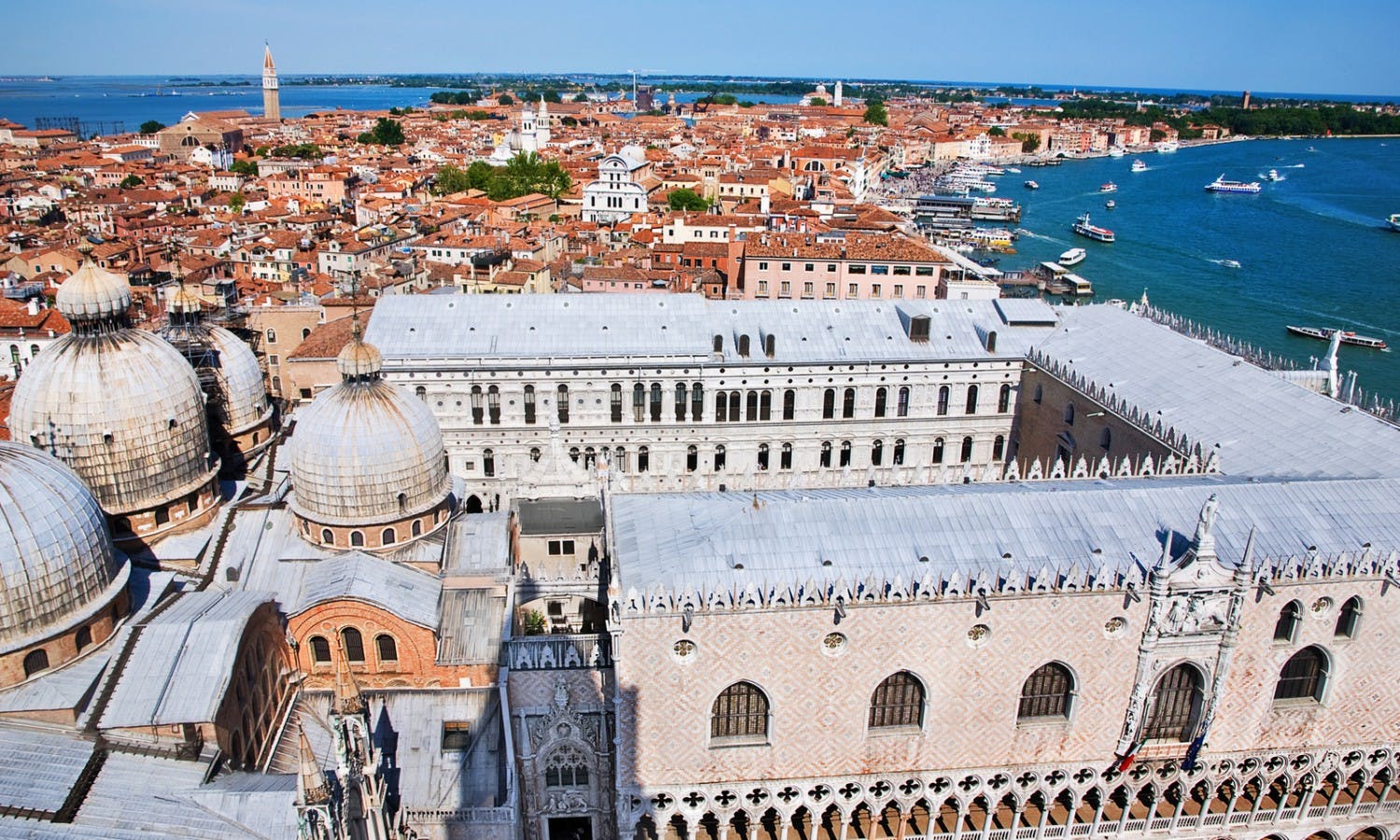
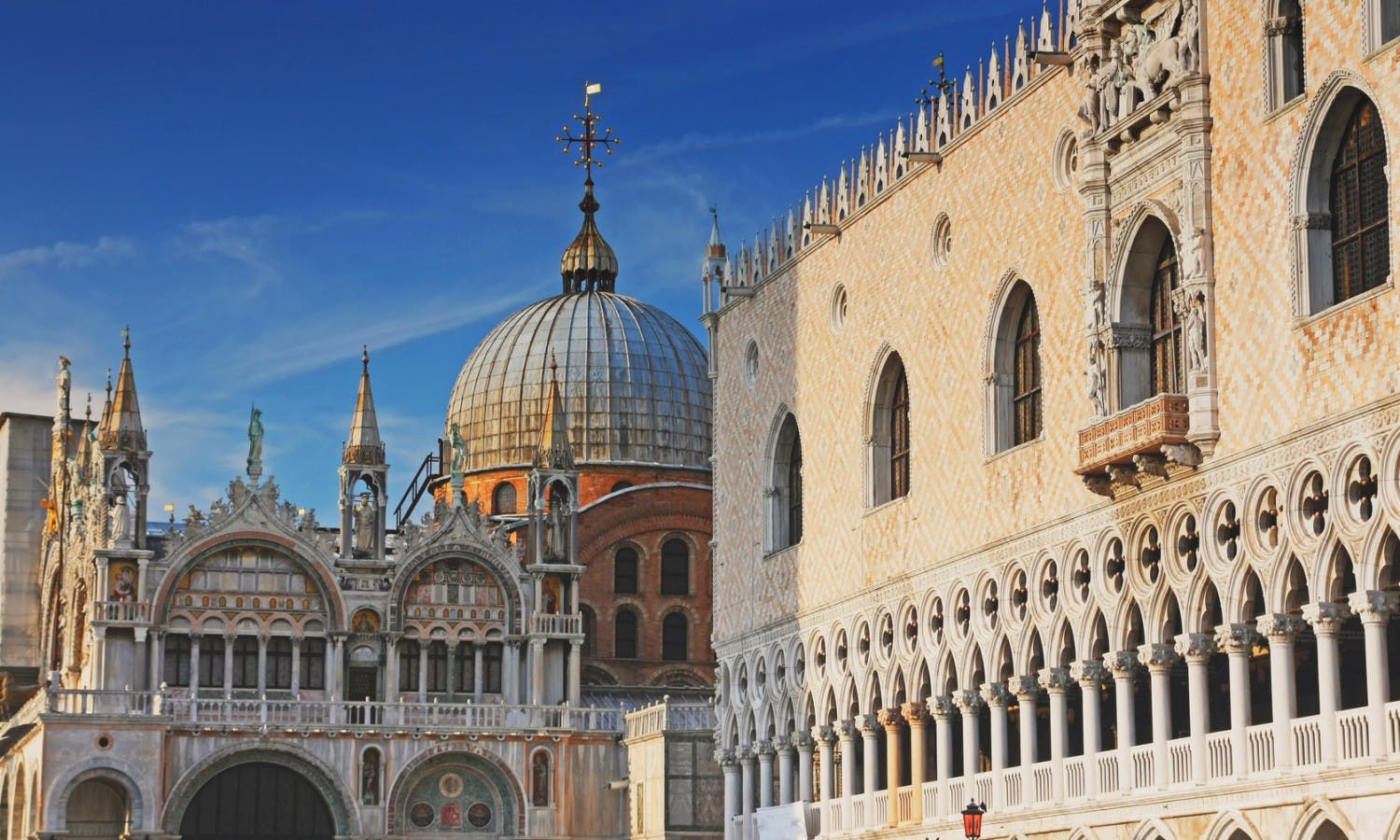
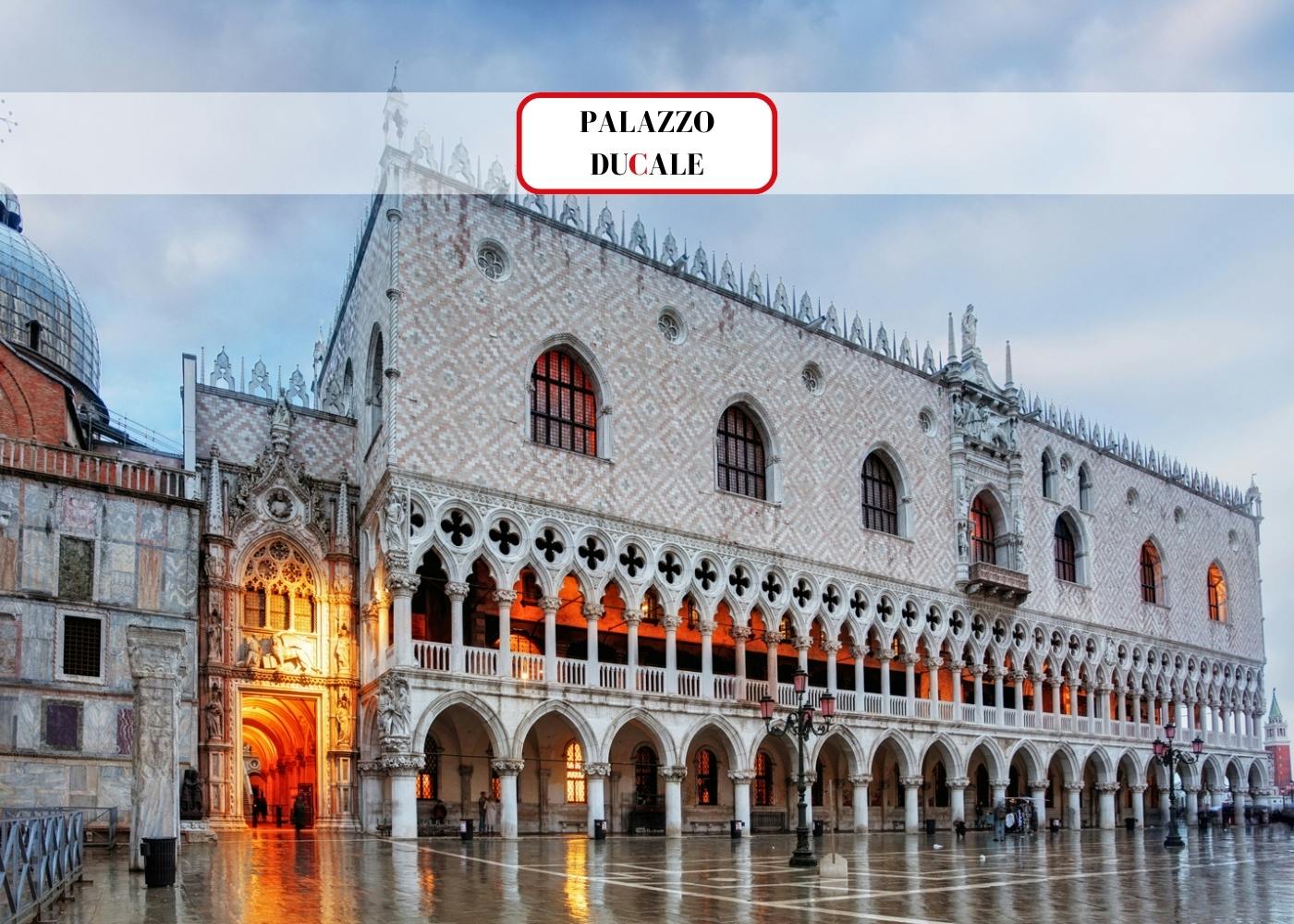
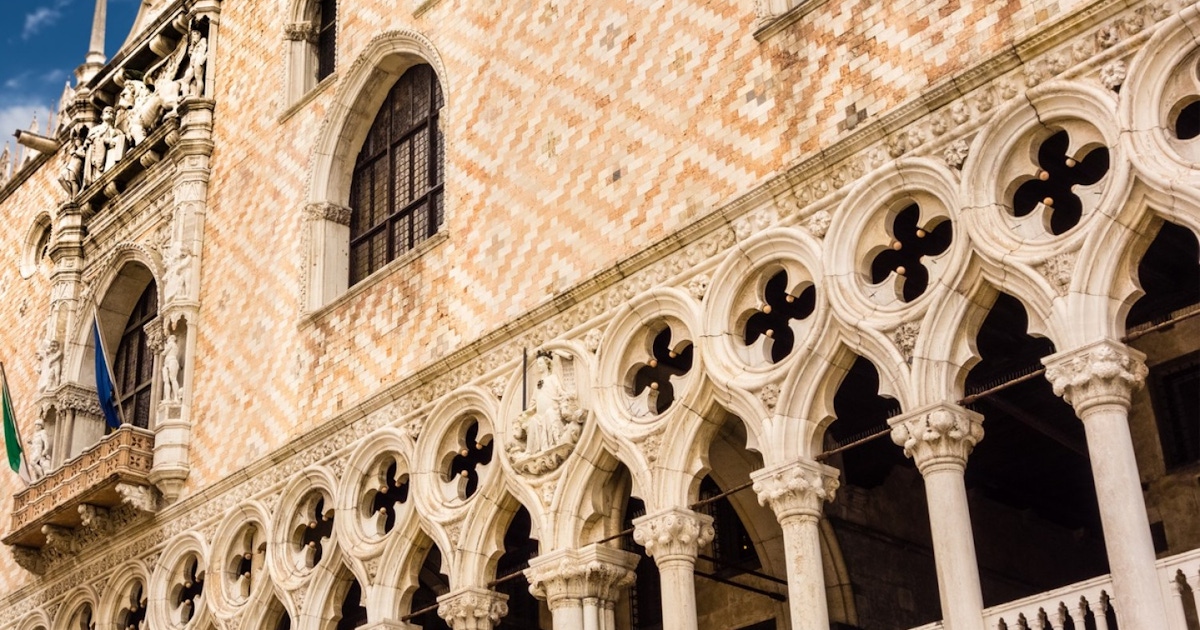
Standing beside St Mark’s Basilica on the edge of the Venetian Lagoon, the palace is one of Venice’s most recognisable landmarks. Its pale patterned stone, Gothic arches and waterfront position make it beautiful from the outside, but the real experience begins once you step inside.
For centuries, Doge’s Palace was the political and administrative heart of the Venetian Republic. The Doge lived here, but the building also contained government chambers, courts, administrative offices, an armoury and prisons.
A normal visit takes you through lavish state rooms decorated by some of Venice’s greatest artists, the enormous Hall of the Great Council, the historic armoury, the famous Bridge of Sighs and the former prison complex.
For most visitors, allow around 2½ to 3 hours. History and art enthusiasts could easily spend longer.
Doge’s Palace at a Glance
Visitor Information
Details
Italian name
Palazzo Ducale
Location
Piazza San Marco, Venice
Origins
9th century
Architectural style
Venetian Gothic with later Renaissance additions
Recommended visit
2½–3 hours
Nearest useful vaporetto stop
San Zaccaria
Best for
Venetian history, architecture, art and photography
What Was a Doge?
Venice did not have a conventional hereditary king.
The Doge was the highest-ranking figure in the Venetian Republic and was elected for life through an elaborate political process.
Although the Doge became the symbolic leader of Venice, his powers were restricted by a complicated system of councils and laws designed to prevent one person from gaining absolute control.
This is important when visiting Doge’s Palace because much of the enormous building was not the Doge’s private home.
The palace functioned as a combination of:
Royal residence
Government headquarters
Parliament
Law courts
Security administration
Armoury
Prison
Prisoners could literally be sentenced in rooms inside the palace and then walk across the Bridge of Sighs into their cells.
More Than 1,000 Years of History
The origins of Doge’s Palace date back to the 9th century, although the building visitors see today developed over many centuries.
Major rebuilding during the 14th and 15th centuries created much of the magnificent Venetian Gothic exterior that faces St Mark’s Basin and the Piazzetta.
A major fire in 1483 resulted in further reconstruction and the introduction of important Renaissance elements.
Additional fires in 1574 and 1577 damaged sections of the palace, although its established appearance was largely preserved during reconstruction.
The Venetian Republic finally came to an end in 1797 following Napoleon Bonaparte’s advance into northern Italy. The last Doge, Ludovico Manin, abdicated that year.
Look at the Exterior Before Going Inside
Before entering, spend a few minutes walking around the palace.
The façade is unusual because it seems to reverse normal architectural expectations.
The lower levels are light and open, supported by rows of elegant Gothic arches and columns. Above them sits an enormous wall of patterned stone.
Despite the size of the building, the design makes the palace appear surprisingly light.
Walk around both principal façades.
The Piazzetta façade faces St Mark’s Campanile and the Marciana Library.
The lagoon façade faces St Mark’s Basin.
The waterfront side is particularly beautiful early in the morning.
The Palace Courtyard
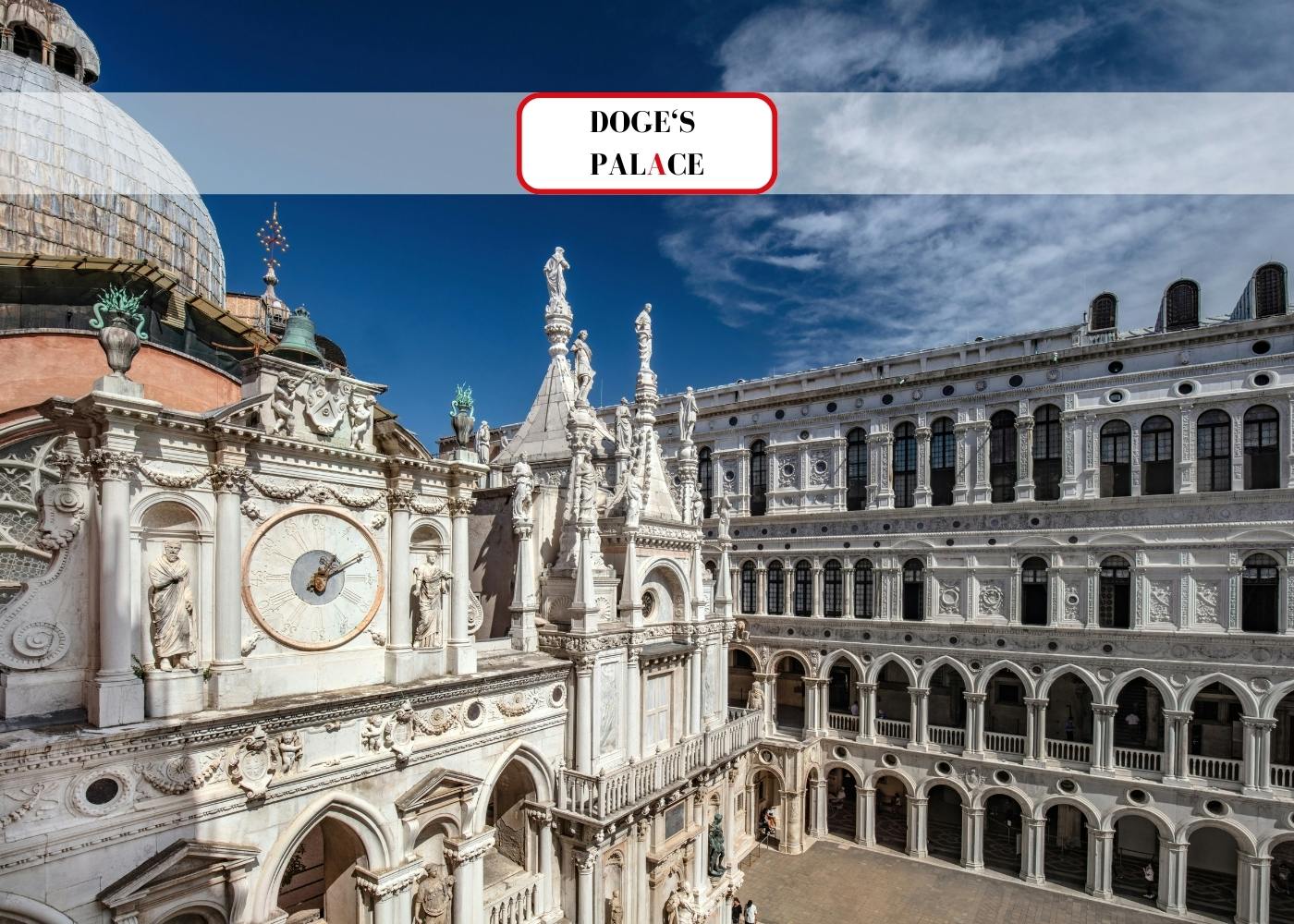
Once inside, visitors enter the large central courtyard.
The atmosphere changes immediately from the open waterfront outside to a grand enclosed ceremonial space surrounded by arcades and ornate façades.
One of the most important features is the Giants’ Staircase, which became associated with the ceremonial installation of Venice’s Doges.
The palace was designed not only to function as a centre of government but also to impress ambassadors, foreign dignitaries and citizens.
The Golden Staircase
The magnificent Scala d’Oro, or Golden Staircase, leads visitors towards the palace’s great state rooms.
Its elaborate gilded decoration provides a taste of the extraordinary interiors ahead.
Throughout Doge’s Palace, remember to look upwards. Some of the most impressive paintings and decorative details are found on the ceilings.
The Doge’s Apartments
The Doge maintained private apartments inside the palace, although they are less extravagant than many visitors expect.
This reflects the unusual political position of Venice’s leader.
The palace belonged to the Venetian Republic rather than to the Doge personally. When a Doge died, his family had to remove its belongings so that the newly elected Doge could occupy the rooms.
The Great Government Chambers
Much of the visitor route passes through rooms once used by the institutions that governed Venice.
These included chambers associated with:
The Senate
The Great Council
The Council of Ten
The Councils of Forty
State advocates
Judicial magistrates
The decoration was highly political.
Paintings and sculptures celebrated ideas including justice, peace, good government and the power of the Venetian state.
Major Venetian artists represented throughout the palace include Tintoretto and Paolo Veronese.
The Council of Ten
One of Venice’s most intriguing political institutions was the Council of Ten.
Originally created following a conspiracy against the state, the council became closely associated with security, intelligence and politically sensitive investigations.
Its rooms form part of the judicial section of the palace.
This darker side of Venetian political history becomes particularly interesting when combined with the prison areas later in the visit.
The Hall of the Great Council
One of the highlights of Doge’s Palace is the enormous Sala del Maggior Consiglio, or Hall of the Great Council.
The room is approximately 53 metres long and 25 metres wide and once accommodated huge gatherings of Venice’s ruling patrician class.
The scale is difficult to appreciate until you stand inside.
There are almost no internal columns interrupting the enormous space. Paintings cover the walls, while the ceiling is filled with gilded decoration.
The entire room was designed to demonstrate the wealth, confidence and political power of Venice.
Tintoretto’s Paradise
At one end of the Great Council Hall is one of the palace’s most famous paintings: Tintoretto’s Paradise.
The enormous canvas was produced by Jacopo Tintoretto and his workshop following the rebuilding and redecoration required after the palace fire of 1577.
Stand close enough to examine some of the extraordinary number of figures within the painting, but then move farther back.
The work is most impressive when seen as part of the entire ceremonial hall.
Look for the Missing Doge
Around the upper walls of the Great Council Hall is a sequence of portraits representing the Doges of Venice.
One position is noticeably different.
The portrait of Marino Faliero, a 14th-century Doge executed after being accused of plotting against the Republic, was replaced by a black painted area.
It provides a powerful reminder that even the Doge was considered subordinate to the Venetian state.
The Armoury
The normal visitor route includes the historic Armoury.
Its collection contains more than 2,000 weapons and military objects, including:
Suits of armour
Swords
Halberds
Crossbows
Firearms
Turkish weapons
The collection helps demonstrate that Doge’s Palace was a genuine centre of government and state power rather than simply an ornate royal residence.
The Bridge of Sighs
One of the most memorable parts of the visit comes when the luxurious palace interiors gradually give way to narrow corridors.
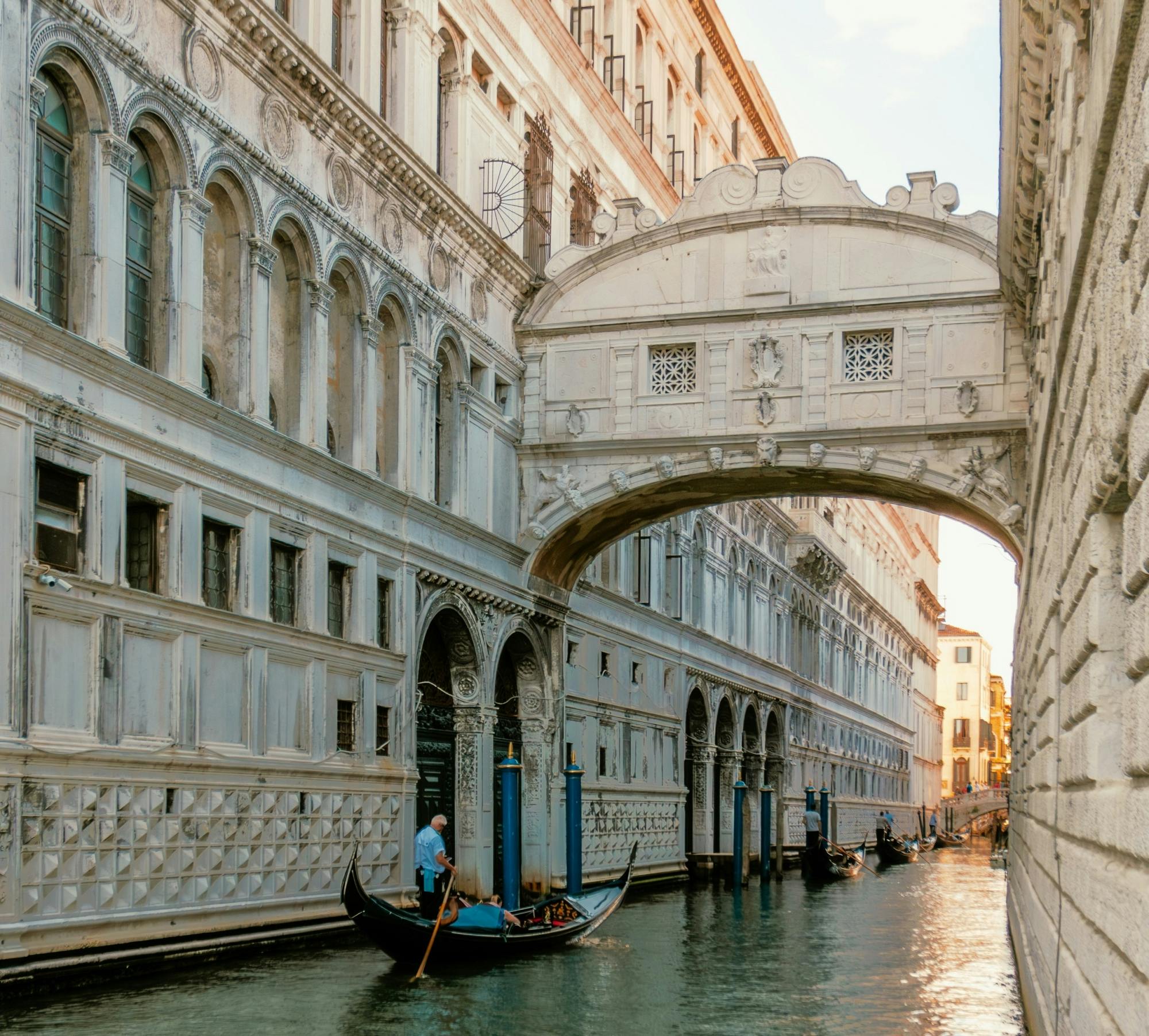
You then reach the famous Bridge of Sighs.
The enclosed bridge was built in the early 17th century to connect Doge’s Palace with the New Prisons on the opposite side of the canal.
Visitors can actually walk through the Bridge of Sighs.
Small stone openings offer restricted views of the lagoon and Venice outside.
The romantic name became popular much later and refers to the imagined sighs of prisoners taking a final look at Venice as they passed from the courts towards imprisonment.
Despite its romantic reputation today, the bridge’s original purpose was anything but romantic.
The New Prisons
After crossing the Bridge of Sighs, visitors enter the former New Prisons.
The atmosphere is dramatically different from the palace.
Only minutes earlier you may have been standing beneath gilded ceilings and enormous paintings. Now you are walking along confined corridors and looking into prison cells.
This contrast between ceremonial splendour and imprisonment is one of the most powerful aspects of the entire visit.
The Secret Itineraries Tour
Visitors who are particularly interested in Venetian political intrigue should consider the separate Secret Itineraries Tour.
This guided route enters parts of the palace that are not normally accessible on the standard visit.
It includes areas associated with confidential government administration, justice and imprisonment.
Highlights may include:
The old Pozzi prison cells
Secret government offices
Interrogation rooms
The Secret Chancellery
The Piombi roof-level prison cells
The Piombi are particularly famous because the Venetian adventurer and writer Giacomo Casanova was imprisoned there.
The tour is especially worthwhile for visitors who want to understand the darker side of the Venetian Republic.
Who Should Avoid the Secret Itineraries Tour?
The route contains narrow stairways and confined historic spaces.
It may not be suitable for visitors with:
Mobility difficulties
Severe claustrophobia
Vertigo
Certain respiratory or cardiovascular conditions
Check the official access requirements before booking.
The Doge’s Hidden Treasures
Another specialist guided option explores more private sections of the Doge’s residence.
The route can include areas around the Doge’s private chapel, treasury and other spaces not normally included in the standard visitor route.
This is a better choice than the Secret Itineraries Tour for visitors more interested in royal life, art and architecture than prisons and political investigations.
How Long Should You Spend at Doge’s Palace?
1½ Hours
Possible, but rushed. You would need to move relatively quickly through the principal rooms and prisons.
2½–3 Hours
The best amount of time for most first-time visitors.
This gives you enough time to appreciate the state rooms, Great Council Hall, armoury, Bridge of Sighs and prisons.
3–4 Hours
Ideal for visitors with a strong interest in art, architecture or Venetian history.
Secret Itineraries Plus Palace
Allow at least 3–4 hours in total.
Best Time to Visit
Early Morning
The best choice for most visitors is to enter close to opening time.
Advantages include:
Fewer visitors initially
Quieter state rooms
Cooler temperatures in summer
More time for St Mark’s Basilica afterwards
Evening
During periods when evening opening is offered, a later visit can be especially atmospheric.
It also allows you to use your daylight hours for exploring outdoor Venice.
Accessibility
Much of the main palace visitor route is accessible, although some historic sections are not.
The prisons, armoury and some specialist itineraries may involve stairs and restricted spaces.
Visitors with specific mobility requirements should check the current official accessibility information before travelling.
Do Not Bring Large Luggage
Doge’s Palace is not suitable for visiting with large suitcases or bulky travel bags.
If you are visiting after checking out of a hotel or before travelling to Venice Santa Lucia railway station, leave your luggage at your hotel or an authorised luggage-storage facility first.
How to Reach Doge’s Palace
Doge’s Palace is located beside Piazza San Marco in central Venice.
There are no roads leading directly to the palace.
You either arrive on foot or by boat.
From Venice Santa Lucia Railway Station
One of the most scenic options is to take a vaporetto along the Grand Canal towards the St Mark’s area.
Although slower than some alternative routes, it provides an excellent first introduction to Venice.
San Zaccaria Vaporetto Stop
San Zaccaria is one of the most convenient stops for Doge’s Palace.
From there it is a short waterfront walk along Riva degli Schiavoni.
St Mark’s Basilica
St Mark’s Basilica stands immediately beside Doge’s Palace.
The two attractions are closely connected historically.
Doge’s Palace represented the political power of Venice, while St Mark’s represented its religious and ceremonial identity.
A good first-time itinerary is:
Morning: Doge’s Palace
Late morning or early afternoon: St Mark’s Basilica
Afterwards: St Mark’s Campanile and Piazza San Marco
St Mark’s Campanile
The Campanile di San Marco stands directly across the Piazzetta.
The view from the top provides an excellent understanding of Venice’s geography and the surrounding lagoon.
On a clear day, it is one of the best viewpoints in the city.
Museo Correr
Many Doge’s Palace tickets also include access to Museo Correr on the opposite side of Piazza San Marco.
The museum explores the history, culture and art of Venice and can provide useful additional context after visiting the palace.
However, do not feel that you need to visit immediately after spending three hours inside Doge’s Palace.
Museum fatigue can quickly reduce your enjoyment.
Walk Along Riva degli Schiavoni
After leaving the palace, turn towards the lagoon and walk east along Riva degli Schiavoni.
You will pass the classic exterior viewpoint of the Bridge of Sighs.
Even though you have already crossed the bridge from inside, seeing it from the canal is worthwhile.
Continue along the waterfront for excellent views towards San Giorgio Maggiore and the Venetian Lagoon.
Walk to Rialto Bridge
From Piazza San Marco, Rialto Bridge is an enjoyable walk through central Venice.
There is no need to obsess over finding the shortest route.
Part of the pleasure of Venice is wandering through narrow lanes, across small bridges and beside quiet canals.
A good sequence is:
Doge’s Palace → St Mark’s Basilica → Piazza San Marco → Rialto Bridge → Grand Canal
A Good Half-Day Doge’s Palace Itinerary
8:30 am – Arrive at Piazza San Marco
Enjoy the square before the largest daytime crowds arrive.
9:00 am – Enter Doge’s Palace
Begin with the courtyard and work through the state apartments.
9:00 am–11:30 am – Explore the Palace
See the government chambers, Great Council Hall, armoury, Bridge of Sighs and prisons.
11:30 am – Bridge of Sighs Viewpoint
Walk outside to see the bridge you have just crossed.
Late Morning – St Mark’s Basilica
Continue to the basilica if you have booked a suitable admission time.
Lunch
Consider walking a few streets away from Piazza San Marco before choosing a restaurant. Prices and quality can improve once you move away from the busiest tourist frontage.
Where to Stay Near Doge’s Palace
San Marco
Best for first-time visitors who want Venice’s major landmarks on the doorstep.
You can walk easily to:
Doge’s Palace
St Mark’s Basilica
St Mark’s Campanile
Teatro La Fenice
Rialto Bridge
The main disadvantage is that San Marco is one of Venice’s busiest and usually more expensive districts.
The major advantage is being able to explore Piazza San Marco early in the morning and after many day visitors have left.
Castello
One of the best nearby alternatives.
Castello begins immediately east of Doge’s Palace.
The western section keeps you within easy walking distance of St Mark’s while becoming quieter as you move farther east.
Cannaregio
Best for a more residential Venetian atmosphere.
Cannaregio offers canals, restaurants and easier access to Venice Santa Lucia railway station.
It is farther from Doge’s Palace but remains a good choice for travellers wanting a less intensely tourist-oriented neighbourhood.
You can reach Doge’s Palace by walking or vaporetto.
Mestre
Best mainly for budget-conscious travellers.
Mestre is on the mainland rather than within historic Venice.
Accommodation may be cheaper, but you will need to travel into Venice each day.
For a short first trip, staying within Venice itself is usually worth the extra expense if your budget permits.
Doge’s Palace or St Mark’s Basilica?
Ideally, visit both.
Choose Doge’s Palace if you are most interested in:
Venetian history
Government and politics
Tintoretto and Veronese
Grand palace interiors
Bridge of Sighs
Historic prisons
Architecture
Choose St Mark’s Basilica if you are most interested in:
Byzantine mosaics
Church architecture
Religious history
Medieval art
Sacred treasures
If forced to choose only one for a broad historical experience, Doge’s Palace tells a more complete story about how Venice functioned as a powerful independent state.
Is Doge’s Palace Worth Visiting?
Absolutely.
Seeing the exterior from Piazza San Marco is not enough.
The real attraction is the progression through the building.
You begin in elegant courtyards and climb into richly decorated government chambers. You stand inside the enormous Hall of the Great Council beneath gilded ceilings and Tintoretto’s vast Paradise. You pass through a collection of historic weapons before entering increasingly narrow corridors.
Then you walk through the Bridge of Sighs and into the prisons.
That transition from splendour to confinement tells the story of Venetian power better than almost any single exhibit could.
For the best experience, book ahead, visit early, allow at least 2½ to 3 hours and do not skip the prison section.
If Venetian political intrigue particularly interests you, consider booking the Secret Itineraries Tour.
After leaving the palace, walk a few metres to the Ponte della Paglia and look back at the Bridge of Sighs from outside.
You will have just walked through one of Venice’s most famous landmarks—and it will suddenly mean considerably more than it did before you entered the palace.
Sponsored Popular Items
Quick take: Musement.com offers a worldwide selection of tours and attractions
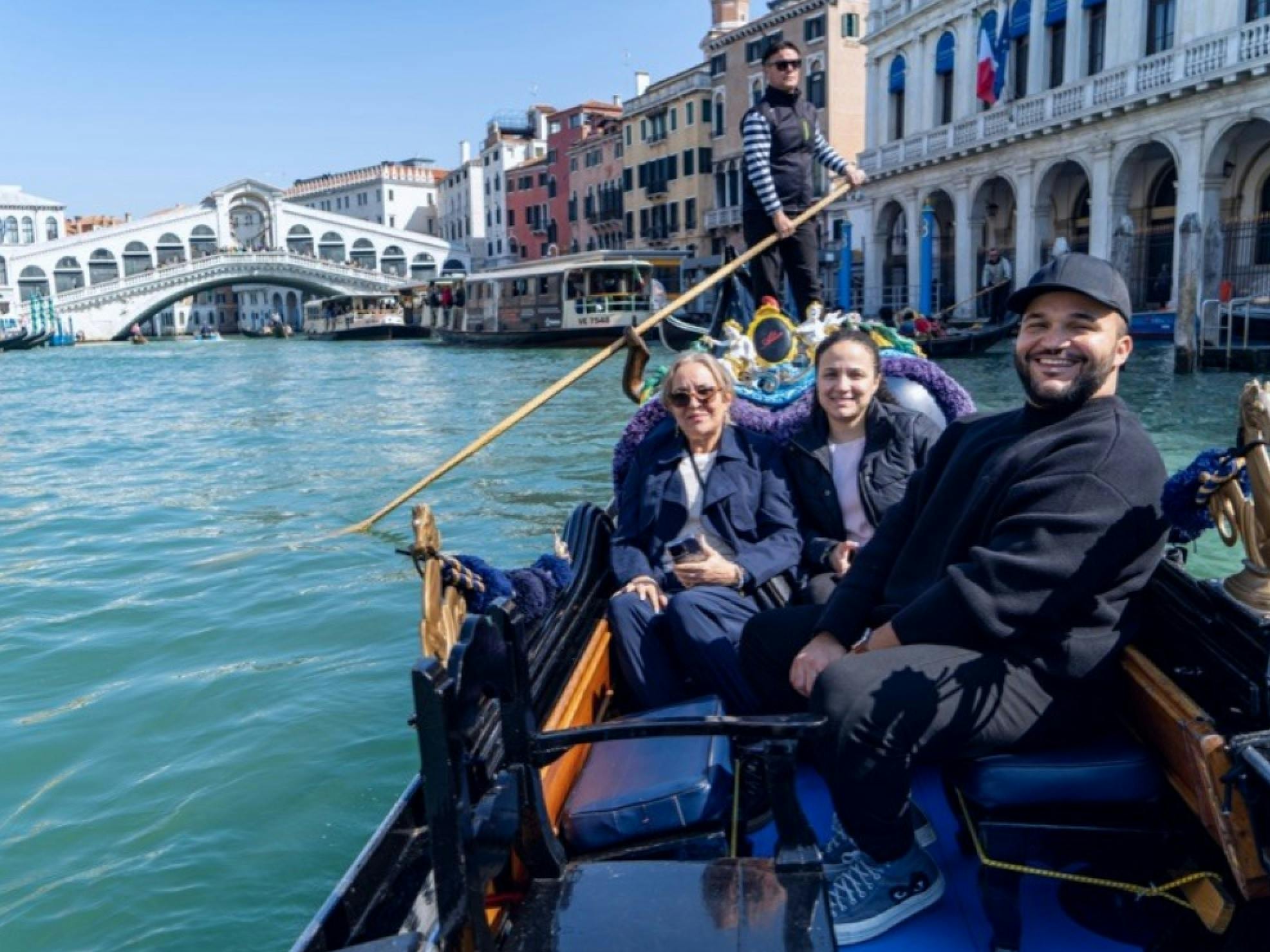
Shared Gondola Ride Underneath the Bridge of Sighs - Scenic Water Experience Italy Seeing the destination from a boat or waterside route can change the perspective, and Shared gondola ride underneath the Bridge of Sighs is designed around that contrast. Check current availability, inclusions and booking details before you go.
Doge's Palace Skip-the-Line Tickets & Tour in Venice Italy Doge's Palace skip-the-line tickets and tour in Venice is a convenient way to add structure, local context and purposeful sightseeing to the itinerary. Check current availability, inclusions and booking details before you go.
Venice Walking Tour with Doge's Palace Italy Venice walking tour with Doge's Palace is a convenient way to add structure, local context and purposeful sightseeing to the itinerary. Check current availability, inclusions and booking details before you go.
Doge's Palace Tickets & Guided Tours in Venice Italy Compare sightseeing experiences in Doge's Palace Tickets & Guided, with practical tips on timing, inclusions and choosing the right option. Check current availability, prices and booking conditions before you go.