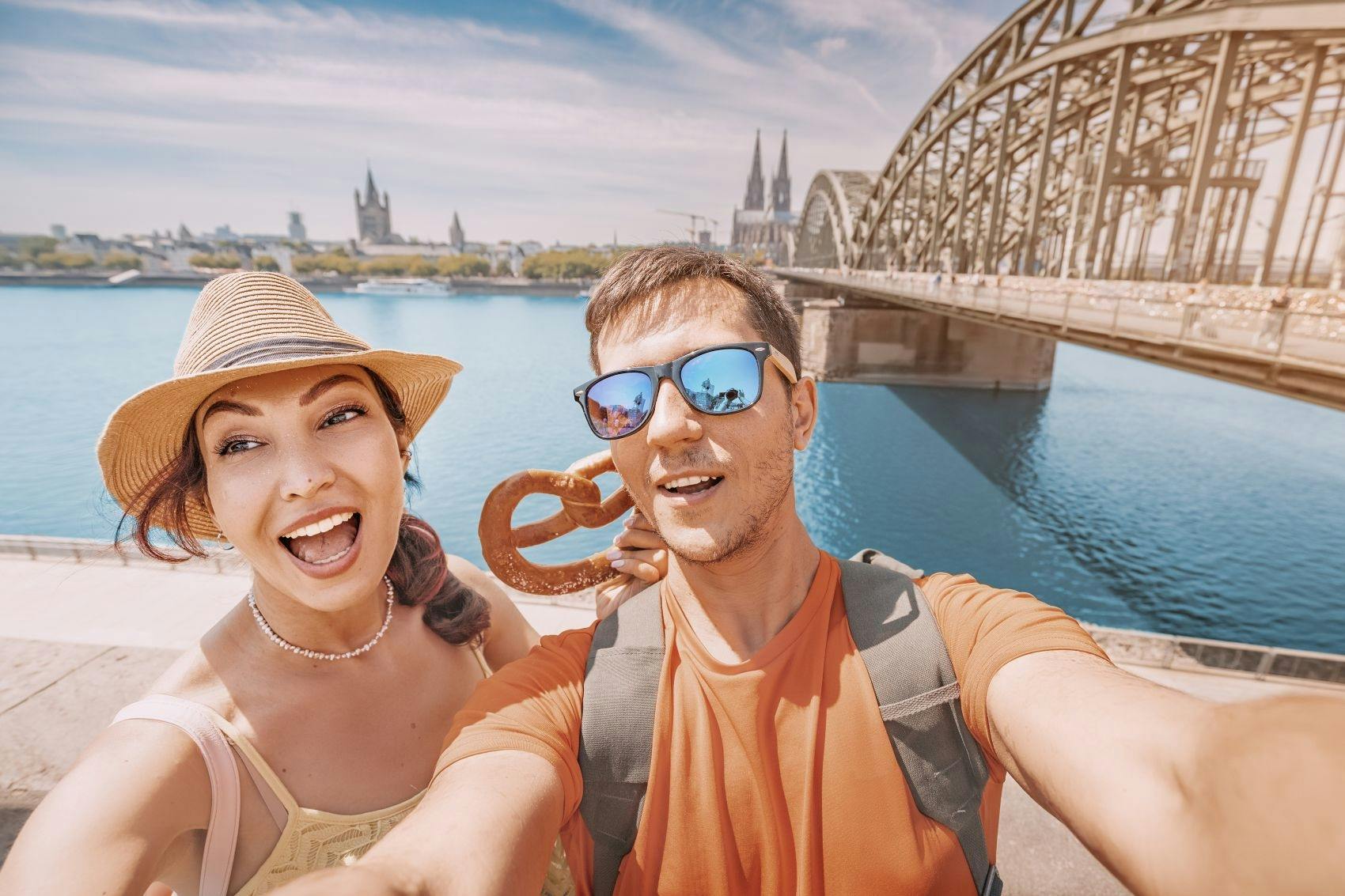
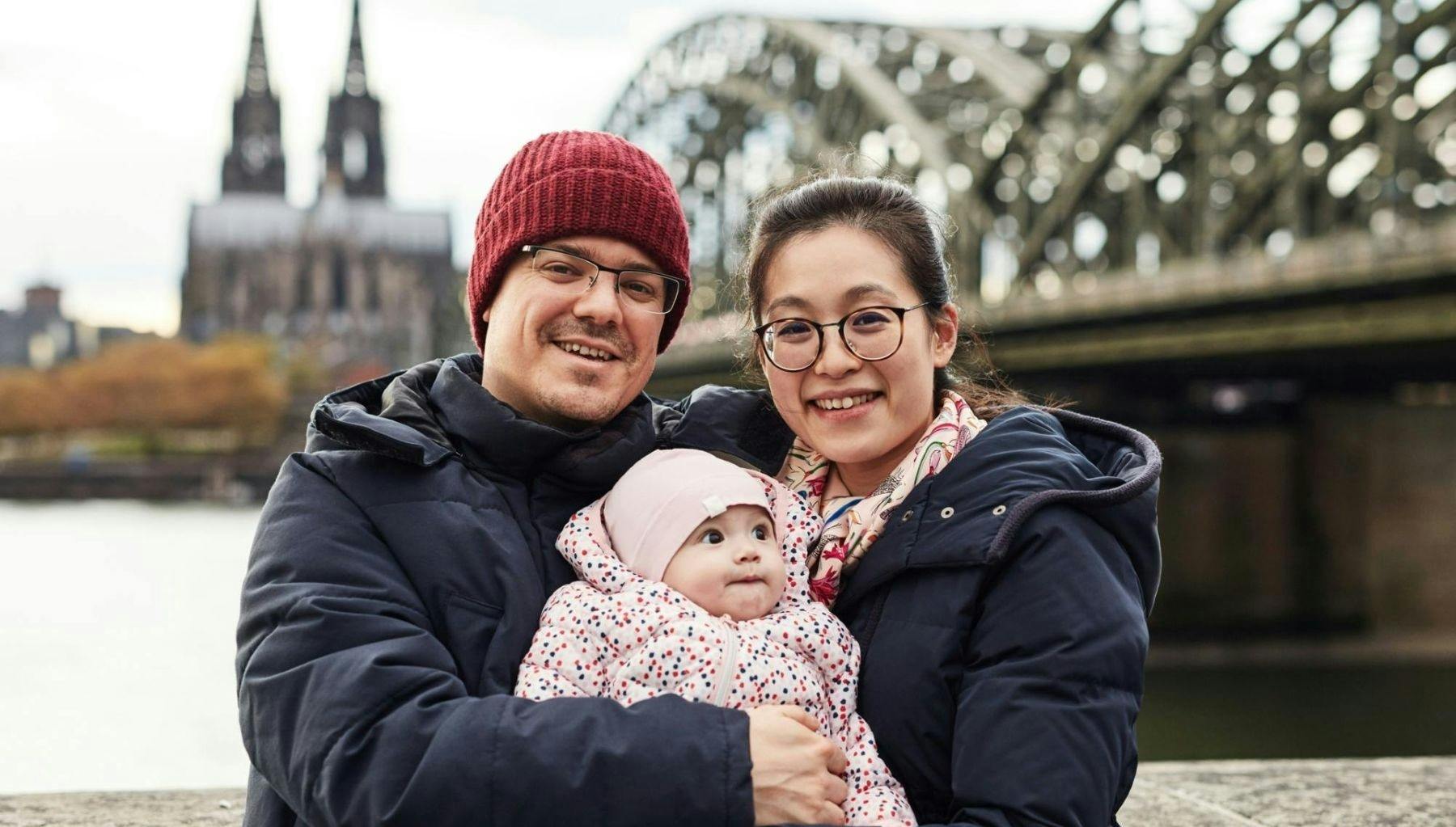
Cologne is a lively Rhine city where Roman ruins, medieval churches, contemporary art, traditional beer halls and modern neighbourhoods sit within a compact urban landscape.
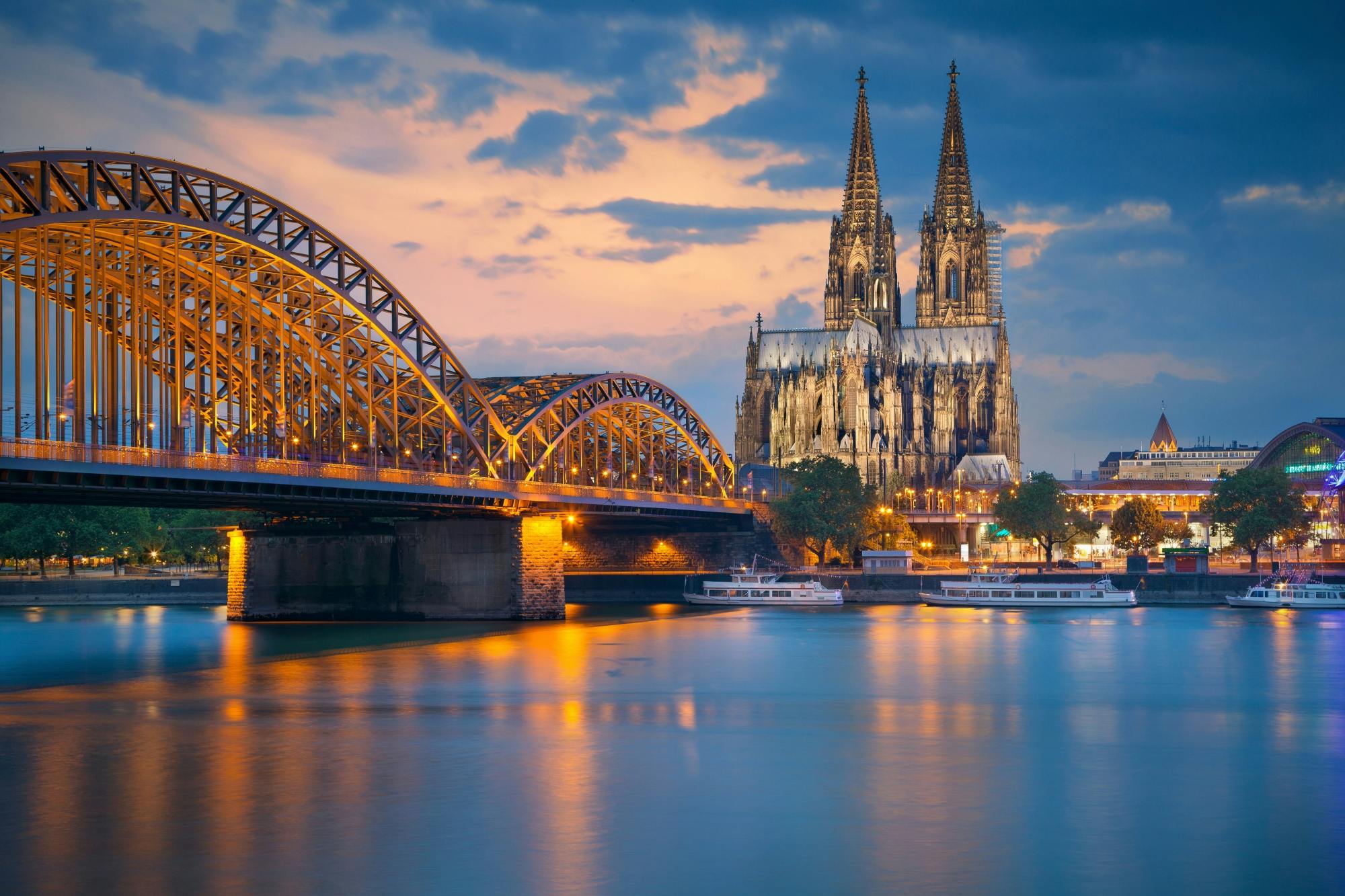
The unmistakable centrepiece is Cologne Cathedral, whose dark Gothic towers rise beside the railway station and dominate views from almost every part of the city. Yet Cologne offers much more than a cathedral visit. Travellers can explore one of Europe’s strongest collections of modern art, walk across the Hohenzollern Bridge, cruise along the Rhine, visit a working chocolate factory and learn about the city’s Roman foundations and difficult 20th-century history.
Sponsored Popular Items
Quick take: Musement.com offers a worldwide selection of tours and attractions
Cologne Under Dark Magic City Exploration Game Best deals for Cologne Under Dark Magic City Exploration Game. Embark on a magical journey through Cologne's Old Town. Learn spells, battle creatures, and lift the city's curse. Are you ready to save Cologne? Available from musement.com.
Cologne is not a perfectly preserved medieval town. Large areas were destroyed during the Second World War and subsequently rebuilt. Its appeal comes from the mixture of surviving monuments, reconstructed streets, major museums and an open, sociable local culture.
One full day is enough for the principal landmarks. Two days allow time for museums and neighbourhoods, while a third day can include nearby Brühl, Bonn, Düsseldorf or the beginning of the Romantic Rhine.
Cologne Quick Facts
Visitor information
Details
German name
Köln
Country
Germany
State
North Rhine-Westphalia
River
Rhine
Main attraction
Cologne Cathedral
UNESCO site
Cologne Cathedral, listed in 1996
Recommended stay
Two nights
Historic-centre visit
Half a day
Main railway station
Köln Hauptbahnhof
Nearest airport
Cologne Bonn Airport
Best transport
Walking, Stadtbahn, tram, S-Bahn and bus
Local beer
Kölsch
Major festival
Cologne Carnival
Best seasons
April to June and September to early October
Best viewpoint
KölnTriangle
Best family attraction
Cologne Chocolate Museum
Current-information note: Museum exhibitions, cathedral access, river-cruise schedules and public-transport fares change. Confirm live information before travelling.
Why Visit Cologne?
Cologne is one of Germany’s strongest short-break destinations because its principal sights are concentrated around the main railway station and Rhine.
Visitors can experience:
A monumental UNESCO-listed Gothic cathedral.
Roman archaeology beneath a modern city.
Twelve major Romanesque churches.
International modern and contemporary art.
A large chocolate museum and working production area.
Traditional Kölsch breweries.
Rhine cruises and waterfront walks.
Neighbourhood cafés, nightlife and street art.
One of Europe’s largest Carnival celebrations.
Easy train journeys to Bonn, Düsseldorf and the Rhine Valley.
The city is especially convenient for rail travellers. Cologne Cathedral stands immediately outside the central station, so even passengers with a short stopover can see one of Germany’s most important landmarks.
A Short History of Cologne
Roman Cologne
Cologne developed from a Roman settlement established beside the Rhine.
In 50 CE, it became a formal Roman colony known as Colonia Claudia Ara Agrippinensium. The shortened form of the word Colonia eventually developed into the modern name Köln or Cologne.
Roman Cologne became the capital of the province of Lower Germania and an important administrative, military and commercial centre.
Evidence of this period remains beneath and around the modern city, including:
Sections of Roman wall.
Roads and sewers.
Domestic objects.
Glassware and jewellery.
Tombs and inscriptions.
The remains of the Roman governor’s palace.
Medieval Religious Centre
Cologne later became one of the most powerful church centres in the Holy Roman Empire.
The archbishops of Cologne held both religious and political authority. Pilgrims travelled to the city to visit important relics, particularly those associated with the Three Magi.
The city’s merchants and citizens frequently competed with the archbishop for control. Cologne eventually developed strong independent civic institutions and functioned as a Free Imperial City.
Trade and the Hanseatic World
Its position on the Rhine made Cologne a major trading centre.
Merchants dealt in:
Wine.
Textiles.
Salt.
Fish.
Metal goods.
Luxury products.
Historic warehouses and market names in the old centre reflect this commercial past.
French and Prussian Periods
French revolutionary forces occupied Cologne during the 1790s. The city subsequently became part of Prussia after the Napoleonic period.
Railways, industry and population growth transformed Cologne during the 19th century.
The Second World War
Repeated bombing destroyed large areas of the city during the Second World War.
The cathedral survived despite significant damage around it. After the war, Cologne was reconstructed with a mixture of restored monuments, modern buildings and recreated historic streets.
How Long Should You Spend in Cologne?
Half a Day
A half-day allows time for:
Cologne Cathedral.
A short Old Town walk.
Hohenzollern Bridge.
The Rhine promenade.
One Full Day
One day allows visitors to add:
The cathedral tower or treasury.
Museum Ludwig or the Chocolate Museum.
KölnTriangle.
A traditional brewery meal.
Two Days
Two days are ideal for a first visit.
Add:
The Roman collection.
NS Documentation Centre.
Kolumba or Wallraf-Richartz Museum.
Rheinauhafen.
The Belgian Quarter or Ehrenfeld.
A one-hour Rhine cruise.
Three Days
Three days provide enough time for a day trip to Bonn, Brühl or Düsseldorf without sacrificing Cologne’s museums and neighbourhoods.
Cologne Cathedral
Cologne Cathedral, or Kölner Dom, is a vast High Gothic church beside Cologne Central Station.
Construction began in 1248 to provide a suitably magnificent home for the Shrine of the Three Kings.
Work continued in stages before largely stopping during the 16th century. Construction resumed during the 19th century using surviving medieval plans and was completed in 1880.
The twin towers rise to approximately 157 metres, while the enormous interior is divided into five aisles beneath a high vaulted nave.
Normal Cathedral Access
The cathedral building generally opens daily from 6:00 am until 8:00 pm, but sightseeing access is more limited than general building hours.
Tourist visiting normally takes place:
Monday to Saturday during the daytime.
Sunday afternoon after principal services.
Outside special liturgies, concerts and religious events.
Worship always takes priority. Tourist access can change with little notice.
New Cathedral Admission Arrangements
From 1 July 2026, sightseeing visits to the cathedral interior require a ticket.
Cathedral interior ticket
Price from 1 July 2026
Standard adult ticket
€12
Eligible reduced ticket
€6
Children aged 13 and younger
Free ticket required
General sightseeing hours under the new system are scheduled approximately as follows:
Most days: 10:00 am–5:45 pm, with last admission at 5:30 pm.
Sundays and major church holidays: Approximately 1:30 pm–4:30 pm, with last admission at 4:15 pm.
Tickets may be purchased online or from the central ticket office at Roncalliplatz.
Free Religious Access
No admission fee applies when attending:
Mass or another church service.
Private prayer.
The Blessed Sacrament Chapel.
The designated area for lighting a candle.
Free religious access is normally through the north transept entrance facing the railway station.
Visitors using the prayer entrance should respect its religious purpose rather than treating it as a way to avoid sightseeing admission.
Security Rules
Only small bags are permitted.
Visitors should expect security checks and must not bring:
Large backpacks.
Suitcases or wheeled luggage.
Food or drinks.
Selfie sticks.
Drones.
Animals other than authorised assistance dogs.
There is no cathedral luggage-storage facility. Use station lockers before visiting.
What to See Inside Cologne Cathedral
Shrine of the Three Kings
The cathedral’s most famous treasure is the large golden Shrine of the Three Kings.
It was created during the late 12th and early 13th centuries to hold relics traditionally associated with the biblical Magi.
The arrival of these relics during the Middle Ages transformed Cologne into an important pilgrimage destination and helped motivate the construction of the present cathedral.
Gero Cross
The Gero Cross dates from the late 10th century and is one of the most significant surviving monumental crucifixes from medieval Europe.
Its emotional depiction of Christ differs from earlier, more triumphant representations.
Medieval Choir
The choir preserves:
Early-14th-century choir stalls.
Medieval sculptures.
Painted screens.
Historic stained glass.
A monumental high altar.
Stained Glass
The cathedral contains windows from several periods.
They include:
Medieval glass.
19th-century restoration work.
Post-war windows.
A modern abstract window designed by Gerhard Richter.
Altarpieces and Tombs
Important works include the Altarpiece of the City Patrons by Stephan Lochner and the tombs of archbishops associated with Cologne’s political and religious history.
Climbing the Cathedral Tower
The south-tower platform is approximately 100 metres above the city.
Reaching it requires climbing 533 steps.
Current Tower Hours
March–October: 9:00 am–6:00 pm.
November–February: 9:00 am–4:00 pm.
Last entry: 30 minutes before closing.
Special closures apply during Carnival, selected November commemorations and major Christmas and New Year dates.
Current Tower Price
Adults: €8.
Eligible concessions: €4.
Family ticket: €20.
A combined tower and treasury ticket currently costs €12 for adults.
What the Climb Is Like
The first part uses a narrow spiral staircase shared by people travelling in both directions.
Higher sections include metal stairs and passage through or near the bell chamber.
The route can feel:
Confined.
Crowded.
Steep.
Physically tiring.
Noisy when bells are operating.
There is no lift.
The tower is unsuitable for visitors with serious heart, breathing, balance or mobility difficulties.
View from the Platform
The viewing platform provides views across:
The Rhine.
Hohenzollern Bridge.
The Old Town.
KölnTriangle.
Railway lines.
The wider urban region.
Metal screening affects photography, although cameras and phones can usually be positioned close to the gaps.
Cathedral Treasury
The Cathedral Treasury occupies medieval vaulted rooms beneath the sacristy.
Its collection includes:
Reliquaries.
Liturgical vessels.
Textiles.
Archbishops’ insignia.
Medieval sculptures.
Objects connected with the Three Kings tradition.
Finds from early Frankish graves.
Current Hours
The treasury generally opens daily from 10:00 am to 6:00 pm, with last entry at 5:30 pm.
It closes on selected Carnival days and major holidays.
Current Admission
Adults: €8.
Eligible concessions: €4.
Family ticket: €20.
Tower and treasury combination: €12 for adults.
The treasury and cathedral interior are accessible without climbing the tower stairs.
Cologne Old Town
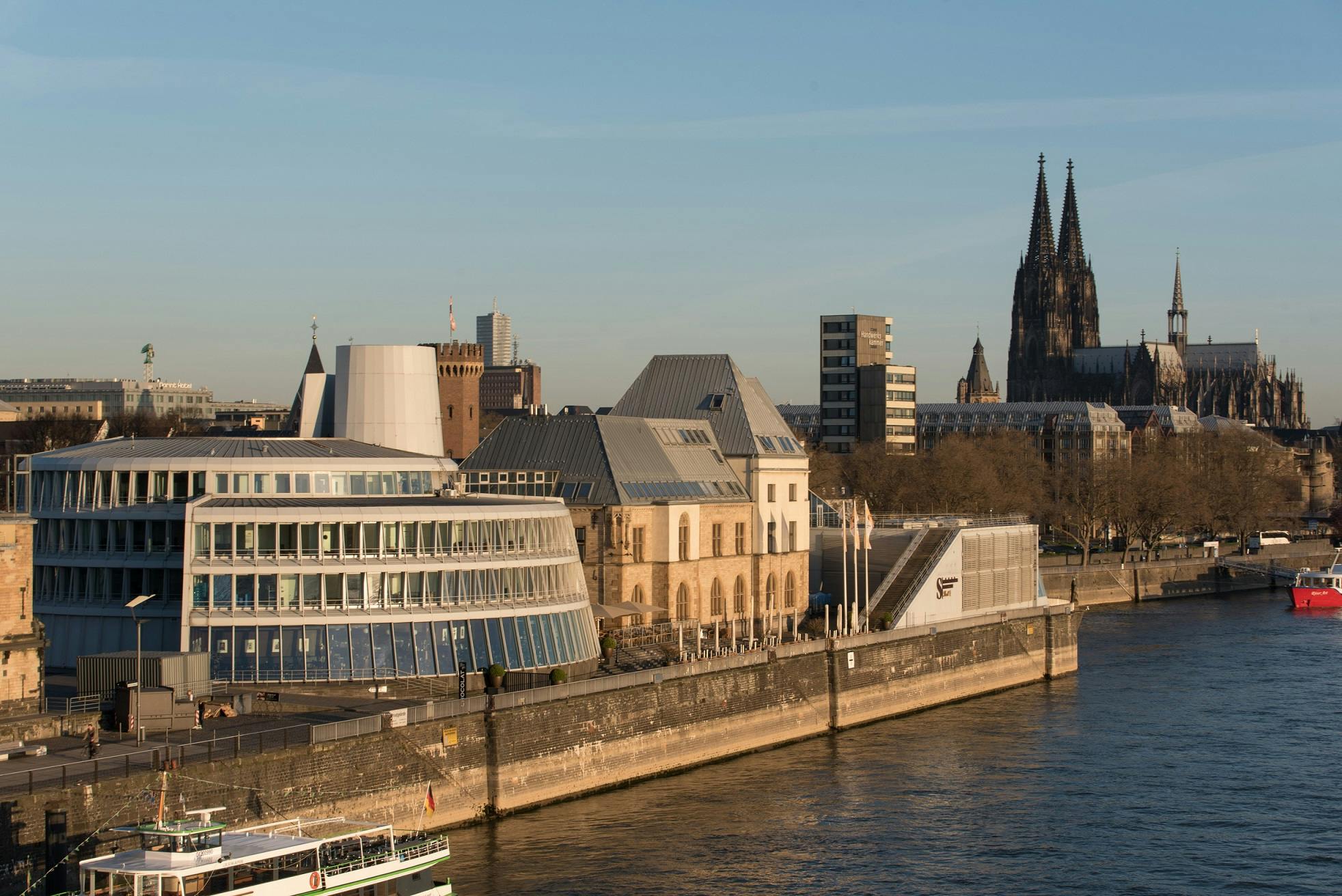
Cologne’s Altstadt lies between the cathedral and Rhine.
Most of the district was reconstructed after wartime destruction, but it retains an attractive concentration of squares, churches, breweries and riverfront streets.
Alter Markt
Alter Markt is one of the old centre’s principal squares.
It contains restaurants, traditional façades and the historic City Hall complex nearby.
During Carnival and Christmas, the square becomes a major event space.
Heumarkt
Heumarkt is a large square south of Alter Markt.
It hosts markets, festivals and seasonal events and is surrounded by restaurants and hotels.
Fish Market
The small Fischmarkt beside Great St Martin Church is one of Cologne’s most photographed locations.
Its colourful narrow houses face the Rhine promenade.
Early morning is the quietest time for photographs.
City Hall
Cologne’s Rathaus occupies a complex of historic structures developed over many centuries.
The Renaissance loggia and Gothic tower reflect the city’s long tradition of civic government.
Interior access is limited because it remains an administrative building.
Historic Lanes
Useful streets and passages include:
Salzgasse.
Buttermarkt.
Am Hof.
Unter Käster.
Am Bollwerk.
Lintgasse.
The most attractive route is a slow walk rather than a direct journey between cathedral and river.
Cologne’s Romanesque Churches
Cologne has twelve major Romanesque churches within or near the historic centre.
They provide a more complete understanding of medieval Cologne than the cathedral alone.
Great St Martin
Great St Martin dominates the Old Town skyline with its large crossing tower.
The church stands above remains associated with Roman warehouses on what was once an island in the Rhine.
St Gereon
St Gereon is one of Cologne’s most architecturally unusual churches.
Its large decagonal central structure developed around an earlier late-antique building.
St Maria im Kapitol
This is the largest of Cologne’s Romanesque churches.
Its clover-shaped eastern end influenced later church architecture in the Rhine region.
St Ursula
St Ursula is associated with the medieval legend of Saint Ursula and her companions.
The church’s Golden Chamber contains elaborate arrangements of bones and reliquaries.
Other Major Romanesque Churches
St Andreas.
St Aposteln.
St Cäcilien.
St Georg.
St Kunibert.
St Maria Lyskirchen.
St Pantaleon.
St Severin.
Opening arrangements vary because these are active churches. Services, restoration and staffing can limit tourist access.
Hohenzollern Bridge
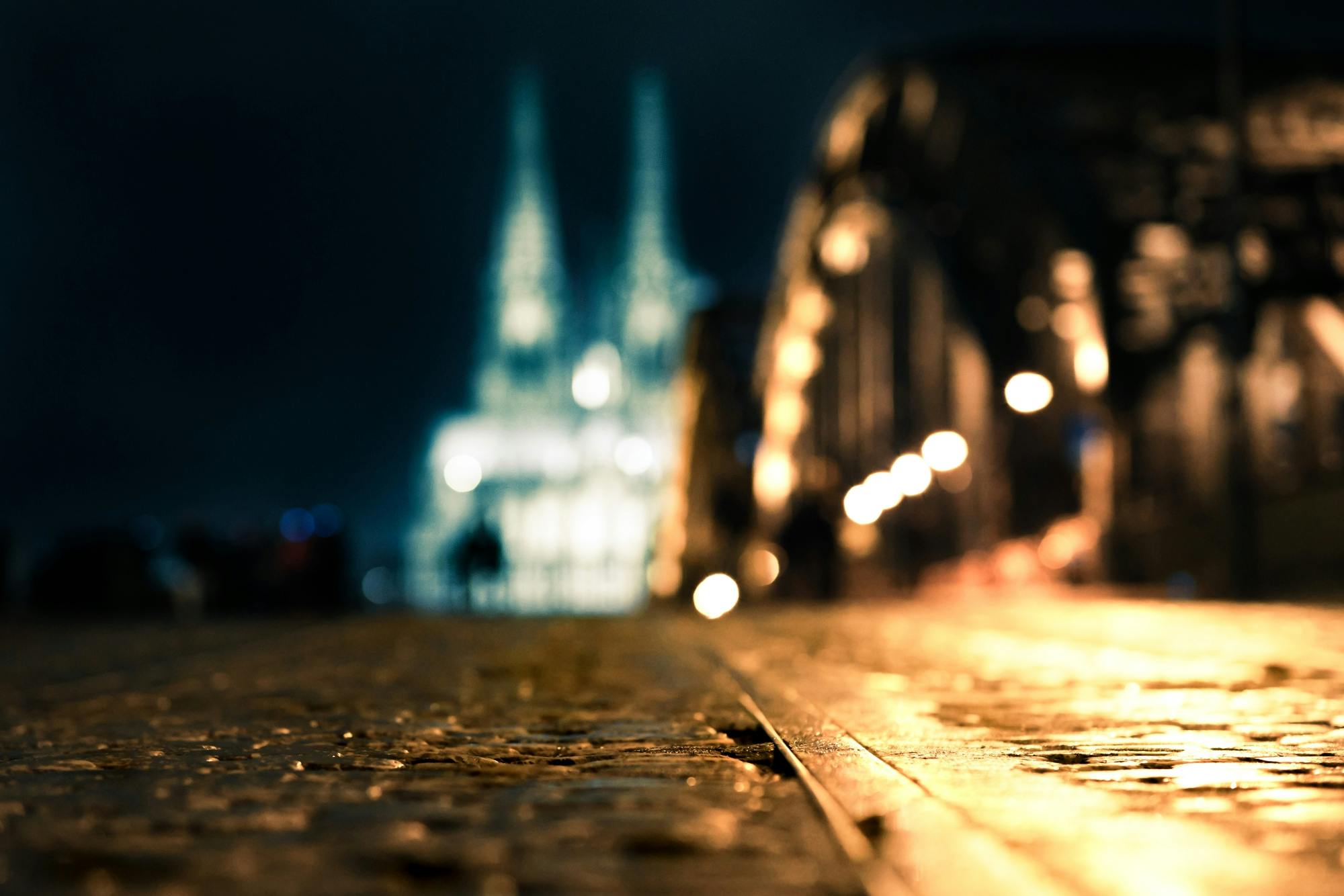
Hohenzollern Bridge crosses the Rhine immediately behind the cathedral and main station.
It is one of Germany’s busiest railway bridges, carrying regional, national and international trains as well as pedestrian and bicycle paths.
Why Walk Across?
The bridge provides:
Strong views back towards the cathedral.
Rhine panoramas.
Access to Deutz and KölnTriangle.
Sunset photography.
A close view of the extensive railway infrastructure.
Love Locks
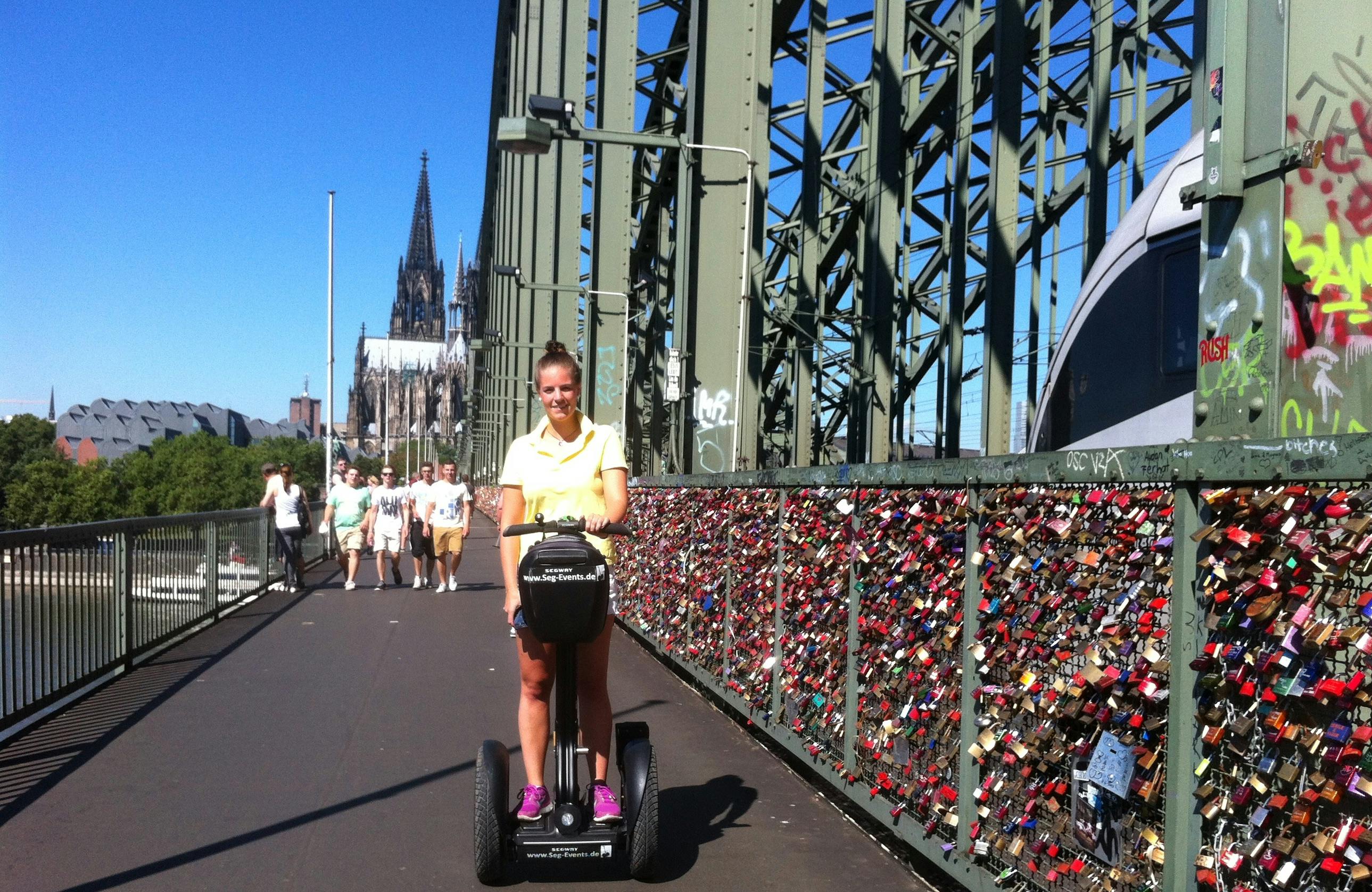
Large numbers of couples have attached padlocks to the pedestrian-side fencing.
The display has become a tourist attraction, although adding more locks places additional material on public infrastructure.
Never throw a key or other object into the Rhine.
Best Photograph
Walk to the eastern Deutz side and photograph the bridge with the cathedral behind it.
Morning light commonly favours views towards the western skyline, while evening provides dramatic silhouettes and reflections.
Walking Along the Rhine
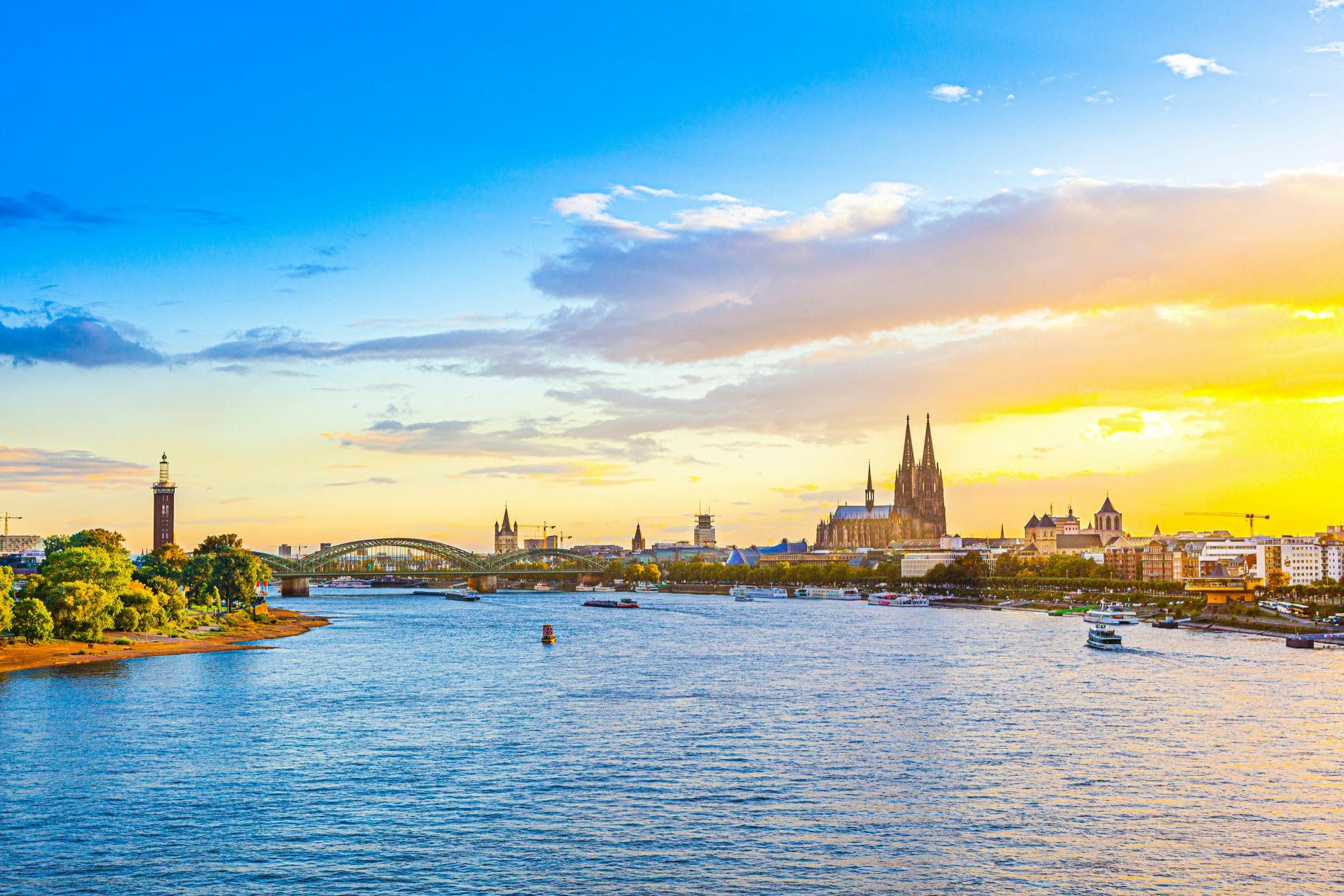
The Rhine promenade forms Cologne’s principal open-air sightseeing route.
Cathedral to Rheinauhafen
A popular walk passes:
Hohenzollern Bridge.
Fischmarkt.
Great St Martin.
Alter Markt access streets.
Heumarkt.
Deutzer Bridge.
Chocolate Museum.
Rheinauhafen.
The Crane Houses.
The complete route is largely level and suitable for cycling, wheelchairs and pushchairs.
Rhine Boulevard in Deutz
The eastern bank has broad steps and open views across the water towards the Old Town and cathedral.
It is an excellent place for:
Sunset.
Picnics.
Skyline photography.
Watching river traffic.
Remain alert to high-water barriers and temporary closures after heavy rainfall.
KölnTriangle Viewpoint
KölnTriangle is a modern office tower on the eastern side of the Rhine near Köln Messe/Deutz station.
A fast lift reaches the open-air Panorama platform.
Why Visit?
The viewing platform provides one of the best complete views of Cologne Cathedral because visitors are far enough away to see the full building.
The panorama includes:
Cologne Cathedral.
Hohenzollern Bridge.
The Old Town.
Rhine bridges.
Rheinauhafen.
Trade-fair buildings.
The wider metropolitan region.
Current Admission
Adults: €5.
Reduced: €4.
The deck may close during thunderstorms, strong wind or unsafe weather.
Best Time
Visit in late afternoon and remain until the city lights appear when seasonal hours permit.
Museum Ludwig
Museum Ludwig stands beside the cathedral and central station.
It is one of Germany’s leading museums of modern and contemporary art.
Collection Strengths
Pop Art.
German Expressionism.
Russian avant-garde art.
Picasso.
Photography.
Post-war European and American art.
Contemporary installations.
Current 2026 Hours
Tuesday–Thursday: 10:00 am–6:00 pm.
Friday–Sunday: 10:00 am–8:00 pm.
First Thursday of each month: Until 10:00 pm.
Monday: Closed except selected public holidays.
Temporary exhibition areas may remain open later than parts of the permanent collection.
Admission
Admission varies with major exhibitions.
During the large 2026 exhibition programme, the all-exhibition adult ticket is currently €19.80, while visitors aged 18 or younger enter free.
Reserve ahead for internationally popular temporary exhibitions.
Romano-Germanic Museum
The main Romano-Germanic Museum building beside the cathedral is closed for major renovation.
Its best-known features, including the Dionysus Mosaic and reconstructed Poblicius Tomb, are currently unavailable at their normal Roncalliplatz location.
Temporary Exhibition
A selection from the Roman collection is displayed at the Belgian House near Neumarkt.
The exhibition contains:
Roman glass.
Jewellery.
Inscriptions.
Household objects.
Sculpture.
Evidence of life in Roman Cologne.
Current Hours and Admission
Wednesday–Monday: 10:00 am–6:00 pm.
Tuesday: Closed.
First Thursday monthly: Open until 10:00 pm.
Adults: €6.
Reduced: €3.50.
Visitors specifically expecting the famous mosaic should postpone that part of their visit until the main museum reopens.
Wallraf-Richartz Museum
The Wallraf-Richartz Museum presents European painting from the Middle Ages through the early 20th century.
Collection Highlights
Medieval Cologne painting.
Flemish and Dutch masters.
Baroque art.
French Impressionism.
German Romanticism.
Works by Rubens, Rembrandt, Monet, Renoir and other major artists.
The museum is especially useful for understanding the painters and altarpieces created for medieval Cologne’s churches.
Allow approximately two hours.
Cologne City Museum
Cologne City Museum occupies a modern central location on Minoritenstraße, within easy walking distance of the cathedral.
Its permanent exhibition presents the city through themes and emotions rather than a simple chronological sequence.
Displays ask questions such as:
What do Cologne residents love?
What frightens them?
What makes them angry?
What do they celebrate?
What holds the city together?
Current Hours and Admission
Tuesday–Sunday: 10:00 am–5:00 pm.
Monday: Closed.
Adults: €5.
Reduced: €3.
The museum is a good compact choice for travellers who want Cologne’s complete story without spending several hours in a large historical collection.
Cologne Chocolate Museum
The Chocolate Museum stands on a small harbour peninsula beside the Rhine.
It explains cocoa production and chocolate manufacturing from cultivation to finished product.
What Visitors See
Cocoa-growing and harvesting information.
Historical packaging and advertising.
Industrial production equipment.
A small tropical greenhouse.
A working chocolate-production area.
The famous chocolate fountain.
Demonstrations and tastings.
A shop and riverside café.
Current Hours
The museum generally opens from 10:00 am to 6:00 pm, with last admission at 5:00 pm.
Seasonal Monday closures can apply during parts of January, February, March and November.
Chocolate production normally finishes around 30 minutes before the museum closes.
How Long to Allow
Allow one and a half to two hours.
Families joining a workshop or tasting may need longer.
Accessibility
The exhibition rooms, café and shop are accessible using ramps and lifts.
Booking Advice
Timed online tickets are useful during weekends, school holidays and Christmas-market season.
NS Documentation Centre
The NS Documentation Centre occupies the former Cologne headquarters of the Gestapo in the EL-DE House.
It examines National Socialism, persecution, forced labour, resistance and everyday life in Cologne between 1933 and 1945.
Gestapo Prison
The basement prison remains one of the museum’s most important areas.
Cells preserve inscriptions scratched and written by prisoners.
The experience can be emotionally difficult and is unsuitable as casual entertainment.
Current Hours
Tuesday–Friday: 10:00 am–6:00 pm.
Saturday and Sunday: 11:00 am–6:00 pm.
Monday: Closed.
Allow at least two hours and use the audio or written interpretation.
Kolumba Museum
Kolumba is the art museum of the Archdiocese of Cologne.
Architect Peter Zumthor designed the modern building around the ruins of the medieval Church of St Columba and the post-war chapel known as Madonna in the Ruins.
What Makes It Different?
Kolumba combines:
Ancient archaeology.
Medieval religious art.
Contemporary painting and sculpture.
Changing installations.
Quiet, carefully controlled architecture.
Labels are deliberately limited, encouraging visitors to look before reading.
Current Hours and Admission
Wednesday–Monday: 12:00 pm–5:00 pm.
Tuesday: Closed.
Adults: €8.
Reduced: €5.
Visitors under 18: Free.
Kolumba is particularly suitable for architecture and design enthusiasts.
Rheinauhafen and the Crane Houses
Rheinauhafen is a redeveloped former harbour south of the Old Town.
Historic warehouses have been combined with modern offices, apartments, galleries and restaurants.
Crane Houses
The three Kranhäuser resemble large harbour cranes extending over the waterfront.
They have become a major feature of Cologne’s modern skyline.
Other Features
Chocolate Museum.
German Sport and Olympic Museum.
Marina.
Former warehouse buildings.
Cycle and walking paths.
Cafés and riverside seating.
Views towards the cathedral.
Rheinauhafen is most enjoyable as part of a long riverside walk rather than a separate journey solely to see the buildings.
Cologne’s Best Neighbourhoods
Belgian Quarter
The Belgisches Viertel surrounds Brüsseler Platz and streets named after Belgian cities and regions.
It is known for:
Independent fashion.
Cafés.
Cocktail bars.
Restaurants.
Design shops.
Evening street life.
The area can become noisy during warm evenings. Respect residents and local restrictions on outdoor drinking.
Ehrenfeld
Ehrenfeld is a former industrial district west of the centre.
Visitors come for:
Street art.
Live music.
International food.
Independent businesses.
Club venues.
The colourful mosque complex.
Südstadt
Südstadt has leafy streets, neighbourhood breweries, cafés and restaurants around Chlodwigplatz and Severinstraße.
It feels more residential than the cathedral area.
Agnesviertel
Agnesviertel combines historic apartment buildings, local shops and St Agnes Church.
It provides a quieter alternative close to the centre.
Deutz
Deutz lies across the Rhine from the Old Town.
Its principal attractions include:
Rhine Boulevard.
KölnTriangle.
Trade-fair grounds.
Lanxess Arena.
Some of the city’s best skyline views.
Cologne Carnival
Cologne Carnival is central to the city’s identity.
The Carnival season formally begins on 11 November at 11:11 am, but its main street celebrations occur during the days before Lent.
Main Carnival Days
Weiberfastnacht: Thursday opening of the street Carnival.
Carnival Friday and Saturday: Parties and neighbourhood events.
Carnival Sunday: School and neighbourhood parades.
Rose Monday: The principal city parade.
Violet Tuesday: Final celebrations and burning of the Nubbel figure.
Ash Wednesday: Carnival officially ends.
2027 Street Carnival
The next main street Carnival runs from Thursday 4 February to Tuesday 9 February 2027, with the Rose Monday parade on 8 February.
What Visitors Should Know
Book accommodation many months ahead.
Public transport becomes extremely crowded.
Some museums and cathedral attractions close or alter hours.
Costume participation is normal.
Glass restrictions apply in selected celebration zones.
The event involves heavy drinking and dense crowds.
Families may prefer daytime neighbourhood parades rather than late-night city-centre parties.
Cologne Christmas Markets
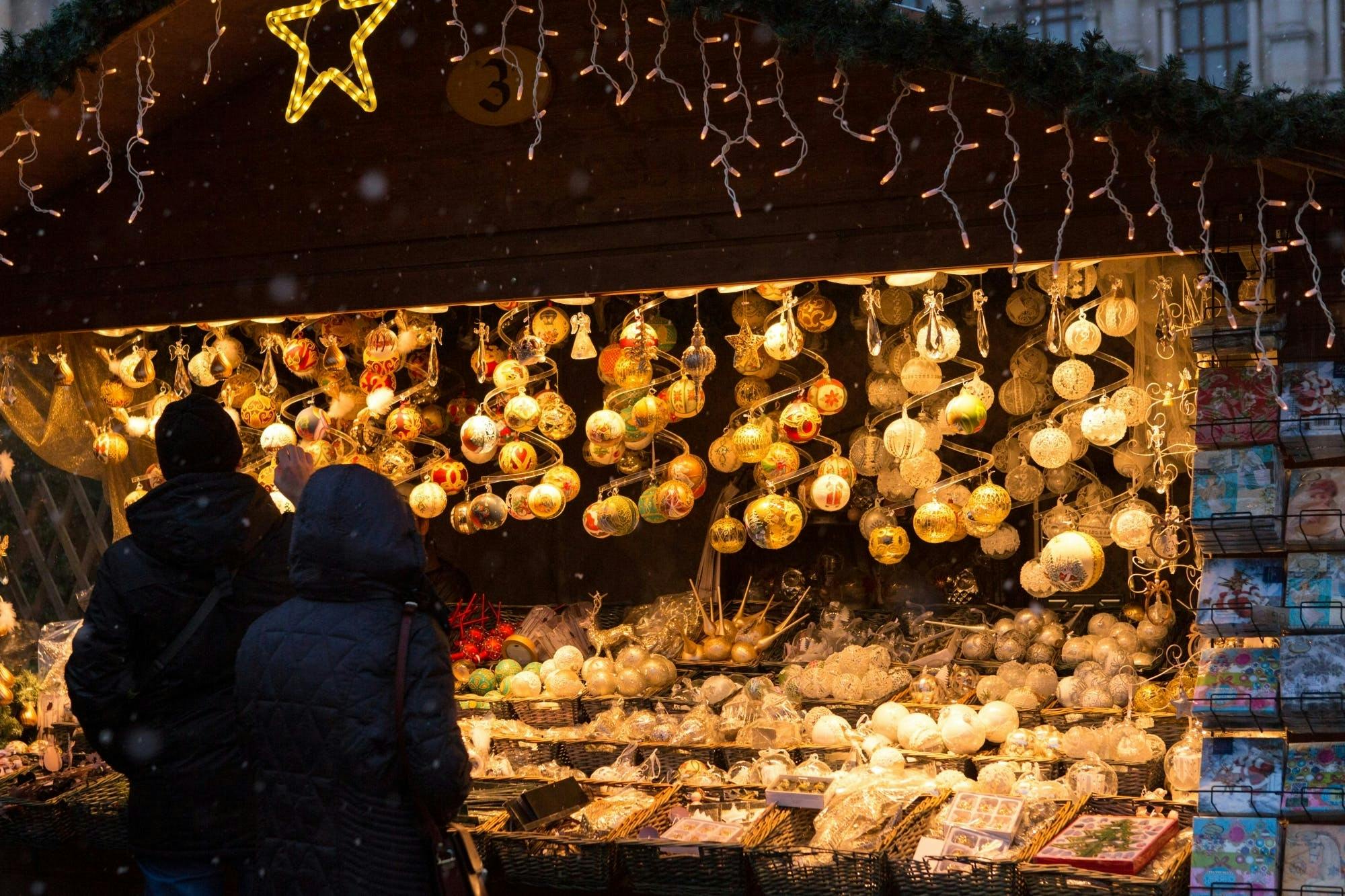
Several Christmas markets operate across the city during the weeks before Christmas.
They commonly include:
The market beside Cologne Cathedral.
Alter Markt and Heumarkt.
Neumarkt.
Rudolfplatz.
The harbour market near the Chocolate Museum.
Smaller neighbourhood and themed markets.
What to Expect
Decorated wooden stalls.
Mulled wine.
Local food.
Crafts and gifts.
Music and entertainment.
Very large evening crowds.
Weekday mornings and early afternoons are significantly calmer than Friday or Saturday evenings.
Market locations, dates and security arrangements change annually.
Rhine Cruises
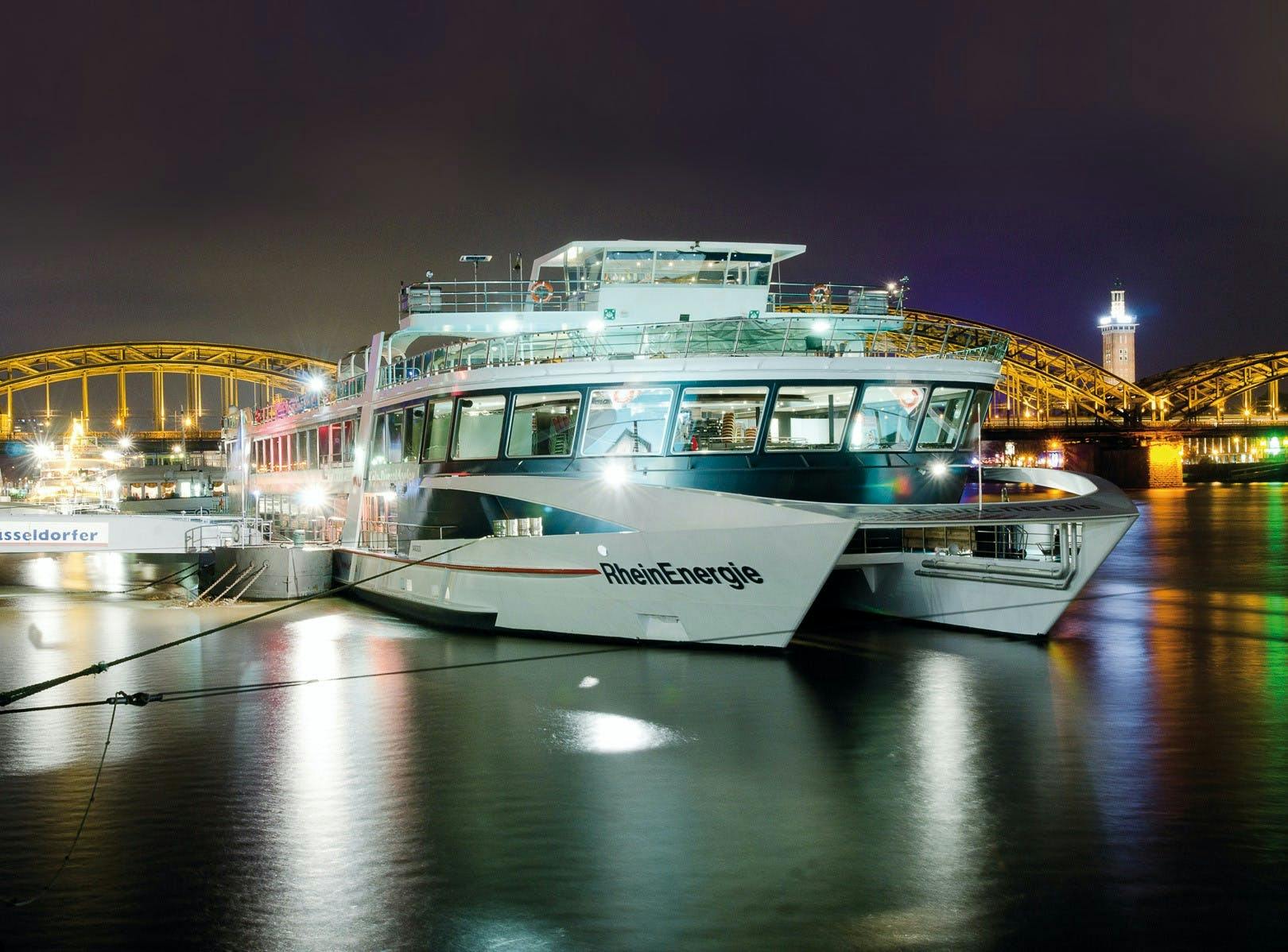
A boat trip provides a useful view of Cologne’s bridges, modern harbour development and cathedral skyline.
2026 Panorama Cruise
The principal KD panorama cruise operates from 28 March to 25 October 2026.
Duration: Approximately one hour.
Possible daily departures: Up to six.
Adult fare: €20.
Children, pupils and students: €10.
Seniors: €16.
Family ticket: €49.
Commentary is provided in German and English.
What You See
Cologne Cathedral.
Hohenzollern Bridge.
Old Town waterfront.
Rheinauhafen.
Crane Houses.
Rhine bridges.
Deutz and trade-fair district.
Longer Cruises
Longer seasonal services may travel towards:
Bonn.
Königswinter.
Düsseldorf.
The Middle Rhine.
A boat journey to distant destinations takes considerably longer than the train and is best chosen for scenery rather than speed.
Kölsch Beer and Cologne Food
What Is Kölsch?
Kölsch is a pale, clear, top-fermented beer traditionally brewed in and around Cologne.
It is served in a narrow 0.2-litre glass known as a Stange.
How Brewery Service Works
A server known as a Köbes may automatically replace an empty glass with a fresh one.
Each beer is marked on the customer’s coaster.
Place the coaster over the top of the glass when you have finished.
Traditional Brewery Houses
Well-known central examples include:
Früh am Dom.
Peters Brauhaus.
Brauhaus Sion.
Gaffel am Dom.
Brauerei zur Malzmühle.
Brauhaus Päffgen.
The most famous venue is not automatically the quietest or best-value choice. Neighbourhood breweries can provide a less tourist-oriented experience.
Foods to Try
Himmel un Ääd: Potato and apple, often served with black pudding.
Rheinischer Sauerbraten: Marinated pot roast with a sweet-and-sour sauce.
Halver Hahn: Rye roll with cheese, onion and mustard.
Mettbrötchen: Bread roll topped with seasoned raw minced pork.
Reibekuchen: Potato pancakes, often served with apple sauce.
Hämchen: Pork knuckle.
Flönz: Cologne-style blood sausage.
Understanding the Menu
Traditional menus frequently use Kölsch dialect.
Ask for an explanation rather than assuming a dish from its name.
Getting to Cologne
By Train
Cologne Hauptbahnhof is one of Germany’s busiest rail stations.
Direct or convenient services connect Cologne with:
Frankfurt.
Berlin.
Hamburg.
Munich.
Brussels.
Amsterdam.
Paris.
Basel.
Düsseldorf.
Bonn.
The cathedral is immediately outside the station’s western entrance.
Station Advice
Allow extra time because the station is large and busy.
Check the platform shortly before departure.
Keep bags secure in crowds.
Use station lockers before entering the cathedral.
Do not confuse Köln Hauptbahnhof with Köln Messe/Deutz across the river.
Long-Distance Tickets
Advance tickets are often less expensive than flexible same-day fares.
Regional day tickets may be better for groups making several journeys within North Rhine-Westphalia.
Cologne Bonn Airport
Cologne Bonn Airport lies southeast of Cologne between Cologne and Bonn.
Direct S-Bahn and regional trains connect the airport station with Cologne Hauptbahnhof.
The journey commonly takes approximately 15 minutes, depending on the service.
Airport Advice
Check whether the selected train is covered by your ticket.
Allow additional time during engineering works.
Validate paper tickets when required.
Use the station beneath the terminal complex.
Late-night frequency is lower than daytime service.
A taxi is useful for groups or hotels outside the central transport network but is generally unnecessary for accommodation near the main station.
Getting Around Cologne
The cathedral, Old Town and central Rhine attractions are easiest to explore on foot.
Public transport becomes useful for:
The Belgian Quarter.
Ehrenfeld.
Südstadt.
Cologne Zoo and Flora.
Stadion and western districts.
Hotels outside the centre.
Transport Types
Underground and surface Stadtbahn.
Trams.
Buses.
S-Bahn.
Regional trains within valid fare zones.
Useful Central Stops
Dom/Hauptbahnhof: Cathedral and central station.
Heumarkt: Old Town and Rhine.
Neumarkt: Shopping and museum connections.
Rudolfplatz: Belgian Quarter and nightlife.
Appellhofplatz: NS Documentation Centre and Kolumba.
Köln Messe/Deutz: KölnTriangle and eastern Rhine bank.
Ticket Checks
Cologne uses proof-of-payment transport.
Inspectors may request a validated ticket at any time. Buying a ticket is not always sufficient if it still requires validation.
Is the KölnCard Worth Buying?
The KölnCard combines public transport within Cologne with discounts at participating museums, tours, restaurants and attractions.
Current Prices
KölnCard
24 hours
48 hours
One person
€9
€18
Group of up to five people
€19
€38
The validity period begins when the card is activated or validated.
Transport Included
The card covers:
Buses.
Stadtbahn.
S-Bahn.
Second-class regional trains within Cologne’s valid city area.
It does not automatically cover journeys to Bonn, Düsseldorf or every airport route outside the included zone.
When It Is Good Value
The card is most useful when:
Your accommodation is outside the centre.
You plan several public-transport journeys.
You will visit participating paid attractions.
Two to five people can share a group card.
It may provide little benefit when spending one day entirely around the walkable cathedral and Old Town.
Driving and Parking
A car is unnecessary for central Cologne.
Driving Challenges
Congested approach roads.
One-way systems.
Pedestrian areas.
High parking charges.
Environmental-zone rules.
Crowds during fairs, football and Carnival.
Limited access near the cathedral.
Park and Ride
KVB Park-and-Ride sites allow eligible public-transport users to park for up to 24 hours under current conditions.
Use a facility on the same side of the city as your motorway approach and continue by tram or train.
Central Parking
Underground parking is available near:
Cologne Cathedral.
Heumarkt.
Neumarkt.
Rheinauhafen.
Museum Ludwig.
Do not leave luggage visible in the vehicle.
The Best Time to Visit
March and April
Spring weather is variable, but visitor numbers are generally manageable outside Easter.
River cruises begin returning towards the end of March.
May and June
These months provide:
Long daylight.
Comfortable Rhine walks.
Outdoor brewery seating.
Regular river cruises.
Green parks and gardens.
July and August
Summer can be warm, humid and busy.
Museums and the cathedral provide relief during poor weather, but none should be treated as guaranteed air-conditioned spaces unless specifically stated.
September and Early October
This is one of the best periods for sightseeing, river trips and outdoor dining.
November
Carnival season officially opens on 11 November, although the main street Carnival occurs later.
Weather is often cool, grey and wet.
December
Christmas markets create a festive atmosphere but draw very large crowds.
Accommodation prices rise during peak weekends.
January and February
Winter is best for museums and breweries.
Carnival dates produce extreme demand, transport disruption and attraction closures.
Where to Stay in Cologne
Near the Cathedral and Main Station
Best for:
First-time visitors.
Short stays.
Early trains.
Walking to major landmarks.
Possible disadvantages include crowds, railway noise and higher prices.
Old Town
Best for Rhine views, brewery restaurants and evening atmosphere.
Some streets can be noisy late at night.
Belgian Quarter
Best for cafés, fashion, bars and nightlife.
Use public transport for the cathedral rather than expecting every attraction to be beside the hotel.
Südstadt
Best for neighbourhood restaurants, local breweries and a residential atmosphere.
Deutz
Best for:
Trade-fair visitors.
Lanxess Arena.
Skyline views.
Easy station access.
The cathedral remains only one bridge or one train stop away.
Ehrenfeld
Best for nightlife, live music, street art and potentially better-value accommodation.
Cologne with Children
Cologne has several strong family attractions.
Best Family Experiences
Chocolate Museum.
Rhine panorama cruise.
Cologne Zoo.
Flora Botanical Garden.
KölnTriangle lift and viewpoint.
Romano-Germanic collection.
Sport and Olympic Museum.
Rheinpark.
Cathedral Tower with Children
Children may climb when accompanied and able to complete all 533 stairs independently.
Those aged 12 and older may currently climb unaccompanied.
The tower is not suitable for carrying a child in a large backpack carrier.
Pushchairs
The Rhine promenade, Museum Ludwig, Chocolate Museum and many central streets are manageable with a pushchair.
The cathedral tower has no pushchair storage and cannot be accessed with one.
Accessibility
Cologne’s modern museums and central riverside areas are generally more accessible than its towers and medieval buildings.
More Accessible Attractions
Cathedral interior.
Cathedral Treasury.
Museum Ludwig.
Chocolate Museum.
Cologne City Museum.
NS Documentation Centre’s principal exhibition areas.
Rhine promenade.
Rhine Boulevard.
KölnTriangle lift.
Less Accessible Attractions
Cathedral tower.
Historic church crypts.
Certain Roman archaeological remains.
Cobbled Old Town lanes.
Some brewery toilets and upper floors.
Public Transport
Many Stadtbahn stations and vehicles have step-free facilities, but not every station is fully accessible.
Check the current lift status before travelling when a specific route depends on one station.
Suggested One-Day Cologne Itinerary
8:30 am: Cathedral Exterior
Walk around Roncalliplatz and photograph the façade before the main visitor crowds arrive.
9:00 am: Cathedral Tower
Climb early while temperatures and queues are lower.
10:15 am: Cathedral Interior
See the Shrine of the Three Kings, Gero Cross, choir and stained glass.
11:30 am: Museum Ludwig or Old Town
Choose Museum Ludwig for art or explore Alter Markt, Fischmarkt and Great St Martin.
1:00 pm: Brewery Lunch
Try Kölsch and a traditional Rhineland dish.
2:30 pm: Rhine Walk
Walk south towards Heumarkt and the Chocolate Museum.
3:00 pm: Chocolate Museum
Spend approximately 90 minutes exploring the exhibition and production area.
5:00 pm: Hohenzollern Bridge
Return towards the cathedral and cross to Deutz.
6:00 pm: KölnTriangle
See the cathedral and Old Town from above.
7:30 pm: Dinner
Eat in the Old Town, Belgian Quarter or Südstadt.
Suggested Two-Day Cologne Itinerary
Day One: Cathedral and Rhine
Cologne Cathedral.
Tower or treasury.
Old Town.
Traditional brewery lunch.
Hohenzollern Bridge.
KölnTriangle.
Rhine Boulevard at sunset.
Day Two: Museums and Neighbourhoods
Museum Ludwig or Wallraf-Richartz Museum.
Cologne City Museum.
NS Documentation Centre or Kolumba.
Lunch around Neumarkt.
Belgian Quarter.
Ehrenfeld or Südstadt for dinner.
Families can replace the art museums with the Chocolate Museum, zoo or Rhine cruise.
Suggested Three-Day Cologne Itinerary
Day One
Explore the cathedral, Old Town, bridge and KölnTriangle.
Day Two
Visit Museum Ludwig, the Roman collection, Rheinauhafen and Chocolate Museum.
Day Three
Choose one excursion:
Brühl palaces.
Bonn.
Düsseldorf.
Aachen.
Königswinter and Drachenfels.
The Best Day Trips from Cologne
Brühl
Brühl is home to the UNESCO-listed Augustusburg and Falkenlust palaces.
The journey from Cologne is short by regional train, making Brühl one of the easiest cultural excursions.
Bonn
Bonn offers:
Beethoven-Haus.
German political-history museums.
Rhine walks.
Poppelsdorf Palace and Botanical Gardens.
Fast regional trains commonly take around 20 to 30 minutes.
Düsseldorf
Düsseldorf provides a contrast with Cologne through:
Contemporary architecture.
Japanese food and culture.
Fashion shopping.
Altbier breweries.
The Rhine promenade.
Aachen
Aachen is known for Charlemagne’s cathedral, imperial history and thermal traditions.
Direct regional and long-distance trains make it a practical day trip.
Königswinter and Drachenfels
Travel south beside the Rhine to Königswinter for:
Drachenfels rack railway.
Schloss Drachenburg.
Rhine views.
Woodland walks.
Middle Rhine Valley
For castles, vineyards and the Loreley landscape, travel towards Koblenz, Boppard, St Goar or Bacharach.
This is a long day from Cologne and requires an early train.
Is Cologne Worth Visiting?
Cologne is highly worthwhile for travellers interested in architecture, history, museums, beer culture or the Rhine.
Main Advantages
One of Europe’s great Gothic cathedrals.
Excellent rail connections.
Major art and history museums.
Walkable central attractions.
Strong food and brewery culture.
Rhine cruises and promenades.
Lively neighbourhoods.
Good day-trip possibilities.
Possible Drawbacks
Large cathedral crowds.
Reconstructed rather than untouched Old Town.
Busy railway and shopping areas.
Expensive accommodation during trade fairs and festivals.
Cold and grey winter weather.
Major transport disruption during Carnival.
Some important Roman displays remain closed during museum renovation.
The best approach is to look beyond the cathedral. Cologne becomes much more interesting when a visit includes at least one museum, a Rhine walk and a meal in a traditional brewery or local neighbourhood.
Frequently Asked Questions About Cologne
Where is Cologne?
Cologne is beside the Rhine in North Rhine-Westphalia in western Germany.
Is Köln the same as Cologne?
Yes. Köln is the German name, while Cologne is the English and French form.
What is Cologne best known for?
It is best known for Cologne Cathedral, Kölsch beer, Carnival, Roman history and major museums.
How many days do I need?
Two days are ideal. One day covers the principal landmarks, while three days allow a nearby excursion.
Can Cologne be visited in one day?
Yes. The cathedral, Old Town, Hohenzollern Bridge and one museum can form a realistic day.
Is Cologne Cathedral free?
Tourist entry is free until 30 June 2026. From 1 July 2026, sightseeing admission requires a paid ticket.
How much will cathedral entry cost?
From 1 July 2026, adult admission is €12 and eligible reduced admission is €6. Children aged 13 and younger require a free ticket.
Can I enter the cathedral to pray for free?
Yes. Access for services, private prayer and lighting a candle remains free through the designated north transept entrance.
What time is the cathedral open?
The building generally opens from 6:00 am to 8:00 pm, but sightseeing hours are more limited and can change for services.
Do I need to reserve cathedral admission?
Advance booking is advisable under the new ticket system, particularly on weekends and during busy seasons.
How tall is Cologne Cathedral?
Its twin towers are approximately 157 metres high.
How many steps are in the cathedral tower?
There are 533 steps to the viewing platform.
Is there a lift in the cathedral tower?
No.
How much is the tower climb?
Current adult admission is €8.
How long does the tower climb take?
Allow 30 to 45 minutes, plus additional time when queues are present.
Can children climb the tower?
Yes, when they can complete all stairs independently. Children aged 12 and older may currently climb without an adult.
Is the cathedral tower claustrophobic?
The spiral staircase is narrow, enclosed and shared by ascending and descending visitors, so it can be uncomfortable for people with claustrophobia.
Is Cologne Cathedral a UNESCO site?
Yes. It was added to the World Heritage List in 1996.
When was the cathedral built?
Construction began in 1248 and was completed in 1880 after a long interruption.
What is the Shrine of the Three Kings?
It is a large medieval golden reliquary traditionally associated with the biblical Magi.
Is the cathedral beside the railway station?
Yes. It stands immediately outside Köln Hauptbahnhof.
Can I take luggage into the cathedral?
No large luggage is permitted. Use station lockers.
Is Cologne Old Town genuinely old?
It contains surviving monuments and historic street patterns, but many buildings were reconstructed after the Second World War.
What is the most attractive Old Town square?
Alter Markt is the principal historic square, while Fischmarkt provides the best-known colourful riverfront view.
Can I walk across Hohenzollern Bridge?
Yes. Pedestrian and bicycle routes cross the bridge.
Is Hohenzollern Bridge free?
Yes.
Where is the best cathedral viewpoint?
KölnTriangle provides the best elevated complete view. Rhine Boulevard offers the best free ground-level skyline view.
How much is KölnTriangle?
Current admission is €5 for adults and €4 reduced.
What is the best museum in Cologne?
Museum Ludwig is best for modern art, Wallraf-Richartz for older European painting and the NS Documentation Centre for 20th-century history.
Is the Romano-Germanic Museum open?
The main building beside the cathedral is closed for renovation. A temporary exhibition operates in the Belgian House near Neumarkt.
Can I see the Dionysus Mosaic?
No. The mosaic is currently inaccessible while the main museum is closed.
Is the Chocolate Museum suitable for adults?
Yes. It covers agriculture, trade, industrial production, advertising and chocolate history as well as family activities.
How long does the Chocolate Museum take?
Allow one and a half to two hours.
Should I book the Chocolate Museum?
Advance timed tickets are advisable on weekends and during school holidays.
Can I take a Rhine cruise?
Yes. Seasonal one-hour panorama cruises and longer Rhine journeys depart from the central waterfront.
How much is the 2026 panorama cruise?
The current KD adult price is €20 for the one-hour cruise.
What is Kölsch?
It is Cologne’s local pale top-fermented beer, served in a narrow 0.2-litre glass.
Why does the waiter keep bringing beer?
Traditional brewery servers often replace an empty Kölsch automatically. Place the coaster on top of the glass when finished.
What food should I try?
Try Himmel un Ääd, Sauerbraten, Reibekuchen, Halver Hahn or a brewery pork dish.
What does Halver Hahn mean?
Despite translating literally as “half a chicken,” it is a rye roll served with cheese and accompaniments.
Is Cologne good for families?
Yes. The Chocolate Museum, zoo, Rhine cruises, KölnTriangle and riverfront parks are strong family options.
Is Cologne easy to walk around?
The principal central attractions are walkable. Trams and trains are useful for outer neighbourhoods.
How much is the KölnCard?
A 24-hour single card currently costs €9, while a group card for up to five people costs €19.
Does the KölnCard include the airport?
Do not assume that every airport journey is included. Check the exact fare zone and selected service.
How long is the airport train?
Direct services commonly take around 15 minutes to Cologne Central Station.
Is Cologne a good day trip from Düsseldorf?
Yes. Frequent trains connect the two cities.
Is Cologne a good day trip from Brussels?
It is possible by high-speed train, although the return journey makes for a long day.
Can I visit Bonn from Cologne?
Yes. Frequent regional trains commonly take around 20 to 30 minutes.
When is Cologne Carnival?
The main street Carnival occurs during the six days before Ash Wednesday. The 2027 street celebrations begin on 4 February, with Rose Monday on 8 February.
Do I need a costume for Carnival?
A costume is not legally required, but most participants dress up and visitors feel more involved when they do.
Is Cologne crowded at Christmas?
Yes, especially during Friday and Saturday evenings around the cathedral and Old Town markets.
What is the best month to visit?
May, June, September and early October generally offer the best balance of weather and outdoor activities.
Is Cologne worth visiting in winter?
Yes for museums, breweries, Christmas markets and Carnival, but daylight is short and weather is often cold or wet.
Where should first-time visitors stay?
The area between the cathedral, Old Town and central station is most convenient for a short first visit.
Is Deutz a good place to stay?
Yes, particularly for skyline views, the trade fair, arena events and easy railway access.
Is Cologne safe?
Central Cologne is generally straightforward for visitors, but normal city precautions are needed around the station, nightlife areas and crowded events.
What is the biggest planning mistake?
Visiting only the cathedral and immediately leaving. Allow time for the Rhine, museums and at least one neighbourhood or brewery.
Sponsored Popular Items
Quick take: Musement.com offers a worldwide selection of tours and attractions
Cologne Murder Mystery City Exploration Game Best deals for Cologne Murder Mystery City Exploration Game. Step into the role of a detective and solve Bella's murder on this thrilling ghost tour. Gather clues, question suspects, and unmask the murderer! Available from musement.com.
Final Thoughts
Cologne is a city whose atmosphere matters as much as its monuments.
The cathedral is an essential starting point, but it should not be the end of the visit. Walk behind it onto Hohenzollern Bridge, cross to Deutz for the skyline, explore Roman objects and modern art, and continue south beside the Rhine towards the Chocolate Museum and Crane Houses.
Cologne’s history is visible in layers. Roman foundations lie beneath medieval churches, reconstructed Old Town streets stand beside post-war architecture, and former industrial districts have developed into creative neighbourhoods.
Spend at least one evening in a brewery or neighbourhood restaurant. Learning how Kölsch is served and hearing the local dialect provides a more genuine sense of Cologne than moving quickly between sightseeing stops.
With two well-planned days, Cologne offers an excellent combination of architecture, history, art, food and Rhine scenery—and one of Germany’s most distinctive city experiences.
Sponsored Popular Items
Quick take: Musement.com offers a worldwide selection of tours and attractions
Cologne Under Dark Magic City Exploration Game Best deals for Cologne Under Dark Magic City Exploration Game. Embark on a magical journey through Cologne's Old Town. Learn spells, battle creatures, and lift the city's curse. Are you ready to save Cologne? Available from musement.com.
Cologne Murder Mystery City Exploration Game Best deals for Cologne Murder Mystery City Exploration Game. Step into the role of a detective and solve Bella's murder on this thrilling ghost tour. Gather clues, question suspects, and unmask the murderer! Available from musement.com.
Evening river boat cruise with panoramic view of Cologne Best deals for Evening river boat cruise with panoramic view of Cologne. Book this two-hour evening river boat cruise to enjoy the panoramic views of Cologne and a cocktail with tasty food in a relaxing atmosphere. Available from musement.com.
Guided Segway™ tour in Cologne Best deals for Guided Segway™ tour in Cologne. Book now your segway tour of Cologne and discover the Rhine city, its parks and diverse architecture, riding comfortably and safely. Available from musement.com.
Cologne Torchlit Night Watchman Tour Germany Nightwatchman tour with torch through Cologne is a convenient way to add structure, local context and purposeful sightseeing to the itinerary. Nightwatchman tour with torch through Cologne: experience overview Join this guided tour in nocturnal Cologne! Follow the night watchman around the cathedral and the dark alleys of the old town and listen to his scary stories. This makes the experience a useful option when planning time in Cologne. The exact duration can depend on the selected date, option or operating schedule. Routes, start times, inclusions and meeting arrangements may vary, so the current booking page should be treated as…
Cologne Old Town Guided Tour: Cathedral, Roman History & Rhine Guided Walking Tour in Cologne’s Old Town: Cathedral, Roman History and Rhine-Side Highlights is a convenient way to add structure, local context and purposeful sightseeing to the itinerary. Guided Walking Tour in Cologne’s Old Town: Cathedral, Roman History and Rhine-Side Highlights: experience overview The guided walking tour through Cologne’s Old Town offers a compact introduction to more than 2,000 years of history in one of Germany’s most important Rhine cities. This makes the experience a useful option when planning time in Cologne > Guided walking tour in Cologne's Old Town. The exact duration can depend on the selected date, option…
Cologne Christmas Market Tour with a Local Guide – Food & Drink Experience Cologne Christmas Market Tour with a Local adds structure, local context and purposeful sightseeing to the itinerary. Cologne Christmas Market Tour with a Local: experience overview Experience the magical Christmas Market of Cologne and try seasonal local delights defining Colognes festive culinary scene. This makes the experience a useful option when planning time in Cologne. The exact duration can depend on the selected date, option or operating schedule. Routes, start times, inclusions and meeting arrangements may vary, so the current booking page should be treated as the final source of operational information. At a glance Experience type: Guided sightseeing experience…
Chocolate Museum Cologne Entrance Ticket – Food & Drink Experience Chocolate Museum Cologne Entrance Ticket provides a structured way to visit a notable attraction or cultural site. Chocolate Museum Cologne Entrance Ticket: experience overview Visit the Chocolate Museum Cologne, learn more about chocolate production, and indulge yourself with tastings and a stop at the museum's café. This makes the experience a useful option when planning time in Cologne. The exact duration can depend on the selected date, option or operating schedule. Routes, start times, inclusions and meeting arrangements may vary, so the current booking page should be treated as the final source of operational information. At a glance Experience type:…
Cologne Private Rickshaw Highlights Tour – 30 to 90-Minute Germany Cologne City Tour by Rickshaw (Private) – Highlights in 30–90 Minutes A relaxed, central-city rickshaw ride that covers key Cologne sights with local narration. Quick take: A private rickshaw tour through central Cologne, with a driver-guide and headsets. Choose a short loop or a longer 90-minute ride depending on how deep you want to go. Check availability & book on Musement Source: Musement listing At a glance Price: from £23.00 Duration: 30 minutes to 1 hour 30 minutes (customisable) Language: English Tour type: Private tour (Local touch) Voucher: Mobile voucher accepted Confirmation: Instant confirmation Provider: Rikolonia e.K. Cancellation: Free cancellation…
Private Tour of Cologne's Historical and Cultural Sites – Guided Tour Germany Private Tour of Cologne's Historical and Cultural Sites USD 237 adds structure, local context and purposeful sightseeing to the itinerary. Private Tour of Cologne's Historical and Cultural Sites USD 237: experience overview Join a local expert on this private guided tour of Cologne. Explore the city's history, from the Römisch-Germanisches Museum to the Hohenzollern Bridge. This makes the experience a useful option when planning time in Cologne. The exact duration can depend on the selected date, option or operating schedule. Routes, start times, inclusions and meeting arrangements may vary, so the current booking page should be treated as the final…
Private Family Walking Tour of Cologne's Highlights – Guided Tour Germany Private Family Walking Tour of Cologne's Highlights USD 237 adds structure, local context and purposeful sightseeing to the itinerary. Private Family Walking Tour of Cologne's Highlights USD 237: experience overview Embark on a private tour of Cologne's key attractions. From the Römisch-Germanisches Museum to the Old Market, experience history and culture firsthand. This makes the experience a useful option when planning time in Cologne. The exact duration can depend on the selected date, option or operating schedule. Routes, start times, inclusions and meeting arrangements may vary, so the current booking page should be treated as the final source of operational…
Cologne Gold-Panning Adventure Germany Gold Panning Adventure in Köln USD 47 adds structure, local context and purposeful sightseeing to the itinerary. Gold Panning Adventure in Köln USD 47: experience overview Book a gold panning adventure in Köln! Learn expert techniques, pan for treasures, and keep any finds on this fun, hands-on outdoor experience for all ages. This makes the experience a useful option when planning time in Cologne. The exact duration can depend on the selected date, option or operating schedule. Routes, start times, inclusions and meeting arrangements may vary, so the current booking page should be treated as the final source of operational…