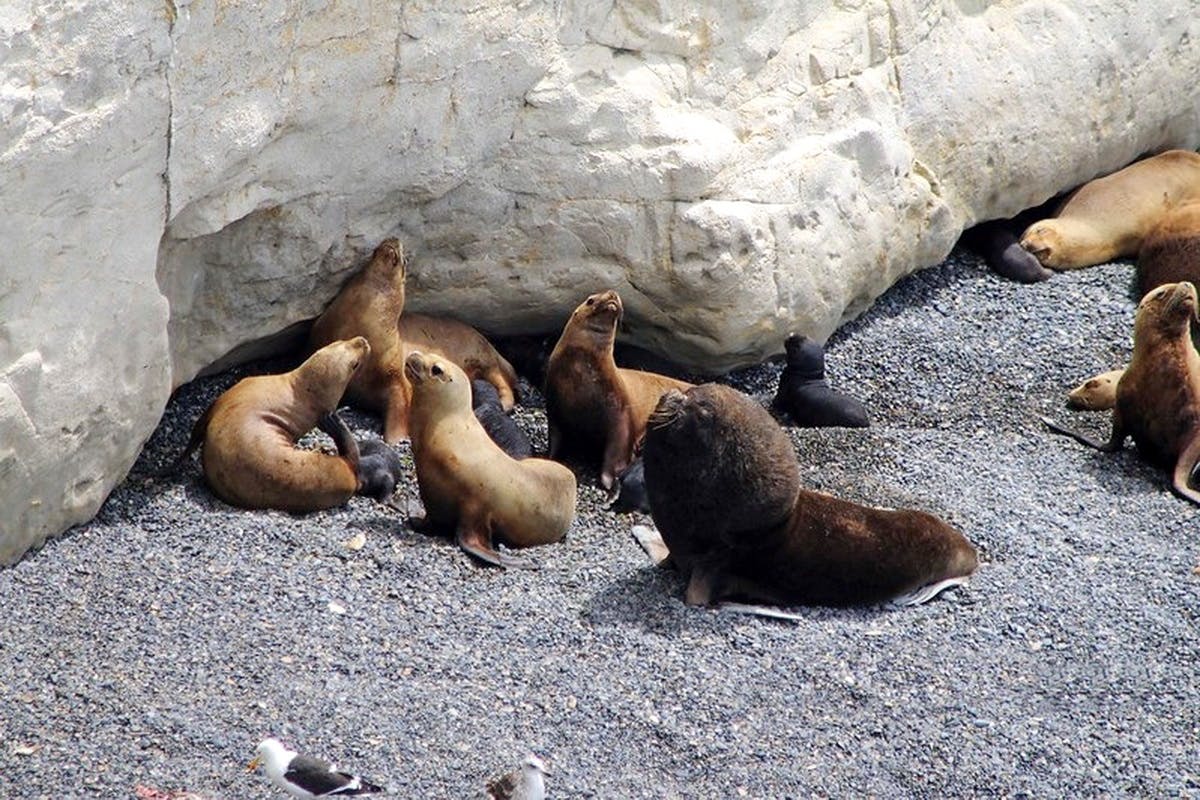
Punta Loma Sea Lion Reserve is one of the easiest places to see wild marine mammals near Puerto Madryn. A permanent colony of South American sea lions occupies the narrow beaches below a line of pale cliffs, where visitors can watch the animals resting, swimming, feeding their young and noisily competing for space.
The reserve is close enough to Puerto Madryn for a short excursion, yet the landscape feels unmistakably Patagonian. Beyond the city, paved streets give way to gravel roads, open steppe, low shrubs and broad views across the blue-green waters of Golfo Nuevo.
Sponsored Popular Items
Quick take: Musement.com offers a worldwide selection of tours and attractions
Puerto Madryn & Punta Loma Sea Lion Reserve Guided Tour Puerto Madryn and Punta Loma Sea Lion Reserve Guided Tour: Complete Visitor Guide is a convenient way to add structure, local context and purposeful sightseeing to the itinerary. Puerto Madryn and Punta Loma Sea Lion Reserve Guided Tour: Complete Visitor Guide: experience overview The guided tour of Puerto Madryn and Punta Loma combines a short introduction to this Patagonian coastal city with wildlife observation at one of Chubut Province’s oldest protected natural areas. This makes the experience a useful option when planning time in Puerto Madryn. The exact duration can depend on the selected date, option or operating schedule. Routes,…
Punta Loma is not a zoo, aquarium or staged wildlife attraction. The sea lions live freely, and their numbers, positions and behaviour vary with the season, tide and weather. Visitors observe them from a high lookout rather than walking onto the beach.
The experience is relatively short, but it can be very rewarding when approached with realistic expectations. Punta Loma is particularly suitable for families, cruise passengers, wildlife photographers and travellers who do not have enough time for a full-day tour of Península Valdés.
Punta Loma Quick Facts
Visitor information
Details
Location
South of Puerto Madryn, Chubut, Argentina
Distance from Puerto Madryn
Approximately 14–16 kilometres
Main wildlife
South American sea lions
Scientific name
Otaria flavescens
Wildlife season
Sea lions can be seen throughout the year
Best tide
Low tide generally provides the best view
Typical time at the reserve
About 30–60 minutes
Total excursion time
Approximately 2–3 hours from Puerto Madryn
Walking difficulty
Easy, with short paths and a lookout
Road surface
A substantial section is gravel
Public transport
Limited; car, taxi or organised tour is more practical
Admission
Entrance fee charged per visitor
Pets
Not permitted inside the protected area
Important: Entrance fees and opening times can change. Confirm current arrangements with the Puerto Madryn tourism office or Chubut protected-area authority shortly before travelling.
What Is Punta Loma?
Punta Loma is a protected natural area covering approximately 1,700 hectares of Patagonian coastal steppe, cliffs and shoreline. It was legally established in 1967 and is one of the oldest protected areas in the province of Chubut.
The reserve was created to protect native plants, geological formations, seabirds and a permanent sea lion colony. Its official conservation category focuses on managing and protecting important habitats and species while allowing controlled scientific and tourist access.
The main visitor area is positioned above the coast. From the lookout, visitors look down towards a dark pebble beach where sea lions gather beneath cliffs shaped by wind and marine erosion.
The elevated position keeps people away from the animals while still allowing clear views. It also provides a broad panorama across Golfo Nuevo and the exposed Patagonian coastline.
What Will You See at Punta Loma?
The principal attraction is the sea lion colony, known locally as a lobería. Depending on the time of year, visitors may see animals sleeping in groups, entering the water, calling to one another or moving awkwardly across the beach.
The sounds are often as memorable as the view. Adult males produce deep roars, while females and younger animals use a range of calls to recognise and communicate with one another.
Wildlife sightings may include:
South American sea lions.
Black-necked cormorants.
Rock cormorants.
Kelp gulls.
South American terns.
Guanacos.
Maras.
Choiques, or lesser rheas.
Grey foxes.
Small armadillos known locally as piches.
The land animals are less predictable than the sea lions. They may be seen beside the access road or among the low vegetation, but they should never be approached or fed.
The South American Sea Lions
The animals at Punta Loma are South American sea lions, a species found along the Atlantic and Pacific coasts of southern South America.
In Spanish, they are commonly called lobos marinos de un pelo, meaning “one-haired sea lions.” This name distinguishes them from South American fur seals, which have a denser undercoat.
Adult Males
Adult males are considerably larger than females and develop a thick mane around the neck and shoulders. Their heavy build and deep calls make them easy to recognise.
During the reproductive period, males may defend groups of females and compete aggressively with rivals. These disputes can involve loud roaring, charges and biting.
Females
Females are smaller, more streamlined and lighter in colour than mature males. Mothers recognise their pups partly through individual calls and scent.
Pups
Young sea lions are darker when newly born. They remain close to their mothers and gradually begin exploring the beach and shallow water.
Visitors during the summer reproductive period may see mothers nursing pups or young animals practising their swimming near the shoreline.
Are the Sea Lions Always There?
Punta Loma is considered a permanent colony, so sea lions can be observed throughout the year. However, this does not mean that the same number of animals will be present every day.
The colony changes according to reproduction, feeding movements, sea conditions, tide and weather. A winter visit may look different from a busy summer day when breeding behaviour is more apparent.
The Best Time to Visit Punta Loma
Punta Loma can be visited throughout the year. The best period depends on the type of wildlife activity and weather you prefer.
November and December
Adult males begin establishing territories and competing for females. The colony can become louder and more active.
This is a fascinating period for observing social behaviour, although visitors should remember that wildlife activity can never be guaranteed.
January and February
Summer is associated with births, nursing and interactions between mothers and pups. It is also one of the busiest tourism periods in Puerto Madryn.
Temperatures are usually milder than in many parts of Argentina, but the sun can still be strong and the reserve has little shade.
March to May
Autumn can provide comfortable sightseeing conditions and fewer visitors. Sea lions remain present, although the intense reproductive activity of summer gradually decreases.
June to December
This period overlaps with the broader southern right whale season around Puerto Madryn and Golfo Nuevo. Punta Loma is not primarily a whale-watching site, but the reserve can be included in a wider wildlife itinerary.
Winter
Winter days can be cold and windy, but the reserve remains a possible year-round excursion. Bring warm layers, even when Puerto Madryn itself feels relatively mild.
Why Low Tide Matters
Low tide is generally the best time to visit because a larger section of beach is exposed beneath the lookout.
When the tide is high, water can cover much of the narrow shoreline and the sea lions may gather more tightly against the cliffs or move into the water. At low tide, they have more room to spread out, making individual animals and group behaviour easier to observe.
Organised tours often adjust their departure time according to the tide. Independent visitors should check a Puerto Madryn tide table and aim to reach the lookout around low tide.
The tide should guide your timing, but it does not need to be exact to the minute. Arriving shortly before or after low tide normally provides a useful viewing window.
How Long Should You Allow?
Most visitors spend between 30 minutes and one hour at the reserve.
The main activity is watching the colony from the lookout, reading the interpretive signs and walking a short trail through the steppe vegetation. There is no extensive network of long hiking paths or large visitor complex.
Allow approximately two to three hours for the full trip from Puerto Madryn, including:
Driving to the reserve.
Stops at coastal viewpoints.
Admission procedures.
Time at the sea lion lookout.
The return drive.
A guided city tour that combines Punta Loma with Puerto Madryn landmarks commonly takes around three hours.
How to Get to Punta Loma
By Hire Car
Driving provides the greatest flexibility, particularly when you want to plan the visit around low tide.
From Puerto Madryn, travel south along Boulevard Almirante Brown and follow the coastal route past Punta Cuevas. Signs lead towards Punta Loma and Cerro Avanzado.
The route leaves the developed city area and continues over gravel. Driving time varies with road conditions, but visitors should generally allow at least 30 minutes each way.
By Guided Tour
Numerous Puerto Madryn tour operators offer short excursions to Punta Loma. These often include:
Hotel or cruise-port pickup.
A city sightseeing circuit.
Punta Cuevas.
The Tehuelche monument.
Coastal viewpoints.
The Punta Loma sea lion lookout.
Commentary from a Spanish- or English-speaking guide.
A guided tour is convenient for visitors without a car and for anyone who wants help understanding the animals, landscape and regional history.
By Taxi or Private Driver
A taxi or private driver can be arranged from Puerto Madryn. Confirm whether the driver will wait during the visit or return at a specified time.
Because the reserve is outside the city and taxis may not wait nearby, do not rely on finding an available vehicle at the entrance.
By Bicycle
Some experienced cyclists ride from Puerto Madryn to Punta Loma. The route involves gravel, wind, passing vehicles and limited services.
This option is suitable only for confident riders with an appropriate bicycle, repair equipment, water and protection from changing weather.
Driving and Road Conditions
The coastal road to Punta Loma includes approximately 14 kilometres of gravel. A four-wheel-drive vehicle is not normally essential in good conditions, but drivers should reduce speed and avoid sudden braking.
Loose gravel can reduce grip and may cause stones to strike the vehicle. Leave sufficient distance behind buses and other cars.
Road conditions can deteriorate after rain, strong winds or maintenance work. Check locally before departure when the weather has been unsettled.
Other road considerations include:
Animals may cross unexpectedly.
Mobile reception may be inconsistent.
There are few services after leaving Puerto Madryn.
Fuel should be purchased in the city.
Rental-car agreements should permit driving on gravel roads.
Do not drive onto beaches, unmarked tracks or fragile areas of steppe.
Guided Tours and Cruise Excursions
Punta Loma is a popular shore excursion when cruise ships call at Puerto Madryn because it is considerably closer than Península Valdés or Punta Tombo.
A typical cruise excursion combines the reserve with a panoramic city tour and lasts approximately two and a half to four hours.
Before booking, check:
Whether the protected-area entrance fee is included.
Whether the tour operates according to the tide.
The meeting point at the cruise terminal.
The language used by the guide.
The maximum group size.
The guaranteed return time to the ship.
The cancellation policy if the ship cannot dock.
Independent cruise passengers should leave a generous safety margin. Gravel-road delays, queues and tide-adjusted schedules can affect the timing.
Admission and Opening Information
An entrance fee is charged per person. Prices differ according to residency and age, with separate categories for international visitors, Argentine residents, Chubut residents, children and eligible concessions.
Visitors may be asked to show identification to receive the correct rate. Each member of a group should carry a passport, national identity document or other accepted identification.
Argentine peso prices can change frequently. It is therefore better to check the current official tariff than rely on an amount quoted in an older travel article or review.
Opening hours may also vary by season, public holiday, weather or operational requirements. Contact the Puerto Madryn tourism office or reserve administration before making a special journey.
Walking Trails and Difficulty
Punta Loma is generally an easy attraction to visit. The main lookout is reached by a relatively short walk, and the reserve also has an interpretive trail explaining native plants of the Patagonian steppe.
Plants found in the protected area include hardy species adapted to dry soil, wind and limited rainfall. Their low, dense growth helps them survive the demanding coastal environment.
The terrain may include:
Gravel.
Compacted earth.
Uneven sections.
Steps or changes in level near viewing areas.
Exposed paths with little shelter.
Comfortable closed footwear is preferable to sandals or smooth-soled shoes.
The public visit does not involve descending to the sea lion beach. Visitors remain on marked paths and behind barriers above the colony.
What to Bring
Windproof jacket: Patagonia can be windy at any time of year.
Warm layer: Coastal temperatures can feel cooler than expected.
Sun protection: Bring sunscreen, sunglasses and a hat that will not blow away easily.
Water: Visitor services are limited.
Binoculars: Very useful for observing sea lions and nesting birds.
Camera or charged phone: Bring sufficient battery power.
Identification: Required for the correct admission category.
Payment method: Carry more than one option in case a payment system is unavailable.
Closed shoes: Better for gravel and uneven paths.
There is little shade, so sun protection remains important even on cool or cloudy days.
Wildlife Photography Tips
The sea lions are viewed from above and may be some distance from the platform. A camera or phone with optical zoom will generally produce better results than a basic wide-angle lens.
Visit at low tide to see more of the beach.
Use binoculars before choosing a subject to photograph.
Include the cliffs and water to show the animals in their habitat.
Use a fast shutter speed for animals entering the water or fighting.
Keep the horizon level when photographing Golfo Nuevo.
Protect cameras from windblown dust.
Avoid leaning equipment beyond barriers.
Do not use drones without explicit authorisation.
Midday light can create harsh shadows beneath the cliffs. Morning or later-afternoon light may produce softer landscape photographs, although the tide remains the more important factor for viewing the colony.
Responsible Wildlife Viewing
Punta Loma protects a functioning natural colony. Visitors can help minimise disturbance by following a few essential rules.
Remain on authorised trails and viewing platforms.
Stay behind barriers.
Keep voices low.
Do not play recorded animal sounds.
Never feed wildlife.
Do not throw objects towards the beach.
Do not collect plants, fossils, stones or archaeological material.
Take all rubbish away.
Follow instructions from wildlife rangers.
Leave pets outside the protected area.
Even apparently calm sea lions are powerful wild animals. Approaching them is dangerous to both visitors and the colony.
Accessibility and Facilities
The visitor experience is short and the walking difficulty is generally low. However, gravel, uneven ground, wind and changes in level may affect visitors with limited mobility.
Anyone requiring step-free access should contact the reserve or Puerto Madryn tourism office for current details before travelling. Maintenance work can change which paths and viewing areas are available.
Visitor facilities are modest compared with major national parks. Use toilets, purchase food and fill water bottles in Puerto Madryn before departure rather than assuming that full services will be available at the reserve.
Places to Visit Near Punta Loma
Punta Cuevas
Punta Cuevas is associated with the first permanent Welsh settlement in Chubut. The area provides coastal views and useful historical context for the development of Puerto Madryn.
Monument to the Tehuelche
This prominent monument overlooks the city and Golfo Nuevo. It is a common stop on city tours travelling towards Punta Loma.
Ecocentro Puerto Madryn
The Ecocentro focuses on the marine environment of Patagonia and can add scientific context to a wildlife outing.
Check its current opening status and exhibition arrangements before visiting.
Cerro Avanzado
Cerro Avanzado lies only a few kilometres beyond Punta Loma. Its exposed sedimentary layers contain evidence of the region’s ancient marine history.
Access conditions can vary, and some routes are better attempted with a guide or suitable vehicle.
Paraná Beach
Paraná Beach is known for a visible shipwreck and a broad, open shoreline. It may be included in coastal excursions south of Puerto Madryn.
Puerto Madryn Waterfront
After returning to the city, visitors can walk along Boulevard Almirante Brown, visit the beaches or eat at one of the restaurants overlooking Golfo Nuevo.
Suggested Half-Day Itinerary
8:30 am: Leave Puerto Madryn
Begin from the waterfront and travel south along Boulevard Almirante Brown.
8:45 am: Stop at Punta Cuevas
View the coastline and learn about the Welsh settlement history of the area.
9:15 am: Continue Along the Gravel Road
Drive carefully and stop only at established viewpoints.
9:45 am: Arrive at Punta Loma
Complete the admission process and follow the marked path towards the lookout.
10:00 am: Observe the Sea Lion Colony
Allow time to use binoculars, watch the animals’ behaviour and look for seabirds nesting in the cliffs.
10:45 am: Walk the Interpretive Trail
Learn about the low shrubs and grasses that survive in the Patagonian steppe.
11:15 am: Return Towards Puerto Madryn
Stop at an authorised coastal viewpoint if road and weather conditions permit.
12:00 pm: Lunch on the Puerto Madryn Waterfront
Finish the outing with lunch near the beach or continue to another city attraction.
The timing should be adjusted to place the reserve visit close to low tide.
Is Punta Loma Worth Visiting?
Punta Loma is worthwhile for travellers who want a convenient wildlife experience close to Puerto Madryn. It offers dependable year-round sea lion viewing without requiring a full day of travel.
It is particularly suitable when:
You have only a few hours in Puerto Madryn.
You are travelling with children.
You want an easy walk rather than a demanding excursion.
You are visiting by cruise ship.
You are interested in marine wildlife and seabirds.
You cannot fit Península Valdés into your itinerary.
It may feel limited to visitors expecting a large park with several kilometres of trails or extremely close wildlife encounters. The main experience centres on one elevated viewing area, and the animals remain below on the beach.
Punta Loma should not be treated as a substitute for a full Península Valdés tour. The two experiences are different. Punta Loma is a compact local reserve, while Península Valdés requires much more travel and offers a broader range of landscapes and seasonal wildlife.
For a short, genuine and easily organised encounter with Patagonia’s marine life, Punta Loma performs its role very well.
Frequently Asked Questions About Punta Loma
Where is Punta Loma Sea Lion Reserve?
It is approximately 14–16 kilometres south of Puerto Madryn in Argentina’s Chubut Province.
Can you see sea lions throughout the year?
Yes. Punta Loma has a permanent colony, although the number and behaviour of the animals vary by season and tide.
What is the best time of day to visit?
Low tide is generally the best time because more of the beach is exposed and the sea lions are easier to observe.
How long does a visit take?
Allow around 30–60 minutes at the reserve and approximately two to three hours for the return excursion from Puerto Madryn.
Is there an entrance fee?
Yes. Admission is charged per visitor, with different rates based on age and residency. Confirm current prices before travelling.
Do I need to carry identification?
Yes. Identification may be required to determine the correct admission category.
Can I reach Punta Loma without a tour?
Yes. Independent visitors can drive or arrange a taxi. Organised tours are more convenient for those without transport.
Do I need a four-wheel-drive vehicle?
Usually not in normal road conditions. A standard vehicle can generally manage the gravel road when driven carefully, but rental restrictions and current road conditions should be checked.
Is the road paved?
No. A substantial portion of the route is gravel.
Can I use public transport?
Regular public transport is not normally the most practical way to visit. A hire car, organised tour, taxi or private transfer is more reliable.
Can visitors walk onto the sea lion beach?
No. The colony is observed from a protected lookout above the beach.
Can I touch or feed the sea lions?
No. Feeding, disturbing or approaching wildlife is prohibited.
Can I swim with sea lions at Punta Loma?
Licensed operators in Puerto Madryn offer separate boat-based snorkelling or diving experiences with sea lions. These are not part of the standard land visit to the reserve.
Is Punta Loma suitable for children?
Yes. The visit is short and the walking is generally easy. Children must remain supervised near cliffs, barriers and uneven ground.
Are dogs allowed?
No. Pets are not permitted inside the protected natural area.
What birds can be seen?
Common sightings include black-necked cormorants, rock cormorants, kelp gulls and several species of tern.
Can whales be seen from Punta Loma?
Whales may occasionally be visible in Golfo Nuevo during the broader whale season, but Punta Loma is not a guaranteed or primary whale-watching location.
Is Punta Loma part of Península Valdés?
No. Punta Loma is a separate protected area south of Puerto Madryn. It is much closer to the city than the main attractions of Península Valdés.
Is the reserve accessible for wheelchairs?
The main visit is relatively easy, but surfaces may include gravel, uneven ground and changes in level. Contact the reserve for current accessibility information.
Are there restaurants at Punta Loma?
Do not rely on finding food services at the reserve. Eat in Puerto Madryn or bring water and a light snack.
Is Punta Loma a good cruise excursion?
Yes. Its proximity to Puerto Madryn makes it one of the easiest wildlife excursions for cruise passengers with limited time.
Final Thoughts
Punta Loma offers a straightforward way to see South American sea lions in their natural environment without travelling deep into Península Valdés.
The reserve is not large, and the visit does not require an entire day. Its value comes from observing a genuine wild colony against a striking landscape of cliffs, steppe and open sea.
Plan the trip around low tide, dress for wind, carry binoculars and approach the experience patiently. The sea lions may be resting quietly or filling the cove with roars, splashing and disputes.
Either way, Punta Loma provides a memorable introduction to the wildlife and coastal scenery that make Puerto Madryn one of Argentina’s most important nature destinations.
Sponsored Popular Items
Quick take: Musement.com offers a worldwide selection of tours and attractions
Puerto Madryn & Punta Loma Sea Lion Reserve Guided Tour Puerto Madryn and Punta Loma Sea Lion Reserve Guided Tour: Complete Visitor Guide is a convenient way to add structure, local context and purposeful sightseeing to the itinerary. Puerto Madryn and Punta Loma Sea Lion Reserve Guided Tour: Complete Visitor Guide: experience overview The guided tour of Puerto Madryn and Punta Loma combines a short introduction to this Patagonian coastal city with wildlife observation at one of Chubut Province’s oldest protected natural areas. This makes the experience a useful option when planning time in Puerto Madryn. The exact duration can depend on the selected date, option or operating schedule. Routes,…