Mato Grosso is one of Brazil’s great nature states, known for the northern Pantanal, wildlife watching, rivers, waterfalls, caves, cerrado landscapes, fishing traditions, Indigenous culture, historic towns, and remote nature lodges. It is a destination where the scale of the landscape matters: wide wetlands, long roads, big skies, powerful rivers, and natural areas that feel far from Brazil’s busier coastal routes.
This is a good state for travellers who enjoy wildlife, photography, birdwatching, river trips, hiking, clear-water swimming, fishing, and outdoor adventure. It is not the easiest destination for a casual, last-minute trip because distances can be long and many of the best experiences need guides, lodge transfers, or careful seasonal planning. But for travellers who enjoy nature-based travel, Mato Grosso can be one of Brazil’s most rewarding states.
Where Is Mato Grosso?
Mato Grosso is in west-central Brazil, bordering Bolivia and several Brazilian states, including Pará, Amazonas, Rondônia, Mato Grosso do Sul, Goiás, and Tocantins. It sits across a transition zone between the cerrado, the Pantanal wetlands, and the southern edge of the Amazon region, which gives the state its exceptional variety of landscapes and wildlife.
Cuiabá is the state capital and one of the main arrival points for travellers visiting the northern Pantanal, Chapada dos Guimarães, Nobres, Bom Jardim, and other natural areas. It is a practical gateway city, especially for travellers arranging lodge stays, wildlife tours, car rentals, or guided trips into the countryside.
Why Visit Mato Grosso?
Mato Grosso is worth visiting for wildlife safaris, jaguar spotting, birdwatching, boat trips, waterfalls, hiking, caves, clear-water swimming, fishing, local food, and access to some of Brazil’s most important natural regions. It is especially appealing to travellers who want to see animals in the wild rather than visit highly urbanised attractions.
The northern Pantanal is one of the best places in South America for wildlife watching, particularly during the dry season. Chapada dos Guimarães offers waterfalls, cliffs, viewpoints, and cerrado scenery close to Cuiabá. Nobres and Bom Jardim are known for clear rivers and snorkelling experiences, while more remote areas such as Alta Floresta and the Cristalino region appeal to serious birdwatchers and rainforest travellers.
Best Places to Visit in Mato Grosso
Cuiabá
Cuiabá is the capital of Mato Grosso and the main gateway for many visitors. It is not usually the final destination, but it is a useful base for organising tours, renting a car, trying regional food, and preparing for trips to the Pantanal, Chapada dos Guimarães, Nobres, or other parts of the state.
The city has markets, restaurants, cultural centres, historic buildings, and a very hot climate for much of the year. It suits travellers who want a practical stop before heading into nature. Most visitors spend one night before or after tours, although food lovers may enjoy staying longer to try local fish dishes and regional cuisine.
Chapada dos Guimarães National Park
Chapada dos Guimarães National Park is one of the easiest and most rewarding nature escapes from Cuiabá. The park is known for sandstone cliffs, waterfalls, cerrado vegetation, viewpoints, walking trails, caves, and dramatic landscapes that feel very different from the wetlands of the Pantanal.
The town of Chapada dos Guimarães is around an hour from Cuiabá by road, making the area possible as a day trip. However, staying overnight is better if you want to enjoy trails, sunsets, viewpoints, and nearby attractions without rushing. Some areas may require guides, and access rules can change, so check current park conditions before visiting.
Véu de Noiva Waterfall
Véu de Noiva Waterfall is one of the most famous sights in Chapada dos Guimarães. The waterfall drops from a high sandstone cliff into a forested valley, creating one of the park’s classic viewpoints. It is a popular stop for first-time visitors and photographers.
This is generally more of a viewpoint experience than a swimming stop, and access to certain areas may be restricted for safety or conservation reasons. It suits travellers who want impressive scenery without a long hike, although the heat can still make even short walks feel tiring. Visit early or later in the day if possible.
Poconé
Poconé is a gateway town to the northern Pantanal and the start of the Transpantaneira Road. It is not usually a major sightseeing destination on its own, but it is an important staging point for travellers heading to lodges, wildlife areas, and Porto Jofre.
Poconé suits travellers using private transfers, rental cars, or lodge transport into the Pantanal. It is a place to refuel, buy supplies, and begin the transition from city travel to wetland travel. Road conditions beyond town vary by season, so check before driving independently.
Transpantaneira Road
The Transpantaneira Road is one of the most famous wildlife routes in Brazil. It runs south from Poconé through the northern Pantanal toward Porto Jofre, crossing wetlands, rivers, small bridges, ranches, and open landscapes rich in birdlife and animals.
Travellers may see capybaras, caimans, jabiru storks, kingfishers, herons, hawks, deer, monkeys, and many other species along the way. The road is best travelled slowly, ideally with a guide or lodge transfer. In the dry season it is usually easier to navigate, while the rainy season can affect access, bridge conditions, and travel time.
Northern Pantanal
The northern Pantanal is one of Mato Grosso’s major highlights and one of the best wildlife destinations in Brazil. Unlike dense rainforest, the Pantanal’s open wetlands make animals easier to spot, especially during the dry season when wildlife gathers near remaining water sources.
Visitors can stay in lodges, take boat safaris, go birdwatching, join night drives, ride horses in some areas, and explore rivers and wetlands with local guides. The northern Pantanal suits wildlife lovers, photographers, families with older children, and travellers who are comfortable with heat, insects, and early starts.
Porto Jofre
Porto Jofre sits at the end of the Transpantaneira and is one of the best-known bases for jaguar-spotting boat trips in the northern Pantanal. Many travellers come here specifically to spend time on the rivers searching for jaguars, giant otters, caimans, capybaras, birds, and other wildlife.
This is not a quick day trip from Cuiabá. Travel time is long, and the road journey can be slow, especially depending on conditions. Porto Jofre is best visited as part of a multi-day Pantanal itinerary with a lodge or specialist operator. Jaguar sightings are never guaranteed, but this region has one of the strongest reputations for responsible jaguar-focused tourism in Brazil.
Parque Estadual Encontro das Águas
Parque Estadual Encontro das Águas is an important protected area in the northern Pantanal, especially known for river landscapes and jaguar habitat. It is one of the key areas for boat-based wildlife watching from the Porto Jofre region.
This destination suits serious wildlife travellers and photographers. Access is usually by boat with experienced local guides, and conditions depend on river levels, weather, wildlife movement, and conservation rules. Travellers should choose responsible operators who keep a respectful distance from animals and avoid crowding wildlife sightings.
Nobres and Bom Jardim
Nobres and the nearby village of Bom Jardim are known for clear rivers, snorkelling, waterfalls, lagoons, caves, and freshwater scenery. This area is sometimes compared with Bonito in Mato Grosso do Sul, although it has a more low-key and rural feel.
Travellers can snorkel in clear rivers, float past fish, visit Lagoa das Araras, swim in waterfalls, and explore natural attractions with controlled access. Many sites require advance booking, local guides, or timed entry. Bom Jardim is the most practical base for many attractions, and having a car or organised transfers makes the trip easier.
Lagoa das Araras
Lagoa das Araras is one of the most popular nature stops near Bom Jardim. It is known for birdwatching, especially macaws and other birds that gather around the lagoon area, often most active around early morning or late afternoon.
This is a good stop for photographers, bird lovers, and families. Wildlife behaviour varies, so sightings depend on timing, weather, and season. It is best visited quietly and patiently rather than treated as a quick photo stop.
Cáceres
Cáceres is a historic river city on the Paraguay River, known for fishing, river culture, colonial-era architecture, and access to the western Pantanal region. It has a strong connection to water, boats, and regional traditions.
The city suits travellers interested in fishing, river landscapes, local history, and a less touristy side of Mato Grosso. It is not as famous internationally as Porto Jofre or Chapada dos Guimarães, but it can be rewarding for travellers who enjoy slower regional travel. Transport and activities should be planned ahead, especially for river trips.
Jaciara
Jaciara is a smaller destination known for waterfalls, rivers, rafting, caves, and outdoor activities. It sits between Cuiabá and Rondonópolis and can be a good option for travellers who enjoy active nature experiences without going as far as the Pantanal.
This area suits adventure travellers, families, and road-trippers. Some activities require local operators, safety equipment, or guides, especially rafting and cave visits. Check water levels and conditions before booking outdoor activities.
Alta Floresta and the Cristalino Region
Alta Floresta is in northern Mato Grosso and is a gateway to the southern Amazon transition zone. The nearby Cristalino region is especially well known among birdwatchers and nature travellers for rainforest, rivers, canopy views, and high biodiversity.
This is a more specialist destination than Chapada or the Pantanal. It suits birdwatchers, serious wildlife travellers, photographers, and people interested in rainforest ecology. Access usually involves regional flights or long road journeys, followed by lodge transfers. Infrastructure is limited outside organised stays, so planning with experienced operators is important.
Vila Bela da Santíssima Trindade
Vila Bela da Santíssima Trindade is a historic town near the Bolivian border and was once the first capital of Mato Grosso. It is known for colonial ruins, Afro-Brazilian cultural traditions, river scenery, waterfalls, and a strong sense of history.
This is a destination for travellers interested in culture, history, and remote regional travel. It is far from Cuiabá, so it is not a casual add-on. Roads and services can be limited, and a car or organised transport is useful. Travellers who make the effort will find a quieter, less visited side of Mato Grosso.
Pantanal Wildlife Experiences
The northern Pantanal is one of the best places in Brazil for wildlife watching. Because much of the landscape is open wetland rather than dense forest, animals are often easier to see here than in the Amazon. Travellers may encounter capybaras, caimans, jabiru storks, kingfishers, toucans, hyacinth macaws, deer, coatis, monkeys, giant otters, and many species of waterbirds.
Jaguar tours are a major draw, especially around Porto Jofre and the river systems near Parque Estadual Encontro das Águas. Most jaguar-focused trips are done by boat, with early starts and long hours on the water. Sightings are never guaranteed, and travellers should avoid operators that promise unrealistic certainty or crowd animals too closely.
Responsible local guides are essential. Good guides know animal behaviour, river conditions, safety rules, and ethical viewing practices. They also help travellers understand the Pantanal as a living landscape where conservation, ranching, fishing, tourism, floods, droughts, and fire risk all interact.
Waterfalls, Caves and Clear-Water Swimming
Mato Grosso is not only about wetlands. Chapada dos Guimarães offers waterfalls, cliffs, caves, viewpoints, and cerrado trails close to Cuiabá. Véu de Noiva is the best-known waterfall, but the wider region has many other natural sites that may require guides, local permits, or careful planning.
Nobres and Bom Jardim are excellent for clear-water swimming and snorkelling. Rivers and springs in this region can offer beautiful visibility, fish, and calm floating experiences. Access is often controlled to protect the environment, so many attractions require advance booking and local guides.
Jaciara adds another outdoor option, with waterfalls, rivers, caves, and rafting-style activities. Conditions vary by season, especially after rain, so follow local advice and avoid entering rivers or caves during unsafe conditions.
Culture, History and Local Life
Mato Grosso’s culture is shaped by the cerrado, the Pantanal, river communities, Indigenous influences, cattle ranching, fishing traditions, historic towns, and the transition toward the Amazon. Cuiabá is the best place to begin exploring local food, markets, music, and regional identity.
Fishing is an important part of local life in places such as Cáceres and along major rivers. In the Pantanal, traditional ranch culture and river culture sit alongside conservation and wildlife tourism. Indigenous cultures are also deeply important across Mato Grosso, although visits to Indigenous communities should only be arranged through appropriate local channels and with respect for community rules.
Historic towns such as Vila Bela da Santíssima Trindade show another layer of the state’s identity, with colonial ruins and Afro-Brazilian traditions. Mato Grosso is not a state to understand from one destination alone; its character changes dramatically between Cuiabá, Chapada, the Pantanal, clear-water regions, and the northern forest zone.
What to Eat in Mato Grosso
Freshwater fish is central to Mato Grosso’s food culture. Pacu, pintado, and other river fish are commonly served grilled, fried, stewed, or prepared in regional dishes. Mojica de pintado, a fish stew often made with cassava, is one of the state’s classic dishes.
Farofa de banana is another regional favourite, often served alongside fish or meat. Travellers may also find rice with pequi, local cheeses, tropical fruits, sugarcane juice, market snacks, and farm-style meals. The food is hearty, regional, and strongly connected to rivers, ranches, and the cerrado.
Cuiabá is a good place to try regional restaurants before heading into more remote areas, where meals are often included in lodge stays or simple local eateries.
Best Time to Visit Mato Grosso
Mato Grosso has a dry season and a rainy season, and the timing matters for travel. The dry season, generally from around May to September or October, is often the best period for Pantanal wildlife viewing and road access. During these months, water levels drop, animals gather around rivers and remaining wetlands, and the Transpantaneira is usually easier to travel.
The rainy season, generally from around October or November to April, brings greener landscapes, higher water levels, and a different look to the Pantanal and cerrado. However, it can also affect dirt roads, trails, river conditions, and access to remote areas. Some activities may be more difficult or less predictable.
For jaguar-focused trips in the northern Pantanal, many travellers favour the drier months when boat safaris are more established and wildlife viewing conditions are stronger. For waterfalls and cerrado scenery, both seasons have appeal, but heavy rain can make swimming and trail conditions less safe.
How to Get to Mato Grosso
Most travellers arrive in Mato Grosso by air into Cuiabá. From there, it is possible to reach Chapada dos Guimarães, Poconé, the Transpantaneira, the northern Pantanal, Nobres, Bom Jardim, and other regional destinations by rental car, private transfer, lodge transfer, bus, or organised tour.
Some northern areas, such as Alta Floresta and the Cristalino region, may be reached through regional airports or long road journeys. These destinations usually require more planning than a standard Cuiabá-based itinerary.
The best transport choice depends on your route. Rental cars are useful for Chapada dos Guimarães, Nobres, Bom Jardim, and some road-trip itineraries. For the Pantanal, lodge transfers or guided transport are often easier, especially if you are not comfortable driving long rural roads or the Transpantaneira.
How Long Should You Spend in Mato Grosso?
With 2 to 3 days, focus on Cuiabá and Chapada dos Guimarães. This gives you time for the city, Véu de Noiva, viewpoints, and a short introduction to the cerrado landscapes.
With 4 to 5 days, a Pantanal wildlife trip becomes realistic. You can travel from Cuiabá toward Poconé, continue along the Transpantaneira, stay in a lodge, and join wildlife activities. Jaguar-focused trips around Porto Jofre are better with several nights rather than a rushed visit.
With 5 to 7 days, you can combine Chapada dos Guimarães with Nobres or Bom Jardim, or plan a shorter Pantanal trip plus one other region. With 10 days or more, you can build a broader route combining the Pantanal, Chapada, clear-water areas, and possibly remote nature lodges in the north.
Travel Tips for Visiting Mato Grosso
Book Pantanal lodges early: Good lodges and jaguar-focused trips can fill up during the main wildlife season.
Use experienced guides: Guides are essential for wildlife viewing, river trips, remote trails, caves, and understanding local conditions.
Wear lightweight clothing: Mato Grosso can be very hot, so breathable clothing is important.
Bring insect repellent: Mosquitoes and biting insects are common in wetlands, river areas, and forests.
Use strong sun protection: Bring sunscreen, a hat, sunglasses, and plenty of water for open wetlands, boats, and trails.
Pack binoculars: Binoculars make wildlife and birdwatching much more rewarding.
Use waterproof bags: Boat trips, rain, dust, and river spray can damage cameras, phones, and documents.
Carry some cash: Cards are common in Cuiabá, but smaller towns, guides, rural areas, and some local services may require cash.
Check road conditions: Dirt roads, bridges, and rural routes can be affected by rain, flooding, or maintenance.
Respect wildlife: Do not feed animals, crowd sightings, make loud noises, or pressure guides to get too close.
Allow extra travel time: Distances are long, roads can be slow, and wildlife stops can turn transfers into full-day experiences.
Is Mato Grosso Worth Visiting?
Mato Grosso is absolutely worth visiting for travellers who love wildlife, rivers, waterfalls, big natural landscapes, and outdoor travel. The northern Pantanal alone makes the state one of Brazil’s best destinations for nature lovers, while Chapada dos Guimarães, Nobres, Bom Jardim, Jaciara, and the Cristalino region add even more variety.
It is best enjoyed with realistic planning. Distances can be long, the heat can be intense, seasonal access matters, and many of the best experiences require guides or lodge arrangements. But if you plan well and allow enough time, Mato Grosso can deliver some of the most memorable wildlife and nature experiences in Brazil.
FAQs About Visiting Mato Grosso
Is Mato Grosso safe for tourists?
Mato Grosso can be visited safely with normal travel precautions, especially in established tourist areas, guided tours, and reputable lodges. In cities such as Cuiabá, use registered transport at night, keep valuables discreet, and ask your accommodation for current local advice. In nature areas, follow guide instructions, respect wildlife, and prepare for heat, insects, and remote conditions.
What is Mato Grosso best known for?
Mato Grosso is best known for the northern Pantanal, wildlife watching, jaguar tours, birdwatching, Chapada dos Guimarães, the Transpantaneira Road, Porto Jofre, Nobres, Bom Jardim, clear rivers, waterfalls, fishing, cerrado landscapes, and access to Amazon transition zones.
Is the northern Pantanal worth visiting?
Yes. The northern Pantanal is one of the best wildlife destinations in Brazil and is especially rewarding for birdwatching, capybaras, caimans, giant otters, and jaguar-focused boat trips around Porto Jofre. It is best visited with experienced guides and enough time for wildlife viewing.
Do you need a guide in Mato Grosso?
You do not need a guide for simple sightseeing in Cuiabá, but guides are strongly recommended for the Pantanal, jaguar tours, remote river trips, caves, waterfalls, snorkelling areas, and some trails in Chapada dos Guimarães. In many natural areas, guides improve safety and may be required for access.
What is the best time to visit Mato Grosso?
The dry season, roughly from May to September or October, is often best for Pantanal wildlife viewing and road access. The rainy season brings greener landscapes but may affect dirt roads, trails, rivers, and travel times. The best timing depends on whether your priority is wildlife, waterfalls, clear-water swimming, or rainforest travel.
How many days do you need in Mato Grosso?
Allow 2 to 3 days for Cuiabá and Chapada dos Guimarães, 4 to 5 days for a Pantanal wildlife trip, 5 to 7 days if you want to include Nobres or Bom Jardim, and 10 days or more for a broader route combining the Pantanal, Chapada, clear-water areas, and remote nature lodges.
Is Cuiabá worth visiting?
Cuiabá is worth visiting as a practical gateway to Mato Grosso’s natural attractions and as a good place to try regional food. It is not usually the main highlight of a trip, but it is useful for arranging Pantanal tours, visiting Chapada dos Guimarães, and beginning or ending a nature-focused itinerary.
Sponsored Popular Items
Quick take: Musement.com offers a worldwide selection of tours and attractions
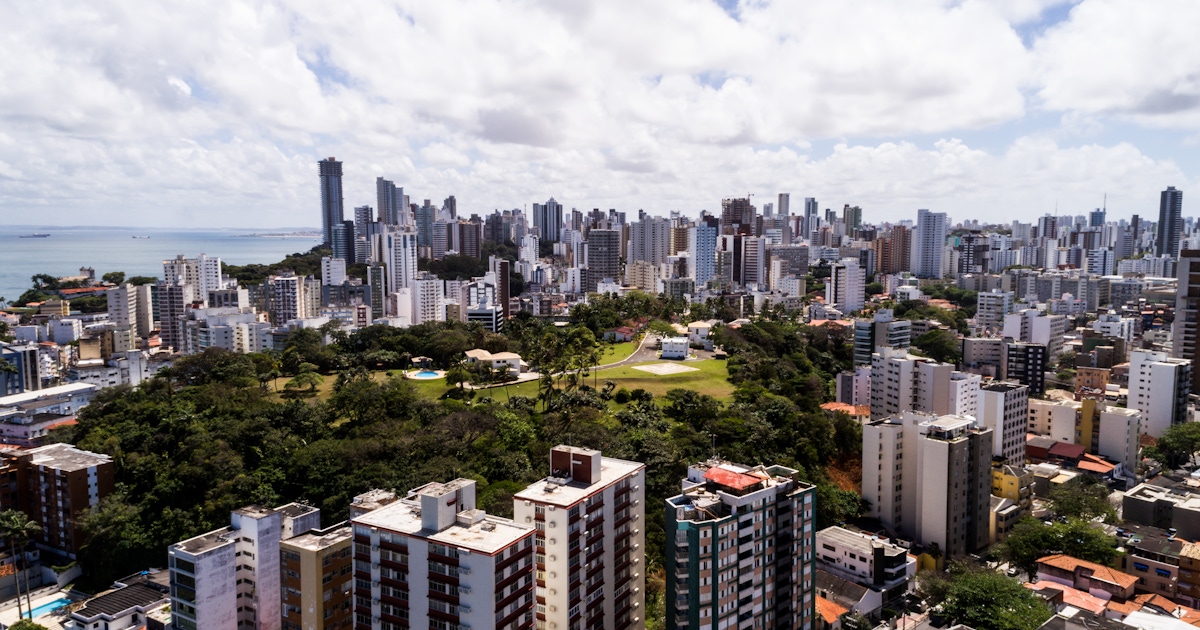
Salvador, Brazil Visitor Guide: Top Attractions, Tours & Activities Brazil Set on the coast of Bahia, it blends colonial architecture, Afro-Brazilian heritage, music, food, beaches, churches, islands and a warm tropical atmosphere that feels very different from Rio de Janeiro or…. Check current availability, inclusions and booking details before you go.
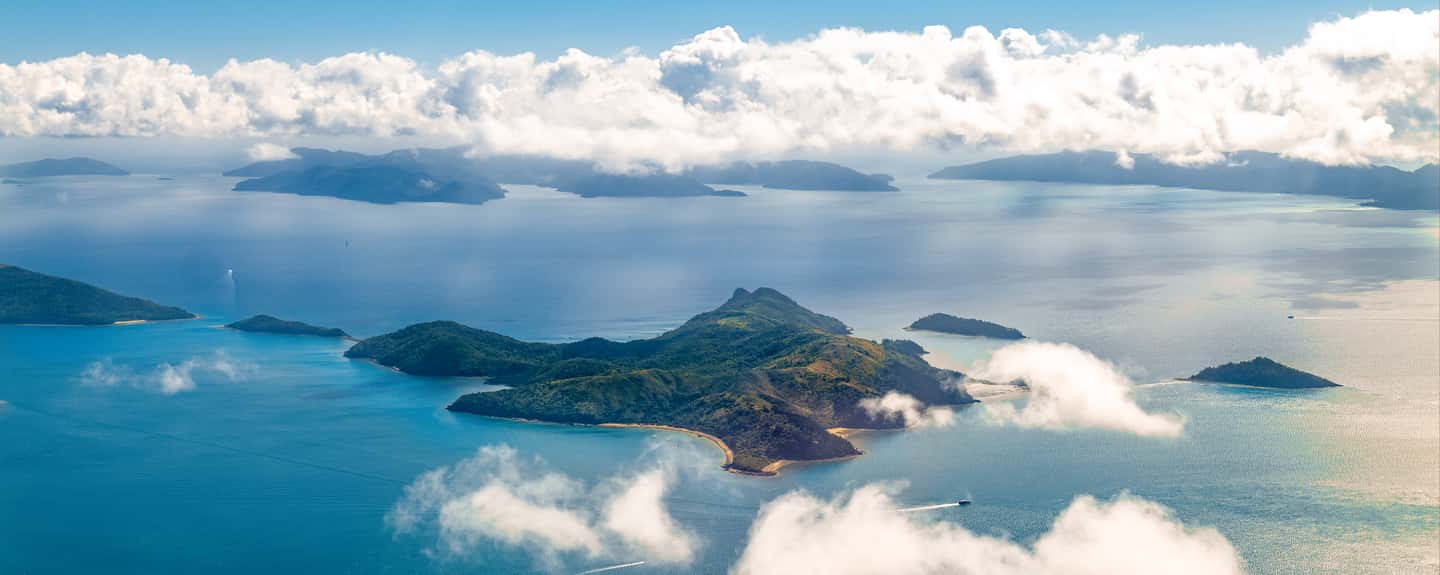
Best places to visit in the Whitsundays: Where to start Australia Lachlan lives in Paris and is the Head of Content and Community at misterb&b, an LGBTQ+ accommodation platform. He enjoys coffee and cocktails (not always in that order), and loves to… Check current availability, inclusions and booking conditions.
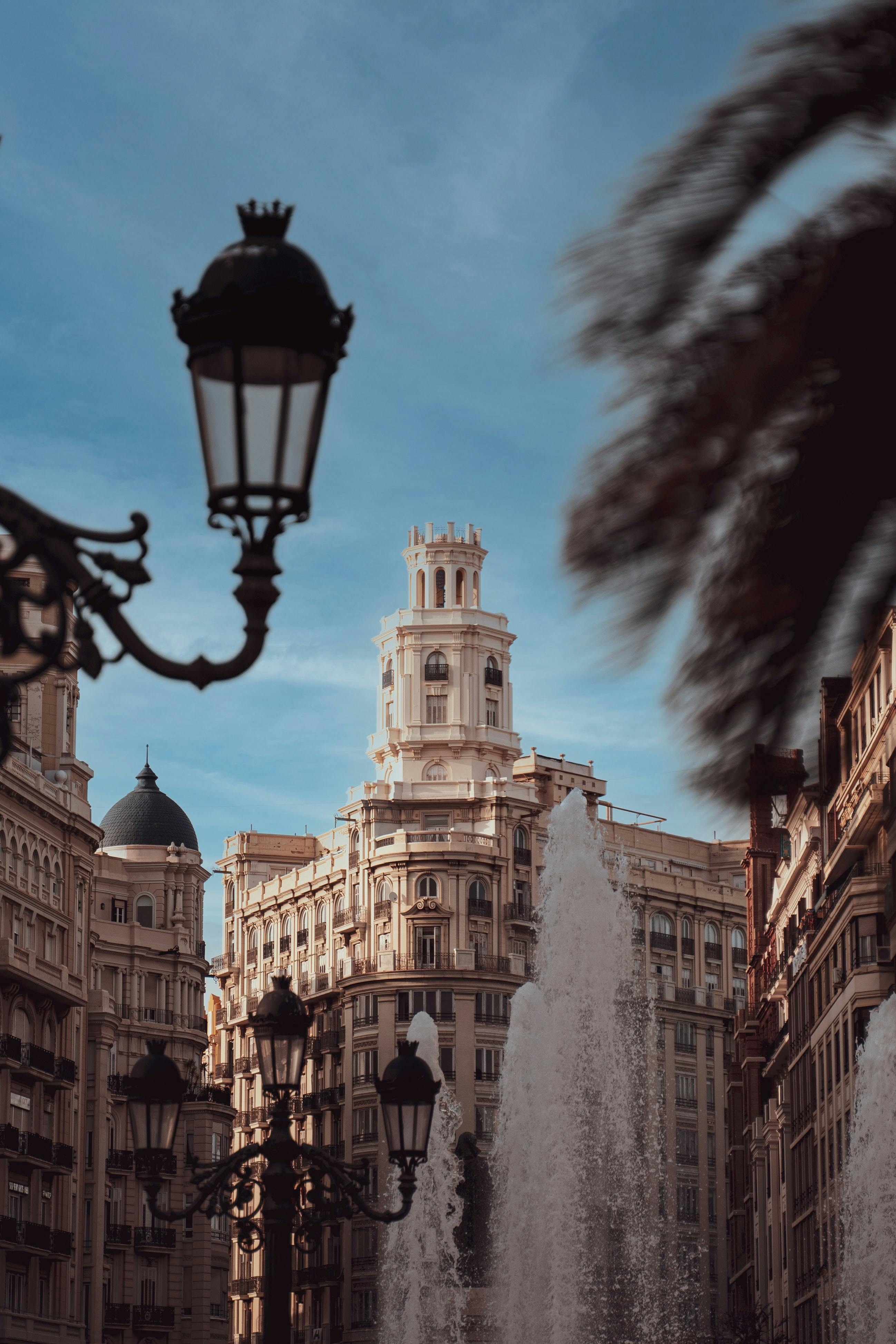
Valencia's Photogenic Places with Local Guide – Guided Tour – Guided Sightseeing Spain If you want a fast, practical way to photograph Valencia’s highlights—plus get local tips you’d normally miss—this 1 hour 30 minute guided walking experience is built for you. Check current availability, inclusions and booking details before you go.