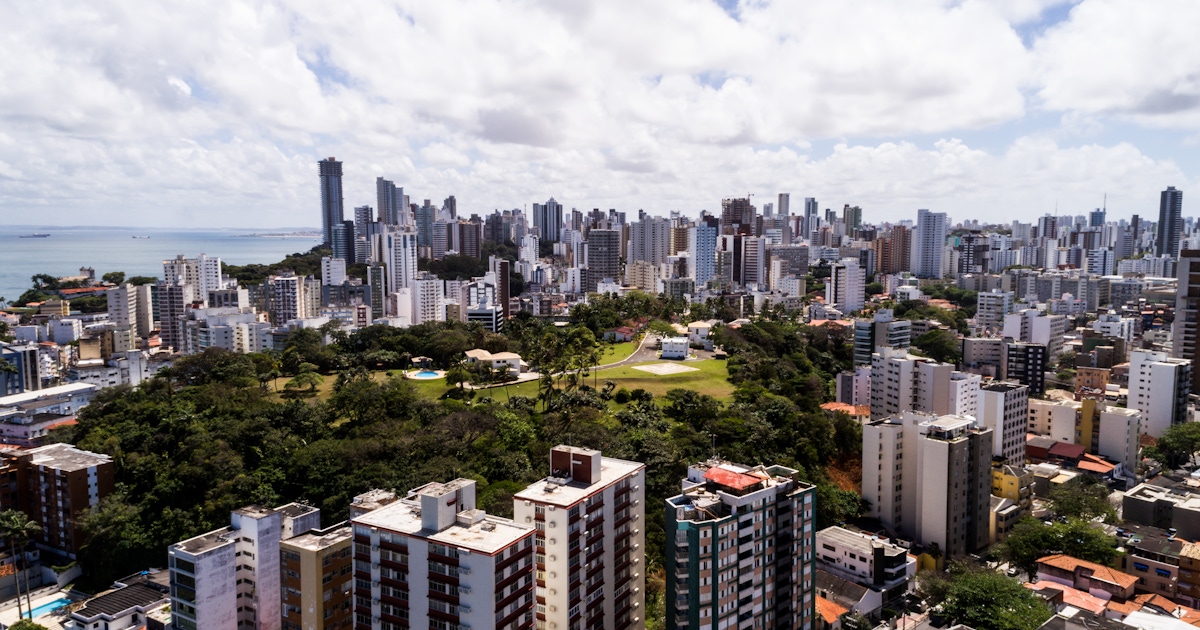
Bahia is one of Brazil’s most culturally rich and rewarding states, known for Afro-Brazilian heritage, music, food, colonial architecture, beaches, islands, national parks, and a relaxed coastal atmosphere. It is the kind of place where a trip can easily shift from wandering colourful historic streets in Salvador to eating moqueca by the sea, hiking to waterfalls in Chapada Diamantina, or slowing down in a sandy village on the south coast.
This is a destination for travellers who want more than just beaches, although Bahia has plenty of those too. It suits people interested in culture, history, food, music, nature, islands, hiking, and coastal towns with character. The state is large, distances can be longer than expected, and transport needs planning, but Bahia rewards travellers who give it time.
Where Is Bahia?
Bahia is in north-eastern Brazil, with a long Atlantic coastline and a strong cultural identity shaped by African, Indigenous, Portuguese, and regional Brazilian influences. It is one of the country’s most important cultural destinations and one of the most varied states for travellers.
Salvador is the state capital and the main arrival point for many visitors. The city has an international airport, a historic centre, lively neighbourhoods, beaches, markets, music, and easy connections to nearby islands and coastal towns.
Why Visit Bahia?
Bahia’s appeal comes from its mix of culture, coast, history, and nature. Travellers can explore colourful colonial streets, learn about Afro-Brazilian traditions, watch capoeira, listen to samba-reggae, visit historic churches, eat some of Brazil’s most distinctive food, and enjoy warm beaches along a huge stretch of coastline.
Beyond the coast, Bahia also has one of Brazil’s most impressive inland nature destinations: Chapada Diamantina National Park. This makes the state especially appealing for travellers who want a trip that combines beach time with hiking, waterfalls, caves, viewpoints, and small historic towns.
Best Places to Visit in Bahia
Salvador
Salvador is one of Brazil’s most distinctive cities and the best place to begin understanding Bahia. It is famous for Afro-Brazilian culture, colonial architecture, music, capoeira, Candomblé influences, street food, churches, markets, and a dramatic coastal setting.
The city suits travellers who enjoy history, culture, food, and atmosphere. It is not always the easiest city to navigate casually, and safety awareness is important, especially at night. Stay in well-known areas, use registered transport, avoid displaying valuables, and ask locally about where to walk.
Pelourinho
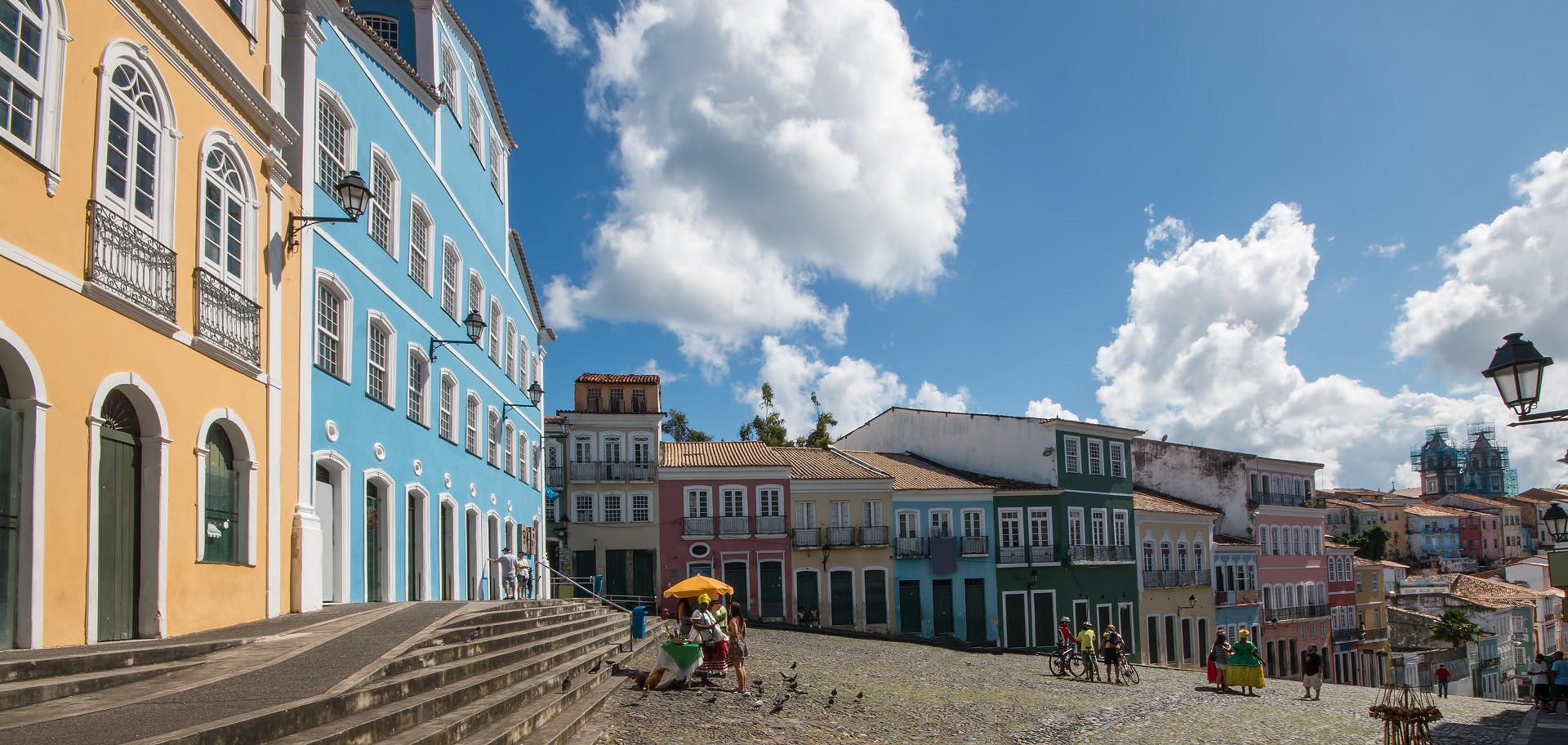
Pelourinho is Salvador’s historic centre and one of the most famous places in Bahia. Its steep cobbled streets, colourful colonial buildings, churches, squares, music, and cultural venues make it a fascinating area to explore during the day.
It suits travellers interested in architecture, photography, music, history, and Afro-Brazilian culture. The area can be busy and touristy in parts, but it remains a key stop. Visit in daylight, keep valuables discreet, and consider a local guide if you want deeper context about the neighbourhood’s complex history.
Elevador Lacerda and Mercado Modelo
Elevador Lacerda connects Salvador’s upper and lower city and offers one of the classic views over the bay. Nearby Mercado Modelo is a popular place for crafts, souvenirs, local art, and a lively introduction to Salvador’s market culture.
This area is easy to combine with Pelourinho and the waterfront. It suits first-time visitors who want a practical sightseeing route, but it can also attract crowds and persistent vendors. Go with patience, watch your belongings, and allow time to enjoy the bay views.
Barra and Farol da Barra
Barra is one of Salvador’s most popular seaside neighbourhoods, known for its lighthouse, promenade, beaches, sunset views, and easier visitor infrastructure. Farol da Barra is a landmark and a good place for photos, especially late in the day.
Barra suits travellers who want to stay near the sea while still being within reach of Salvador’s historic centre. The beaches can be busy, and swimming conditions vary, so pay attention to local advice and sea conditions. It is also one of the more practical areas for first-time visitors to base themselves.
Itaparica Island
Itaparica Island sits across the bay from Salvador and offers a slower, more local beach escape. Visitors can reach it by ferry or boat, making it a possible day trip, although an overnight stay gives a better sense of the island’s rhythm.
The island suits travellers who want a quieter break from the city, seafood, bay views, and a more relaxed pace. Ferry times and onward transport should be checked in advance, especially if returning to Salvador the same day.
Morro de São Paulo
Morro de São Paulo is one of Bahia’s best-known island-style beach destinations. Located on Tinharé Island, it is known for beaches, clear water, boat trips, sunset viewpoints, restaurants, and a lively but still laid-back holiday atmosphere.
It suits travellers who want a beach escape with more energy than a quiet fishing village. Access usually involves boat transport, and sea conditions can affect the journey. Morro can become crowded in peak season, holidays, and weekends, so it is better as an overnight stay than a rushed day trip.
Boipeba
Boipeba is a quieter alternative to Morro de São Paulo, with sandy paths, calm beaches, mangroves, boat trips, natural pools, and a more low-key atmosphere. It is ideal for travellers who want slow days, simple restaurants, and a peaceful island feel.
Getting there takes more effort than reaching many mainland beaches, usually involving combinations of road and boat transport. That extra effort helps keep the atmosphere calmer. Boipeba suits travellers who are happy with limited nightlife and a slower pace.
Praia do Forte
Praia do Forte is a well-known beach town north of Salvador, popular for its beaches, restaurants, shops, natural pools at low tide, and conservation attractions. It is one of the easier coastal getaways from Salvador and works well for families, couples, and travellers who want convenience.
It can be visited as a day trip, but staying overnight is more relaxing. The town can be busy in high season and on weekends, so travellers looking for complete solitude may prefer smaller villages farther along the coast.
Chapada Diamantina National Park
Chapada Diamantina National Park is Bahia’s great inland adventure destination. It is known for waterfalls, caves, plateaus, canyons, natural swimming pools, viewpoints, and hiking trails. It offers a completely different experience from Bahia’s coast.
This area suits hikers, photographers, nature lovers, and travellers who want more active days. Some walks are easy, while others require fitness, time, and a guide. Distances between attractions can be significant, and road access may involve rougher stretches, so planning is important.
Lençóis
Lençóis is the main gateway town for Chapada Diamantina. It has cobbled streets, historic buildings, guesthouses, restaurants, tour agencies, and access to nearby waterfalls and trails. It is the most practical base for first-time visitors to the region.
Lençóis suits travellers who want nature during the day and a pleasant town atmosphere in the evening. Many hikes and day trips can be arranged locally, but popular guides and tours may book out during busy periods. If you want multi-day trekking, plan ahead.
Porto Seguro
Porto Seguro is one of Bahia’s best-known coastal destinations and has historical importance as one of the first areas of Portuguese arrival in Brazil. Today, it is also known for beaches, nightlife, resorts, and easy access to nearby towns such as Arraial d’Ajuda and Trancoso.
It suits travellers who want a developed beach base with plenty of services and transport options. Some areas are very lively and tourist-oriented, so choose your base carefully depending on whether you want nightlife, family-friendly accommodation, or quieter beach time.
Arraial d’Ajuda
Arraial d’Ajuda is a charming coastal town near Porto Seguro, reached by ferry and road. It has beaches, restaurants, shops, colourful streets, and a relaxed but polished holiday atmosphere. It feels smaller and more atmospheric than Porto Seguro while still being easy to access.
It suits couples, families, and travellers who want beach time with a village feel. It can be busy in peak season, but it is still a pleasant base for exploring the southern coast of Bahia.
Trancoso
Trancoso is known for its historic square, stylish pousadas, restaurants, beaches, and relaxed coastal beauty. It has become one of Bahia’s more fashionable destinations, but it still retains character around the Quadrado, the grassy village square overlooking the sea.
Trancoso suits travellers looking for a slower, more scenic beach stay with good food and atmosphere. It is not the cheapest destination in Bahia, especially in peak season, and accommodation should be booked ahead during busy periods.
Itacaré
Itacaré is a coastal town known for surf beaches, rainforest-backed coves, hiking trails, waterfalls, and a youthful, outdoorsy feel. It offers a good mix of beach life and nature, with some beaches close to town and others reached by trails or short transfers.
It suits surfers, backpackers, active travellers, and anyone who likes beach days with a bit of adventure. Sea conditions vary, and some beaches are better for surfing than swimming, so pay attention to local advice before entering the water.
Beaches and Islands in Bahia
Bahia’s coastline is long and varied, with lively city beaches, calm bays, surf spots, island escapes, natural pools, and quiet fishing villages. In Salvador, Barra offers one of the easiest beach experiences for visitors, while nearby islands such as Itaparica provide a slower bay-side escape.
For island atmosphere, Morro de São Paulo is more social and developed, while Boipeba is quieter and better for slow travel. Praia do Forte offers convenience and family-friendly facilities, while the southern coast around Arraial d’Ajuda, Trancoso, and Itacaré gives travellers a mix of scenic beaches, village charm, surf, and rainforest-backed coastline.
Beach conditions vary across the state. Some beaches have reefs and calm water at low tide, while others have waves, currents, or rocky areas. Always check local advice before swimming, especially on beaches without lifeguards.
Culture, Music and History
Bahia has one of Brazil’s deepest cultural identities. Salvador, in particular, is a centre of Afro-Brazilian heritage, with strong traditions connected to music, food, religion, dance, language, and community life. The city’s historic centre, churches, markets, and public squares all help tell this story.
Capoeira is one of Bahia’s most recognisable cultural expressions, combining movement, music, rhythm, and history. Samba-reggae, percussion groups, street performances, and festival music are also part of the state’s sound. Candomblé influences are important in Bahia, and travellers should approach religious spaces and traditions with respect rather than treating them as tourist entertainment.
Local markets, historic churches, colonial buildings, festivals, and food stalls are some of the best ways to experience Bahia’s culture in everyday life. A guided walk in Salvador can be worthwhile if you want to understand the history behind the buildings and traditions.
Nature, Hiking and Outdoor Adventures
Bahia is not only a beach destination. Chapada Diamantina offers waterfalls, caves, swimming holes, plateaus, rocky viewpoints, and hiking trails that can range from short walks to demanding multi-day treks. It is one of the best places in Brazil for travellers who enjoy outdoor adventure.
Lençóis is the most popular base, but the wider region includes other towns and access points depending on the hikes you want to do. Some trails are straightforward, while others require guides because of distance, terrain, navigation, or safety. Popular experiences may include waterfall walks, cave visits, panoramic viewpoints, and longer treks through valleys and tablelands.
On the coast, Itacaré offers another kind of outdoor adventure, with surf beaches, forest trails, waterfalls, and coves reached on foot. For active travellers, combining Chapada Diamantina with Itacaré or another beach area can make Bahia feel especially varied.
What to Eat in Bahia
Bahian food is one of the major reasons to visit the state. The flavours are bold, often shaped by African, Indigenous, and Portuguese influences, with ingredients such as dendê palm oil, coconut milk, seafood, cassava, prawns, beans, and tropical fruits.
Acarajé is one of Bahia’s signature street foods, made from black-eyed pea dough, fried in dendê oil, and often filled with vatapá, caruru, salad, and prawns. Moqueca baiana is a rich seafood stew usually made with coconut milk, dendê, peppers, onions, tomatoes, and coriander. Other dishes to look for include vatapá, caruru, bobó de camarão, tapioca, cocada, grilled seafood, tropical fruit juices, and simple beach snacks.
Food in Bahia can be rich and filling, so take your time. Markets, street stalls, beach restaurants, and local lunch spots are often just as memorable as more formal restaurants.
Best Time to Visit Bahia
Bahia is warm for most of the year, but the best time to visit depends on where you are going and what you want to do. The drier months are generally better for beaches, clearer water, and outdoor plans, while the rainier months can still be pleasant but may affect boat trips, hiking, road conditions, and beach visibility.
Salvador is especially lively during Carnival and major festivals, when music, street parties, and cultural events bring huge energy to the city. This can be an unforgettable time to visit, but it also means bigger crowds, higher accommodation demand, more expensive stays, and the need for extra safety awareness.
For beach towns such as Morro de São Paulo, Boipeba, Praia do Forte, Trancoso, and Itacaré, peak holiday periods can be busy and more expensive. If you prefer quieter travel, consider visiting outside Brazilian school holidays and long weekends.
How to Get to Bahia
Most international and domestic travellers arrive in Bahia via Salvador by air. Salvador is the main gateway, with onward connections to beach towns, islands, and inland destinations. Some travellers also fly into airports closer to the southern coast, depending on their itinerary.
Travel around Bahia may involve domestic flights, buses, ferries, private transfers, rental cars, boats, or organised tours. Islands such as Itaparica, Morro de São Paulo, and Boipeba require ferry or boat access. Chapada Diamantina is inland and requires a longer journey from Salvador, usually by bus, car, or organised transfer.
Because Bahia is large, it is important not to underestimate distances. Combining Salvador, Chapada Diamantina, and the southern coast in one trip is possible, but it works best with enough time.
How Long Should You Spend in Bahia?
With 3 days, focus on Salvador. Visit Pelourinho, Barra, Farol da Barra, Mercado Modelo, the waterfront, local restaurants, and perhaps a nearby beach or cultural tour.
With 5 to 7 days, you can combine Salvador with a nearby beach or island destination such as Praia do Forte, Itaparica, Morro de São Paulo, or Boipeba. This gives you a good mix of culture and coast without rushing too much.
With 10 to 14 days, you can plan a broader Bahia itinerary. A strong route could include Salvador, Chapada Diamantina, and one beach area such as Morro de São Paulo, Boipeba, Itacaré, Trancoso, or Arraial d’Ajuda. This length of trip allows you to appreciate the diversity of the state rather than just passing through.
Travel Tips for Visiting Bahia
Take city safety seriously: In Salvador, use registered transport, avoid displaying valuables, and be cautious walking at night.
Check beach conditions: Some beaches have waves, rocks, currents, or reef areas. Ask locally before swimming.
Use registered transport: Taxis, ride apps, hotel-arranged transfers, and reputable operators are usually better than informal transport.
Bring sun protection: Sunscreen, sunglasses, a hat, and water are essential, especially on beaches and hikes.
Wear light clothing: Bahia is often hot and humid, so breathable clothing and comfortable shoes are useful.
Carry some cash: Cards are widely accepted in cities and developed beach towns, but smaller villages, boats, markets, and local stalls may require cash.
Check tides and ferry times: Boat travel, island access, and some beach activities depend on tides, weather, and schedules.
Book ahead in peak season: Carnival, New Year, school holidays, and major festivals can make accommodation scarce and more expensive.
Use local guides for hikes: In Chapada Diamantina and some coastal trails, guides can help with safety, navigation, and local context.
Respect cultural and religious traditions: Bahia has deep Afro-Brazilian religious and cultural roots. Ask before taking photos and behave respectfully around ceremonies, sacred sites, and community spaces.
Is Bahia Worth Visiting?
Bahia is absolutely worth visiting if you want a Brazil trip that combines culture, beaches, food, history, music, and nature. It is one of the country’s most rewarding states because it offers so much variety: Salvador’s historic streets, island escapes, surf towns, fishing villages, colourful markets, Afro-Brazilian traditions, and the dramatic landscapes of Chapada Diamantina.
It is also a state that needs realistic planning. Distances are long, safety varies by area, ferries and boats require timing, and popular beach towns can be crowded or expensive in peak season. But if you plan carefully and give Bahia enough time, it can easily become one of the most memorable parts of a trip to Brazil.
FAQs About Visiting Bahia
Is Bahia safe for tourists?
Bahia can be visited safely with sensible precautions, especially in established tourist areas, beach towns, organised tours, and well-known neighbourhoods. In Salvador, be careful with valuables, avoid isolated streets at night, use registered transport, and ask accommodation staff for current local advice. Beach and hiking safety also matter, so follow local guidance.
What is Bahia best known for?
Bahia is best known for Afro-Brazilian culture, Salvador’s historic centre, music, capoeira, Candomblé influences, regional food, colonial architecture, beaches, islands, festivals, and Chapada Diamantina National Park.
What is the best beach area in Bahia?
The best beach area depends on your travel style. Morro de São Paulo is lively and scenic, Boipeba is quieter and more relaxed, Praia do Forte is convenient from Salvador, Trancoso is stylish and atmospheric, Arraial d’Ajuda has a village feel, and Itacaré is ideal for surf, trails, and nature.
Do you need a car in Bahia?
You do not need a car for Salvador or island destinations such as Morro de São Paulo and Boipeba. A car can be useful for parts of the southern coast, Praia do Forte, or more flexible travel between beach towns. For Chapada Diamantina, many travellers use buses, transfers, or guided tours rather than driving themselves.
What is the best time to visit Bahia?
The best time depends on the region and your plans, but drier months are generally better for beaches, hiking, and clearer conditions. Carnival and major festivals make Salvador especially lively, but also busier and more expensive. For quieter travel, avoid major holidays and Brazilian peak vacation periods.
How many days do you need in Bahia?
Three days is enough for Salvador, 5 to 7 days allows time for Salvador plus a nearby beach or island, and 10 to 14 days is better for a broader trip including Chapada Diamantina or the southern coast. Bahia is large, so longer trips are usually more rewarding.
Is Salvador worth visiting?
Yes. Salvador is one of Brazil’s most culturally important cities and is worth visiting for its history, Afro-Brazilian heritage, music, food, architecture, markets, and coastal setting. It does require safety awareness and realistic planning, but it is one of the essential stops in Bahia.
Sponsored Popular Items
Quick take: Musement.com offers a worldwide selection of tours and attractions
Salvador Dalí museum, Figueres and Cadaqués Tour Spain Plan Salvador Dalí museum, Figueres and Cadaqués Tour, a cultural or heritage experience, with practical tips on timing, inclusions and what to check before booking. Compare current availability, prices and booking conditions before you go.
Pelourinho Guided Tour – Salvador Guided Tour Brazil Pelourinho guided tour is a convenient way to add structure, local context and purposeful sightseeing to the itinerary. Check current availability, inclusions and booking details before you go.
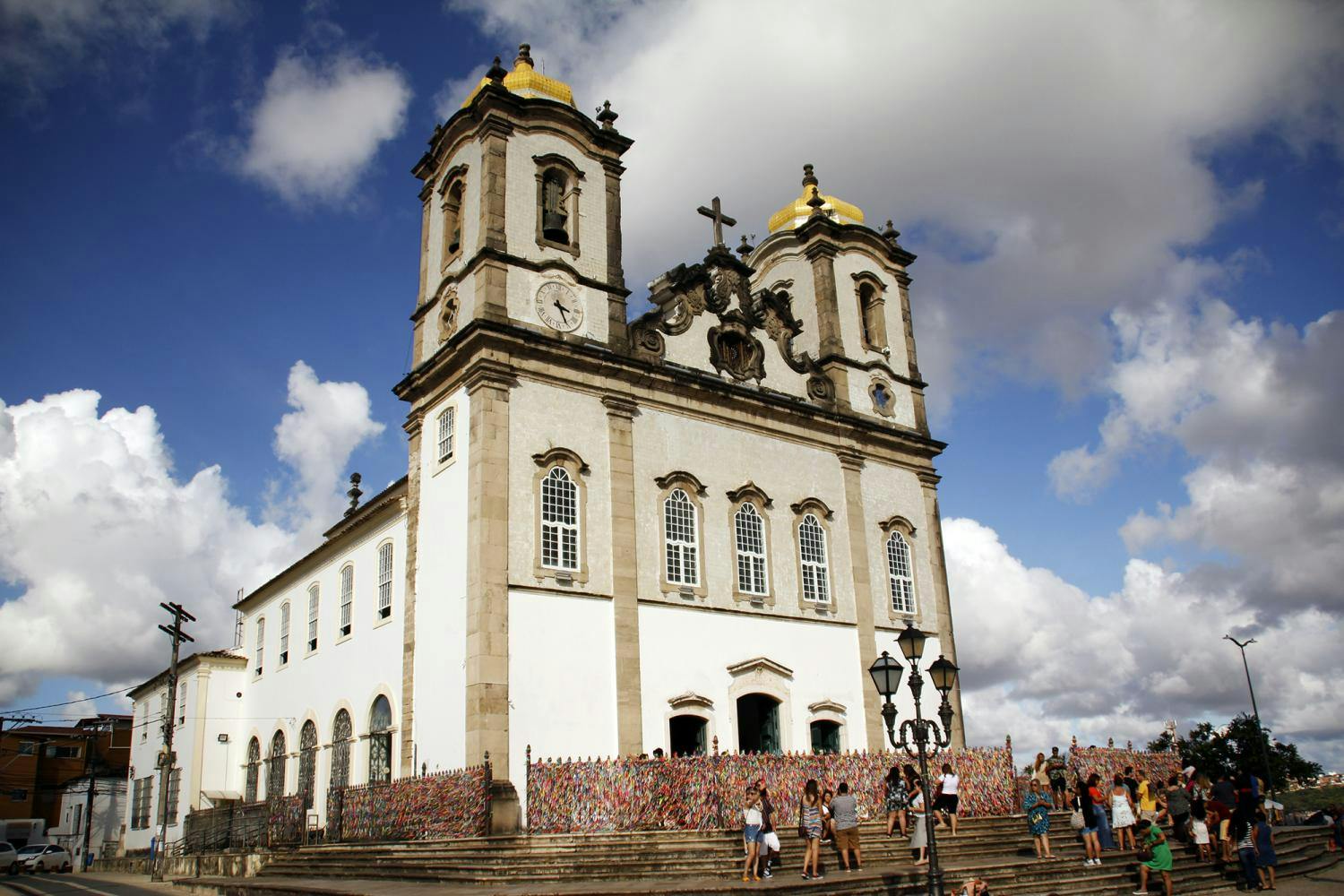
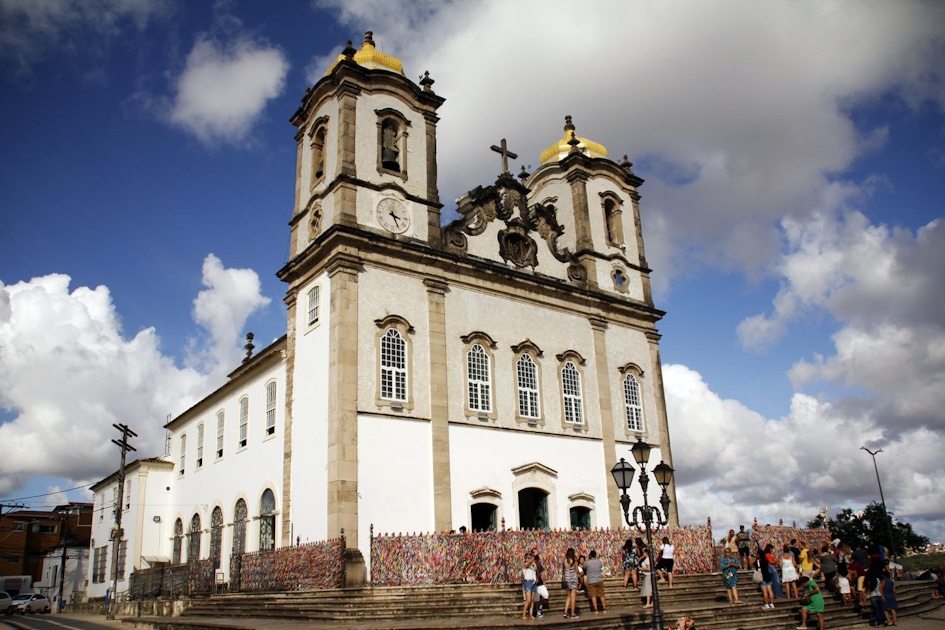
Salvador Must-See Attractions & Experiences Brazil Compare sightseeing experiences in Salvador Must-See, with practical tips on timing, inclusions and choosing the right option. Check current availability, prices and booking conditions before you go.
Salvador, Brazil Visitor Guide: Top Attractions, Tours & Activities Brazil Set on the coast of Bahia, it blends colonial architecture, Afro-Brazilian heritage, music, food, beaches, churches, islands and a warm tropical atmosphere that feels very different from Rio de Janeiro or…. Check current availability, inclusions and booking details before you go.