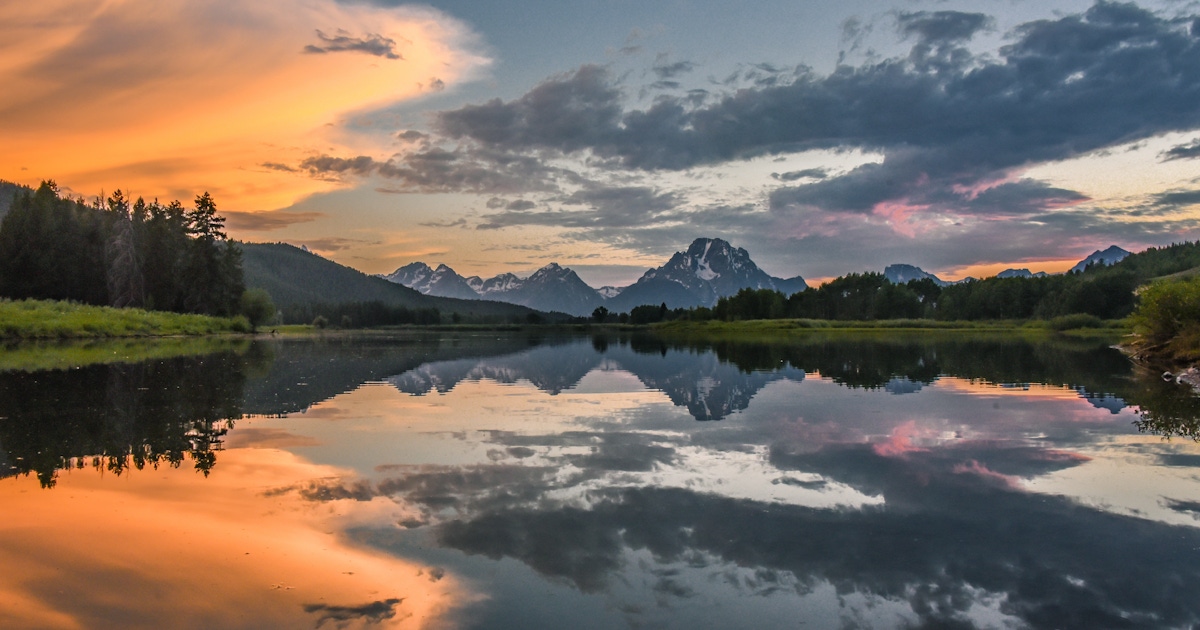
I checked key Wyoming details against official Travel Wyoming, National Park Service, Wyoming State Parks, Visit Cheyenne and Bighorn Canyon sources before drafting, including Yellowstone, Grand Teton, Devils Tower, Jackson, Cody, Cheyenne, state parks and major scenic regions.
Wyoming is one of the most dramatic travel destinations in the American West, known for Yellowstone National Park, Grand Teton National Park, Devils Tower, wide-open plains, mountain ranges, hot springs, wildlife, rodeos, dude ranches, historic trails, scenic byways, alpine lakes and authentic Western towns. Official Travel Wyoming describes the state as a place of museums, state parks, rodeos, breweries, national treasures and wide-open adventure across the Cowboy State. 2
From the geysers and wildlife of Yellowstone to the jagged peaks of Grand Teton, the cowboy culture of Cody and Cheyenne, the hot springs of Thermopolis, the cliffs of Bighorn Canyon, the Wind River Range, the Snowy Range, Jackson Hole and the prairie landscapes around Devils Tower, Wyoming is ideal for road trips, family holidays, national park adventures, scenic drives and outdoor escapes.
Why Visit Wyoming?
Wyoming is perfect for travellers who want space, scenery and a strong sense of the American West. It is home to iconic places such as Yellowstone National Park, Grand Teton National Park and Devils Tower National Monument, along with state parks, scenic byways and major recreation areas including Bighorn Canyon and Flaming Gorge. 3
The state is especially good for travellers who enjoy wildlife, geology, mountain views and road trips. In one itinerary, you can see geysers, bison, elk, moose, alpine lakes, granite peaks, red canyons, frontier towns, hot springs and historic trails used by westward travellers.
Best Places to Visit in Wyoming
Yellowstone National Park
Yellowstone National Park is Wyoming’s most famous destination and one of the most extraordinary national parks in the world. The National Park Service notes that Yellowstone is more than 2.2 million acres and contains hydrothermal features, waterfalls and one of the most intact temperate ecosystems left on Earth. 4
Popular things to do include seeing Old Faithful, walking the boardwalks at Grand Prismatic Spring, exploring the Upper Geyser Basin, visiting Mammoth Hot Springs, viewing wildlife in Lamar Valley and Hayden Valley, seeing the Grand Canyon of the Yellowstone, visiting Yellowstone Lake and stopping at Norris Geyser Basin. The National Park Service also highlights geysers, hot springs, hiking, biking, horseback riding, photography and wildlife watching as key activities. 5
Best for: geysers, wildlife, waterfalls, scenic drives, hiking, photography, families and once-in-a-lifetime national park travel.
Old Faithful and Upper Geyser Basin
Old Faithful is Yellowstone’s most famous geyser and one of the park’s classic first-time visitor stops. The surrounding Upper Geyser Basin has boardwalks, hot springs, geysers and thermal pools, making it one of the best areas to experience Yellowstone’s geothermal landscape safely.
Visitors should stay on marked boardwalks and trails, as hydrothermal areas are fragile and dangerous.
Best for: geysers, families, boardwalk walks, first-time Yellowstone visitors and geothermal photography.
Grand Prismatic Spring
Grand Prismatic Spring is one of Yellowstone’s most colourful and recognisable thermal features. Its vivid blue, orange and yellow rings make it a favourite photography stop, especially from the nearby overlook trail when conditions are suitable.
It is one of the most popular places in the park, so visiting early or later in the day can make the experience easier.
Best for: photography, geothermal scenery, short walks, families and iconic Yellowstone views.
Lamar Valley
Lamar Valley is one of the best wildlife-viewing areas in Yellowstone. Visitors often come here looking for bison, elk, pronghorn, bears, wolves and sweeping valley scenery.
Wildlife watching is best early or late in the day. Always keep a safe distance from animals and use binoculars or a spotting scope.
Best for: wildlife, photography, scenic drives, bison, wolves, early morning outings and quiet Yellowstone scenery.
Grand Teton National Park
Grand Teton National Park is one of the most beautiful mountain destinations in the United States. The National Park Service lists scenic drives, hiking, biking, fishing, boating, floating, wildlife viewing, climbing and mountaineering among the park’s main activities. 6
Popular stops include Jenny Lake, Jackson Lake, Schwabacher Landing, Mormon Row, Oxbow Bend, Signal Mountain, Taggart Lake, String Lake, Leigh Lake and the Snake River overlooks. Grand Teton is especially memorable because the mountains rise sharply from the valley floor, creating some of the most dramatic scenery in the Rockies.
Best for: mountain scenery, lakes, wildlife, hiking, photography, boating, family trips and Jackson Hole itineraries.
Jenny Lake
Jenny Lake is one of the most popular and scenic places in Grand Teton National Park. Visitors can walk along the shoreline, take a boat shuttle in season, hike toward Hidden Falls and Inspiration Point, or simply enjoy views of the Teton Range reflected in the water.
The area can be very busy in summer, so early arrival is wise.
Best for: lake views, hiking, families, photography, boat rides and classic Grand Teton scenery.
Mormon Row
Mormon Row is one of the most photographed historic areas in Wyoming. Its old barns and homestead structures sit beneath the Teton Range, creating a classic Western landscape.
Sunrise is especially popular with photographers, when the first light reaches the mountains behind the historic buildings.
Best for: photography, history, sunrise views, easy stops and Grand Teton road trips.
Jackson and Jackson Hole
Jackson is the best-known gateway town for Grand Teton National Park and one of Wyoming’s most popular year-round destinations. It is known for Town Square, elk antler arches, galleries, restaurants, shops, mountain resorts, skiing, wildlife tours, rafting, nearby national parks and Western atmosphere.
Jackson Hole refers to the wider valley, which includes Jackson, Teton Village, Wilson and surrounding communities. It is a practical base for Grand Teton, Yellowstone’s south entrance, the National Elk Refuge, Snake River activities and mountain adventures.
Best for: national park access, restaurants, galleries, skiing, wildlife tours, rafting, luxury stays and Western town charm.
National Elk Refuge
The National Elk Refuge near Jackson is one of the best places to experience Wyoming wildlife close to town. In winter, visitors can often see large numbers of elk, while the broader area is also important for birds and other wildlife.
Seasonal sleigh rides, wildlife tours and scenic drives make the refuge a good addition to a Jackson itinerary.
Best for: wildlife viewing, families, winter trips, photography and Jackson-area sightseeing.
Teton Village
Teton Village is the main base for Jackson Hole Mountain Resort. It is best known for skiing and snowboarding in winter, but summer visitors can enjoy hiking, mountain biking, scenic tram rides, restaurants and mountain views.
It is a good choice for travellers who want a resort-style stay close to Grand Teton National Park and outdoor activities.
Best for: skiing, mountain biking, resort stays, hiking, scenic rides and active holidays.
Devils Tower National Monument
Devils Tower National Monument is one of Wyoming’s most striking landmarks. The National Park Service describes Devils Tower as an astounding geologic feature that protrudes from the prairie near the Black Hills and notes that it is sacred to Northern Plains Indigenous peoples. 7
The monument rises 867 feet above the surrounding trees, while another NPS page notes that it rises 1,267 feet above the Belle Fourche River and features the world’s largest example of columnar jointing. 8
Visitors can walk the Tower Trail, photograph the formation from several viewpoints, learn about its cultural significance and watch climbers on the rock face during appropriate periods.
Best for: geology, Indigenous cultural significance, photography, short hikes, climbing history and road trips near the Black Hills.
Cody
Cody is one of Wyoming’s best Western towns and a major gateway to Yellowstone’s east entrance. It is strongly associated with Buffalo Bill Cody and offers rodeo culture, museums, historic hotels, Western shops, scenic drives and access to the Buffalo Bill Scenic Byway.
Top things to do include visiting the Buffalo Bill Center of the West, attending the Cody Nite Rodeo in season, exploring Old Trail Town, walking downtown, driving toward Yellowstone and visiting Buffalo Bill State Park.
Best for: Western history, rodeos, museums, Yellowstone access, families and cowboy culture.
Buffalo Bill Center of the West
The Buffalo Bill Center of the West is one of Wyoming’s most important museum complexes. It includes exhibits connected to Buffalo Bill, Western art, Plains Indian cultures, natural history, firearms history and the Greater Yellowstone region.
It is one of the best indoor attractions in the state and a strong choice before or after visiting Yellowstone.
Best for: museums, Western history, families, art, culture and Cody sightseeing.
Buffalo Bill Scenic Byway
The Buffalo Bill Scenic Byway links Cody with Yellowstone’s east entrance through one of Wyoming’s most scenic corridors. The road passes red rock formations, forests, reservoirs, river scenery and mountain views.
It is one of the best approaches to Yellowstone for travellers who want classic Western landscapes before entering the park.
Best for: scenic drives, Yellowstone access, photography, road trips and Cody-based itineraries.
Cheyenne
Cheyenne is Wyoming’s capital and one of the best places to experience the state’s railroad, rodeo and frontier heritage. Visit Cheyenne highlights attractions such as Terry Bison Ranch, Cheyenne Botanic Gardens, Curt Gowdy State Park, Cheyenne Frontier Days Old West Museum, the Big Boy Steam Engine and the Wyoming State Museum. 9
Top things to do include visiting the Wyoming State Capitol, exploring the Cheyenne Depot Museum, seeing the Big Boy Steam Engine, attending Cheyenne Frontier Days in season, touring museums and taking a day trip to Curt Gowdy State Park or Vedauwoo.
Best for: rodeo culture, railroad history, museums, state history, families and southeastern Wyoming road trips.
Cheyenne Frontier Days
Cheyenne Frontier Days is one of the most famous rodeo events in the United States and a major celebration of Western culture. It usually features rodeo events, concerts, parades, exhibits, carnival activities and cowboy traditions.
Accommodation fills early during the event, so plan well ahead if you want to visit Cheyenne during this period.
Best for: rodeo, Western culture, families, festivals, concerts and summer travel.
Curt Gowdy State Park
Curt Gowdy State Park is located between Cheyenne and Laramie and is one of southeastern Wyoming’s best outdoor areas. Wyoming State Parks notes that Curt Gowdy is about 24 miles west of Cheyenne and 24 miles east of Laramie. 10
Travel Wyoming highlights Curt Gowdy for mountain biking, reservoirs, fishing, paddling, hiking, camping, yurts and cabins. 11
Best for: mountain biking, hiking, fishing, paddling, camping, families and Cheyenne-Laramie day trips.
Laramie
Laramie is a lively college town with Western history, mountain access, restaurants, breweries, museums and nearby outdoor recreation. It is home to the University of Wyoming and works well as a base for Medicine Bow National Forest, Snowy Range, Vedauwoo and Curt Gowdy State Park.
Visitors can explore historic downtown, visit the Wyoming Territorial Prison State Historic Site, enjoy local food and drive into nearby mountain or high-plains landscapes.
Best for: college-town energy, history, mountain access, local food, museums and southeastern Wyoming exploring.
Vedauwoo Recreation Area
Vedauwoo is a striking landscape of granite formations between Cheyenne and Laramie. It is popular for rock climbing, hiking, camping, picnicking, photography and exploring unusual boulder scenery.
The area is especially appealing for travellers who want a quick outdoor stop along Interstate 80 or a half-day nature escape from Cheyenne or Laramie.
Best for: rock climbing, boulders, photography, hiking, camping and short scenic stops.
Snowy Range Scenic Byway
The Snowy Range Scenic Byway is one of Wyoming’s most beautiful mountain drives. It crosses high-elevation country in the Medicine Bow Mountains, with alpine lakes, wildflowers, forests, hiking trails and views of rugged peaks.
The road is seasonal and can be affected by snow, so check conditions before planning a trip outside summer and early autumn.
Best for: alpine scenery, lakes, hiking, wildflowers, scenic drives and Laramie-area road trips.
Medicine Bow National Forest
Medicine Bow National Forest offers mountain scenery, camping, hiking, fishing, wildlife viewing, scenic drives and access to the Snowy Range. It is one of the best outdoor regions in southern Wyoming.
Popular activities include hiking near alpine lakes, camping in forest areas, driving the Snowy Range Scenic Byway and enjoying cooler mountain air in summer.
Best for: hiking, camping, alpine lakes, scenic drives, fishing and summer mountain escapes.
Thermopolis
Thermopolis is one of Wyoming’s most unusual small towns, known for mineral hot springs, dinosaur attractions, the Bighorn River and Hot Springs State Park. It makes a great stop between central Wyoming, Cody and the Bighorn region.
Visitors can soak in mineral water, walk boardwalks over colourful terraces, see the local bison herd, visit the Wyoming Dinosaur Center and enjoy river scenery.
Best for: hot springs, families, dinosaurs, road-trip breaks, geology and relaxed small-town stays.
Hot Springs State Park
Hot Springs State Park in Thermopolis is centred on mineral hot springs and colourful terraces along the Bighorn River. Wyoming State Parks says more than 1.8 million gallons of mineral water flow over the terrace every 24 hours at a constant 128 degrees Fahrenheit, and the park has a free bath house where water is maintained at 104 degrees for bathing. 12
The park also has accessible trails, hiking paths, fishing, a boat ramp and a local bison herd.
Best for: hot springs, boardwalks, families, geology, bison viewing and Thermopolis stops.
Bighorn Canyon National Recreation Area
Bighorn Canyon National Recreation Area is one of Wyoming’s most underrated natural destinations. The National Park Service lists boating, bicycling, camping, hiking and fishing among the area’s activities, and notes that visitors can float Bighorn Lake beneath canyon walls up to 1,000 feet high. 13
Popular Wyoming-side experiences include Devil Canyon Overlook, boat trips on Bighorn Lake, hiking, wildlife viewing, camping and scenic drives near Lovell.
Best for: canyon views, boating, fishing, camping, photography, quiet scenery and northern Wyoming road trips.
Sheridan
Sheridan is one of Wyoming’s most appealing Western towns, located near the Bighorn Mountains. It has a historic downtown, local shops, restaurants, galleries, museums, rodeo culture and access to mountain drives.
Visitors can walk downtown, visit the Brinton Museum nearby, explore King’s Saddlery, drive into the Bighorns and use Sheridan as a base for northern Wyoming and Montana routes.
Best for: Western heritage, small-town charm, Bighorn Mountain access, galleries, food and road trips.
Buffalo
Buffalo is a charming historic town at the foot of the Bighorn Mountains. It is known for old hotels, Western history, scenic drives, museums and access to mountain routes between Sheridan and central Wyoming.
It is a strong overnight stop for travellers driving between Devils Tower, Sheridan, Casper, Cody or Yellowstone.
Best for: history, Western town character, scenic drives, quiet stays and Bighorn Mountain access.
Bighorn Mountains
The Bighorn Mountains are one of Wyoming’s most scenic and less crowded mountain regions. They offer alpine meadows, lakes, waterfalls, canyons, forests, wildlife, scenic byways, hiking, camping and fishing.
Popular routes include the Bighorn Scenic Byway and Cloud Peak Skyway, both of which offer high-elevation views and mountain road-trip scenery.
Best for: scenic drives, hiking, camping, fishing, mountain views, wildlife and quieter Wyoming escapes.
Casper
Casper is a central Wyoming city known for river trails, pioneer history, fishing, museums, mountain access and a practical road-trip location. It sits along the North Platte River and is strongly connected to Oregon Trail, Pony Express and westward migration history.
Top things to do include visiting the National Historic Trails Interpretive Center, walking the Platte River Trails, fishing the North Platte River and exploring Casper Mountain.
Best for: history, fishing, river walks, museums, families and central Wyoming road trips.
National Historic Trails Interpretive Center
The National Historic Trails Interpretive Center in Casper is one of the best places to learn about the Oregon Trail, California Trail, Mormon Pioneer Trail and Pony Express routes through Wyoming.
It is a strong stop before visiting nearby trail ruts, Register Cliff, Independence Rock or Fort Laramie.
Best for: pioneer history, families, museums, educational travel and Oregon Trail itineraries.
Fort Laramie National Historic Site
Fort Laramie National Historic Site is one of the most important historic places in eastern Wyoming. It was a major fur trade, military and emigrant trail site connected to westward expansion and Plains history.
Visitors can walk among restored buildings, learn about Indigenous and settler histories, and combine the site with Guernsey, Register Cliff and Oregon Trail ruts.
Best for: Western history, Oregon Trail heritage, families, educational travel and eastern Wyoming road trips.
Guernsey State Park
Guernsey State Park is a scenic and historic park near Fort Laramie and the Oregon Trail corridor. Travel Wyoming notes that Guernsey State Park includes historic Civilian Conservation Corps structures, a museum, reservoir recreation, boating, hiking, mountain biking, camping and yurt stays. 14
It is a good choice for travellers combining outdoor recreation with Oregon Trail history.
Best for: history, reservoirs, camping, hiking, boating, Civilian Conservation Corps architecture and family trips.
Fossil Butte National Monument
Fossil Butte National Monument in southwestern Wyoming protects one of the richest fossil lake deposits in North America. It is a fascinating stop for families, geology lovers and travellers interested in ancient fish, plants and animals preserved in stone.
The visitor centre, scenic drive and trails make it an excellent addition to a western Wyoming or Utah-Idaho road trip.
Best for: fossils, geology, families, scenic drives, educational travel and southwestern Wyoming itineraries.
Flaming Gorge National Recreation Area
Flaming Gorge is a large reservoir and canyon region straddling Wyoming and Utah. It is known for red cliffs, boating, fishing, camping, scenic drives and water-based holidays.
The Wyoming side is useful for travellers exploring Rock Springs, Green River and the southwestern part of the state.
Best for: boating, fishing, camping, canyon views, family holidays and southwest Wyoming road trips.
Rock Springs and Green River
Rock Springs and Green River are practical bases for exploring southwestern Wyoming. The region offers access to Flaming Gorge, Pilot Butte Wild Horse Scenic Loop, Killpecker Sand Dunes, Expedition Island and wide-open desert scenery.
This area is especially good for travellers who want to see a less crowded side of Wyoming beyond the national parks.
Best for: desert scenery, wild horses, road trips, Flaming Gorge access and off-the-beaten-path exploring.
Lander
Lander is one of Wyoming’s best outdoor towns, located near the Wind River Range and Sinks Canyon State Park. It is known for climbing, hiking, local restaurants, breweries, outdoor shops and access to mountain country.
It has a relaxed, adventure-focused feel and is a good base for travellers heading toward the Wind River Range or central Wyoming.
Best for: climbing, hiking, local food, outdoor culture, Wind River access and small-town stays.
Sinks Canyon State Park
Sinks Canyon State Park near Lander is one of Wyoming’s most interesting state parks. Travel Wyoming notes that the Popo Agie River disappears and reappears through the geological features known as the Sinks and the Rise, while hiking, camping, mountain biking and climbing are also popular. 15
It is a great family-friendly stop and an easy way to experience geology and mountain scenery close to town.
Best for: geology, hiking, climbing, families, mountain scenery and Lander day trips.
Wind River Range
The Wind River Range is one of Wyoming’s great wilderness regions, known for jagged peaks, alpine lakes, glaciers, backpacking routes, fishing and remote mountain scenery.
Access points include areas near Pinedale, Dubois and Lander. This is best suited to prepared hikers, backpackers and outdoor travellers who understand mountain weather and remote conditions.
Best for: backpacking, alpine lakes, fishing, wilderness, photography, hiking and serious outdoor adventure.
Pinedale
Pinedale is a gateway to the Wind River Range and one of the best small towns in western Wyoming for mountain access. It is known for Fremont Lake, outdoor outfitters, hiking access, fishing, scenic drives and a quieter atmosphere than Jackson.
Visitors can explore Fremont Lake, take scenic drives, visit the Museum of the Mountain Man and use Pinedale as a base for Wind River adventures.
Best for: mountain access, lakes, fishing, hiking, quiet stays and Wind River Range trips.
Dubois
Dubois is a small Western town between Yellowstone, Grand Teton and the Wind River region. It is known for dramatic badlands, bighorn sheep viewing, guest ranches, local museums and a less commercial mountain-town feel.
It works well as a scenic stop between Jackson, Cody, Thermopolis and Lander.
Best for: Western charm, wildlife, guest ranches, scenic drives and quieter road-trip stays.
Grand Targhee and Alta
Grand Targhee Resort, near Alta on the western side of the Tetons, is a quieter mountain destination than Jackson Hole. It offers skiing in winter and mountain biking, hiking and scenic views in summer.
It is a good option for travellers who want Teton scenery with a more relaxed resort feel.
Best for: skiing, mountain biking, hiking, resort stays and quieter Teton views.
Best National Parks and Monuments in Wyoming
Yellowstone National Park: Best for geysers, hot springs, wildlife, waterfalls and volcanic landscapes.
Grand Teton National Park: Best for mountain views, lakes, wildlife, hiking, boating and photography.
Devils Tower National Monument: Best for geology, Indigenous cultural significance, short hikes and rock climbing history.
Bighorn Canyon National Recreation Area: Best for boating, canyon views, fishing, camping and quieter scenery.
Fossil Butte National Monument: Best for fossils, geology and family-friendly education.
Fort Laramie National Historic Site: Best for Oregon Trail history, frontier heritage and eastern Wyoming road trips.
Best State Parks in Wyoming
Hot Springs State Park: Best for mineral terraces, free bath house soaking, accessible trails and Thermopolis sightseeing.
Curt Gowdy State Park: Best for mountain biking, hiking, camping, reservoirs and Cheyenne-Laramie trips.
Sinks Canyon State Park: Best for geology, hiking, climbing and Lander-area exploring.
Guernsey State Park: Best for Oregon Trail history, reservoir recreation, camping and CCC-era structures.
Buffalo Bill State Park: Best for Cody-area camping, boating, fishing and Yellowstone gateway scenery.
Glendo State Park: Best for boating, fishing, beaches, camping and summer reservoir holidays.
Keyhole State Park: Best for camping, fishing, swimming and Devils Tower-area road trips.
Boysen State Park: Best for reservoir recreation, fishing and central Wyoming road trips.
Travel Wyoming notes that Wyoming has 12 state parks spanning more than 100,000 acres, with scenery ranging from granite outcrops and reservoirs to mineral hot springs. 16
Best Places in Wyoming for Families
Yellowstone: Geysers, boardwalks, waterfalls, wildlife and unforgettable scenic drives.
Grand Teton: Lakes, mountain views, wildlife, boat rides and family-friendly trails.
Jackson: Town Square, wildlife tours, rafting, galleries, restaurants and nearby parks.
Cody: Rodeo, Western museums, Old Trail Town and Yellowstone access.
Thermopolis: Hot springs, dinosaurs, river scenery and family-friendly parks.
Cheyenne: State museums, rodeo culture, trains, botanic gardens and Curt Gowdy nearby.
Devils Tower: Short hikes, geology, wildlife and easy scenic stops.
Casper: historic trails, river walks, museums and central Wyoming attractions.
Best Small Towns to Visit in Wyoming
Jackson: Gateway to Grand Teton, skiing, galleries, restaurants and Western scenery.
Cody: Buffalo Bill history, rodeo culture, museums and Yellowstone access.
Sheridan: Historic downtown, Western heritage, galleries and Bighorn Mountain access.
Buffalo: Historic hotels, mountain drives, museums and small-town charm.
Lander: Outdoor culture, Sinks Canyon, climbing, breweries and Wind River access.
Pinedale: Alpine lakes, mountain scenery, fishing and Wind River Range adventures.
Dubois: Guest ranches, wildlife, badlands scenery and quiet Western character.
Thermopolis: Hot springs, dinosaurs, river walks and scenic road-trip stops.
Rock Springs: Desert landscapes, wild horses, Flaming Gorge access and southwest Wyoming exploring.
Laramie: University energy, historic sites, local food and Medicine Bow access.
Best Outdoor Adventures in Wyoming
Watch wildlife in Yellowstone: Look for bison, elk, bears, wolves and pronghorn from safe distances.
Hike in Grand Teton: Explore Jenny Lake, Taggart Lake, Cascade Canyon or alpine routes suited to your ability.
Drive the Beartooth or Chief Joseph route: Enjoy high-country scenery near Yellowstone and Cody when roads are open.
Explore Sinks Canyon: See where the Popo Agie River disappears and reappears through limestone geology.
Soak in Thermopolis: Enjoy mineral water at Hot Springs State Park and nearby bath facilities.
Climb or photograph Devils Tower: Walk the Tower Trail or view the monument from prairie viewpoints.
Backpack in the Wind River Range: Visit alpine lakes and rugged mountain country with proper preparation.
Boat on Bighorn Lake: Experience canyon walls, fishing, camping and quiet recreation.
Bike at Curt Gowdy: Ride one of southeastern Wyoming’s best mountain biking trail systems.
Go skiing: Try Jackson Hole, Grand Targhee, Snowy Range or other Wyoming winter destinations.
Best Scenic Drives in Wyoming
Grand Loop Road in Yellowstone: Best for geysers, wildlife, waterfalls and major park highlights.
Teton Park Road: Best for Grand Teton views, lakes, overlooks and classic mountain photography.
Buffalo Bill Scenic Byway: Best for Cody to Yellowstone scenery, rivers, red rock and mountain views.
Chief Joseph Scenic Byway: Best for mountain passes, sweeping views and Cody-Yellowstone routes.
Beartooth Highway: Best for high-elevation alpine views near the Wyoming-Montana border when open.
Snowy Range Scenic Byway: Best for alpine lakes, wildflowers and Medicine Bow Mountains scenery.
Cloud Peak Skyway: Best for Bighorn Mountain views between Buffalo and Ten Sleep.
Bighorn Scenic Byway: Best for mountain meadows, forests, canyons and northern Wyoming drives.
Flaming Gorge route: Best for red cliffs, reservoir views and southwest Wyoming scenery.
Wind River Canyon drive: Best for dramatic canyon walls between Shoshoni and Thermopolis.
Best Places in Wyoming for History and Culture
Cody: Buffalo Bill history, rodeo, Western museums and Yellowstone gateway culture.
Cheyenne: rodeo heritage, railroad history, state museums and frontier culture.
Fort Laramie: fur trade, military, emigrant trails and Plains history.
Casper: Oregon Trail, Pony Express, historic trails and river corridor history.
Devils Tower: Indigenous cultural significance, geology and climbing history.
Laramie: university culture, frontier history and the Wyoming Territorial Prison.
Sheridan: Western art, ranching heritage, historic hotels and Bighorn region history.
South Pass City: gold rush history, emigrant trails and preserved frontier buildings.
Thermopolis: hot springs history, geology and dinosaur attractions.
Dubois: guest ranch culture, bighorn sheep and Wind River region history.
Best Places in Wyoming for Food Lovers
Jackson: Best for upscale dining, bakeries, breweries, coffee, elk and bison dishes, and mountain-town restaurants.
Cody: Best for Western steakhouse meals, casual diners, local beer and rodeo-night food.
Cheyenne: Best for bison, steakhouses, breweries, diners and Frontier Days food culture.
Sheridan: Best for historic downtown dining, coffee, breweries and Western-style restaurants.
Laramie: Best for university-town cafes, breweries, casual dining and road-trip meals.
Casper: Best for central Wyoming restaurants, steakhouses, breweries and river-town dining.
Thermopolis: Best for relaxed small-town meals after hot springs and family attractions.
Pinedale and Lander: Best for mountain-town cafes, breweries, diners and post-hike meals.
Wyoming Foods and Local Specialties to Try
Bison: Often served as burgers, steaks or hearty Western-style meals.
Elk: Found on some menus, especially in mountain and tourist towns.
Trout: A natural choice in a state known for rivers, streams and mountain lakes.
Steak: Wyoming’s ranching heritage makes steakhouse meals a classic choice.
Chili and hearty stews: Good comfort food after cold-weather activities.
Fry bread: Available in some cultural and regional settings.
Local craft beer: Found in towns such as Jackson, Laramie, Cody, Sheridan, Casper and Cheyenne.
Huckleberry treats: Popular in the Greater Yellowstone region and mountain areas.
Best Time to Visit Wyoming
Wyoming can be visited year-round, but the best season depends on your itinerary.
Spring: Good for lower-elevation road trips, wildlife viewing and fewer crowds, though mountain roads may still be closed.
Summer: Best for Yellowstone, Grand Teton, scenic byways, camping, hiking, rodeos and family holidays.
Autumn: Excellent for wildlife, fall colour, cooler hiking weather, photography and fewer crowds after peak summer.
Winter: Best for skiing, snowmobiling, wildlife watching, hot springs and quieter national park experiences with proper planning.
For a first Wyoming road trip, late spring through early autumn is usually easiest. Many high-elevation roads and park services are seasonal, so check current conditions before building an itinerary around mountain passes or national park roads.
Suggested 7-Day Wyoming Road Trip Itinerary
Day 1: Jackson
Start in Jackson. Walk Town Square, browse galleries, visit the National Elk Refuge area if in season and enjoy dinner in town.
Day 2: Grand Teton National Park
Spend the day in Grand Teton. Visit Jenny Lake, Mormon Row, Schwabacher Landing, Oxbow Bend and Signal Mountain or choose a hike suited to your ability.
Day 3: Yellowstone South Loop
Drive north into Yellowstone. Focus on Old Faithful, Upper Geyser Basin, Grand Prismatic Spring, Yellowstone Lake and nearby geothermal areas.
Day 4: Yellowstone Wildlife and Canyon Country
Explore Grand Canyon of the Yellowstone, Hayden Valley, Norris Geyser Basin and Lamar Valley if your route allows. Stay inside the park, in West Yellowstone, Gardiner or Cody depending on availability.
Day 5: Cody
Drive toward Cody via the east entrance when open. Visit the Buffalo Bill Center of the West, enjoy downtown Cody and attend the rodeo in season.
Day 6: Thermopolis and Wind River Canyon
Travel through Wind River Canyon to Thermopolis. Visit Hot Springs State Park, walk the terraces, soak in mineral water and add the Wyoming Dinosaur Center if travelling with family.
Day 7: Casper or Cheyenne
Finish with central or southeastern Wyoming. Choose Casper for historic trails and river walks, or Cheyenne for state history, railroad heritage and Western culture.
Longer 10-Day Wyoming Itinerary
Day 1: Jackson, Town Square, National Elk Refuge area and local restaurants.
Day 2: Grand Teton National Park, Jenny Lake, Mormon Row and Snake River viewpoints.
Day 3: Yellowstone geyser basins, Old Faithful and Grand Prismatic Spring.
Day 4: Yellowstone canyon, waterfalls, Hayden Valley and lake scenery.
Day 5: Lamar Valley wildlife, Mammoth Hot Springs and northern Yellowstone.
Day 6: Cody, Buffalo Bill Center of the West, rodeo and Buffalo Bill Scenic Byway.
Day 7: Bighorn Canyon, Lovell, Sheridan or Buffalo.
Day 8: Devils Tower, Keyhole State Park or northeastern Wyoming.
Day 9: Thermopolis, Hot Springs State Park and Wind River Canyon.
Day 10: Lander, Sinks Canyon, Casper, Laramie or Cheyenne depending on your route.
Travel Tips for Visiting Wyoming
Rent a car: Wyoming is best explored by road, especially for national parks, small towns and scenic byways.
Book national park lodging early: Yellowstone, Grand Teton and Jackson-area stays can fill quickly during peak season.
Check road conditions: Snow, wildlife, construction and seasonal closures can affect national park roads and mountain passes.
Carry water and snacks: Distances between services can be long, especially outside the main tourist corridors.
Respect wildlife: Keep safe distances from bison, bears, elk, moose and all other animals.
Bring bear spray where appropriate: Learn how to carry and use it before hiking in bear country.
Pack layers: Weather can change quickly, especially in Yellowstone, Grand Teton and high-elevation areas.
Start early: Popular places such as Old Faithful, Grand Prismatic, Jenny Lake and Jackson can be busy in summer.
Download maps: Cell service can be limited in parks, mountains and rural areas.
Respect Indigenous and historic sites: Places such as Devils Tower and many trail corridors have deep cultural significance.
Final Thoughts on the Best Places to Visit in Wyoming
Wyoming is one of the most unforgettable states in the United States, offering national parks, rugged mountains, geothermal wonders, wildlife, rodeos, hot springs, historic trails, frontier towns and wide-open landscapes. It is a destination that rewards slow driving, early mornings, good planning and a willingness to spend time outdoors.
For a first visit, consider Yellowstone, Grand Teton, Jackson, Cody, Devils Tower, Cheyenne, Thermopolis, Hot Springs State Park, Bighorn Canyon, Sheridan, Buffalo, Lander and Sinks Canyon. Travellers with more time should add the Wind River Range, Pinedale, Dubois, Flaming Gorge, Fossil Butte, Fort Laramie, Snowy Range, Curt Gowdy, Vedauwoo and the Bighorn Mountains.
Whether you are planning a national park holiday, Western heritage road trip, wildlife photography journey, family adventure, ski trip or quiet mountain escape, Wyoming offers some of the most powerful and memorable places to visit in the American West.
Frequently Asked Questions About Visiting Wyoming
What is the prettiest place in Wyoming?
Some of the prettiest places in Wyoming include Grand Teton National Park, Yellowstone National Park, Jenny Lake, Lamar Valley, Grand Prismatic Spring, Bighorn Canyon, the Wind River Range, Devils Tower, the Snowy Range and the Bighorn Mountains.
What is Wyoming best known for?
Wyoming is best known for Yellowstone National Park, Grand Teton National Park, Devils Tower, Jackson Hole, rodeos, cowboy culture, wildlife, hot springs, wide-open landscapes, historic trails and mountain scenery.
Is Wyoming good for a family holiday?
Yes, Wyoming is excellent for families. Families can visit Yellowstone, Grand Teton, Jackson, Cody, Thermopolis, Devils Tower, Cheyenne, Casper, Hot Springs State Park, Sinks Canyon and many scenic drives.
How many days do you need to visit Wyoming?
You can enjoy Yellowstone and Grand Teton in 5 to 7 days, but a broader Wyoming road trip covering Jackson, Yellowstone, Cody, Thermopolis, Devils Tower, Cheyenne and other regions is better with 10 to 14 days.
What is the best time of year to visit Wyoming?
Summer is the easiest season for national parks, scenic drives, hiking, camping and rodeos. Autumn is excellent for wildlife, photography and fewer crowds. Winter is best for skiing, snowmobiling and quieter park experiences, while spring can be good for wildlife but may still have road closures in mountain areas.
Is Wyoming good for a road trip?
Yes, Wyoming is one of the best road-trip states in the United States. Popular routes include Jackson to Yellowstone, Cody to Yellowstone, the Snowy Range Scenic Byway, Chief Joseph Scenic Byway, Bighorn Scenic Byway, Cloud Peak Skyway, Wind River Canyon and routes to Devils Tower.
Where should first-time visitors go in Wyoming?
First-time visitors should consider Jackson, Grand Teton National Park, Yellowstone National Park, Cody, Thermopolis, Devils Tower, Cheyenne and either the Bighorn Mountains or Wind River region if time allows.
Does Wyoming have good hiking?
Yes, Wyoming has excellent hiking, especially in Grand Teton, Yellowstone, the Wind River Range, Medicine Bow National Forest, Sinks Canyon, Bighorn Mountains, Devils Tower, Snowy Range and Bridger-Teton National Forest.
What are the best small towns in Wyoming?
Some of the best small towns in Wyoming include Jackson, Cody, Sheridan, Buffalo, Lander, Pinedale, Dubois, Thermopolis, Rock Springs and Laramie.
What should I pack for a Wyoming trip?
Pack comfortable walking shoes, layered clothing, sun protection, a hat, sunglasses, a refillable water bottle, snacks, rain protection and offline maps. For hiking, bring sturdy footwear and bear spray where appropriate. For winter trips, bring insulated clothing, gloves, snow-ready footwear and road-condition awareness.
Sponsored Popular Items
Quick take: Musement.com offers a worldwide selection of tours and attractions