Tahiti East Coast is one of the most scenic and underrated parts of Tahiti, French Polynesia. While many travellers rush between Papeete, resorts, Moorea ferries and lagoon tours, the east and north-east coast offers a wilder side of the island: black-sand beaches, volcanic cliffs, rainforest valleys, waterfalls, ocean blowholes, mountain backdrops and quiet coastal villages.
This is the Tahiti of dramatic sea spray, lush green peaks, roadside fruit stands, misty valleys and powerful Pacific surf. A good east coast road trip can include Pointe Vénus, Arahoho Blowhole, Faarumai Waterfalls, Papenoo Valley, black-sand beaches, lagoon viewpoints and local food stops before continuing toward Taravao and the gateway to Tahiti Iti.
The Tahiti East Coast is best explored by rental car, private guide, 4WD tour or small-group island tour. It is not a polished resort strip. It is greener, wetter, more local and more rugged than the west coast, which is exactly why it is worth seeing.
Quick take: Trip.com offers a worldwide selection of tours and attractions and hotels
Tahiti: Unique East Coast Half-Day Tour with Local Guide – Guided… Tahiti: Unique East Coast Half Day Tour with Local Guide adds structure, local context and purposeful sightseeing to the itinerary. Tahiti: Unique East Coast Half Day Tour with Local Guide: experience overview Ancient Leper Colony (Meet locals and feed unique blue-eyed river eels.;Meet and connect with locals as they live their daily lives at home and work;Professional, fun english speaking local guides, all passionate experts Available from trip.com. This makes the experience a useful option when planning time in > Papeete local experienceSearch results. The listing describes this as a half day experience. Routes, start times, inclusions and meeting arrangements…
Quick take: Trip.com helps you compare prices across accommodations. Use it to shortlist hotels, then click through to confirm the final price, room type, and inclusions on the booking site.
Tahiti’s East Coast is worth visiting because it shows a more natural, volcanic and rainforest-rich side of the island. Instead of only seeing Papeete, resorts and lagoon views, you get black sand, powerful waves, waterfalls, mountain valleys, tropical greenery and places that feel closely connected to Tahiti’s geography and history.
It is also a practical day trip. You can leave Papeete or the west coast in the morning, follow the coastal road through Mahina, Papenoo, Tiarei and Hitia’a, stop at beaches and waterfalls, then continue toward Taravao or return via the same route.
Tahiti East Coast is best for:
Scenic coastal road trips
Black-sand beach photography
Waterfall and rainforest stops
Travellers who want to see beyond the resort areas
Couples and families with a rental car
Private island tours from Papeete
4WD Papenoo Valley excursions
Nature lovers, photographers and slow travellers
Visitors combining Tahiti Nui with Tahiti Iti
Where Is the Tahiti East Coast?
The Tahiti East Coast generally refers to the eastern and north-eastern side of Tahiti Nui, the larger main section of Tahiti. It starts around the Mahina and Pointe Vénus area, continues past Papenoo and Tiarei, and runs down toward Hitia’a, Faaone and Taravao.
Rental car, private driver, guided island tour or 4WD valley tour
Best visit length
Half-day for key stops; full day for a slower loop with Taravao or Tahiti Iti
What to Expect on Tahiti’s East Coast
Expect a greener and more dramatic coastline than the more developed western side of the island. The east coast has sections of rugged black volcanic rock, black-sand beaches, deep valleys, strong surf, roadside waterfalls, green cliffs and small settlements tucked between the mountains and sea.
What you may find
Black volcanic sand beaches
Historic lighthouse and coastal parkland at Pointe Vénus
Powerful sea spray at Arahoho Blowhole
Rainforest walks to waterfalls
Lush Papenoo Valley scenery
Small local restaurants and snack stops
Ocean viewpoints and roadside pullouts
Less tourist traffic than the main resort areas
Wet weather, muddy paths and strong coastal waves
What not to expect
Do not expect calm lagoon swimming everywhere.
Do not expect white-sand beaches like Bora Bora.
Do not expect every waterfall or river area to be safe after rain.
Do not expect many large resorts along the east coast.
Do not expect frequent public transport for flexible sightseeing.
Do not leave valuables visible in a parked car.
Do not stand too close to blowholes, cliffs or rough surf zones.
Pointe Vénus and Matavai Bay
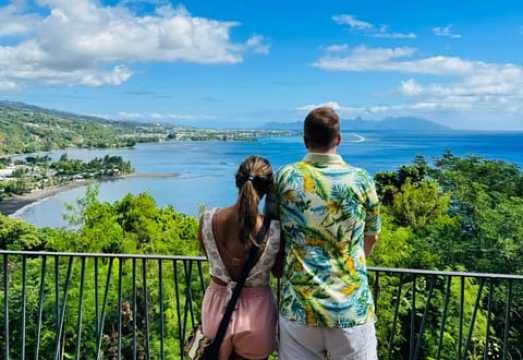
Pointe Vénus, or Point Venus, is one of the best places to begin a Tahiti East Coast trip. Located in Mahina, it is known for its black-sand beach, historic lighthouse, park-like atmosphere, views across Matavai Bay and, on clear days, views toward Moorea.
The area has strong historical significance because Matavai Bay was a major contact point between Tahitians and European navigators. Today, Pointe Vénus is a relaxed local beach and heritage stop where travellers can walk, swim when conditions are safe, photograph the lighthouse and enjoy the contrast between black sand, blue water and green mountains.
Why visit Pointe Vénus?
Classic black-sand beach scenery
Historic lighthouse
Views over Matavai Bay
Possible Moorea views in clear weather
Good first stop from Papeete
Local family beach atmosphere
Easy access compared with wilder east-coast stops
Pointe Vénus tips
Visit in the morning for softer light and fewer people.
Bring sandals because black sand can get hot.
Check surf and swimming conditions before entering the water.
Take time to read historical markers if available.
Use this as your first stop before continuing toward Papenoo and Tiarei.
Arahoho Blowhole
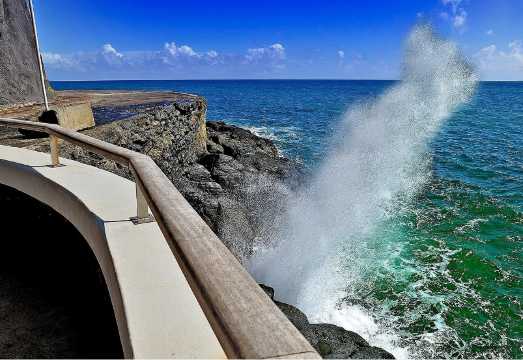
Arahoho Blowhole, also known as Trou du Souffleur, is one of the most famous natural stops on the Tahiti East Coast. When ocean swell pushes into an underwater lava tube or cavern, air and spray can burst upward or outward with a dramatic sound.
The site is especially impressive when the sea is active, but safety matters. Blowholes and lava-rock coastlines can be unpredictable. Stay behind barriers, watch children carefully and never stand on wet rocks close to breaking waves.
Why visit Arahoho Blowhole?
Quick and easy roadside stop
Dramatic volcanic coastline
Sea-spray photography
Good example of Tahiti’s powerful east-coast surf
Useful stop between Papenoo and Tiarei
Arahoho Blowhole tips
Visit when there is enough swell for the blowhole to be active.
Stay behind safety barriers and signs.
Protect your camera or phone from sea spray.
Do not let children run near the rocks or road.
Combine with Faarumai Waterfalls nearby.
Faarumai Waterfalls
The Faarumai Waterfalls, also known as the Three Waterfalls of Faarumai, are among the best natural stops on Tahiti’s east coast. The most accessible waterfall is Vaimahuta, reached by a short walk through lush tropical vegetation. The other falls, commonly known as Haamaremare Rahi and Haamaremare Iti, may require more walking and depend on access conditions.
This is one of the easiest ways to experience Tahiti’s rainforest without committing to a difficult hike. You can hear water, feel cooler air and see how quickly the coastal road gives way to deep green valley scenery.
Why visit Faarumai Waterfalls?
One of Tahiti’s best-known waterfall stops
Easy access to the first waterfall
Lush rainforest setting
Good family-friendly nature stop if paths are open and conditions are safe
Excellent addition to Arahoho Blowhole and east-coast road trips
Faarumai Waterfalls tips
Wear shoes with grip because paths can be wet or muddy.
Bring insect repellent.
Do not swim unless it is clearly safe and allowed.
Avoid waterfall areas during or after heavy rain.
Keep children close on slippery paths.
Take all rubbish back with you.
Papenoo Valley
Papenoo Valley is one of Tahiti’s great inland landscapes. It cuts deep into the volcanic heart of Tahiti Nui and is known for rivers, waterfalls, green cliffs, archaeological sites, basalt formations, 4WD tracks and mountain scenery.
For most visitors, Papenoo Valley is best explored with a guided 4WD tour rather than a normal rental car. The road conditions can change, river crossings may be involved, and local guides add cultural, geological and historical context.
Why visit Papenoo Valley?
One of Tahiti’s most dramatic interior valleys
Rainforest, rivers and mountain scenery
Archaeological and cultural interest
Good 4WD adventure option
Strong contrast to coastal beaches and lagoons
Useful for travellers who want a deeper Tahiti nature experience
Papenoo Valley tips
Use a reputable 4WD guide if heading deep into the valley.
Do not take a standard rental car on rough interior roads unless explicitly permitted.
Bring water, snacks, insect repellent and a rain jacket.
Expect mud, rain and changing conditions.
Ask about river levels if visiting after heavy rain.
Respect archaeological sites and do not remove stones or artefacts.
Black-Sand Beaches on Tahiti’s East Coast
Tahiti’s east and north-east coast is famous for black volcanic sand. These beaches look completely different from the pale coral-sand beaches of many other islands in French Polynesia. They feel more dramatic, especially when backed by green mountains and strong Pacific surf.
Black sand can become very hot under the sun, and some beaches have strong currents or shore break. Swim only where conditions are safe, and do not assume every beach is suitable for casual swimming.
Black-sand beach tips
Wear sandals or water shoes on hot sand.
Check surf and currents before swimming.
Use extra care with children near shore break.
Photograph early or late in the day for softer contrast.
Do not leave rubbish or plastics on the beach.
Watch for slippery rocks near river mouths and lava formations.
Tahiti East Coast Scenic Drive
The east coast road is one of the best self-drive experiences on Tahiti. It gives you coastal views, village life, black-sand beaches, waterfall access, rainforest valleys and the chance to continue toward Taravao and Tahiti Iti.
Typical east coast driving route
Start in Papeete or Arue. Leave early to avoid city traffic.
Stop at Pointe Vénus. Walk the black-sand beach and photograph the lighthouse.
Continue toward Papenoo. Look for coastal views and mountain backdrops.
Visit Arahoho Blowhole. Stop safely and watch the ocean conditions.
Turn inland to Faarumai Waterfalls. Walk to the accessible waterfall if open.
Continue south-east. Follow the coast toward Hitia’a, Faaone and Taravao.
Optional extension: Continue toward Tahiti Iti or return to Papeete.
Driving tips
Drive clockwise or anti-clockwise depending on where you are staying.
Start early if you want waterfall stops without rushing.
Do not stop suddenly on narrow road shoulders.
Use marked parking areas where available.
Download maps before departure.
Expect rain, especially near mountain valleys.
Allow extra time for slow traffic near Papeete.
Best Things to Do on Tahiti’s East Coast
1. Walk the black sand at Pointe Vénus
Pointe Vénus is one of the easiest and most rewarding east coast stops, with beach scenery, history, a lighthouse and Matavai Bay views.
2. Watch the Arahoho Blowhole
This coastal blowhole is quick to visit and gives a dramatic look at the power of Tahiti’s volcanic shoreline.
3. Visit Faarumai Waterfalls
Faarumai is one of the best waterfall stops on the island, especially if you want rainforest scenery without a long hike.
4. Take a 4WD tour into Papenoo Valley
For a deeper adventure, book a guided trip into Papenoo Valley for rivers, mountain scenery, waterfalls and archaeological context.
5. Photograph the volcanic coastline
The east coast is excellent for moody photos: black sand, green cliffs, lava rock, palms and crashing surf.
6. Stop at roadside snack bars
Simple local food stops are part of the drive. Look for fruit, poisson cru, grilled fish, sandwiches, fresh juice and local-style plates.
7. Continue toward Taravao
Taravao is the isthmus area connecting Tahiti Nui and Tahiti Iti. It is a practical point for continuing to the smaller peninsula.
8. Add Tahiti Iti if you have time
If you want a longer day, continue beyond Taravao toward Tahiti Iti for wilder landscapes, surf culture and quieter coastal scenery.
Waterfalls, Rivers and Swimming Safety
Waterfalls and rivers make the east coast beautiful, but they also require caution. Tropical rain can make paths slippery and can cause rivers to rise quickly. Conditions may look calm one minute and dangerous the next, especially after heavy rain in the mountains.
Water safety tips
Do not swim where signs or guides advise against it.
Avoid rivers and waterfall pools after heavy rain.
Leave immediately if water rises, turns muddy or becomes fast-moving.
Do not climb wet rocks for photos.
Wear shoes with grip on muddy trails.
Keep children away from cliff edges and slippery banks.
Use a guide for remote waterfall or river routes.
Continuing Toward Tahiti Iti
The east coast drive naturally leads toward Taravao, where Tahiti Nui meets Tahiti Iti, the smaller peninsula of Tahiti. If you have a full day or more, this is a good opportunity to continue into quieter, wilder country.
Tahiti Iti is known for dramatic coastlines, rural villages, surf breaks, valleys and a slower pace. The famous surf area of Teahupo’o is on the south-west side of Tahiti Iti, while the eastern side is more remote and less developed. Roads do not form the same simple full loop as Tahiti Nui, so plan carefully before driving too far.
Tahiti Iti extension tips
Start early if combining East Tahiti Nui with Tahiti Iti.
Check road conditions and fuel before continuing.
Do not assume you can loop the entire peninsula by normal road.
Use local advice for remote coastal routes.
Consider staying overnight near Taravao or Tahiti Iti if you want a slower trip.
Best Time to Visit Tahiti East Coast
The Tahiti East Coast can be visited year-round, but weather affects waterfalls, surf, road comfort and visibility. This side of the island is lush for a reason: rain is common, especially around mountain valleys.
Time / Season
What to Expect
Advice
Morning
Cooler weather, softer light and easier driving
Best time for Pointe Vénus, waterfalls and photos.
Afternoon
Warmer weather, possible showers and stronger glare
Good for a slower drive but less ideal for photography.
May to October
Generally drier and cooler than the wet season
Best overall period for road trips and outdoor stops.
November to April
Warmer, more humid and wetter
Waterfalls may be fuller, but trails and rivers need extra caution.
After heavy rain
Strong waterfalls, muddy paths and higher river risk
Good for viewing waterfalls, not always safe for swimming or hiking.
Sunset
Moody coastal light, but darker roads afterward
Plan your return carefully if driving at night.
Suggested Tahiti East Coast Itinerary Ideas
Option 1: Easy Half-Day East Coast Drive
Morning: Leave Papeete or your west-coast hotel.
Stop 1: Pointe Vénus for black sand, lighthouse and Matavai Bay views.
Stop 2: Arahoho Blowhole for sea spray and volcanic coastline.
Stop 3: Faarumai Waterfalls for a rainforest walk.
Lunch: Eat at a local snack or return toward Papeete.
Option 2: Full-Day Tahiti East Coast and Taravao
Morning: Pointe Vénus and coastal drive through Mahina and Papenoo.
Late morning: Arahoho Blowhole and Faarumai Waterfalls.
Midday: Continue along the coast toward Hitia’a and Faaone.
Lunch: Stop around Taravao.
Afternoon: Explore a viewpoint or continue briefly toward Tahiti Iti.
Evening: Return to Papeete or stay on the east/south side.
Option 3: Papenoo Valley 4WD Adventure
Morning: Meet your guide near Papeete or Papenoo.
Drive inland: Enter Papenoo Valley by 4WD.
Stops: Rivers, waterfalls, mountain views and archaeological sites where permitted.
Lunch: Picnic or local-style meal depending on tour.
Afternoon: Return via the valley route and finish near the coast.
Option 4: East Coast and Beach Photography Day
Early morning: Photograph Pointe Vénus before crowds build.
Mid-morning: Stop at black-sand beaches and coastal pullouts.
Late morning: Capture Arahoho Blowhole if swell is active.
Afternoon: Visit Faarumai Waterfalls for rainforest contrast.
Sunset: Return west for Moorea-facing sunset views if staying near Papeete.
Option 5: Two-Day Tahiti Nui and Tahiti Iti Nature Route
Day 1: Explore Pointe Vénus, Arahoho Blowhole, Faarumai Waterfalls and Taravao.
Night: Stay near Taravao or Tahiti Iti.
Day 2: Explore Tahiti Iti, local villages, coastlines and surf scenery with local advice.
Where to Stay for Tahiti East Coast Exploring
Area
Best For
Traveller Notes
Papeete
Convenience, ferries, markets and city access
Good base if you want a day trip with rental car or guided tour.
Arue / Mahina
Closer access to Pointe Vénus and the north-east coast
Useful for early starts and black-sand beach scenery.
Lafayette / Matavai Bay area
Black-sand beach stays and east-coast access
Good if you want ocean views away from central Papeete.
Papenoo / Tiarei area
Quiet local stays and nature access
Better for travellers who prefer less resort-style accommodation.
Taravao
Gateway to Tahiti Iti
Useful for a slower two-day nature itinerary.
West coast resorts
Lagoon sunsets, resort comfort and Moorea views
Still possible for east coast day trips, but allow extra driving time.
Food and Local Stops on the East Coast
Food along the Tahiti East Coast is more casual than resort dining. Look for local snack bars, roadside fruit stands, small restaurants, bakeries and coastal lunch stops. Opening times can vary, so do not leave lunch too late if travelling with children.
Food ideas
Poisson cru: raw fish marinated with coconut milk and lime.
Grilled fish: simple and fresh when available.
Chow mein or local Chinese-Tahitian dishes: common in casual eateries.
Ma’a tinito: a Chinese-Polynesian pork and bean dish.
Fresh tropical fruit: pineapple, mango, papaya, banana and coconut depending on season.
French-style pastries: useful from bakeries before a road trip.
Fresh juice: ideal after a warm waterfall walk.
Food tips
Buy water and snacks before leaving Papeete or your hotel.
Carry cash for small local stops.
Do not assume every village has an open restaurant when you arrive.
Pack a light picnic if doing Papenoo Valley or a long drive.
Respect local property and do not use private beach areas without permission.
Useful Booking Resources for Tahiti East Coast Tours and French Polynesia Travel
The Tahiti East Coast can be explored independently with a car, but booking platforms are useful for guided island tours, private drivers, 4WD Papenoo Valley excursions, waterfall tours, Tahiti Iti trips, car hire, eSIMs, hotels and wider French Polynesia itinerary planning. Skimlinks may automatically convert these merchant links into affiliate links if the merchant is active in your Skimlinks account.
GetYourGuide – offers Tahiti island tours, east coast sightseeing, waterfall stops, private guides, cultural tours, Moorea activities and French Polynesia experiences.
Viator – offers Tahiti private island tours, east coast and west coast circuits, Papenoo Valley 4WD tours, waterfall visits, shore excursions and custom day trips.
Trip.com – useful for Tahiti hotels, flights, car hire, Papeete stays, local attractions and multi-island planning.
Klook – offers travel essentials such as eSIMs, transfers and selected French Polynesia or Pacific travel products depending on availability.
KKday – offers local tours, transfers, travel products and island experiences in selected Pacific destinations depending on availability.
Tiqets – useful for mobile-friendly attraction tickets and cultural experiences in selected destinations before or after French Polynesia.
Musement – offers tours, attraction tickets, transfers and cultural activities across selected global destinations, useful for wider Pacific and stopover planning.
G Adventures – useful for travellers comparing small-group Pacific, island-hopping or adventure-style itineraries.
TourRadar – useful for comparing multi-day South Pacific and French Polynesia-style packages where available.
Booking tip: Before booking a Tahiti East Coast tour, check whether it includes Pointe Vénus, Arahoho Blowhole, Faarumai Waterfalls, Papenoo Valley, Taravao or Tahiti Iti. Also check whether transport is by normal vehicle or 4WD, whether lunch is included, whether waterfall access depends on weather, and whether hotel or cruise-port pickup is available.
Tahiti East Coast Travel Tips
Start early
Morning is best for cooler weather, quieter roads, better photos and more time to continue toward Taravao or Tahiti Iti.
Rent a car or book a tour
Public transport is not ideal for flexible sightseeing. A rental car, private driver or guided tour is much easier.
Bring rain protection
The east coast is lush because it gets rain. A lightweight rain jacket and waterproof phone pouch are useful.
Wear proper shoes for waterfalls
Flip-flops are not ideal for muddy or slippery paths. Use shoes with grip.
Respect the ocean
East-coast surf can be powerful. Swim only in safe conditions and avoid rough water, river mouths and rocky shorelines.
Do not rush Papenoo Valley
If Papenoo Valley is a priority, give it its own guided 4WD half-day or full-day rather than squeezing it between quick coastal stops.
Carry cash
Small food stops, markets and local vendors may not always accept cards.
Protect valuables
Do not leave bags, cameras or phones visible in a parked vehicle at beach or waterfall stops.
Check weather before river or waterfall plans
Rain in the mountains can affect river levels and waterfall safety even if the coast looks fine.
Keep the route flexible
If the blowhole is quiet, spend more time at the waterfalls. If the weather is too wet for trails, focus on coastal views and local food stops.
Is Tahiti’s East Coast Worth Visiting?
Yes, Tahiti’s East Coast is absolutely worth visiting if you want to see the island’s wilder, greener and more volcanic side. Pointe Vénus, Arahoho Blowhole, Faarumai Waterfalls and Papenoo Valley show a version of Tahiti that is very different from resort lagoons and overwater-bungalow postcards.
It may not suit travellers looking only for calm swimming beaches and luxury beach clubs. The east coast is more rugged, wetter and less manicured. That is its appeal.
The best way to experience it is to take a slow road trip, stop often, respect the ocean and rainforest conditions, combine black-sand beaches with waterfalls, and allow extra time for Papenoo Valley or Tahiti Iti if you want a deeper nature-focused day.
FAQs About Tahiti East Coast
Where is Tahiti’s East Coast?
Tahiti’s East Coast usually refers to the eastern and north-eastern side of Tahiti Nui, including Mahina, Pointe Vénus, Papenoo, Tiarei, Hitia’a and the road toward Taravao.
What is Tahiti’s East Coast famous for?
It is famous for black-sand beaches, Pointe Vénus, Arahoho Blowhole, Faarumai Waterfalls, Papenoo Valley, rainforest scenery, volcanic coastline and a more local, rugged side of Tahiti.
Is Pointe Vénus on the east coast of Tahiti?
Pointe Vénus is in Mahina on the north/north-east side of Tahiti and is commonly included in east coast sightseeing routes. It is known for black sand, a historic lighthouse and Matavai Bay views.
Can you swim on Tahiti’s East Coast?
Swimming may be possible at some beaches and lagoons when conditions are safe, but the east coast can have strong surf, currents and rocky sections. Always check local conditions before entering the water.
Is Arahoho Blowhole worth visiting?
Yes. Arahoho Blowhole is a quick and dramatic coastal stop, especially when ocean swell is strong enough to create spray and the characteristic blowhole sound.
Are Faarumai Waterfalls easy to visit?
The first waterfall, Vaimahuta, is usually the most accessible and can be reached by a short walk when open and conditions are safe. Other waterfalls may require more walking and depend on access conditions.
Do you need a 4WD for Papenoo Valley?
For deeper exploration of Papenoo Valley, a guided 4WD tour is strongly recommended because road and river conditions can be rough or changeable.
Can you drive the Tahiti East Coast yourself?
Yes, a rental car is a good way to explore the coastal road, but use a guide or 4WD tour for rough interior valley routes.
How long do you need for the Tahiti East Coast?
A half-day is enough for Pointe Vénus, Arahoho Blowhole and Faarumai Waterfalls. A full day is better if you want Taravao, Papenoo Valley or Tahiti Iti.
Is Tahiti East Coast worth visiting?
Yes. Tahiti East Coast is worth visiting for black-sand beaches, waterfalls, rainforest valleys, volcanic coastline, blowholes and a more authentic, nature-rich side of the island.
Sponsored Popular Items
Quick take: Trip.com offers a worldwide selection of tours and attractions and hotels
Tahiti: Unique East Coast Half-Day Tour with Local Guide – Guided Sightseeing Experience Tahiti: Unique East Coast Half Day Tour with Local Guide adds structure, local context and purposeful sightseeing to the itinerary. Tahiti: Unique East Coast Half Day Tour with Local Guide: experience overview Ancient Leper Colony (Meet locals and feed unique blue-eyed river eels.;Meet and connect with locals as they live their daily lives at home and work;Professional, fun english speaking local guides, all passionate experts Available from trip.com. This makes the experience a useful option when planning time in > Papeete local experienceSearch results. The listing describes this as a half day experience. Routes, start times, inclusions and meeting arrangements…
Tahiti Papeete East and West Coast 1-day Tour (Minimum 1 person) – Guided Tour Tahiti Papeete East and West Coast 1-day Tour (Minimum 1 person) adds structure, local context and purposeful sightseeing to the itinerary. Tahiti Papeete East and West Coast 1-day Tour (Minimum 1 person): experience overview Minimum 1 guest, daily departures available;Professional local English-speaking guide Available from trip.com. This makes the experience a useful option when planning time in > Tahiti local experienceSearch results. The listing describes this as a 1-day experience. Routes, start times, inclusions and meeting arrangements may vary, so the current booking page should be treated as the final source of operational information. At a glance Experience type: Guided…
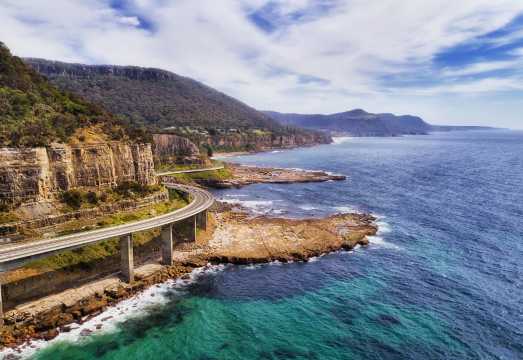
Sydney South Coast Classic Full-Day Tour: Sea Cliff Bridge, Blowhole Sydney South Coast Classic 1-Day Tour: Sea Cliff Bridge, Blowhole, Heart-shaped Bay & Wildlife AUD 138.89 offers a hands-on way to engage with local skills or traditions. Sydney South Coast Classic 1-Day Tour: Sea Cliff Bridge, Blowhole, Heart-shaped Bay & Wildlife AUD 138.89: experience overview Stunning scenic spots along the south coast, perfect for filling your photo album in a single day.;Ten-meter-high seawater fountain, a breathtaking natural wonder you must see.;Sea Cliff Bridge, Heart-shaped Bay, and grassy slope sea views are all included. Available from trip.com. This makes the experience a useful option when planning time in > Sydney local…
Kiama Blowhole, Farmlands & Beaches Full-Day Tour from SydneyAustralia Travellers who value local context and an organised route may find Kiama Blowhole, Farmlands and Beaches Full-Day Tour from Sydney: What to Expect a practical addition to a visit to Sydney. What to expect from Kiama Blowhole, Farmlands and Beaches Full-Day Tour from Sydney: What to Expect Quick answer The experience can be a useful way to give the day a clear focus while visiting Sydney. Exact routes, start times, admission arrangements and inclusions may differ between options, so the live supplier page should be checked before payment. Experience at a glance Destination: Sydney Experience style: Guided or organised sightseeing…
From Tahiti: Tetiaroa Island Tour by Sailing Catamaran – Scenic Water Experience From Tahiti: Tetiaroa Island Tour by Sailing Catamaran presents the destination from the water and offers a different perspective. From Tahiti: Tetiaroa Island Tour by Sailing Catamaran: experience overview Discover Tetiaroa, the island of Marlon Brando with a guide;Enjoy a delicious breakfast, lunch, and fruit salad in an idyllic setting;Enjoy the cross on the fastest and biggest catamaran of French Polynesia Available from trip.com. This makes the experience a useful option when planning time in > Papeete local experienceSearch results. The exact duration can depend on the selected date, option or operating schedule. Routes, start times, inclusions and meeting arrangements…
Pointe Sarène Sports, Recreation & Active Experiences Guide Other sports in Pointe Sarène: A Practical Visitor Guide Quick overview: Booking other sports in Pointe Sarène can be a useful way to experience specialist recreation and adventure. Pointe Sarène offers Atlantic beaches and resort accommodation with access to Senegal's Petite Côte, wildlife reserves, fishing communities and cultural landscapes. The linked product page is the final source for live availability because operators, routes, prices, schedules and inclusions can change. Table of Contents Why choose this activity What you may experience How to plan it Booking advice Frequently asked questions Why Choose Other sports in Pointe Sarène? A worthwhile visitor experience…
Quick take: Trip.com helps you compare prices across accommodations. Use it to shortlist hotels, then click through to confirm the final price, room type, and inclusions on the booking site.
Pointe Sarène Monuments, Landmarks & Heritage Sites Guide Monument visits in Pointe Sarène: A Practical Visitor Guide Quick overview: Booking monument visits in Pointe Sarène can be a useful way to experience important historical, religious and architectural sites. Pointe Sarène offers Atlantic beaches and resort accommodation with access to Senegal's Petite Côte, wildlife reserves, fishing communities and cultural landscapes. The linked product page is the final source for live availability because operators, routes, prices, schedules and inclusions can change. Table of Contents Why choose this activity What you may experience How to plan it Booking advice Frequently asked questions Why Choose Monument visits in Pointe Sarène? A worthwhile…
Pointe Sarène Countryside Tours & Rural Day Trips Guide Countryside in Pointe Sarène: A Practical Visitor Guide Quick overview: Booking countryside in Pointe Sarène can be a useful way to experience a day beyond the main visitor centre. Pointe Sarène offers Atlantic beaches and resort accommodation with access to Senegal's Petite Côte, wildlife reserves, fishing communities and cultural landscapes. The linked product page is the final source for live availability because operators, routes, prices, schedules and inclusions can change. Table of Contents Why choose this activity What you may experience How to plan it Booking advice Frequently asked questions Why Choose Countryside in Pointe Sarène? A worthwhile visitor experience…
Pointe Sarène Off-Road, 4WD & Adventure Tours Guide Off-road in Pointe Sarène: A Practical Visitor Guide Quick overview: Booking off-road in Pointe Sarène can be a useful way to experience adventure on rough rural, jungle or mountain routes. Pointe Sarène offers Atlantic beaches and resort accommodation with access to Senegal's Petite Côte, wildlife reserves, fishing communities and cultural landscapes. The linked product page is the final source for live availability because operators, routes, prices, schedules and inclusions can change. Table of Contents Why choose this activity What you may experience How to plan it Booking advice Frequently asked questions Why Choose Off-road in Pointe Sarène? A worthwhile visitor…
Pointe Sarène Nature, Landscapes & Wildlife Experiences Guide Nature in Pointe Sarène: A Practical Visitor Guide Quick overview: Booking nature in Pointe Sarène can be a useful way to experience protected landscapes, wildlife and outdoor scenery. Pointe Sarène offers Atlantic beaches and resort accommodation with access to Senegal's Petite Côte, wildlife reserves, fishing communities and cultural landscapes. The linked product page is the final source for live availability because operators, routes, prices, schedules and inclusions can change. Table of Contents Why choose this activity What you may experience How to plan it Booking advice Frequently asked questions Why Choose Nature in Pointe Sarène? A worthwhile visitor experience should…
Day trip to Retba Lake and Tortoise Reserve from Pointe Sarène Day trip to Retba Lake and Tortoise Reserve from Pointe Sarène adds structure, local context and purposeful sightseeing to the itinerary. Day trip to Retba Lake and Tortoise Reserve from Pointe Sarène: experience overview Discover Sengal's natural wonders on a day trip to Lake Retba and a turtle reserve, and support the return of these gentle animals to their natural habitat. This makes the experience a useful option when planning time in Pointe Sarene. The exact duration can depend on the selected date, option or operating schedule. Routes, start times, inclusions and meeting arrangements may vary, so the current booking…
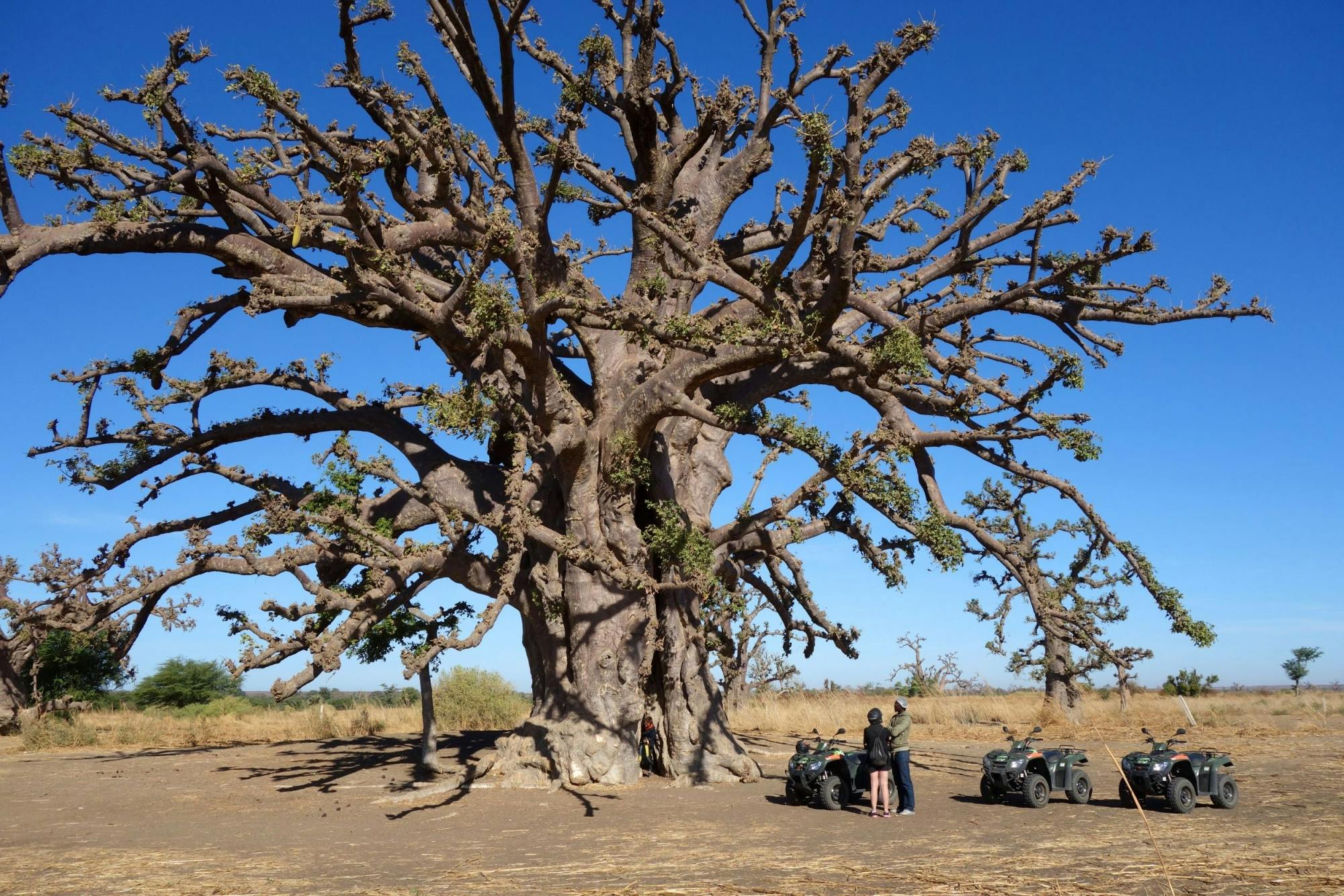
2-Hour Quad from Pointe Sarene – Outdoor Adventure 2-Hour Quad from Pointe Sarene adds movement, scenery and a more active element to the itinerary. 2-Hour Quad from Pointe Sarene: experience overview Book a 2-hour quad tour from Pointe Sarène. Explore villages, savannahs, termite mounds, mangroves, and beaches with photo stops and guided insights. This makes the experience a useful option when planning time in Pointe Sarene. The listing describes this as a 2-hour experience. Routes, start times, inclusions and meeting arrangements may vary, so the current booking page should be treated as the final source of operational information. At a glance Experience type: Outdoor and active adventure Destination:…
Quick take: Trip.com helps you compare prices across accommodations. Use it to shortlist hotels, then click through to confirm the final price, room type, and inclusions on the booking site.