Paris Art Museum Guide: Louvre, Musée d’Orsay & Smaller Collections
The city has blockbuster museums, smaller specialist collections, and enough variety to overwhelm anyone who tries to do everything at once. Check current availability, inclusions and booking details before you go.
Paris rewards art lovers who plan well. The city has blockbuster museums, smaller specialist collections, and enough variety to overwhelm anyone who tries to do everything at once.
Quick answer
Paris is one of the best art cities in the world, but it is easy to plan it badly. The smartest approach is not to try to see everything. It is to choose museums by era, mood and stamina. For most visitors, the strongest core is the Louvre, Musée d’Orsay and Musée de l’Orangerie, then one or two more targeted stops such as the Picasso Museum, Rodin Museum or Quai Branly.
If you love art, Paris can feel like both a dream and a logistical trap. There is simply too much. The famous names are obvious, but the real challenge is knowing how to combine them in a way that still leaves you alert enough to enjoy them. Too many travellers try to brute-force Parisian culture in one or two exhausting days, then come away remembering more queues than paintings.
A better plan is to treat Paris as a city of different art experiences rather than one giant museum run. The Louvre is not the same kind of visit as Orsay. Orsay is not the same as the Orangerie. Rodin, Picasso and Quai Branly each ask for a different kind of attention. Once you accept that, the city becomes much easier to enjoy.
Why Paris Still Delivers for Art Lovers
Paris works because the range is real. You have encyclopedic collections, impressionist icons, sculpture gardens, artist-specific museums, non-European collections and strong open-air visual culture in the streets. This is not a one-note museum city.
That variety matters more now than ever, because travellers do not all want the same thing. Some want famous masterpieces. Some want scale and grandeur. Others want calmer, more focused museums that do not feel like a test of endurance. Paris offers all of that if you choose carefully.
What the Musement Page Is Actually Showing
The Musement “Art must-sees” page gets the broad picture right. It pushes the major anchors, especially the Louvre and Musée d’Orsay, while also surfacing strong secondary choices such as the Picasso Museum, Rodin Museum, Musée du quai Branly and Orangerie. That is a sensible shortlist for first-time visitors because it balances fame with variety.
It also quietly suggests something important: Paris art is not just about one museum. A good Paris art trip is usually about building contrast. Ancient and classical collections at the Louvre, impressionism at Orsay, Monet’s Water Lilies at Orangerie, sculpture at Rodin, Picasso in the Marais, and a broader cultural lens at Quai Branly.
The Core Paris Art Must-Sees
1. The Louvre
The Louvre is the heavyweight. It is the museum most people feel they have to do, and in many cases they are right. But it is also the place most likely to overwhelm you if you arrive without a plan. This is not a museum for “seeing it all.” It is a museum for choosing a route and accepting that you are sampling one of the world’s great collections.
For first-time visitors, the Louvre makes sense if you want breadth, scale and a sense of cultural gravity. It is the one to choose when you want the big Paris museum experience, not the calmest one.
2. Musée d’Orsay
If the Louvre is the giant, Orsay is often the better first-day museum for many travellers. It is more focused, easier to navigate, and packed with art people actually come to Paris wanting to see: impressionist and post-impressionist work by Monet, Renoir, Degas, Cézanne and Van Gogh.
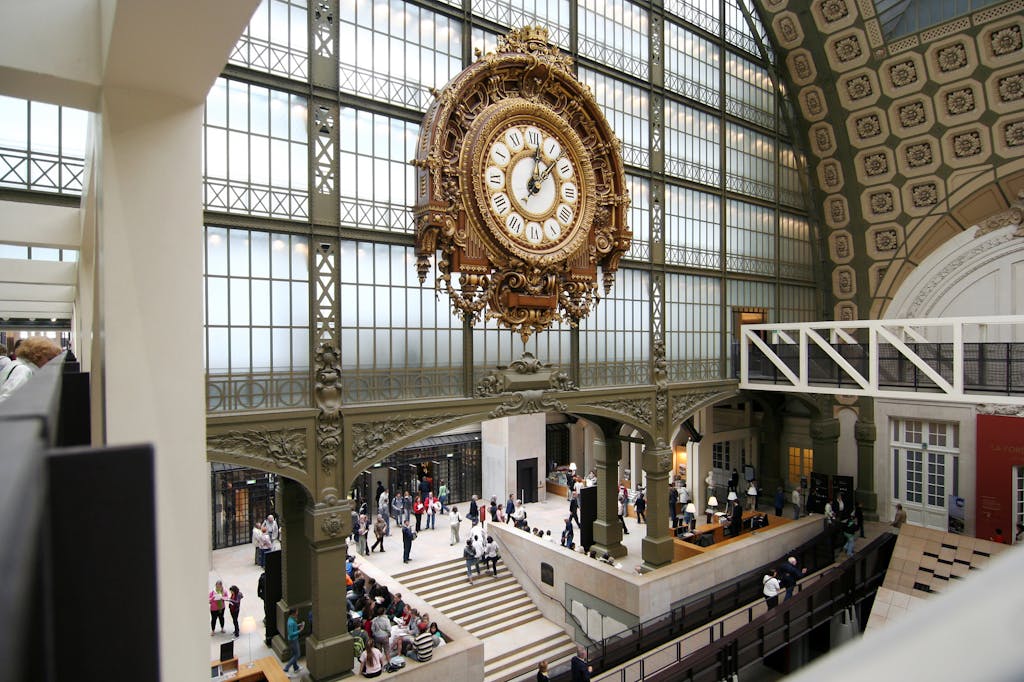
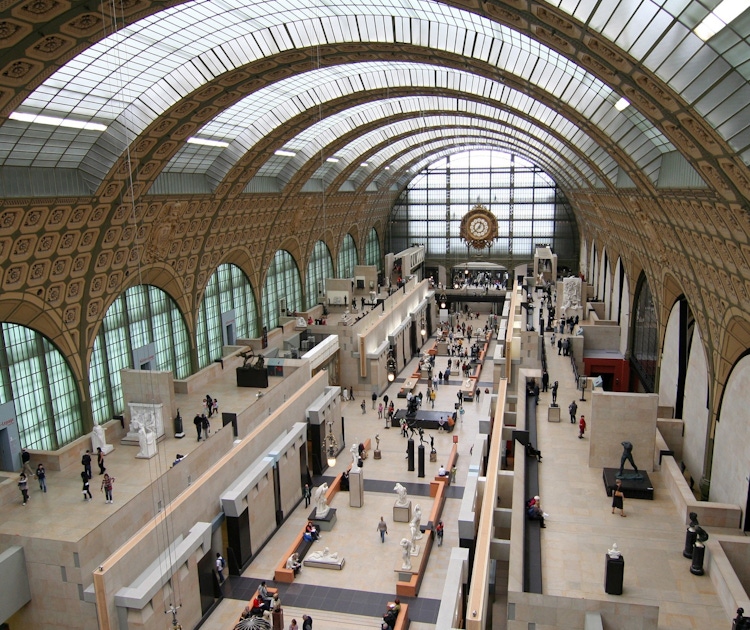
It also has one of the strongest settings in Paris museum life, because the former station architecture gives the visit immediate atmosphere. If you only have time for one major museum and your taste leans 19th century rather than antiquity, Orsay may be the smarter choice.
3. Musée de l’Orangerie
The Orangerie is one of the best corrective choices in Paris. It is smaller, more focused and less draining than the Louvre. For many visitors, that makes it more memorable. Monet’s Water Lilies are the obvious reason to come, but the museum also works because it feels like a pause rather than a marathon.
If you want one museum that feels manageable and quietly rewarding, the Orangerie is often the best answer.
4. Musée Picasso Paris
The Picasso Museum is a strong choice when you want depth instead of breadth. Rather than skimming multiple eras, you stay with one artist and his evolving practice. That makes the visit more concentrated and often more satisfying for people who already know they care about modern art.
It is also a good museum to pair with a walk through the Marais, which helps the day feel less like pure indoor culture and more like a neighbourhood experience.
5. Musée Rodin
The Rodin Museum is one of the easiest art visits in Paris to enjoy. Sculpture, a historic mansion, and a garden setting make it feel less compressed than many museum experiences. It suits travellers who want beauty and seriousness without the more intense crowd pressure of the blockbuster institutions.
If you like sculpture or simply want an art museum that breathes a little more, Rodin is one of the best choices in the city.
6. Musée du quai Branly – Jacques Chirac
Quai Branly makes sense when you want to widen the frame of what “art in Paris” means. It focuses on works and cultures from Africa, Asia, Oceania and the Americas, which gives a Paris art itinerary more range than a purely Eurocentric run of museums.
This is also a useful pick if you have already done the biggest names and want something that changes the tone of the trip.
7. Centre Pompidou
Centre Pompidou absolutely belongs on any list of Paris art must-sees in historical terms, especially for modern and contemporary art. But there is an important practical catch right now: the main Paris building is closed for renovation. So in 2026, this is not a standard walk-up museum stop in the way it used to be.
That does not make it irrelevant. It just means you need to plan around current reality rather than old expectations.
Do Not Ignore Art Outside the Big Museums
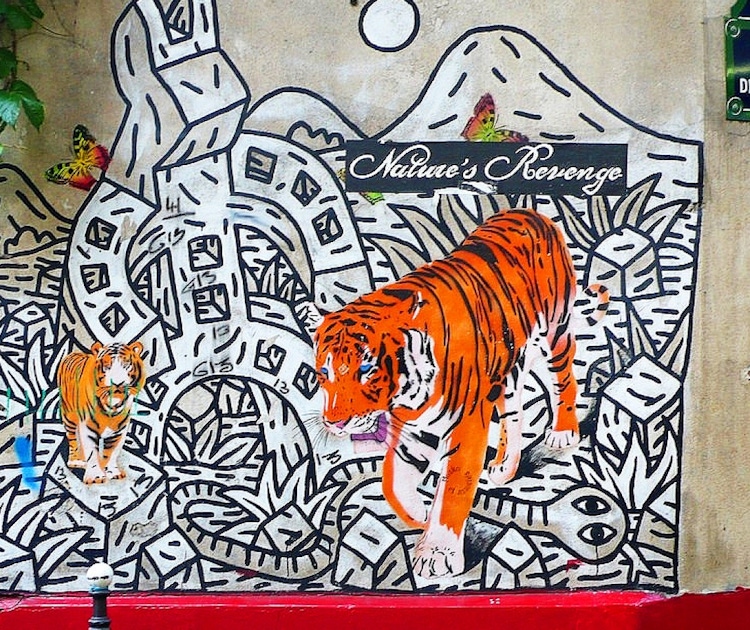
The Musement page makes a useful point when it notes that even the streets feature iconic art by local street artists. Paris is still a city where visual culture spills beyond museum walls. That means a good art trip should leave room for walking, not just ticketed entries.
Even if your focus is on museums, you will usually get more from Paris by mixing one or two major visits with time outside in the surrounding neighbourhoods.
How to Choose Between Louvre, Orsay and Orangerie
If you only have one major museum slot, the choice should come down to what kind of art day you want. Choose the Louvre for maximum range and iconic status. Choose Orsay for a more concentrated hit of 19th-century painting. Choose Orangerie for a shorter, calmer visit that still feels deeply Parisian.
That is the real decision. Not which one is “best” in some abstract sense, but which one matches your energy and interests on the day.
How Many Art Days Paris Really Needs
One day is enough to get a taste. Two days is enough to do Paris art properly at a first-visit level. Three days or more lets you stop rushing and start choosing museums by mood, which is when the city becomes much more enjoyable.
If you try to do more than two major museums in a day, most people hit saturation. Paris art is better when it is paced well.
Current Planning Notes That Matter
One of the easiest ways to waste time in Paris is to assume the museum schedule is uniform. It is not. The Louvre closes on Tuesdays. Orsay closes on Mondays. Picasso closes on Mondays. Rodin is open Tuesday to Sunday. Quai Branly is generally open Tuesday to Sunday, with later Thursday hours. The Orangerie typically opens daily from 9 a.m. to 6 p.m., with Friday late openings during exhibition periods.
There are also two especially relevant current updates. The main Centre Pompidou building is closed during its long renovation programme, and Musée d’Orsay is renovating its reception areas from March 2026 into 2028, so visitors should check current access conditions before going.
Who This Kind of Paris Trip Suits Best
First-time Paris visitors who want more than postcard sightseeing
Travellers who are happy to book timed tickets and plan ahead
Art lovers who enjoy mixing big-name museums with smaller, more focused stops
Couples and solo travellers who like slower, walkable days
Return visitors who want to go beyond the single-museum checklist
Who It May Not Suit
This approach is a weaker fit for travellers who dislike queues, timed entry, or long indoor visits. It is also not ideal if your Paris trip is primarily about food, shopping or nightlife and museums are only a minor add-on. In that case, one or two carefully chosen museums will usually work better than a full art agenda.
Practical Tips Before You Book
Do not try to do every major museum on one trip unless you are staying a long time.
Use timed-entry tickets whenever possible.
Pair one major museum with one lighter museum or an outdoor walk.
Choose museums by era and mood, not just by fame.
Check current official access conditions before the day of your visit.
Bottom line:
Paris is not short of art. The challenge is editing it well. For most visitors, the strongest art plan is a smart mix rather than a museum marathon: one blockbuster, one or two focused museums, and enough time outside to let the city itself do some of the work.
Ready to compare current Paris art experiences? View the live Musement art list for updated ticket options and availability.
Paris earns its reputation, but it rewards discipline more than ambition. The city is at its best when you stop trying to conquer all of its art and instead let a few strong museums land properly.
That is the real secret. See less, see better, and let Paris remain a reason to come back.
FAQs
What are the top art museums in Paris for first-time visitors?
For most first-time visitors, the strongest starting point is the Louvre, Musée d’Orsay and Musée de l’Orangerie, then one more focused choice such as Rodin, Picasso or Quai Branly.
Is the Louvre or Musée d’Orsay better if I only have time for one?
Choose the Louvre for breadth and iconic status. Choose Orsay for a more focused, often easier visit centred on impressionist and post-impressionist art.
Is Musée de l’Orangerie worth it if I already saw Orsay?
Yes. The Orangerie is smaller, calmer and built around a very different viewing experience, especially Monet’s Water Lilies.
Is Centre Pompidou open right now?
The main Paris building is currently closed for renovation, so it should not be treated as a standard museum stop in 2026.
How many art museums can you realistically do in one day in Paris?
For most people, one major museum and one smaller or calmer museum is the upper limit if you still want to enjoy the day.
Which Paris art museum is the least overwhelming?
Musée de l’Orangerie is often the easiest for a shorter, calmer visit, while Rodin is also more relaxed than the biggest institutions.
Do Paris museums close on the same day each week?
No. Museum closure days differ, so checking the official schedule before you plan your route is important.
Is timed entry worth booking in Paris?
Yes. For major Paris museums, timed entry is usually the smarter move.
Ready to plan Paris Art Museum Guide: Louvre, Musée d’Orsay & Smaller Collections?
Check the supplier for current availability, pricing, inclusions and booking conditions.
Koh Samui: Paris Follies Cabaret Show Entry Ticket & Drinks Thailand Enjoy a dazzling ladyboy cabaret show in Koh Samui. Choose from a variety of drink packages and experience a colorful, high-energy performance with elaborate costumes and dance routines
The BEST Paris Tours and Things to Do in 2026 - FREE Cancellation | GetYourGuide France Find the top-rated and best-reviewed tours and activities in Paris for 2026. From prices and availability to skip-the-line options and mobile tickets, get all the information you need… Check current availability, inclusions and booking conditions.
Disneyland Paris France Book your Disneyland Paris tickets online. Save time and money with our best price guarantee. Make the most of your visit to Paris. Check current availability, inclusions and booking conditions.
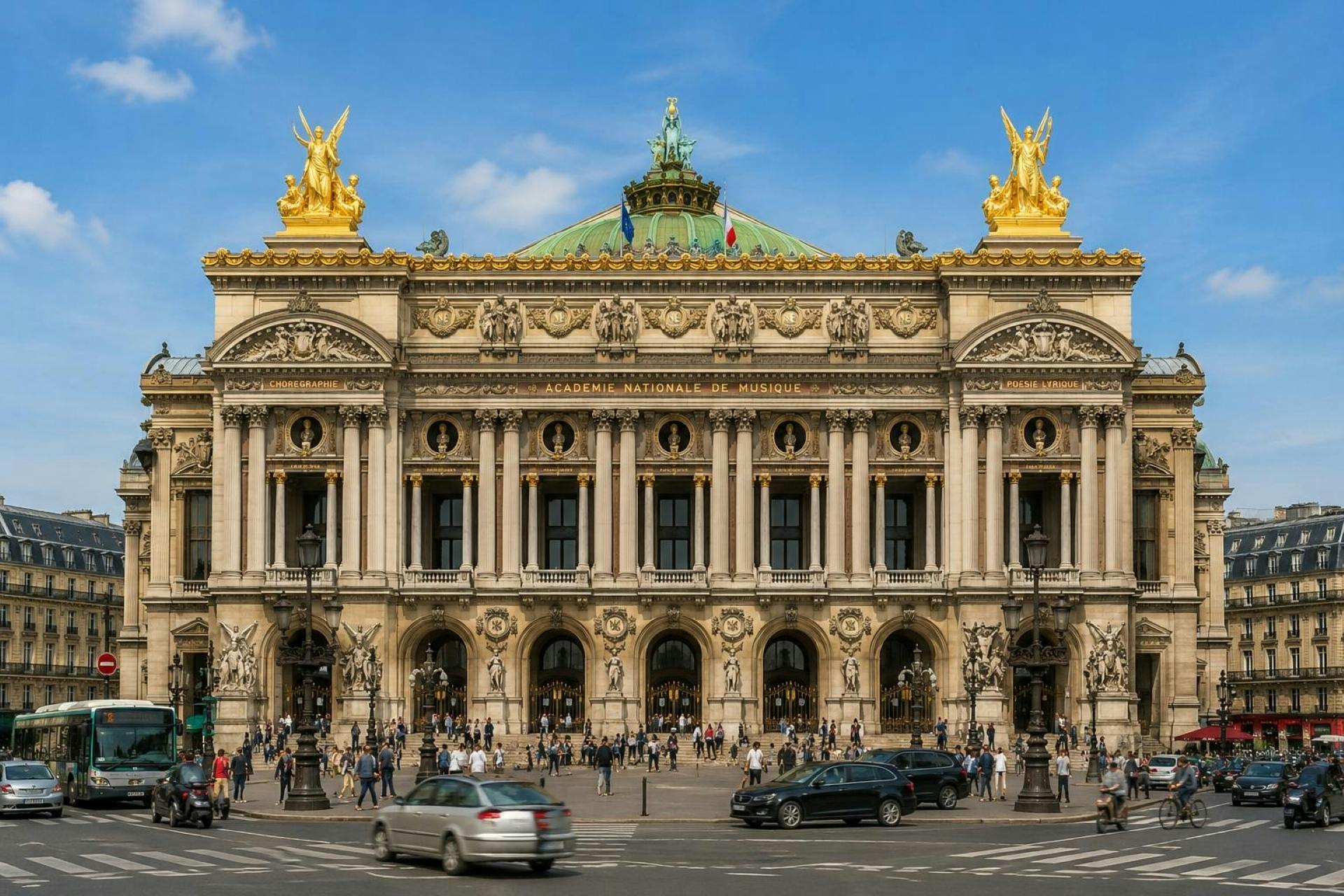
Opéra Garnier Entry Ticket with Paris Audio Guide and eSIM France Explore the ornate 19th-century Palais Garnier at your own pace, then use the included Paris audio guide and 1 GB eSIM during the rest of your stay. Check current availability, inclusions and booking details before you go.
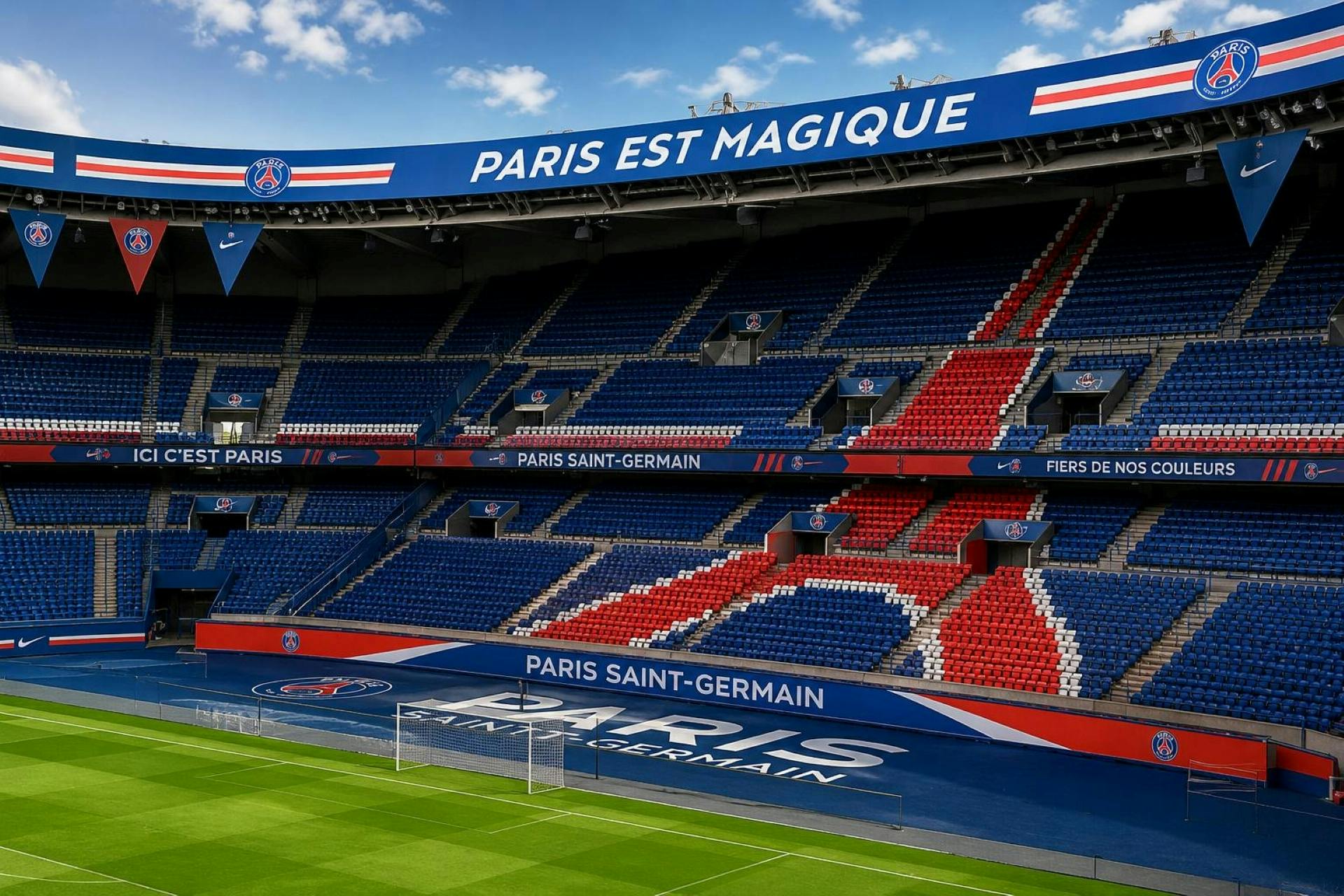
Parc des Princes Stadium Ticket with Paris Audio Guide France This Parc des Princes ticket gives football fans a behind-the-scenes look inside the home stadium of Paris Saint-Germain. Check current availability, inclusions and booking details before you go.
Cité de l'Histoire Ticket with Paris City Audio Tour and 1GB eSIM France Plan Cité de l'Histoire Ticket with Paris City Audio Tour and 1GB eSIM, a ticket or attraction experience, with practical tips on timing, inclusions and what to check before booking. Compare current availability, prices and booking conditions before you go.
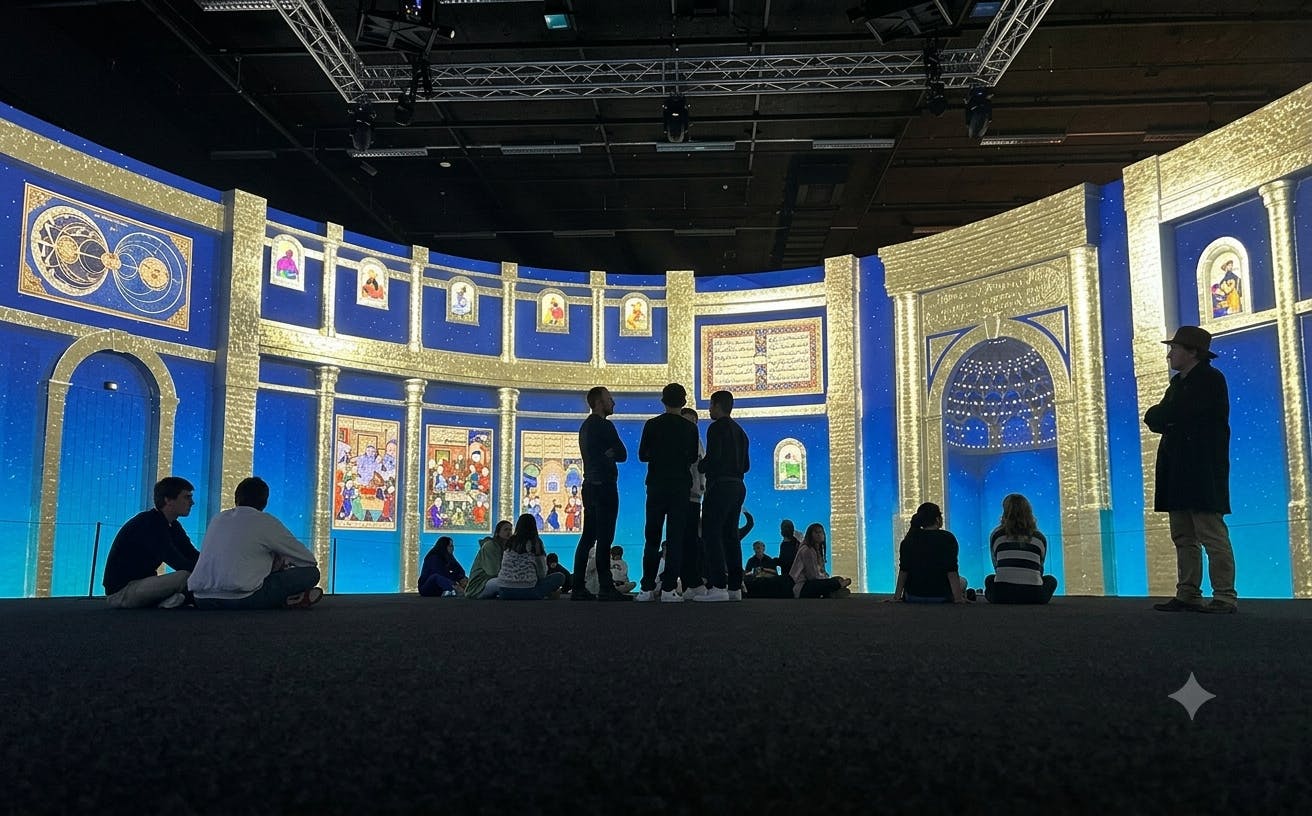
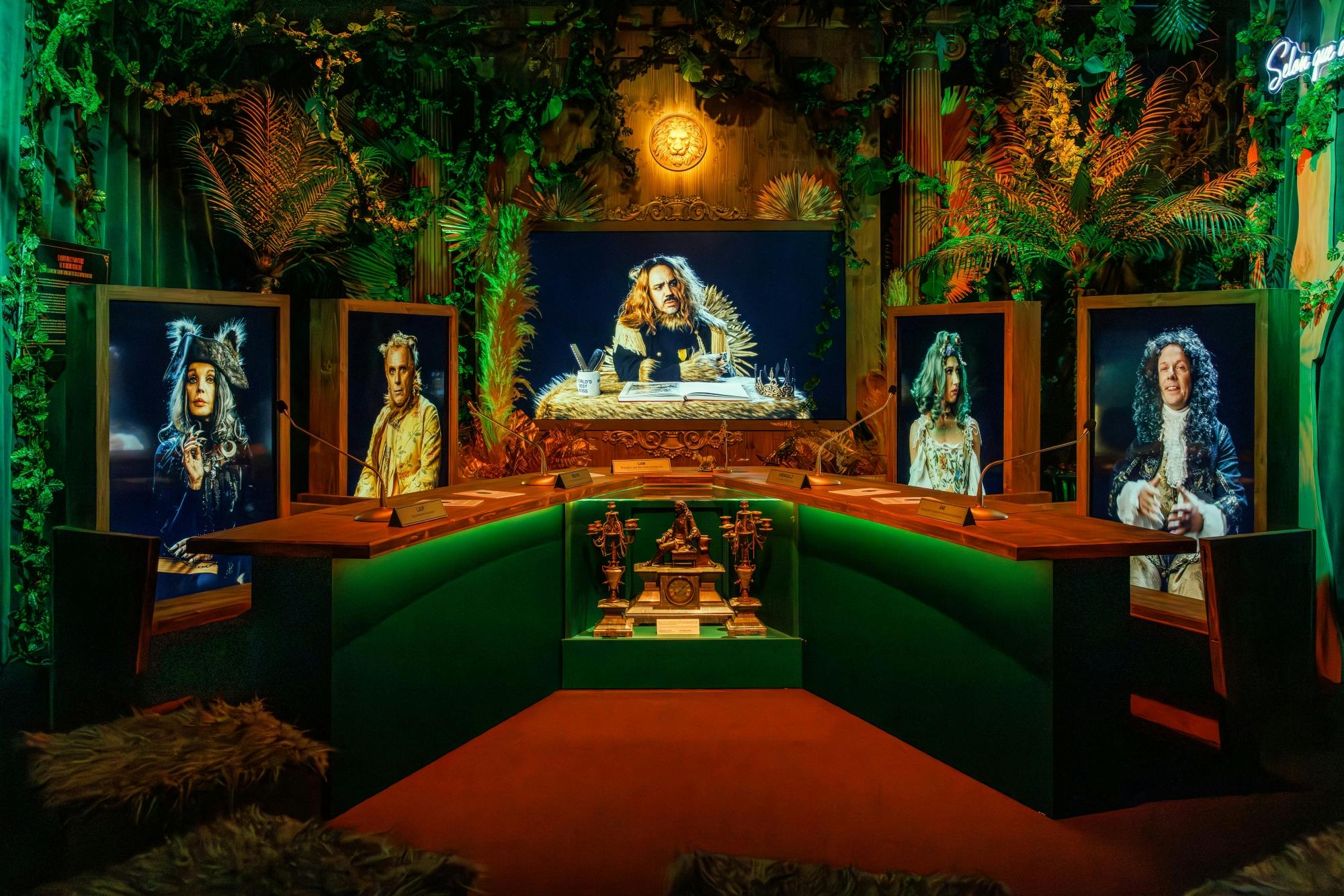
Tickets for the Cité Immersive des Fables in Paris France Plan Tickets for the Cité Immersive des Fables in Paris, a ticket or attraction experience, with practical tips on timing, inclusions and what to check before booking. Compare current availability, prices and booking conditions before you go.