Franco-Prussian War and Commune: After France’s defeat in the Franco-Prussian War (1870–71) and the bloody uprising of the Paris Commune (1871), there was a national mood of repentance and desire for spiritual renewal.
Vow and Funding: Two laymen, Alexandre Legentil and Hubert Rohault de Fleury, vowed to build a church dedicated to the Sacred Heart of Jesus as a penance and as a gesture of faith.
Public subscription: The basilica was funded by donations from private citizens across France, a reflection of its religious and patriotic symbolism.
Construction
Architect: Paul Abadie won the competition to design the basilica. He envisioned a Romano-Byzantine style inspired by churches like Saint Sophia in Constantinople (Istanbul).
Challenges: The site on Montmartre was unstable due to underground quarries. Workers had to sink deep foundations supported by 83 wells that reach 33 meters deep.
Timeline:
Groundbreaking: 1875
Main structure completed: 1914
Consecration: Post-World War I in 1919 (delayed because of the war)
Architecture and Design
Exterior: The striking white appearance comes from travertine stone which exudes calcite when it rains, keeping the basilica sparkling white.
Domes: The basilica has a prominent central dome (83 meters high) offering panoramic views of Paris. The bell tower houses one of the world’s heaviest bells, the “Savoyarde,” weighing 19 tons.
Interior:
The basilica houses France’s largest mosaic, the Apse Mosaic, titled Christ in Majesty (completed in 1923).
The interior is relatively simple, in contrast to the ornate Gothic cathedrals like Notre-Dame.
Crypt and Dome: Visitors can access the crypt and climb to the dome for spectacular views of the city.
Religious Significance
Perpetual Adoration: Since 1885, even before completion, there has been continuous prayer (perpetual adoration of the Holy Eucharist) in the basilica — 24 hours a day.
Symbolism: The basilica stands both as a religious monument and as a symbol of national penance and hope for France’s future after the national turmoil of the 19th century.
Visiting Sacré-Cœur Today
Entry: Free to enter the basilica; small fee for the dome climb (~7–8 euros).
Location: Situated on the highest point in Paris — Montmartre hill (Butte Montmartre).
Access:
Metro stations: Anvers (Line 2) or Abbesses (Line 12).
Funicular railway available for easier access up the steep hill.
Experience:
Beautiful sunrise and sunset views over Paris.
Lively surroundings: Montmartre is famous for its bohemian atmosphere, artists, cafés, and the Place du Tertre.
Quick Facts
Feature
Details
Style
Romano-Byzantine
Height of Dome
83 meters (272 ft)
Largest Bell
Savoyarde (19 tons)
Notable Artwork
Apse Mosaic: Christ in Majesty
Unique Feature
Perpetual Eucharistic Adoration since 1885
Sponsored Popular Items
Quick take: Musement.com offers a worldwide selection of tours and attractions
Koh Samui: Paris Follies Cabaret Show Entry Ticket & Drinks Thailand Enjoy a dazzling ladyboy cabaret show in Koh Samui. Choose from a variety of drink packages and experience a colorful, high-energy performance with elaborate costumes and dance routines
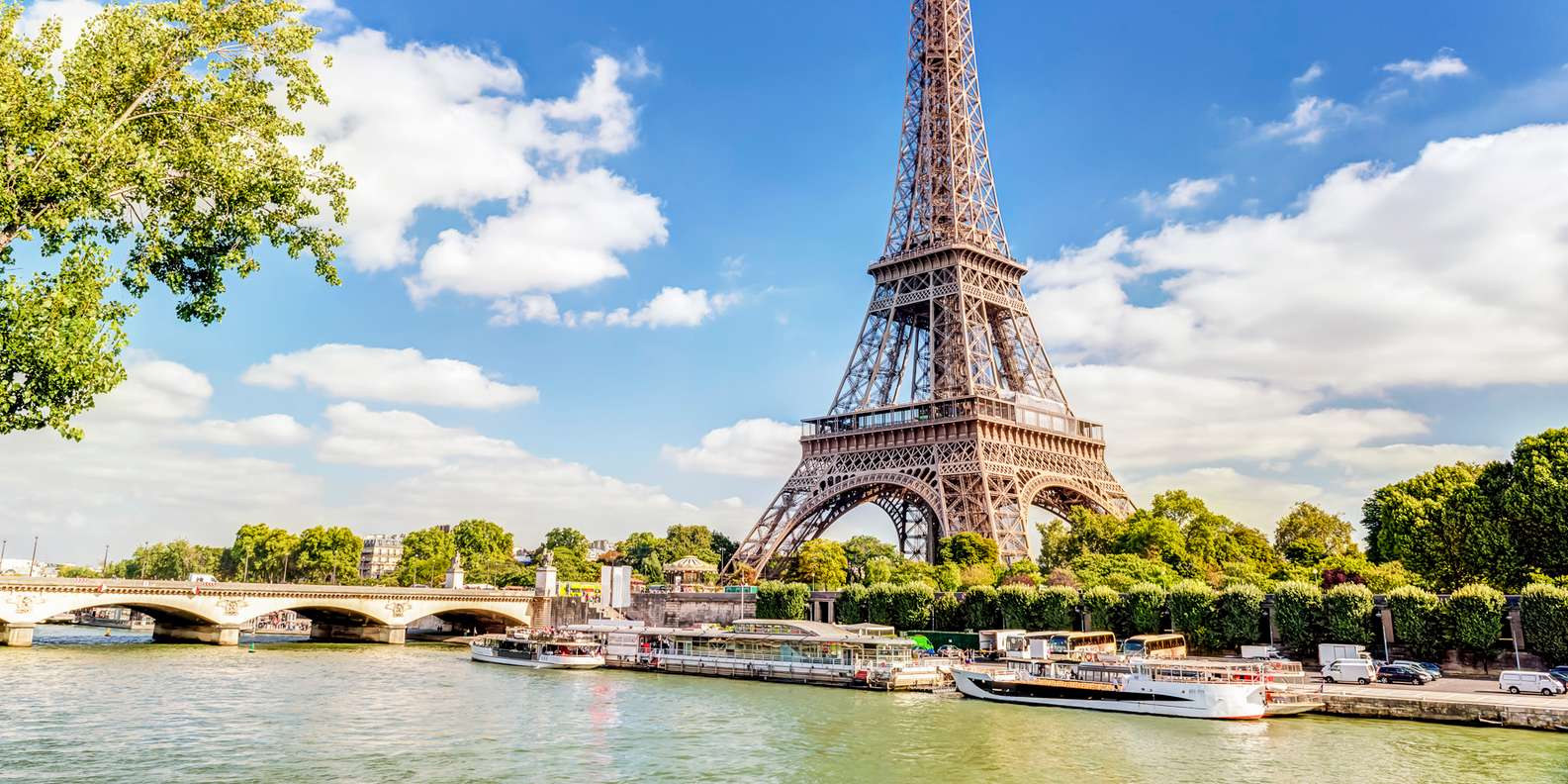
The BEST Paris Tours and Things to Do in 2026 - FREE Cancellation | GetYourGuide France Find the top-rated and best-reviewed tours and activities in Paris for 2026. From prices and availability to skip-the-line options and mobile tickets, get all the information you need… Check current availability, inclusions and booking conditions.
Disneyland Paris France Book your Disneyland Paris tickets online. Save time and money with our best price guarantee. Make the most of your visit to Paris. Check current availability, inclusions and booking conditions.
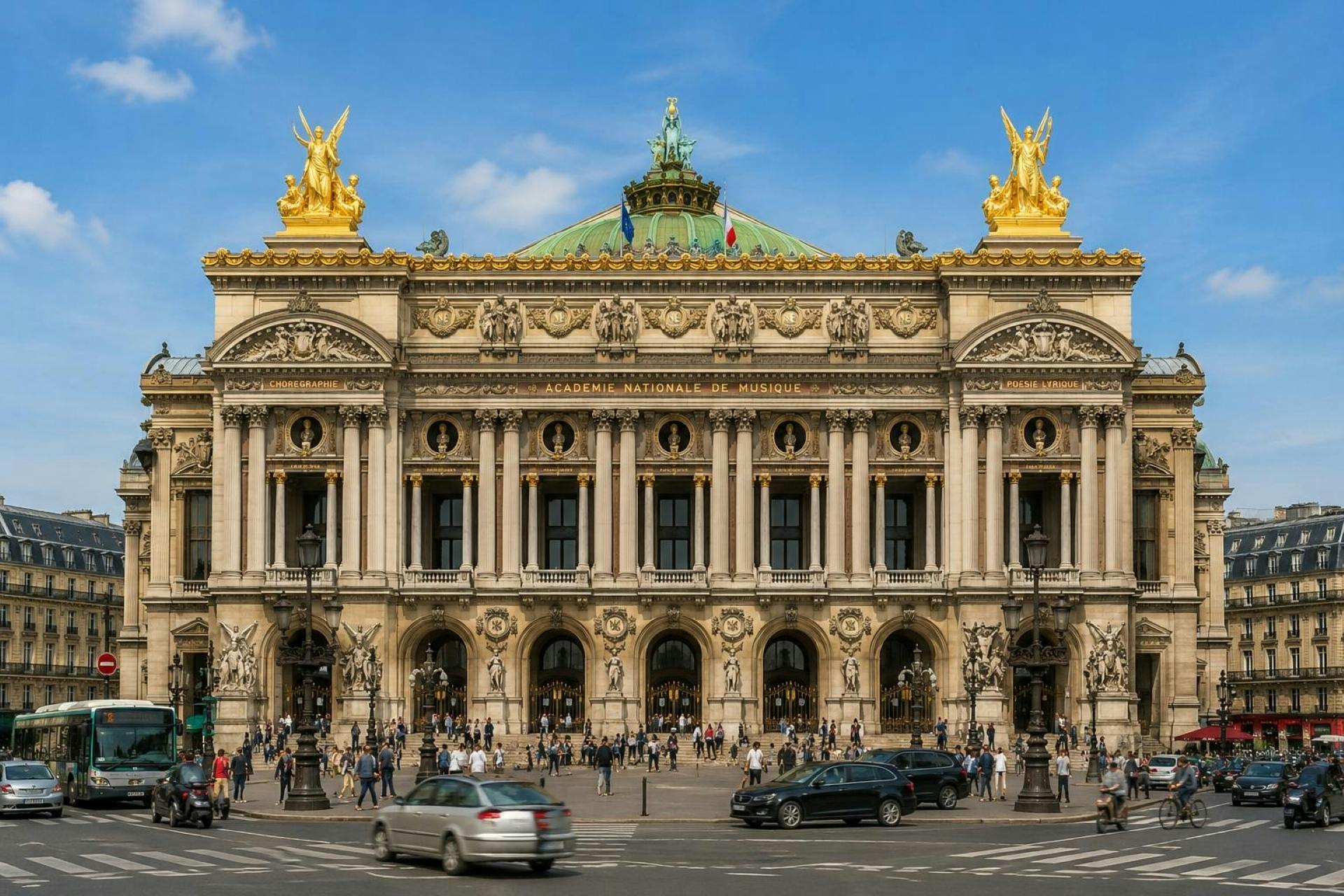
Opéra Garnier Entry Ticket with Paris Audio Guide and eSIM France Explore the ornate 19th-century Palais Garnier at your own pace, then use the included Paris audio guide and 1 GB eSIM during the rest of your stay. Check current availability, inclusions and booking details before you go.
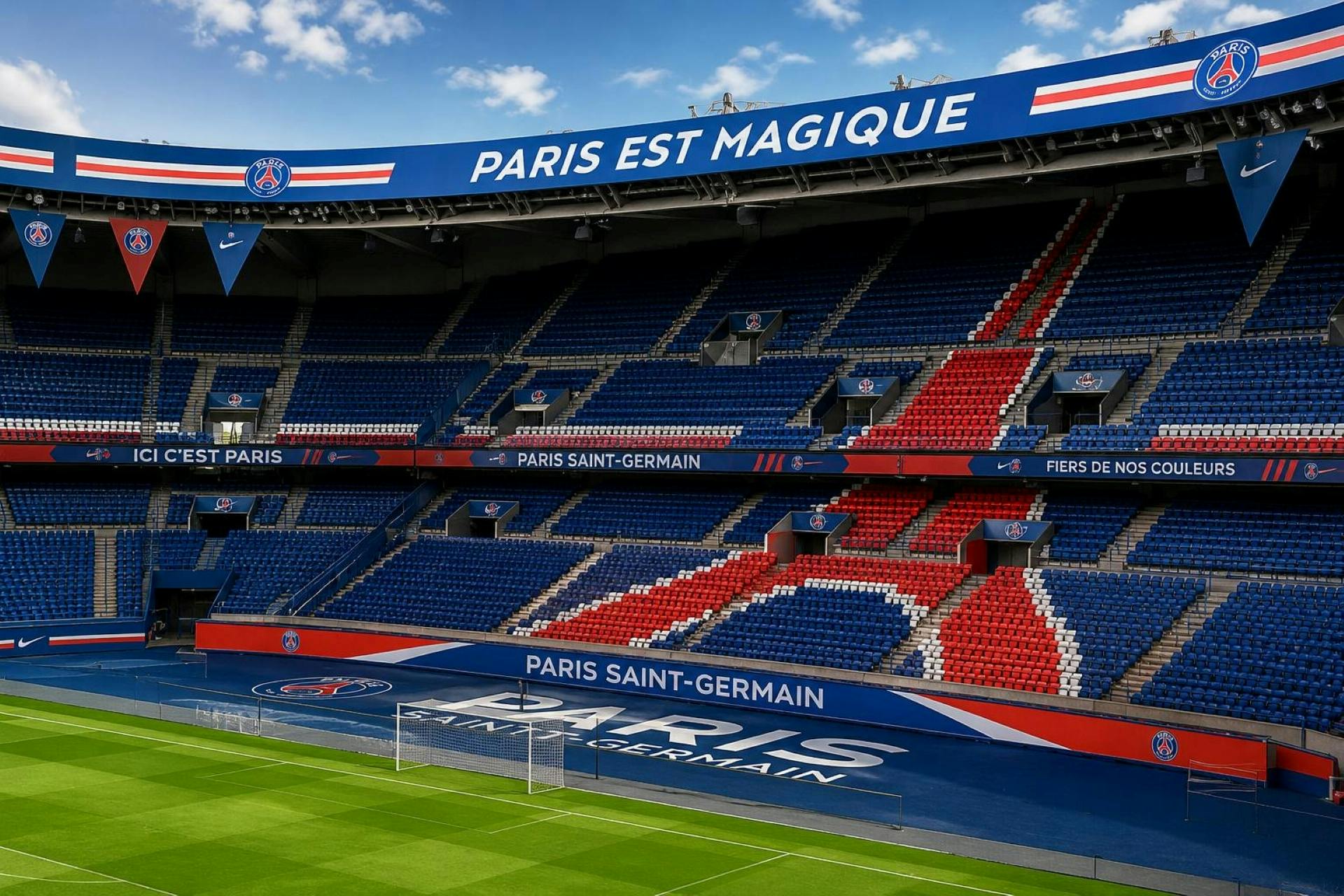
Parc des Princes Stadium Ticket with Paris Audio Guide France This Parc des Princes ticket gives football fans a behind-the-scenes look inside the home stadium of Paris Saint-Germain. Check current availability, inclusions and booking details before you go.
Cité de l'Histoire Ticket with Paris City Audio Tour and 1GB eSIM France Plan Cité de l'Histoire Ticket with Paris City Audio Tour and 1GB eSIM, a ticket or attraction experience, with practical tips on timing, inclusions and what to check before booking. Compare current availability, prices and booking conditions before you go.
Tickets for the Cité Immersive des Fables in Paris France Plan Tickets for the Cité Immersive des Fables in Paris, a ticket or attraction experience, with practical tips on timing, inclusions and what to check before booking. Compare current availability, prices and booking conditions before you go.