Udine Visitor Guide: Top Attractions, Tours & Activities Italy Udine is best suited to art lovers, food travellers and visitors exploring Friuli-Venezia Giulia. Check current availability, inclusions and booking details before you go.
Why Visit Udine
Udine blends history, culture, and everyday life into a destination filled with engaging museums and memorable attractions. This guide highlights the kinds of places visitors love and what to expect at each, plus practical tips for planning your day.
Flagship History Museum
The main city history museum in Udine typically traces the region from early settlement to the present through artifacts, photographs, and interactive exhibits. Expect rotating shows, a solid gift shop, and helpful context for everything else you’ll see.
Art Museum & Sculpture Garden
A leading art museum usually anchors the local scene with classics, contemporary works, and special exhibitions. If there’s an outdoor sculpture garden, it’s a relaxing way to pair culture with a walk.
Science & Discovery Center
Hands-on galleries make science approachable for all ages—think space, engineering, and ecosystems—often with an IMAX or planetarium.
Landmark Cathedral or Temple
Historic houses of worship give insight into Udine’s architectural styles and community roots. Many offer guided tours and quiet courtyards.
Iconic Public Square or Old Town
Central plazas and heritage streets concentrate cafes, street performers, and local crafts. They’re perfect for people‑watching and photos.
Riverside, Harbor or Promenade
Waterfront paths and viewpoints provide fresh air and skyline views. Look for sunset spots, public art, and casual dining.
Family Favorite: Zoo, Aquarium, or Insectarium
Animal-focused attractions pair conservation with education. Check feeding schedules or touch‑pools for interactive moments.
Living Culture: Music Hall or Theatre
An intimate performance venue showcases local sound—jazz, folk, or contemporary—making for a memorable night out.
Planning Tips
Buy timed tickets online for popular museums and special exhibits.
Combine nearby sights to minimize travel time; many districts are walkable.
Check weekly free or discounted hours; student, senior, and family passes can reduce costs.
Start early for quieter galleries and better photos.
Bottom Line
From cornerstone museums to living cultural venues and scenic promenades, Udine offers a balanced mix of learning, leisure, and local flavor.
Sponsored Popular Items
Quick take: Musement.com offers a worldwide selection of tours and attractions
Udine Visitor Guide: Top Attractions, Tours & Activities Italy Udine is best suited to art lovers, food travellers and visitors exploring Friuli-Venezia Giulia. Check current availability, inclusions and booking details before you go.
Udine Shopping, Bazaars & Local Goods Guide Italy Udine combines Venetian-influenced architecture, elegant squares, regional food and wine, independent shops and access to Friuli's craft and agricultural traditions. Check current availability, inclusions and booking details before you go.
Pizzo Half-Day Tour from Tropea with Tartufo Tasting Italy Pizzo half-day tour from Tropea with tartufo truffle tasting USD 54 adds structure, local context and purposeful sightseeing to the itinerary. Check current availability, inclusions and booking details before you go.
Why Visit Tropea
Tropea blends history, culture, and everyday life into a destination filled with engaging museums and memorable attractions. This guide highlights the kinds of places visitors love and what to expect at each, plus practical tips for planning your day.
Flagship History Museum
The main city history museum in Tropea typically traces the region from early settlement to the present through artifacts, photographs, and interactive exhibits. Expect rotating shows, a solid gift shop, and helpful context for everything else you’ll see.
Art Museum & Sculpture Garden
A leading art museum usually anchors the local scene with classics, contemporary works, and special exhibitions. If there’s an outdoor sculpture garden, it’s a relaxing way to pair culture with a walk.
Science & Discovery Center
Hands-on galleries make science approachable for all ages—think space, engineering, and ecosystems—often with an IMAX or planetarium.
Landmark Cathedral or Temple
Historic houses of worship give insight into Tropea’s architectural styles and community roots. Many offer guided tours and quiet courtyards.
Iconic Public Square or Old Town
Central plazas and heritage streets concentrate cafes, street performers, and local crafts. They’re perfect for people‑watching and photos.
Riverside, Harbor or Promenade
Waterfront paths and viewpoints provide fresh air and skyline views. Look for sunset spots, public art, and casual dining.
Family Favorite: Zoo, Aquarium, or Insectarium
Animal-focused attractions pair conservation with education. Check feeding schedules or touch‑pools for interactive moments.
Living Culture: Music Hall or Theatre
An intimate performance venue showcases local sound—jazz, folk, or contemporary—making for a memorable night out.
Planning Tips
Buy timed tickets online for popular museums and special exhibits.
Combine nearby sights to minimize travel time; many districts are walkable.
Check weekly free or discounted hours; student, senior, and family passes can reduce costs.
Start early for quieter galleries and better photos.
Bottom Line
From cornerstone museums to living cultural venues and scenic promenades, Tropea offers a balanced mix of learning, leisure, and local flavor.
Sponsored Popular Items
Quick take: Musement.com offers a worldwide selection of tours and attractions
Pizzo Half-Day Tour from Tropea with Tartufo Tasting Italy Pizzo half-day tour from Tropea with tartufo truffle tasting USD 54 adds structure, local context and purposeful sightseeing to the itinerary. Check current availability, inclusions and booking details before you go.
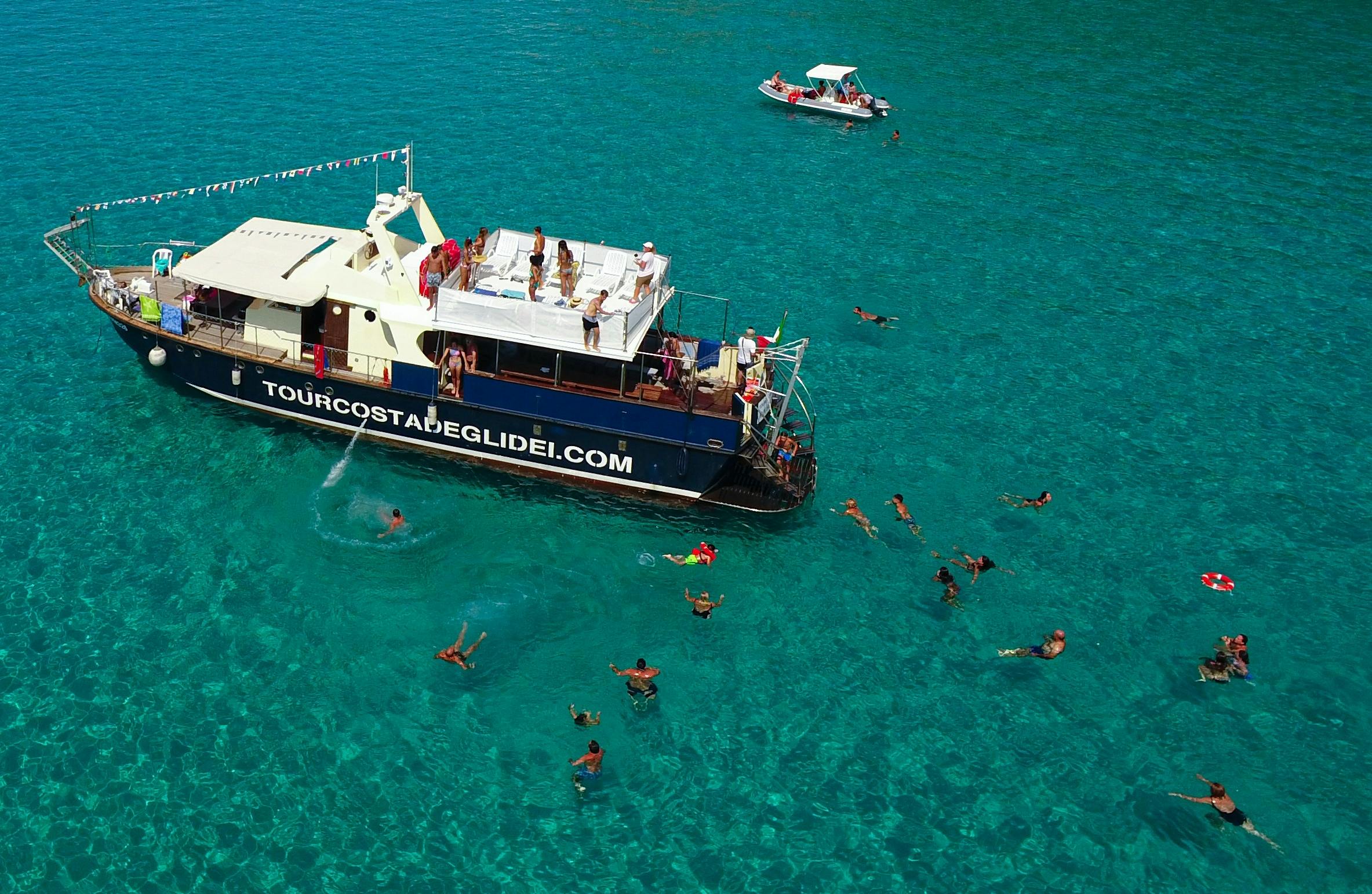
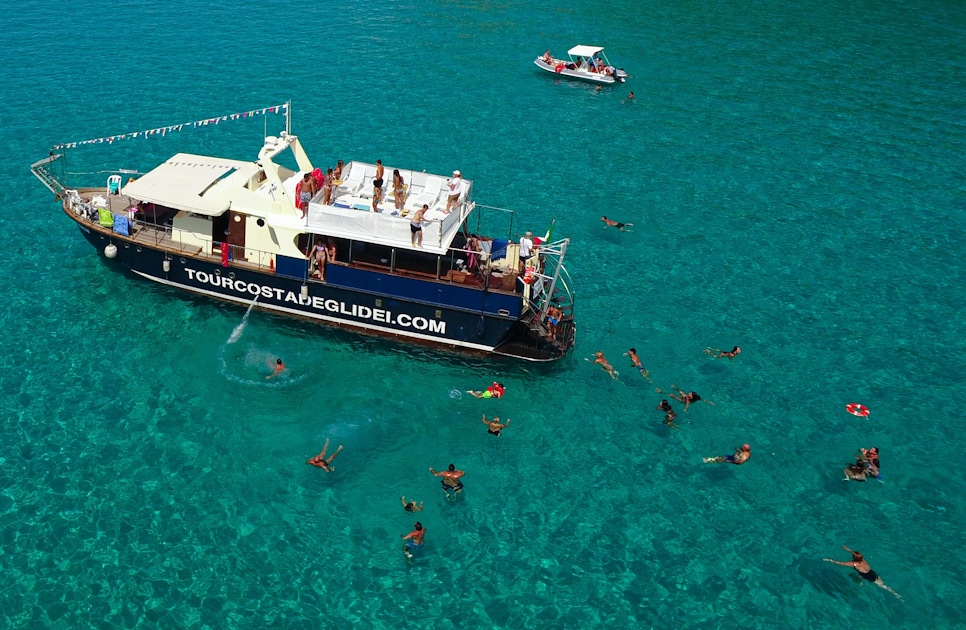
Sunset Cruise with Aperitif from Tropea Italy Sunset cruise with aperitif from Tropea combines sightseeing with the relaxed sense of movement that comes from a boat-based experience. Check current availability, inclusions and booking details before you go.
Tropea Cruises, Boat Tours & Water Experiences Guide Italy Tropea combines a cliff-top old town, beaches, Tyrrhenian sunsets, Calabrian food and boat access along the Coast of the Gods. Check current availability, inclusions and booking details before you go.
Trieste blends history, culture, and everyday life into a destination filled with engaging museums and memorable attractions. This guide highlights the kinds of places visitors love and what to expect at each, plus practical tips for planning your day.
Flagship History Museum
The main city history museum in Trieste typically traces the region from early settlement to the present through artifacts, photographs, and interactive exhibits. Expect rotating shows, a solid gift shop, and helpful context for everything else you’ll see.
Art Museum & Sculpture Garden
A leading art museum usually anchors the local scene with classics, contemporary works, and special exhibitions. If there’s an outdoor sculpture garden, it’s a relaxing way to pair culture with a walk.
Science & Discovery Center
Hands-on galleries make science approachable for all ages—think space, engineering, and ecosystems—often with an IMAX or planetarium.
Landmark Cathedral or Temple
Historic houses of worship give insight into Trieste’s architectural styles and community roots. Many offer guided tours and quiet courtyards.
Iconic Public Square or Old Town
Central plazas and heritage streets concentrate cafes, street performers, and local crafts. They’re perfect for people‑watching and photos.
Riverside, Harbor or Promenade
Waterfront paths and viewpoints provide fresh air and skyline views. Look for sunset spots, public art, and casual dining.
Family Favorite: Zoo, Aquarium, or Insectarium
Animal-focused attractions pair conservation with education. Check feeding schedules or touch‑pools for interactive moments.
Living Culture: Music Hall or Theatre
An intimate performance venue showcases local sound—jazz, folk, or contemporary—making for a memorable night out.
Planning Tips
Buy timed tickets online for popular museums and special exhibits.
Combine nearby sights to minimize travel time; many districts are walkable.
Check weekly free or discounted hours; student, senior, and family passes can reduce costs.
Start early for quieter galleries and better photos.
Bottom Line
From cornerstone museums to living cultural venues and scenic promenades, Trieste offers a balanced mix of learning, leisure, and local flavor.
Sponsored Popular Items
Quick take: Musement.com offers a worldwide selection of tours and attractions
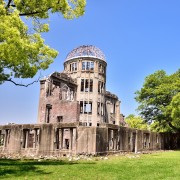
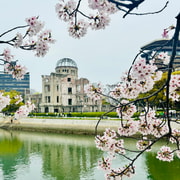
Osaka/Kyoto/Hiroshima : Hiroshima Miyajima Bus Tour Best deals for Osaka/Kyoto/Hiroshima : Hiroshima Miyajima Bus Tour. Discover popular sightseeing spots in Hiroshima on a tour from Osaka or Kyoto with bullet train tickets or join us directly in Hiroshima. This tour is conducted by an English-speaking guide only. Available from getyourguide.com.
Why Visit Hiroshima
Hiroshima blends history, culture, and everyday life into a destination filled with engaging museums and memorable attractions. This guide highlights the kinds of places visitors love and what to expect at each, plus practical tips for planning your day.
Flagship History Museum
The main city history museum in Hiroshima typically traces the region from early settlement to the present through artifacts, photographs, and interactive exhibits. Expect rotating shows, a solid gift shop, and helpful context for everything else you’ll see.
Art Museum & Sculpture Garden
A leading art museum usually anchors the local scene with classics, contemporary works, and special exhibitions. If there’s an outdoor sculpture garden, it’s a relaxing way to pair culture with a walk.
Science & Discovery Center
Hands-on galleries make science approachable for all ages—think space, engineering, and ecosystems—often with an IMAX or planetarium.
Landmark Cathedral or Temple
Historic houses of worship give insight into Hiroshima’s architectural styles and community roots. Many offer guided tours and quiet courtyards.
Iconic Public Square or Old Town
Central plazas and heritage streets concentrate cafes, street performers, and local crafts. They’re perfect for people‑watching and photos.
Riverside, Harbor or Promenade
Waterfront paths and viewpoints provide fresh air and skyline views. Look for sunset spots, public art, and casual dining.
Family Favorite: Zoo, Aquarium, or Insectarium
Animal-focused attractions pair conservation with education. Check feeding schedules or touch‑pools for interactive moments.
Living Culture: Music Hall or Theatre
An intimate performance venue showcases local sound—jazz, folk, or contemporary—making for a memorable night out.
Planning Tips
Buy timed tickets online for popular museums and special exhibits.
Combine nearby sights to minimize travel time; many districts are walkable.
Check weekly free or discounted hours; student, senior, and family passes can reduce costs.
Start early for quieter galleries and better photos.
Bottom Line
From cornerstone museums to living cultural venues and scenic promenades, Hiroshima offers a balanced mix of learning, leisure, and local flavor.
Sponsored Popular Items
Quick take: Musement.com offers a worldwide selection of tours and attractions
Osaka/Kyoto/Hiroshima : Hiroshima Miyajima Bus Tour Best deals for Osaka/Kyoto/Hiroshima : Hiroshima Miyajima Bus Tour. Discover popular sightseeing spots in Hiroshima on a tour from Osaka or Kyoto with bullet train tickets or join us directly in Hiroshima. This tour is conducted by an English-speaking guide only. Available from getyourguide.com.
Hiroshima: Best of Hiroshima Guided Bike Tour Best deals for Hiroshima: Best of Hiroshima Guided Bike Tour. Discover Hiroshima with a relaxing and fun ride past the iconic sites and unknown gems of this interesting and welcoming city. Available from getyourguide.com.
Hiroshima: History of Hiroshima Small Group Walking Tour Best deals for Hiroshima: History of Hiroshima Small Group Walking Tour. Join our tour to explore the history of Hiroshima, understand the impact of the atomic bombing, and witness how the city transformed into a symbol of peace and resilience. Uncover the stories! Available from getyourguide.com.
Treviso Self-Guided Treasure Hunt and Walking Tour – Self-Guided Experience Italy Treviso Self-Guided Treasure Hunt and Walking Tour combines self-paced sightseeing with useful background information and flexible stopping time. Check current availability, inclusions and booking details before you go.
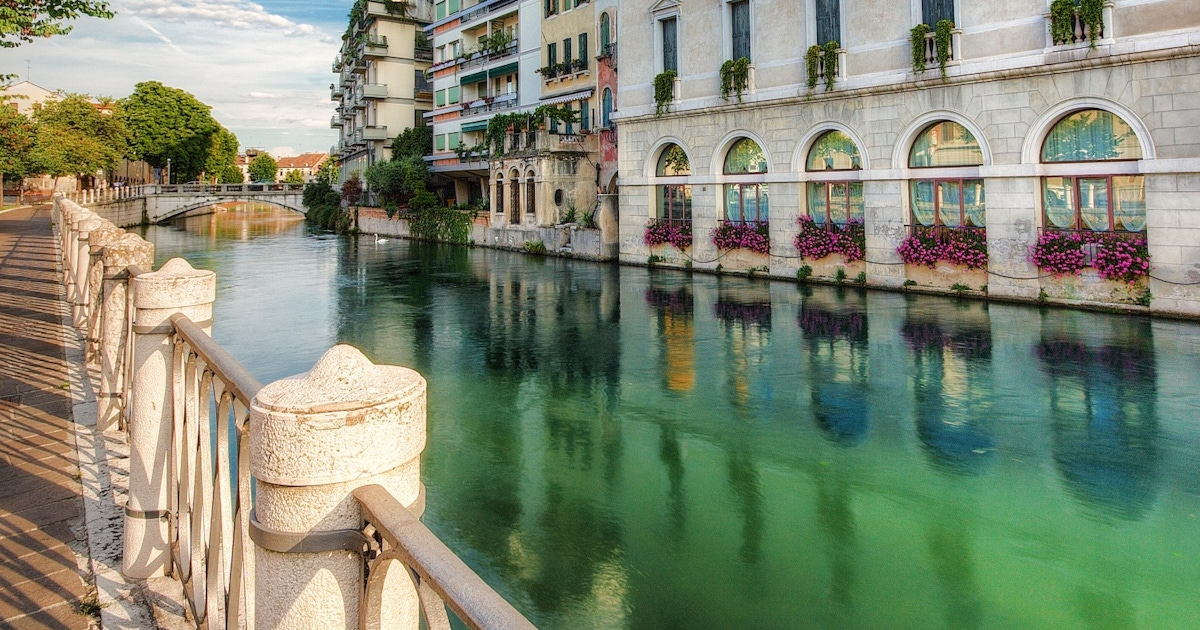
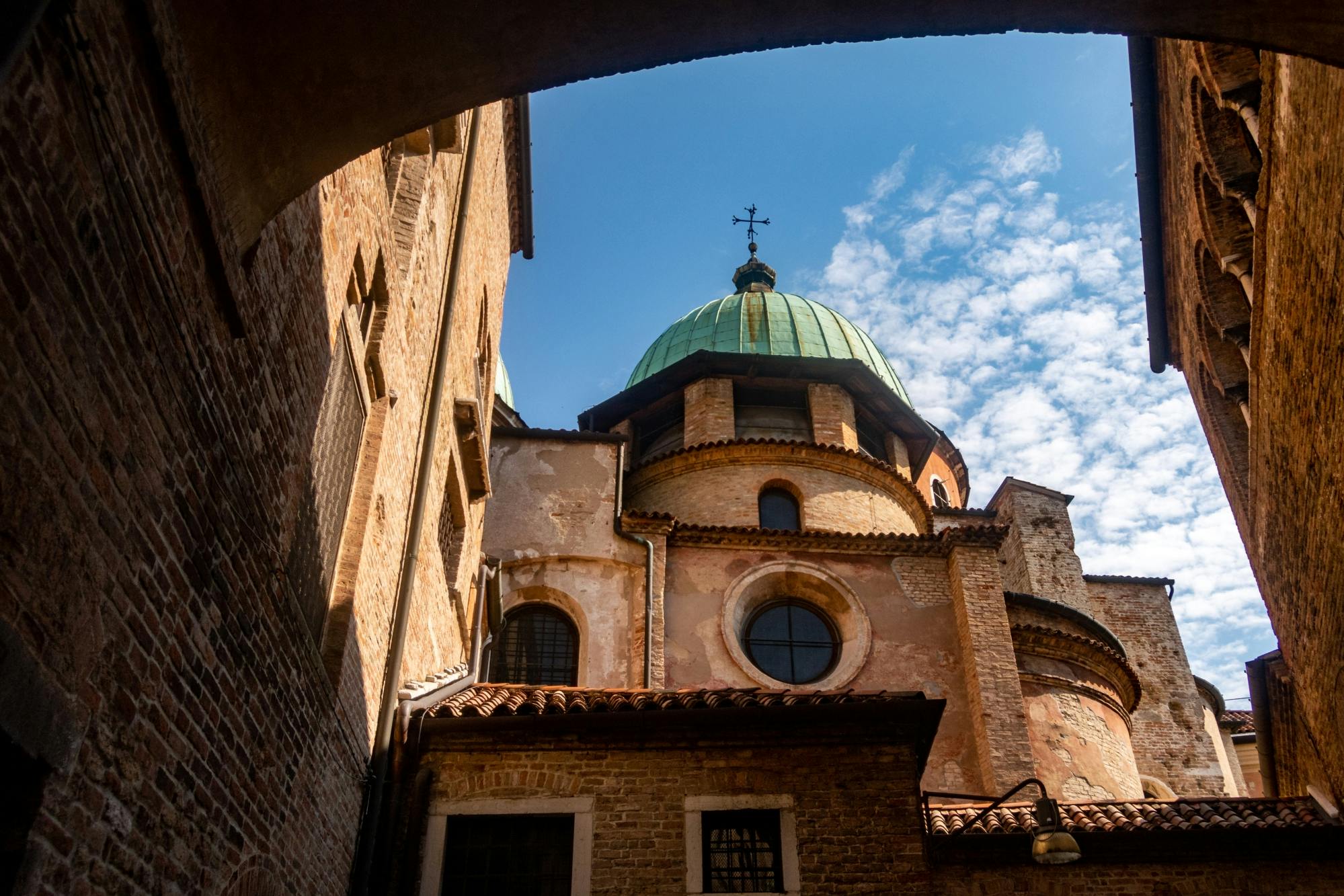
Why Visit Treviso
Treviso blends history, culture, and everyday life into a destination filled with engaging museums and memorable attractions. This guide highlights the kinds of places visitors love and what to expect at each, plus practical tips for planning your day.
Flagship History Museum
The main city history museum in Treviso typically traces the region from early settlement to the present through artifacts, photographs, and interactive exhibits. Expect rotating shows, a solid gift shop, and helpful context for everything else you’ll see.
Art Museum & Sculpture Garden
A leading art museum usually anchors the local scene with classics, contemporary works, and special exhibitions. If there’s an outdoor sculpture garden, it’s a relaxing way to pair culture with a walk.
Science & Discovery Center
Hands-on galleries make science approachable for all ages—think space, engineering, and ecosystems—often with an IMAX or planetarium.
Landmark Cathedral or Temple
Historic houses of worship give insight into Treviso’s architectural styles and community roots. Many offer guided tours and quiet courtyards.
Iconic Public Square or Old Town
Central plazas and heritage streets concentrate cafes, street performers, and local crafts. They’re perfect for people‑watching and photos.
Riverside, Harbor or Promenade
Waterfront paths and viewpoints provide fresh air and skyline views. Look for sunset spots, public art, and casual dining.
Family Favorite: Zoo, Aquarium, or Insectarium
Animal-focused attractions pair conservation with education. Check feeding schedules or touch‑pools for interactive moments.
Living Culture: Music Hall or Theatre
An intimate performance venue showcases local sound—jazz, folk, or contemporary—making for a memorable night out.
Planning Tips
Buy timed tickets online for popular museums and special exhibits.
Combine nearby sights to minimize travel time; many districts are walkable.
Check weekly free or discounted hours; student, senior, and family passes can reduce costs.
Start early for quieter galleries and better photos.
Bottom Line
From cornerstone museums to living cultural venues and scenic promenades, Treviso offers a balanced mix of learning, leisure, and local flavor.
Sponsored Popular Items
Quick take: Musement.com offers a worldwide selection of tours and attractions
Treviso Self-Guided Treasure Hunt and Walking Tour – Self-Guided Experience Italy Treviso Self-Guided Treasure Hunt and Walking Tour combines self-paced sightseeing with useful background information and flexible stopping time. Check current availability, inclusions and booking details before you go.
Treviso Visitor Guide: Top Attractions, Tours & Activities Italy Treviso is best suited to food and wine travellers, couples and visitors seeking a calmer Veneto base. Check current availability, inclusions and booking details before you go.
Treviso Private Walking Tour - Guided Sightseeing Tour Italy Treviso private walking tour is a convenient way to add structure, local context and purposeful sightseeing to the itinerary. Check current availability, inclusions and booking details before you go.
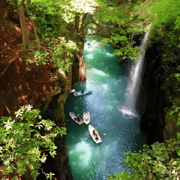
From Fukuoka: Miyazaki, Takachiho Gorge and Shrines Day Tour Best deals for From Fukuoka: Miyazaki, Takachiho Gorge and Shrines Day Tour. Discover the magic of Kyushu on a day trip. Visit the Kamishikimi Kumanoimasu Shrine, Amano Iwato Shrine, Takachiho Gorge. Learn about Japanese mythology and see the iconic Three Bridges of Takachiho. Available from getyourguide.com.
Why Visit Fukuoka
Fukuoka blends history, culture, and everyday life into a destination filled with engaging museums and memorable attractions. This guide highlights the kinds of places visitors love and what to expect at each, plus practical tips for planning your day.
Flagship History Museum
The main city history museum in Fukuoka typically traces the region from early settlement to the present through artifacts, photographs, and interactive exhibits. Expect rotating shows, a solid gift shop, and helpful context for everything else you’ll see.
Art Museum & Sculpture Garden
A leading art museum usually anchors the local scene with classics, contemporary works, and special exhibitions. If there’s an outdoor sculpture garden, it’s a relaxing way to pair culture with a walk.
Science & Discovery Center
Hands-on galleries make science approachable for all ages—think space, engineering, and ecosystems—often with an IMAX or planetarium.
Landmark Cathedral or Temple
Historic houses of worship give insight into Fukuoka’s architectural styles and community roots. Many offer guided tours and quiet courtyards.
Iconic Public Square or Old Town
Central plazas and heritage streets concentrate cafes, street performers, and local crafts. They’re perfect for people‑watching and photos.
Riverside, Harbor or Promenade
Waterfront paths and viewpoints provide fresh air and skyline views. Look for sunset spots, public art, and casual dining.
Family Favorite: Zoo, Aquarium, or Insectarium
Animal-focused attractions pair conservation with education. Check feeding schedules or touch‑pools for interactive moments.
Living Culture: Music Hall or Theatre
An intimate performance venue showcases local sound—jazz, folk, or contemporary—making for a memorable night out.
Planning Tips
Buy timed tickets online for popular museums and special exhibits.
Combine nearby sights to minimize travel time; many districts are walkable.
Check weekly free or discounted hours; student, senior, and family passes can reduce costs.
Start early for quieter galleries and better photos.
Bottom Line
From cornerstone museums to living cultural venues and scenic promenades, Fukuoka offers a balanced mix of learning, leisure, and local flavor.
Sponsored Popular Items
Quick take: Musement.com offers a worldwide selection of tours and attractions
From Fukuoka: Miyazaki, Takachiho Gorge and Shrines Day Tour Best deals for From Fukuoka: Miyazaki, Takachiho Gorge and Shrines Day Tour. Discover the magic of Kyushu on a day trip. Visit the Kamishikimi Kumanoimasu Shrine, Amano Iwato Shrine, Takachiho Gorge. Learn about Japanese mythology and see the iconic Three Bridges of Takachiho. Available from getyourguide.com.
Fukuoka: Takachiho Gorge & Amaterasu Railway with Optional Boat Best deals for Fukuoka: Takachiho Gorge & Amaterasu Railway with Optional Boat. Explore Takachiho Gorge with an optional boat ride (additional fee), ride a vintage train, and pray at Amano Yasugawara—dive deep into Kyushu's natural beauty and cultural heritage! Available from getyourguide.com.
Fukuoka Yatai Night Food Private Tour with Licensed Guide Best deals for Fukuoka Yatai Night Food Private Tour with Licensed Guide. Explore Fukuoka’s yatai districts with a licensed guide. If you wish, you may purchase local dishes at your own expense in Nakasu and Tenjin. Available from getyourguide.com.
Trento Must-See Attractions, Tours & Highlights Guide Italy Trento combines a frescoed Alpine old town, major castle, science museum and access to the Dolomites and Trentino valleys. Check current availability, inclusions and booking details before you go.
Why Visit Trento
Trento blends history, culture, and everyday life into a destination filled with engaging museums and memorable attractions. This guide highlights the kinds of places visitors love and what to expect at each, plus practical tips for planning your day.
Flagship History Museum
The main city history museum in Trento typically traces the region from early settlement to the present through artifacts, photographs, and interactive exhibits. Expect rotating shows, a solid gift shop, and helpful context for everything else you’ll see.
Art Museum & Sculpture Garden
A leading art museum usually anchors the local scene with classics, contemporary works, and special exhibitions. If there’s an outdoor sculpture garden, it’s a relaxing way to pair culture with a walk.
Science & Discovery Center
Hands-on galleries make science approachable for all ages—think space, engineering, and ecosystems—often with an IMAX or planetarium.
Landmark Cathedral or Temple
Historic houses of worship give insight into Trento’s architectural styles and community roots. Many offer guided tours and quiet courtyards.
Iconic Public Square or Old Town
Central plazas and heritage streets concentrate cafes, street performers, and local crafts. They’re perfect for people‑watching and photos.
Riverside, Harbor or Promenade
Waterfront paths and viewpoints provide fresh air and skyline views. Look for sunset spots, public art, and casual dining.
Family Favorite: Zoo, Aquarium, or Insectarium
Animal-focused attractions pair conservation with education. Check feeding schedules or touch‑pools for interactive moments.
Living Culture: Music Hall or Theatre
An intimate performance venue showcases local sound—jazz, folk, or contemporary—making for a memorable night out.
Planning Tips
Buy timed tickets online for popular museums and special exhibits.
Combine nearby sights to minimize travel time; many districts are walkable.
Check weekly free or discounted hours; student, senior, and family passes can reduce costs.
Start early for quieter galleries and better photos.
Bottom Line
From cornerstone museums to living cultural venues and scenic promenades, Trento offers a balanced mix of learning, leisure, and local flavor.
Sponsored Popular Items
Quick take: Musement.com offers a worldwide selection of tours and attractions
Trento Must-See Attractions, Tours & Highlights Guide Italy Trento combines a frescoed Alpine old town, major castle, science museum and access to the Dolomites and Trentino valleys. Check current availability, inclusions and booking details before you go.
Trento Visitor Guide: Top Attractions, Tours & Activities Italy Trento is best suited to families, mountain travellers, architecture fans and visitors exploring Trentino. Check current availability, inclusions and booking details before you go.
Trento Audio Guide with TravelMate App Italy Trento audio guide with TravelMate app is designed for travellers who prefer independent exploration while still having structured digital guidance available. Check current availability, inclusions and booking details before you go.
Explore museums and attractions in Fuji City – Attractions—from flagship history and art spaces to science centers, family picks, and scenic promenades.
Sponsored Popular Items
Quick take: Musement.com offers a worldwide selection of tours and attractions
Mt. Fuji & Fuji Speedway Tour Optional Self-Drive Experience Japan Best deals for Mt. Fuji & Fuji Speedway Tour Optional Self-Drive Experience. For car enthusiasts, this tour is an ideal way to experience both the world-renowned Fuji Speedway and to go visit the majestic Mount Fuji in one memorable tour. A special 2 in 1 deal. Available from getyourguide.com.
Why Visit Fuji City – Attractions
Fuji City – Attractions blends history, culture, and everyday life into a destination filled with engaging museums and memorable attractions. This guide highlights the kinds of places visitors love and what to expect at each, plus practical tips for planning your day.
Flagship History Museum
The main city history museum in Fuji City – Attractions typically traces the region from early settlement to the present through artifacts, photographs, and interactive exhibits. Expect rotating shows, a solid gift shop, and helpful context for everything else you’ll see.
Art Museum & Sculpture Garden
A leading art museum usually anchors the local scene with classics, contemporary works, and special exhibitions. If there’s an outdoor sculpture garden, it’s a relaxing way to pair culture with a walk.
Science & Discovery Center
Hands-on galleries make science approachable for all ages—think space, engineering, and ecosystems—often with an IMAX or planetarium.
Landmark Cathedral or Temple
Historic houses of worship give insight into Fuji City – Attractions’s architectural styles and community roots. Many offer guided tours and quiet courtyards.
Iconic Public Square or Old Town
Central plazas and heritage streets concentrate cafes, street performers, and local crafts. They’re perfect for people‑watching and photos.
Riverside, Harbor or Promenade
Waterfront paths and viewpoints provide fresh air and skyline views. Look for sunset spots, public art, and casual dining.
Family Favorite: Zoo, Aquarium, or Insectarium
Animal-focused attractions pair conservation with education. Check feeding schedules or touch‑pools for interactive moments.
Living Culture: Music Hall or Theatre
An intimate performance venue showcases local sound—jazz, folk, or contemporary—making for a memorable night out.
Planning Tips
Buy timed tickets online for popular museums and special exhibits.
Combine nearby sights to minimize travel time; many districts are walkable.
Check weekly free or discounted hours; student, senior, and family passes can reduce costs.
Start early for quieter galleries and better photos.
Bottom Line
From cornerstone museums to living cultural venues and scenic promenades, Fuji City – Attractions offers a balanced mix of learning, leisure, and local flavor.
Sponsored Popular Items
Quick take: Musement.com offers a worldwide selection of tours and attractions
Mt. Fuji & Fuji Speedway Tour Optional Self-Drive Experience Japan Best deals for Mt. Fuji & Fuji Speedway Tour Optional Self-Drive Experience. For car enthusiasts, this tour is an ideal way to experience both the world-renowned Fuji Speedway and to go visit the majestic Mount Fuji in one memorable tour. A special 2 in 1 deal. Available from getyourguide.com.
Tokyo: Mount Fuji Must-See Private Tour with Adjustable Itinerary Best deals for Tokyo: Mount Fuji Must-See Private Tour with Adjustable Itinerary. Your Personalized Journey Choose attractions or mix primary sites. Your English-speaking driver adapts timing, suggests seasonal highlights, and ensures seamless navigation throughout your adventure. Available from getyourguide.com.
Tokyo: Mt. Fuji and Hakone Day Tour, Lake Kawaguchiko, Arakurayama Best deals for Tokyo: Mt. Fuji and Hakone Day Tour, Lake Kawaguchiko, Arakurayama. Discover Mt. Fuji, Chureito Pagoda, Lake Kawaguchi, and Oshino Hakkai. Upgrade your journey with Hakone’s Lake Ashi, Hakone torii, and Owakudani Valley. Route A: Mt. Fuji only. Route B: Mt. Fuji and Hakone. Available from getyourguide.com.
Trapani blends history, culture, and everyday life into a destination filled with engaging museums and memorable attractions. This guide highlights the kinds of places visitors love and what to expect at each, plus practical tips for planning your day.
Flagship History Museum
The main city history museum in Trapani typically traces the region from early settlement to the present through artifacts, photographs, and interactive exhibits. Expect rotating shows, a solid gift shop, and helpful context for everything else you’ll see.
Art Museum & Sculpture Garden
A leading art museum usually anchors the local scene with classics, contemporary works, and special exhibitions. If there’s an outdoor sculpture garden, it’s a relaxing way to pair culture with a walk.
Science & Discovery Center
Hands-on galleries make science approachable for all ages—think space, engineering, and ecosystems—often with an IMAX or planetarium.
Landmark Cathedral or Temple
Historic houses of worship give insight into Trapani’s architectural styles and community roots. Many offer guided tours and quiet courtyards.
Iconic Public Square or Old Town
Central plazas and heritage streets concentrate cafes, street performers, and local crafts. They’re perfect for people‑watching and photos.
Riverside, Harbor or Promenade
Waterfront paths and viewpoints provide fresh air and skyline views. Look for sunset spots, public art, and casual dining.
Family Favorite: Zoo, Aquarium, or Insectarium
Animal-focused attractions pair conservation with education. Check feeding schedules or touch‑pools for interactive moments.
Living Culture: Music Hall or Theatre
An intimate performance venue showcases local sound—jazz, folk, or contemporary—making for a memorable night out.
Planning Tips
Buy timed tickets online for popular museums and special exhibits.
Combine nearby sights to minimize travel time; many districts are walkable.
Check weekly free or discounted hours; student, senior, and family passes can reduce costs.
Start early for quieter galleries and better photos.
Bottom Line
From cornerstone museums to living cultural venues and scenic promenades, Trapani offers a balanced mix of learning, leisure, and local flavor.
Sponsored Popular Items
Quick take: Musement.com offers a worldwide selection of tours and attractions
Trapani Countryside Tours & Rural Experiences Italy Get tickets for Countryside in Trapani with secure booking, price match guarantee and 24/7 customer support. Check current availability, inclusions and booking details before you go.
Trapani Food & Dining Experiences Italy Get tickets for Food & dining in Trapani with secure booking, price match guarantee and 24/7 customer support. Check current availability, inclusions and booking details before you go.
Wadi Rum blends history, culture, and everyday life into a destination filled with engaging museums and memorable attractions. This guide highlights the kinds of places visitors love and what to expect at each, plus practical tips for planning your day.
Flagship History Museum
The main city history museum in Wadi Rum typically traces the region from early settlement to the present through artifacts, photographs, and interactive exhibits. Expect rotating shows, a solid gift shop, and helpful context for everything else you’ll see.
Art Museum & Sculpture Garden
A leading art museum usually anchors the local scene with classics, contemporary works, and special exhibitions. If there’s an outdoor sculpture garden, it’s a relaxing way to pair culture with a walk.
Science & Discovery Center
Hands-on galleries make science approachable for all ages—think space, engineering, and ecosystems—often with an IMAX or planetarium.
Landmark Cathedral or Temple
Historic houses of worship give insight into Wadi Rum’s architectural styles and community roots. Many offer guided tours and quiet courtyards.
Iconic Public Square or Old Town
Central plazas and heritage streets concentrate cafes, street performers, and local crafts. They’re perfect for people‑watching and photos.
Riverside, Harbor or Promenade
Waterfront paths and viewpoints provide fresh air and skyline views. Look for sunset spots, public art, and casual dining.
Family Favorite: Zoo, Aquarium, or Insectarium
Animal-focused attractions pair conservation with education. Check feeding schedules or touch‑pools for interactive moments.
Living Culture: Music Hall or Theatre
An intimate performance venue showcases local sound—jazz, folk, or contemporary—making for a memorable night out.
Planning Tips
Buy timed tickets online for popular museums and special exhibits.
Combine nearby sights to minimize travel time; many districts are walkable.
Check weekly free or discounted hours; student, senior, and family passes can reduce costs.
Start early for quieter galleries and better photos.
Bottom Line
From cornerstone museums to living cultural venues and scenic promenades, Wadi Rum offers a balanced mix of learning, leisure, and local flavor.
Sponsored Popular Items
Quick take: Musement.com offers a worldwide selection of tours and attractions
Wadi Rum Visitor Guide: Top Attractions, Tours & Activities Jordan Wadi Rum is best suited to adventure travellers, photographers, families with older children and visitors combining Petra with Aqaba. Check current availability, inclusions and booking details before you go.
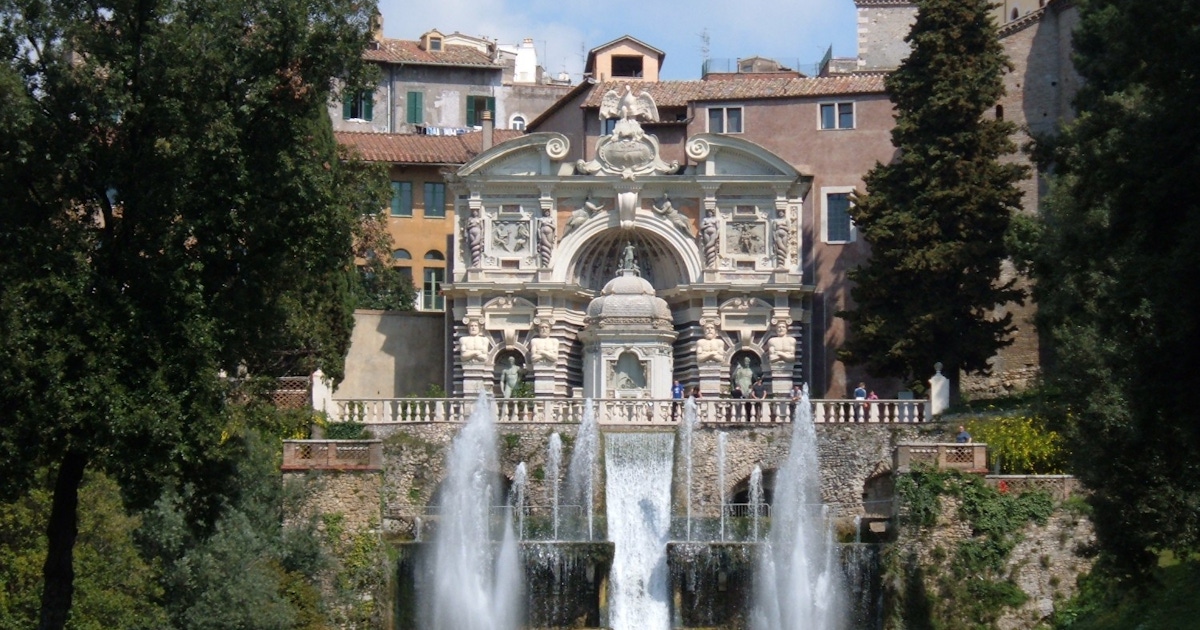
Tivoli blends history, culture, and everyday life into a destination filled with engaging museums and memorable attractions. This guide highlights the kinds of places visitors love and what to expect at each, plus practical tips for planning your day.
Flagship History Museum
The main city history museum in Tivoli typically traces the region from early settlement to the present through artifacts, photographs, and interactive exhibits. Expect rotating shows, a solid gift shop, and helpful context for everything else you’ll see.
Art Museum & Sculpture Garden
A leading art museum usually anchors the local scene with classics, contemporary works, and special exhibitions. If there’s an outdoor sculpture garden, it’s a relaxing way to pair culture with a walk.
Science & Discovery Center
Hands-on galleries make science approachable for all ages—think space, engineering, and ecosystems—often with an IMAX or planetarium.
Landmark Cathedral or Temple
Historic houses of worship give insight into Tivoli’s architectural styles and community roots. Many offer guided tours and quiet courtyards.
Iconic Public Square or Old Town
Central plazas and heritage streets concentrate cafes, street performers, and local crafts. They’re perfect for people‑watching and photos.
Riverside, Harbor or Promenade
Waterfront paths and viewpoints provide fresh air and skyline views. Look for sunset spots, public art, and casual dining.
Family Favorite: Zoo, Aquarium, or Insectarium
Animal-focused attractions pair conservation with education. Check feeding schedules or touch‑pools for interactive moments.
Living Culture: Music Hall or Theatre
An intimate performance venue showcases local sound—jazz, folk, or contemporary—making for a memorable night out.
Planning Tips
Buy timed tickets online for popular museums and special exhibits.
Combine nearby sights to minimize travel time; many districts are walkable.
Check weekly free or discounted hours; student, senior, and family passes can reduce costs.
Start early for quieter galleries and better photos.
Bottom Line
From cornerstone museums to living cultural venues and scenic promenades, Tivoli offers a balanced mix of learning, leisure, and local flavor.
Sponsored Popular Items
Quick take: Musement.com offers a worldwide selection of tours and attractions
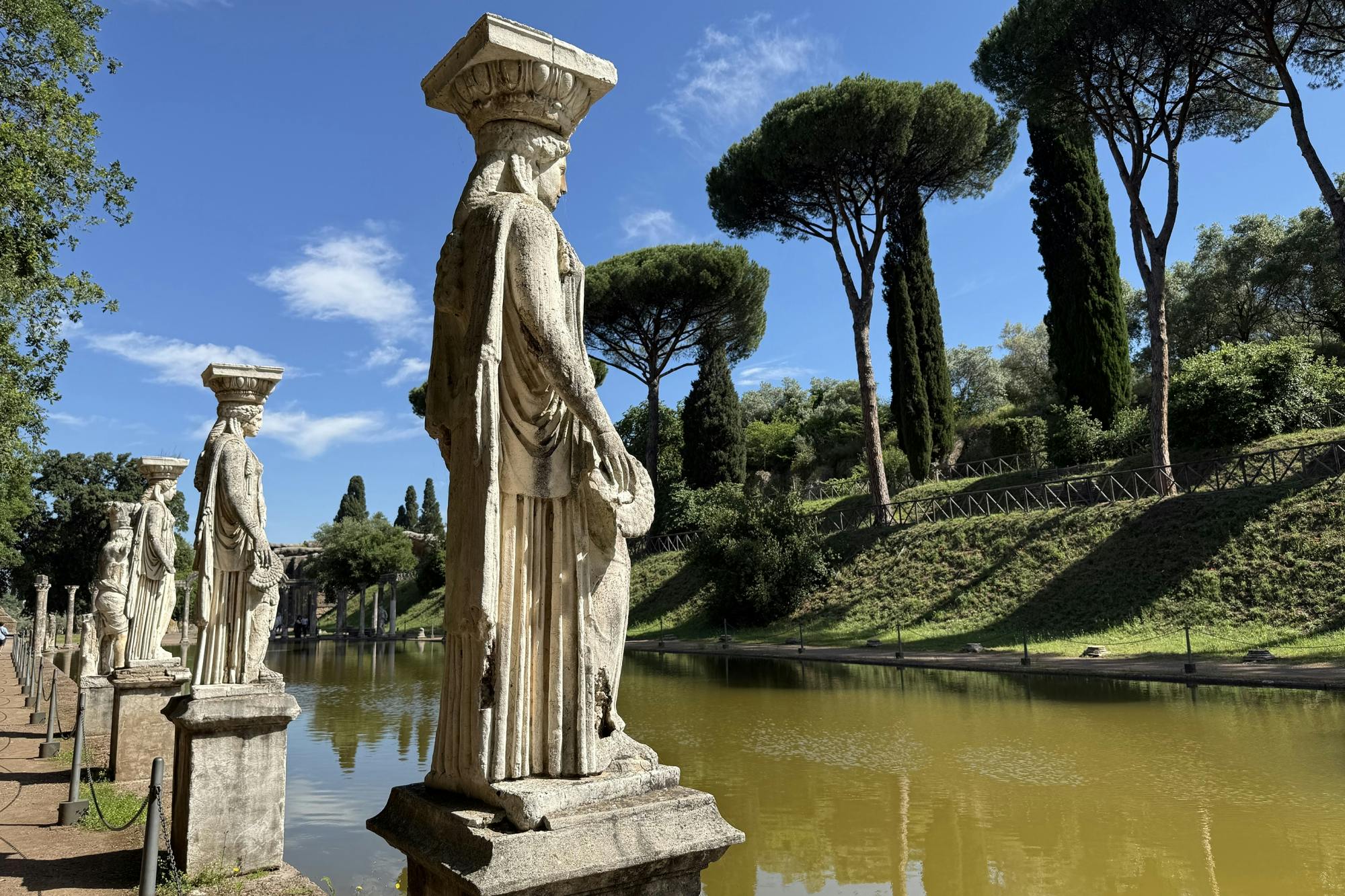
Tivoli Visitor Guide: Top Attractions, Tours & Activities Italy Tivoli is best suited to archaeology enthusiasts, garden lovers and Rome visitors seeking a full-day excursion. Check current availability, inclusions and booking details before you go.
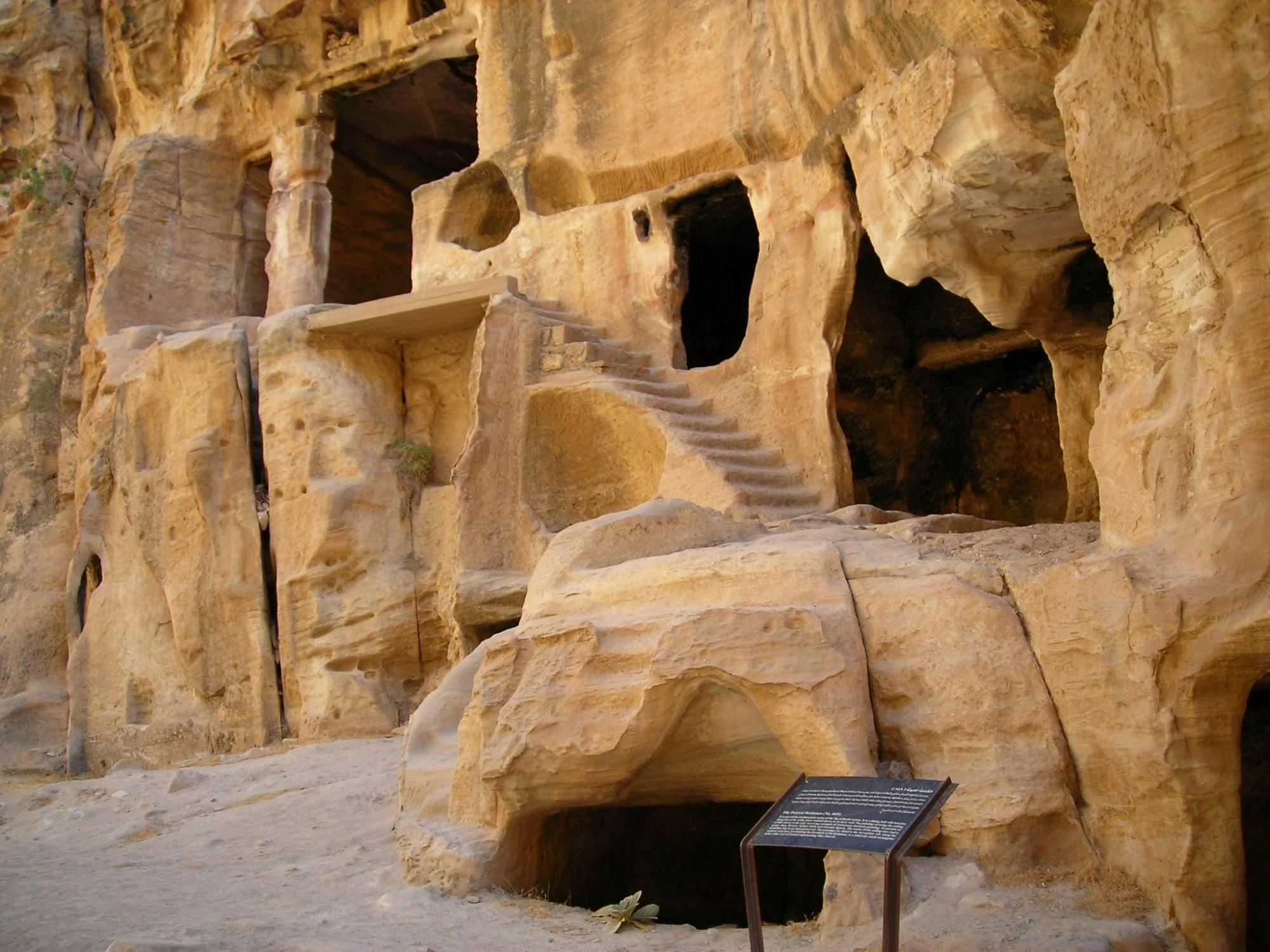
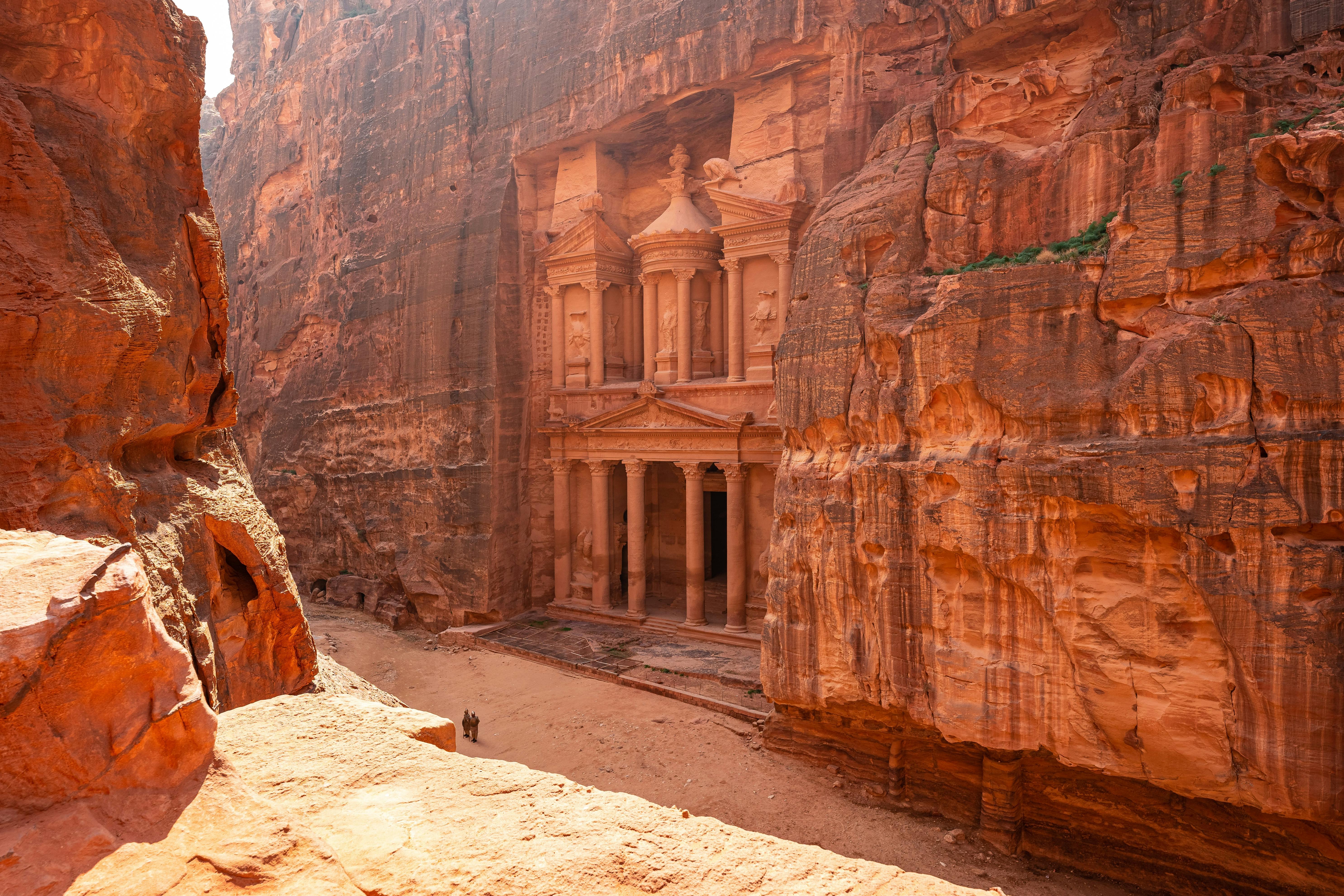
Private Full-Day Aqaba Shore Excursion to Petra and Little Petra - Travel Experience Jordan Petra and Little Petra Private Tour from Aqaba: A Journey Into Jordan’s Lost City If your cruise ship or holiday brings you to Aqaba , don’t miss the chance to explore Petra , one of the Seven Wonders of the World . Check current availability, inclusions and booking details before you go.
Why Visit Petra
Petra blends history, culture, and everyday life into a destination filled with engaging museums and memorable attractions. This guide highlights the kinds of places visitors love and what to expect at each, plus practical tips for planning your day.
Flagship History Museum
The main city history museum in Petra typically traces the region from early settlement to the present through artifacts, photographs, and interactive exhibits. Expect rotating shows, a solid gift shop, and helpful context for everything else you’ll see.
Art Museum & Sculpture Garden
A leading art museum usually anchors the local scene with classics, contemporary works, and special exhibitions. If there’s an outdoor sculpture garden, it’s a relaxing way to pair culture with a walk.
Science & Discovery Center
Hands-on galleries make science approachable for all ages—think space, engineering, and ecosystems—often with an IMAX or planetarium.
Landmark Cathedral or Temple
Historic houses of worship give insight into Petra’s architectural styles and community roots. Many offer guided tours and quiet courtyards.
Iconic Public Square or Old Town
Central plazas and heritage streets concentrate cafes, street performers, and local crafts. They’re perfect for people‑watching and photos.
Riverside, Harbor or Promenade
Waterfront paths and viewpoints provide fresh air and skyline views. Look for sunset spots, public art, and casual dining.
Family Favorite: Zoo, Aquarium, or Insectarium
Animal-focused attractions pair conservation with education. Check feeding schedules or touch‑pools for interactive moments.
Living Culture: Music Hall or Theatre
An intimate performance venue showcases local sound—jazz, folk, or contemporary—making for a memorable night out.
Planning Tips
Buy timed tickets online for popular museums and special exhibits.
Combine nearby sights to minimize travel time; many districts are walkable.
Check weekly free or discounted hours; student, senior, and family passes can reduce costs.
Start early for quieter galleries and better photos.
Bottom Line
From cornerstone museums to living cultural venues and scenic promenades, Petra offers a balanced mix of learning, leisure, and local flavor.
Sponsored Popular Items
Quick take: Musement.com offers a worldwide selection of tours and attractions
Private Full-Day Aqaba Shore Excursion to Petra and Little Petra - Travel Experience Jordan Petra and Little Petra Private Tour from Aqaba: A Journey Into Jordan’s Lost City If your cruise ship or holiday brings you to Aqaba , don’t miss the chance to explore Petra , one of the Seven Wonders of the World . Check current availability, inclusions and booking details before you go.
Private Petra Day Trip Including Little Petra - Guided Sightseeing Tour Jordan This private full-day tour from Amman or the Dead Sea takes you deep into the heart of the Nabatean kingdom, combining expert guiding with authentic Bedouin hospitality. Check current availability, inclusions and booking details before you go.
Private Petra Day Tour Including Little Petra from Dead Sea Private Petra day tour including Little Petra from Dead Sea is a convenient way to add structure, local context and purposeful sightseeing to the itinerary. Check current availability, inclusions and booking details before you go.