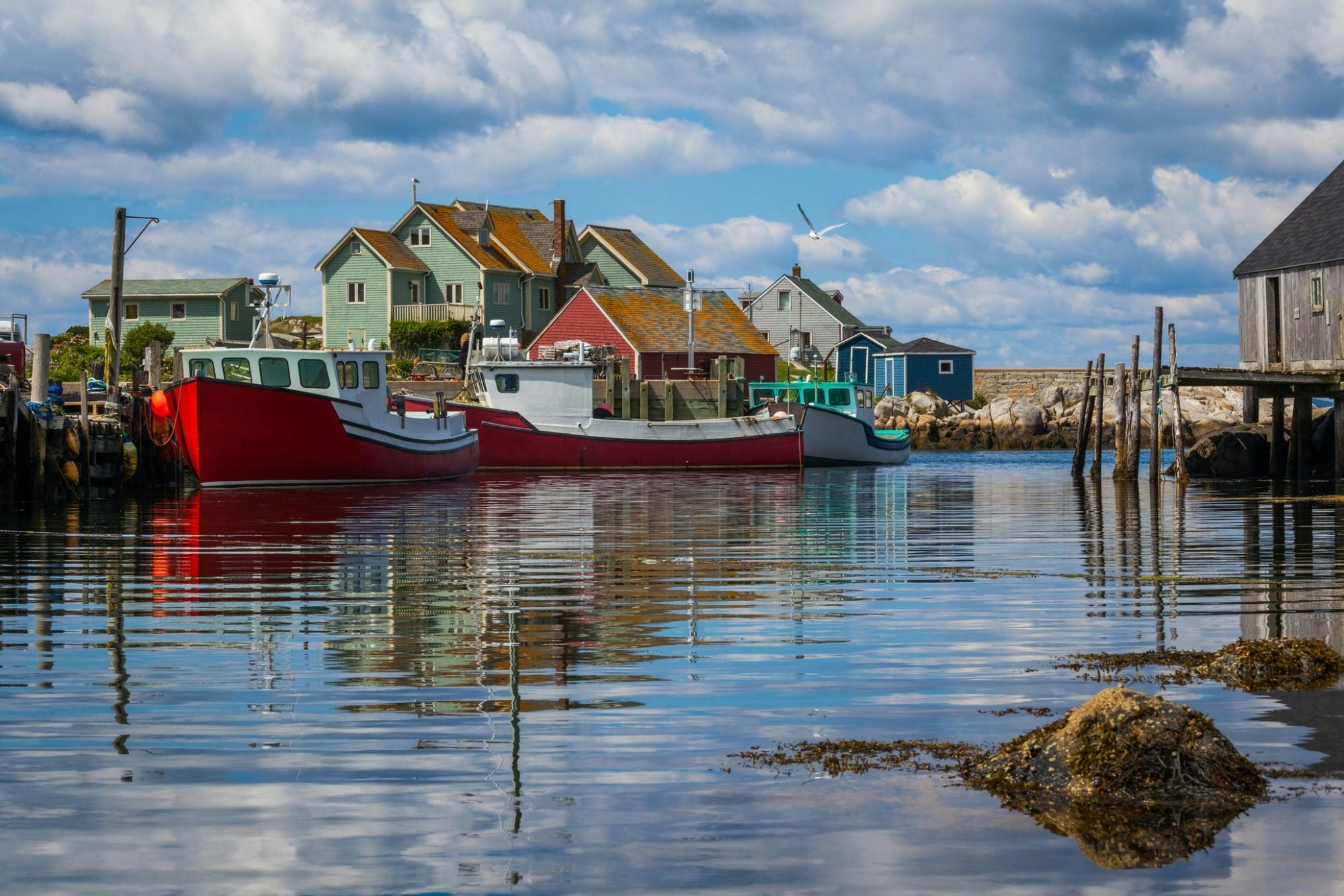
Jasper Hiking & Cycling Tours Canada Compare nature and outdoor experiences in Jasper Hiking & Cycling, with practical tips on timing, inclusions and choosing the right option. Check current availability, prices and booking conditions before you go.
Why Visit Jasper
Jasper blends history, culture, and everyday life into a destination filled with engaging museums and memorable attractions. This guide highlights the kinds of places visitors love and what to expect at each, plus practical tips for planning your day.
Flagship History Museum
The main city history museum in Jasper typically traces the region from early settlement to the present through artifacts, photographs, and interactive exhibits. Expect rotating shows, a solid gift shop, and helpful context for everything else you’ll see.
Art Museum & Sculpture Garden
A leading art museum usually anchors the local scene with classics, contemporary works, and special exhibitions. If there’s an outdoor sculpture garden, it’s a relaxing way to pair culture with a walk.
Science & Discovery Center
Hands-on galleries make science approachable for all ages—think space, engineering, and ecosystems—often with an IMAX or planetarium.
Landmark Cathedral or Temple
Historic houses of worship give insight into Jasper’s architectural styles and community roots. Many offer guided tours and quiet courtyards.
Iconic Public Square or Old Town
Central plazas and heritage streets concentrate cafes, street performers, and local crafts. They’re perfect for people‑watching and photos.
Riverside, Harbor or Promenade
Waterfront paths and viewpoints provide fresh air and skyline views. Look for sunset spots, public art, and casual dining.
Family Favorite: Zoo, Aquarium, or Insectarium
Animal-focused attractions pair conservation with education. Check feeding schedules or touch‑pools for interactive moments.
Living Culture: Music Hall or Theatre
An intimate performance venue showcases local sound—jazz, folk, or contemporary—making for a memorable night out.
Planning Tips
Buy timed tickets online for popular museums and special exhibits.
Combine nearby sights to minimize travel time; many districts are walkable.
Check weekly free or discounted hours; student, senior, and family passes can reduce costs.
Start early for quieter galleries and better photos.
Bottom Line
From cornerstone museums to living cultural venues and scenic promenades, Jasper offers a balanced mix of learning, leisure, and local flavor.
Sponsored Popular Items
Quick take: Musement.com offers a worldwide selection of tours and attractions
Jasper Hiking & Cycling Tours Canada Compare nature and outdoor experiences in Jasper Hiking & Cycling, with practical tips on timing, inclusions and choosing the right option. Check current availability, prices and booking conditions before you go.
Jasper Food Tours & Dining Experiences Canada Compare food and drink in Jasper, with practical tips on timing, inclusions and choosing the right option. Check current availability, prices and booking conditions before you go.
Jasper Nature Tours & Outdoor Experiences Canada Compare nature and outdoor experiences in Jasper, with practical tips on timing, inclusions and choosing the right option. Check current availability, prices and booking conditions before you go.
Jasper blends history, culture, and everyday life into a destination filled with engaging museums and memorable attractions. This guide highlights the kinds of places visitors love and what to expect at each, plus practical tips for planning your day.
Flagship History Museum
The main city history museum in Jasper typically traces the region from early settlement to the present through artifacts, photographs, and interactive exhibits. Expect rotating shows, a solid gift shop, and helpful context for everything else you’ll see.
Art Museum & Sculpture Garden
A leading art museum usually anchors the local scene with classics, contemporary works, and special exhibitions. If there’s an outdoor sculpture garden, it’s a relaxing way to pair culture with a walk.
Science & Discovery Center
Hands-on galleries make science approachable for all ages—think space, engineering, and ecosystems—often with an IMAX or planetarium.
Landmark Cathedral or Temple
Historic houses of worship give insight into Jasper’s architectural styles and community roots. Many offer guided tours and quiet courtyards.
Iconic Public Square or Old Town
Central plazas and heritage streets concentrate cafes, street performers, and local crafts. They’re perfect for people‑watching and photos.
Riverside, Harbor or Promenade
Waterfront paths and viewpoints provide fresh air and skyline views. Look for sunset spots, public art, and casual dining.
Family Favorite: Zoo, Aquarium, or Insectarium
Animal-focused attractions pair conservation with education. Check feeding schedules or touch‑pools for interactive moments.
Living Culture: Music Hall or Theatre
An intimate performance venue showcases local sound—jazz, folk, or contemporary—making for a memorable night out.
Planning Tips
Buy timed tickets online for popular museums and special exhibits.
Combine nearby sights to minimize travel time; many districts are walkable.
Check weekly free or discounted hours; student, senior, and family passes can reduce costs.
Start early for quieter galleries and better photos.
Bottom Line
From cornerstone museums to living cultural venues and scenic promenades, Jasper offers a balanced mix of learning, leisure, and local flavor.
Sponsored Popular Items
Quick take: Musement.com offers a worldwide selection of tours and attractions
Peak Nic in Jasper – Guided Tour Canada Peak Nic in Jasper is a convenient way to add structure, local context and purposeful sightseeing to the itinerary. Check current availability, inclusions and booking details before you go.
Halifax Hop-On Hop-Off Bus Tours & Sightseeing Canada Compare sightseeing experiences in Halifax Hop-On Hop-Off Bus Tours &, with practical tips on timing, inclusions and choosing the right option. Check current availability, prices and booking conditions before you go.
Why Visit Halifax
Halifax blends history, culture, and everyday life into a destination filled with engaging museums and memorable attractions. This guide highlights the kinds of places visitors love and what to expect at each, plus practical tips for planning your day.
Flagship History Museum
The main city history museum in Halifax typically traces the region from early settlement to the present through artifacts, photographs, and interactive exhibits. Expect rotating shows, a solid gift shop, and helpful context for everything else you’ll see.
Art Museum & Sculpture Garden
A leading art museum usually anchors the local scene with classics, contemporary works, and special exhibitions. If there’s an outdoor sculpture garden, it’s a relaxing way to pair culture with a walk.
Science & Discovery Center
Hands-on galleries make science approachable for all ages—think space, engineering, and ecosystems—often with an IMAX or planetarium.
Landmark Cathedral or Temple
Historic houses of worship give insight into Halifax’s architectural styles and community roots. Many offer guided tours and quiet courtyards.
Iconic Public Square or Old Town
Central plazas and heritage streets concentrate cafes, street performers, and local crafts. They’re perfect for people‑watching and photos.
Riverside, Harbor or Promenade
Waterfront paths and viewpoints provide fresh air and skyline views. Look for sunset spots, public art, and casual dining.
Family Favorite: Zoo, Aquarium, or Insectarium
Animal-focused attractions pair conservation with education. Check feeding schedules or touch‑pools for interactive moments.
Living Culture: Music Hall or Theatre
An intimate performance venue showcases local sound—jazz, folk, or contemporary—making for a memorable night out.
Planning Tips
Buy timed tickets online for popular museums and special exhibits.
Combine nearby sights to minimize travel time; many districts are walkable.
Check weekly free or discounted hours; student, senior, and family passes can reduce costs.
Start early for quieter galleries and better photos.
Bottom Line
From cornerstone museums to living cultural venues and scenic promenades, Halifax offers a balanced mix of learning, leisure, and local flavor.
Sponsored Popular Items
Quick take: Musement.com offers a worldwide selection of tours and attractions
Halifax Hop-On Hop-Off Bus Tours & Sightseeing Canada Compare sightseeing experiences in Halifax Hop-On Hop-Off Bus Tours &, with practical tips on timing, inclusions and choosing the right option. Check current availability, prices and booking conditions before you go.
Best of Halifax with Peggy's Cove Tour – Guided Tour Canada Best of Halifax with Peggy's Cove tour is a convenient way to add structure, local context and purposeful sightseeing to the itinerary. Check current availability, inclusions and booking details before you go.
Peggy’s Cove Guided Tour from Halifax Canada Peggy’s Cove guided tour from Halifax brings several elements of the destination together in one organised experience. Check current availability, inclusions and booking details before you go.
Calgary Nature Tours & Outdoor Experiences Canada Compare nature and outdoor experiences in Calgary, with practical tips on timing, inclusions and choosing the right option. Check current availability, prices and booking conditions before you go.
Why Visit Calgary
Calgary blends history, culture, and everyday life into a destination filled with engaging museums and memorable attractions. This guide highlights the kinds of places visitors love and what to expect at each, plus practical tips for planning your day.
Flagship History Museum
The main city history museum in Calgary typically traces the region from early settlement to the present through artifacts, photographs, and interactive exhibits. Expect rotating shows, a solid gift shop, and helpful context for everything else you’ll see.
Art Museum & Sculpture Garden
A leading art museum usually anchors the local scene with classics, contemporary works, and special exhibitions. If there’s an outdoor sculpture garden, it’s a relaxing way to pair culture with a walk.
Science & Discovery Center
Hands-on galleries make science approachable for all ages—think space, engineering, and ecosystems—often with an IMAX or planetarium.
Landmark Cathedral or Temple
Historic houses of worship give insight into Calgary’s architectural styles and community roots. Many offer guided tours and quiet courtyards.
Iconic Public Square or Old Town
Central plazas and heritage streets concentrate cafes, street performers, and local crafts. They’re perfect for people‑watching and photos.
Riverside, Harbor or Promenade
Waterfront paths and viewpoints provide fresh air and skyline views. Look for sunset spots, public art, and casual dining.
Family Favorite: Zoo, Aquarium, or Insectarium
Animal-focused attractions pair conservation with education. Check feeding schedules or touch‑pools for interactive moments.
Living Culture: Music Hall or Theatre
An intimate performance venue showcases local sound—jazz, folk, or contemporary—making for a memorable night out.
Planning Tips
Buy timed tickets online for popular museums and special exhibits.
Combine nearby sights to minimize travel time; many districts are walkable.
Check weekly free or discounted hours; student, senior, and family passes can reduce costs.
Start early for quieter galleries and better photos.
Bottom Line
From cornerstone museums to living cultural venues and scenic promenades, Calgary offers a balanced mix of learning, leisure, and local flavor.
Sponsored Popular Items
Quick take: Musement.com offers a worldwide selection of tours and attractions
Calgary Nature Tours & Outdoor Experiences Canada Compare nature and outdoor experiences in Calgary, with practical tips on timing, inclusions and choosing the right option. Check current availability, prices and booking conditions before you go.
Calgary Cable Car Rides & Scenic Experiences Canada Compare sightseeing experiences in Calgary Cable Car Rides & Scenic, with practical tips on timing, inclusions and choosing the right option. Check current availability, prices and booking conditions before you go.
Why Visit Calgary
Calgary blends history, culture, and everyday life into a destination filled with engaging museums and memorable attractions. This guide highlights the kinds of places visitors love and what to expect at each, plus practical tips for planning your day.
Flagship History Museum
The main city history museum in Calgary typically traces the region from early settlement to the present through artifacts, photographs, and interactive exhibits. Expect rotating shows, a solid gift shop, and helpful context for everything else you’ll see.
Art Museum & Sculpture Garden
A leading art museum usually anchors the local scene with classics, contemporary works, and special exhibitions. If there’s an outdoor sculpture garden, it’s a relaxing way to pair culture with a walk.
Science & Discovery Center
Hands-on galleries make science approachable for all ages—think space, engineering, and ecosystems—often with an IMAX or planetarium.
Landmark Cathedral or Temple
Historic houses of worship give insight into Calgary’s architectural styles and community roots. Many offer guided tours and quiet courtyards.
Iconic Public Square or Old Town
Central plazas and heritage streets concentrate cafes, street performers, and local crafts. They’re perfect for people‑watching and photos.
Riverside, Harbor or Promenade
Waterfront paths and viewpoints provide fresh air and skyline views. Look for sunset spots, public art, and casual dining.
Family Favorite: Zoo, Aquarium, or Insectarium
Animal-focused attractions pair conservation with education. Check feeding schedules or touch‑pools for interactive moments.
Living Culture: Music Hall or Theatre
An intimate performance venue showcases local sound—jazz, folk, or contemporary—making for a memorable night out.
Planning Tips
Buy timed tickets online for popular museums and special exhibits.
Combine nearby sights to minimize travel time; many districts are walkable.
Check weekly free or discounted hours; student, senior, and family passes can reduce costs.
Start early for quieter galleries and better photos.
Bottom Line
From cornerstone museums to living cultural venues and scenic promenades, Calgary offers a balanced mix of learning, leisure, and local flavor.
Sponsored Popular Items
Quick take: Musement.com offers a worldwide selection of tours and attractions
Calgary Cable Car Rides & Scenic Experiences Canada Compare sightseeing experiences in Calgary Cable Car Rides & Scenic, with practical tips on timing, inclusions and choosing the right option. Check current availability, prices and booking conditions before you go.
Calgary Winter Activities & Snow Adventures Canada Compare sightseeing experiences in Calgary Winter, with practical tips on timing, inclusions and choosing the right option. Check current availability, prices and booking conditions before you go.
Why Visit Calgary
Calgary blends history, culture, and everyday life into a destination filled with engaging museums and memorable attractions. This guide highlights the kinds of places visitors love and what to expect at each, plus practical tips for planning your day.
Flagship History Museum
The main city history museum in Calgary typically traces the region from early settlement to the present through artifacts, photographs, and interactive exhibits. Expect rotating shows, a solid gift shop, and helpful context for everything else you’ll see.
Art Museum & Sculpture Garden
A leading art museum usually anchors the local scene with classics, contemporary works, and special exhibitions. If there’s an outdoor sculpture garden, it’s a relaxing way to pair culture with a walk.
Science & Discovery Center
Hands-on galleries make science approachable for all ages—think space, engineering, and ecosystems—often with an IMAX or planetarium.
Landmark Cathedral or Temple
Historic houses of worship give insight into Calgary’s architectural styles and community roots. Many offer guided tours and quiet courtyards.
Iconic Public Square or Old Town
Central plazas and heritage streets concentrate cafes, street performers, and local crafts. They’re perfect for people‑watching and photos.
Riverside, Harbor or Promenade
Waterfront paths and viewpoints provide fresh air and skyline views. Look for sunset spots, public art, and casual dining.
Family Favorite: Zoo, Aquarium, or Insectarium
Animal-focused attractions pair conservation with education. Check feeding schedules or touch‑pools for interactive moments.
Living Culture: Music Hall or Theatre
An intimate performance venue showcases local sound—jazz, folk, or contemporary—making for a memorable night out.
Planning Tips
Buy timed tickets online for popular museums and special exhibits.
Combine nearby sights to minimize travel time; many districts are walkable.
Check weekly free or discounted hours; student, senior, and family passes can reduce costs.
Start early for quieter galleries and better photos.
Bottom Line
From cornerstone museums to living cultural venues and scenic promenades, Calgary offers a balanced mix of learning, leisure, and local flavor.
Sponsored Popular Items
Quick take: Musement.com offers a worldwide selection of tours and attractions
Calgary Winter Activities & Snow Adventures Canada Compare sightseeing experiences in Calgary Winter, with practical tips on timing, inclusions and choosing the right option. Check current availability, prices and booking conditions before you go.
Calgary Visitor Guide: Top Attractions, Tours & Activities Canada Quick overview: Calgary in Alberta, Canada is best experienced by combining its headline attractions with neighbourhoods, landscapes and local culture. Check current availability, inclusions and booking details before you go.
Montreal Hiking & Cycling Tours Canada Compare nature and outdoor experiences in Montreal Hiking & Cycling, with practical tips on timing, inclusions and choosing the right option. Check current availability, prices and booking conditions before you go.
Why Visit Montreal
Montreal blends history, culture, and everyday life into a destination filled with engaging museums and memorable attractions. This guide highlights the kinds of places visitors love and what to expect at each, plus practical tips for planning your day.
Flagship History Museum
The main city history museum in Montreal typically traces the region from early settlement to the present through artifacts, photographs, and interactive exhibits. Expect rotating shows, a solid gift shop, and helpful context for everything else you’ll see.
Art Museum & Sculpture Garden
A leading art museum usually anchors the local scene with classics, contemporary works, and special exhibitions. If there’s an outdoor sculpture garden, it’s a relaxing way to pair culture with a walk.
Science & Discovery Center
Hands-on galleries make science approachable for all ages—think space, engineering, and ecosystems—often with an IMAX or planetarium.
Landmark Cathedral or Temple
Historic houses of worship give insight into Montreal’s architectural styles and community roots. Many offer guided tours and quiet courtyards.
Iconic Public Square or Old Town
Central plazas and heritage streets concentrate cafes, street performers, and local crafts. They’re perfect for people‑watching and photos.
Riverside, Harbor or Promenade
Waterfront paths and viewpoints provide fresh air and skyline views. Look for sunset spots, public art, and casual dining.
Family Favorite: Zoo, Aquarium, or Insectarium
Animal-focused attractions pair conservation with education. Check feeding schedules or touch‑pools for interactive moments.
Living Culture: Music Hall or Theatre
An intimate performance venue showcases local sound—jazz, folk, or contemporary—making for a memorable night out.
Planning Tips
Buy timed tickets online for popular museums and special exhibits.
Combine nearby sights to minimize travel time; many districts are walkable.
Check weekly free or discounted hours; student, senior, and family passes can reduce costs.
Start early for quieter galleries and better photos.
Bottom Line
From cornerstone museums to living cultural venues and scenic promenades, Montreal offers a balanced mix of learning, leisure, and local flavor.
Sponsored Popular Items
Quick take: Musement.com offers a worldwide selection of tours and attractions
Montreal Hiking & Cycling Tours Canada Compare nature and outdoor experiences in Montreal Hiking & Cycling, with practical tips on timing, inclusions and choosing the right option. Check current availability, prices and booking conditions before you go.
Vista architecture bike tour in Montreal Canada Plan Vista architecture bike tour in Montreal, a outdoor experience, with practical tips on timing, inclusions and what to check before booking. Compare current availability, prices and booking conditions before you go.
Young Family Bike Rental Package in Montreal - Rental Experience Canada Young family bike rental package in Montreal gives travellers greater control over their pace and route without being tied to a fixed guided schedule. Check current availability, inclusions and booking details before you go.
Toronto Nature Tours & Outdoor Experiences Canada Compare nature and outdoor experiences in Toronto, with practical tips on timing, inclusions and choosing the right option. Check current availability, prices and booking conditions before you go.
Why Visit Toronto
Toronto blends history, culture, and everyday life into a destination filled with engaging museums and memorable attractions. This guide highlights the kinds of places visitors love and what to expect at each, plus practical tips for planning your day.
Flagship History Museum
The main city history museum in Toronto typically traces the region from early settlement to the present through artifacts, photographs, and interactive exhibits. Expect rotating shows, a solid gift shop, and helpful context for everything else you’ll see.
Art Museum & Sculpture Garden
A leading art museum usually anchors the local scene with classics, contemporary works, and special exhibitions. If there’s an outdoor sculpture garden, it’s a relaxing way to pair culture with a walk.
Science & Discovery Center
Hands-on galleries make science approachable for all ages—think space, engineering, and ecosystems—often with an IMAX or planetarium.
Landmark Cathedral or Temple
Historic houses of worship give insight into Toronto’s architectural styles and community roots. Many offer guided tours and quiet courtyards.
Iconic Public Square or Old Town
Central plazas and heritage streets concentrate cafes, street performers, and local crafts. They’re perfect for people‑watching and photos.
Riverside, Harbor or Promenade
Waterfront paths and viewpoints provide fresh air and skyline views. Look for sunset spots, public art, and casual dining.
Family Favorite: Zoo, Aquarium, or Insectarium
Animal-focused attractions pair conservation with education. Check feeding schedules or touch‑pools for interactive moments.
Living Culture: Music Hall or Theatre
An intimate performance venue showcases local sound—jazz, folk, or contemporary—making for a memorable night out.
Planning Tips
Buy timed tickets online for popular museums and special exhibits.
Combine nearby sights to minimize travel time; many districts are walkable.
Check weekly free or discounted hours; student, senior, and family passes can reduce costs.
Start early for quieter galleries and better photos.
Bottom Line
From cornerstone museums to living cultural venues and scenic promenades, Toronto offers a balanced mix of learning, leisure, and local flavor.
Sponsored Popular Items
Quick take: Musement.com offers a worldwide selection of tours and attractions
Toronto Nature Tours & Outdoor Experiences Canada Compare nature and outdoor experiences in Toronto, with practical tips on timing, inclusions and choosing the right option. Check current availability, prices and booking conditions before you go.
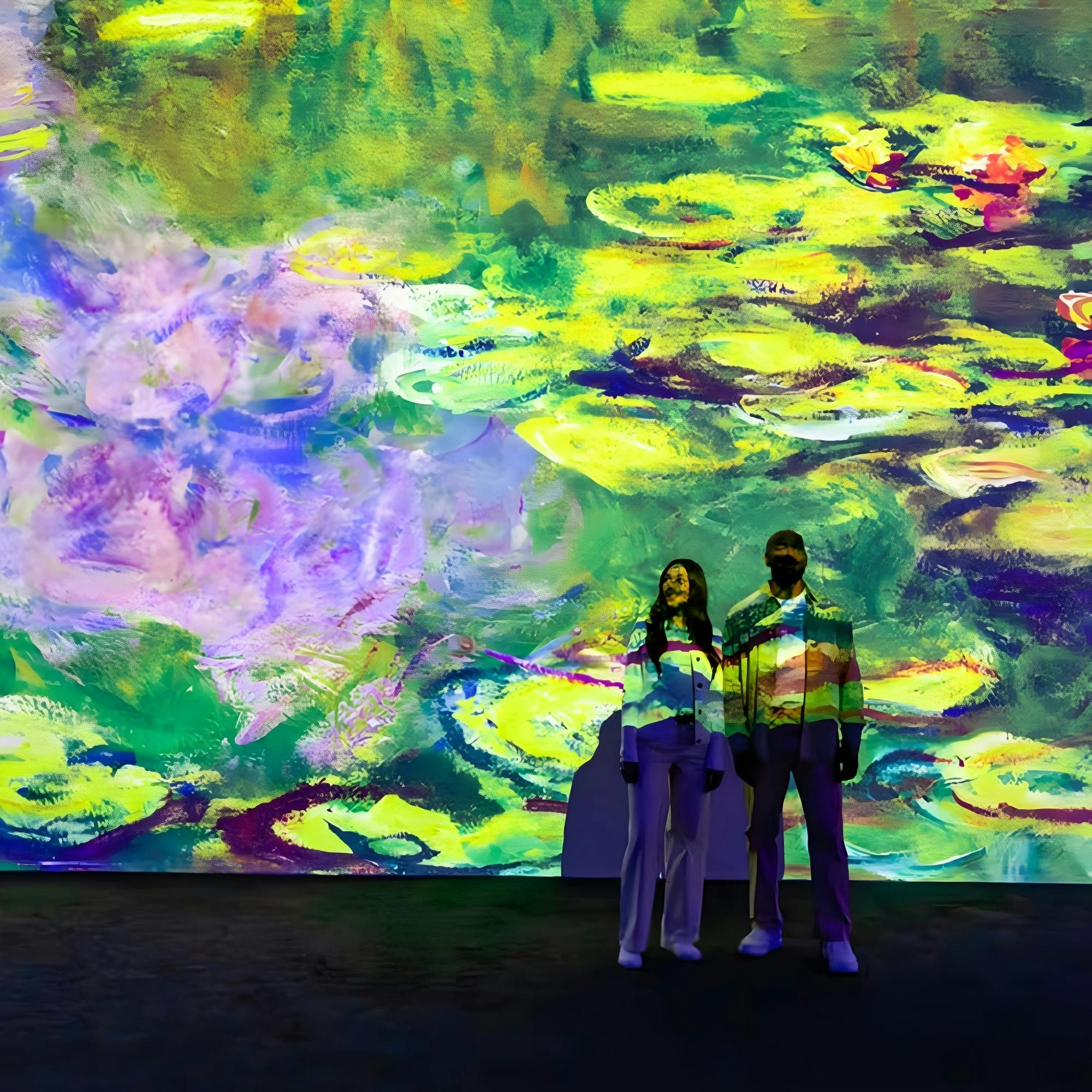
Ticket to Monet: The Immersive Experience in Toronto Canada Plan Ticket to Monet: The Immersive Experience in Toronto, a ticket or attraction experience, with practical tips on timing, inclusions and what to check before booking. Compare current availability, prices and booking conditions before you go.
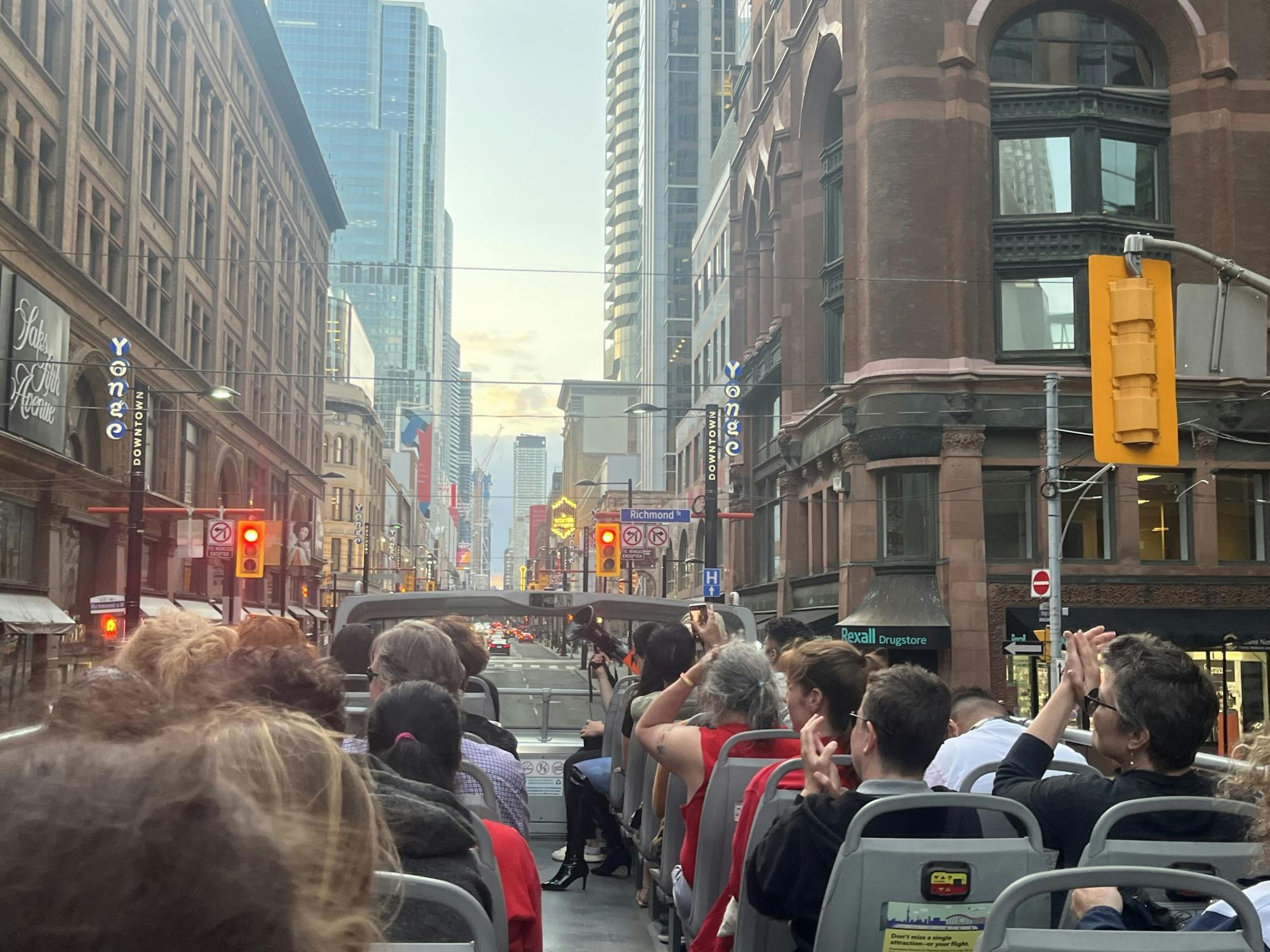
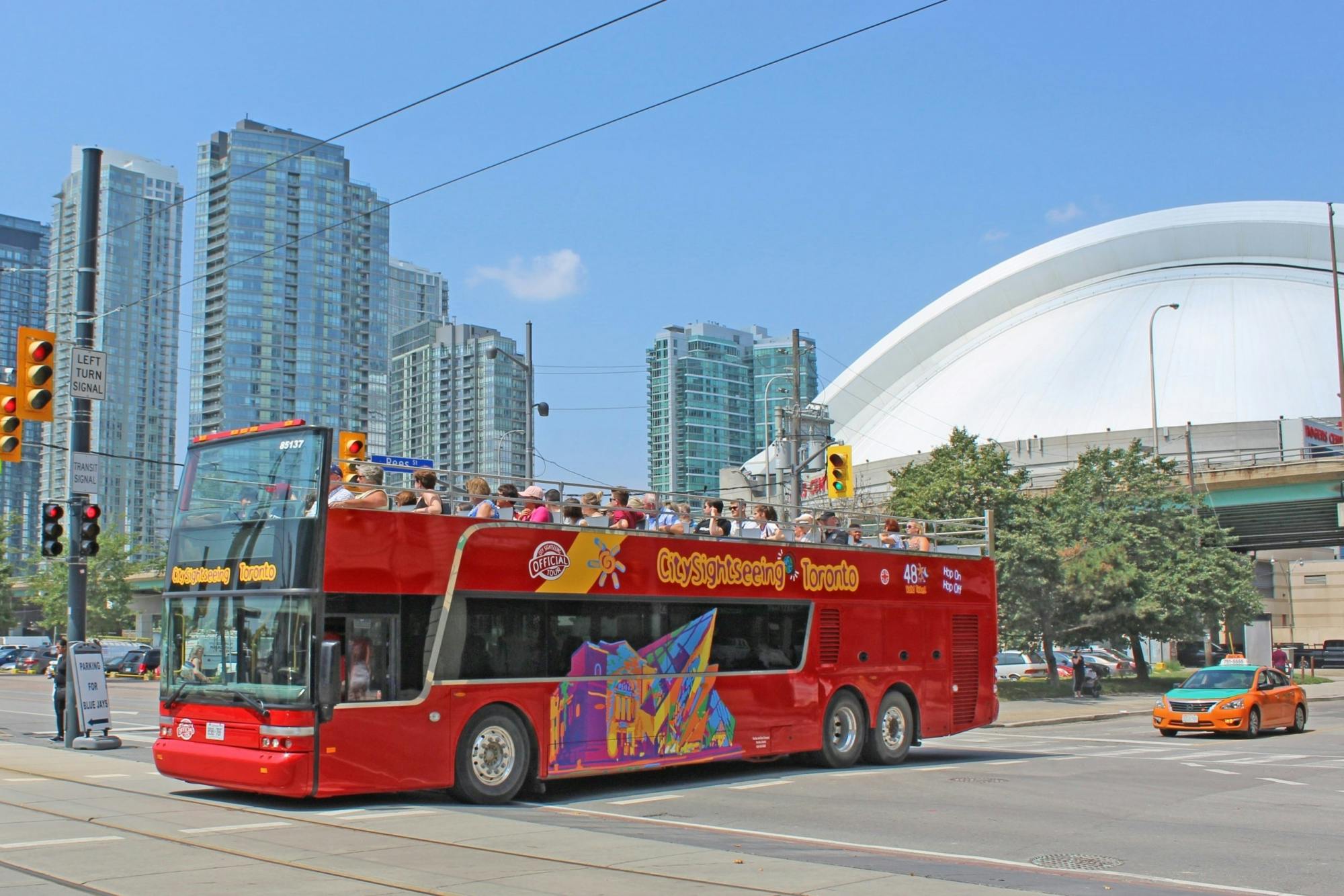
City Sightseeing Night Bus Tour of Toronto Canada Plan City Sightseeing Night Bus Tour of Toronto, a guided sightseeing experience, with practical tips on timing, inclusions and what to check before booking. Compare current availability, prices and booking conditions before you go.
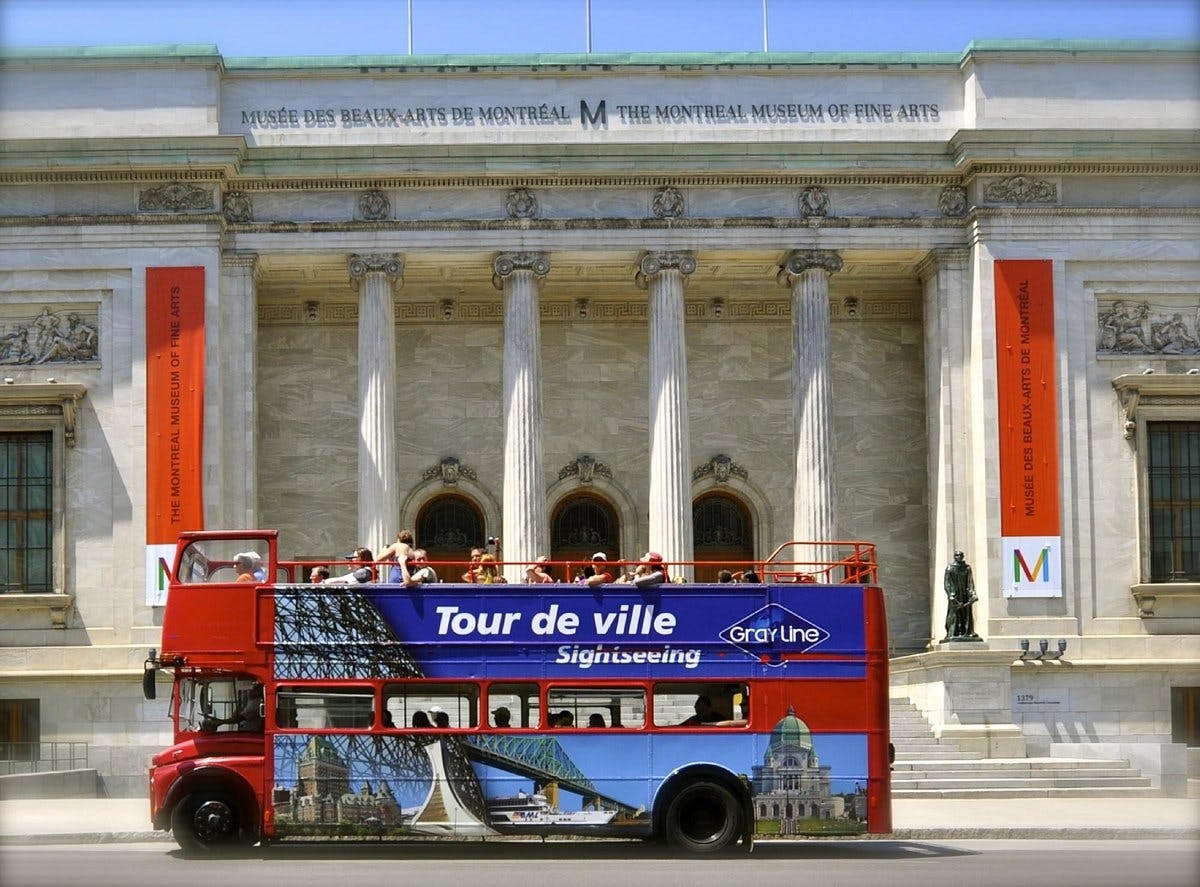
2-day hop-on hop-off tour of Montreal by day and night Canada Plan 2-day hop-on hop-off tour of Montreal by day and night, a guided sightseeing experience, with practical tips on timing, inclusions and what to check before booking. Compare current availability, prices and booking conditions before you go.
Why Visit Montreal
Montreal blends history, culture, and everyday life into a destination filled with engaging museums and memorable attractions. This guide highlights the kinds of places visitors love and what to expect at each, plus practical tips for planning your day.
Flagship History Museum
The main city history museum in Montreal typically traces the region from early settlement to the present through artifacts, photographs, and interactive exhibits. Expect rotating shows, a solid gift shop, and helpful context for everything else you’ll see.
Art Museum & Sculpture Garden
A leading art museum usually anchors the local scene with classics, contemporary works, and special exhibitions. If there’s an outdoor sculpture garden, it’s a relaxing way to pair culture with a walk.
Science & Discovery Center
Hands-on galleries make science approachable for all ages—think space, engineering, and ecosystems—often with an IMAX or planetarium.
Landmark Cathedral or Temple
Historic houses of worship give insight into Montreal’s architectural styles and community roots. Many offer guided tours and quiet courtyards.
Iconic Public Square or Old Town
Central plazas and heritage streets concentrate cafes, street performers, and local crafts. They’re perfect for people‑watching and photos.
Riverside, Harbor or Promenade
Waterfront paths and viewpoints provide fresh air and skyline views. Look for sunset spots, public art, and casual dining.
Family Favorite: Zoo, Aquarium, or Insectarium
Animal-focused attractions pair conservation with education. Check feeding schedules or touch‑pools for interactive moments.
Living Culture: Music Hall or Theatre
An intimate performance venue showcases local sound—jazz, folk, or contemporary—making for a memorable night out.
Planning Tips
Buy timed tickets online for popular museums and special exhibits.
Combine nearby sights to minimize travel time; many districts are walkable.
Check weekly free or discounted hours; student, senior, and family passes can reduce costs.
Start early for quieter galleries and better photos.
Bottom Line
From cornerstone museums to living cultural venues and scenic promenades, Montreal offers a balanced mix of learning, leisure, and local flavor.
Sponsored Popular Items
Quick take: Musement.com offers a worldwide selection of tours and attractions
2-day hop-on hop-off tour of Montreal by day and night Canada Plan 2-day hop-on hop-off tour of Montreal by day and night, a guided sightseeing experience, with practical tips on timing, inclusions and what to check before booking. Compare current availability, prices and booking conditions before you go.
Montreal Hop-On Hop-Off Bus Tours & Sightseeing Canada Compare sightseeing experiences in Montreal Hop-On Hop-Off Bus Tours &, with practical tips on timing, inclusions and choosing the right option. Check current availability, prices and booking conditions before you go.
Toronto blends history, culture, and everyday life into a destination filled with engaging museums and memorable attractions. This guide highlights the kinds of places visitors love and what to expect at each, plus practical tips for planning your day.
Flagship History Museum
The main city history museum in Toronto typically traces the region from early settlement to the present through artifacts, photographs, and interactive exhibits. Expect rotating shows, a solid gift shop, and helpful context for everything else you’ll see.
Art Museum & Sculpture Garden
A leading art museum usually anchors the local scene with classics, contemporary works, and special exhibitions. If there’s an outdoor sculpture garden, it’s a relaxing way to pair culture with a walk.
Science & Discovery Center
Hands-on galleries make science approachable for all ages—think space, engineering, and ecosystems—often with an IMAX or planetarium.
Landmark Cathedral or Temple
Historic houses of worship give insight into Toronto’s architectural styles and community roots. Many offer guided tours and quiet courtyards.
Iconic Public Square or Old Town
Central plazas and heritage streets concentrate cafes, street performers, and local crafts. They’re perfect for people‑watching and photos.
Riverside, Harbor or Promenade
Waterfront paths and viewpoints provide fresh air and skyline views. Look for sunset spots, public art, and casual dining.
Family Favorite: Zoo, Aquarium, or Insectarium
Animal-focused attractions pair conservation with education. Check feeding schedules or touch‑pools for interactive moments.
Living Culture: Music Hall or Theatre
An intimate performance venue showcases local sound—jazz, folk, or contemporary—making for a memorable night out.
Planning Tips
Buy timed tickets online for popular museums and special exhibits.
Combine nearby sights to minimize travel time; many districts are walkable.
Check weekly free or discounted hours; student, senior, and family passes can reduce costs.
Start early for quieter galleries and better photos.
Bottom Line
From cornerstone museums to living cultural venues and scenic promenades, Toronto offers a balanced mix of learning, leisure, and local flavor.
Sponsored Popular Items
Quick take: Musement.com offers a worldwide selection of tours and attractions
City Sightseeing Night Bus Tour of Toronto Canada Plan City Sightseeing Night Bus Tour of Toronto, a guided sightseeing experience, with practical tips on timing, inclusions and what to check before booking. Compare current availability, prices and booking conditions before you go.
Toronto City Tours & Sightseeing Experiences Canada Compare sightseeing experiences in Toronto, with practical tips on timing, inclusions and choosing the right option. Check current availability, prices and booking conditions before you go.
Montreal Cruises & Boat Tours Canada Compare water-based experiences in Montreal, with practical tips on timing, inclusions and choosing the right option. Check current availability, prices and booking conditions before you go.
Why Visit Montreal
Montreal blends history, culture, and everyday life into a destination filled with engaging museums and memorable attractions. This guide highlights the kinds of places visitors love and what to expect at each, plus practical tips for planning your day.
Flagship History Museum
The main city history museum in Montreal typically traces the region from early settlement to the present through artifacts, photographs, and interactive exhibits. Expect rotating shows, a solid gift shop, and helpful context for everything else you’ll see.
Art Museum & Sculpture Garden
A leading art museum usually anchors the local scene with classics, contemporary works, and special exhibitions. If there’s an outdoor sculpture garden, it’s a relaxing way to pair culture with a walk.
Science & Discovery Center
Hands-on galleries make science approachable for all ages—think space, engineering, and ecosystems—often with an IMAX or planetarium.
Landmark Cathedral or Temple
Historic houses of worship give insight into Montreal’s architectural styles and community roots. Many offer guided tours and quiet courtyards.
Iconic Public Square or Old Town
Central plazas and heritage streets concentrate cafes, street performers, and local crafts. They’re perfect for people‑watching and photos.
Riverside, Harbor or Promenade
Waterfront paths and viewpoints provide fresh air and skyline views. Look for sunset spots, public art, and casual dining.
Family Favorite: Zoo, Aquarium, or Insectarium
Animal-focused attractions pair conservation with education. Check feeding schedules or touch‑pools for interactive moments.
Living Culture: Music Hall or Theatre
An intimate performance venue showcases local sound—jazz, folk, or contemporary—making for a memorable night out.
Planning Tips
Buy timed tickets online for popular museums and special exhibits.
Combine nearby sights to minimize travel time; many districts are walkable.
Check weekly free or discounted hours; student, senior, and family passes can reduce costs.
Start early for quieter galleries and better photos.
Bottom Line
From cornerstone museums to living cultural venues and scenic promenades, Montreal offers a balanced mix of learning, leisure, and local flavor.
Sponsored Popular Items
Quick take: Musement.com offers a worldwide selection of tours and attractions
Montreal Cruises & Boat Tours Canada Compare water-based experiences in Montreal, with practical tips on timing, inclusions and choosing the right option. Check current availability, prices and booking conditions before you go.
Vista architecture bike tour in Montreal Canada Plan Vista architecture bike tour in Montreal, a outdoor experience, with practical tips on timing, inclusions and what to check before booking. Compare current availability, prices and booking conditions before you go.
Montreal tour by night. Canada Plan Montreal tour by night., a guided sightseeing experience, with practical tips on timing, inclusions and what to check before booking. Compare current availability, prices and booking conditions before you go.
Toronto’s harbour and lake cruises offer unbeatable skyline views, access to the Toronto Islands, relaxing sightseeing tours and elegant dinner cruises — making them a must-do for visitors and locals alike seeking a fresh perspective on the city from the water.
Best For: First-time visitors, families, couples, groups, photography lovers
Recommended Months: Late spring through early autumn (cruise season usually May–October)
FAQ
Q: How long are typical Toronto harbour cruises? Most sightseeing cruises last about 45–60 minutes; dinner or brunch cruises may run 2–3 hours. Many tours also offer flexible departure times. :contentReference[oaicite:0]{index=0}
Q: Where do cruises depart from? Most tours leave from Pier 6 at Harbourfront Centre, at the foot of Queens Quay West. :contentReference[oaicite:1]{index=1}
Q: What will I see on a skyline or islands cruise? Expect panoramic views of Toronto’s skyline (including the CN Tower and Rogers Centre), the harbour waterfront, Toronto Islands, lakefront, and possibly sunsets over Lake Ontario. :contentReference[oaicite:2]{index=2}
Q: Are there food or drink options onboard? Yes — many dinner, brunch, or evening cruises offer meals, snacks or drinks, and some tall-ship sails even feature licensed bars or catering. :contentReference[oaicite:3]{index=3}
Q: Can I visit the Toronto Islands from a cruise? Some harbour & islands cruises circle the islands. For full access, combine the cruise with the city’s ferry or water-taxi service. :contentReference[oaicite:4]{index=4}
Q: When is cruise season? Cruise operations are usually seasonal — mainly from late spring through early autumn (May to October) — and are subject to weather conditions. :contentReference[oaicite:5]{index=5}
Explore Toronto from the Water: Harbour, Islands & Dinner Cruises
Toronto’s waterfront offers a beautiful, relaxing way to experience the city from a completely different perspective. With cruises departing regularly from downtown — whether you’re after a quick skyline tour, an island escape, or a romantic dinner on the lake — there’s something for everyone.
Why You Should Try a Cruise in Toronto
Glide gently across Lake Ontario or through the inner harbour and discover Toronto’s iconic skyline from the water, escape to peaceful islands, or enjoy a unique dining experience under the stars. Cruising offers a fresh vantage point for photography, sightseeing, relaxation, and special celebrations.
Popular Cruise Types & What They Offer
Sightseeing & Skyline Cruises
These cruises (45–60 mins) are perfect for a quick but memorable experience. Departing from Harbourfront Centre, they pass by the CN Tower, Rogers Centre, and waterfront skyline — often with live narration or audio commentary. Great for first-time visitors or those short on time. :contentReference[oaicite:6]{index=6}
Harbour & Islands Cruises
For a mix of cityscape and nature, choose a cruise that circles the Toronto Islands. You’ll see the skyline fade into tranquil lagoons, marinas, and green spaces — a peaceful contrast to the urban core. Some boats offer 360° viewing decks for perfect photo opportunities. :contentReference[oaicite:7]{index=7}
Tall Ship & Themed Cruises
Looking for charm and nostalgia? Cruise aboard a 165-ft three-masted schooner for a classic sail around the harbour. These cruises — often offered as day sails, sunset sails, or chartered events — combine heritage, fresh breezes, and a slower pace. Perfect for special occasions or a romantic outing. :contentReference[oaicite:8]{index=8}
Dinner, Brunch & Evening Cruises
When the sun begins to set over Lake Ontario, evening cruises offer a magical way to see Toronto’s lights. Enjoy a meal, drinks, or a cocktail while passing under moonlight and city glow. Many dinner cruises cater for celebrations like birthdays, anniversaries, and group events. :contentReference[oaicite:9]{index=9}
Practical Tips for a Great Cruise Experience
Book timed tickets online — popular cruises fill quickly, especially in summer weekends.
Arrive at least 15 minutes before departure to get seats on covered decks or upper viewing decks.
Bring a light jacket — even in summer evenings the lake breeze can be chilly.
Combine your cruise with a walk along the waterfront, dinner at Harbourfront restaurants, or a visit to nearby attractions like the waterfront park or CN Tower.
Check weather forecasts — some cruises may be cancelled or rescheduled in poor conditions.
Bottom Line
Whether you have just an hour to spare or want an entire evening on the water, Toronto’s cruise scene offers a unique, refreshing way to see the city. From skyline views to island escapes, tall-ship sails to sunset dinners, there’s a cruise for every mood — and a view you won’t forget.
Sponsored Popular Items
Quick take: Musement.com offers a worldwide selection of tours and attractions
Ticket to Monet: The Immersive Experience in Toronto Canada Plan Ticket to Monet: The Immersive Experience in Toronto, a ticket or attraction experience, with practical tips on timing, inclusions and what to check before booking. Compare current availability, prices and booking conditions before you go.
City Sightseeing Night Bus Tour of Toronto Canada Plan City Sightseeing Night Bus Tour of Toronto, a guided sightseeing experience, with practical tips on timing, inclusions and what to check before booking. Compare current availability, prices and booking conditions before you go.
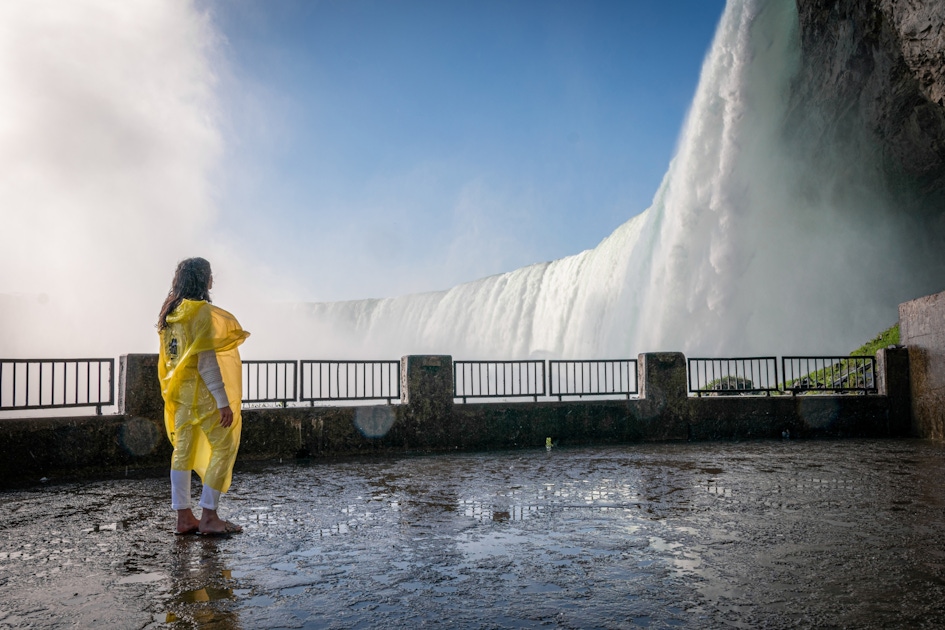
Niagara Falls Self-Guided Driving Tour from Toronto Canada Self-Guided Driving Tour of Niagara Falls from Toronto GBP 13 supports independent exploration with structured digital guidance. Check current availability, inclusions and booking details before you go.