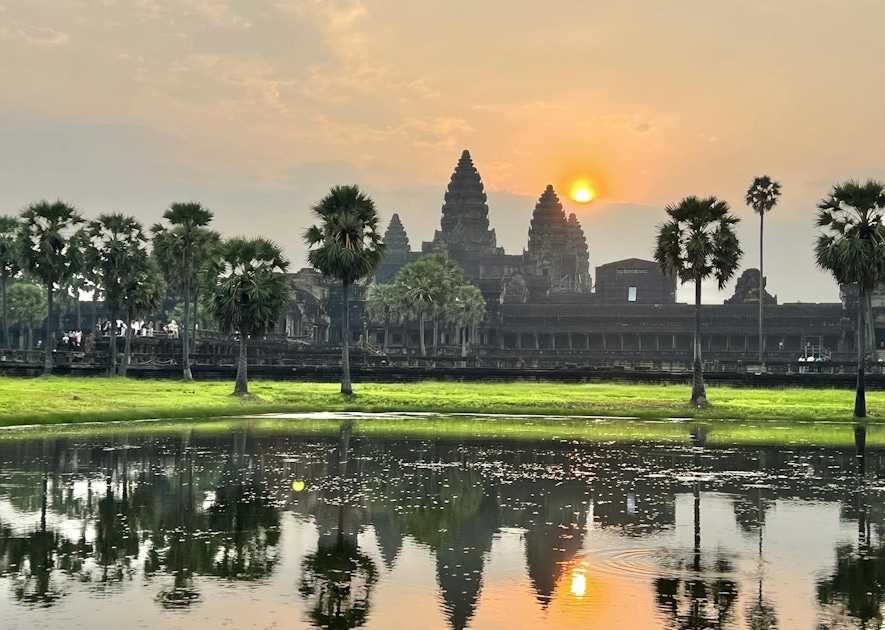
Siem Reap Travel Guide: Temples, Day Trips, Shows & Easy Ways to Get Around
Siem Reap is best known as the gateway to Angkor’s iconic temple ruins—and it’s also a lively base for food, nightlife, and day trips.
Siem Reap is one of Southeast Asia’s most popular travel bases, famous for the Angkor temple ruins and an energetic town
scene. Klook highlights how quickly the destination has grown with more resorts, restaurants, and visitor-friendly infrastructure, plus
nightlife hotspots like Pub Street.
If you’re visiting Cambodia for the first time, Siem Reap is often the natural starting point. Klook describes it as a destination known
for its ruins and temples—especially the Angkor sites—and notes the city has expanded to welcome travellers with more
restaurants, resorts, and visitor services. It’s also positioned as a place where you can combine early-morning temple exploring with
relaxed afternoons and lively nights around Pub Street.
Top things to do in Siem Reap (high-demand picks)
Klook lists 158 bookable “things to do” in Siem Reap—so it helps to start with the experiences that consistently get
strong reviews and high bookings.
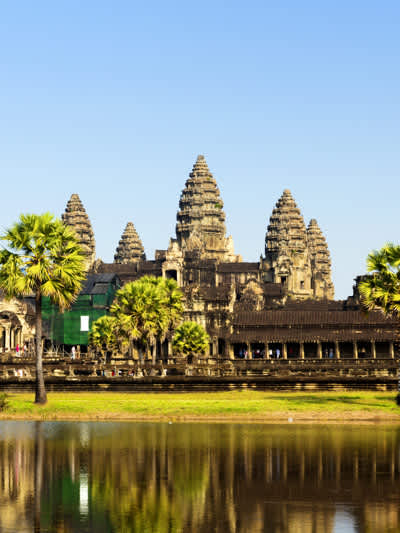
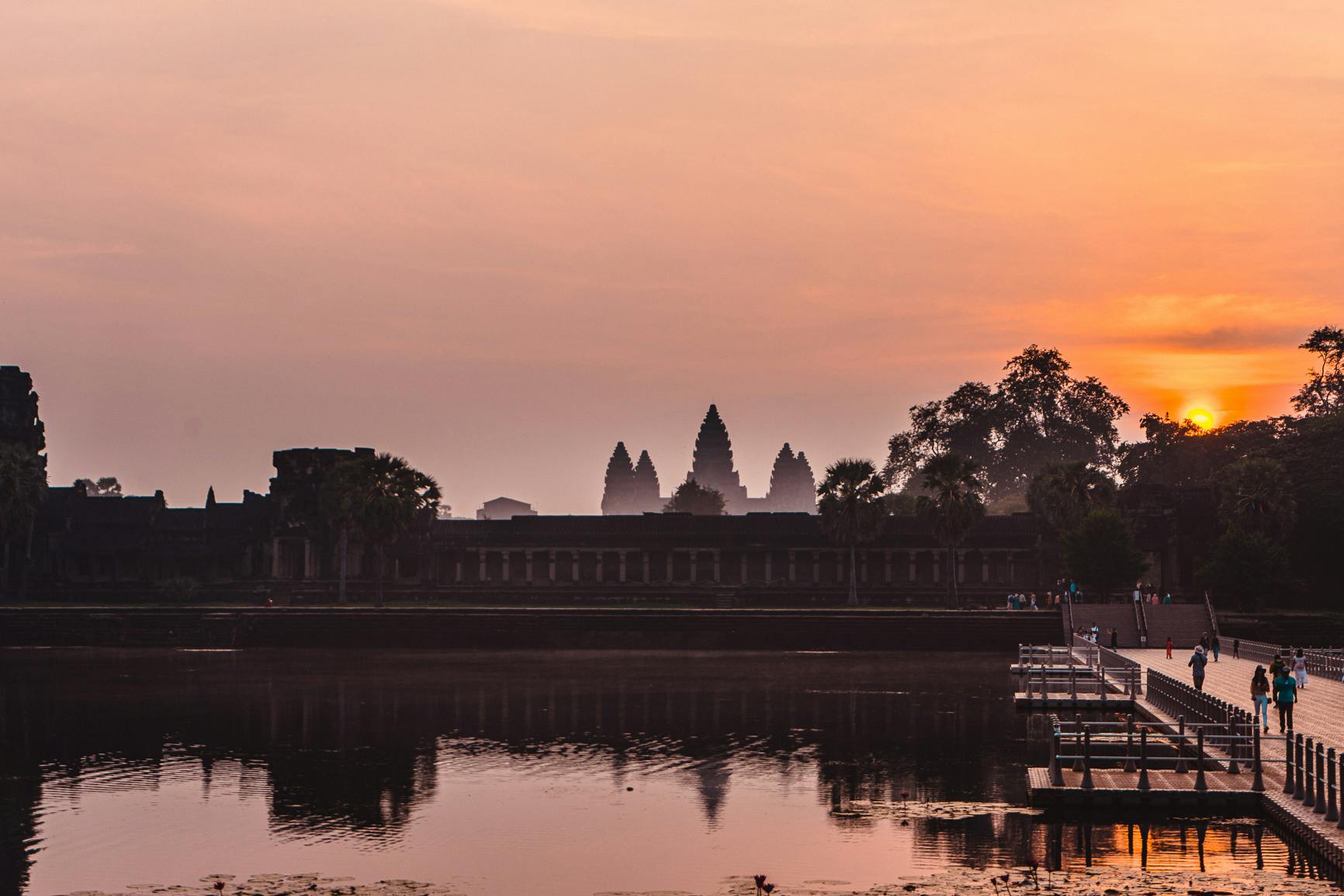
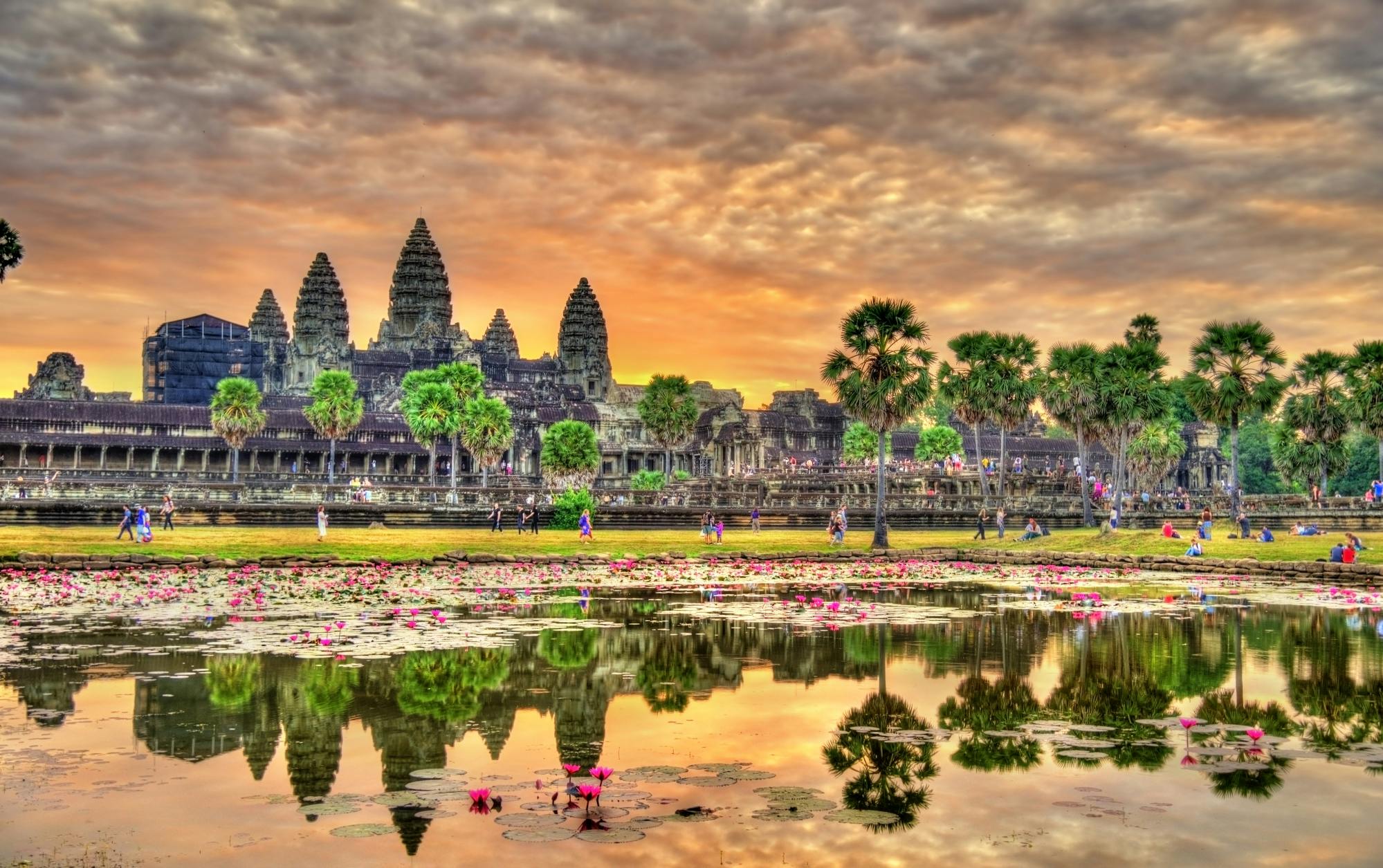
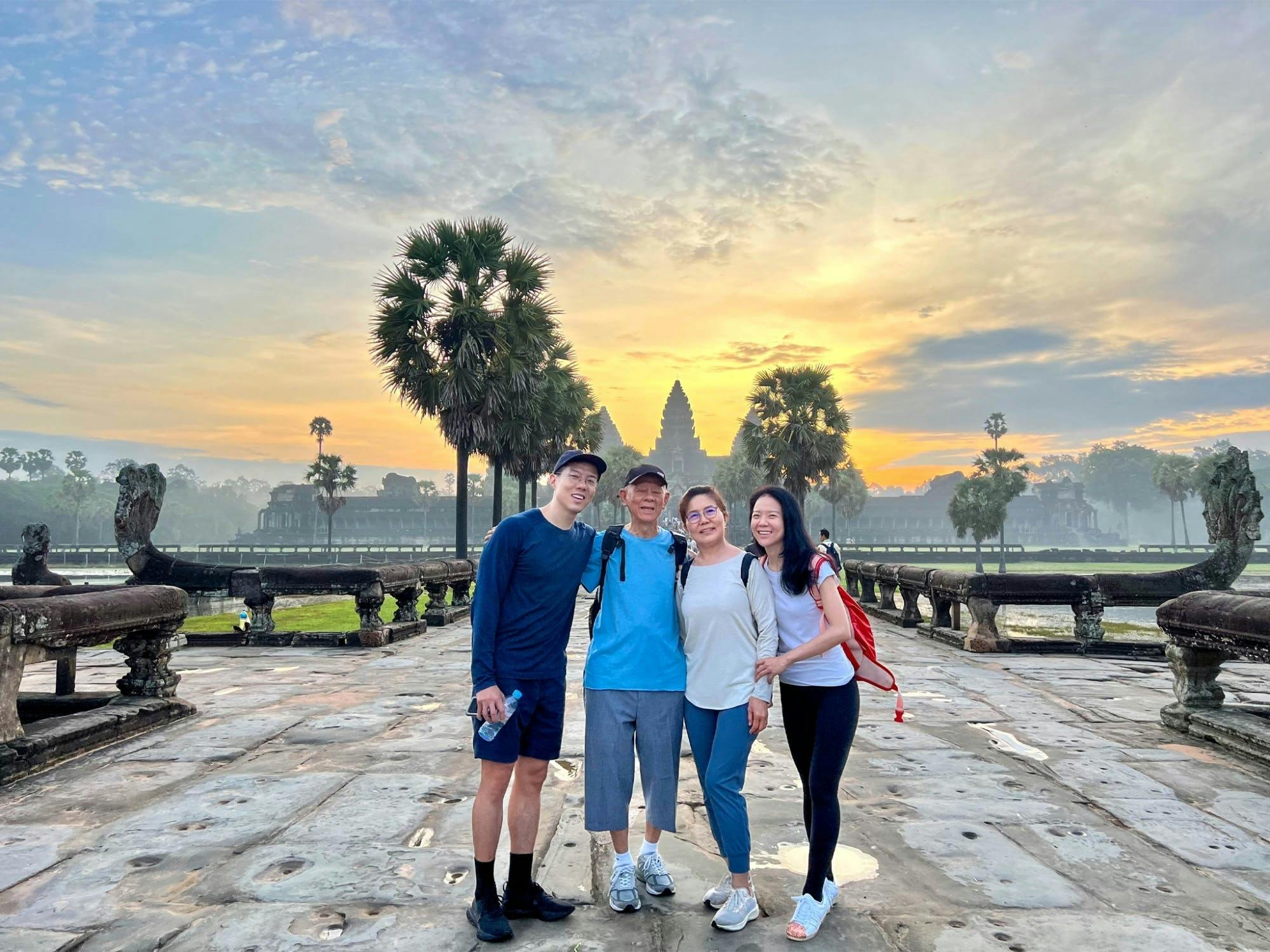
A common “first morning” pick for the iconic sunrise atmosphere.
Note: Prices, availability, and “booked” counts can change by date/season. Use the listing page to confirm what’s current before booking.
Transport options (simple and practical)
Klook lists 8 transport options in/around Siem Reap. The most straightforward choices are private charters (car or tuk-tuk)
if you want flexibility for temples, markets, or day trips.
On Klook, Siem Reap shows hundreds of hotels to choose from, ranging from hostel-style options to higher-end stays.
A simple approach is to stay within easy reach of central dining and nightlife (so evenings are effortless), then use tours/charters for
temple days and longer excursions.
A realistic 3-day Siem Reap itinerary
Day 1: Arrival + evening culture
Settle in and keep the afternoon light (markets, cafes, a quick wander).
Book an evening show such as Phare, The Cambodian Circus for a high-energy introduction.
Day 2: Temples (sunrise option)
Start early with an Angkor sunrise tour if you want the classic “first timer” moment.
Use a private car or tuk-tuk charter if you prefer to move at your own pace.
Day 3: Beyond the temples
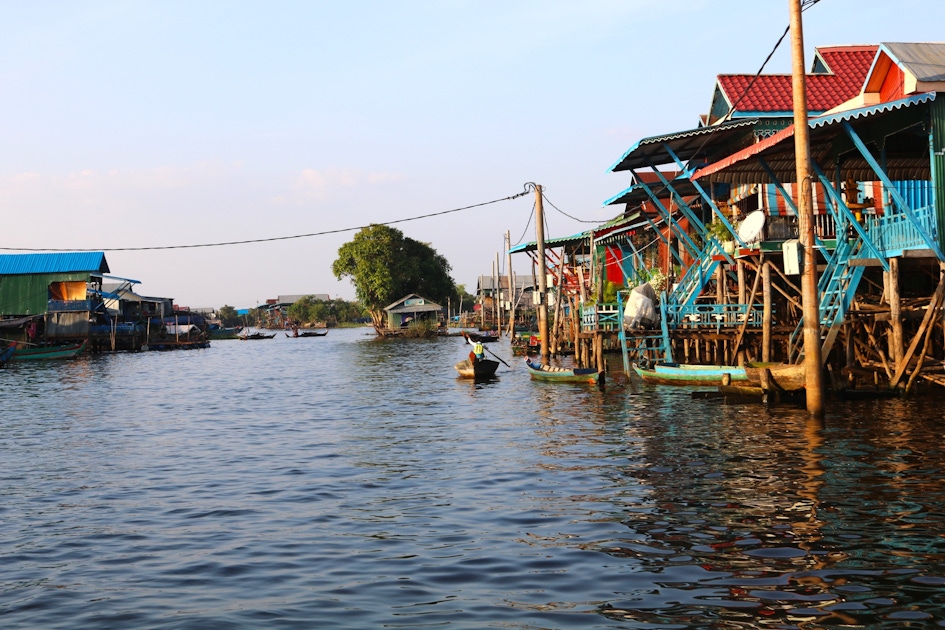
Choose a floating village experience (e.g., Kampong Phluk) to see a different side of the region.
Keep the evening for Pub Street and a final meal out.
FAQs
How many bookable activities are listed for Siem Reap?
Klook’s destination page shows 158 things to do in Siem Reap.
Is Siem Reap only about Angkor Wat?
Angkor is the headline attraction, but Klook also highlights evening entertainment (like Phare) and day trips such as floating village tours,
plus a lively food-and-nightlife area around Pub Street.
What’s the easiest way to get around?
Klook lists multiple transport options including private car charters and tuk-tuk charters, which are popular for flexible sightseeing days.
Disclosure: Links marked “sponsored” may be affiliate links. If you book through them, a commission may be earned at no extra cost to you.
Sponsored Popular Items
Quick take: Musement.com offers a worldwide selection of tours and attractions
Amazing Cambodia 5-Day Private Tour Phnom Penh & Siem Reap Cambodia Gain in-depth insight into Cambodia’s intriguing past on this exciting 5-day tour of iconic Phnom Penh and Angkor Wat. Guided visits to UNESCO World Heritage Sites Angkor Temples and discover
Siem Reap food tour Cambodia Plan Siem Reap food tour, a food and drink experience, with practical tips on timing, inclusions and what to check before booking. Compare current availability, prices and booking conditions before you go.
Siem Reap Tours & Things to Do: Angkor Wat Sunrise, Floating Villages, Kulen Mountain & More
Siem Reap is Cambodia’s best-known base for exploring the temples of Angkor, but it’s not just “one sunrise and done”.
From Angkor Wat sunrise or sunset experiences to Tonlé Sap floating village boat trips, plus day tours
to Phnom Kulen National Park and evening entertainment like the Phare Cambodian Circus, it’s a destination
that rewards a little planning.
This guide pulls together the most popular activity types and “top picks” you’ll see on the GetYourGuide Siem Reap page, then turns them
into an easy, real-world plan you can actually follow.
Quick picks (popular tours you’ll see again and again)
GetYourGuide’s Siem Reap page features 500+ activities, so it helps to start with the repeat “headline” options:
Angkor Wat sunrise/sunset tours, floating village boat trips, Kulen Mountain day tours, and airport transfers.
Bigger temple coverage across two days (less rushed pacing)
From $34
*Prices are “from” values shown on GetYourGuide and can vary by date, option, and availability.
Top sights around Siem Reap
On the GetYourGuide Siem Reap page, top sights include:
Angkor Wat
Tonlé Sap
Phare Circus
Angkor National Museum
Banteay Srei
Beng Mealea
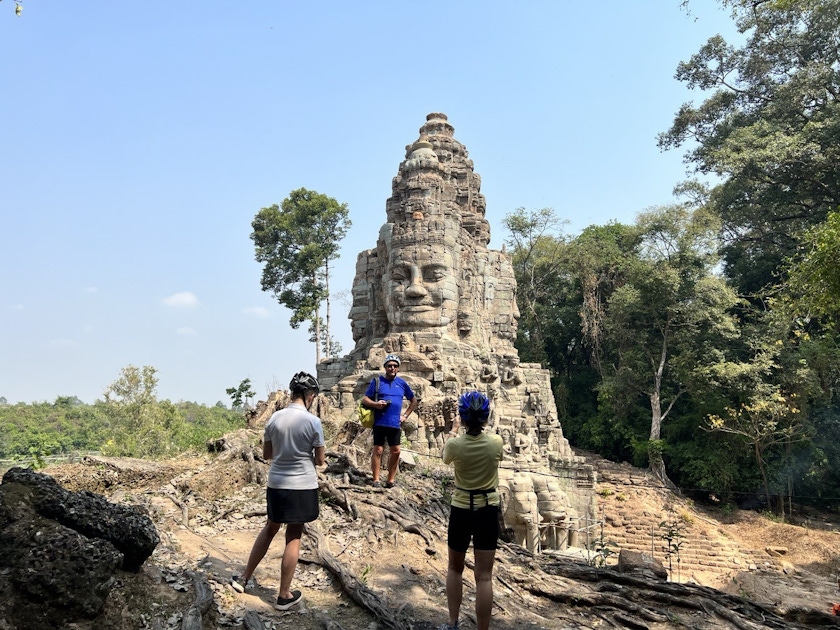
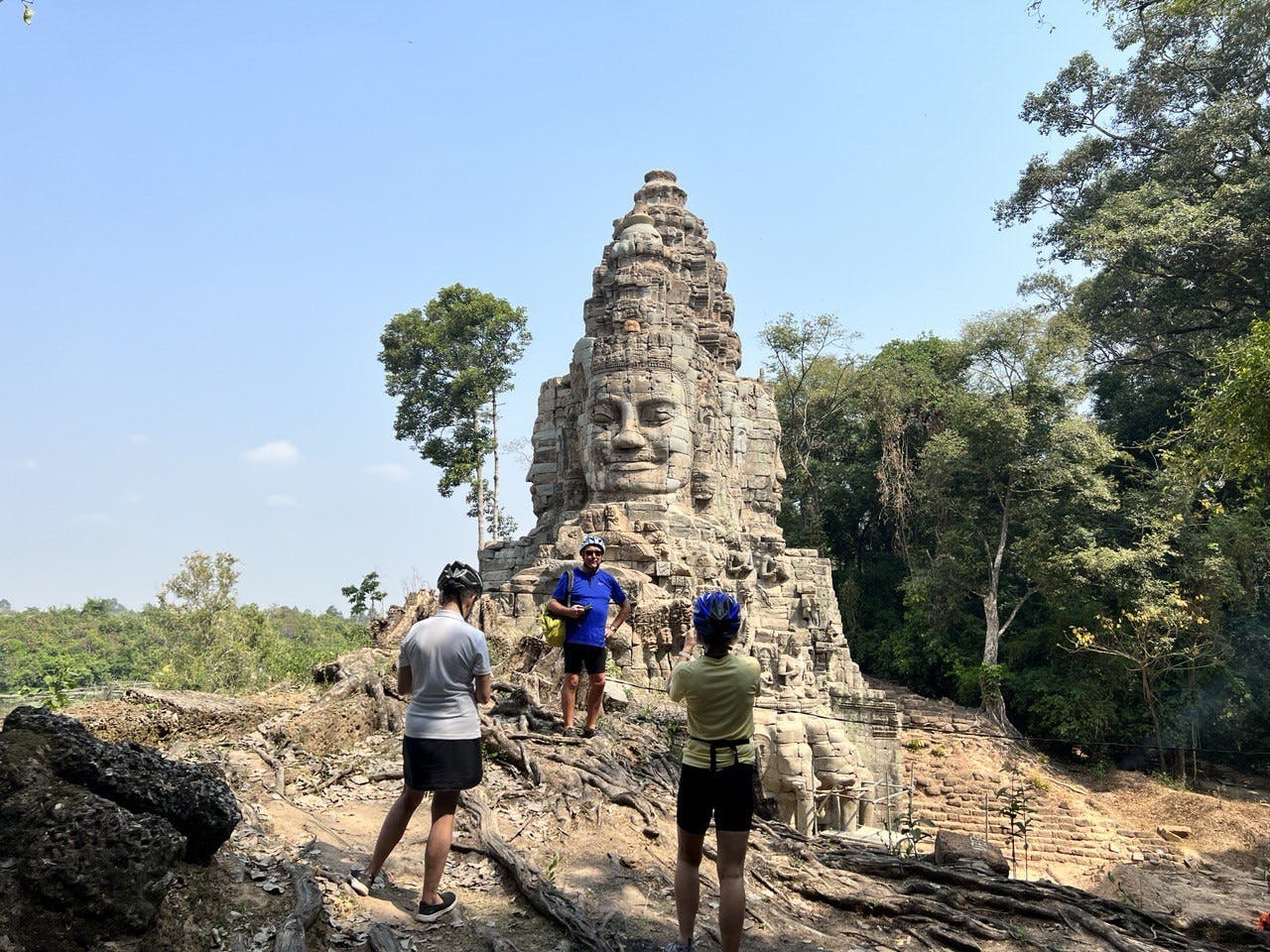
Bayon Temple
Angkor Zipline
Phnom Kulen National Park (nearby)
Best activity types (how to choose)
If you’re building a short list, start by choosing one “temples anchor”, one “water or nature day”, and one “evening activity”.
GetYourGuide highlights common formats such as:
Sunrise tours and sunset tours (best for photos and cooler temperatures)
Tuk-tuk tours and bike tours (more open-air and immersive)
Bus & minivan tours (good for longer day trips and air-conditioned comfort)
Cruises & boat tours (Tonlé Sap + floating villages)
Entry tickets and live shows (easy evening plans like Phare Circus)
Transfers (SAI airport to city)
Simple itineraries (1–3 days)
1 day in Siem Reap (classic highlights)
Early: Angkor Wat sunrise (small-group sunrise option)
Midday: Break and reset (heat and walking add up fast)
Evening: Phare Cambodian Circus tickets
2 days (temples + lake life)
Day 1: Angkor Wat sunrise or sunset tour
Day 2: Kampong Phluk floating village tour by boat (Tonlé Sap)
3 days (balanced, not rushed)
Day 1: Angkor Wat sunrise/sunset tour
Day 2: Kulen Mountain day tour + picnic lunch
Day 3: Floating village sunset tour option OR a 2-day Angkor tour split across two days if temples are your priority
Practical tips (transport, timing, comfort)
Lock in airport logistics: If you’re flying into Siem Reap-Angkor International Airport (SAI), pre-book a private or shared transfer to keep arrival smooth.
Sunrise isn’t just for photos: It’s often the most comfortable time to explore temples, especially if you’re sensitive to heat.
Plan a midday break: A long temple day is a lot of walking—build in rest so you actually enjoy the evening.
Choose your “style” of tour: Tuk-tuk for open-air vibe, van for air-conditioning, bike for a more active day.
FAQs
How many tours are there to choose from in Siem Reap?
The GetYourGuide page shows 500+ results for Siem Reap, spanning temples, boat tours, transfers, day trips and shows.
What’s the most popular “first tour” in Siem Reap?
Sunrise or sunset visits to Angkor Wat are the classic starting point, and they appear prominently among GetYourGuide’s top activities.
Is a floating village tour worth adding?
If you want to balance temples with everyday culture and scenery, Tonlé Sap floating village boat tours (like Kampong Phluk) are one of the most common add-ons listed.
Disclosure: Links marked “sponsored” may be affiliate links, meaning a commission may be earned if you book—at no extra cost to you.
Sponsored Popular Items
Quick take: Musement.com offers a worldwide selection of tours and attractions
Angkor Wat, Angkor Thom & Ta Prohm Full-Day Private Tour – Siem Reap Guided Tour Cambodia Private One-Day Tour of Angkor Wat, Angkor Thom and Ta Prohm from Siem Reap This private full-day experience from Siem Reap is built around three of Angkor. Check current availability, inclusions and booking details before you go.
Angkor Wat & Floating Village 3-Day Tour from Siem Reap Cambodia This private three-day trip from Siem Reap combines headline Angkor temples with countryside stops and a boat cruise to Kampong Phluk floating village . Check current availability, inclusions and booking details before you go.
Discover Siem Reap: 3-Days Trip to Angkor Wat & Floating Village museums, galleries, landmarks, parks, food culture, and hidden gems with practical tips
Sponsored Popular Items
Quick take: Musement.com offers a worldwide selection of tours and attractions
Why Visit Siem Reap: 3-Days Trip to Angkor Wat & Floating Village USD 350
Siem Reap: 3-Days Trip to Angkor Wat & Floating Village USD 350 blends history, culture, and everyday life in a way that rewards slow exploration. Travellers find a mix of museums, lively streets, and neighbourhood charm.
From landmark architecture to green spaces and local markets, the city offers a balanced itinerary for first-time visitors and repeat travellers alike.
History & Heritage Museums
Siem Reap: 3-Days Trip to Angkor Wat & Floating Village USD 350’s museums help you step through the region’s timeline with clear exhibits and well-curated collections. Expect artifacts, multimedia displays, and concise interpretation panels.
Most venues are walkable or connected by public transport, and many offer audio guides or rotating exhibitions that spotlight local stories alongside global context.
Art Galleries & Cultural Spaces
Creative hubs in Siem Reap: 3-Days Trip to Angkor Wat & Floating Village USD 350 highlight classical works, contemporary installations, and community projects under one skyline. Small studios sit alongside established galleries.
Look for temporary shows, evening openings, and cultural centres where workshops, talks, and performances make art approachable and engaging for all visitors.
Science & Innovation Centers
Interactive science spaces introduce technology, nature, and engineering through hands-on exhibits. Families appreciate zones designed for curious minds at different ages.
Expect live demos, observatories or labs, and special programming during weekends or holidays that turn complex ideas into memorable experiences.
Landmarks & Architecture
Siem Reap: 3-Days Trip to Angkor Wat & Floating Village USD 350 combines historic façades with modern silhouettes. Prominent squares, monuments, and skyline viewpoints help orient your footsteps across the city.
Architectural walks reveal different eras side by side, while guided tours unpack details you might otherwise miss, from craftsmanship to city-planning decisions.
Family Attractions
Parks with playgrounds, small zoos or aquariums, and light-touch museums make planning with kids straightforward. Many sites include cafés, shade, and stroller-friendly paths.
Pick attractions with short dwell times and nearby rest stops, then layer in one larger activity—like a scenic ride, boat trip, or theme exhibit—per day.
Parks & Promenades
Green belts, riverside walks, and hilltop lookouts provide fresh air between museum visits. Morning jogs and sunset strolls show a quieter side of the city.
Wayfinding is generally intuitive; look for signed trails and public gardens with seasonal blooms, sculptures, and benches for unhurried breaks.
Food & Culture Highlights
Food in Siem Reap: 3-Days Trip to Angkor Wat & Floating Village USD 350 reflects regional produce and neighbourhood traditions. Markets offer quick tastings, while casual eateries and bakeries keep schedules flexible.
Consider a short food walk to sample local staples, sweets, or street snacks. Reserve popular spots early for weekends and arrive mid-week for calmer dining rooms.
Local Favorites & Hidden Gems
Beyond main streets, residential quarters hide pocket parks, indie bookshops, and family-run cafés. Small museums and community theatres reward curious detours.
Chat with locals for tips on viewpoint alleys, quiet courtyards, and seasonal events—simple moments that often become the highlight of a visit.
Travel Tips
Use a reloadable transit card or day pass; many sights cluster by district, making it easy to group stops. Comfortable walking shoes are essential on mixed surfaces.
Check opening days and timed-entry policies, especially on Mondays and public holidays. Carry a refillable bottle and light layers for changeable weather.
Final Thoughts
Siem Reap: 3-Days Trip to Angkor Wat & Floating Village USD 350 invites you to balance headline attractions with slow, local moments. Pace your days, follow your interests, and give each neighbourhood time to breathe.
With thoughtful planning and an open schedule, you’ll leave with a clear sense of place—and reasons to return.
Sponsored Popular Items
Quick take: Musement.com offers a worldwide selection of tours and attractions
Angkor Wat, Angkor Thom & Ta Prohm Full-Day Private Tour – Siem Reap Guided Tour Cambodia Private One-Day Tour of Angkor Wat, Angkor Thom and Ta Prohm from Siem Reap This private full-day experience from Siem Reap is built around three of Angkor. Check current availability, inclusions and booking details before you go.
Angkor Wat & Floating Village 3-Day Tour from Siem Reap Cambodia This private three-day trip from Siem Reap combines headline Angkor temples with countryside stops and a boat cruise to Kampong Phluk floating village . Check current availability, inclusions and booking details before you go.
Siem Reap blends history, culture, and everyday life into a destination filled with engaging museums and memorable attractions. This guide highlights the kinds of places visitors love and what to expect at each, plus practical tips for planning your day.
Flagship History Museum
The main city history museum in Siem Reap typically traces the region from early settlement to the present through artifacts, photographs, and interactive exhibits. Expect rotating shows, a solid gift shop, and helpful context for everything else you’ll see.
Art Museum & Sculpture Garden
A leading art museum usually anchors the local scene with classics, contemporary works, and special exhibitions. If there’s an outdoor sculpture garden, it’s a relaxing way to pair culture with a walk.
Science & Discovery Center
Hands-on galleries make science approachable for all ages—think space, engineering, and ecosystems—often with an IMAX or planetarium.
Landmark Cathedral or Temple
Historic houses of worship give insight into Siem Reap’s architectural styles and community roots. Many offer guided tours and quiet courtyards.
Iconic Public Square or Old Town
Central plazas and heritage streets concentrate cafes, street performers, and local crafts. They’re perfect for people‑watching and photos.
Riverside, Harbor or Promenade
Waterfront paths and viewpoints provide fresh air and skyline views. Look for sunset spots, public art, and casual dining.
Family Favorite: Zoo, Aquarium, or Insectarium
Animal-focused attractions pair conservation with education. Check feeding schedules or touch‑pools for interactive moments.
Living Culture: Music Hall or Theatre
An intimate performance venue showcases local sound—jazz, folk, or contemporary—making for a memorable night out.
Planning Tips
Buy timed tickets online for popular museums and special exhibits.
Combine nearby sights to minimize travel time; many districts are walkable.
Check weekly free or discounted hours; student, senior, and family passes can reduce costs.
Start early for quieter galleries and better photos.
Bottom Line
From cornerstone museums to living cultural venues and scenic promenades, Siem Reap offers a balanced mix of learning, leisure, and local flavor.
Sponsored Popular Items
Quick take: Musement.com offers a worldwide selection of tours and attractions
Amazing Cambodia 5-Day Private Tour Phnom Penh & Siem Reap Cambodia Gain in-depth insight into Cambodia’s intriguing past on this exciting 5-day tour of iconic Phnom Penh and Angkor Wat. Guided visits to UNESCO World Heritage Sites Angkor Temples and discover
Siem Reap food tour Cambodia Plan Siem Reap food tour, a food and drink experience, with practical tips on timing, inclusions and what to check before booking. Compare current availability, prices and booking conditions before you go.
Siem Reap Countryside Bike Tour with Sunset Viewing – Outdoor Adventure Cambodia Embark on a thrilling bike ride through Siem Reap's countryside, savour local snacks and drinks, and witness a mesmerizing sunset. Check current availability, inclusions and booking details before you go.
Why Visit Siem Reap
Siem Reap blends history, culture, and everyday life into a destination filled with engaging museums and memorable attractions. This guide highlights the kinds of places visitors love and what to expect at each, plus practical tips for planning your day.
Flagship History Museum
The main city history museum in Siem Reap typically traces the region from early settlement to the present through artifacts, photographs, and interactive exhibits. Expect rotating shows, a solid gift shop, and helpful context for everything else you’ll see.
Art Museum & Sculpture Garden
A leading art museum usually anchors the local scene with classics, contemporary works, and special exhibitions. If there’s an outdoor sculpture garden, it’s a relaxing way to pair culture with a walk.
Science & Discovery Center
Hands-on galleries make science approachable for all ages—think space, engineering, and ecosystems—often with an IMAX or planetarium.
Landmark Cathedral or Temple
Historic houses of worship give insight into Siem Reap’s architectural styles and community roots. Many offer guided tours and quiet courtyards.
Iconic Public Square or Old Town
Central plazas and heritage streets concentrate cafes, street performers, and local crafts. They’re perfect for people‑watching and photos.
Riverside, Harbor or Promenade
Waterfront paths and viewpoints provide fresh air and skyline views. Look for sunset spots, public art, and casual dining.
Family Favorite: Zoo, Aquarium, or Insectarium
Animal-focused attractions pair conservation with education. Check feeding schedules or touch‑pools for interactive moments.
Living Culture: Music Hall or Theatre
An intimate performance venue showcases local sound—jazz, folk, or contemporary—making for a memorable night out.
Planning Tips
Buy timed tickets online for popular museums and special exhibits.
Combine nearby sights to minimize travel time; many districts are walkable.
Check weekly free or discounted hours; student, senior, and family passes can reduce costs.
Start early for quieter galleries and better photos.
Bottom Line
From cornerstone museums to living cultural venues and scenic promenades, Siem Reap offers a balanced mix of learning, leisure, and local flavor.
Sponsored Popular Items
Quick take: Musement.com offers a worldwide selection of tours and attractions
Siem Reap Countryside Bike Tour with Sunset Viewing – Outdoor Adventure Cambodia Embark on a thrilling bike ride through Siem Reap's countryside, savour local snacks and drinks, and witness a mesmerizing sunset. Check current availability, inclusions and booking details before you go.
Half-Day Siem Reap Countryside Bike Tour with Guide - Outdoor Adventure Cambodia Half-day Siem Reap countryside bike tour with guide is a convenient way to add structure, local context and purposeful sightseeing to the itinerary. Check current availability, inclusions and booking details before you go.
Siem Reap Countryside Tours & Rural Day Trips Guide Cambodia Siem Reap combines the Angkor archaeological landscape, Khmer culture, Tonlé Sap communities, local food, museums and extensive rural touring. Check current availability, inclusions and booking details before you go.
Siem Reap Hiking, Cycling & Active Tours Guide Cambodia Siem Reap combines the Angkor archaeological landscape, Khmer culture, Tonlé Sap communities, local food, museums and extensive rural touring. Check current availability, inclusions and booking details before you go.
Why Visit Siem Reap
Siem Reap blends history, culture, and everyday life into a destination filled with engaging museums and memorable attractions. This guide highlights the kinds of places visitors love and what to expect at each, plus practical tips for planning your day.
Flagship History Museum
The main city history museum in Siem Reap typically traces the region from early settlement to the present through artifacts, photographs, and interactive exhibits. Expect rotating shows, a solid gift shop, and helpful context for everything else you’ll see.
Art Museum & Sculpture Garden
A leading art museum usually anchors the local scene with classics, contemporary works, and special exhibitions. If there’s an outdoor sculpture garden, it’s a relaxing way to pair culture with a walk.
Science & Discovery Center
Hands-on galleries make science approachable for all ages—think space, engineering, and ecosystems—often with an IMAX or planetarium.
Landmark Cathedral or Temple
Historic houses of worship give insight into Siem Reap’s architectural styles and community roots. Many offer guided tours and quiet courtyards.
Iconic Public Square or Old Town
Central plazas and heritage streets concentrate cafes, street performers, and local crafts. They’re perfect for people‑watching and photos.
Riverside, Harbor or Promenade
Waterfront paths and viewpoints provide fresh air and skyline views. Look for sunset spots, public art, and casual dining.
Family Favorite: Zoo, Aquarium, or Insectarium
Animal-focused attractions pair conservation with education. Check feeding schedules or touch‑pools for interactive moments.
Living Culture: Music Hall or Theatre
An intimate performance venue showcases local sound—jazz, folk, or contemporary—making for a memorable night out.
Planning Tips
Buy timed tickets online for popular museums and special exhibits.
Combine nearby sights to minimize travel time; many districts are walkable.
Check weekly free or discounted hours; student, senior, and family passes can reduce costs.
Start early for quieter galleries and better photos.
Bottom Line
From cornerstone museums to living cultural venues and scenic promenades, Siem Reap offers a balanced mix of learning, leisure, and local flavor.
Sponsored Popular Items
Quick take: Musement.com offers a worldwide selection of tours and attractions
Siem Reap Hiking, Cycling & Active Tours Guide Cambodia Siem Reap combines the Angkor archaeological landscape, Khmer culture, Tonlé Sap communities, local food, museums and extensive rural touring. Check current availability, inclusions and booking details before you go.
Siem Reap Bike Tour with Visit to Angkor Wat Cambodia Planning Siem Reap Bike Tour with Visit to Angkor Wat For an outdoor adventure, compare the activity level, equipment and conditions with your fitness and confidence. Check current availability, inclusions and booking details before you go.
Siem Reap Countryside Bike Tour with Sunset Viewing – Outdoor Adventure Cambodia Embark on a thrilling bike ride through Siem Reap's countryside, savour local snacks and drinks, and witness a mesmerizing sunset. Check current availability, inclusions and booking details before you go.
Siem Reap blends history, culture, and everyday life into a destination filled with engaging museums and memorable attractions. This guide highlights the kinds of places visitors love and what to expect at each, plus practical tips for planning your day.
Flagship History Museum
The main city history museum in Siem Reap typically traces the region from early settlement to the present through artifacts, photographs, and interactive exhibits. Expect rotating shows, a solid gift shop, and helpful context for everything else you’ll see.
Art Museum & Sculpture Garden
A leading art museum usually anchors the local scene with classics, contemporary works, and special exhibitions. If there’s an outdoor sculpture garden, it’s a relaxing way to pair culture with a walk.
Science & Discovery Center
Hands-on galleries make science approachable for all ages—think space, engineering, and ecosystems—often with an IMAX or planetarium.
Landmark Cathedral or Temple
Historic houses of worship give insight into Siem Reap’s architectural styles and community roots. Many offer guided tours and quiet courtyards.
Iconic Public Square or Old Town
Central plazas and heritage streets concentrate cafes, street performers, and local crafts. They’re perfect for people‑watching and photos.
Riverside, Harbor or Promenade
Waterfront paths and viewpoints provide fresh air and skyline views. Look for sunset spots, public art, and casual dining.
Family Favorite: Zoo, Aquarium, or Insectarium
Animal-focused attractions pair conservation with education. Check feeding schedules or touch‑pools for interactive moments.
Living Culture: Music Hall or Theatre
An intimate performance venue showcases local sound—jazz, folk, or contemporary—making for a memorable night out.
Planning Tips
Buy timed tickets online for popular museums and special exhibits.
Combine nearby sights to minimize travel time; many districts are walkable.
Check weekly free or discounted hours; student, senior, and family passes can reduce costs.
Start early for quieter galleries and better photos.
Bottom Line
From cornerstone museums to living cultural venues and scenic promenades, Siem Reap offers a balanced mix of learning, leisure, and local flavor.
Sponsored Popular Items
Quick take: Musement.com offers a worldwide selection of tours and attractions
Amazing Cambodia 5-Day Private Tour Phnom Penh & Siem Reap Cambodia Gain in-depth insight into Cambodia’s intriguing past on this exciting 5-day tour of iconic Phnom Penh and Angkor Wat. Guided visits to UNESCO World Heritage Sites Angkor Temples and discover
Siem Reap food tour Cambodia Plan Siem Reap food tour, a food and drink experience, with practical tips on timing, inclusions and what to check before booking. Compare current availability, prices and booking conditions before you go.
Siem Reap blends history, culture, and everyday life into a destination filled with engaging museums and memorable attractions. This guide highlights the kinds of places visitors love and what to expect at each, plus practical tips for planning your day.
Flagship History Museum
The main city history museum in Siem Reap typically traces the region from early settlement to the present through artifacts, photographs, and interactive exhibits. Expect rotating shows, a solid gift shop, and helpful context for everything else you’ll see.
Art Museum & Sculpture Garden
A leading art museum usually anchors the local scene with classics, contemporary works, and special exhibitions. If there’s an outdoor sculpture garden, it’s a relaxing way to pair culture with a walk.
Science & Discovery Center
Hands-on galleries make science approachable for all ages—think space, engineering, and ecosystems—often with an IMAX or planetarium.
Landmark Cathedral or Temple
Historic houses of worship give insight into Siem Reap’s architectural styles and community roots. Many offer guided tours and quiet courtyards.
Iconic Public Square or Old Town
Central plazas and heritage streets concentrate cafes, street performers, and local crafts. They’re perfect for people‑watching and photos.
Riverside, Harbor or Promenade
Waterfront paths and viewpoints provide fresh air and skyline views. Look for sunset spots, public art, and casual dining.
Family Favorite: Zoo, Aquarium, or Insectarium
Animal-focused attractions pair conservation with education. Check feeding schedules or touch‑pools for interactive moments.
Living Culture: Music Hall or Theatre
An intimate performance venue showcases local sound—jazz, folk, or contemporary—making for a memorable night out.
Planning Tips
Buy timed tickets online for popular museums and special exhibits.
Combine nearby sights to minimize travel time; many districts are walkable.
Check weekly free or discounted hours; student, senior, and family passes can reduce costs.
Start early for quieter galleries and better photos.
Bottom Line
From cornerstone museums to living cultural venues and scenic promenades, Siem Reap offers a balanced mix of learning, leisure, and local flavor.
Sponsored Popular Items
Quick take: Musement.com offers a worldwide selection of tours and attractions
Amazing Cambodia 5-Day Private Tour Phnom Penh & Siem Reap Cambodia Gain in-depth insight into Cambodia’s intriguing past on this exciting 5-day tour of iconic Phnom Penh and Angkor Wat. Guided visits to UNESCO World Heritage Sites Angkor Temples and discover
Siem Reap Folklore, Traditions & Cultural Heritage Guide Cambodia Siem Reap combines the Angkor archaeological landscape, Khmer culture, Tonlé Sap communities, local food, museums and extensive rural touring. Check current availability, inclusions and booking details before you go.
Why Visit Siem Reap
Siem Reap blends history, culture, and everyday life into a destination filled with engaging museums and memorable attractions. This guide highlights the kinds of places visitors love and what to expect at each, plus practical tips for planning your day.
Flagship History Museum
The main city history museum in Siem Reap typically traces the region from early settlement to the present through artifacts, photographs, and interactive exhibits. Expect rotating shows, a solid gift shop, and helpful context for everything else you’ll see.
Art Museum & Sculpture Garden
A leading art museum usually anchors the local scene with classics, contemporary works, and special exhibitions. If there’s an outdoor sculpture garden, it’s a relaxing way to pair culture with a walk.
Science & Discovery Center
Hands-on galleries make science approachable for all ages—think space, engineering, and ecosystems—often with an IMAX or planetarium.
Landmark Cathedral or Temple
Historic houses of worship give insight into Siem Reap’s architectural styles and community roots. Many offer guided tours and quiet courtyards.
Iconic Public Square or Old Town
Central plazas and heritage streets concentrate cafes, street performers, and local crafts. They’re perfect for people‑watching and photos.
Riverside, Harbor or Promenade
Waterfront paths and viewpoints provide fresh air and skyline views. Look for sunset spots, public art, and casual dining.
Family Favorite: Zoo, Aquarium, or Insectarium
Animal-focused attractions pair conservation with education. Check feeding schedules or touch‑pools for interactive moments.
Living Culture: Music Hall or Theatre
An intimate performance venue showcases local sound—jazz, folk, or contemporary—making for a memorable night out.
Planning Tips
Buy timed tickets online for popular museums and special exhibits.
Combine nearby sights to minimize travel time; many districts are walkable.
Check weekly free or discounted hours; student, senior, and family passes can reduce costs.
Start early for quieter galleries and better photos.
Bottom Line
From cornerstone museums to living cultural venues and scenic promenades, Siem Reap offers a balanced mix of learning, leisure, and local flavor.
Sponsored Popular Items
Quick take: Musement.com offers a worldwide selection of tours and attractions
Siem Reap Folklore, Traditions & Cultural Heritage Guide Cambodia Siem Reap combines the Angkor archaeological landscape, Khmer culture, Tonlé Sap communities, local food, museums and extensive rural touring. Check current availability, inclusions and booking details before you go.
Amazing Cambodia 5-Day Private Tour Phnom Penh & Siem Reap Cambodia Gain in-depth insight into Cambodia’s intriguing past on this exciting 5-day tour of iconic Phnom Penh and Angkor Wat. Guided visits to UNESCO World Heritage Sites Angkor Temples and discover
Siem Reap City Experiences Beyond the Temples Guide Cambodia City Experiences in Siem Reap: What to Do Beyond Temples Siem Reap is known for big heritage sites nearby, but the city itself has plenty of easy, bookable experiences—especially at sunset and in the evening. Check current availability, inclusions and booking details before you go.
Why Visit Siem Reap
Siem Reap blends history, culture, and everyday life into a destination filled with engaging museums and memorable attractions. This guide highlights the kinds of places visitors love and what to expect at each, plus practical tips for planning your day.
Flagship History Museum
The main city history museum in Siem Reap typically traces the region from early settlement to the present through artifacts, photographs, and interactive exhibits. Expect rotating shows, a solid gift shop, and helpful context for everything else you’ll see.
Art Museum & Sculpture Garden
A leading art museum usually anchors the local scene with classics, contemporary works, and special exhibitions. If there’s an outdoor sculpture garden, it’s a relaxing way to pair culture with a walk.
Science & Discovery Center
Hands-on galleries make science approachable for all ages—think space, engineering, and ecosystems—often with an IMAX or planetarium.
Landmark Cathedral or Temple
Historic houses of worship give insight into Siem Reap’s architectural styles and community roots. Many offer guided tours and quiet courtyards.
Iconic Public Square or Old Town
Central plazas and heritage streets concentrate cafes, street performers, and local crafts. They’re perfect for people‑watching and photos.
Riverside, Harbor or Promenade
Waterfront paths and viewpoints provide fresh air and skyline views. Look for sunset spots, public art, and casual dining.
Family Favorite: Zoo, Aquarium, or Insectarium
Animal-focused attractions pair conservation with education. Check feeding schedules or touch‑pools for interactive moments.
Living Culture: Music Hall or Theatre
An intimate performance venue showcases local sound—jazz, folk, or contemporary—making for a memorable night out.
Planning Tips
Buy timed tickets online for popular museums and special exhibits.
Combine nearby sights to minimize travel time; many districts are walkable.
Check weekly free or discounted hours; student, senior, and family passes can reduce costs.
Start early for quieter galleries and better photos.
Bottom Line
From cornerstone museums to living cultural venues and scenic promenades, Siem Reap offers a balanced mix of learning, leisure, and local flavor.
Sponsored Popular Items
Quick take: Musement.com offers a worldwide selection of tours and attractions
Siem Reap City Experiences Beyond the Temples Guide Cambodia City Experiences in Siem Reap: What to Do Beyond Temples Siem Reap is known for big heritage sites nearby, but the city itself has plenty of easy, bookable experiences—especially at sunset and in the evening. Check current availability, inclusions and booking details before you go.
Amazing Cambodia 5-Day Private Tour Phnom Penh & Siem Reap Cambodia Gain in-depth insight into Cambodia’s intriguing past on this exciting 5-day tour of iconic Phnom Penh and Angkor Wat. Guided visits to UNESCO World Heritage Sites Angkor Temples and discover
Siem Reap Hop-On Hop-Off & Sightseeing Transport Guide Cambodia Siem Reap combines the Angkor archaeological landscape, Khmer culture, Tonlé Sap communities, local food, museums and extensive rural touring. Check current availability, inclusions and booking details before you go.
Why Visit Siem Reap
Siem Reap blends history, culture, and everyday life into a destination filled with engaging museums and memorable attractions. This guide highlights the kinds of places visitors love and what to expect at each, plus practical tips for planning your day.
Flagship History Museum
The main city history museum in Siem Reap typically traces the region from early settlement to the present through artifacts, photographs, and interactive exhibits. Expect rotating shows, a solid gift shop, and helpful context for everything else you’ll see.
Art Museum & Sculpture Garden
A leading art museum usually anchors the local scene with classics, contemporary works, and special exhibitions. If there’s an outdoor sculpture garden, it’s a relaxing way to pair culture with a walk.
Science & Discovery Center
Hands-on galleries make science approachable for all ages—think space, engineering, and ecosystems—often with an IMAX or planetarium.
Landmark Cathedral or Temple
Historic houses of worship give insight into Siem Reap’s architectural styles and community roots. Many offer guided tours and quiet courtyards.
Iconic Public Square or Old Town
Central plazas and heritage streets concentrate cafes, street performers, and local crafts. They’re perfect for people‑watching and photos.
Riverside, Harbor or Promenade
Waterfront paths and viewpoints provide fresh air and skyline views. Look for sunset spots, public art, and casual dining.
Family Favorite: Zoo, Aquarium, or Insectarium
Animal-focused attractions pair conservation with education. Check feeding schedules or touch‑pools for interactive moments.
Living Culture: Music Hall or Theatre
An intimate performance venue showcases local sound—jazz, folk, or contemporary—making for a memorable night out.
Planning Tips
Buy timed tickets online for popular museums and special exhibits.
Combine nearby sights to minimize travel time; many districts are walkable.
Check weekly free or discounted hours; student, senior, and family passes can reduce costs.
Start early for quieter galleries and better photos.
Bottom Line
From cornerstone museums to living cultural venues and scenic promenades, Siem Reap offers a balanced mix of learning, leisure, and local flavor.
Sponsored Popular Items
Quick take: Musement.com offers a worldwide selection of tours and attractions
Siem Reap Hop-On Hop-Off & Sightseeing Transport Guide Cambodia Siem Reap combines the Angkor archaeological landscape, Khmer culture, Tonlé Sap communities, local food, museums and extensive rural touring. Check current availability, inclusions and booking details before you go.
Amazing Cambodia 5-Day Private Tour Phnom Penh & Siem Reap Cambodia Gain in-depth insight into Cambodia’s intriguing past on this exciting 5-day tour of iconic Phnom Penh and Angkor Wat. Guided visits to UNESCO World Heritage Sites Angkor Temples and discover
Siem Reap Nature, Landscapes & Wildlife Experiences Guide Cambodia Siem Reap combines the Angkor archaeological landscape, Khmer culture, Tonlé Sap communities, local food, museums and extensive rural touring. Check current availability, inclusions and booking details before you go.
Why Visit Siem Reap
Siem Reap blends history, culture, and everyday life into a destination filled with engaging museums and memorable attractions. This guide highlights the kinds of places visitors love and what to expect at each, plus practical tips for planning your day.
Flagship History Museum
The main city history museum in Siem Reap typically traces the region from early settlement to the present through artifacts, photographs, and interactive exhibits. Expect rotating shows, a solid gift shop, and helpful context for everything else you’ll see.
Art Museum & Sculpture Garden
A leading art museum usually anchors the local scene with classics, contemporary works, and special exhibitions. If there’s an outdoor sculpture garden, it’s a relaxing way to pair culture with a walk.
Science & Discovery Center
Hands-on galleries make science approachable for all ages—think space, engineering, and ecosystems—often with an IMAX or planetarium.
Landmark Cathedral or Temple
Historic houses of worship give insight into Siem Reap’s architectural styles and community roots. Many offer guided tours and quiet courtyards.
Iconic Public Square or Old Town
Central plazas and heritage streets concentrate cafes, street performers, and local crafts. They’re perfect for people‑watching and photos.
Riverside, Harbor or Promenade
Waterfront paths and viewpoints provide fresh air and skyline views. Look for sunset spots, public art, and casual dining.
Family Favorite: Zoo, Aquarium, or Insectarium
Animal-focused attractions pair conservation with education. Check feeding schedules or touch‑pools for interactive moments.
Living Culture: Music Hall or Theatre
An intimate performance venue showcases local sound—jazz, folk, or contemporary—making for a memorable night out.
Planning Tips
Buy timed tickets online for popular museums and special exhibits.
Combine nearby sights to minimize travel time; many districts are walkable.
Check weekly free or discounted hours; student, senior, and family passes can reduce costs.
Start early for quieter galleries and better photos.
Bottom Line
From cornerstone museums to living cultural venues and scenic promenades, Siem Reap offers a balanced mix of learning, leisure, and local flavor.
Sponsored Popular Items
Quick take: Musement.com offers a worldwide selection of tours and attractions
Siem Reap Nature, Landscapes & Wildlife Experiences Guide Cambodia Siem Reap combines the Angkor archaeological landscape, Khmer culture, Tonlé Sap communities, local food, museums and extensive rural touring. Check current availability, inclusions and booking details before you go.
Amazing Cambodia 5-Day Private Tour Phnom Penh & Siem Reap Cambodia Gain in-depth insight into Cambodia’s intriguing past on this exciting 5-day tour of iconic Phnom Penh and Angkor Wat. Guided visits to UNESCO World Heritage Sites Angkor Temples and discover