The Dragon Boat Festival (端午節, Duānwǔ Jié) is one of Taiwan’s most exciting and colourful traditional celebrations. It’s held annually on the fifth day of the fifth lunar month (usually in May or June) and combines thrilling dragon boat races with cultural rituals and festive foods. Whether you’re in Taipei, Kaohsiung, or a smaller riverside town, here’s what you can expect.
🐉 The Origins
Commemorates the patriotic poet Qu Yuan, who drowned himself in protest against corruption over 2,000 years ago.
Villagers raced their boats to save him and threw rice dumplings into the water to keep fish away—traditions that live on in the form of dragon boat races and zongzi (sticky rice dumplings).
🚣 What to See and Do
1. Dragon Boat Races
The festival’s highlight, with ornately painted longboats racing to the beat of pounding drums.
Top places to watch:
Taipei – Dajia Riverside Park on the Keelung River.
Kaohsiung – Love River, famous for its night races with illuminated boats.
Lukang & Tainan – traditional southern celebrations with strong community spirit.
2. Try Zongzi (Sticky Rice Dumplings)
Pyramid-shaped dumplings wrapped in bamboo leaves.
Fillings vary by region: pork belly, salted egg yolk, mushrooms, peanuts, or sweet red bean.
Families often make and share them as part of the celebration.
3. Balancing Eggs at Noon
A fun folk custom where people try to stand a raw egg upright at midday, said to bring luck for the year ahead.
Easy to join in—kids especially love this tradition!
4. Folk Performances & Rituals
Expect lion dances, temple fairs, and offerings to ward off evil spirits.
In some towns, locals hang mugwort and calamus on doors for protection.
📍 Where to Experience the Festival
Taipei: Dajia Riverside Park – large-scale races with international teams.
Kaohsiung: Love River – night races, fireworks, and carnival atmosphere.
Tainan & Lukang: Smaller, authentic festivals with strong local traditions.
Hualien & Taitung: Coastal celebrations with indigenous cultural performances.
🚆 Getting Around
Taipei: Easy MRT access to Dajia Riverside Park.
Kaohsiung: MRT Orange Line → Yanchengpu Station, then walk to Love River.
Other towns: TRA trains connect Lukang, Tainan, and Hualien with ease.
Tours: Many operators run Dragon Boat Festival day tours with transport, guides, and reserved viewing areas.
🏨 Where to Stay
Taipei: Zhongshan or Ximending for central access to races.
Kaohsiung: Riverside hotels with Love River views.
Tainan: Boutique inns near temples and historic lanes.
🎟️ Best Bookable Tours
Dragon Boat Festival Cultural Day Tour (Viator)
Taipei Food & Festival Experience (Klook)
Kaohsiung Night Dragon Boat Race & Market Tour (Musement)
💡 Insider Tips
Arrive early: Popular races get crowded—secure your spot along the riverbanks.
Stay hydrated: Taiwan’s summer heat can be intense.
Respect local traditions: Festivals often include temple rituals—observe respectfully.
Try regional zongzi: Each area has its own flavour—don’t miss the chance to sample!
✨ Final Thoughts
The Dragon Boat Festival is one of the most thrilling times to visit Taiwan. With its mix of high-energy races, traditional food, and folk culture, it offers travellers a perfect chance to dive into local life.
Whether you’re cheering at Taipei’s Keelung River, strolling Kaohsiung’s Love River at night, or enjoying zongzi with locals in a smaller town, you’ll leave with unforgettable memories of one of Taiwan’s most colourful celebrations.
Planning a trip to Taiwan? This guide covers what to see and do, how to get around, where to stay, and the best bookable tours to make the most of your time.
Sponsored Popular Items
Quick take: Musement.com offers a worldwide selection of tours and attractions
Taiwan Taipei: Quick Photoshoot with Taiwan Photographer Taiwan Best deals for Taiwan Taipei: Quick Photoshoot with Taiwan Photographer. Welcome to Taipei Taiwan! Say goodbye to selfies, I will be your personal photographer. Let me show you the beauty of Taipei, and capture the best of you! Check my IG: mason.taiwan.photographer Available from getyourguide.com.
Taiwan Taipei: Quick Photoshoot with Taiwan Photographer Taiwan Best deals for Taiwan Taipei: Quick Photoshoot with Taiwan Photographer. Welcome to Taipei Taiwan! Say goodbye to selfies, I will be your personal photographer. Let me show you the beauty of Taipei, and capture the best of you! Check my IG: mason.taiwan.photographer Available from getyourguide.com.
Taiwan Taipei: Half-day VIP Photoshoot Taiwan Photographer Taiwan Best deals for Taiwan Taipei: Half-day VIP Photoshoot Taiwan Photographer. Wanna try local way to travel? Don't worry about the travel plan. Let me choose the iconic spots and hidden gems for you while capturing the best of you! Check my IG: mason.taipei.photographer Available from getyourguide.com.
Taiwan Tainan: Photoshoot with Taiwan Photographer Taiwan Best deals for Taiwan Tainan: Photoshoot with Taiwan Photographer. Welcome to Tainan Taiwan! Say goodbye to selfies, I will be your personal photographer. Let me show you the beauty of Tainan, and capture the best of you! Check my IG: mason.taipei.photographer Available from getyourguide.com.
One of the world’s premier collections of Chinese imperial artifacts—from jade carvings to intricate scrolls. A truly indoor escape to dive into thousands of years of history.
With nearly 700,000 pieces, you could easily spend 2–3 hours or more exploring.
Located in Shilin—reachable via MRT plus a short bus or shuttle ride.
2. Taipei Fine Arts Museum
Contemporary art lovers, this is your stop. Home to the famous Taipei Biennial, and features rotating global and local exhibitions.
Located in Zhongshan District, easily accessible via MRT.
3. National Taiwan Museum
Charming and imaginative—featuring miniature models from fairy tales to architectural wonders, plus the world’s smallest working TV.Taipei Travel GeekWikipedia
Cozy, indoor and perfect if you’re looking for something unique.
Nearby, the Tittot Glass Art Museum showcases live glasswork in an intimate setting.Wikipedia
Combine with a hot spring soak for a relaxing rainy-day experience.
Why These Work for Rainy Days
Fully indoors: Ideal for avoiding downpours.
Diverse appeals: From centuries-old artifacts to tiny models and avant-garde art.
Accessible via MRT: Rain-friendly and easy to reach.
Suggested Rainy-Day Museum Crawl
Destination
Best For
National Palace Museum
Iconic collection; rich cultural immersion (North Taipei day trip option)
Taipei Fine Arts Museum
Contemporary art & rotating exhibits
Miniatures Museum + National Taiwan Museum
Unique, playful, and history-rich for families
Beitou area combo
Culture + relaxation with museum and hot springs nearby
Planning a trip to Taiwan? This guide covers what to see and do, how to get around, where to stay, and the best bookable tours to make the most of your time.
Sponsored Popular Items
Quick take: Musement.com offers a worldwide selection of tours and attractions
Taiwan Taipei: Quick Photoshoot with Taiwan Photographer Taiwan Best deals for Taiwan Taipei: Quick Photoshoot with Taiwan Photographer. Welcome to Taipei Taiwan! Say goodbye to selfies, I will be your personal photographer. Let me show you the beauty of Taipei, and capture the best of you! Check my IG: mason.taiwan.photographer Available from getyourguide.com.
Taiwan Taipei: Quick Photoshoot with Taiwan Photographer Taiwan Best deals for Taiwan Taipei: Quick Photoshoot with Taiwan Photographer. Welcome to Taipei Taiwan! Say goodbye to selfies, I will be your personal photographer. Let me show you the beauty of Taipei, and capture the best of you! Check my IG: mason.taiwan.photographer Available from getyourguide.com.
Taiwan Taipei: Half-day VIP Photoshoot Taiwan Photographer Taiwan Best deals for Taiwan Taipei: Half-day VIP Photoshoot Taiwan Photographer. Wanna try local way to travel? Don't worry about the travel plan. Let me choose the iconic spots and hidden gems for you while capturing the best of you! Check my IG: mason.taipei.photographer Available from getyourguide.com.
Taiwan Tainan: Photoshoot with Taiwan Photographer Taiwan Best deals for Taiwan Tainan: Photoshoot with Taiwan Photographer. Welcome to Tainan Taiwan! Say goodbye to selfies, I will be your personal photographer. Let me show you the beauty of Tainan, and capture the best of you! Check my IG: mason.taipei.photographer Available from getyourguide.com.
Traditional Tea Houses in Jiufen – Where to Sip with a View
Planning a trip to Taiwan? This guide covers what to see and do, how to get around, where to stay, and the best bookable tours to make the most of your time.
Perched on a hillside overlooking the Pacific Ocean, Jiufen is one of Taiwan’s most atmospheric destinations. Known for its lantern-lit alleyways and old mining history, Jiufen is also famous for its traditional tea houses. These spots combine Taiwan’s tea culture with breathtaking views of the mountains and sea. Here are the best places to sip tea in Jiufen, plus practical tips to make the most of your visit.
Sponsored Popular Items
Quick take: Musement.com offers a worldwide selection of tours and attractions
From Taipei: Yehliu, Shifen, Houtong & Jiufen One-Day Tour Taiwan Best deals for From Taipei: Yehliu, Shifen, Houtong & Jiufen One-Day Tour. Discover the natural beauty and cultural charm of Taiwan on a day trip from Taipei. Visit Yehliu Geopark, Shifen Waterfall, Houtong Cat Village, and Jiufen Old Street. Available from getyourguide.com.
🌸 Top Traditional Tea Houses in Jiufen
1. A-Mei Tea House (阿妹茶樓)
Why visit: The most iconic tea house in Jiufen, with red lanterns glowing at dusk—often said to have inspired scenes in Spirited Away.
View: Panoramic vistas of Jiufen’s old streets and the coastline.
What to order: Traditional tea sets with oolong and small sweet/savoury snacks.
Insider Tip: Come early evening to watch the village light up as the sun sets.
2. Jiufen Teahouse (九份茶坊)
Why visit: Set inside a century-old building with stone walls, antiques, and art pieces.
View: A quieter tea-drinking experience away from the crowds.
What to order: Gongfu-style tea prepared tableside.
Insider Tip: Explore the mini art gallery inside before heading upstairs for tea.
3. Skyline Tea House (海悅樓茶坊)
Why visit: Known for its unobstructed mountain and ocean views.
View: Sweeping coastal scenery, best enjoyed from the balcony.
What to order: High-mountain teas and traditional desserts.
Insider Tip: Try visiting on a weekday morning for a more relaxed atmosphere.
4. Siidcha Tea House
Why visit: A modern twist on Jiufen’s tea culture, with curated seasonal teas.
View: Sleek interiors and wide windows overlooking Jiufen’s hills.
What to order: Cold-brew oolong or a tea-tasting flight.
Insider Tip: Great option for travellers who prefer contemporary tea culture experiences.
🚆 How to Get to Jiufen
From Taipei:
Take the train from Taipei Main Station → Ruifang Station (~40 min).
From Ruifang, hop on a local bus (15–20 min) or taxi to Jiufen Old Street.
By Tour: The easiest way is to book a Jiufen & Shifen day tour that includes transport and a guide. This saves time and adds nearby attractions like Shifen Waterfall or Yehliu Geopark.
🏨 Where to Stay
Taipei Base: Stay in Taipei (Ximending or Zhongshan) and visit Jiufen on a day trip.
Local Stay: For an atmospheric experience, choose a Jiufen guesthouse overlooking the sea. Many offer tatami-style rooms with breakfast.
🎟️ Best Bookable Tours
Jiufen & Shifen Day Tour with Lantern Experience (Viator)
Jiufen, Yehliu & Pingxi Shuttle Tour (Klook)
Private Tea Culture & Jiufen Old Street Tour (Musement)
✨ Final Thoughts
Jiufen’s tea houses are more than just places to drink tea—they’re a window into Taiwan’s culture, history, and hospitality. Whether you choose the legendary A-Mei Tea House, the art-filled Jiufen Teahouse, or a modern stop like Siidcha, each experience comes with stunning views and a sense of timeless charm.
For first-time visitors, a guided day tour is the simplest way to enjoy Jiufen. For repeat travellers, staying overnight in a local inn and sipping tea as the lanterns glow is an unforgettable way to slow down and connect with the magic of this mountain village.
From Taipei: Yehliu, Shifen, Houtong & Jiufen One-Day Tour Taiwan Best deals for From Taipei: Yehliu, Shifen, Houtong & Jiufen One-Day Tour. Discover the natural beauty and cultural charm of Taiwan on a day trip from Taipei. Visit Yehliu Geopark, Shifen Waterfall, Houtong Cat Village, and Jiufen Old Street. Available from getyourguide.com.
Yehliu Geopark, Jiufen Street, Shihfen Lantern One-Day Tour Taiwan Best deals for Yehliu Geopark, Jiufen Street, Shihfen Lantern One-Day Tour. The most famous and must see spots in Taipei city for foreign visitors who just want to explore the exciting of Taiwan. Guests can visit the exciting places in one day and have unforgettable memory. Available from getyourguide.com.
Taiwan Nature & Culture: Shifen, Jiufen & TaipeiEYE Day Tour Taiwan Best deals for Taiwan Nature & Culture: Shifen, Jiufen & TaipeiEYE Day Tour. Discover Taiwan on a day trip from Taipei. Visit Shifen Old Street, explore Jiufen Village, and enjoy a traditional TaipeiEYE cultural performance. Available from getyourguide.com.
Taiwan’s High Speed Rail (HSR) is one of the fastest and most convenient ways to explore the island. Stretching along the western coast from Taipei in the north to Kaohsiung in the south, the HSR connects major cities in just a fraction of the time it would take by car or conventional train. For tourists, it’s a game-changer—whether you’re planning a short city break, a full island loop, or a return trip to hidden gems.
Why Take the Taiwan High Speed Rail?
Speed and Efficiency: Travel from Taipei to Kaohsiung (over 345 km) in about 90 minutes.
Comfort: Spacious seating, luggage storage, clean facilities, and air-conditioned trains.
Punctuality: Delays are extremely rare, making it reliable for time-sensitive itineraries.
Scenic Access: Many stations connect seamlessly to metro lines, local trains, and buses.
Planning Your Trip
1. Buying Tickets
You can buy HSR tickets:
Online via the official Taiwan High Speed Rail website, app, or partner platforms like Klook or KKday (these often include discounts or tourist passes).
At stations from ticket counters or vending machines.
With a travel pass: Consider the Taiwan High Speed Rail Tourist Pass, which allows unlimited travel for 2 or 3 consecutive days.
💡 Insider Tip: Book in advance for weekends and holidays—trains sell out quickly.
2. Costs
Taipei → Taichung: ~NT$700 (US$22) one way, ~1 hour.
Taipei → Tainan: ~NT$1,350 (US$42) one way, ~1.5 hours.
Discounts are often available if you book 5–28 days in advance or use early-bird deals.
3. Seating
Standard class: Comfortable with reserved seating.
Business class: Wider seats, more legroom, complimentary snacks and drinks.
Non-reserved cars: Cheaper, but first come, first served.
How to Use the HSR as a Tourist
At the Station
Arrive 15–20 minutes early. Stations are large but well-signed in English.
Ticket gates work like Japan’s Shinkansen—tap your ticket or QR code.
On Board
Keep your ticket for inspection.
Food, drinks, and bento boxes are available from trolleys or station kiosks.
Free Wi-Fi and power outlets are available on most trains.
Connections
Taipei Main Station, Taichung, Tainan, and Zuoying are linked to metro systems.
Shuttle buses or local trains connect to tourist attractions like Sun Moon Lake, Alishan, or Tainan’s temples.
Suggested HSR Itineraries
Day Trip from Taipei to Taichung
Visit the National Taichung Theater, Rainbow Village, and Gaomei Wetlands.
Two Days in Tainan
Taiwan’s oldest city, famous for its temples, street food, and history.
Weekend in Kaohsiung
Explore the Lotus Pond, Pier-2 Art Center, and take a ferry to Cijin Island.
💡 Hidden Gem Tip: From Hsinchu Station, rent a bike and ride around the Hakka villages and rice terraces—a less touristy slice of Taiwan.
Tours and Passes
Many tour operators combine HSR tickets with local sightseeing:
HSR + Sun Moon Lake: Bundle includes round-trip train tickets and shuttle buses.
HSR + Alishan: A popular package for nature lovers, with hotel pick-up and mountain transport.
HSR Multi-City Passes: Ideal for those who want to explore multiple cities within 2–3 days.
Platforms like Musement, Klook, and Viator sell these bundles in English, making them tourist-friendly and often cheaper than booking separately.
Insider Tips for Tourists
Travel light: Overhead racks and luggage compartments are available, but they fill quickly.
Avoid rush hours: Early morning and evening trains are busiest with commuters.
Pair with EasyCard or iPASS: These transit cards work seamlessly with local buses and metros at your destination.
Download the HSR app: Live timetables, seat selection, and mobile tickets.
Weather watch: Summer typhoons can cause occasional disruptions—check updates before traveling.
Final Thoughts
For first-time visitors, the Taiwan High Speed Rail is the fastest way to see more of the island without the stress of domestic flights or long bus journeys. For repeat travelers, it’s a springboard to uncover hidden corners of Taiwan—from bustling Taichung art districts to tranquil southern beaches.
Whether you’re riding for just a day or planning a multi-stop adventure, the HSR makes travel in Taiwan not only practical but part of the experience itself.
Taiwan Taipei: Quick Photoshoot with Taiwan Photographer Taiwan Best deals for Taiwan Taipei: Quick Photoshoot with Taiwan Photographer. Welcome to Taipei Taiwan! Say goodbye to selfies, I will be your personal photographer. Let me show you the beauty of Taipei, and capture the best of you! Check my IG: mason.taiwan.photographer Available from getyourguide.com.
Taiwan Taipei: Half-day VIP Photoshoot Taiwan Photographer Taiwan Best deals for Taiwan Taipei: Half-day VIP Photoshoot Taiwan Photographer. Wanna try local way to travel? Don't worry about the travel plan. Let me choose the iconic spots and hidden gems for you while capturing the best of you! Check my IG: mason.taipei.photographer Available from getyourguide.com.
Taiwan Tainan: Photoshoot with Taiwan Photographer Taiwan Best deals for Taiwan Tainan: Photoshoot with Taiwan Photographer. Welcome to Tainan Taiwan! Say goodbye to selfies, I will be your personal photographer. Let me show you the beauty of Tainan, and capture the best of you! Check my IG: mason.taipei.photographer Available from getyourguide.com.
EasyCard vs iPASS – Which Transport Card to Buy in Taiwan
Planning a trip to Taiwan? This guide covers what to see and do, how to get around, where to stay, and the best bookable tours to make the most of your time.
If you’re heading to Taiwan, you’ll quickly discover that the most convenient way to pay for transport, convenience stores, and even some attractions is by using a rechargeable smart card. The two main options are the EasyCard and the iPASS. Both are popular, widely accepted, and tourist-friendly—but which one should you buy?
Sponsored Popular Items
Quick take: Musement.com offers a worldwide selection of tours and attractions
Taiwan Taipei: Quick Photoshoot with Taiwan Photographer Taiwan Best deals for Taiwan Taipei: Quick Photoshoot with Taiwan Photographer. Welcome to Taipei Taiwan! Say goodbye to selfies, I will be your personal photographer. Let me show you the beauty of Taipei, and capture the best of you! Check my IG: mason.taiwan.photographer Available from getyourguide.com.
🔑 What Are EasyCard & iPASS?
EasyCard (悠遊卡)
Launched in Taipei, it’s the go-to transport card for Taipei MRT, buses, and YouBike bike rentals.
Iconic rainbow design, easily available at 7-Eleven and MRT stations.
iPASS (一卡通)
Originated in Kaohsiung, now covers transport across Taiwan.
Works on Kaohsiung MRT, Taichung BRT, buses, and trains nationwide.
Both cards can also be used for small purchases at convenience stores, supermarkets, vending machines, parking lots, and even some tourist attractions.
🚆 Transport Coverage
✅ Both Cards Work On:
Taipei MRT & buses
Kaohsiung MRT & buses
Taichung BRT & buses
TRA local trains (Taiwan Railways)
Taiwan High Speed Rail (for fare payment at gates if preloaded, not for reserved seats)
YouBike rentals (after registration)
💡 Insider Tip: You can mix and match—buy either one and you won’t miss out on transport access.
💵 Costs & Top-Up Options
Purchase Price: NT$100 (about AU$5), not including stored value.
Top-Ups: Available at all MRT stations, convenience stores (7-Eleven, FamilyMart, Hi-Life, OK Mart).
Refunds: Both cards are refundable at service centres (handling fees apply if refunded within 3 months).
🛍️ Beyond Transport
Convenience stores: Pay for snacks, drinks, and even bubble tea.
Supermarkets: Accepted at Carrefour, PX Mart, and others.
Attractions: Entry to Taipei Zoo, Maokong Gondola, and some museums.
Tourist perks: Limited-edition cards often come with discounts or freebies at partner attractions.
🌏 Which One Should You Buy?
Choose EasyCard if…
You’ll be based mainly in Taipei.
You plan to use Taipei MRT, YouBike, and Maokong Gondola frequently.
Choose iPASS if…
You’ll spend more time in southern Taiwan (Kaohsiung, Tainan, Kenting).
You’re planning a multi-city trip and want a card more associated with nationwide integration.
Best Option for Most Travellers: Either card works almost everywhere. Most tourists pick up EasyCard in Taipei, as that’s where most international flights arrive.
🏨 Where to Stay
Taipei: Stay near Taipei Main Station for easy MRT + HSR connections.
Taichung (Sun Moon Lake gateway): Hotels near Taichung HSR station.
Kaohsiung: Central locations near Formosa Boulevard MRT station.
🎟️ Best Bookable Tours to Pair With Your Card
Taipei Unlimited Fun Pass – includes MRT transport + entry to top attractions.
Taroko Gorge Day Tour from Taipei (Klook/Viator).
Sun Moon Lake Cycling & Cruise Tour (Musement).
Kaohsiung City & Lotus Pond Tour (Viator).
✨ Final Thoughts
For tourists, the difference between EasyCard and iPASS is minimal—both will make your travels seamless across MRT, buses, and local trains. If you’re flying into Taipei, start with an EasyCard. If your trip leans toward Kaohsiung or southern Taiwan, grab an iPASS. Either way, you’ll enjoy the convenience of tap-and-go travel plus the bonus of using your card for snacks, drinks, and attractions.
Taiwan Taipei: Quick Photoshoot with Taiwan Photographer Taiwan Best deals for Taiwan Taipei: Quick Photoshoot with Taiwan Photographer. Welcome to Taipei Taiwan! Say goodbye to selfies, I will be your personal photographer. Let me show you the beauty of Taipei, and capture the best of you! Check my IG: mason.taiwan.photographer Available from getyourguide.com.
Taiwan Taipei: Half-day VIP Photoshoot Taiwan Photographer Taiwan Best deals for Taiwan Taipei: Half-day VIP Photoshoot Taiwan Photographer. Wanna try local way to travel? Don't worry about the travel plan. Let me choose the iconic spots and hidden gems for you while capturing the best of you! Check my IG: mason.taipei.photographer Available from getyourguide.com.
Taiwan Tainan: Photoshoot with Taiwan Photographer Taiwan Best deals for Taiwan Tainan: Photoshoot with Taiwan Photographer. Welcome to Tainan Taiwan! Say goodbye to selfies, I will be your personal photographer. Let me show you the beauty of Tainan, and capture the best of you! Check my IG: mason.taipei.photographer Available from getyourguide.com.
Best SIM Cards & eSIM Options for Taiwan Travellers
Staying connected in Taiwan is worry‑free thanks to reliable mobile networks, easy top‑ups, and a range of options—from physical SIMs to fully digital eSIMs. Here’s how to choose what fits your travel needs.
Sponsored Popular Items
Quick take: Musement.com offers a worldwide selection of tours and attractions
Taiwan Taipei: Quick Photoshoot with Taiwan Photographer Taiwan Best deals for Taiwan Taipei: Quick Photoshoot with Taiwan Photographer. Welcome to Taipei Taiwan! Say goodbye to selfies, I will be your personal photographer. Let me show you the beauty of Taipei, and capture the best of you! Check my IG: mason.taiwan.photographer Available from getyourguide.com.
Saily: Highly rated for affordability, easy setup, secure features from Nord Security. Plans: 1–20 GB (1 GB/7 days from US$3.79) Cybernews+2techradar.com+2.
Taiwan Taipei: Quick Photoshoot with Taiwan Photographer Taiwan Best deals for Taiwan Taipei: Quick Photoshoot with Taiwan Photographer. Welcome to Taipei Taiwan! Say goodbye to selfies, I will be your personal photographer. Let me show you the beauty of Taipei, and capture the best of you! Check my IG: mason.taiwan.photographer Available from getyourguide.com.
Taiwan Taipei: Half-day VIP Photoshoot Taiwan Photographer Taiwan Best deals for Taiwan Taipei: Half-day VIP Photoshoot Taiwan Photographer. Wanna try local way to travel? Don't worry about the travel plan. Let me choose the iconic spots and hidden gems for you while capturing the best of you! Check my IG: mason.taipei.photographer Available from getyourguide.com.
Taiwan Tainan: Photoshoot with Taiwan Photographer Taiwan Best deals for Taiwan Tainan: Photoshoot with Taiwan Photographer. Welcome to Tainan Taiwan! Say goodbye to selfies, I will be your personal photographer. Let me show you the beauty of Tainan, and capture the best of you! Check my IG: mason.taipei.photographer Available from getyourguide.com.
Planning a trip to Taiwan? This guide covers what to see and do, how to get around, where to stay, and the best bookable tours to make the most of your time.
Taiwan is one of Asia’s easiest countries to explore thanks to its efficient transport system. Trains and buses both cover the island extensively, but which option is best for your trip? Here’s a breakdown of the pros and cons of travelling Taiwan by train vs bus, plus insider tips to help you decide.
Sponsored Popular Items
Quick take: Musement.com offers a worldwide selection of tours and attractions
Taiwan Taipei: Quick Photoshoot with Taiwan Photographer Taiwan Best deals for Taiwan Taipei: Quick Photoshoot with Taiwan Photographer. Welcome to Taipei Taiwan! Say goodbye to selfies, I will be your personal photographer. Let me show you the beauty of Taipei, and capture the best of you! Check my IG: mason.taiwan.photographer Available from getyourguide.com.
🚆 Travelling by Train in Taiwan
Taiwan’s railway system is modern, comfortable, and connects major cities and scenic areas. There are two main types:
HSR (High Speed Rail) – Runs along the west coast from Taipei to Kaohsiung in under 2 hours.
TRA (Taiwan Railways Administration) – Covers the entire island, including the scenic east coast and rural areas.
✅ Pros of Train Travel
Speed: HSR makes long-distance travel fast and efficient.
Comfort: Spacious seats, air-conditioning, restrooms, and food carts on most trains.
Scenic views: TRA lines, especially on the east coast (Hualien–Taitung), offer breathtaking ocean and mountain scenery.
Punctuality: Trains almost always run on time.
Ease of booking: Tickets available online, at stations, or via apps.
❌ Cons of Train Travel
Limited coverage inland: Mountainous and rural areas are not directly served.
Reservations needed: Popular routes (e.g., HSR weekends, Taroko Express) can sell out quickly.
Higher cost: HSR is pricier than buses for the same route.
💡 Insider Tip: Book HSR tickets 5–28 days in advance for up to 35% discounts.
🚌 Travelling by Bus in Taiwan
Taiwan’s intercity and regional bus system is extensive and affordable, reaching towns, mountains, and attractions trains can’t. Operators like Ubus, Kuo-Kuang, Ho-Hsin, and Aloha run frequent services.
✅ Pros of Bus Travel
Wider coverage: Buses reach places like Alishan, Sun Moon Lake, and Kenting directly.
Cost-effective: Usually cheaper than trains for the same journey.
Flexible schedules: Frequent departures, especially between big cities.
Direct access: Often drop you closer to tourist spots than train stations.
❌ Cons of Bus Travel
Traffic delays: Highways can get congested, especially on weekends and holidays.
Less comfort: Narrower seats than trains; restrooms usually not onboard.
Longer journey times: Taipei → Kaohsiung by bus takes 5–6 hrs vs. 1.5 hrs by HSR.
Language barriers: English signage is improving but less consistent outside major hubs.
💡 Insider Tip: Overnight buses can save you a night’s accommodation if travelling long distances.
🔍 Train vs Bus: Quick Comparison
Factor
Train 🚆
Bus 🚌
Speed
Fast (HSR) / Moderate (TRA)
Slower, traffic-dependent
Comfort
Spacious seats, restrooms, stable ride
Variable, fewer amenities
Coverage
Excellent on west/east coast, limited in mountains
Taiwan Taipei: Quick Photoshoot with Taiwan Photographer Taiwan Best deals for Taiwan Taipei: Quick Photoshoot with Taiwan Photographer. Welcome to Taipei Taiwan! Say goodbye to selfies, I will be your personal photographer. Let me show you the beauty of Taipei, and capture the best of you! Check my IG: mason.taiwan.photographer Available from getyourguide.com.
Taiwan Taipei: Half-day VIP Photoshoot Taiwan Photographer Taiwan Best deals for Taiwan Taipei: Half-day VIP Photoshoot Taiwan Photographer. Wanna try local way to travel? Don't worry about the travel plan. Let me choose the iconic spots and hidden gems for you while capturing the best of you! Check my IG: mason.taipei.photographer Available from getyourguide.com.
Taiwan Tainan: Photoshoot with Taiwan Photographer Taiwan Best deals for Taiwan Tainan: Photoshoot with Taiwan Photographer. Welcome to Tainan Taiwan! Say goodbye to selfies, I will be your personal photographer. Let me show you the beauty of Tainan, and capture the best of you! Check my IG: mason.taipei.photographer Available from getyourguide.com.
Planning a trip to Taiwan? This guide covers what to see and do, how to get around, where to stay, and the best bookable tours to make the most of your time.
Taipei: Taipei Night Market Experience Taiwan Best deals for Taipei: Taipei Night Market Experience. Explore Taipei's night markets on a guided tour. Savor a local snack and boba drink, learn about the culture and history of street foods, and try your hand at traditional night market games. Available from getyourguide.com.
FAQ
Is English widely spoken?
A: In major cities and tourist areas, yes. Carry hotel cards and use translation apps for taxis and rural areas.
Do I need cash?
A: Cards are common, but small eats and rural buses may be cash‑only. ATMs are easy to find.
What’s the best transport card?
A: EasyCard and iPASS both work on most public transport and convenience stores—buy whichever you see first.
Is Taiwan safe for solo travellers?
A: Very safe. Use standard city smarts and keep an eye on personal items in crowded night markets.
How far in advance should I book tours?
A: Popular day trips and high‑demand dates (festivals, weekends) can sell out—book 1–2 weeks ahead when possible.
Published 2025-08-27 on UnusedRooms.com
Sponsored Popular Items
Quick take: Musement.com offers a worldwide selection of tours and attractions
Taipei: Taipei Night Market Experience Taiwan Best deals for Taipei: Taipei Night Market Experience. Explore Taipei's night markets on a guided tour. Savor a local snack and boba drink, learn about the culture and history of street foods, and try your hand at traditional night market games. Available from getyourguide.com.
Taipei: Taipei 101, Din Tai Fung Dinner & Raohe Night Market Taiwan Best deals for Taipei: Taipei 101, Din Tai Fung Dinner & Raohe Night Market. Experience Taipei’s night culture and iconic flavors: Savor Din Tai Fung’s cuisine, visit Ciyou Temple, and explore Raohe Night Market. Add an optional Taipei 101 Express Pass to complete your tour. Available from getyourguide.com.
Taipei: Taipei-Hualien one day tour Taiwan Best deals for Taipei: Taipei-Hualien one day tour. Discover Hualien and Taroko Gorge on a day trip from Taipei. Depart from Xingtian Temple, stroll through Xincheng Old Street, and explore the scenic Tianxiang Recreation Area. Available from getyourguide.com.
Planning a trip to Taiwan? This guide covers what to see and do, how to get around, where to stay, and the best bookable tours to make the most of your time.
Taipei: Taipei Night Market Experience Taiwan Best deals for Taipei: Taipei Night Market Experience. Explore Taipei's night markets on a guided tour. Savor a local snack and boba drink, learn about the culture and history of street foods, and try your hand at traditional night market games. Available from getyourguide.com.
FAQ
Is English widely spoken?
A: In major cities and tourist areas, yes. Carry hotel cards and use translation apps for taxis and rural areas.
Do I need cash?
A: Cards are common, but small eats and rural buses may be cash‑only. ATMs are easy to find.
What’s the best transport card?
A: EasyCard and iPASS both work on most public transport and convenience stores—buy whichever you see first.
Is Taiwan safe for solo travellers?
A: Very safe. Use standard city smarts and keep an eye on personal items in crowded night markets.
How far in advance should I book tours?
A: Popular day trips and high‑demand dates (festivals, weekends) can sell out—book 1–2 weeks ahead when possible.
Published 2025-08-27 on UnusedRooms.com
Sponsored Popular Items
Quick take: Musement.com offers a worldwide selection of tours and attractions
Taipei: Taipei Night Market Experience Taiwan Best deals for Taipei: Taipei Night Market Experience. Explore Taipei's night markets on a guided tour. Savor a local snack and boba drink, learn about the culture and history of street foods, and try your hand at traditional night market games. Available from getyourguide.com.
Taipei: Taipei-Hualien one day tour Taiwan Best deals for Taipei: Taipei-Hualien one day tour. Discover Hualien and Taroko Gorge on a day trip from Taipei. Depart from Xingtian Temple, stroll through Xincheng Old Street, and explore the scenic Tianxiang Recreation Area. Available from getyourguide.com.
Taipei: Taipei 101 Observatory - Skyline 460 Cloud Walk Taiwan Best deals for Taipei: Taipei 101 Observatory - Skyline 460 Cloud Walk. Elevate your adventure at Taipei 101’s Skyline 460, Asia’s highest outdoor observatory. Soak in breathtaking panoramic views of Taipei, enjoy guided tours, and skip the lines with fast-track access. Available from getyourguide.com.
Taipei is a vibrant blend of ancient temples, bustling night markets, modern skyscrapers, and lush mountain escapes—making it an unforgettable first stop in Taiwan. If it’s your first visit, here are the must-see sights and experiences you shouldn’t miss.
🏙️ 1. Admire the View from Taipei 101
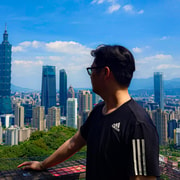
Why go: Once the tallest building in the world, Taipei 101 offers sweeping views of the city skyline and mountains.
What to do: Take the high-speed elevator to the observation deck (89F), enjoy a meal at Din Tai Fung, and shop in the luxury mall below.
Tours:
Planning a trip to Taiwan? This guide covers what to see and do, how to get around, where to stay, and the best bookable tours to make the most of your time.
Taipei: Taipei Night Market Experience Taiwan Best deals for Taipei: Taipei Night Market Experience. Explore Taipei's night markets on a guided tour. Savor a local snack and boba drink, learn about the culture and history of street foods, and try your hand at traditional night market games. Available from getyourguide.com.
Taipei: Taipei-Hualien one day tour Taiwan Best deals for Taipei: Taipei-Hualien one day tour. Discover Hualien and Taroko Gorge on a day trip from Taipei. Depart from Xingtian Temple, stroll through Xincheng Old Street, and explore the scenic Tianxiang Recreation Area. Available from getyourguide.com.
Taipei: Taipei 101 Observatory - Skyline 460 Cloud Walk Taiwan Best deals for Taipei: Taipei 101 Observatory - Skyline 460 Cloud Walk. Elevate your adventure at Taipei 101’s Skyline 460, Asia’s highest outdoor observatory. Soak in breathtaking panoramic views of Taipei, enjoy guided tours, and skip the lines with fast-track access. Available from getyourguide.com.
Street food to try at Liuhe Night Market, Kaohsiung
Planning a trip to Taiwan? This guide covers what to see and do, how to get around, where to stay, and the best bookable tours to make the most of your time.
Departing from Kaohsiung or Tainan: Tainan City Day Trips Taiwan Best deals for Departing from Kaohsiung or Tainan: Tainan City Day Trips. Explore Tainan's history and culture on a guided tour. Visit Chihkan Tower, Tainan Grand Matsu Temple, and Anping Old Fort. Enjoy a boat ride through the Sicao Green Tunnel. Available from getyourguide.com.
FAQ
Is English widely spoken?
A: In major cities and tourist areas, yes. Carry hotel cards and use translation apps for taxis and rural areas.
Do I need cash?
A: Cards are common, but small eats and rural buses may be cash‑only. ATMs are easy to find.
What’s the best transport card?
A: EasyCard and iPASS both work on most public transport and convenience stores—buy whichever you see first.
Is Taiwan safe for solo travellers?
A: Very safe. Use standard city smarts and keep an eye on personal items in crowded night markets.
How far in advance should I book tours?
A: Popular day trips and high‑demand dates (festivals, weekends) can sell out—book 1–2 weeks ahead when possible.
Published 2025-08-27 on UnusedRooms.com
Sponsored Popular Items
Quick take: Musement.com offers a worldwide selection of tours and attractions
Departing from Kaohsiung or Tainan: Tainan City Day Trips Taiwan Best deals for Departing from Kaohsiung or Tainan: Tainan City Day Trips. Explore Tainan's history and culture on a guided tour. Visit Chihkan Tower, Tainan Grand Matsu Temple, and Anping Old Fort. Enjoy a boat ride through the Sicao Green Tunnel. Available from getyourguide.com.
From Taipei: Kaohsiung Highlights by High-Speed Train Taiwan Best deals for From Taipei: Kaohsiung Highlights by High-Speed Train. Explore Kaohsiung on a private guided day trip from Taipei by high-speed train. Visit Lotus Pond’s iconic temples, take a short ferry ride to Cijin Island, and enjoy panoramic harbor views. Available from getyourguide.com.
Planning a trip to Taiwan? This guide covers what to see and do, how to get around, where to stay, and the best bookable tours to make the most of your time.
Whitsundays: Snorkel, Sailing, Whitehaven Beach 2Day 1Night Australia Sail the Whitsundays on an overnight tour on a racing yacht from Airlie Beach. Snorkel vibrant reefs, explore the best beach in the world Whitehaven Beach, Hill Inlet, stargaze, fresh… Check current availability, inclusions and booking conditions.
Departing from Kaohsiung or Tainan: Tainan City Day Trips Taiwan Best deals for Departing from Kaohsiung or Tainan: Tainan City Day Trips. Explore Tainan's history and culture on a guided tour. Visit Chihkan Tower, Tainan Grand Matsu Temple, and Anping Old Fort. Enjoy a boat ride through the Sicao Green Tunnel. Available from getyourguide.com.
From Taipei: Kaohsiung Highlights by High-Speed Train Taiwan Best deals for From Taipei: Kaohsiung Highlights by High-Speed Train. Explore Kaohsiung on a private guided day trip from Taipei by high-speed train. Visit Lotus Pond’s iconic temples, take a short ferry ride to Cijin Island, and enjoy panoramic harbor views. Available from getyourguide.com.