Tucson Countryside Guide: Scenic Tours & Rural Day Trips United States Tucson combines Sonoran Desert landscapes, distinctive saguaro forests, Indigenous and Spanish colonial history, astronomy, food and mountain escapes. Check current availability, inclusions and booking details before you go.
Why Visit Tucson
Tucson blends history, culture, and everyday life into a destination filled with engaging museums and memorable attractions. This guide highlights the kinds of places visitors love and what to expect at each, plus practical tips for planning your day.
Flagship History Museum
The main city history museum in Tucson typically traces the region from early settlement to the present through artifacts, photographs, and interactive exhibits. Expect rotating shows, a solid gift shop, and helpful context for everything else you’ll see.
Art Museum & Sculpture Garden
A leading art museum usually anchors the local scene with classics, contemporary works, and special exhibitions. If there’s an outdoor sculpture garden, it’s a relaxing way to pair culture with a walk.
Science & Discovery Center
Hands-on galleries make science approachable for all ages—think space, engineering, and ecosystems—often with an IMAX or planetarium.
Landmark Cathedral or Temple
Historic houses of worship give insight into Tucson’s architectural styles and community roots. Many offer guided tours and quiet courtyards.
Iconic Public Square or Old Town
Central plazas and heritage streets concentrate cafes, street performers, and local crafts. They’re perfect for people‑watching and photos.
Riverside, Harbor or Promenade
Waterfront paths and viewpoints provide fresh air and skyline views. Look for sunset spots, public art, and casual dining.
Family Favorite: Zoo, Aquarium, or Insectarium
Animal-focused attractions pair conservation with education. Check feeding schedules or touch‑pools for interactive moments.
Living Culture: Music Hall or Theatre
An intimate performance venue showcases local sound—jazz, folk, or contemporary—making for a memorable night out.
Planning Tips
Buy timed tickets online for popular museums and special exhibits.
Combine nearby sights to minimize travel time; many districts are walkable.
Check weekly free or discounted hours; student, senior, and family passes can reduce costs.
Start early for quieter galleries and better photos.
Bottom Line
From cornerstone museums to living cultural venues and scenic promenades, Tucson offers a balanced mix of learning, leisure, and local flavor.
Sponsored Popular Items
Quick take: Musement.com offers a worldwide selection of tours and attractions
Tucson Countryside Guide: Scenic Tours & Rural Day Trips United States Tucson combines Sonoran Desert landscapes, distinctive saguaro forests, Indigenous and Spanish colonial history, astronomy, food and mountain escapes. Check current availability, inclusions and booking details before you go.
Tucson Tours & Self-Guided Adventures Guide United States Tucson Arizona Tours & Self-Guided Adventures on Musement Tucson is known for year-round sunshine and a mix of Spanish, Native-American, Mexican and Anglo influences (as described on Musement). Check current availability, inclusions and booking details before you go.
Tucson Heritage Walking Audio Tour United States Tucson heritage walking audio tour is designed for travellers who prefer independent exploration while still having structured digital guidance available. Check current availability, inclusions and booking details before you go.
Da Lat blends history, culture, and everyday life into a destination filled with engaging museums and memorable attractions. This guide highlights the kinds of places visitors love and what to expect at each, plus practical tips for planning your day.
Flagship History Museum
The main city history museum in Da Lat typically traces the region from early settlement to the present through artifacts, photographs, and interactive exhibits. Expect rotating shows, a solid gift shop, and helpful context for everything else you’ll see.
Art Museum & Sculpture Garden
A leading art museum usually anchors the local scene with classics, contemporary works, and special exhibitions. If there’s an outdoor sculpture garden, it’s a relaxing way to pair culture with a walk.
Science & Discovery Center
Hands-on galleries make science approachable for all ages—think space, engineering, and ecosystems—often with an IMAX or planetarium.
Landmark Cathedral or Temple
Historic houses of worship give insight into Da Lat’s architectural styles and community roots. Many offer guided tours and quiet courtyards.
Iconic Public Square or Old Town
Central plazas and heritage streets concentrate cafes, street performers, and local crafts. They’re perfect for people‑watching and photos.
Riverside, Harbor or Promenade
Waterfront paths and viewpoints provide fresh air and skyline views. Look for sunset spots, public art, and casual dining.
Family Favorite: Zoo, Aquarium, or Insectarium
Animal-focused attractions pair conservation with education. Check feeding schedules or touch‑pools for interactive moments.
Living Culture: Music Hall or Theatre
An intimate performance venue showcases local sound—jazz, folk, or contemporary—making for a memorable night out.
Planning Tips
Buy timed tickets online for popular museums and special exhibits.
Combine nearby sights to minimize travel time; many districts are walkable.
Check weekly free or discounted hours; student, senior, and family passes can reduce costs.
Start early for quieter galleries and better photos.
Bottom Line
From cornerstone museums to living cultural venues and scenic promenades, Da Lat offers a balanced mix of learning, leisure, and local flavor.
Sponsored Popular Items
Quick take: Musement.com offers a worldwide selection of tours and attractions
Da Lat: Easy Rider to Hobbit Village & Go-Kart Adventure Vietnam Explore Da Lat's countryside with Hobbit Village, God Valley, Go-Karting, a coffee plantation, Weasel Coffee Farm, Silk Factory, Happy Water making place, Linh An Pagoda, and Elephant Waterfall
Mui Ne: Da Lat - Nature, Wonders, Culture Private Day Trip Vietnam Discover Da Lat from Mui Ne in a day! Ride the scenic cable car, ride the alpine coaster at Datanla waterfall, and visit iconic Crazy House, sacred pagodas, Clay Tunnel, coffee farms and countryside!
Zoo Tampa at Lowry Park - Nature & Wildlife Experience United States Zoo Tampa at Lowry Park places landscapes, habitats or wildlife at the centre of the experience. Check current availability, inclusions and booking details before you go.
Why Visit Tampa
Tampa blends history, culture, and everyday life into a destination filled with engaging museums and memorable attractions. This guide highlights the kinds of places visitors love and what to expect at each, plus practical tips for planning your day.
Flagship History Museum
The main city history museum in Tampa typically traces the region from early settlement to the present through artifacts, photographs, and interactive exhibits. Expect rotating shows, a solid gift shop, and helpful context for everything else you’ll see.
Art Museum & Sculpture Garden
A leading art museum usually anchors the local scene with classics, contemporary works, and special exhibitions. If there’s an outdoor sculpture garden, it’s a relaxing way to pair culture with a walk.
Science & Discovery Center
Hands-on galleries make science approachable for all ages—think space, engineering, and ecosystems—often with an IMAX or planetarium.
Landmark Cathedral or Temple
Historic houses of worship give insight into Tampa’s architectural styles and community roots. Many offer guided tours and quiet courtyards.
Iconic Public Square or Old Town
Central plazas and heritage streets concentrate cafes, street performers, and local crafts. They’re perfect for people‑watching and photos.
Riverside, Harbor or Promenade
Waterfront paths and viewpoints provide fresh air and skyline views. Look for sunset spots, public art, and casual dining.
Family Favorite: Zoo, Aquarium, or Insectarium
Animal-focused attractions pair conservation with education. Check feeding schedules or touch‑pools for interactive moments.
Living Culture: Music Hall or Theatre
An intimate performance venue showcases local sound—jazz, folk, or contemporary—making for a memorable night out.
Planning Tips
Buy timed tickets online for popular museums and special exhibits.
Combine nearby sights to minimize travel time; many districts are walkable.
Check weekly free or discounted hours; student, senior, and family passes can reduce costs.
Start early for quieter galleries and better photos.
Bottom Line
From cornerstone museums to living cultural venues and scenic promenades, Tampa offers a balanced mix of learning, leisure, and local flavor.
Sponsored Popular Items
Quick take: Musement.com offers a worldwide selection of tours and attractions
Zoo Tampa at Lowry Park - Nature & Wildlife Experience United States Zoo Tampa at Lowry Park places landscapes, habitats or wildlife at the centre of the experience. Check current availability, inclusions and booking details before you go.
Tickets to ZooQuarium in Tampa – Nature & Wildlife Experience United States The listing may offer admission, a guided visit, transport, a combination package or premium access. Check current availability, inclusions and booking details before you go.
Tampa Nature Guide: Outdoor Tours, Parks & Scenic Experiences United States Tampa combines a working bay, riverfront, Cuban and immigrant history, major family attractions and access to wetlands, wildlife and Gulf Coast environments. Check current availability, inclusions and booking details before you go.
Mui Ne: Da Lat - Nature, Wonders, Culture Private Day Trip Vietnam Discover Da Lat from Mui Ne in a day! Ride the scenic cable car, ride the alpine coaster at Datanla waterfall, and visit iconic Crazy House, sacred pagodas, Clay Tunnel, coffee farms and countryside!
Why Visit Da Lat
Da Lat blends history, culture, and everyday life into a destination filled with engaging museums and memorable attractions. This guide highlights the kinds of places visitors love and what to expect at each, plus practical tips for planning your day.
Flagship History Museum
The main city history museum in Da Lat typically traces the region from early settlement to the present through artifacts, photographs, and interactive exhibits. Expect rotating shows, a solid gift shop, and helpful context for everything else you’ll see.
Art Museum & Sculpture Garden
A leading art museum usually anchors the local scene with classics, contemporary works, and special exhibitions. If there’s an outdoor sculpture garden, it’s a relaxing way to pair culture with a walk.
Science & Discovery Center
Hands-on galleries make science approachable for all ages—think space, engineering, and ecosystems—often with an IMAX or planetarium.
Landmark Cathedral or Temple
Historic houses of worship give insight into Da Lat’s architectural styles and community roots. Many offer guided tours and quiet courtyards.
Iconic Public Square or Old Town
Central plazas and heritage streets concentrate cafes, street performers, and local crafts. They’re perfect for people‑watching and photos.
Riverside, Harbor or Promenade
Waterfront paths and viewpoints provide fresh air and skyline views. Look for sunset spots, public art, and casual dining.
Family Favorite: Zoo, Aquarium, or Insectarium
Animal-focused attractions pair conservation with education. Check feeding schedules or touch‑pools for interactive moments.
Living Culture: Music Hall or Theatre
An intimate performance venue showcases local sound—jazz, folk, or contemporary—making for a memorable night out.
Planning Tips
Buy timed tickets online for popular museums and special exhibits.
Combine nearby sights to minimize travel time; many districts are walkable.
Check weekly free or discounted hours; student, senior, and family passes can reduce costs.
Start early for quieter galleries and better photos.
Bottom Line
From cornerstone museums to living cultural venues and scenic promenades, Da Lat offers a balanced mix of learning, leisure, and local flavor.
Sponsored Popular Items
Quick take: Musement.com offers a worldwide selection of tours and attractions
Mui Ne: Da Lat - Nature, Wonders, Culture Private Day Trip Vietnam Discover Da Lat from Mui Ne in a day! Ride the scenic cable car, ride the alpine coaster at Datanla waterfall, and visit iconic Crazy House, sacred pagodas, Clay Tunnel, coffee farms and countryside!
Da Lat: Cloud Hunting and Nature Morning Tour Vietnam Wake up early (4:00 AM–10:00 AM) to chase breathtaking sunrises over clouds, savor a local breakfast, stroll tea hills, explore stunning Linh Phuoc Pagoda, and join a sign language and scent workshop
Transfer from Da Lat to Voi Waterfall – Nature Experience Vietnam Transfer from Da Lat to Voi Waterfall places landscapes, habitats or wildlife at the centre of the day. Check current availability, inclusions and booking details before you go.
Da Lat Vietnam Walking, Hiking & Cycling Tours Vietnam Hiking & bike tours in Da Lat Vietnam Bike Tours in Da Lat Dalat to Nha Trang Downhill Cycling Highlights: 70–90 km mostly downhill ride from Da Lat’s cool highlands to the coastal city of Nha Trang. Check current availability, inclusions and booking details before you go.
Why Visit Da Lat Vietnam
Da Lat Vietnam blends history, culture, and everyday life into a destination filled with engaging museums and memorable attractions. This guide highlights the kinds of places visitors love and what to expect at each, plus practical tips for planning your day.
Flagship History Museum
The main city history museum in Da Lat Vietnam typically traces the region from early settlement to the present through artifacts, photographs, and interactive exhibits. Expect rotating shows, a solid gift shop, and helpful context for everything else you’ll see.
Art Museum & Sculpture Garden
A leading art museum usually anchors the local scene with classics, contemporary works, and special exhibitions. If there’s an outdoor sculpture garden, it’s a relaxing way to pair culture with a walk.
Science & Discovery Center
Hands-on galleries make science approachable for all ages—think space, engineering, and ecosystems—often with an IMAX or planetarium.
Landmark Cathedral or Temple
Historic houses of worship give insight into Da Lat Vietnam’s architectural styles and community roots. Many offer guided tours and quiet courtyards.
Iconic Public Square or Old Town
Central plazas and heritage streets concentrate cafes, street performers, and local crafts. They’re perfect for people‑watching and photos.
Riverside, Harbor or Promenade
Waterfront paths and viewpoints provide fresh air and skyline views. Look for sunset spots, public art, and casual dining.
Family Favorite: Zoo, Aquarium, or Insectarium
Animal-focused attractions pair conservation with education. Check feeding schedules or touch‑pools for interactive moments.
Living Culture: Music Hall or Theatre
An intimate performance venue showcases local sound—jazz, folk, or contemporary—making for a memorable night out.
Planning Tips
Buy timed tickets online for popular museums and special exhibits.
Combine nearby sights to minimize travel time; many districts are walkable.
Check weekly free or discounted hours; student, senior, and family passes can reduce costs.
Start early for quieter galleries and better photos.
Bottom Line
From cornerstone museums to living cultural venues and scenic promenades, Da Lat Vietnam offers a balanced mix of learning, leisure, and local flavor.
Sponsored Popular Items
Quick take: Musement.com offers a worldwide selection of tours and attractions
Da Lat Vietnam Walking, Hiking & Cycling Tours Vietnam Hiking & bike tours in Da Lat Vietnam Bike Tours in Da Lat Dalat to Nha Trang Downhill Cycling Highlights: 70–90 km mostly downhill ride from Da Lat’s cool highlands to the coastal city of Nha Trang. Check current availability, inclusions and booking details before you go.
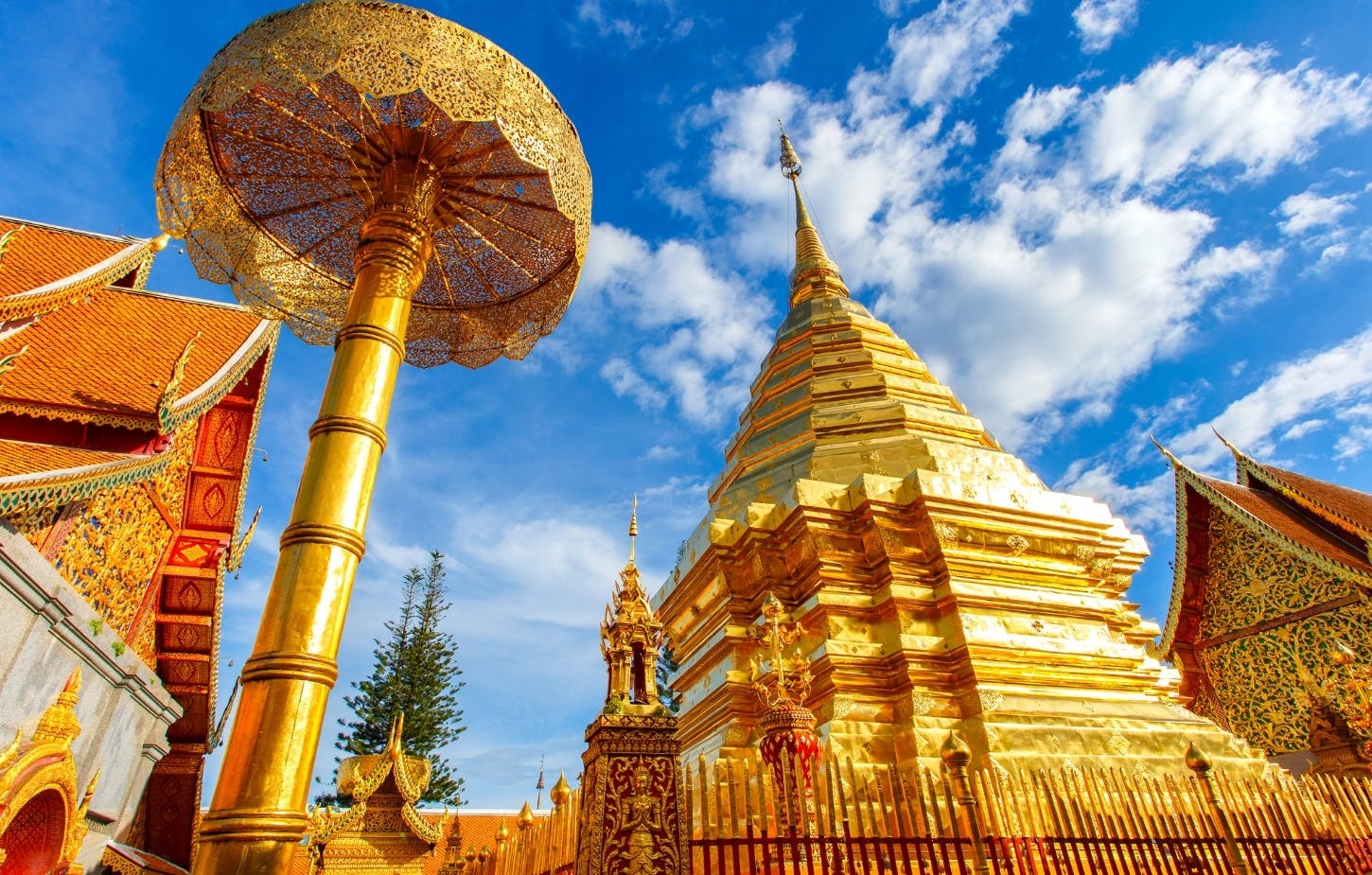
Doi Suthep and Wat Pha Lat Temples Hiking Tour - Outdoor Adventure Thailand Doi Suthep and Wat Pha Lat temples hiking tour brings an active alternative to standard sightseeing and should be planned with the stated safety requirements in mind. Check current availability, inclusions and booking details before you go.
Da Lat Nature Guide: Outdoor Tours, Parks & Scenic Experiences Vietnam Da Lat combines a cool highland climate, pine forests, waterfalls, farms, colonial-era architecture, coffee and adventure activities. Check current availability, inclusions and booking details before you go.
Montevideo blends history, culture, and everyday life into a destination filled with engaging museums and memorable attractions. This guide highlights the kinds of places visitors love and what to expect at each, plus practical tips for planning your day.
Flagship History Museum
The main city history museum in Montevideo typically traces the region from early settlement to the present through artifacts, photographs, and interactive exhibits. Expect rotating shows, a solid gift shop, and helpful context for everything else you’ll see.
Art Museum & Sculpture Garden
A leading art museum usually anchors the local scene with classics, contemporary works, and special exhibitions. If there’s an outdoor sculpture garden, it’s a relaxing way to pair culture with a walk.
Science & Discovery Center
Hands-on galleries make science approachable for all ages—think space, engineering, and ecosystems—often with an IMAX or planetarium.
Landmark Cathedral or Temple
Historic houses of worship give insight into Montevideo’s architectural styles and community roots. Many offer guided tours and quiet courtyards.
Iconic Public Square or Old Town
Central plazas and heritage streets concentrate cafes, street performers, and local crafts. They’re perfect for people‑watching and photos.
Riverside, Harbor or Promenade
Waterfront paths and viewpoints provide fresh air and skyline views. Look for sunset spots, public art, and casual dining.
Family Favorite: Zoo, Aquarium, or Insectarium
Animal-focused attractions pair conservation with education. Check feeding schedules or touch‑pools for interactive moments.
Living Culture: Music Hall or Theatre
An intimate performance venue showcases local sound—jazz, folk, or contemporary—making for a memorable night out.
Planning Tips
Buy timed tickets online for popular museums and special exhibits.
Combine nearby sights to minimize travel time; many districts are walkable.
Check weekly free or discounted hours; student, senior, and family passes can reduce costs.
Start early for quieter galleries and better photos.
Bottom Line
From cornerstone museums to living cultural venues and scenic promenades, Montevideo offers a balanced mix of learning, leisure, and local flavor.
Sponsored Popular Items
Quick take: Musement.com offers a worldwide selection of tours and attractions
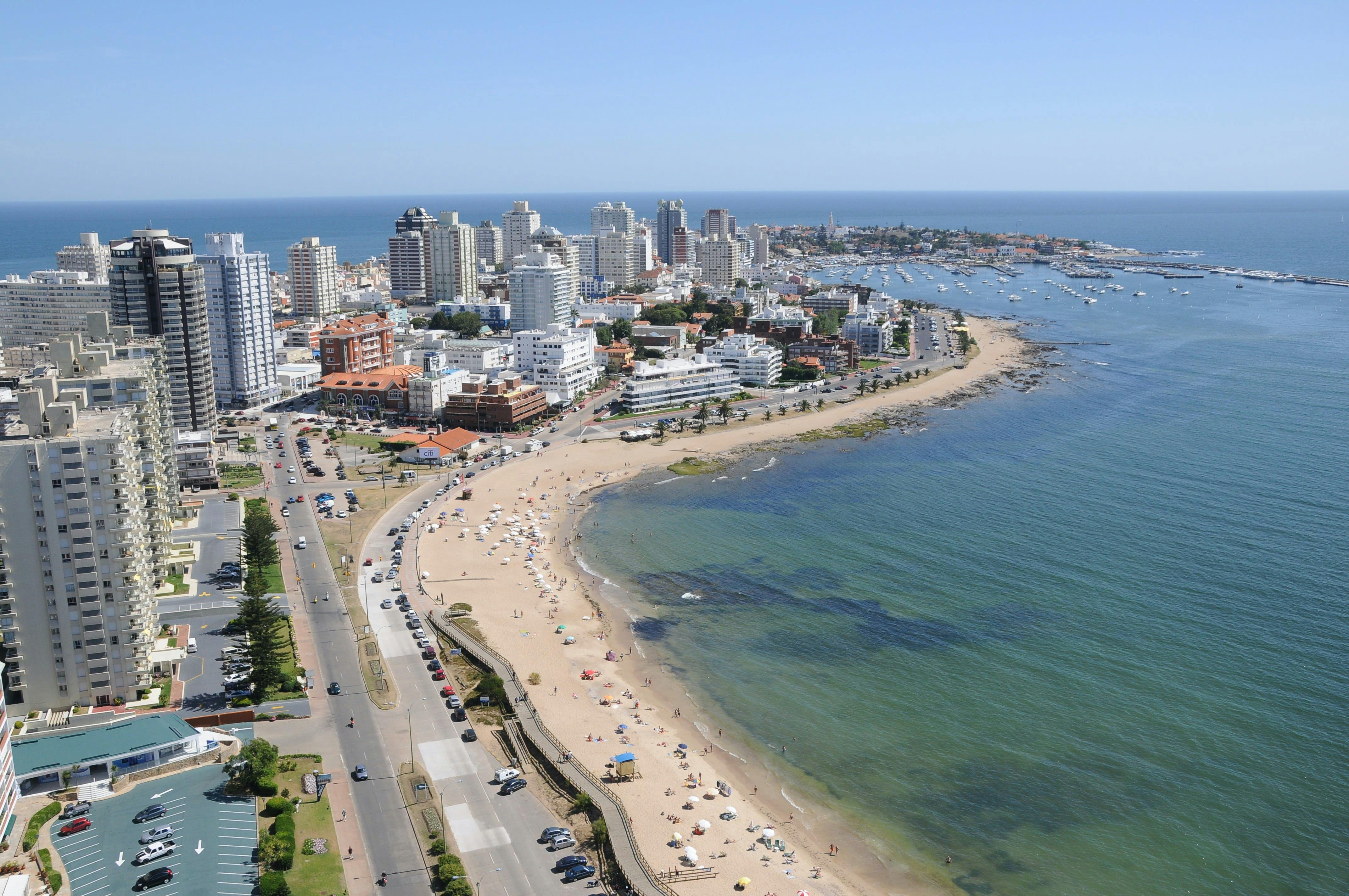
Montevideo Tours, Day Trips & Transfers Guide Uruguay Montevideo Uruguay: Top Tours, Day Trips & Transfers With Direct Links. Montevideo is Uruguay’s capital with a relaxed coastal vibe. Check current availability, inclusions and booking details before you go.
Punta Del Este Full-Day Guided Tour from Montevideo - Guided Sightseeing Tour Uruguay Punta del Este full-day guided tour from Montevideo is a convenient way to add structure, local context and purposeful sightseeing to the itinerary. Check current availability, inclusions and booking details before you go.
Explore Montevideo: City Tours, Landmarks & Sightseeing Uruguay Montevideo combines a relaxed Río de la Plata waterfront, historic squares, markets, football, architecture and Uruguayan food culture. Check current availability, inclusions and booking details before you go.
Why Visit Montevideo
Montevideo blends history, culture, and everyday life into a destination filled with engaging museums and memorable attractions. This guide highlights the kinds of places visitors love and what to expect at each, plus practical tips for planning your day.
Flagship History Museum
The main city history museum in Montevideo typically traces the region from early settlement to the present through artifacts, photographs, and interactive exhibits. Expect rotating shows, a solid gift shop, and helpful context for everything else you’ll see.
Art Museum & Sculpture Garden
A leading art museum usually anchors the local scene with classics, contemporary works, and special exhibitions. If there’s an outdoor sculpture garden, it’s a relaxing way to pair culture with a walk.
Science & Discovery Center
Hands-on galleries make science approachable for all ages—think space, engineering, and ecosystems—often with an IMAX or planetarium.
Landmark Cathedral or Temple
Historic houses of worship give insight into Montevideo’s architectural styles and community roots. Many offer guided tours and quiet courtyards.
Iconic Public Square or Old Town
Central plazas and heritage streets concentrate cafes, street performers, and local crafts. They’re perfect for people‑watching and photos.
Riverside, Harbor or Promenade
Waterfront paths and viewpoints provide fresh air and skyline views. Look for sunset spots, public art, and casual dining.
Family Favorite: Zoo, Aquarium, or Insectarium
Animal-focused attractions pair conservation with education. Check feeding schedules or touch‑pools for interactive moments.
Living Culture: Music Hall or Theatre
An intimate performance venue showcases local sound—jazz, folk, or contemporary—making for a memorable night out.
Planning Tips
Buy timed tickets online for popular museums and special exhibits.
Combine nearby sights to minimize travel time; many districts are walkable.
Check weekly free or discounted hours; student, senior, and family passes can reduce costs.
Start early for quieter galleries and better photos.
Bottom Line
From cornerstone museums to living cultural venues and scenic promenades, Montevideo offers a balanced mix of learning, leisure, and local flavor.
Sponsored Popular Items
Quick take: Musement.com offers a worldwide selection of tours and attractions
Explore Montevideo: City Tours, Landmarks & Sightseeing Uruguay Montevideo combines a relaxed Río de la Plata waterfront, historic squares, markets, football, architecture and Uruguayan food culture. Check current availability, inclusions and booking details before you go.
Montevideo Guide: City Tours, Must-See Sights & Day Trips Uruguay The Must-sees in Montevideo. Popular Montevideo experiences, wine tours, day trips, and transfers) on the same page.must-see experience. Check current availability, inclusions and booking details before you go.
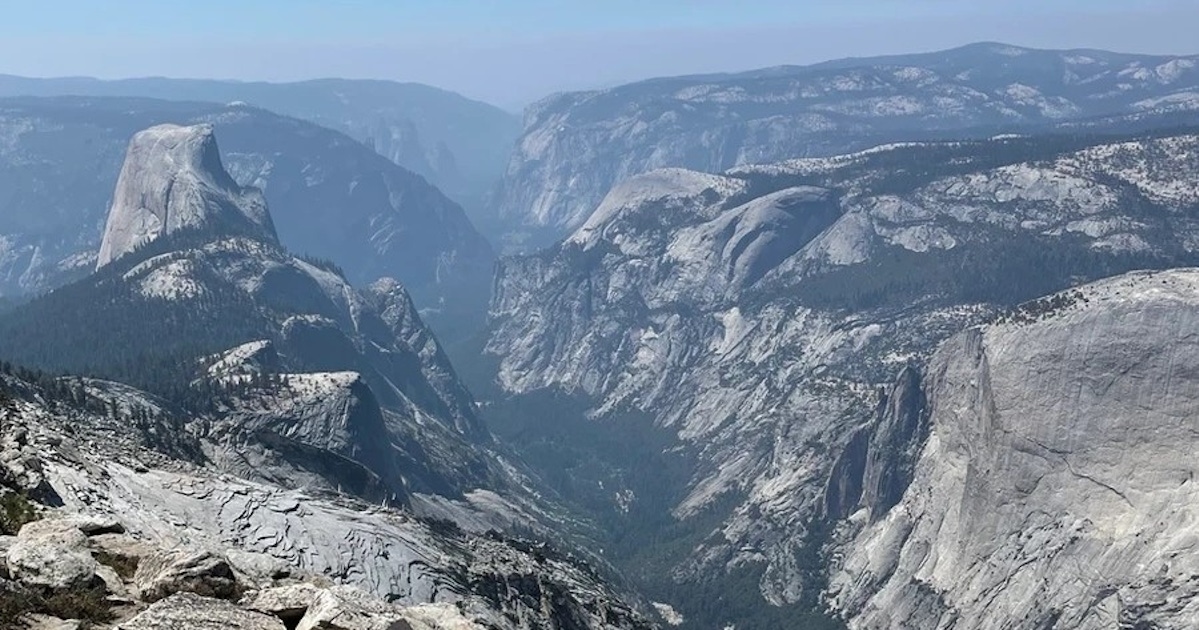
Yosemite Walking, Hiking & Cycling Tours United States Yosemite is defined by granite cliffs, waterfalls, giant sequoias, high-country roads and a trail system where weather, fire and snow can rapidly change access. Check current availability, inclusions and booking details before you go.
Why Visit Yosemite
Yosemite blends history, culture, and everyday life into a destination filled with engaging museums and memorable attractions. This guide highlights the kinds of places visitors love and what to expect at each, plus practical tips for planning your day.
Flagship History Museum
The main city history museum in Yosemite typically traces the region from early settlement to the present through artifacts, photographs, and interactive exhibits. Expect rotating shows, a solid gift shop, and helpful context for everything else you’ll see.
Art Museum & Sculpture Garden
A leading art museum usually anchors the local scene with classics, contemporary works, and special exhibitions. If there’s an outdoor sculpture garden, it’s a relaxing way to pair culture with a walk.
Science & Discovery Center
Hands-on galleries make science approachable for all ages—think space, engineering, and ecosystems—often with an IMAX or planetarium.
Landmark Cathedral or Temple
Historic houses of worship give insight into Yosemite’s architectural styles and community roots. Many offer guided tours and quiet courtyards.
Iconic Public Square or Old Town
Central plazas and heritage streets concentrate cafes, street performers, and local crafts. They’re perfect for people‑watching and photos.
Riverside, Harbor or Promenade
Waterfront paths and viewpoints provide fresh air and skyline views. Look for sunset spots, public art, and casual dining.
Family Favorite: Zoo, Aquarium, or Insectarium
Animal-focused attractions pair conservation with education. Check feeding schedules or touch‑pools for interactive moments.
Living Culture: Music Hall or Theatre
An intimate performance venue showcases local sound—jazz, folk, or contemporary—making for a memorable night out.
Planning Tips
Buy timed tickets online for popular museums and special exhibits.
Combine nearby sights to minimize travel time; many districts are walkable.
Check weekly free or discounted hours; student, senior, and family passes can reduce costs.
Start early for quieter galleries and better photos.
Bottom Line
From cornerstone museums to living cultural venues and scenic promenades, Yosemite offers a balanced mix of learning, leisure, and local flavor.
Sponsored Popular Items
Quick take: Musement.com offers a worldwide selection of tours and attractions
Yosemite Walking, Hiking & Cycling Tours United States Yosemite is defined by granite cliffs, waterfalls, giant sequoias, high-country roads and a trail system where weather, fire and snow can rapidly change access. Check current availability, inclusions and booking details before you go.
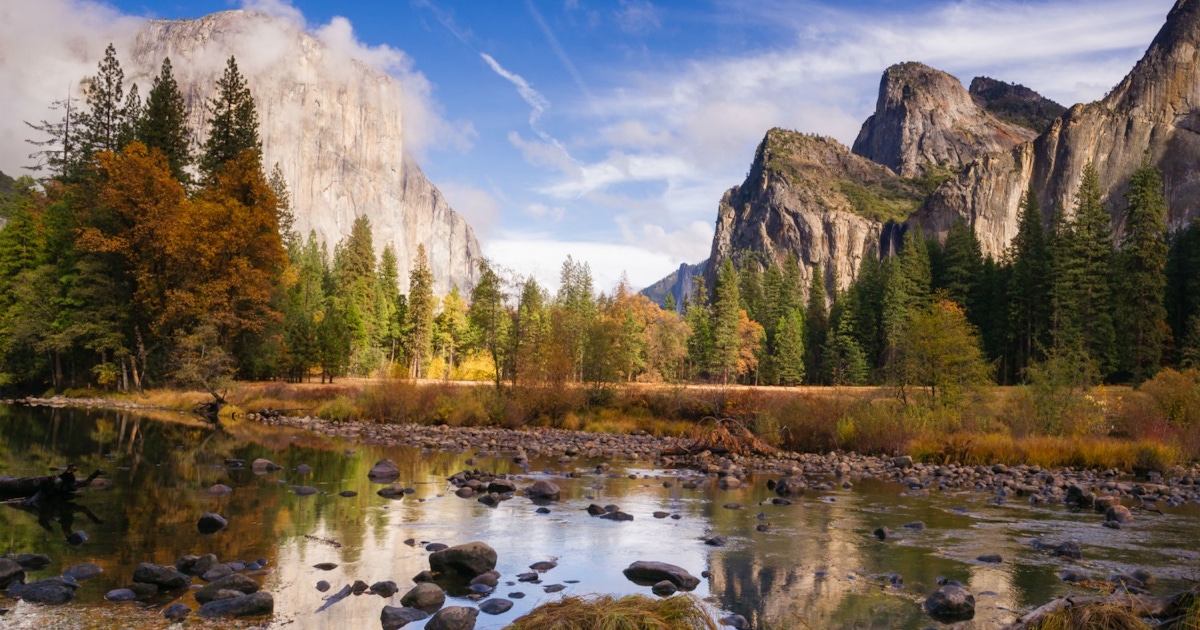
Yosemite National Park Tours & Activities Guide United States Yosemite National Park: Tours & Activities (Summary + Direct Links) Yosemite is a classic big granite + waterfalls park:. Check current availability, inclusions and booking details before you go.
Yosemite National Park Tours, Tickets & Day Trips United States Compare sightseeing experiences in Yosemite National Park Tours, Tickets &, with practical tips on timing, inclusions and choosing the right option. Check current availability, prices and booking conditions before you go.
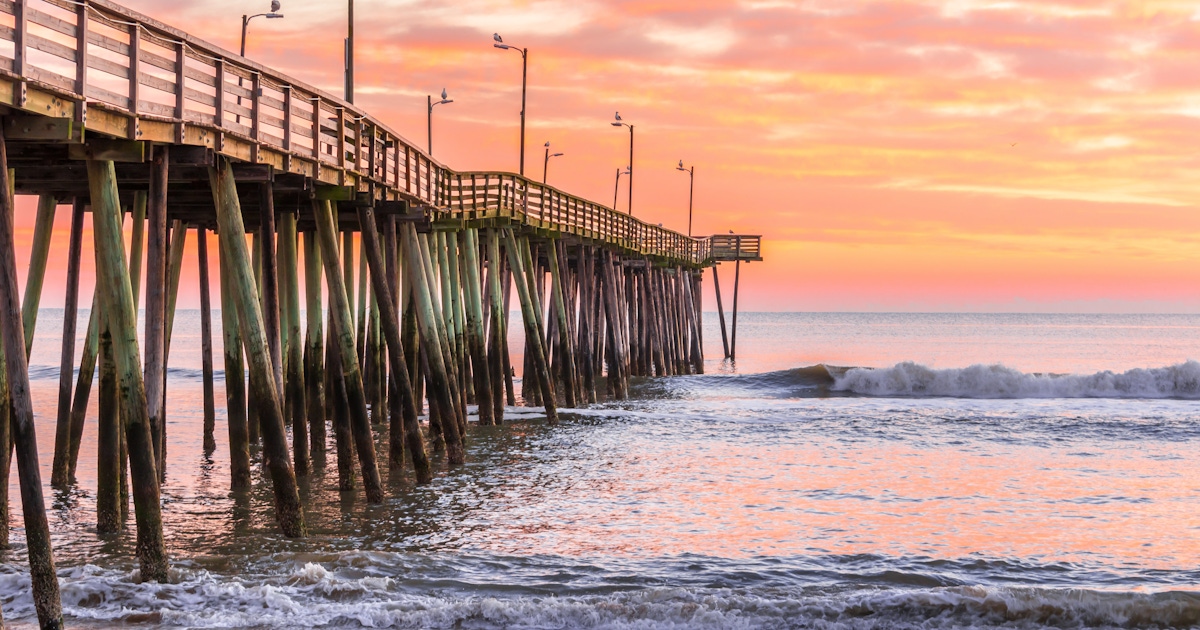
Virginia Beach Drinks Guide: Tastings, Bars & Local Flavours United States Virginia Beach combines an Atlantic resort strip, Chesapeake Bay, seafood, military and maritime history, breweries and protected coastal landscapes. Check current availability, inclusions and booking details before you go.
Why Visit Virginia Beach
Virginia Beach blends history, culture, and everyday life into a destination filled with engaging museums and memorable attractions. This guide highlights the kinds of places visitors love and what to expect at each, plus practical tips for planning your day.
Flagship History Museum
The main city history museum in Virginia Beach typically traces the region from early settlement to the present through artifacts, photographs, and interactive exhibits. Expect rotating shows, a solid gift shop, and helpful context for everything else you’ll see.
Art Museum & Sculpture Garden
A leading art museum usually anchors the local scene with classics, contemporary works, and special exhibitions. If there’s an outdoor sculpture garden, it’s a relaxing way to pair culture with a walk.
Science & Discovery Center
Hands-on galleries make science approachable for all ages—think space, engineering, and ecosystems—often with an IMAX or planetarium.
Landmark Cathedral or Temple
Historic houses of worship give insight into Virginia Beach’s architectural styles and community roots. Many offer guided tours and quiet courtyards.
Iconic Public Square or Old Town
Central plazas and heritage streets concentrate cafes, street performers, and local crafts. They’re perfect for people‑watching and photos.
Riverside, Harbor or Promenade
Waterfront paths and viewpoints provide fresh air and skyline views. Look for sunset spots, public art, and casual dining.
Family Favorite: Zoo, Aquarium, or Insectarium
Animal-focused attractions pair conservation with education. Check feeding schedules or touch‑pools for interactive moments.
Living Culture: Music Hall or Theatre
An intimate performance venue showcases local sound—jazz, folk, or contemporary—making for a memorable night out.
Planning Tips
Buy timed tickets online for popular museums and special exhibits.
Combine nearby sights to minimize travel time; many districts are walkable.
Check weekly free or discounted hours; student, senior, and family passes can reduce costs.
Start early for quieter galleries and better photos.
Bottom Line
From cornerstone museums to living cultural venues and scenic promenades, Virginia Beach offers a balanced mix of learning, leisure, and local flavor.
Sponsored Popular Items
Quick take: Musement.com offers a worldwide selection of tours and attractions
Virginia Beach Drinks Guide: Tastings, Bars & Local Flavours United States Virginia Beach combines an Atlantic resort strip, Chesapeake Bay, seafood, military and maritime history, breweries and protected coastal landscapes. Check current availability, inclusions and booking details before you go.
Virginia Beach Food Guide: Culinary Tours, Local Dining & Tastings United States Virginia Beach combines an Atlantic resort strip, Chesapeake Bay, seafood, military and maritime history, breweries and protected coastal landscapes. Check current availability, inclusions and booking details before you go.
Virginia Beach Tours & Activities Guide United States Virginia Beach Things to Do (Quick Summary + Direct Links) Virginia Beach sits where the Chesapeake Bay meets the Atlantic Ocean—beaches, easy coastal day-trip. Check current availability, inclusions and booking details before you go.
Virginia Beach Food Guide: Culinary Tours, Local Dining & Tastings United States Virginia Beach combines an Atlantic resort strip, Chesapeake Bay, seafood, military and maritime history, breweries and protected coastal landscapes. Check current availability, inclusions and booking details before you go.
Why Visit Virginia Beach
Virginia Beach blends history, culture, and everyday life into a destination filled with engaging museums and memorable attractions. This guide highlights the kinds of places visitors love and what to expect at each, plus practical tips for planning your day.
Flagship History Museum
The main city history museum in Virginia Beach typically traces the region from early settlement to the present through artifacts, photographs, and interactive exhibits. Expect rotating shows, a solid gift shop, and helpful context for everything else you’ll see.
Art Museum & Sculpture Garden
A leading art museum usually anchors the local scene with classics, contemporary works, and special exhibitions. If there’s an outdoor sculpture garden, it’s a relaxing way to pair culture with a walk.
Science & Discovery Center
Hands-on galleries make science approachable for all ages—think space, engineering, and ecosystems—often with an IMAX or planetarium.
Landmark Cathedral or Temple
Historic houses of worship give insight into Virginia Beach’s architectural styles and community roots. Many offer guided tours and quiet courtyards.
Iconic Public Square or Old Town
Central plazas and heritage streets concentrate cafes, street performers, and local crafts. They’re perfect for people‑watching and photos.
Riverside, Harbor or Promenade
Waterfront paths and viewpoints provide fresh air and skyline views. Look for sunset spots, public art, and casual dining.
Family Favorite: Zoo, Aquarium, or Insectarium
Animal-focused attractions pair conservation with education. Check feeding schedules or touch‑pools for interactive moments.
Living Culture: Music Hall or Theatre
An intimate performance venue showcases local sound—jazz, folk, or contemporary—making for a memorable night out.
Planning Tips
Buy timed tickets online for popular museums and special exhibits.
Combine nearby sights to minimize travel time; many districts are walkable.
Check weekly free or discounted hours; student, senior, and family passes can reduce costs.
Start early for quieter galleries and better photos.
Bottom Line
From cornerstone museums to living cultural venues and scenic promenades, Virginia Beach offers a balanced mix of learning, leisure, and local flavor.
Sponsored Popular Items
Quick take: Musement.com offers a worldwide selection of tours and attractions
Virginia Beach Food Guide: Culinary Tours, Local Dining & Tastings United States Virginia Beach combines an Atlantic resort strip, Chesapeake Bay, seafood, military and maritime history, breweries and protected coastal landscapes. Check current availability, inclusions and booking details before you go.
Virginia Beach Tours & Activities Guide United States Virginia Beach Things to Do (Quick Summary + Direct Links) Virginia Beach sits where the Chesapeake Bay meets the Atlantic Ocean—beaches, easy coastal day-trip. Check current availability, inclusions and booking details before you go.
Virginia Beach Drinks Guide: Tastings, Bars & Local Flavours United States Virginia Beach combines an Atlantic resort strip, Chesapeake Bay, seafood, military and maritime history, breweries and protected coastal landscapes. Check current availability, inclusions and booking details before you go.
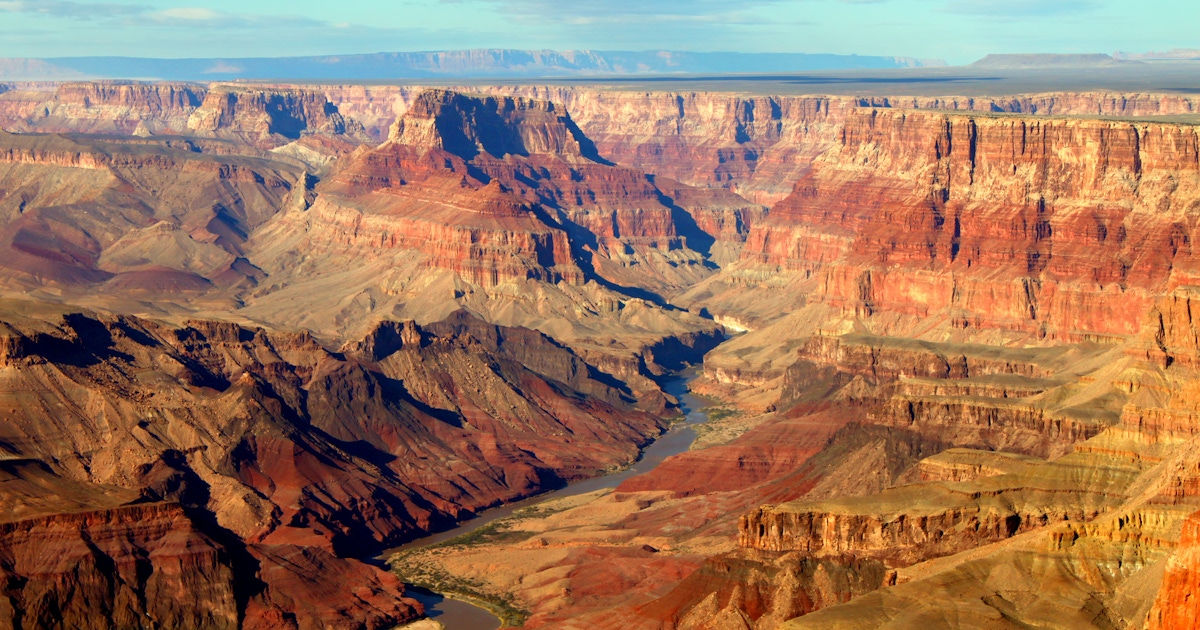
Tusayan & Grand Canyon South Rim Tours Guide United States Tusayan is positioned on Musement as the ultimate basecamp for the Grand Canyon South Rim a small town with hotels, restaurants and cultural attractions,. Check current availability, inclusions and booking details before you go.
Why Visit Tusayan
Tusayan blends history, culture, and everyday life into a destination filled with engaging museums and memorable attractions. This guide highlights the kinds of places visitors love and what to expect at each, plus practical tips for planning your day.
Flagship History Museum
The main city history museum in Tusayan typically traces the region from early settlement to the present through artifacts, photographs, and interactive exhibits. Expect rotating shows, a solid gift shop, and helpful context for everything else you’ll see.
Art Museum & Sculpture Garden
A leading art museum usually anchors the local scene with classics, contemporary works, and special exhibitions. If there’s an outdoor sculpture garden, it’s a relaxing way to pair culture with a walk.
Science & Discovery Center
Hands-on galleries make science approachable for all ages—think space, engineering, and ecosystems—often with an IMAX or planetarium.
Landmark Cathedral or Temple
Historic houses of worship give insight into Tusayan’s architectural styles and community roots. Many offer guided tours and quiet courtyards.
Iconic Public Square or Old Town
Central plazas and heritage streets concentrate cafes, street performers, and local crafts. They’re perfect for people‑watching and photos.
Riverside, Harbor or Promenade
Waterfront paths and viewpoints provide fresh air and skyline views. Look for sunset spots, public art, and casual dining.
Family Favorite: Zoo, Aquarium, or Insectarium
Animal-focused attractions pair conservation with education. Check feeding schedules or touch‑pools for interactive moments.
Living Culture: Music Hall or Theatre
An intimate performance venue showcases local sound—jazz, folk, or contemporary—making for a memorable night out.
Planning Tips
Buy timed tickets online for popular museums and special exhibits.
Combine nearby sights to minimize travel time; many districts are walkable.
Check weekly free or discounted hours; student, senior, and family passes can reduce costs.
Start early for quieter galleries and better photos.
Bottom Line
From cornerstone museums to living cultural venues and scenic promenades, Tusayan offers a balanced mix of learning, leisure, and local flavor.
Sponsored Popular Items
Quick take: Musement.com offers a worldwide selection of tours and attractions
Tusayan & Grand Canyon South Rim Tours Guide United States Tusayan is positioned on Musement as the ultimate basecamp for the Grand Canyon South Rim a small town with hotels, restaurants and cultural attractions,. Check current availability, inclusions and booking details before you go.
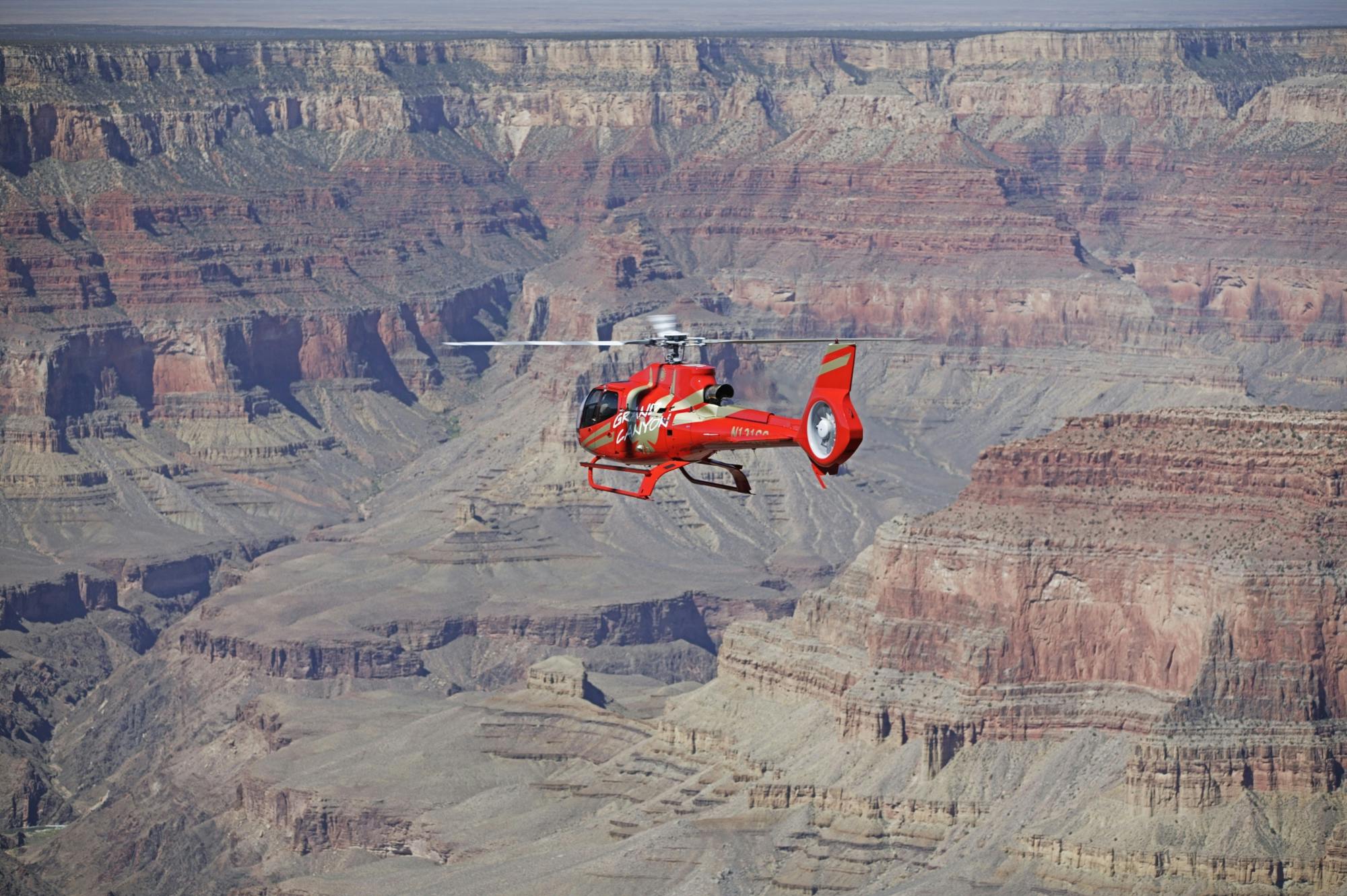
North Canyon Helicopter Tour from Grand Canyon South Rim – Tusayan Scenic Flight United States North Canyon Helicopter Tour from the Grand Canyon South Rim: What to Expect A short, narrated helicopter flight designed to show the Grand Canyon’s widest, deepest sections from above. Check current availability, inclusions and booking details before you go.
Grand Kingdom Air Tour from South Rim – Tusayan Guided Tour United States Grand Kingdom air tour from South Rim is a convenient way to add structure, local context and purposeful sightseeing to the itinerary. Check current availability, inclusions and booking details before you go.
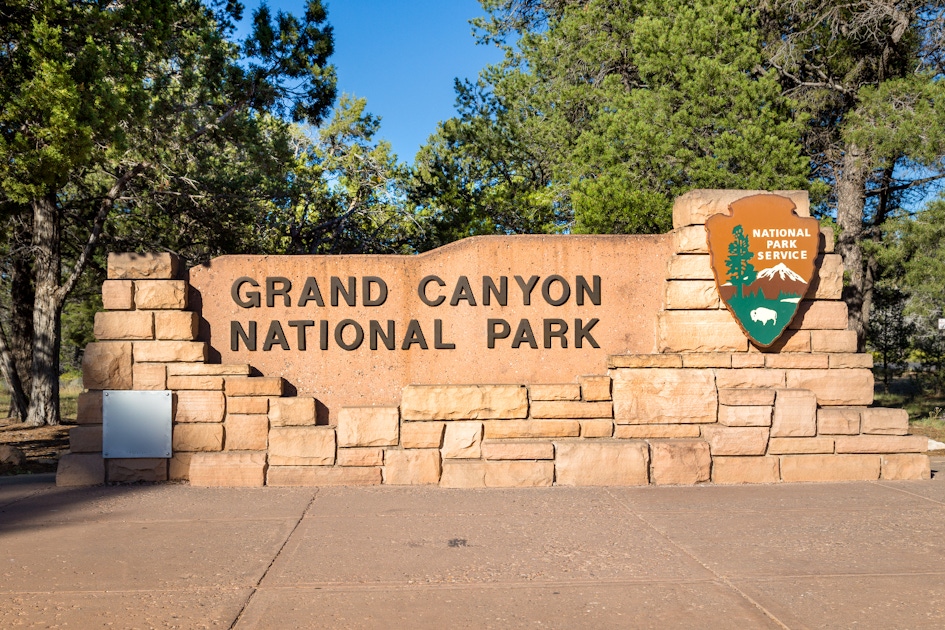
Tusayan Nature Guide: Outdoor Tours, Parks & Scenic Experiences United States Tusayan is a gateway to the Grand Canyon South Rim, offering viewpoints, aerial tours, off-road trips and visitor services close to the national park. Check current availability, inclusions and booking details before you go.
Why Visit Tusayan
Tusayan blends history, culture, and everyday life into a destination filled with engaging museums and memorable attractions. This guide highlights the kinds of places visitors love and what to expect at each, plus practical tips for planning your day.
Flagship History Museum
The main city history museum in Tusayan typically traces the region from early settlement to the present through artifacts, photographs, and interactive exhibits. Expect rotating shows, a solid gift shop, and helpful context for everything else you’ll see.
Art Museum & Sculpture Garden
A leading art museum usually anchors the local scene with classics, contemporary works, and special exhibitions. If there’s an outdoor sculpture garden, it’s a relaxing way to pair culture with a walk.
Science & Discovery Center
Hands-on galleries make science approachable for all ages—think space, engineering, and ecosystems—often with an IMAX or planetarium.
Landmark Cathedral or Temple
Historic houses of worship give insight into Tusayan’s architectural styles and community roots. Many offer guided tours and quiet courtyards.
Iconic Public Square or Old Town
Central plazas and heritage streets concentrate cafes, street performers, and local crafts. They’re perfect for people‑watching and photos.
Riverside, Harbor or Promenade
Waterfront paths and viewpoints provide fresh air and skyline views. Look for sunset spots, public art, and casual dining.
Family Favorite: Zoo, Aquarium, or Insectarium
Animal-focused attractions pair conservation with education. Check feeding schedules or touch‑pools for interactive moments.
Living Culture: Music Hall or Theatre
An intimate performance venue showcases local sound—jazz, folk, or contemporary—making for a memorable night out.
Planning Tips
Buy timed tickets online for popular museums and special exhibits.
Combine nearby sights to minimize travel time; many districts are walkable.
Check weekly free or discounted hours; student, senior, and family passes can reduce costs.
Start early for quieter galleries and better photos.
Bottom Line
From cornerstone museums to living cultural venues and scenic promenades, Tusayan offers a balanced mix of learning, leisure, and local flavor.
Sponsored Popular Items
Quick take: Musement.com offers a worldwide selection of tours and attractions
Tusayan Nature Guide: Outdoor Tours, Parks & Scenic Experiences United States Tusayan is a gateway to the Grand Canyon South Rim, offering viewpoints, aerial tours, off-road trips and visitor services close to the national park. Check current availability, inclusions and booking details before you go.
Tusayan & Grand Canyon South Rim Tours Guide United States Tusayan is positioned on Musement as the ultimate basecamp for the Grand Canyon South Rim a small town with hotels, restaurants and cultural attractions,. Check current availability, inclusions and booking details before you go.
North Canyon Helicopter Tour from Grand Canyon South Rim – Tusayan Scenic Flight United States North Canyon Helicopter Tour from the Grand Canyon South Rim: What to Expect A short, narrated helicopter flight designed to show the Grand Canyon’s widest, deepest sections from above. Check current availability, inclusions and booking details before you go.