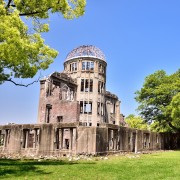
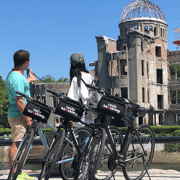
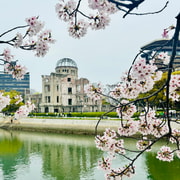
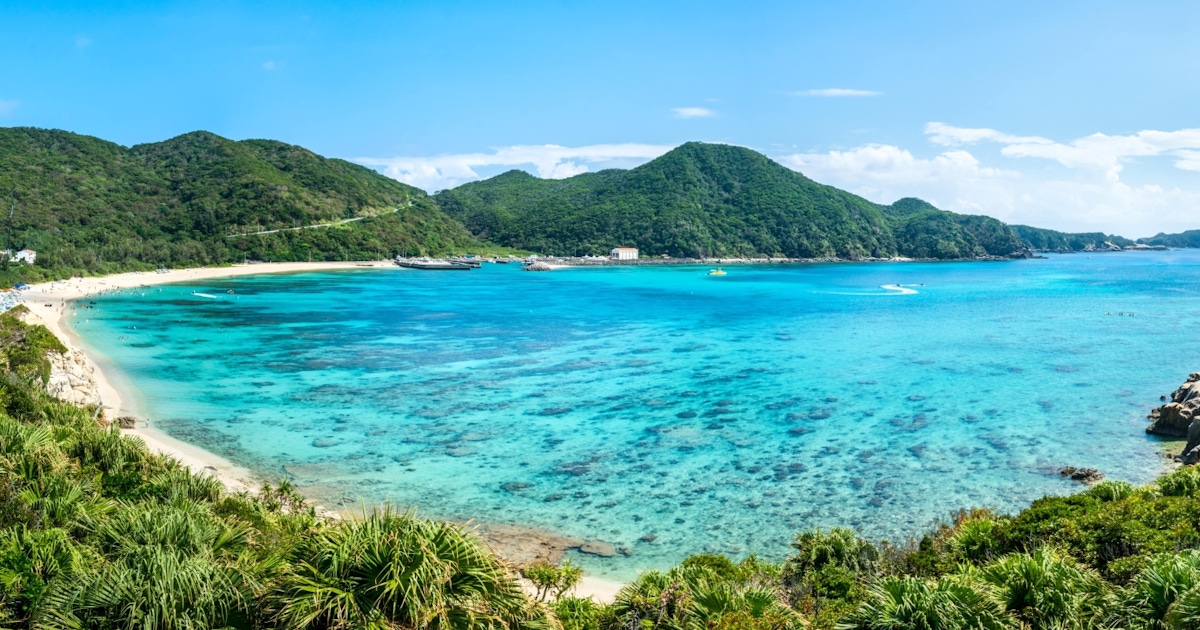
Osaka/Kyoto/Hiroshima : Hiroshima Miyajima Bus Tour Japan Best deals for Osaka/Kyoto/Hiroshima : Hiroshima Miyajima Bus Tour. Discover popular sightseeing spots in Hiroshima on a tour from Osaka or Kyoto with bullet train tickets or join us directly in Hiroshima. This tour is conducted by an English-speaking guide only. Available from getyourguide.com.
Why Visit Hiroshima
Hiroshima blends history, culture, and everyday life into a destination filled with engaging museums and memorable attractions. This guide highlights the kinds of places visitors love and what to expect at each, plus practical tips for planning your day.
Flagship History Museum
The main city history museum in Hiroshima typically traces the region from early settlement to the present through artifacts, photographs, and interactive exhibits. Expect rotating shows, a solid gift shop, and helpful context for everything else you’ll see.
Art Museum & Sculpture Garden
A leading art museum usually anchors the local scene with classics, contemporary works, and special exhibitions. If there’s an outdoor sculpture garden, it’s a relaxing way to pair culture with a walk.
Science & Discovery Center
Hands-on galleries make science approachable for all ages—think space, engineering, and ecosystems—often with an IMAX or planetarium.
Landmark Cathedral or Temple
Historic houses of worship give insight into Hiroshima’s architectural styles and community roots. Many offer guided tours and quiet courtyards.
Iconic Public Square or Old Town
Central plazas and heritage streets concentrate cafes, street performers, and local crafts. They’re perfect for people‑watching and photos.
Riverside, Harbor or Promenade
Waterfront paths and viewpoints provide fresh air and skyline views. Look for sunset spots, public art, and casual dining.
Family Favorite: Zoo, Aquarium, or Insectarium
Animal-focused attractions pair conservation with education. Check feeding schedules or touch‑pools for interactive moments.
Living Culture: Music Hall or Theatre
An intimate performance venue showcases local sound—jazz, folk, or contemporary—making for a memorable night out.
Planning Tips
Buy timed tickets online for popular museums and special exhibits.
Combine nearby sights to minimize travel time; many districts are walkable.
Check weekly free or discounted hours; student, senior, and family passes can reduce costs.
Start early for quieter galleries and better photos.
Bottom Line
From cornerstone museums to living cultural venues and scenic promenades, Hiroshima offers a balanced mix of learning, leisure, and local flavor.
Sponsored Popular Items
Quick take: Musement.com offers a worldwide selection of tours and attractions
Osaka/Kyoto/Hiroshima : Hiroshima Miyajima Bus Tour Japan Best deals for Osaka/Kyoto/Hiroshima : Hiroshima Miyajima Bus Tour. Discover popular sightseeing spots in Hiroshima on a tour from Osaka or Kyoto with bullet train tickets or join us directly in Hiroshima. This tour is conducted by an English-speaking guide only. Available from getyourguide.com.
Hiroshima: Best of Hiroshima Guided Bike Tour Japan Best deals for Hiroshima: Best of Hiroshima Guided Bike Tour. Discover Hiroshima with a relaxing and fun ride past the iconic sites and unknown gems of this interesting and welcoming city. Available from getyourguide.com.
Hiroshima: History of Hiroshima Small Group Walking Tour Japan Best deals for Hiroshima: History of Hiroshima Small Group Walking Tour. Join our tour to explore the history of Hiroshima, understand the impact of the atomic bombing, and witness how the city transformed into a symbol of peace and resilience. Uncover the stories! Available from getyourguide.com.
Osaka/Kyoto: Kyoto and Nara Customizable Day Tour with Guide Japan Best deals for Osaka/Kyoto: Kyoto and Nara Customizable Day Tour with Guide. Discover Kyoto & Nara on an exclusive private tour with guide & vehicle. Customize your itinerary & visit highlights like Fushimi Inari, Arashiyama, Kinkaku-ji, Nara Park, & Todai-ji at your own pace. Available from getyourguide.com.
Why Visit Kyoto
Kyoto blends history, culture, and everyday life into a destination filled with engaging museums and memorable attractions. This guide highlights the kinds of places visitors love and what to expect at each, plus practical tips for planning your day.
Flagship History Museum
The main city history museum in Kyoto typically traces the region from early settlement to the present through artifacts, photographs, and interactive exhibits. Expect rotating shows, a solid gift shop, and helpful context for everything else you’ll see.
Art Museum & Sculpture Garden
A leading art museum usually anchors the local scene with classics, contemporary works, and special exhibitions. If there’s an outdoor sculpture garden, it’s a relaxing way to pair culture with a walk.
Science & Discovery Center
Hands-on galleries make science approachable for all ages—think space, engineering, and ecosystems—often with an IMAX or planetarium.
Landmark Cathedral or Temple
Historic houses of worship give insight into Kyoto’s architectural styles and community roots. Many offer guided tours and quiet courtyards.
Iconic Public Square or Old Town
Central plazas and heritage streets concentrate cafes, street performers, and local crafts. They’re perfect for people‑watching and photos.
Riverside, Harbor or Promenade
Waterfront paths and viewpoints provide fresh air and skyline views. Look for sunset spots, public art, and casual dining.
Family Favorite: Zoo, Aquarium, or Insectarium
Animal-focused attractions pair conservation with education. Check feeding schedules or touch‑pools for interactive moments.
Living Culture: Music Hall or Theatre
An intimate performance venue showcases local sound—jazz, folk, or contemporary—making for a memorable night out.
Planning Tips
Buy timed tickets online for popular museums and special exhibits.
Combine nearby sights to minimize travel time; many districts are walkable.
Check weekly free or discounted hours; student, senior, and family passes can reduce costs.
Start early for quieter galleries and better photos.
Bottom Line
From cornerstone museums to living cultural venues and scenic promenades, Kyoto offers a balanced mix of learning, leisure, and local flavor.
Sponsored Popular Items
Quick take: Musement.com offers a worldwide selection of tours and attractions
Osaka/Kyoto: Kyoto and Nara Customizable Day Tour with Guide Japan Best deals for Osaka/Kyoto: Kyoto and Nara Customizable Day Tour with Guide. Discover Kyoto & Nara on an exclusive private tour with guide & vehicle. Customize your itinerary & visit highlights like Fushimi Inari, Arashiyama, Kinkaku-ji, Nara Park, & Todai-ji at your own pace. Available from getyourguide.com.
From Kyoto/Osaka: Kyoto Top Highlights 1-Day Guided Bus Tour Japan Best deals for From Kyoto/Osaka: Kyoto Top Highlights 1-Day Guided Bus Tour. Explore Kyoto's iconic sites in one day: walk through Fushimi Inari's torii gates, admire UNESCO Sites Kiyomizu-dera and Kinkakuji, and stroll Arashiyama's serene bamboo grove with an expert guide. Available from getyourguide.com.
From Kyoto/Osaka: Private Customizable Kyoto Tour Japan Best deals for From Kyoto/Osaka: Private Customizable Kyoto Tour. Explore Kyoto by private car with your English-speaking driver-guide. Choose from 7 attractions or a classic route, and enjoy a 5-hour or 10-hour personalized tour. Available from getyourguide.com.
Osaka/Kyoto/Hiroshima : Hiroshima Miyajima Bus Tour Japan Best deals for Osaka/Kyoto/Hiroshima : Hiroshima Miyajima Bus Tour. Discover popular sightseeing spots in Hiroshima on a tour from Osaka or Kyoto with bullet train tickets or join us directly in Hiroshima. This tour is conducted by an English-speaking guide only. Available from getyourguide.com.
Why Visit Hiroshima
Hiroshima blends history, culture, and everyday life into a destination filled with engaging museums and memorable attractions. This guide highlights the kinds of places visitors love and what to expect at each, plus practical tips for planning your day.
Flagship History Museum
The main city history museum in Hiroshima typically traces the region from early settlement to the present through artifacts, photographs, and interactive exhibits. Expect rotating shows, a solid gift shop, and helpful context for everything else you’ll see.
Art Museum & Sculpture Garden
A leading art museum usually anchors the local scene with classics, contemporary works, and special exhibitions. If there’s an outdoor sculpture garden, it’s a relaxing way to pair culture with a walk.
Science & Discovery Center
Hands-on galleries make science approachable for all ages—think space, engineering, and ecosystems—often with an IMAX or planetarium.
Landmark Cathedral or Temple
Historic houses of worship give insight into Hiroshima’s architectural styles and community roots. Many offer guided tours and quiet courtyards.
Iconic Public Square or Old Town
Central plazas and heritage streets concentrate cafes, street performers, and local crafts. They’re perfect for people‑watching and photos.
Riverside, Harbor or Promenade
Waterfront paths and viewpoints provide fresh air and skyline views. Look for sunset spots, public art, and casual dining.
Family Favorite: Zoo, Aquarium, or Insectarium
Animal-focused attractions pair conservation with education. Check feeding schedules or touch‑pools for interactive moments.
Living Culture: Music Hall or Theatre
An intimate performance venue showcases local sound—jazz, folk, or contemporary—making for a memorable night out.
Planning Tips
Buy timed tickets online for popular museums and special exhibits.
Combine nearby sights to minimize travel time; many districts are walkable.
Check weekly free or discounted hours; student, senior, and family passes can reduce costs.
Start early for quieter galleries and better photos.
Bottom Line
From cornerstone museums to living cultural venues and scenic promenades, Hiroshima offers a balanced mix of learning, leisure, and local flavor.
Sponsored Popular Items
Quick take: Musement.com offers a worldwide selection of tours and attractions
Osaka/Kyoto/Hiroshima : Hiroshima Miyajima Bus Tour Japan Best deals for Osaka/Kyoto/Hiroshima : Hiroshima Miyajima Bus Tour. Discover popular sightseeing spots in Hiroshima on a tour from Osaka or Kyoto with bullet train tickets or join us directly in Hiroshima. This tour is conducted by an English-speaking guide only. Available from getyourguide.com.
Hiroshima: Best of Hiroshima Guided Bike Tour Japan Best deals for Hiroshima: Best of Hiroshima Guided Bike Tour. Discover Hiroshima with a relaxing and fun ride past the iconic sites and unknown gems of this interesting and welcoming city. Available from getyourguide.com.
Hiroshima: History of Hiroshima Small Group Walking Tour Japan Best deals for Hiroshima: History of Hiroshima Small Group Walking Tour. Join our tour to explore the history of Hiroshima, understand the impact of the atomic bombing, and witness how the city transformed into a symbol of peace and resilience. Uncover the stories! Available from getyourguide.com.
Osaka/Kyoto: Kyoto and Nara Customizable Day Tour with Guide Japan Best deals for Osaka/Kyoto: Kyoto and Nara Customizable Day Tour with Guide. Discover Kyoto & Nara on an exclusive private tour with guide & vehicle. Customize your itinerary & visit highlights like Fushimi Inari, Arashiyama, Kinkaku-ji, Nara Park, & Todai-ji at your own pace. Available from getyourguide.com.
Why Visit Kyoto
Kyoto blends history, culture, and everyday life into a destination filled with engaging museums and memorable attractions. This guide highlights the kinds of places visitors love and what to expect at each, plus practical tips for planning your day.
Flagship History Museum
The main city history museum in Kyoto typically traces the region from early settlement to the present through artifacts, photographs, and interactive exhibits. Expect rotating shows, a solid gift shop, and helpful context for everything else you’ll see.
Art Museum & Sculpture Garden
A leading art museum usually anchors the local scene with classics, contemporary works, and special exhibitions. If there’s an outdoor sculpture garden, it’s a relaxing way to pair culture with a walk.
Science & Discovery Center
Hands-on galleries make science approachable for all ages—think space, engineering, and ecosystems—often with an IMAX or planetarium.
Landmark Cathedral or Temple
Historic houses of worship give insight into Kyoto’s architectural styles and community roots. Many offer guided tours and quiet courtyards.
Iconic Public Square or Old Town
Central plazas and heritage streets concentrate cafes, street performers, and local crafts. They’re perfect for people‑watching and photos.
Riverside, Harbor or Promenade
Waterfront paths and viewpoints provide fresh air and skyline views. Look for sunset spots, public art, and casual dining.
Family Favorite: Zoo, Aquarium, or Insectarium
Animal-focused attractions pair conservation with education. Check feeding schedules or touch‑pools for interactive moments.
Living Culture: Music Hall or Theatre
An intimate performance venue showcases local sound—jazz, folk, or contemporary—making for a memorable night out.
Planning Tips
Buy timed tickets online for popular museums and special exhibits.
Combine nearby sights to minimize travel time; many districts are walkable.
Check weekly free or discounted hours; student, senior, and family passes can reduce costs.
Start early for quieter galleries and better photos.
Bottom Line
From cornerstone museums to living cultural venues and scenic promenades, Kyoto offers a balanced mix of learning, leisure, and local flavor.
Sponsored Popular Items
Quick take: Musement.com offers a worldwide selection of tours and attractions
Osaka/Kyoto: Kyoto and Nara Customizable Day Tour with Guide Japan Best deals for Osaka/Kyoto: Kyoto and Nara Customizable Day Tour with Guide. Discover Kyoto & Nara on an exclusive private tour with guide & vehicle. Customize your itinerary & visit highlights like Fushimi Inari, Arashiyama, Kinkaku-ji, Nara Park, & Todai-ji at your own pace. Available from getyourguide.com.
From Kyoto/Osaka: Kyoto Top Highlights 1-Day Guided Bus Tour Japan Best deals for From Kyoto/Osaka: Kyoto Top Highlights 1-Day Guided Bus Tour. Explore Kyoto's iconic sites in one day: walk through Fushimi Inari's torii gates, admire UNESCO Sites Kiyomizu-dera and Kinkakuji, and stroll Arashiyama's serene bamboo grove with an expert guide. Available from getyourguide.com.
From Kyoto/Osaka: Private Customizable Kyoto Tour Japan Best deals for From Kyoto/Osaka: Private Customizable Kyoto Tour. Explore Kyoto by private car with your English-speaking driver-guide. Choose from 7 attractions or a classic route, and enjoy a 5-hour or 10-hour personalized tour. Available from getyourguide.com.
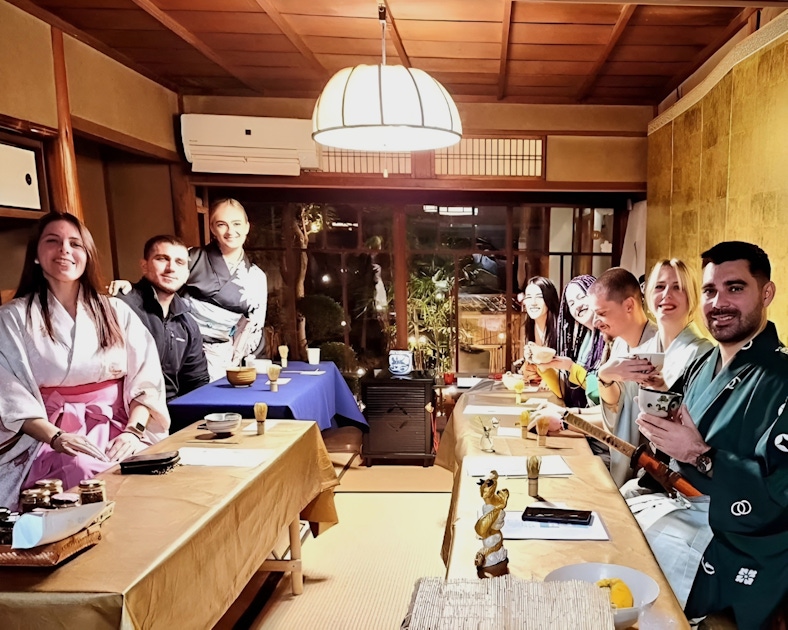
Kyoto Classes, Workshops & Hands-On Experiences Guide Japan Kyoto combines temples, shrines, gardens, traditional districts, craft, tea, sake, seasonal cuisine and forested hills. Check current availability, inclusions and booking details before you go.
Why Visit Kyoto
Kyoto blends history, culture, and everyday life into a destination filled with engaging museums and memorable attractions. This guide highlights the kinds of places visitors love and what to expect at each, plus practical tips for planning your day.
Flagship History Museum
The main city history museum in Kyoto typically traces the region from early settlement to the present through artifacts, photographs, and interactive exhibits. Expect rotating shows, a solid gift shop, and helpful context for everything else you’ll see.
Art Museum & Sculpture Garden
A leading art museum usually anchors the local scene with classics, contemporary works, and special exhibitions. If there’s an outdoor sculpture garden, it’s a relaxing way to pair culture with a walk.
Science & Discovery Center
Hands-on galleries make science approachable for all ages—think space, engineering, and ecosystems—often with an IMAX or planetarium.
Landmark Cathedral or Temple
Historic houses of worship give insight into Kyoto’s architectural styles and community roots. Many offer guided tours and quiet courtyards.
Iconic Public Square or Old Town
Central plazas and heritage streets concentrate cafes, street performers, and local crafts. They’re perfect for people‑watching and photos.
Riverside, Harbor or Promenade
Waterfront paths and viewpoints provide fresh air and skyline views. Look for sunset spots, public art, and casual dining.
Family Favorite: Zoo, Aquarium, or Insectarium
Animal-focused attractions pair conservation with education. Check feeding schedules or touch‑pools for interactive moments.
Living Culture: Music Hall or Theatre
An intimate performance venue showcases local sound—jazz, folk, or contemporary—making for a memorable night out.
Planning Tips
Buy timed tickets online for popular museums and special exhibits.
Combine nearby sights to minimize travel time; many districts are walkable.
Check weekly free or discounted hours; student, senior, and family passes can reduce costs.
Start early for quieter galleries and better photos.
Bottom Line
From cornerstone museums to living cultural venues and scenic promenades, Kyoto offers a balanced mix of learning, leisure, and local flavor.
Sponsored Popular Items
Quick take: Musement.com offers a worldwide selection of tours and attractions
Kyoto Classes, Workshops & Hands-On Experiences Guide Japan Kyoto combines temples, shrines, gardens, traditional districts, craft, tea, sake, seasonal cuisine and forested hills. Check current availability, inclusions and booking details before you go.
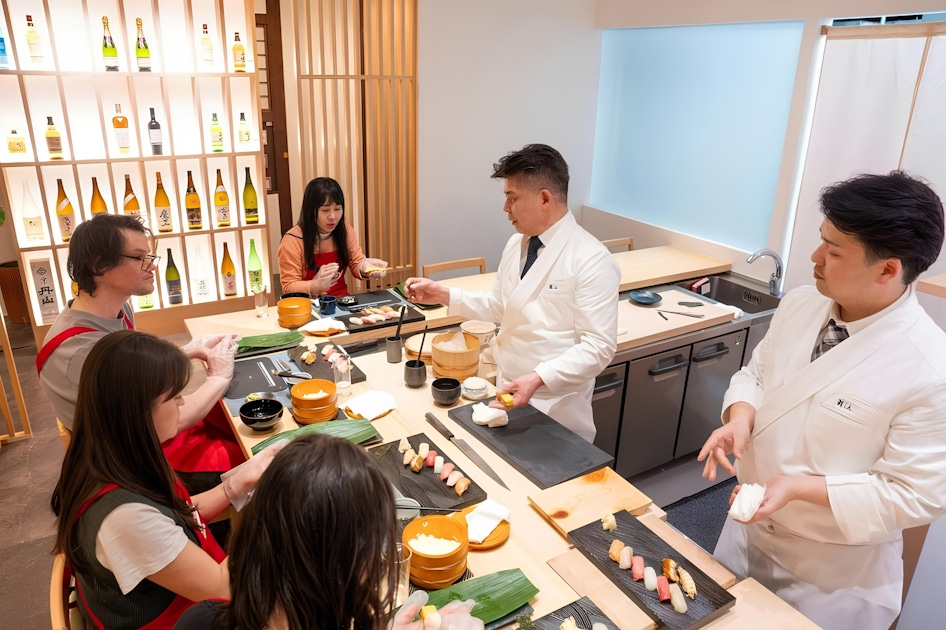
Kyoto Cooking Classes & Local Food Workshops Guide Japan Kyoto combines temples, shrines, gardens, traditional districts, craft, tea, sake, seasonal cuisine and forested hills. Check current availability, inclusions and booking details before you go.
Osaka/Kyoto: Kyoto and Nara Customizable Day Tour with Guide Japan Best deals for Osaka/Kyoto: Kyoto and Nara Customizable Day Tour with Guide. Discover Kyoto & Nara on an exclusive private tour with guide & vehicle. Customize your itinerary & visit highlights like Fushimi Inari, Arashiyama, Kinkaku-ji, Nara Park, & Todai-ji at your own pace. Available from getyourguide.com.
Kyoto: Memory Kyoto E-Bike Tour Japan Best deals for Kyoto: Memory Kyoto E-Bike Tour. Itinerary for this tour 1. Golden Pavilion ( Kinkakuji Temple ) 2. Arashiyama Bamboo Forest 3. Tenryuji Temple 4. Kitano Tenmangu Shrine Available from getyourguide.com.
Why Visit Kyoto
Kyoto blends history, culture, and everyday life into a destination filled with engaging museums and memorable attractions. This guide highlights the kinds of places visitors love and what to expect at each, plus practical tips for planning your day.
Flagship History Museum
The main city history museum in Kyoto typically traces the region from early settlement to the present through artifacts, photographs, and interactive exhibits. Expect rotating shows, a solid gift shop, and helpful context for everything else you’ll see.
Art Museum & Sculpture Garden
A leading art museum usually anchors the local scene with classics, contemporary works, and special exhibitions. If there’s an outdoor sculpture garden, it’s a relaxing way to pair culture with a walk.
Science & Discovery Center
Hands-on galleries make science approachable for all ages—think space, engineering, and ecosystems—often with an IMAX or planetarium.
Landmark Cathedral or Temple
Historic houses of worship give insight into Kyoto’s architectural styles and community roots. Many offer guided tours and quiet courtyards.
Iconic Public Square or Old Town
Central plazas and heritage streets concentrate cafes, street performers, and local crafts. They’re perfect for people‑watching and photos.
Riverside, Harbor or Promenade
Waterfront paths and viewpoints provide fresh air and skyline views. Look for sunset spots, public art, and casual dining.
Family Favorite: Zoo, Aquarium, or Insectarium
Animal-focused attractions pair conservation with education. Check feeding schedules or touch‑pools for interactive moments.
Living Culture: Music Hall or Theatre
An intimate performance venue showcases local sound—jazz, folk, or contemporary—making for a memorable night out.
Planning Tips
Buy timed tickets online for popular museums and special exhibits.
Combine nearby sights to minimize travel time; many districts are walkable.
Check weekly free or discounted hours; student, senior, and family passes can reduce costs.
Start early for quieter galleries and better photos.
Bottom Line
From cornerstone museums to living cultural venues and scenic promenades, Kyoto offers a balanced mix of learning, leisure, and local flavor.
Sponsored Popular Items
Quick take: Musement.com offers a worldwide selection of tours and attractions
Kyoto: Memory Kyoto E-Bike Tour Japan Best deals for Kyoto: Memory Kyoto E-Bike Tour. Itinerary for this tour 1. Golden Pavilion ( Kinkakuji Temple ) 2. Arashiyama Bamboo Forest 3. Tenryuji Temple 4. Kitano Tenmangu Shrine Available from getyourguide.com.
Osaka/Kyoto: Kyoto and Nara Customizable Day Tour with Guide Japan Best deals for Osaka/Kyoto: Kyoto and Nara Customizable Day Tour with Guide. Discover Kyoto & Nara on an exclusive private tour with guide & vehicle. Customize your itinerary & visit highlights like Fushimi Inari, Arashiyama, Kinkaku-ji, Nara Park, & Todai-ji at your own pace. Available from getyourguide.com.
From Kyoto/Osaka: Kyoto Top Highlights 1-Day Guided Bus Tour Japan Best deals for From Kyoto/Osaka: Kyoto Top Highlights 1-Day Guided Bus Tour. Explore Kyoto's iconic sites in one day: walk through Fushimi Inari's torii gates, admire UNESCO Sites Kiyomizu-dera and Kinkakuji, and stroll Arashiyama's serene bamboo grove with an expert guide. Available from getyourguide.com.
Osaka Samurai Sword Experience: Learn Bushido and Try Real Katana Cutting Near Osaka Castle Japan Step into the fascinating world of Japan's legendary samurai warriors on an authentic samurai sword experience in Osaka, where visitors can discover traditional Japanese martial arts, learn about Bushido and experience the remarkable craftsmanship of the famous katana. Located near Osaka Castle, this immersive cultural activity offers travellers the opportunity to dress in traditional samurai clothing, learn basic sword etiquette and receive professional instruction from an experienced Japanese martial arts teacher. The highlight of the experience is a supervised test-cutting activity using a genuine sharp Japanese sword, allowing participants to appreciate the precision and discipline associated with traditional swordsmanship. Organised…
Why Visit Osaka
Osaka blends history, culture, and everyday life into a destination filled with engaging museums and memorable attractions. This guide highlights the kinds of places visitors love and what to expect at each, plus practical tips for planning your day.
Flagship History Museum
The main city history museum in Osaka typically traces the region from early settlement to the present through artifacts, photographs, and interactive exhibits. Expect rotating shows, a solid gift shop, and helpful context for everything else you’ll see.
Art Museum & Sculpture Garden
A leading art museum usually anchors the local scene with classics, contemporary works, and special exhibitions. If there’s an outdoor sculpture garden, it’s a relaxing way to pair culture with a walk.
Science & Discovery Center
Hands-on galleries make science approachable for all ages—think space, engineering, and ecosystems—often with an IMAX or planetarium.
Landmark Cathedral or Temple
Historic houses of worship give insight into Osaka’s architectural styles and community roots. Many offer guided tours and quiet courtyards.
Iconic Public Square or Old Town
Central plazas and heritage streets concentrate cafes, street performers, and local crafts. They’re perfect for people‑watching and photos.
Riverside, Harbor or Promenade
Waterfront paths and viewpoints provide fresh air and skyline views. Look for sunset spots, public art, and casual dining.
Family Favorite: Zoo, Aquarium, or Insectarium
Animal-focused attractions pair conservation with education. Check feeding schedules or touch‑pools for interactive moments.
Living Culture: Music Hall or Theatre
An intimate performance venue showcases local sound—jazz, folk, or contemporary—making for a memorable night out.
Planning Tips
Buy timed tickets online for popular museums and special exhibits.
Combine nearby sights to minimize travel time; many districts are walkable.
Check weekly free or discounted hours; student, senior, and family passes can reduce costs.
Start early for quieter galleries and better photos.
Bottom Line
From cornerstone museums to living cultural venues and scenic promenades, Osaka offers a balanced mix of learning, leisure, and local flavor.
Sponsored Popular Items
Quick take: Musement.com offers a worldwide selection of tours and attractions
Osaka Samurai Sword Experience: Learn Bushido and Try Real Katana Cutting Near Osaka Castle Japan Step into the fascinating world of Japan's legendary samurai warriors on an authentic samurai sword experience in Osaka, where visitors can discover traditional Japanese martial arts, learn about Bushido and experience the remarkable craftsmanship of the famous katana. Located near Osaka Castle, this immersive cultural activity offers travellers the opportunity to dress in traditional samurai clothing, learn basic sword etiquette and receive professional instruction from an experienced Japanese martial arts teacher. The highlight of the experience is a supervised test-cutting activity using a genuine sharp Japanese sword, allowing participants to appreciate the precision and discipline associated with traditional swordsmanship. Organised…
Osaka Sightseeing Tour: Osaka Castle, Korea Town and Shitennoji in Spanish Japan Best deals for Osaka Sightseeing Tour: Osaka Castle, Korea Town and Shitennoji in Spanish. Discover three sides of Osaka: the historic Osaka Castle, the lively Korea Town, and the Shitennoji Temple, one of the oldest in Japan. Available from getyourguide.com.
Osaka: Samurai Training Experience Kendo in Osaka Japan Best deals for Osaka: Samurai Training Experience Kendo in Osaka. Step into the world of the Samurai and try authentic Kendo. Practise with bamboo swords, learn basic techniques, and feel the discipline and spirit of this time-honoured martial art. Available from getyourguide.com.
Osaka Samurai Sword Experience: Learn Bushido and Try Real Katana Cutting Near Osaka Castle Japan Step into the fascinating world of Japan's legendary samurai warriors on an authentic samurai sword experience in Osaka, where visitors can discover traditional Japanese martial arts, learn about Bushido and experience the remarkable craftsmanship of the famous katana. Located near Osaka Castle, this immersive cultural activity offers travellers the opportunity to dress in traditional samurai clothing, learn basic sword etiquette and receive professional instruction from an experienced Japanese martial arts teacher. The highlight of the experience is a supervised test-cutting activity using a genuine sharp Japanese sword, allowing participants to appreciate the precision and discipline associated with traditional swordsmanship. Organised…
Why Visit Osaka
Osaka blends history, culture, and everyday life into a destination filled with engaging museums and memorable attractions. This guide highlights the kinds of places visitors love and what to expect at each, plus practical tips for planning your day.
Flagship History Museum
The main city history museum in Osaka typically traces the region from early settlement to the present through artifacts, photographs, and interactive exhibits. Expect rotating shows, a solid gift shop, and helpful context for everything else you’ll see.
Art Museum & Sculpture Garden
A leading art museum usually anchors the local scene with classics, contemporary works, and special exhibitions. If there’s an outdoor sculpture garden, it’s a relaxing way to pair culture with a walk.
Science & Discovery Center
Hands-on galleries make science approachable for all ages—think space, engineering, and ecosystems—often with an IMAX or planetarium.
Landmark Cathedral or Temple
Historic houses of worship give insight into Osaka’s architectural styles and community roots. Many offer guided tours and quiet courtyards.
Iconic Public Square or Old Town
Central plazas and heritage streets concentrate cafes, street performers, and local crafts. They’re perfect for people‑watching and photos.
Riverside, Harbor or Promenade
Waterfront paths and viewpoints provide fresh air and skyline views. Look for sunset spots, public art, and casual dining.
Family Favorite: Zoo, Aquarium, or Insectarium
Animal-focused attractions pair conservation with education. Check feeding schedules or touch‑pools for interactive moments.
Living Culture: Music Hall or Theatre
An intimate performance venue showcases local sound—jazz, folk, or contemporary—making for a memorable night out.
Planning Tips
Buy timed tickets online for popular museums and special exhibits.
Combine nearby sights to minimize travel time; many districts are walkable.
Check weekly free or discounted hours; student, senior, and family passes can reduce costs.
Start early for quieter galleries and better photos.
Bottom Line
From cornerstone museums to living cultural venues and scenic promenades, Osaka offers a balanced mix of learning, leisure, and local flavor.
Sponsored Popular Items
Quick take: Musement.com offers a worldwide selection of tours and attractions
Osaka Samurai Sword Experience: Learn Bushido and Try Real Katana Cutting Near Osaka Castle Japan Step into the fascinating world of Japan's legendary samurai warriors on an authentic samurai sword experience in Osaka, where visitors can discover traditional Japanese martial arts, learn about Bushido and experience the remarkable craftsmanship of the famous katana. Located near Osaka Castle, this immersive cultural activity offers travellers the opportunity to dress in traditional samurai clothing, learn basic sword etiquette and receive professional instruction from an experienced Japanese martial arts teacher. The highlight of the experience is a supervised test-cutting activity using a genuine sharp Japanese sword, allowing participants to appreciate the precision and discipline associated with traditional swordsmanship. Organised…
Osaka Sightseeing Tour: Osaka Castle, Korea Town and Shitennoji in Spanish Japan Best deals for Osaka Sightseeing Tour: Osaka Castle, Korea Town and Shitennoji in Spanish. Discover three sides of Osaka: the historic Osaka Castle, the lively Korea Town, and the Shitennoji Temple, one of the oldest in Japan. Available from getyourguide.com.
Osaka: Samurai Training Experience Kendo in Osaka Japan Best deals for Osaka: Samurai Training Experience Kendo in Osaka. Step into the world of the Samurai and try authentic Kendo. Practise with bamboo swords, learn basic techniques, and feel the discipline and spirit of this time-honoured martial art. Available from getyourguide.com.
Osaka Samurai Sword Experience: Learn Bushido and Try Real Katana Cutting Near Osaka Castle Japan Step into the fascinating world of Japan's legendary samurai warriors on an authentic samurai sword experience in Osaka, where visitors can discover traditional Japanese martial arts, learn about Bushido and experience the remarkable craftsmanship of the famous katana. Located near Osaka Castle, this immersive cultural activity offers travellers the opportunity to dress in traditional samurai clothing, learn basic sword etiquette and receive professional instruction from an experienced Japanese martial arts teacher. The highlight of the experience is a supervised test-cutting activity using a genuine sharp Japanese sword, allowing participants to appreciate the precision and discipline associated with traditional swordsmanship. Organised…
Why Visit Osaka
Osaka blends history, culture, and everyday life into a destination filled with engaging museums and memorable attractions. This guide highlights the kinds of places visitors love and what to expect at each, plus practical tips for planning your day.
Flagship History Museum
The main city history museum in Osaka typically traces the region from early settlement to the present through artifacts, photographs, and interactive exhibits. Expect rotating shows, a solid gift shop, and helpful context for everything else you’ll see.
Art Museum & Sculpture Garden
A leading art museum usually anchors the local scene with classics, contemporary works, and special exhibitions. If there’s an outdoor sculpture garden, it’s a relaxing way to pair culture with a walk.
Science & Discovery Center
Hands-on galleries make science approachable for all ages—think space, engineering, and ecosystems—often with an IMAX or planetarium.
Landmark Cathedral or Temple
Historic houses of worship give insight into Osaka’s architectural styles and community roots. Many offer guided tours and quiet courtyards.
Iconic Public Square or Old Town
Central plazas and heritage streets concentrate cafes, street performers, and local crafts. They’re perfect for people‑watching and photos.
Riverside, Harbor or Promenade
Waterfront paths and viewpoints provide fresh air and skyline views. Look for sunset spots, public art, and casual dining.
Family Favorite: Zoo, Aquarium, or Insectarium
Animal-focused attractions pair conservation with education. Check feeding schedules or touch‑pools for interactive moments.
Living Culture: Music Hall or Theatre
An intimate performance venue showcases local sound—jazz, folk, or contemporary—making for a memorable night out.
Planning Tips
Buy timed tickets online for popular museums and special exhibits.
Combine nearby sights to minimize travel time; many districts are walkable.
Check weekly free or discounted hours; student, senior, and family passes can reduce costs.
Start early for quieter galleries and better photos.
Bottom Line
From cornerstone museums to living cultural venues and scenic promenades, Osaka offers a balanced mix of learning, leisure, and local flavor.
Sponsored Popular Items
Quick take: Musement.com offers a worldwide selection of tours and attractions
Osaka Samurai Sword Experience: Learn Bushido and Try Real Katana Cutting Near Osaka Castle Japan Step into the fascinating world of Japan's legendary samurai warriors on an authentic samurai sword experience in Osaka, where visitors can discover traditional Japanese martial arts, learn about Bushido and experience the remarkable craftsmanship of the famous katana. Located near Osaka Castle, this immersive cultural activity offers travellers the opportunity to dress in traditional samurai clothing, learn basic sword etiquette and receive professional instruction from an experienced Japanese martial arts teacher. The highlight of the experience is a supervised test-cutting activity using a genuine sharp Japanese sword, allowing participants to appreciate the precision and discipline associated with traditional swordsmanship. Organised…
Osaka Sightseeing Tour: Osaka Castle, Korea Town and Shitennoji in Spanish Japan Best deals for Osaka Sightseeing Tour: Osaka Castle, Korea Town and Shitennoji in Spanish. Discover three sides of Osaka: the historic Osaka Castle, the lively Korea Town, and the Shitennoji Temple, one of the oldest in Japan. Available from getyourguide.com.
Osaka: Samurai Training Experience Kendo in Osaka Japan Best deals for Osaka: Samurai Training Experience Kendo in Osaka. Step into the world of the Samurai and try authentic Kendo. Practise with bamboo swords, learn basic techniques, and feel the discipline and spirit of this time-honoured martial art. Available from getyourguide.com.
Okinawa Hiking, Cycling & Active Tours Guide Japan Okinawa combines subtropical islands, Ryukyuan cultural heritage, coral coasts, forest, wartime history and distinctive food and music. Check current availability, inclusions and booking details before you go.
Why Visit Okinawa
Okinawa blends history, culture, and everyday life into a destination filled with engaging museums and memorable attractions. This guide highlights the kinds of places visitors love and what to expect at each, plus practical tips for planning your day.
Flagship History Museum
The main city history museum in Okinawa typically traces the region from early settlement to the present through artifacts, photographs, and interactive exhibits. Expect rotating shows, a solid gift shop, and helpful context for everything else you’ll see.
Art Museum & Sculpture Garden
A leading art museum usually anchors the local scene with classics, contemporary works, and special exhibitions. If there’s an outdoor sculpture garden, it’s a relaxing way to pair culture with a walk.
Science & Discovery Center
Hands-on galleries make science approachable for all ages—think space, engineering, and ecosystems—often with an IMAX or planetarium.
Landmark Cathedral or Temple
Historic houses of worship give insight into Okinawa’s architectural styles and community roots. Many offer guided tours and quiet courtyards.
Iconic Public Square or Old Town
Central plazas and heritage streets concentrate cafes, street performers, and local crafts. They’re perfect for people‑watching and photos.
Riverside, Harbor or Promenade
Waterfront paths and viewpoints provide fresh air and skyline views. Look for sunset spots, public art, and casual dining.
Family Favorite: Zoo, Aquarium, or Insectarium
Animal-focused attractions pair conservation with education. Check feeding schedules or touch‑pools for interactive moments.
Living Culture: Music Hall or Theatre
An intimate performance venue showcases local sound—jazz, folk, or contemporary—making for a memorable night out.
Planning Tips
Buy timed tickets online for popular museums and special exhibits.
Combine nearby sights to minimize travel time; many districts are walkable.
Check weekly free or discounted hours; student, senior, and family passes can reduce costs.
Start early for quieter galleries and better photos.
Bottom Line
From cornerstone museums to living cultural venues and scenic promenades, Okinawa offers a balanced mix of learning, leisure, and local flavor.
Sponsored Popular Items
Quick take: Musement.com offers a worldwide selection of tours and attractions
Okinawa Hiking, Cycling & Active Tours Guide Japan Okinawa combines subtropical islands, Ryukyuan cultural heritage, coral coasts, forest, wartime history and distinctive food and music. Check current availability, inclusions and booking details before you go.
Okinawa Visitor Guide: Attractions, Tours & Activities Japan Okinawa is best suited to divers, families, history travellers and visitors seeking a different side of Japan. Check current availability, inclusions and booking details before you go.
Okinawa Whale Shark Snorkeling Best deals for Okinawa Whale Shark Snorkeling. Snorkel alongside the majestic whale shark in Okinawa’s crystal-clear waters. A safe, unforgettable encounter with the world’s largest fish, suitable for all ages. Available from getyourguide.com.
Nagoya Food Tours, Dining & Local Cuisine Guide Japan Nagoya combines castle and samurai history, major industry and technology museums, distinctive local food and access to central Japan's towns and mountains. Check current availability, inclusions and booking details before you go.
Why Visit Nagoya
Nagoya blends history, culture, and everyday life into a destination filled with engaging museums and memorable attractions. This guide highlights the kinds of places visitors love and what to expect at each, plus practical tips for planning your day.
Flagship History Museum
The main city history museum in Nagoya typically traces the region from early settlement to the present through artifacts, photographs, and interactive exhibits. Expect rotating shows, a solid gift shop, and helpful context for everything else you’ll see.
Art Museum & Sculpture Garden
A leading art museum usually anchors the local scene with classics, contemporary works, and special exhibitions. If there’s an outdoor sculpture garden, it’s a relaxing way to pair culture with a walk.
Science & Discovery Center
Hands-on galleries make science approachable for all ages—think space, engineering, and ecosystems—often with an IMAX or planetarium.
Landmark Cathedral or Temple
Historic houses of worship give insight into Nagoya’s architectural styles and community roots. Many offer guided tours and quiet courtyards.
Iconic Public Square or Old Town
Central plazas and heritage streets concentrate cafes, street performers, and local crafts. They’re perfect for people‑watching and photos.
Riverside, Harbor or Promenade
Waterfront paths and viewpoints provide fresh air and skyline views. Look for sunset spots, public art, and casual dining.
Family Favorite: Zoo, Aquarium, or Insectarium
Animal-focused attractions pair conservation with education. Check feeding schedules or touch‑pools for interactive moments.
Living Culture: Music Hall or Theatre
An intimate performance venue showcases local sound—jazz, folk, or contemporary—making for a memorable night out.
Planning Tips
Buy timed tickets online for popular museums and special exhibits.
Combine nearby sights to minimize travel time; many districts are walkable.
Check weekly free or discounted hours; student, senior, and family passes can reduce costs.
Start early for quieter galleries and better photos.
Bottom Line
From cornerstone museums to living cultural venues and scenic promenades, Nagoya offers a balanced mix of learning, leisure, and local flavor.
Sponsored Popular Items
Quick take: Musement.com offers a worldwide selection of tours and attractions
Nagoya Food Tours, Dining & Local Cuisine Guide Japan Nagoya combines castle and samurai history, major industry and technology museums, distinctive local food and access to central Japan's towns and mountains. Check current availability, inclusions and booking details before you go.
Nagoya: Toyota Commemorative Museum & Monozukuri Tour Best deals for Nagoya: Toyota Commemorative Museum & Monozukuri Tour. Explore Japan's industrial revolution! Discover the Toyota Museum, see live manufacturing demos, and visit historic Noritake Garden. Available from getyourguide.com.
Nagoya: Tokyo Private Full-Day Tour with Guide Japan Best deals for Nagoya: Tokyo Private Full-Day Tour with Guide. Explore Tokyo on a private full-day tour from Nagoya with a guide. Visit Senso-ji Temple, the Tokyo Skytree, the Meiji Shrine, Shibuya Crossing, Harajuku, and the Imperial Palace. Available from getyourguide.com.
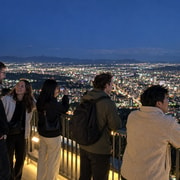
Sapporo: Private City Walk & Mt. Moiwa Night View Best deals for Sapporo: Private City Walk & Mt. Moiwa Night View. Discover Sapporo's history and modernity on a private evening tour. Ride a streetcar, ascend Mt. Moiwa by ropeway, and enjoy panoramic views of the city from the summit observation deck. Available from getyourguide.com.
Why Visit Sapporo
Sapporo blends history, culture, and everyday life into a destination filled with engaging museums and memorable attractions. This guide highlights the kinds of places visitors love and what to expect at each, plus practical tips for planning your day.
Flagship History Museum
The main city history museum in Sapporo typically traces the region from early settlement to the present through artifacts, photographs, and interactive exhibits. Expect rotating shows, a solid gift shop, and helpful context for everything else you’ll see.
Art Museum & Sculpture Garden
A leading art museum usually anchors the local scene with classics, contemporary works, and special exhibitions. If there’s an outdoor sculpture garden, it’s a relaxing way to pair culture with a walk.
Science & Discovery Center
Hands-on galleries make science approachable for all ages—think space, engineering, and ecosystems—often with an IMAX or planetarium.
Landmark Cathedral or Temple
Historic houses of worship give insight into Sapporo’s architectural styles and community roots. Many offer guided tours and quiet courtyards.
Iconic Public Square or Old Town
Central plazas and heritage streets concentrate cafes, street performers, and local crafts. They’re perfect for people‑watching and photos.
Riverside, Harbor or Promenade
Waterfront paths and viewpoints provide fresh air and skyline views. Look for sunset spots, public art, and casual dining.
Family Favorite: Zoo, Aquarium, or Insectarium
Animal-focused attractions pair conservation with education. Check feeding schedules or touch‑pools for interactive moments.
Living Culture: Music Hall or Theatre
An intimate performance venue showcases local sound—jazz, folk, or contemporary—making for a memorable night out.
Planning Tips
Buy timed tickets online for popular museums and special exhibits.
Combine nearby sights to minimize travel time; many districts are walkable.
Check weekly free or discounted hours; student, senior, and family passes can reduce costs.
Start early for quieter galleries and better photos.
Bottom Line
From cornerstone museums to living cultural venues and scenic promenades, Sapporo offers a balanced mix of learning, leisure, and local flavor.
Sponsored Popular Items
Quick take: Musement.com offers a worldwide selection of tours and attractions
Sapporo: Private City Walk & Mt. Moiwa Night View Best deals for Sapporo: Private City Walk & Mt. Moiwa Night View. Discover Sapporo's history and modernity on a private evening tour. Ride a streetcar, ascend Mt. Moiwa by ropeway, and enjoy panoramic views of the city from the summit observation deck. Available from getyourguide.com.
8 hour Private Sapporo City Tour with Night Views Best deals for 8 hour Private Sapporo City Tour with Night Views. Discover the rich culture and scenic beauty of Sapporo on this private 8-hour city tour. Available from getyourguide.com.
Sapporo City Tours, Neighbourhoods & Local History Guide Japan Sapporo combines a planned northern city, snow culture, major food markets, beer and whisky traditions, parks and access to mountains and wider Hokkaido. Check current availability, inclusions and booking details before you go.