Fuji City Visitor Guide: Attractions, Tours & Activities
Fuji City is best suited to photographers, road-trippers and visitors seeking a quieter Mount Fuji base. Check current availability, inclusions and booking details before you go.
Visiting Fuji City: Things to Do and Practical Travel Advice
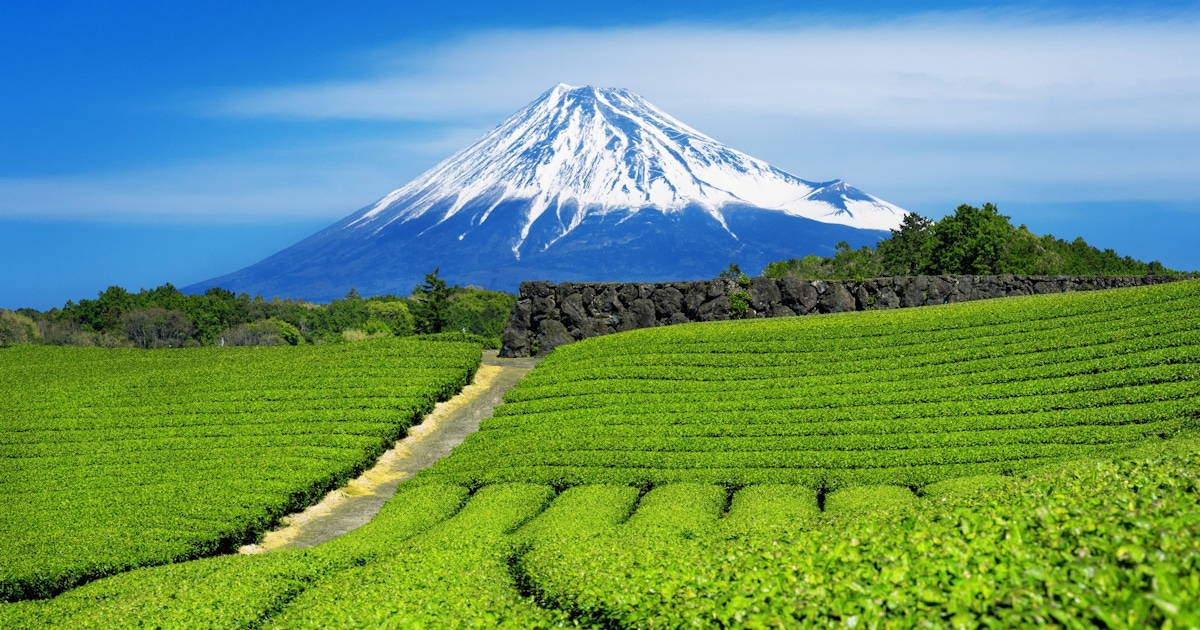
Fuji City is best suited to photographers, road-trippers and visitors seeking a quieter Mount Fuji base. Fuji City in Shizuoka sits between Mount Fuji and Suruga Bay, making it a practical base for mountain views, tea landscapes and wider Fuji-region excursions. The most satisfying visit combines headline sights with enough time to notice local neighbourhoods, landscapes and everyday culture rather than treating the destination as a checklist.
Explore current options for Fuji City Visitor Guide: Attractions, Tours & Activities
Check the supplier for current availability, pricing, inclusions and booking conditions.
Fuji City in Shizuoka sits between Mount Fuji and Suruga Bay, making it a practical base for mountain views, tea landscapes and wider Fuji-region excursions. Experiences listed on the product page can help visitors compare guided tours, attraction entry, day trips and self-guided options. Availability changes by date, so use the page as a planning tool rather than assuming every activity runs daily.
A sensible stay is usually 1–3 days, although the right length depends on whether Fuji City is your main destination or one stop within a wider trip through Japan. Travellers with limited time should choose two or three priorities and leave space for transport delays, weather and unplanned discoveries.
Top Things to Do in Fuji City
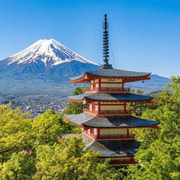
Mount Fuji viewpoints
Clear views are weather-dependent and often best in the early morning or cooler months.
Tea country
Explore Shizuoka’s tea fields and tastings through organised visits that explain cultivation and processing.
Fujinomiya and Shiraito Falls
Nearby excursions can combine Fuji heritage, shrine culture and dramatic spring-fed waterfalls.
Suruga Bay and local industry
Discover a working regional city rather than expecting a single concentrated tourist centre.
How to Plan a Useful Visit
Cloud can hide Mount Fuji even on otherwise pleasant days, so build flexibility into the itinerary. Local transport is easier with a guide or car for rural viewpoints.
Check the exact meeting point: destination pages may include experiences departing from nearby towns, ports, resorts or transport hubs.
Read the inclusions carefully: admission fees, meals, equipment, hotel transfers and local taxes are not always bundled into the advertised price.
Plan for local conditions: heat, rain, wind, altitude, sea conditions or seasonal closures can change how much is realistic in one day.
Choose responsible operators: avoid tours that disturb wildlife, disrespect religious sites, pressure local communities or encourage unsafe behaviour.
Find Tours, Tickets and Experiences
Booking ahead is most useful for limited-capacity tours, major attractions, boat trips, specialist guides and excursions requiring transport. Before paying, confirm the cancellation terms, language, accessibility, minimum age, physical demands and the time needed to return to your accommodation or cruise ship.
For most visitors, 1–3 days provides a practical balance between major sights and a less hurried experience. Add extra time when day trips, beaches, hiking or long road transfers are central to the visit.
Should I book activities in advance?
Advance booking is recommended for popular attractions, small-group tours, boat trips, wildlife experiences and peak travel dates. Flexible city walks may be easier to arrange after checking the weather.
What should I check before booking a tour?
Confirm the departure location, total duration, transport, admission fees, meal arrangements, required clothing, mobility demands and cancellation conditions. Product descriptions can change, so review the final supplier information for your chosen date.
Is Fuji City suitable for independent travellers?
Yes, although the best approach depends on distances and local transport. Central sights may be easy to visit independently, while remote landscapes, archaeological sites, marine activities and regional day trips are often simpler and more informative with an organised guide.
Ready to plan Fuji City Visitor Guide: Attractions, Tours & Activities?
Check the supplier for current availability, pricing, inclusions and booking conditions.
Mt. Fuji & Fuji Speedway Tour Optional Self-Drive Experience Japan Best deals for Mt. Fuji & Fuji Speedway Tour Optional Self-Drive Experience. For car enthusiasts, this tour is an ideal way to experience both the world-renowned Fuji Speedway and to go visit the majestic Mount Fuji in one memorable tour. A special 2 in 1 deal. Available from getyourguide.com.
Tokyo: Mt.Fuji Secret Views & Garden Trip with English Guide Japan Best deals for Tokyo: Mt.Fuji Secret Views & Garden Trip with English Guide. Discover Mt. Fuji on a private day trip from Tokyo. Visit Herb Garden Tabinikki, see Lake Yamanakako, and stop at Nagaike Water Park for views of Mt. Fuji. Available from getyourguide.com.
From Nagano: Mount Fuji Private Day Trip with Guide Best deals for From Nagano: Mount Fuji Private Day Trip with Guide. Discover the beauty of Mount Fuji on a private day trip from Nagano with a guide. Visit the Mount Fuji 5th Station, explore the traditional village of Oshino Hakkai, and see the Chureito Pagoda. Available from getyourguide.com.
From Kyoto: Mount Fuji Private Tour with English Guide Japan Best deals for From Kyoto: Mount Fuji Private Tour with English Guide. Discover Mount Fuji on a private tour from Kyoto with an English-speaking guide. Explore the Fuji Five Lakes area, visit Arakurayama Sengen Park, and enjoy a flexible itinerary. Available from getyourguide.com.
From Tokyo : Mount Fuji & Hakone Sightseeing Tour With Guide Japan Best deals for From Tokyo : Mount Fuji & Hakone Sightseeing Tour With Guide. Discover the beauty of Mount Fuji, Hakone, and Lake Kawaguchiko on a day trip from Tokyo. Visit Chureito Pagoda, explore Owakudani Valley, and enjoy a ropeway ride for panoramic views. Available from getyourguide.com.
From Tokyo: Customizable Mount Fuji Tour with English Guide Japan Best deals for From Tokyo: Customizable Mount Fuji Tour with English Guide. Discover the Mount Fuji on day trip from Tokyo with bilingual guides. Visit Mount Fuji 5th Station, five lakes, caves and traditional villages around Fuji, and enjoy the Hakone Ropeway and Lake Ashi Available from getyourguide.com.
Mount Fuji Full Day Customizable Tour with English Guide Japan Best deals for Mount Fuji Full Day Customizable Tour with English Guide. Explore Mount Fuji's iconic sights on a private full-day tour from Tokyo. Visit the Chureito Pagoda, explore Oshino Hakkai, and enjoy scenic views of Mount Fuji from Lake Kawaguchi. Available from getyourguide.com.
Kyoto: Mount Fuji Private Day Highlights Trip with Guide Japan Best deals for Kyoto: Mount Fuji Private Day Highlights Trip with Guide. Discover the beauty of Mount Fuji on a private day trip from Kyoto. Visit Lake Kawaguchi, Oshino Hakkai, and Mt. Fuji 5th Station, and admire the iconic Chureito Pagoda. Available from getyourguide.com.