Osaka Visitor Guide: Tours, Attractions & Local Experiences
Osaka is best suited to food lovers, families, nightlife visitors and travellers using Kansai as a base. Check current availability, inclusions and booking details before you go.
Visiting Osaka: Things to Do and Practical Travel Advice
Osaka is best suited to food lovers, families, nightlife visitors and travellers using Kansai as a base. Osaka is an energetic food city with neon entertainment districts, historic landmarks, markets and excellent rail links across the Kansai region. The most satisfying visit combines headline sights with enough time to notice local neighbourhoods, landscapes and everyday culture rather than treating the destination as a checklist.
Explore current options for Osaka Visitor Guide: Tours, Attractions & Local Experiences
Check the supplier for current availability, pricing, inclusions and booking conditions.
Osaka is an energetic food city with neon entertainment districts, historic landmarks, markets and excellent rail links across the Kansai region. Experiences listed on the product page can help visitors compare guided tours, attraction entry, day trips and self-guided options. Availability changes by date, so use the page as a planning tool rather than assuming every activity runs daily.
A sensible stay is usually 3–4 days, although the right length depends on whether Osaka is your main destination or one stop within a wider trip through Japan. Travellers with limited time should choose two or three priorities and leave space for transport delays, weather and unplanned discoveries.
Top Things to Do in Osaka
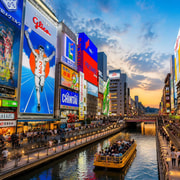
Dōtonbori
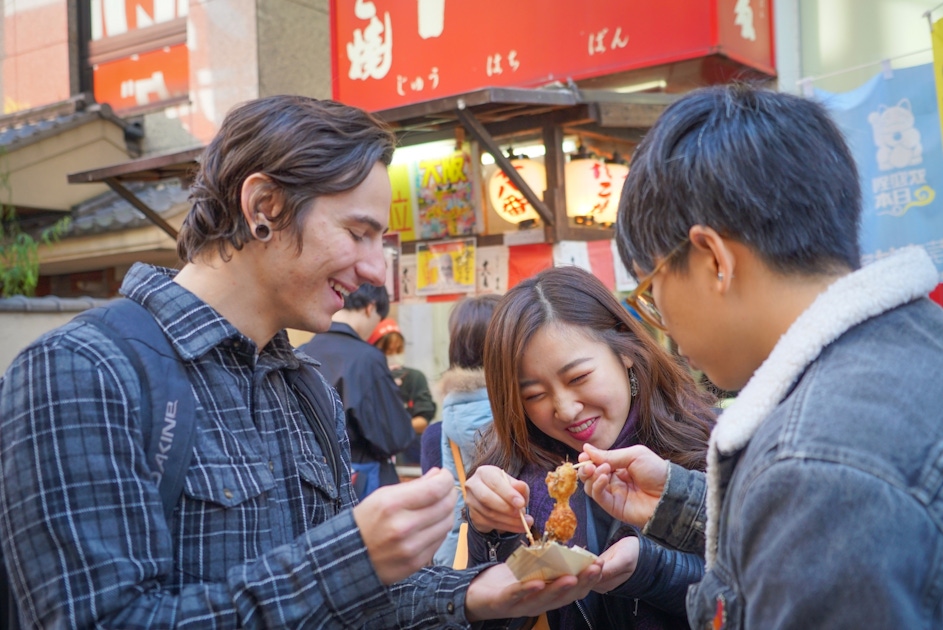
See the illuminated canal district and sample street foods while respecting queues and local rules about eating.
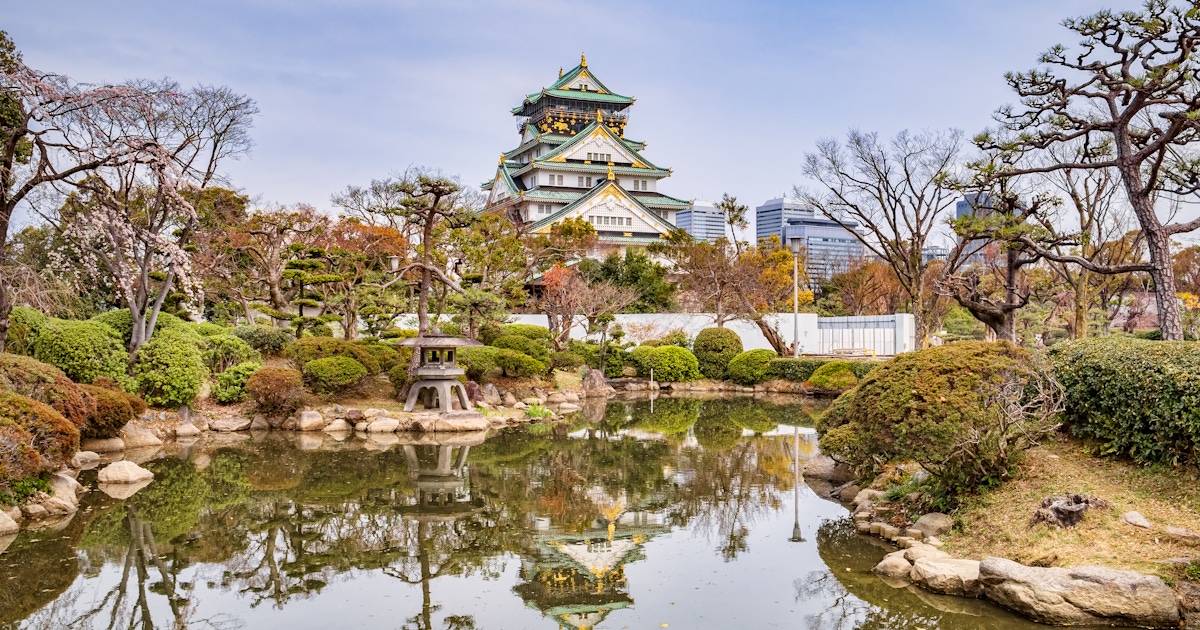
Osaka Castle area
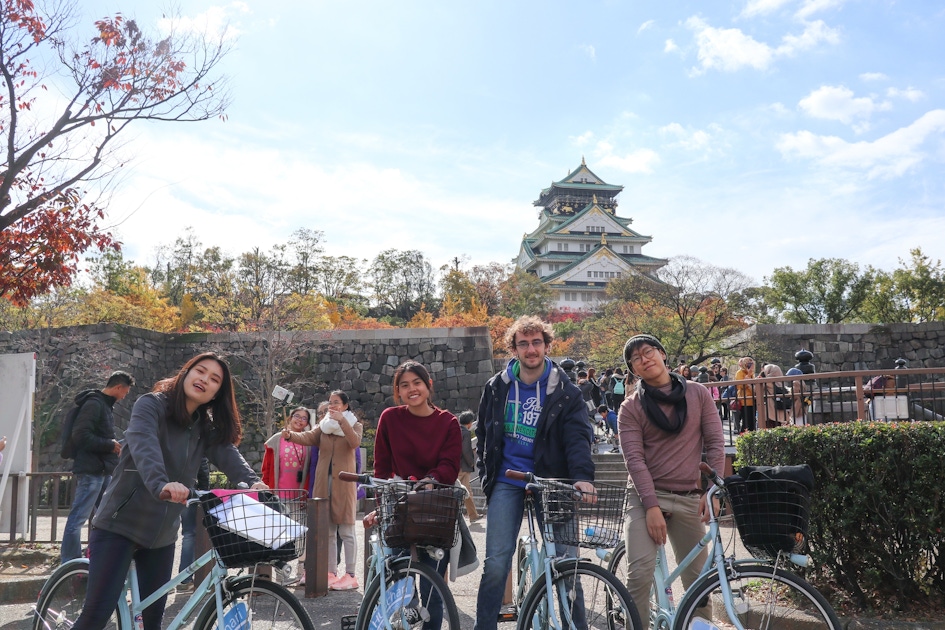
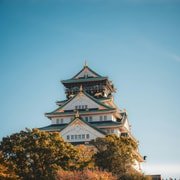
Explore the museum, park and defensive landscape, noting that the present main tower is a modern reconstruction.
Kuromon and neighbourhood food
Compare markets, small restaurants and guided tasting tours away from the most crowded streets.
Bay area attractions
Reserve well ahead for major theme parks, aquariums or observation venues.
How to Plan a Useful Visit
Osaka is easy by rail but stations are large. Group sights by district and carry a transport card. Restaurant queues and theme-park demand can consume much of the day without reservations.
Check the exact meeting point: destination pages may include experiences departing from nearby towns, ports, resorts or transport hubs.
Read the inclusions carefully: admission fees, meals, equipment, hotel transfers and local taxes are not always bundled into the advertised price.
Plan for local conditions: heat, rain, wind, altitude, sea conditions or seasonal closures can change how much is realistic in one day.
Choose responsible operators: avoid tours that disturb wildlife, disrespect religious sites, pressure local communities or encourage unsafe behaviour.
Find Tours, Tickets and Experiences
Booking ahead is most useful for limited-capacity tours, major attractions, boat trips, specialist guides and excursions requiring transport. Before paying, confirm the cancellation terms, language, accessibility, minimum age, physical demands and the time needed to return to your accommodation or cruise ship.
For most visitors, 3–4 days provides a practical balance between major sights and a less hurried experience. Add extra time when day trips, beaches, hiking or long road transfers are central to the visit.
Should I book activities in advance?
Advance booking is recommended for popular attractions, small-group tours, boat trips, wildlife experiences and peak travel dates. Flexible city walks may be easier to arrange after checking the weather.
What should I check before booking a tour?
Confirm the departure location, total duration, transport, admission fees, meal arrangements, required clothing, mobility demands and cancellation conditions. Product descriptions can change, so review the final supplier information for your chosen date.
Is Osaka suitable for independent travellers?
Yes, although the best approach depends on distances and local transport. Central sights may be easy to visit independently, while remote landscapes, archaeological sites, marine activities and regional day trips are often simpler and more informative with an organised guide.
Ready to plan Osaka Visitor Guide: Tours, Attractions & Local Experiences?
Check the supplier for current availability, pricing, inclusions and booking conditions.
Osaka: Osaka City Highlights Tour With Luxury Vehicle Guide Japan Best deals for Osaka: Osaka City Highlights Tour With Luxury Vehicle Guide. Discover Osaka on a private full-day tour with hotel pickup and drop-off. Visit Osaka Castle, explore the Shinsaibashi shopping arcade, and enjoy exclusive access to a blacksmith workshop. Available from getyourguide.com.
From Osaka: Osaka Private City Tour with Driver & Guide Japan Best deals for From Osaka: Osaka Private City Tour with Driver & Guide. Explore Osaka's top sights on a private tour with an English-speaking driver. Visit Osaka Castle, stroll through Shinsekai, and enjoy panoramic views from the Umeda Sky Building. Available from getyourguide.com.
Kyoto/Osaka : Kyoto & Osaka Private Tour With Driver/Guide Japan Best deals for Kyoto/Osaka : Kyoto & Osaka Private Tour With Driver/Guide. Explore Kyoto and Osaka on a private day tour with a local guide. Visit Fushimi Inari-Taisha Shrine, the Golden Pavilion, Kinkaku-ji Temple, Osaka Castle, and more. Available from getyourguide.com.
Osaka: Osaka Castle & Samurai History Tour w/ Entry Options Japan Best deals for Osaka: Osaka Castle & Samurai History Tour w/ Entry Options. Discover the rich history, stunning architecture, and tranquil gardens of Osaka Castle on a guided walking tour. Learn about the castle's role in shaping modern Osaka and its strategic importance. Available from getyourguide.com.
Osaka: 4-Day Private Tour of Osaka, Kyoto, and Nara Japan Best deals for Osaka: 4-Day Private Tour of Osaka, Kyoto, and Nara. Discover the best of Kansai on a 4-day private journey through Osaka,Kyoto and Nara. Explore iconic landmarks,ancient temples, vibrant city streets,peaceful bamboo forests, and Nara’s famous deer park Available from getyourguide.com.
Osaka Classes, Workshops & Hands-On Experiences Guide Japan Osaka combines castle and merchant history, famous street food, lively entertainment districts, museums and easy access to the wider Kansai region. Check current availability, inclusions and booking details before you go.
Osaka Wine, Drinks & Tasting Experiences Guide Japan Osaka combines castle and merchant history, famous street food, lively entertainment districts, museums and easy access to the wider Kansai region. Check current availability, inclusions and booking details before you go.