Tokyo Visitor Guide: Top Attractions, Tours & Activities
Tokyo is best suited to food lovers, pop-culture fans, museum visitors and first-time Japan travellers. Check current availability, inclusions and booking details before you go.
Visiting Tokyo: Things to Do and Practical Travel Advice
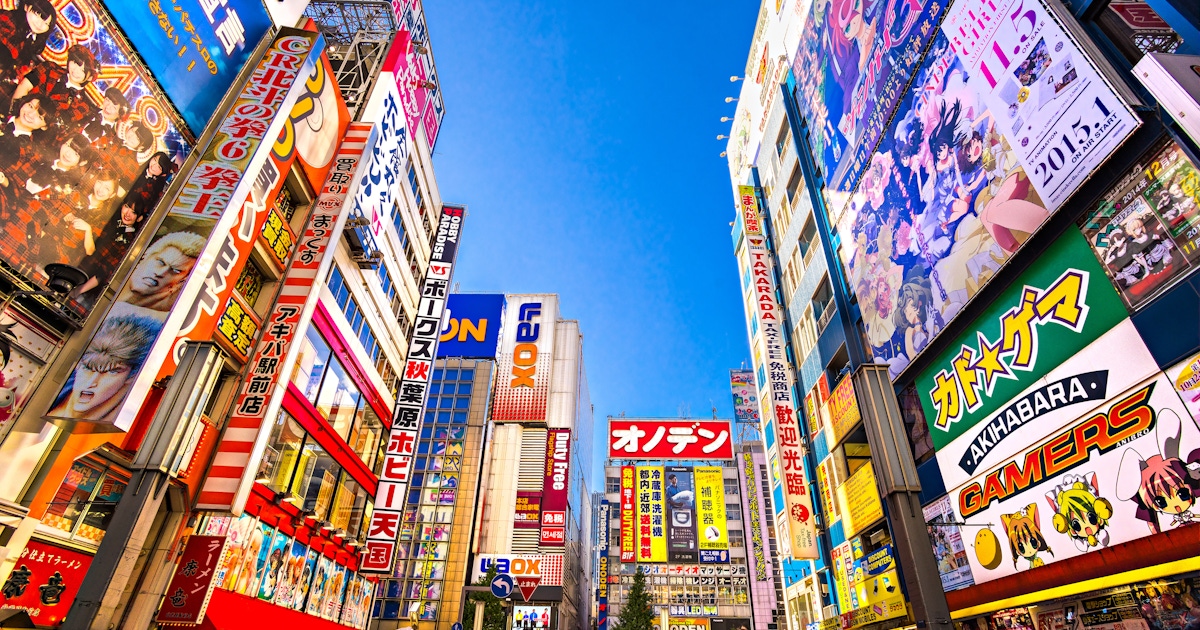
Tokyo is best suited to food lovers, pop-culture fans, museum visitors and first-time Japan travellers. Tokyo rewards neighbourhood-based exploration, with historic temples, design districts, food markets, museums and high-rise views spread across an enormous rail network. The most satisfying visit combines headline sights with enough time to notice local neighbourhoods, landscapes and everyday culture rather than treating the destination as a checklist.
Explore current options for Tokyo Visitor Guide
Check the supplier for current availability, pricing, inclusions and booking conditions.
Tokyo rewards neighbourhood-based exploration, with historic temples, design districts, food markets, museums and high-rise views spread across an enormous rail network. Experiences listed on the product page can help visitors compare guided tours, attraction entry, day trips and self-guided options. Availability changes by date, so use the page as a planning tool rather than assuming every activity runs daily.
A sensible stay is usually 5–7 days, although the right length depends on whether Tokyo is your main destination or one stop within a wider trip through Japan. Travellers with limited time should choose two or three priorities and leave space for transport delays, weather and unplanned discoveries.
Top Things to Do in Tokyo
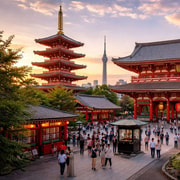
Asakusa and Sensō-ji
Visit early for a calmer look at the temple precinct and traditional shopping streets.
Shibuya and Harajuku
Experience contemporary street life, Meiji Shrine and major shopping areas in one connected district.
Museums and gardens
Choose a few collections or landscaped gardens rather than crossing the city repeatedly.
Food experiences
Book a guided tasting, market visit or cooking class to understand regional ingredients and dining etiquette.
How to Plan a Useful Visit
Use a rechargeable IC transport card and plan by rail line or district. Many attractions use timed tickets, and some restaurants require reservations. Avoid peak commuter trains with luggage.
Check the exact meeting point: destination pages may include experiences departing from nearby towns, ports, resorts or transport hubs.
Read the inclusions carefully: admission fees, meals, equipment, hotel transfers and local taxes are not always bundled into the advertised price.
Plan for local conditions: heat, rain, wind, altitude, sea conditions or seasonal closures can change how much is realistic in one day.
Choose responsible operators: avoid tours that disturb wildlife, disrespect religious sites, pressure local communities or encourage unsafe behaviour.
Find Tours, Tickets and Experiences
Booking ahead is most useful for limited-capacity tours, major attractions, boat trips, specialist guides and excursions requiring transport. Before paying, confirm the cancellation terms, language, accessibility, minimum age, physical demands and the time needed to return to your accommodation or cruise ship.
For most visitors, 5–7 days provides a practical balance between major sights and a less hurried experience. Add extra time when day trips, beaches, hiking or long road transfers are central to the visit.
Should I book activities in advance?
Advance booking is recommended for popular attractions, small-group tours, boat trips, wildlife experiences and peak travel dates. Flexible city walks may be easier to arrange after checking the weather.
What should I check before booking a tour?
Confirm the departure location, total duration, transport, admission fees, meal arrangements, required clothing, mobility demands and cancellation conditions. Product descriptions can change, so review the final supplier information for your chosen date.
Is Tokyo suitable for independent travellers?
Yes, although the best approach depends on distances and local transport. Central sights may be easy to visit independently, while remote landscapes, archaeological sites, marine activities and regional day trips are often simpler and more informative with an organised guide.
Ready to plan Tokyo Visitor Guide?
Check the supplier for current availability, pricing, inclusions and booking conditions.
Tokyo Your Way: Dream Day with a Tokyo-Born Private Guide Japan Best deals for Tokyo Your Way: Dream Day with a Tokyo-Born Private Guide. Discover Tokyo your way on a customized tour. Spend time with a Tokyo-born, government-licensed guide and explore the sights, culture, and everyday life of this fascinating city. Available from getyourguide.com.
Tokyo : Private Tokyo City Tour with English Driver-Guide Japan Best deals for Tokyo : Private Tokyo City Tour with English Driver-Guide. Explore Tokyo top attractions on a private guided tour. Visit Senso-ji Temple, enjoy views from Tokyo Skytree, and experience the vibrant atmosphere of Shibuya Crossing and Takeshita Street. Available from getyourguide.com.
Tokyo: Tokyo Full-Day Sightseeing City Tour Driver / Guide Japan Best deals for Tokyo: Tokyo Full-Day Sightseeing City Tour Driver / Guide. Explore Tokyo on a full-day private customizable tour. Visit Shibuya Crossing, Senso-ji Temple, Tokyo Skytree, and Meiji Shrine. Enjoy comfortable transport and convenient hotel pickup and drop-off. Available from getyourguide.com.
Tokyo: Fast & Furious Tokyo Drift III Experience Japan Best deals for Tokyo: Fast & Furious Tokyo Drift III Experience. Sit back and get ready for a thrilling ride along the famous Wangan/C1, tunnels, Rainbow Bridge, Daikoku PA, A-PIT Autobacs, and other iconic Tokyo landmarks, like Tokyo Tower and Shibuya Crossing. Available from getyourguide.com.
Tokyo Yakatabune Cruise: Sukiyaki, Show & Tokyo Tower Option Japan Best deals for Tokyo Yakatabune Cruise: Sukiyaki, Show & Tokyo Tower Option. Enjoy sukiyaki, drinks, and shamisen music on a sakura-themed yakatabune cruise. See skyline views, the Tokyo Aqua Symphony near Odaiba, and visit Tokyo Tower. Available from getyourguide.com.
Tokyo Top Highlights 3-hour Guided E-bike Tour Japan Best deals for Tokyo Top Highlights 3-hour Guided E-bike Tour. See Tokyo in a unique way on an e-bike tour. Explore the city with a guide as you cruise past famous locations like the Tokyo Station, and the Imperial Palace, and discover lesser-known gems. Available from getyourguide.com.
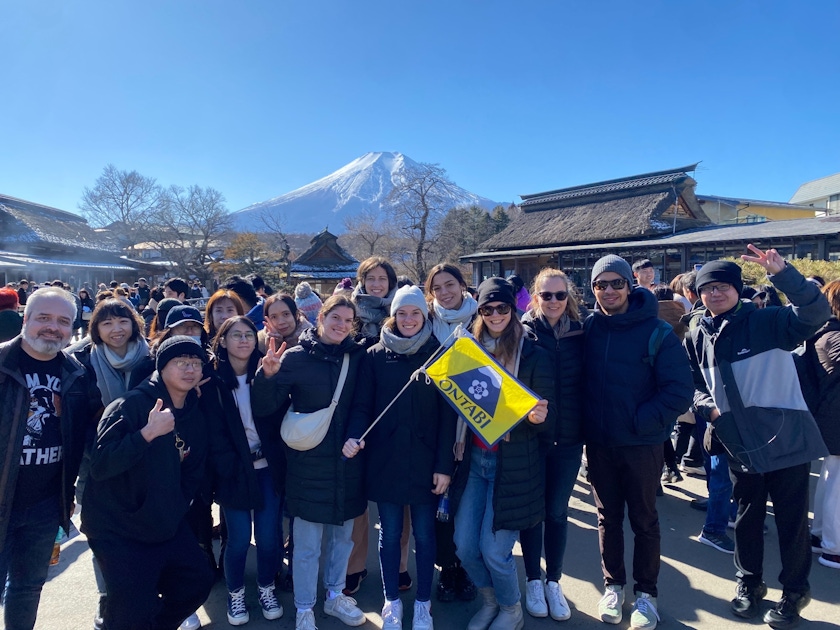
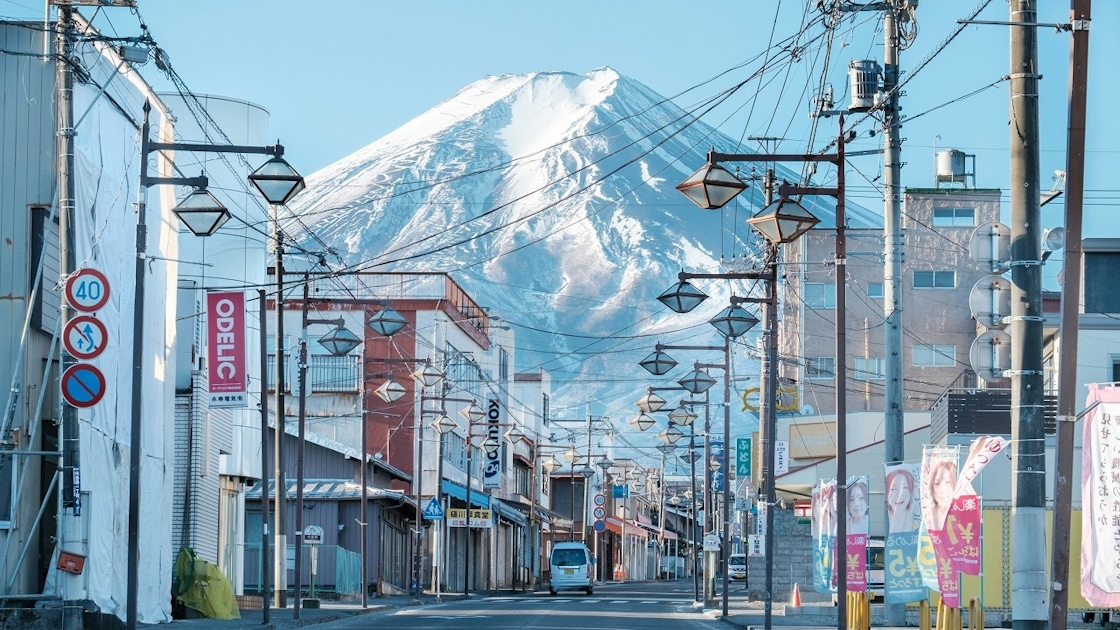
Tokyo: Mt Fuji Top Best Places Full-Day Private Tour Japan Best deals for Tokyo: Mt Fuji Top Best Places Full-Day Private Tour. Discover Mt. Fuji's most famous viewpoints, lakes, shrines, villages, and scenic attractions on a private full-day tour from Tokyo with hotel pickup & drop-off included. Available from getyourguide.com.
Tokyo Mt Fuji Top 6 Spots Tour: Oshino Hakkai, Lake Kawaguchi Japan Best deals for Tokyo Mt Fuji Top 6 Spots Tour: Oshino Hakkai, Lake Kawaguchi. Tokyo to Mt Fuji: stunning views at Lake Kawaguchiko & Yamanaka, explore Oshino Hakkai, visit Arakurayama Park and capture legendary Chureito Pagoda, snap the Lawson store, and stroll retro streets. Available from getyourguide.com.