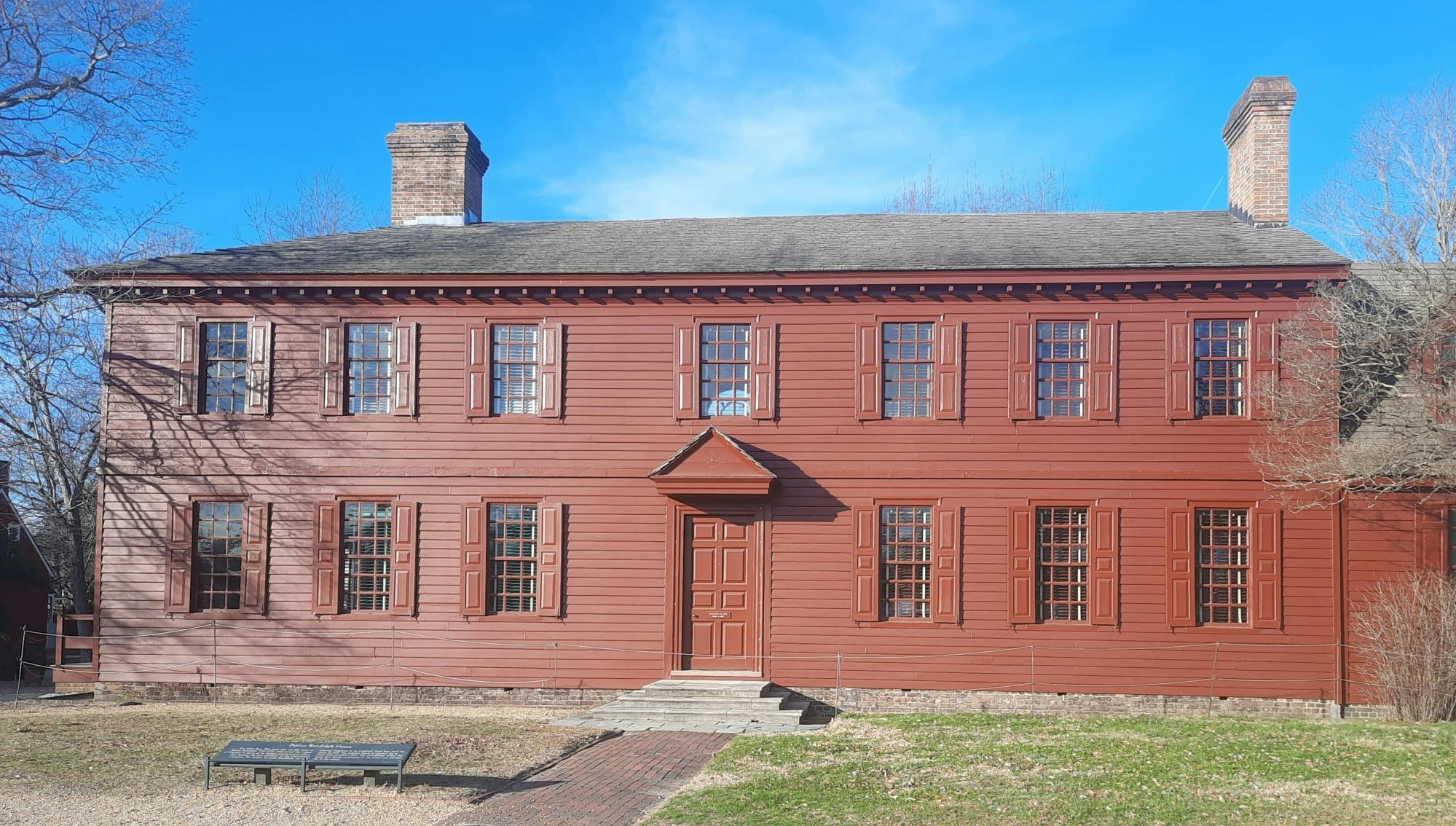
Williamsburg is best known for its living-history atmosphere, walkable colonial streets, and its place within Virginia’s Historic Triangle. Check current availability, inclusions and booking details before you go.
Williamsburg is best known for its living-history atmosphere, walkable colonial streets, and its place within Virginia’s Historic Triangle.
Quick answer
Williamsburg is one of the best history-first destinations in the eastern United States. It suits travellers who enjoy walking, museums, guided storytelling and places where the setting matters as much as the attractions. The strongest reason to go is not just to “see old buildings.” It is to experience the wider Historic Triangle story of Williamsburg, Jamestown and Yorktown in a place where early American history still feels visible.
If you are considering Williamsburg, the first thing to understand is that this is not a destination built around one headline sight. It works best as a layered historic trip. Colonial streets, museums, interpreters, battlefield-linked stories, ghost tours and self-guided walks all combine to make the place feel bigger than it looks on a map.
That is also what makes Williamsburg appealing. It can be done as a quick stop, but it rewards people who give it more time. The destination has a slower, more thoughtful rhythm than a city break built around shopping or nightlife. You come here to walk, learn, and let the setting do some of the work.
Why Williamsburg Still Works as a Travel Destination
Williamsburg remains relevant because it is not just preserving buildings. It is preserving context. In Colonial Williamsburg, the streets, workshops, taverns and public buildings are part of a much larger story about politics, daily life, revolution and contradiction in colonial Virginia.
That wider story is what separates Williamsburg from a pretty historic town. It was the capital of Virginia for much of the colonial period, and today it forms part of the Historic Triangle with Jamestown and Yorktown. That gives it more depth than a single-site heritage stop.
What the Musement Page Tells You About Williamsburg Right Now
The current Musement page for Williamsburg is heavily weighted toward history-based experiences. Rather than showing a wide entertainment spread, it currently highlights guided walking tours, a self-guided audio walk, ghost stories, a slavery-focused history tour, and a patriots-themed tour.
That is useful because it reflects the destination honestly. Williamsburg is at its strongest when approached through interpretation and storytelling. It is not mainly a luxury city break or a food-first weekend. It is a place where tours and context improve the visit.
Best Things to Do in Williamsburg
1. Prioritise Colonial Williamsburg
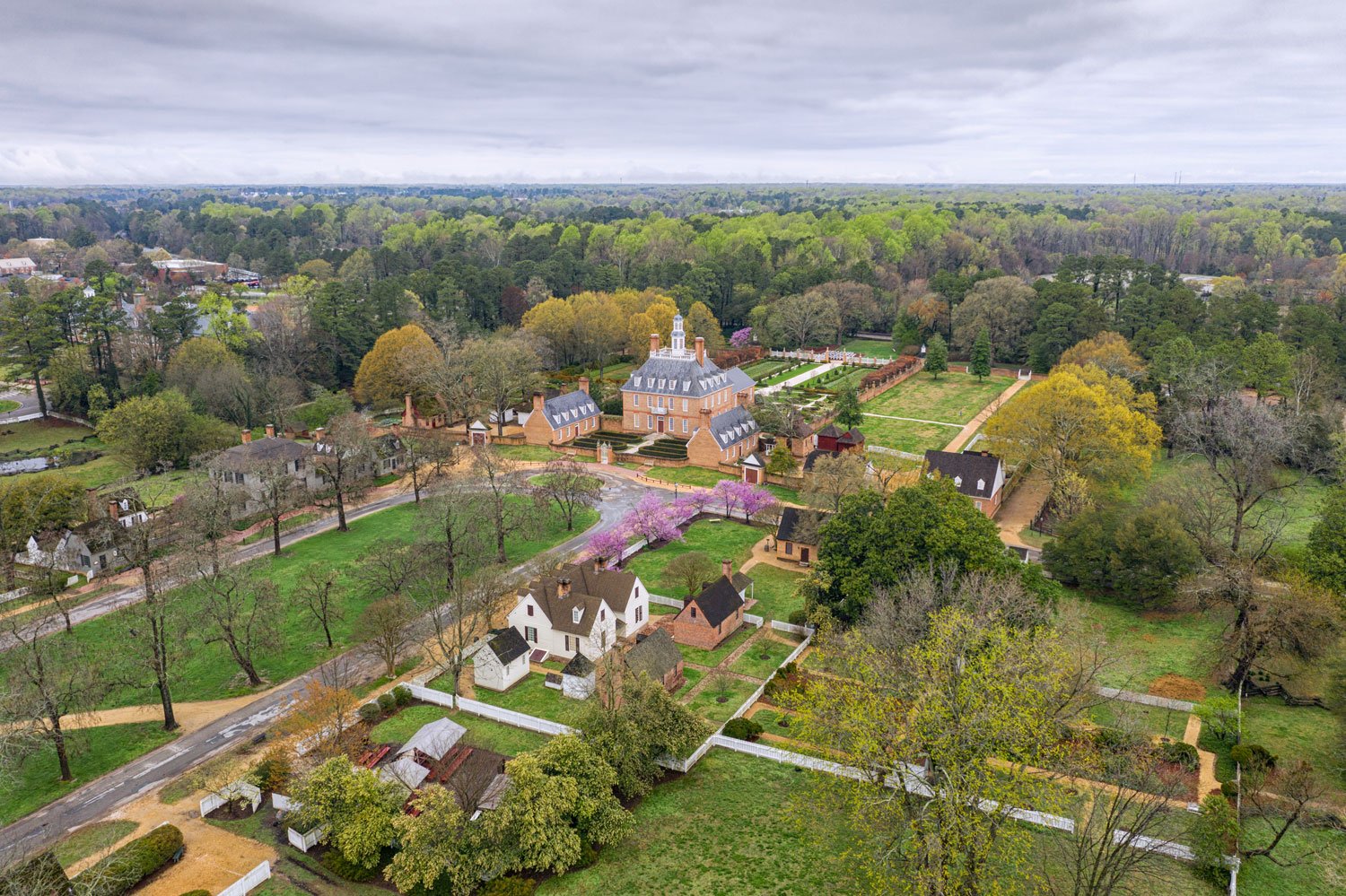
This is the core experience. Colonial Williamsburg describes itself as the largest U.S. history museum, with a 301-acre historic area, 89 original 18th-century buildings and more than 20 historic trades. In practical terms, that means there is enough here for far more than a quick photo stop.
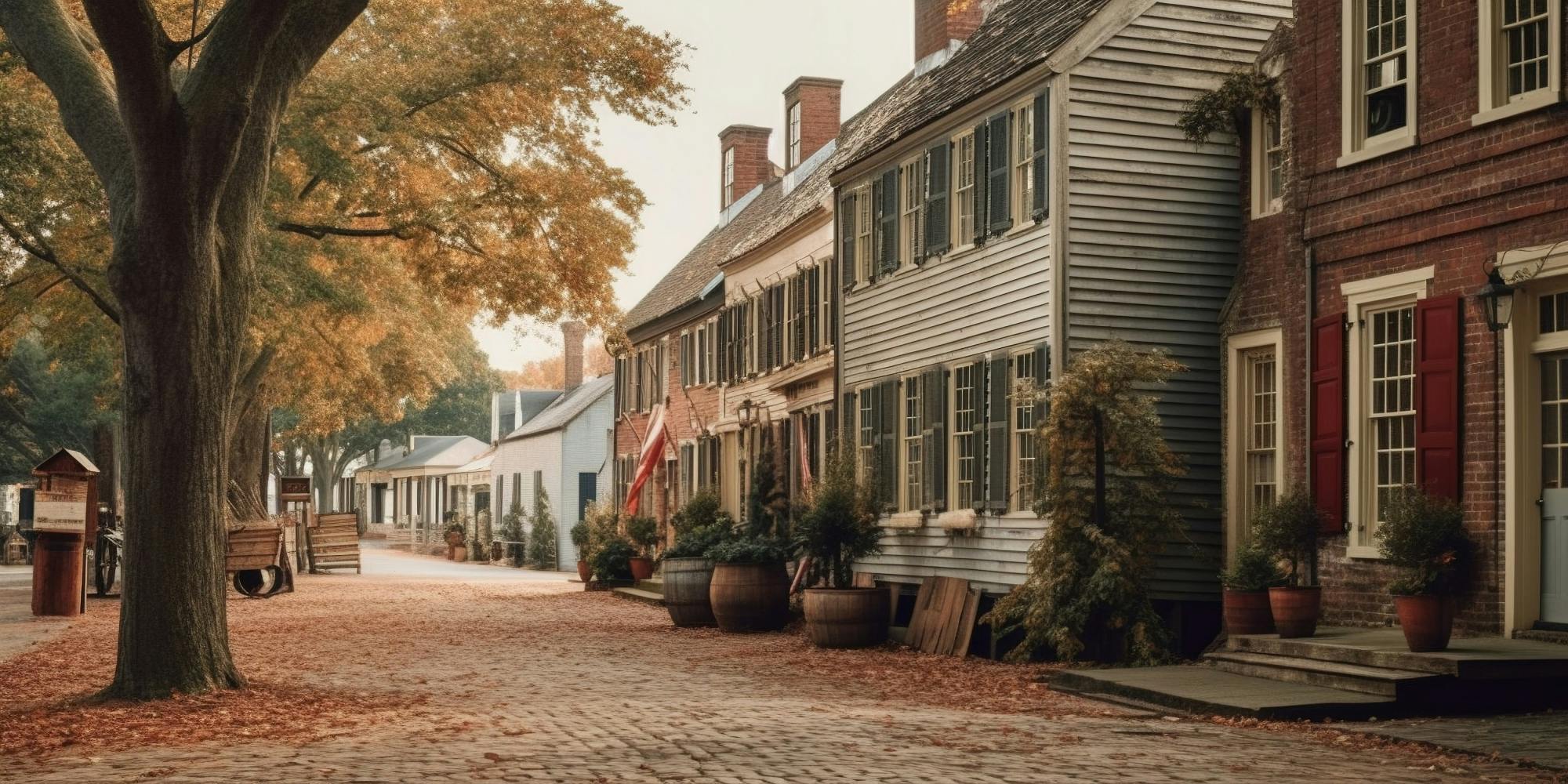
If you only do one thing in Williamsburg, make it this. Walk Duke of Gloucester Street, step into key public buildings, watch tradespeople at work and use the day to understand how the town actually functioned rather than just what it looked like.
2. Add a Guided Walking Tour for Context
The current Musement selection leans heavily toward guided storytelling, and that makes sense. Ghost tours, patriots tours and the history of slavery tour all point to the same truth: Williamsburg works best when someone helps unpack what happened here.
That is especially true if this is your first visit. The architecture is attractive on its own, but the meaning of the place gets stronger once you understand the people, tensions and events tied to it.
3. Use a Self-Guided Audio Tour if You Want Flexibility
If you prefer to explore on your own schedule, the self-guided Colonial Williamsburg audio walk is one of the more practical options currently listed on Musement. It is a good fit for independent travellers who want structure without joining a group.
This can work especially well if you like to stop often, photograph details, or move at your own pace through the historic area.
4. Treat Slavery and Revolution as Core Themes, Not Side Notes
One of the better signs on the current Musement page is that it does not present Williamsburg only through patriotic nostalgia. The slavery history tour suggests a more complete framing of the destination, and that is important. Williamsburg is more meaningful when it is approached as a place of aspiration, contradiction, power and inequality, not just quaint colonial charm.
That makes the destination stronger, not heavier for the sake of it. A more honest visit is usually a better one.
5. Expand to Jamestown and Yorktown if You Have the Time
Williamsburg becomes much more rewarding when you see it as one point in the Historic Triangle. Official tourism sources frame Williamsburg, Jamestown and Yorktown together, and Colonial Williamsburg sells a Historic Triangle ticket covering five major sites over five consecutive days.
If you have more than one day, this is the smarter way to approach the region. Williamsburg gives you the colonial capital story, Jamestown takes you closer to the earliest English settlement story, and Yorktown completes the Revolutionary War arc.
How Long Should You Spend in Williamsburg?
One day is enough for a basic look at Colonial Williamsburg, especially if you keep your expectations realistic. Two days is better if you want to combine a walking tour, museum time and a slower pace in the historic area. Three days or more makes sense if you are also adding Jamestown and Yorktown.
That matters because Williamsburg is easy to underestimate. It looks compact, but Colonial Williamsburg alone is large enough that a rushed visit can feel thinner than it should.
What the Experience Feels Like on the Ground
Williamsburg is walkable, but it is not tiny in practice. Colonial Williamsburg says the historic area is about a mile long and a half-mile wide, so comfortable shoes are not optional. The pace is generally calm, and the town suits travellers who enjoy moving between sites rather than rushing through a single queue-heavy attraction.
It also feels more substantial when you plan around the daily rhythm. Most historic sites and trades are typically open during the day, while evening programs extend the atmosphere later. That makes Williamsburg one of those places where an early start pays off.
Who Williamsburg Suits Best
Travellers interested in early American history
Couples who enjoy slower, walkable destinations
Families with older children who can engage with stories and museums
Visitors who value guided interpretation over flashy attractions
Who It May Not Suit
Williamsburg is a weaker fit for travellers who want a nightlife-heavy city break, ultra-fast sightseeing, or a destination built mainly around luxury dining and shopping. It also asks for some walking, so it is best approached with realistic mobility expectations.
That does not mean it is inaccessible. Colonial Williamsburg provides accessibility support and wheelchair-accessible buses, but the destination still feels most natural for travellers who are comfortable spending time on foot.
Practical Planning Tips
Start with Colonial Williamsburg and build outward from there.
Wear comfortable shoes and plan for a lot of walking.
Check what is open on the day, because some buildings are private residences and some programs vary.
Use a guided or audio tour if you want the destination to feel richer.
Consider the Historic Triangle if you have more than one day.
Arrive early, because most core historic sites operate during daytime hours.
Bottom line:
Williamsburg is worth visiting if you want history with real physical presence. The destination is strongest when you slow down, walk the historic area properly and treat Williamsburg as part of a bigger regional story that includes Jamestown and Yorktown. The current Musement offerings reflect that well: this is a place for tours, interpretation and context, not rushed box-ticking.
Ready to browse current Williamsburg experiences? View the live Musement page to compare walking tours, ghost tours and self-guided options.
Williamsburg works best when you do not reduce it to a costume-history stop. It is a place where politics, daily life, conflict, education and revolution all overlap, and that gives it more staying power than many heritage destinations.
Approach it with time, curiosity and comfortable shoes, and it delivers. For the right traveller, it is one of the most rewarding history-focused trips in the region.
FAQs
What is Williamsburg best known for?
Williamsburg is best known for Colonial Williamsburg, its living-history environment, and its role in Virginia’s colonial and Revolutionary-era story.
How many experiences does Musement currently list in Williamsburg?
The current Musement destination page shows 6 experiences.
Is Williamsburg mainly a history destination?
Yes. Based on both the official tourism framing and the current Musement listings, Williamsburg is at its strongest as a history-led destination.
How big is Colonial Williamsburg?
Colonial Williamsburg says its historic area covers 301 acres.
How many original buildings are in Colonial Williamsburg?
Colonial Williamsburg says there are 89 original 18th-century buildings in the historic area.
How long should I spend in Williamsburg?
One day works for a basic visit, but two or more days is better if you want to explore more fully or add Jamestown and Yorktown.
What are the usual hours for Colonial Williamsburg?
Colonial Williamsburg says it is open 365 days a year, with most historic trades and sites generally open from 10:00 a.m. to 5:00 p.m.
Should I visit Jamestown and Yorktown too?
Yes, if you have the time. Williamsburg makes more sense as part of the Historic Triangle than as a completely standalone stop.
Is Williamsburg good for independent travellers?
Yes. The current Musement page includes self-guided audio options as well as guided tours.
Is Williamsburg very walkable?
Yes, but it still involves a fair amount of walking, so comfortable shoes are important.
Ready to book Williamsburg Tours, Attractions & Experiences Guide?
Check the supplier for current availability, pricing, inclusions and booking conditions.
Best of Brooklyn walking tour in Williamsburg United States Plan Best of Brooklyn walking tour in Williamsburg, a outdoor experience, with practical tips on timing, inclusions and what to check before booking. Compare current availability, prices and booking conditions before you go.
Brooklyn, Williamsburg & Greenpoint Underground Donut Tour United States Brooklyn, Williamsburg and Greenpoint Underground Donut Tour is a convenient way to add structure, local context and purposeful sightseeing to the itinerary. Check current availability, inclusions and booking details before you go.
Ghost Stories of Williamsburg Guided Tour - Guided Sightseeing Tour Ghost stories of Williamsburg guided tour offers a structured way to discover more of Williamsburg without having to organise every detail independently. Check current availability, inclusions and booking details before you go.