Tilburg Visitor Guide: Top Attractions, Tours & Activities
Tilburg is a former textile city reinvented through contemporary art, design, events and industrial reuse. Check current availability, inclusions and booking details before you go.
Tilburg is a former textile city reinvented through contemporary art, design, events and industrial reuse. It rewards visitors who combine its best-known sights with time for ordinary streets, waterfronts, cafés and landscapes. This guide focuses on realistic ways to experience the destination, how to organise your time and what to check before booking.
Explore current options for Tilburg Visitor Guide
Check the supplier for current availability, pricing, inclusions and booking conditions.
Tilburg works well for travellers who want more than a single landmark. The destination can be explored through local history, architecture, scenery and everyday culture, with enough variety to suit a day trip or a longer stay. The most satisfying visits usually leave room for an unhurried walk and one or two well-chosen activities rather than trying to fit everything into a few hours.
Experiences, transport and access can change with the season, weather, maintenance work and local events. Treat published itineraries as a starting point, then check the latest operating details and inclusions for the date you intend to travel.
Top things to do in Tilburg
TextielMuseum
See textile history alongside working labs and contemporary design. This is best approached as part of a balanced visit rather than a rushed checklist: allow time to look around, follow local signs and confirm any opening times, seasonal schedules or admission arrangements before setting out.
De Pont
Visit modern and contemporary art in a former wool-spinning mill. This is best approached as part of a balanced visit rather than a rushed checklist: allow time to look around, follow local signs and confirm any opening times, seasonal schedules or admission arrangements before setting out.
Spoorzone
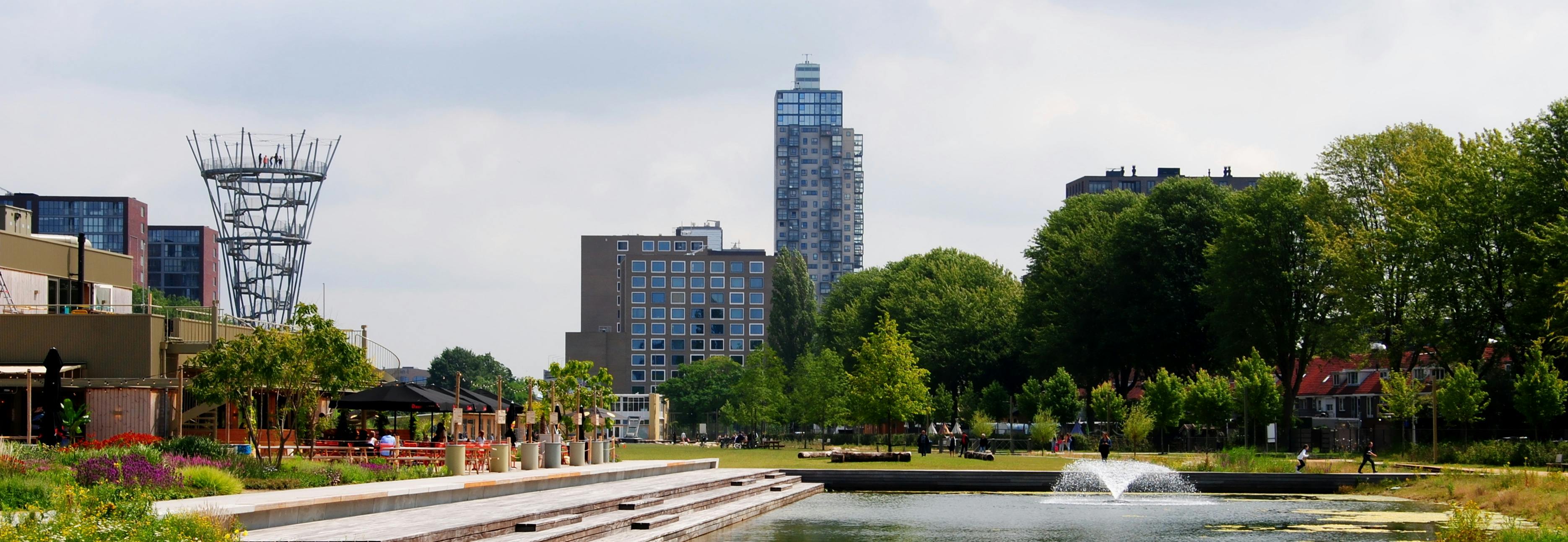
Explore converted railway buildings filled with food, culture and creative businesses. This is best approached as part of a balanced visit rather than a rushed checklist: allow time to look around, follow local signs and confirm any opening times, seasonal schedules or admission arrangements before setting out.
Efteling nearby
Treat the major theme park as a separate full-day excursion. This is best approached as part of a balanced visit rather than a rushed checklist: allow time to look around, follow local signs and confirm any opening times, seasonal schedules or admission arrangements before setting out.
Planning your visit
Getting around: Tilburg is well connected by train; buses or bicycles are useful because museums are spread across the city.
When to go and what to reserve: Check the events calendar because festivals and the annual funfair can greatly affect atmosphere and accommodation.
How long to stay: A day suits museums and Spoorzone, while Efteling requires another day.
Before paying for a tour or ticket, read the current product description carefully. Check the meeting point, start time, duration, language, accessibility, cancellation terms and whether transport, meals or admission charges are included. For outdoor experiences, confirm the weather policy and bring clothing suitable for changing conditions.
Morning: Begin with TextielMuseum, when energy levels are high and popular areas may be quieter. Allow extra time for orientation, photographs and any security or ticket checks.
Afternoon: Continue to De Pont, then make time for lunch or a café stop away from the busiest visitor route. If conditions permit, add Spoorzone without compressing the schedule.
Evening: Finish around Efteling nearby or return to the centre for a relaxed meal. Evening access varies by place and season, so verify closing times rather than assuming attractions remain open late.
Travellers staying longer can divide these activities across separate days. That approach gives more flexibility if the weather changes and creates space for markets, smaller museums, neighbourhood walks or spontaneous discoveries.
Practical tourist tips
Use official attraction and transport websites to confirm current opening hours, service changes and accessibility information.
Book limited-capacity experiences ahead, particularly on weekends, during school holidays and in peak season.
Carry a charged phone, but save essential tickets, addresses and meeting-point details for offline access.
Wear comfortable footwear and keep a light waterproof or extra layer available when the forecast is changeable.
Respect residential streets, protected landscapes, religious buildings and local rules about photography, cycling, swimming or collecting natural materials.
Leave a buffer between timed bookings. Local transport, queues and unfamiliar streets can make tightly packed schedules stressful.
Frequently asked questions
How long do you need in Tilburg?
A day suits museums and Spoorzone, while Efteling requires another day. A shorter visit can still be worthwhile, but prioritise one main attraction and a compact walking area rather than crossing the destination repeatedly.
What should a first-time visitor prioritise?
Start with TextielMuseum and De Pont. Together they provide a useful introduction to the destination, after which you can choose between culture, scenery, food or a more specialised activity.
Can you visit Tilburg without a car?
Tilburg is well connected by train; buses or bicycles are useful because museums are spread across the city. Check the final return service in advance, especially on Sundays, public holidays or when visiting a rural or coastal attraction.
Should tours and tickets be booked in advance?
Advance booking is sensible for timed entry, small-group tours, boat trips, rail experiences and popular seasonal activities. Compare the current itinerary and inclusions before booking, because schedules and availability can change.
Ready to plan Tilburg Visitor Guide?
Check the supplier for current availability, pricing, inclusions and booking conditions.
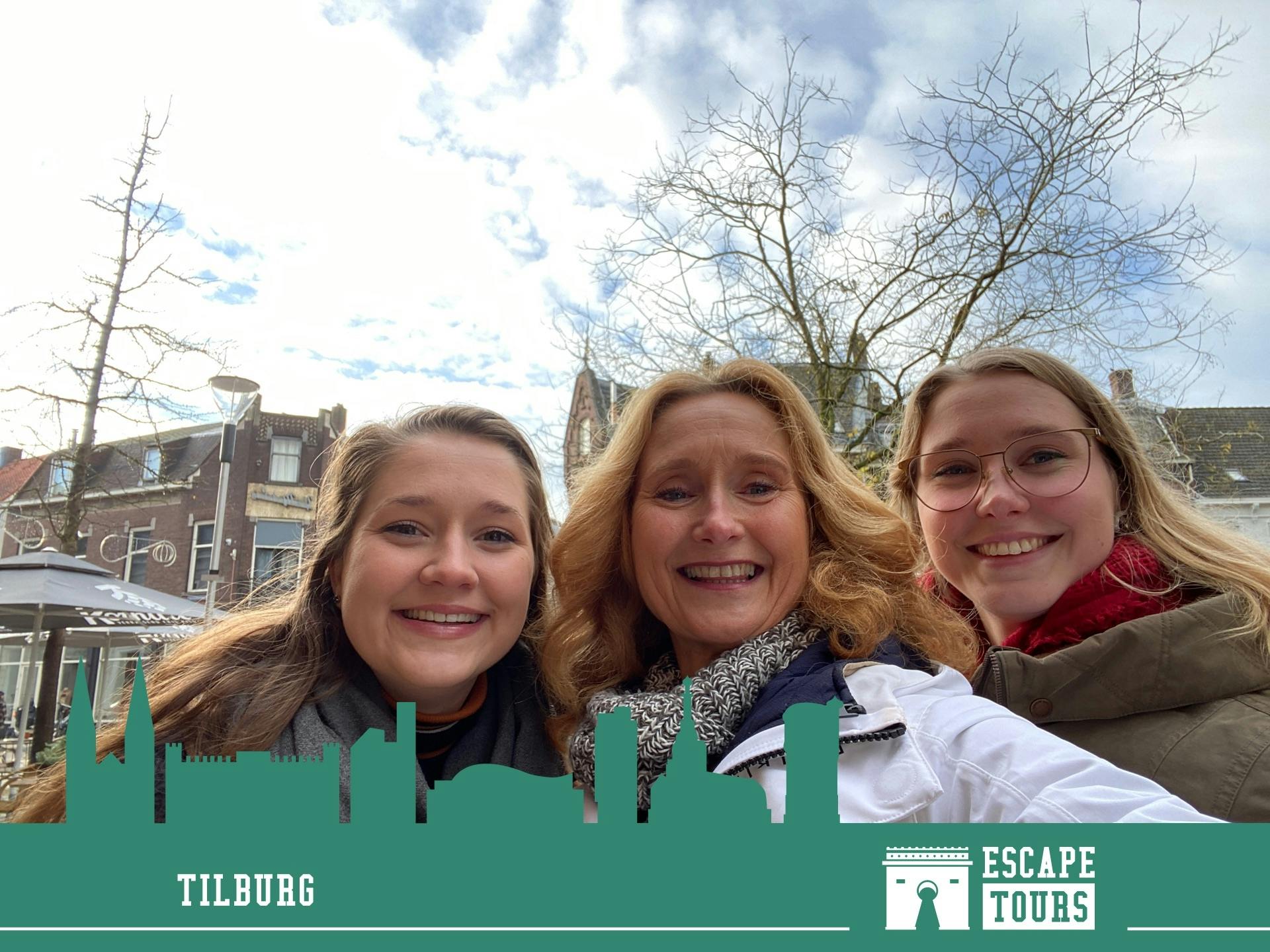
Escape Tour Self-Guided, Interactive City Challenge in Tilburg Netherlands Escape Tour self-guided, interactive city challenge in Tilburg combines self-paced sightseeing with useful background information and flexible stopping time. Check current availability, inclusions and booking details before you go.
Tilburg City Tours, Neighbourhoods & Local History Guide Netherlands Tilburg is a former textile city with major contemporary art and textile museums, a redeveloped railway zone, canalside leisure and a strong cultural calendar. Check current availability, inclusions and booking details before you go.