Split Visitor Guide: Top Attractions, Tours & Activities
Split is especially well suited to history lovers, island travellers, food visitors and people seeking a lively coastal base. Check current availability, inclusions and booking details before you go.
Visiting Split: Things to Do and Practical Travel Advice
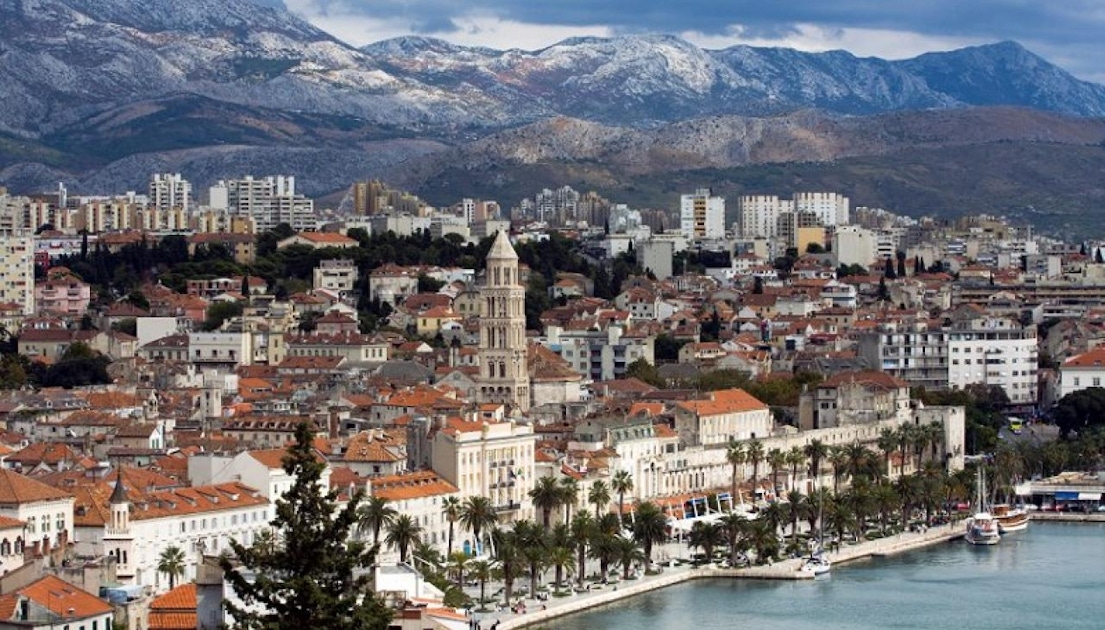
Split is especially well suited to history lovers, island travellers, food visitors and people seeking a lively coastal base. Split is a lively Dalmatian city built around the remains of Diocletian’s Palace, where Roman structures form part of everyday streets, homes and businesses. This guide focuses on realistic priorities, sensible travel times and the kinds of tours, tickets and activities shown through the linked product page.
Explore current options for Split Visitor Guide
Check the supplier for current availability, pricing, inclusions and booking conditions.
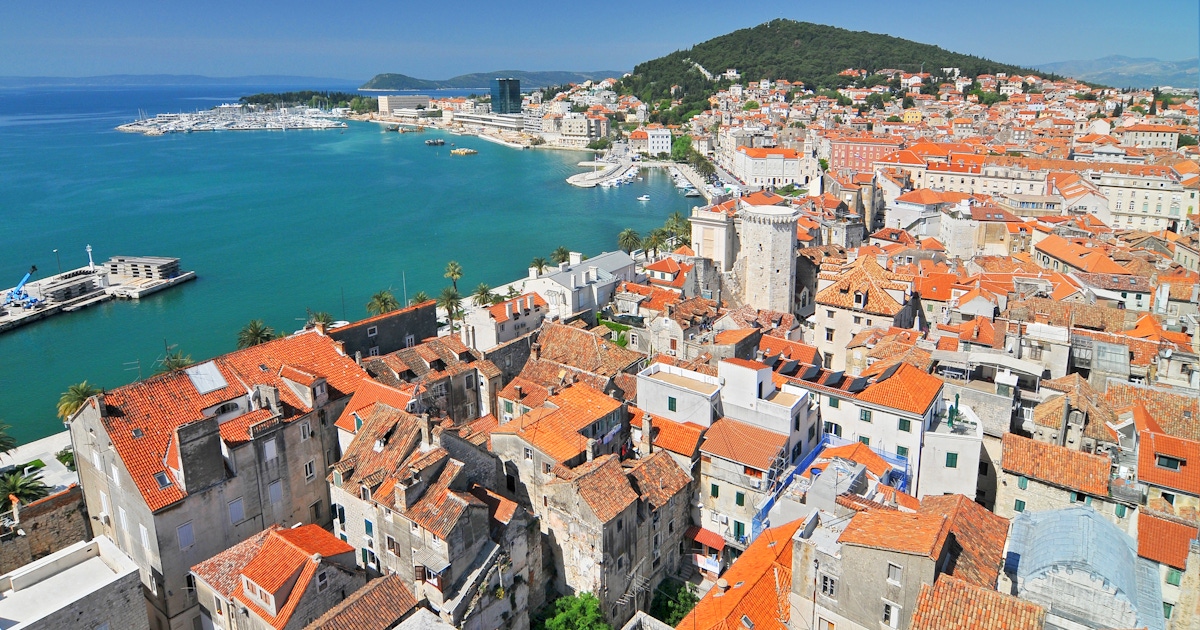
Split is a lively Dalmatian city built around the remains of Diocletian’s Palace, where Roman structures form part of everyday streets, homes and businesses.
A sensible stay is usually 3–5 days. Travellers with less time should choose a few priorities instead of rushing between distant sights. The product page can help you compare palace tours, island cruises, Blue Cave trips, national-park excursions and food walks. Availability, languages, meeting points, accessibility, inclusions and cancellation conditions can vary by date, so always read the live listing before paying.
Top Things to Do in Split
Diocletian’s Palace
Explore the Peristyle, substructures, gates and lanes of the UNESCO-listed historic centre.
Marjan Hill
Walk or cycle through the park for viewpoints, chapels and access to quieter swimming spots.
Riva promenade and markets
Experience the city’s social heart and browse the green market near the palace.
Day trips and islands
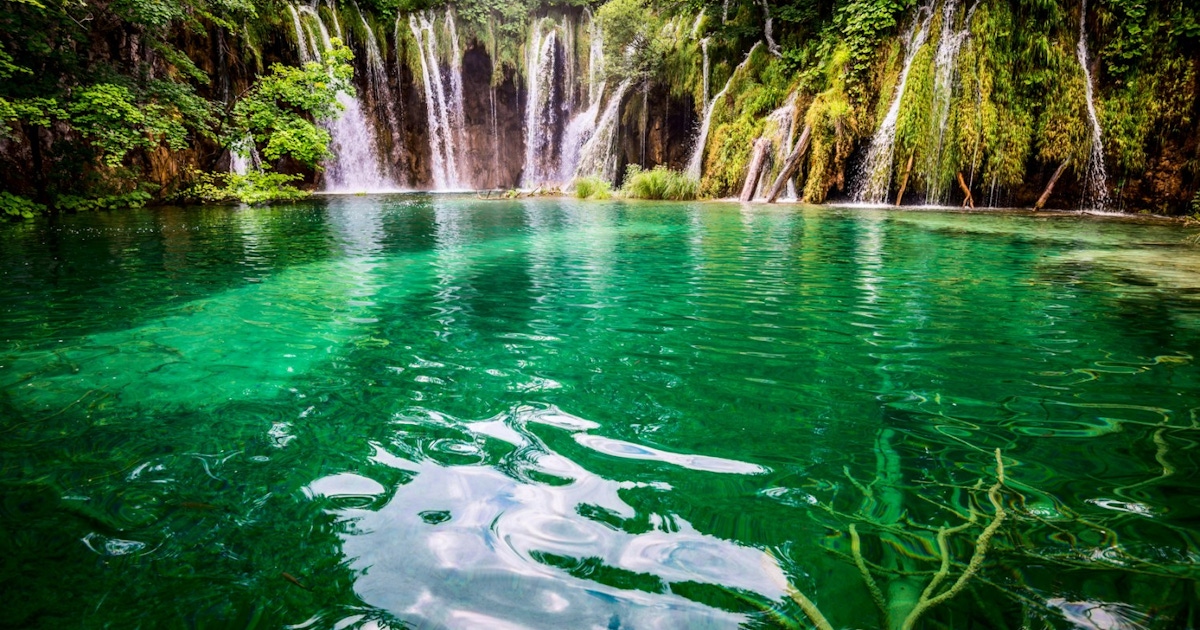
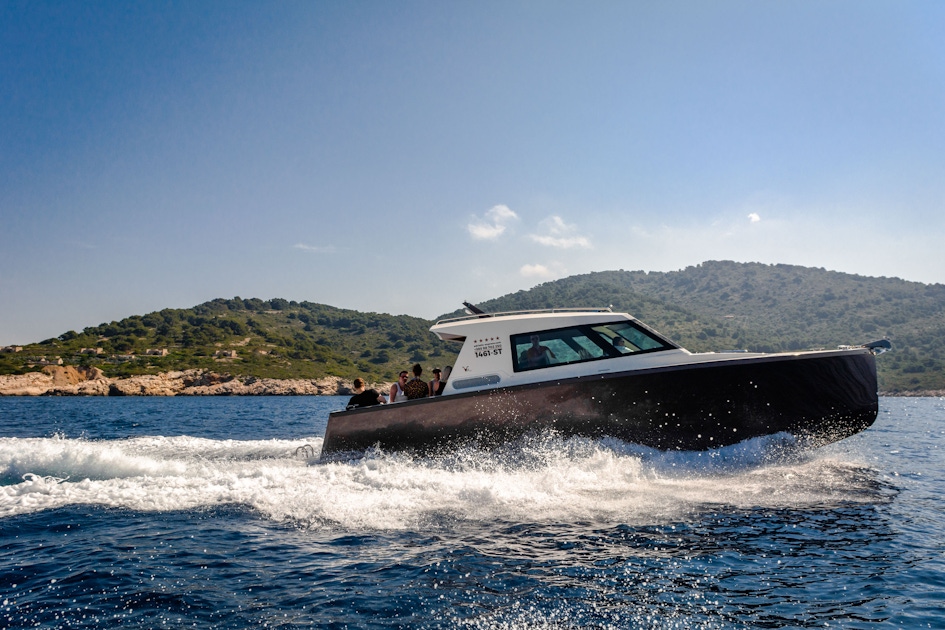
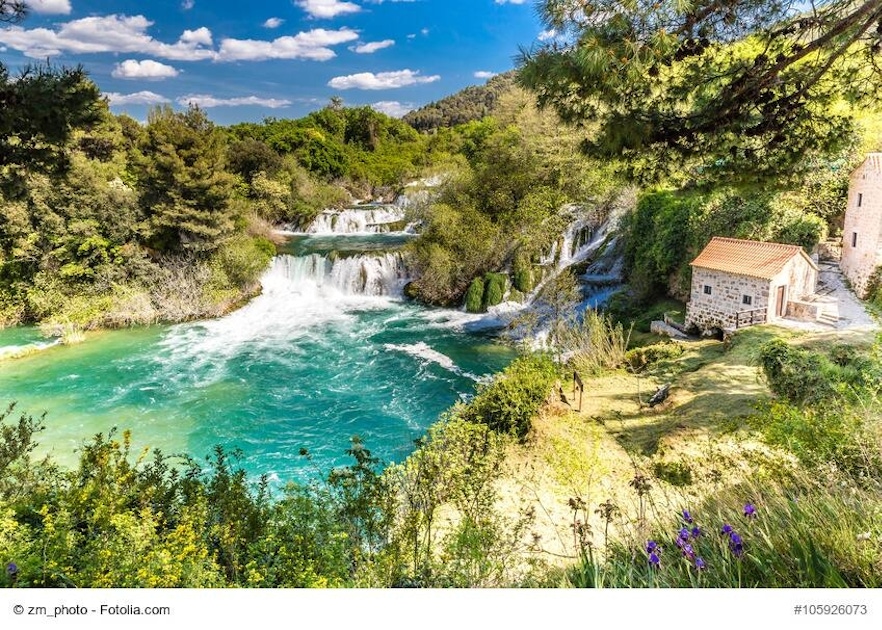
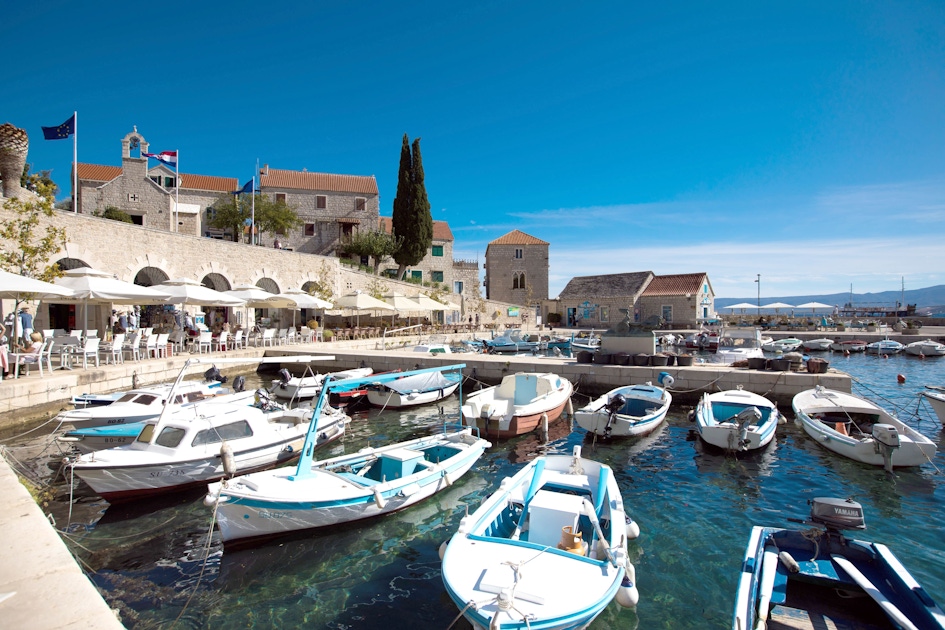
Consider Hvar, Brač, Šolta, Krka, Trogir or inland excursions, choosing routes that do not overfill one day.
Planning Your Visit
Getting around
The old centre is pedestrian. Local buses serve outer districts, while ferries leave from the harbour beside the centre.
When to go
Late spring and early autumn usually provide warm weather with fewer crowds. July and August are busiest and hottest, and ferries or seasonal attractions may run reduced schedules outside summer.
Allow realistic travel time
Do not judge journey times by distance alone. Historic centres may be pedestrianised, island ferries and boats can depend on weather, and mountain or coastal roads may be slow. Confirm opening hours, transport schedules and pickup details shortly before travelling.
What to Eat and Drink
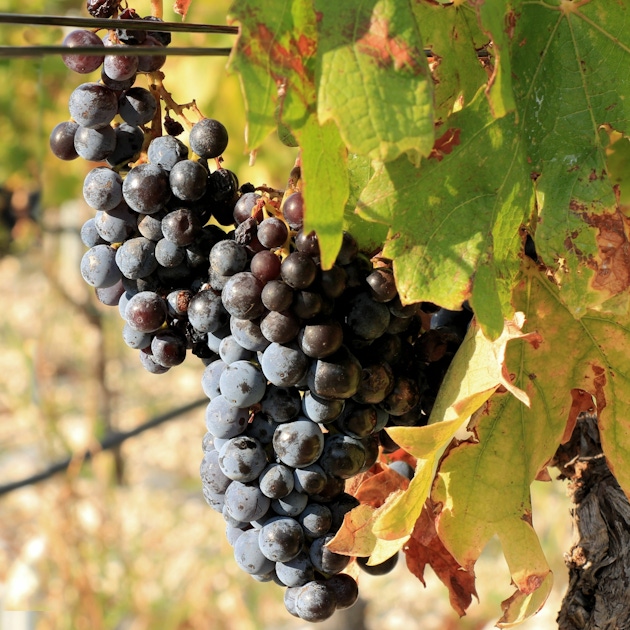
Try pašticada, soparnik, grilled fish, black risotto and Dalmatian wines.
For a more authentic experience, choose busy local businesses with clearly displayed prices and menus. Reserve ahead for destination restaurants, winery visits, cooking classes and seasonal specialities.
Tours, Tickets and Experiences
Pre-booking is most valuable for limited-capacity attractions, guided day trips, boat departures, popular museums and experiences that include transport. Compare duration, group size, language, accessibility and the exact meeting point rather than selecting on price alone. A private tour may suit families or groups with a complicated route, while a small-group tour can add local context at a lower cost.
A practical starting point is 3–5 days. Add time for long day trips, beach days, demanding hikes or weather-dependent boat activities.
Do I need to book tours in advance?
Book ahead for popular attractions, small-group tours, boat trips and experiences that include transport. Flexible walks and general sightseeing can often be arranged closer to the day, but early booking provides more choice in peak season.
Is Split easy to explore independently?
Most central sights can be explored independently, while a guide is useful for context or places outside the centre.
What should I check before paying?
Confirm the date, start time, exact meeting point, language, accessibility, transport arrangements, age or fitness restrictions, weather policy and cancellation conditions. Prices and schedules can change, so rely on the live product page for final details.
Ready to plan Split Visitor Guide?
Check the supplier for current availability, pricing, inclusions and booking conditions.
Split Tours, Activities & Visitor Experiences Croatia Compare sightseeing experiences in Split, with practical tips on timing, inclusions and choosing the right option. Check current availability, prices and booking conditions before you go.
Split Must-See Attractions, Tours & Highlights Guide Croatia Split combines Diocletian's Palace, a living historic centre, Adriatic waterfront, museums, Marjan park and major ferry connections. Check current availability, inclusions and booking details before you go.
Split Cruises, Boat Tours & Water Experiences Guide Croatia Split combines Diocletian's Palace, a living historic centre, Adriatic waterfront, museums, Marjan park and major ferry connections. Check current availability, inclusions and booking details before you go.
Split Countryside Tours & Rural Day Trips Guide Croatia Split combines Diocletian's Palace, a living historic centre, Adriatic waterfront, museums, Marjan park and major ferry connections. Check current availability, inclusions and booking details before you go.
Split Folklore, Dalmatian Traditions & Cultural Experiences Guide Croatia Looking for folklore-style experiences in Split? This guide explains what “folklore” usually includes in Dalmatia, how to choose the right tour, and highlights bookable options. Check current availability, inclusions and booking details before you go.
Split Museums, Art Galleries & Cultural Collections Guide Croatia Split combines Diocletian's Palace, a living historic centre, Adriatic waterfront, museums, Marjan park and major ferry connections. Check current availability, inclusions and booking details before you go.
Split Wine, Drinks & Tasting Experiences Guide Croatia Split combines Diocletian's Palace, a living historic centre, Adriatic waterfront, museums, Marjan park and major ferry connections. Check current availability, inclusions and booking details before you go.
Split Monuments, Landmarks & Heritage Sites Guide Croatia Split combines Diocletian's Palace, a living historic centre, Adriatic waterfront, museums, Marjan park and major ferry connections. Check current availability, inclusions and booking details before you go.
Split Nature, Landscapes & Wildlife Experiences Guide Croatia Split combines Diocletian's Palace, a living historic centre, Adriatic waterfront, museums, Marjan park and major ferry connections. Check current availability, inclusions and booking details before you go.