Phnom Penh Visitor Guide: Top Attractions, Tours & Activities
Phnom Penh is best suited to history travellers, food lovers and visitors seeking a deeper understanding of Cambodia. Check current availability, inclusions and booking details before you go.
Visiting Phnom Penh: Things to Do and Practical Travel Advice
Phnom Penh is best suited to history travellers, food lovers and visitors seeking a deeper understanding of Cambodia. Phnom Penh is a rapidly changing river capital where royal heritage, markets and difficult twentieth-century history require both curiosity and sensitivity. The most satisfying visit combines headline sights with enough time to notice local neighbourhoods, landscapes and everyday culture rather than treating the destination as a checklist.
Explore current options for Phnom Penh Visitor Guide
Check the supplier for current availability, pricing, inclusions and booking conditions.
Phnom Penh is a rapidly changing river capital where royal heritage, markets and difficult twentieth-century history require both curiosity and sensitivity. Experiences listed on the product page can help visitors compare guided tours, attraction entry, day trips and self-guided options. Availability changes by date, so use the page as a planning tool rather than assuming every activity runs daily.
A sensible stay is usually 2–3 days, although the right length depends on whether Phnom Penh is your main destination or one stop within a wider trip through Cambodia. Travellers with limited time should choose two or three priorities and leave space for transport delays, weather and unplanned discoveries.
Top Things to Do in Phnom Penh
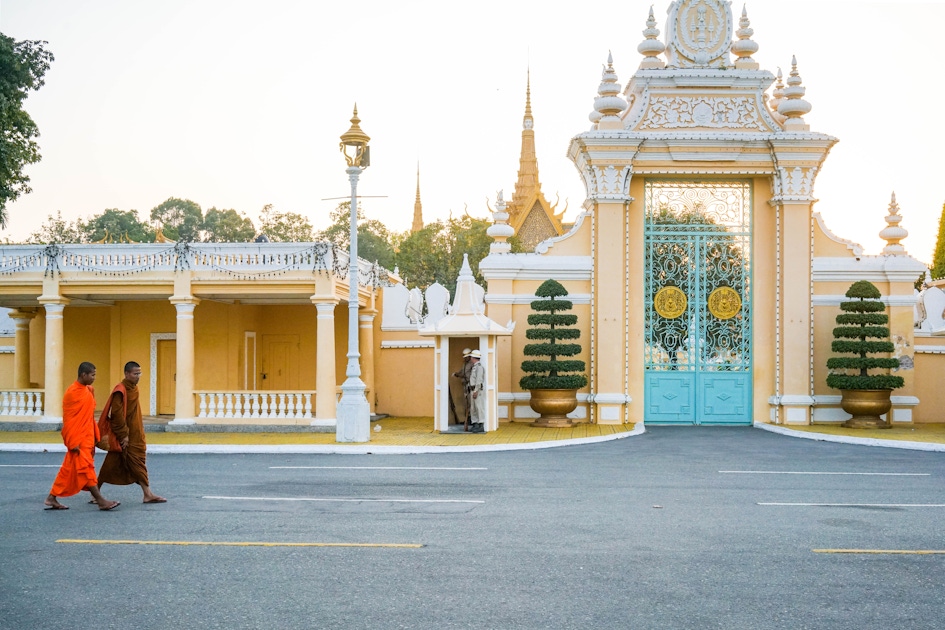
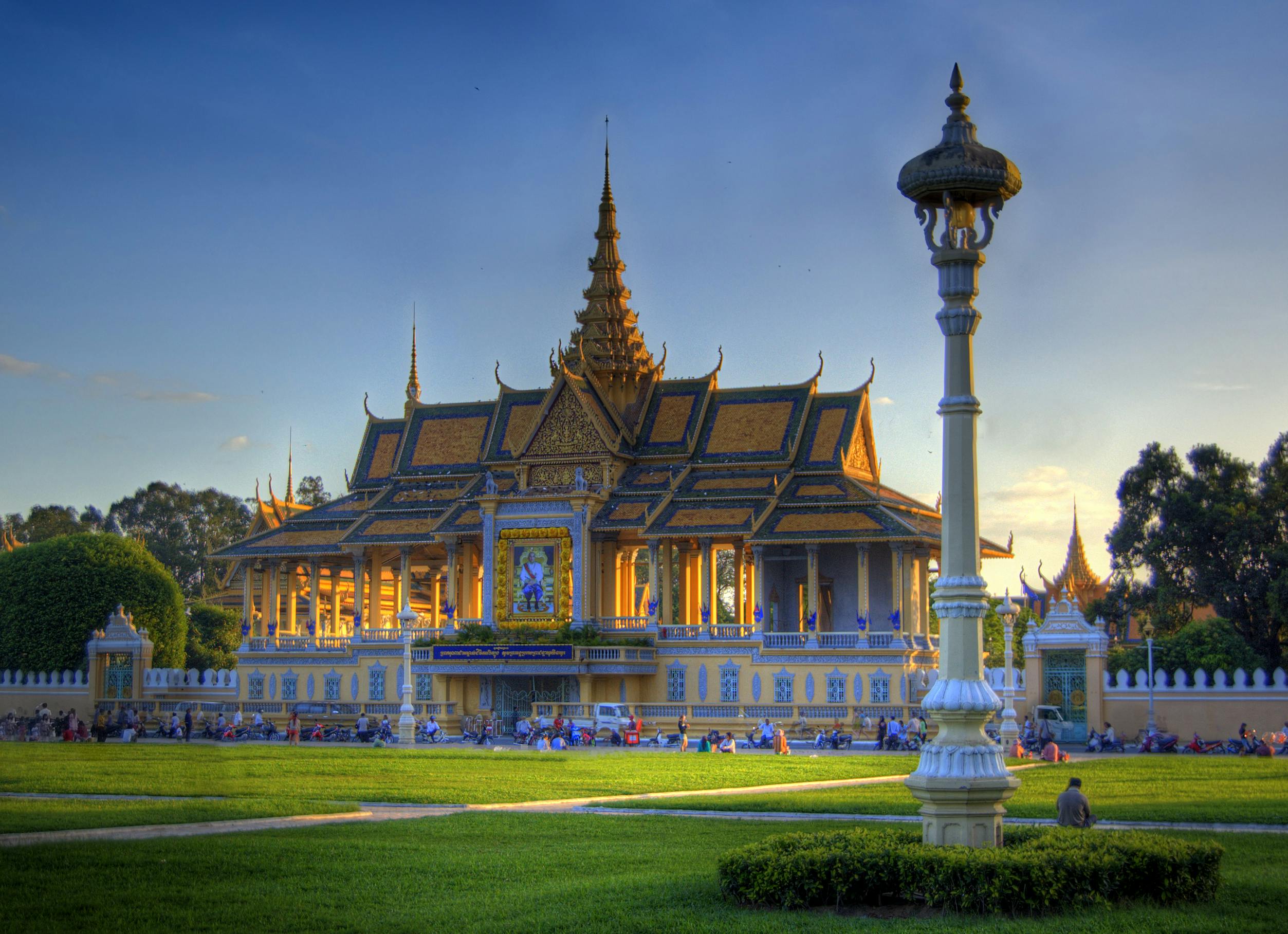
Royal Palace and Silver Pagoda
Visit the ceremonial complex with modest dress and awareness that access can change for official functions.
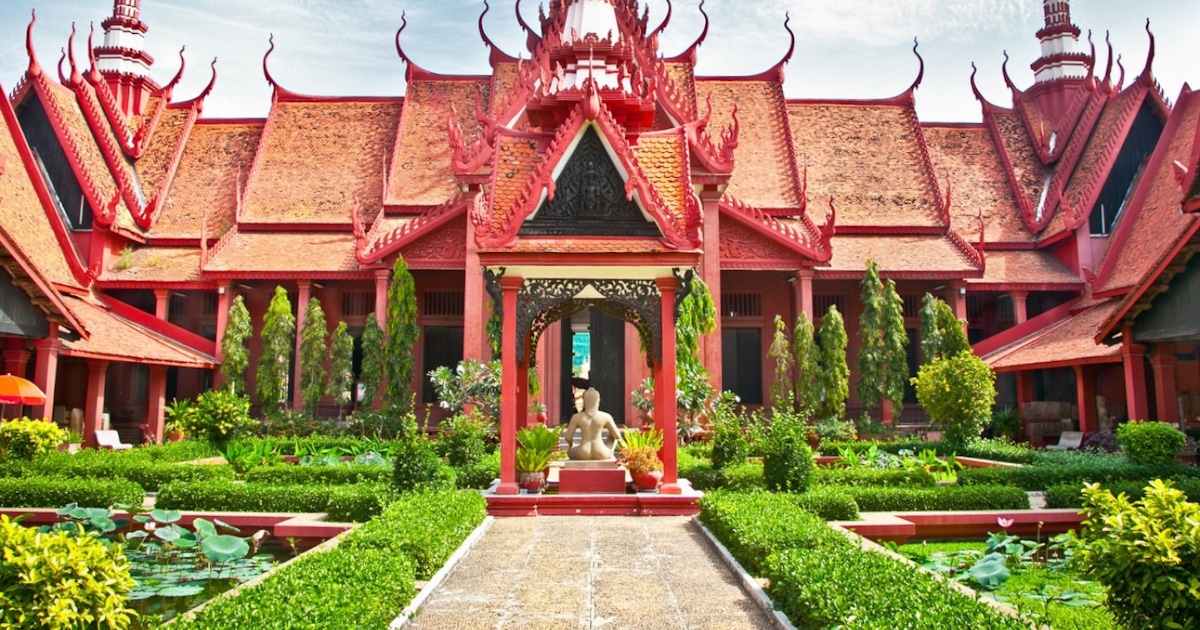
National Museum
See Khmer sculpture and decorative arts in a calm courtyard setting.
Tuol Sleng and Choeung Ek
Approach these memorial sites respectfully, allowing emotional space and avoiding casual photography.
Riverfront and markets
Walk by the Tonlé Sap and Mekong, browse markets and join a food tour to understand contemporary city life.
How to Plan a Useful Visit
Traffic is busy, so use reputable tuk-tuks or guided transport. Secure belongings and do not overload a single day with multiple memorial sites.
Check the exact meeting point: destination pages may include experiences departing from nearby towns, ports, resorts or transport hubs.
Read the inclusions carefully: admission fees, meals, equipment, hotel transfers and local taxes are not always bundled into the advertised price.
Plan for local conditions: heat, rain, wind, altitude, sea conditions or seasonal closures can change how much is realistic in one day.
Choose responsible operators: avoid tours that disturb wildlife, disrespect religious sites, pressure local communities or encourage unsafe behaviour.
Find Tours, Tickets and Experiences
Booking ahead is most useful for limited-capacity tours, major attractions, boat trips, specialist guides and excursions requiring transport. Before paying, confirm the cancellation terms, language, accessibility, minimum age, physical demands and the time needed to return to your accommodation or cruise ship.
For most visitors, 2–3 days provides a practical balance between major sights and a less hurried experience. Add extra time when day trips, beaches, hiking or long road transfers are central to the visit.
Should I book activities in advance?
Advance booking is recommended for popular attractions, small-group tours, boat trips, wildlife experiences and peak travel dates. Flexible city walks may be easier to arrange after checking the weather.
What should I check before booking a tour?
Confirm the departure location, total duration, transport, admission fees, meal arrangements, required clothing, mobility demands and cancellation conditions. Product descriptions can change, so review the final supplier information for your chosen date.
Is Phnom Penh suitable for independent travellers?
Yes, although the best approach depends on distances and local transport. Central sights may be easy to visit independently, while remote landscapes, archaeological sites, marine activities and regional day trips are often simpler and more informative with an organised guide.
Ready to plan Phnom Penh Visitor Guide?
Check the supplier for current availability, pricing, inclusions and booking conditions.
Phnom Penh Must-See Attractions, Tours & Highlights Guide Cambodia Phnom Penh combines royal and religious landmarks, Khmer food, Mekong and Tonlé Sap riverfronts, markets and deeply significant twentieth-century history. Check current availability, inclusions and booking details before you go.
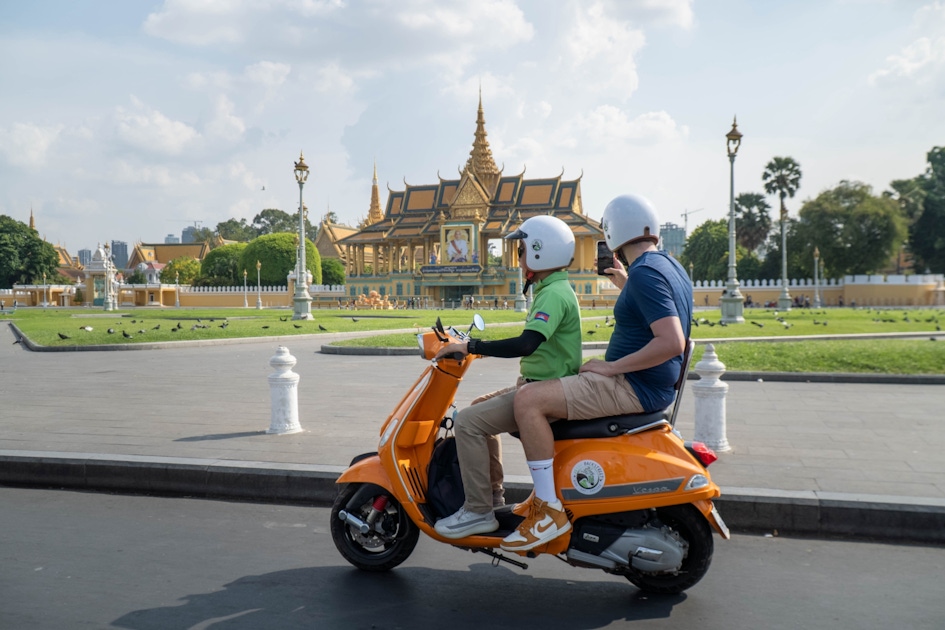
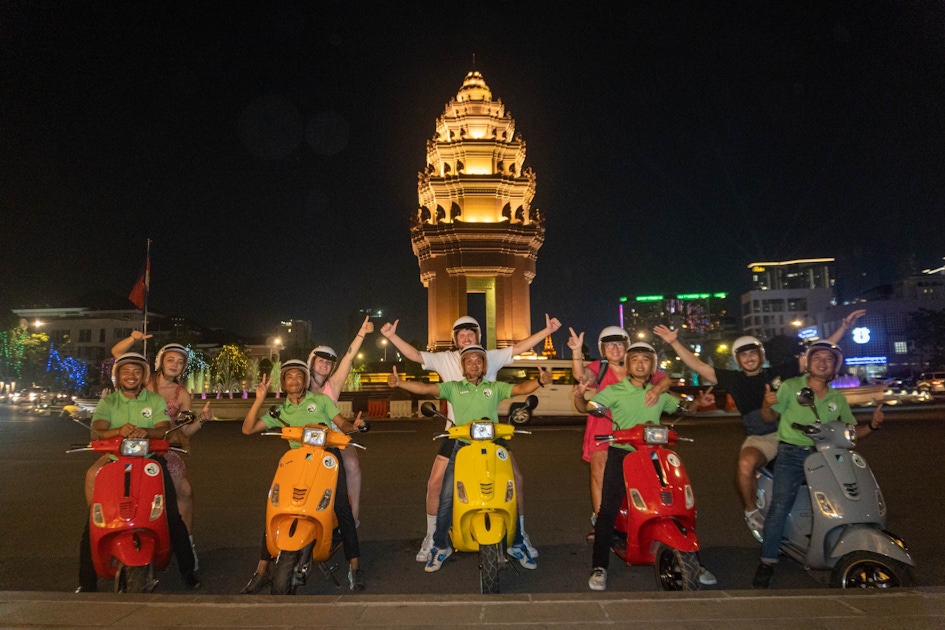
Phnom Penh City Tours, Food Walks & River Cruises Guide Cambodia A practical Phnom Penh city guide built around bookable experiences: Royal Palace & Silver Pagoda tours, Tuol Sleng + Russian Market, cyclo architecture rides, scooter tours, food walks, sunset Mekong dinner cruise
Phnom Penh Cruises, Boat Tours & Water Experiences Guide Cambodia Phnom Penh combines royal and religious landmarks, Khmer food, Mekong and Tonlé Sap riverfronts, markets and deeply significant twentieth-century history. Check current availability, inclusions and booking details before you go.
Phnom Penh Wine, Drinks & Tasting Experiences Guide Cambodia Phnom Penh combines royal and religious landmarks, Khmer food, Mekong and Tonlé Sap riverfronts, markets and deeply significant twentieth-century history. Check current availability, inclusions and booking details before you go.
Phnom Penh Monuments, Landmarks & Heritage Sites Guide Cambodia Phnom Penh combines royal and religious landmarks, Khmer food, Mekong and Tonlé Sap riverfronts, markets and deeply significant twentieth-century history. Check current availability, inclusions and booking details before you go.
Phnom Penh Folklore, Traditions & Cultural Heritage Guide Cambodia Phnom Penh combines royal and religious landmarks, Khmer food, Mekong and Tonlé Sap riverfronts, markets and deeply significant twentieth-century history. Check current availability, inclusions and booking details before you go.
Amazing Cambodia 5-Day Private Tour Phnom Penh & Siem Reap Cambodia Gain in-depth insight into Cambodia’s intriguing past on this exciting 5-day tour of iconic Phnom Penh and Angkor Wat. Guided visits to UNESCO World Heritage Sites Angkor Temples and discover
HCM: 3-Day Mekong Delta Journey Optional Exit to Phnom Penh Vietnam Discover the vibrant Mekong Delta on a 3-day journey through floating markets, charming riverside villages, and lush forests—ending with the option to continue seamlessly to Phnom Penh by fast boat
From Ho Chi Minh: 2-Day Mekong Delta to Phnom Penh by Boat Vietnam Discover the Mekong Delta 2-day tour from Ho Chi Minh City to Phnom Penh. Visit Vinh Trang Pagoda and explore traditional factories, taste local treats. Experience life along the Mekong River