Mumbai Visitor Guide: Top Attractions, Tours & Activities
Mumbai is best suited to urban explorers, architecture lovers, food travellers and visitors interested in film and everyday city life. Check current availability, inclusions and booking details before you go.
Visiting Mumbai: Things to Do and Practical Travel Advice
Mumbai is best suited to urban explorers, architecture lovers, food travellers and visitors interested in film and everyday city life. Mumbai is India’s financial and film capital, a vast coastal metropolis where colonial-era architecture, markets, religious sites, high-rise districts and dense neighbourhoods coexist. It rewards focused neighbourhood days rather than constant cross-city travel. This guide explains what is genuinely worth prioritising, how long to allow and how the tours and activities shown on the product page can fit into a realistic visit.
Explore current options for Mumbai Visitor Guide
Check the supplier for current availability, pricing, inclusions and booking conditions.
Mumbai is India’s financial and film capital, a vast coastal metropolis where colonial-era architecture, markets, religious sites, high-rise districts and dense neighbourhoods coexist. It rewards focused neighbourhood days rather than constant cross-city travel.
A sensible stay is usually 3–5 days. Travellers with less time should choose two or three priorities rather than rushing between distant sights. The product page currently brings together options such as city tours, Elephanta Caves trips, market walks, Bollywood experiences, food tours and private transport. Availability, language, meeting points and cancellation terms can change by date, so read the individual activity details before booking.
Top Things to Do in Mumbai
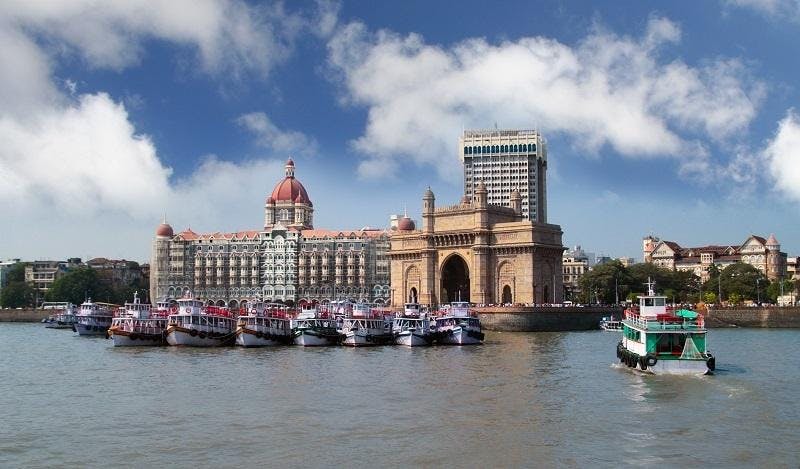
Gateway of India and Colaba
Walk the waterfront, view the monumental arch and explore nearby streets and museums.
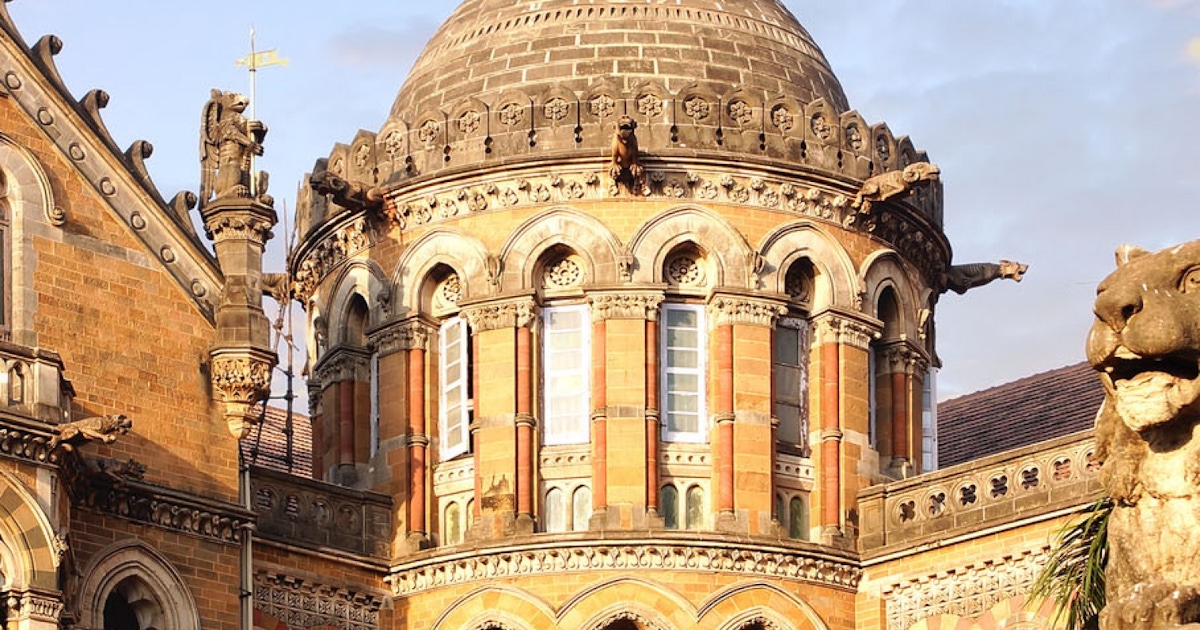
Chhatrapati Shivaji Maharaj Terminus
Admire the UNESCO-listed railway station from appropriate public areas and use a guide for context.
Elephanta Caves
Take a ferry to the island’s rock-cut Shiva temples, allowing for heat, steps and boat schedules.
Marine Drive
Visit towards evening for the curve of the bay and a calmer coastal perspective on the city.
Planning Your Visit
Getting around
Use suburban trains only with local knowledge and outside the busiest periods; app-based taxis and guided tours are often easier for visitors. Traffic can make short distances slow.
When to go
November to February is generally the most comfortable period. The monsoon brings heavy rain and transport disruption.
Allow realistic travel time
Do not judge journey times by distance alone. Historic centres may be pedestrianised, coastal and mountain roads can be slow, and ferries or outdoor activities may depend on weather. Confirm opening times and transport schedules shortly before travelling, especially outside peak season.
Current travel-planning note: Australian travellers should review current Smartraveller advice, visa rules and health precautions before departure.
What to Eat and Drink
Explore regional snacks and meals such as vada pav, pav bhaji, bhel puri, seafood and Parsi dishes, choosing busy hygienic venues.
For a more authentic experience, choose busy local businesses with clearly displayed prices and menus. Reserve ahead for destination restaurants, winery visits, cooking classes and seasonal specialities.
Tours, Tickets and Experiences
Pre-booking is most useful for limited-capacity attractions, guided tours, boat departures, popular museums and experiences that require transport. Compare the duration, inclusions, accessibility, language and meeting point rather than selecting on price alone. A private tour can be worthwhile for groups or complicated routes, while a small-group experience often provides useful context without the cost of a fully private guide.
A practical starting point is 3–5 days. Add more time if you plan several day trips, long hikes, beach days or weather-dependent boat activities.
Do I need to book tours in advance?
Book ahead for the most popular attractions, small-group tours, food experiences and boat trips. Flexible city walks may be arranged closer to the day, but checking availability early gives you more choice.
Is Mumbai easy to explore independently?
Many central sights can be visited independently, but a guided tour is useful when transport is complicated, historical context matters or attractions are spread across a wider region.
What should I check before paying?
Confirm the date, start time, exact meeting point, language, accessibility, transport arrangements, age or fitness restrictions, weather policy and cancellation conditions. Prices and schedules can change, so rely on the live booking page for the final details.
Ready to plan Mumbai Visitor Guide?
Check the supplier for current availability, pricing, inclusions and booking conditions.
Mumbai Bollywood Private Tour – Guided Tour India Mumbai Bollywood private tour is a convenient way to add structure, local context and purposeful sightseeing to the itinerary. Check current availability, inclusions and booking details before you go.
Private Tour of Mumbai by Night – Guided Tour India Private tour of Mumbai by night is a convenient way to add structure, local context and purposeful sightseeing to the itinerary. Check current availability, inclusions and booking details before you go.