Description
Visiting Swakopmund: Things to Do and Practical Travel Advice
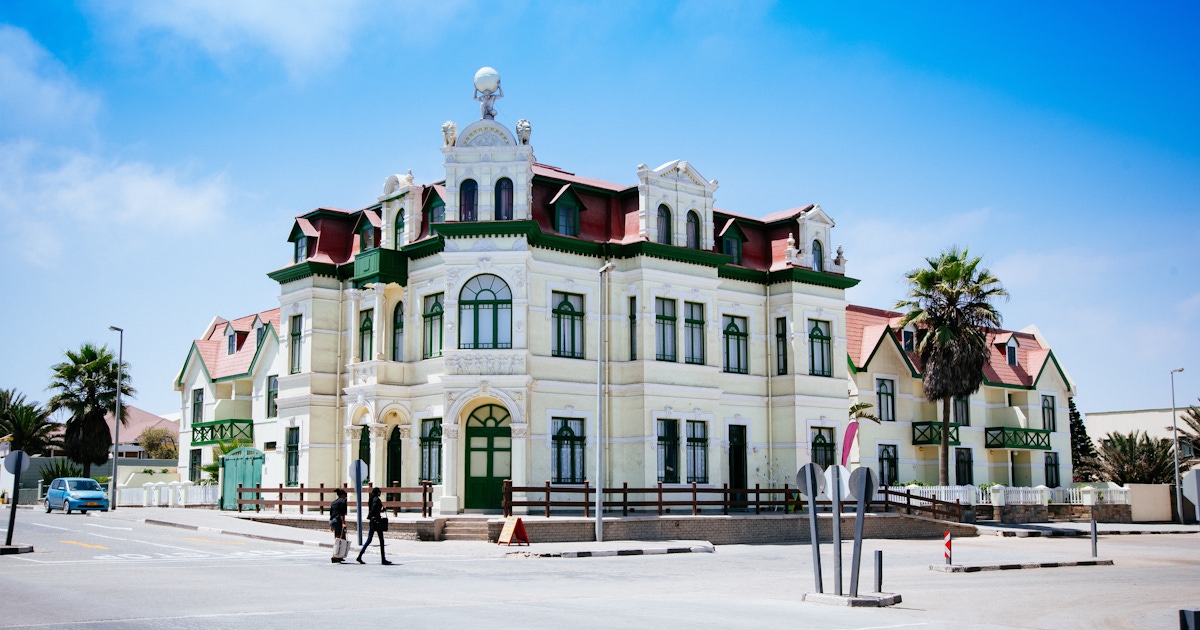
Swakopmund is best suited to adventure travellers, wildlife watchers, photographers and road-trippers. Swakopmund mixes Atlantic-coast scenery, German colonial-era architecture and easy access to the towering dunes of the Namib Desert. The most satisfying visit combines headline sights with enough time to notice local neighbourhoods, landscapes and everyday culture rather than treating the destination as a checklist.
Explore current options for Swakopmund Visitor Guide
Check the supplier for current availability, pricing, inclusions and booking conditions.
Table of contents
Why Visit Swakopmund?
Swakopmund mixes Atlantic-coast scenery, German colonial-era architecture and easy access to the towering dunes of the Namib Desert. Experiences listed on the product page can help visitors compare guided tours, attraction entry, day trips and self-guided options. Availability changes by date, so use the page as a planning tool rather than assuming every activity runs daily.
A sensible stay is usually 2–3 days, although the right length depends on whether Swakopmund is your main destination or one stop within a wider trip through Namibia. Travellers with limited time should choose two or three priorities and leave space for transport delays, weather and unplanned discoveries.
Top Things to Do in Swakopmund
Historic centre and seafront
Walk between colonial buildings, the jetty, lighthouse area and the cool Atlantic promenade.
Dune adventures
Choose from sandboarding, quad-bike outings and scenic desert drives, using established operators that follow environmental rules.
Living Desert experiences
Specialist guides reveal geckos, snakes, insects and plants adapted to survive in apparently empty dunes.
Walvis Bay day trips
Nearby lagoon cruises and wetland tours may include seals, dolphins and large numbers of coastal birds.
How to Plan a Useful Visit
Coastal fog and cool winds are common even when inland Namibia is hot, so bring layers. Adventure activities often require advance booking and may have age, health or footwear restrictions.
- Check the exact meeting point: destination pages may include experiences departing from nearby towns, ports, resorts or transport hubs.
- Read the inclusions carefully: admission fees, meals, equipment, hotel transfers and local taxes are not always bundled into the advertised price.
- Plan for local conditions: heat, rain, wind, altitude, sea conditions or seasonal closures can change how much is realistic in one day.
- Choose responsible operators: avoid tours that disturb wildlife, disrespect religious sites, pressure local communities or encourage unsafe behaviour.
Find Tours, Tickets and Experiences
Booking ahead is most useful for limited-capacity tours, major attractions, boat trips, specialist guides and excursions requiring transport. Before paying, confirm the cancellation terms, language, accessibility, minimum age, physical demands and the time needed to return to your accommodation or cruise ship.
Explore current Swakopmund tours, attraction tickets and available experiences on the product page.
Frequently Asked Questions
How long should I spend in Swakopmund?
For most visitors, 2–3 days provides a practical balance between major sights and a less hurried experience. Add extra time when day trips, beaches, hiking or long road transfers are central to the visit.
Should I book activities in advance?
Advance booking is recommended for popular attractions, small-group tours, boat trips, wildlife experiences and peak travel dates. Flexible city walks may be easier to arrange after checking the weather.
What should I check before booking a tour?
Confirm the departure location, total duration, transport, admission fees, meal arrangements, required clothing, mobility demands and cancellation conditions. Product descriptions can change, so review the final supplier information for your chosen date.
Is Swakopmund suitable for independent travellers?
Yes, although the best approach depends on distances and local transport. Central sights may be easy to visit independently, while remote landscapes, archaeological sites, marine activities and regional day trips are often simpler and more informative with an organised guide.
Ready to plan Swakopmund Visitor Guide?
Check the supplier for current availability, pricing, inclusions and booking conditions.