How to Find “Must-See” Tours & Activities on Musement (Without Getting Overwhelmed) “Must-see” isn’t one universal list—Musement usually groups highlights by destination so you can plan faster. Check current availability, inclusions and booking details before you go.
How to Find “Must-See” Tours & Activities on Musement (Without Getting Overwhelmed)
“Must-see” isn’t one universal list—Musement usually groups highlights by destination so you can plan faster.
If you’ve ever searched for things to do and ended up with 200+ options, you’re not alone. One practical way to plan is to start with “must-sees”—the headline sights and experiences that are most commonly booked for a destination—then branch out into niche categories
(food, folklore, off-road, cruises, etc.) once the essentials are sorted.
This guide shows you how to use Musement’s search (like your “must” search) to find must-see tours and tickets more efficiently,
and how to switch from broad search results into destination-specific “Must-sees” categories where they exist.
In practice, “must-see” is a planning shortcut. It usually refers to the high-demand, high-recognition sights and experiences that:
help you understand the destination quickly (iconic landmarks, signature museums, classic viewpoints)
are commonly booked first (timed entry tickets, top-rated guided tours)
often benefit from advance reservations (limited slots, time windows)
Best use: treat must-sees as your “spine,” not your whole itinerary. Once you’ve locked in the essentials, you can add personality:
food, folklore, local neighbourhoods, day trips, or low-key activities.
How Musement organizes destinations and categories
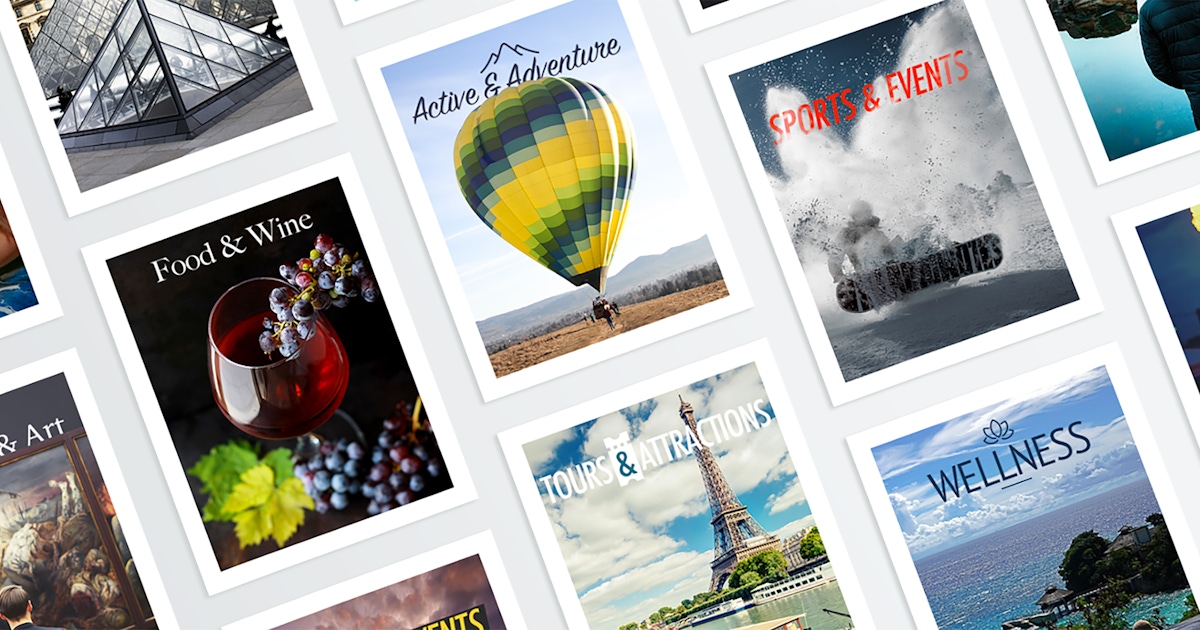
Musement is built around destinations and experience categories. Many destination pages show a set of categories
you can use to narrow down quickly, and “Must-sees” is often one of them.
Example: a destination with a “Must-sees” category
Some destinations explicitly list “Must-sees” alongside other categories like folklore, monument visits, food & drink, or off-road.
When you see that, click “Must-sees” first to anchor your itinerary.
Why this helps
You avoid scrolling through everything at once. You start with the highlights, then switch to specialist categories when you’re ready.
How to use your “must” search effectively
A keyword search (like must) is great for discovery, but it can be broad. Here’s a clean way to turn it into a useful shortlist:
Step 1: Decide your destination first
On Musement’s search experience, you’ll usually want to select or confirm the destination (rather than browsing worldwide results).
Once the destination is set, you can move from “keyword browsing” into structured categories.
Step 2: Prefer destination category pages when available
If you spot a destination page that includes a Must-sees category, use that instead of relying on keyword matches.
The category is typically tighter and more relevant than a global “must” keyword.
Step 3: Open 5–8 candidates and compare like a pro
Add one flexible activity as a weather/energy backup (short walking tour, museum, hop-on hop-off).
Leave buffer time for travel between areas and spontaneous finds.
Tip: If your destination page shows categories like City, Monument visits, Folklore, or Off-road,
your best itinerary usually comes from mixing one must-see with one “interest” category per day.
Booking & quality tips (quick checks)
Be realistic with transit time: timed tickets + long commutes = stress.
Book the hard-to-get slots first: popular timed entries and limited-capacity tours.
Keep one day “light”: avoid stacking two long tours back-to-back.
Read the fine print: meeting points, ID requirements, and what’s actually included.
FAQs
Why does “must” search feel broad?
Because it’s a keyword search across experiences, and “must” can appear in many contexts. The fastest way to tighten it is to pick your destination,
then use that destination’s categories (especially “Must-sees” when available).
Do all destinations have a “Must-sees” category?
Not always. Many do, but it depends on the destination. If it’s available, it’s usually one of the quickest ways to get a high-quality shortlist.
What’s the best approach for a short trip?
For 2–3 days, choose 1–2 must-sees per day plus one flexible activity. You’ll see more and enjoy it more than rushing between too many “top” items.
Best deals for Search | musement. Discover a world of activities with Musement: book tickets for attractions, museums, fun activities and much more. Available from musement.com.
Ready to book Musement Must-See Tours & Activities Planning Guide?
Check the supplier for current availability, pricing, inclusions and booking conditions.
Musement Custom Tour Planning Multiple Countries Custom tours | musement adds structure, local context and purposeful sightseeing to the itinerary. Check current availability, inclusions and booking details before you go.
Hunter Valley Guide: Wine Tastings, Food Tours & Day-Trip Planning Australia Hunter Valley is a world-class wine region with charming towns and villages—ideal for a relaxed food-and-wine trail. Check current availability, inclusions and booking details before you go.
Versailles Palace Guide: Tickets, Guided Tours & Visitor Planning France The estate includes royal apartments, formal gardens, the park and the Trianon area, creating a visit that can range from a concentrated half-day to a full day outside Paris. Check current availability, inclusions and booking details before you go.
Musement Tours, Activities & Destinations Sitemap Multiple Countries Site map | musement adds structure, local context and purposeful sightseeing to the itinerary. Check current availability, inclusions and booking details before you go.
Musement Tours & Activities Search Multiple Countries Search | musement adds structure, local context and purposeful sightseeing to the itinerary. Check current availability, inclusions and booking details before you go.
Musement Gift Experiences & Activities Multiple Countries The perfect gift is an unforgettable experience | musement adds structure, local context and purposeful sightseeing to the itinerary. Check current availability, inclusions and booking details before you go.
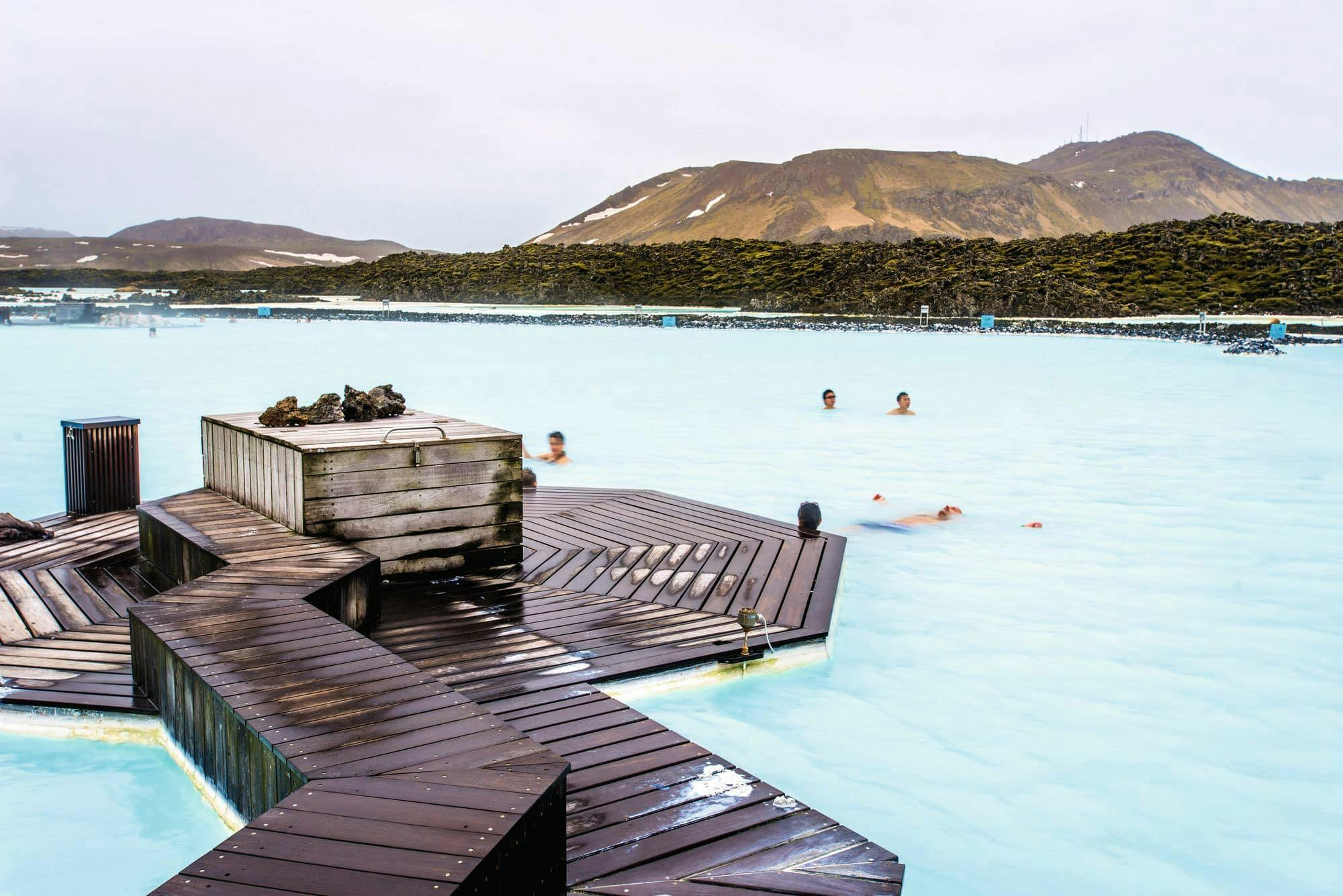
Musement Blue Lagoon Day Tour – Nature & Scenic Experience Iceland Plan Musement Blue Lagoon Day Tour – Nature & Scenic Experience, a water-based experience, with practical tips on timing, inclusions and what to check before booking. Compare current availability, prices and booking conditions before you go.
Musement Booking Terms & Conditions Multiple Countries Terms and Conditions | musement adds structure, local context and purposeful sightseeing to the itinerary. Check current availability, inclusions and booking details before you go.