Osaka Tennoji Zoo Guided Tour: Discover Wildlife, Animal Habitats and Conservation in Japan
Discover a fascinating world of wildlife in the heart of Osaka on a Tennoji Zoo guided tour with a local guide.
Located near the historic Shinsekai entertainment district and the famous Tsutenkaku Tower, Tennoji Zoo is one of Osaka’s most established family attractions.
Originally opened in 1915, the zoo has welcomed generations of visitors and continues to introduce people to wildlife, animal habitats and the importance of conservation.
The advertised guided experience offers an approximately two-hour exploration of the zoo, introducing visitors to its African savanna, Asian wildlife, polar animal habitats, nocturnal animals and bird exhibits.
Rather than simply walking around the zoo independently, travellers can discover interesting facts about animals, their natural environments and the challenges facing wildlife around the world.
Tennoji Zoo is also conveniently located close to several of Osaka’s most popular attractions, making it easy to combine a wildlife visit with sightseeing in Tennoji Park, Shinsekai and the surrounding city.
Whether you are visiting Osaka with children, interested in wildlife photography or looking for an enjoyable outdoor activity, Tennoji Zoo offers a distinctive experience within Japan’s third-largest city.
Tennoji Zoo is a long-established zoological attraction located in Tennoji Park, close to central Osaka’s shopping, entertainment and transport districts.
The original guided activity was advertised as an approximately two-hour experience introducing visitors to several of the zoo’s themed animal habitats.
Destination: Tennoji Zoo, Osaka, Japan
Address: 1-108 Chausuyamacho, Tennoji-ku, Osaka 543-0063, Japan
Experience: Guided zoo sightseeing with a local guide
Previously advertised duration: Approximately 2 hours
Main themes: Wildlife, animal habitats, natural history and conservation
Possible exhibit areas: African savanna, Asian wildlife, polar animals, birds and nocturnal habitats
Zoo opening hours: Generally 9:30 am to 5:00 pm
Last zoo admission: Generally 4:00 pm
Regular closure: Mondays, or the following weekday if Monday is a national holiday
Nearby attractions: Shinsekai, Tsutenkaku Tower and Tennoji Park
The current availability, exact meeting point, admission arrangements and cancellation conditions for the guided activity must be confirmed with the booking provider.
Tennoji Zoo: More Than a Century of Wildlife History
Tennoji Zoo, known in Japanese as Tennoji Dobutsuen, opened in 1915 and is one of Japan’s oldest zoological gardens.
Situated in the heart of Osaka, it offers residents and international visitors an opportunity to discover wildlife without leaving the city.
The zoo has evolved considerably since its earliest years, developing more naturalistic habitats and educational displays.
What Makes Tennoji Zoo Special?
One of the zoo’s defining characteristics is its focus on ecological exhibitions.
These exhibits aim to recreate aspects of animals’ natural environments and demonstrate relationships between wildlife and ecosystems.
Visitors can explore a variety of themed areas inspired by different habitats around the world.
A Wildlife Attraction in Central Osaka
Unlike wildlife parks located outside major cities, Tennoji Zoo is easily accessible by public transportation.
This convenient location allows travellers to combine a morning or afternoon wildlife visit with nearby shops, restaurants and cultural attractions.
What to Expect from a Tennoji Zoo Guided Tour
The original guided experience was designed to help visitors learn more about the zoo’s animal habitats and the wildlife living within them.
An accompanying local guide can introduce interesting facts about animal behaviour, natural environments and conservation challenges.
Explore Different Wildlife Habitats
The advertised tour covers several themed areas, allowing visitors to discover animals associated with a variety of environments.
These may include African grasslands, Asian forests, cold-climate habitats and specialised exhibits for birds or nocturnal wildlife.
Learn About Conservation
Wildlife conservation is an important subject within modern zoological institutions.
Guided interpretation can help visitors understand threats such as habitat loss, environmental change and declining wild populations.
Discover Animal Behaviour
Visitors may learn about feeding habits, social behaviour, adaptations and the ways different species survive in their natural habitats.
Enjoy an Educational Experience
The guided format can be particularly appealing to families and travellers who enjoy learning about animals rather than simply viewing them.
Important: Animal visibility, exhibit access and the exact route depend on zoo operations and the current availability of the guided tour.
African Savanna Zone: Discover Wildlife of the Grasslands
One of Tennoji Zoo’s best-known areas is the African Savanna Zone.
This themed section introduces visitors to wildlife associated with the grasslands and savanna environments of Africa.
What Is an African Savanna?
A savanna is a landscape characterised by open grasslands, scattered trees and seasonal rainfall.
These environments support a remarkable variety of wildlife, from large herbivores to predators and smaller animals.
Animals Associated with the Savanna Exhibit
The zoo has been known for African species such as:
Giraffes
Hippopotamuses
Other African grassland animals
The animals available for viewing can change because of transfers, veterinary care, habitat maintenance and other zoological management requirements.
Why Visit with a Guide?
A guide can explain how savanna animals are adapted to their environments and discuss their relationships within natural ecosystems.
Visitors can also learn how modern habitat exhibits attempt to recreate aspects of the wild.
Asian Wildlife and Forest Habitats
Tennoji Zoo also introduces visitors to wildlife associated with Asia and other forest environments.
Forests provide essential habitats for countless species of mammals, birds, reptiles and insects.
Discover Animals Adapted to Forest Life
Animals living in forest environments often possess specialised adaptations for climbing, finding food and navigating dense vegetation.
Visitors can learn about how the structure of forest habitats influences animal behaviour.
Why Are Forests Important?
Forests play an essential role in supporting biodiversity, regulating local environments and providing food and shelter for wildlife.
Conservation discussions may highlight the pressures facing forest habitats through development, deforestation and environmental change.
Specific species and exhibit access should be checked against the zoo’s current animal guide.
Polar Bears and Cold-Climate Wildlife
One of the most recognisable animals associated with Tennoji Zoo is the polar bear.
Polar bears are remarkable predators adapted to the cold environments of the Arctic.
What Makes Polar Bears Special?
Polar bears have developed specialised characteristics that help them survive in harsh northern conditions.
These include dense fur, insulating body fat and large paws suited to movement across snow and ice.
Polar Bear Conservation
Wild polar bears depend heavily on Arctic sea ice for hunting and travel.
The loss of sea ice is one of the major conservation challenges affecting their populations.
Viewing Cold-Climate Animals
Modern zoological facilities use specialised habitat and environmental management techniques to care for animals from different climates.
A guided visit can provide insight into these challenges and the conservation issues affecting cold-climate species.
Animal viewing arrangements may change, and a particular animal cannot be guaranteed to be visible during a visit.
Bird Exhibits and Wetland Habitats
Tennoji Zoo offers opportunities to discover birds and their diverse adaptations.
Birds inhabit environments ranging from forests and mountains to wetlands, grasslands and coastal areas.
Discover Different Bird Behaviours
Depending on current exhibits, visitors may observe behaviours such as:
Perching and climbing
Swimming and diving
Social interaction
Feather grooming
Searching for food
Why Are Wetlands Important?
Wetlands provide feeding and breeding habitats for many bird species.
They also support fish, amphibians, insects and other animals that form complex ecological communities.
Bird Conservation
Habitat destruction, pollution and changes to migration routes can affect wild bird populations.
Learning about these issues can help visitors appreciate the importance of preserving natural environments.
Discover the Fascinating World of Nocturnal Animals
Another theme associated with the advertised guided experience is nocturnal wildlife.
Nocturnal animals are most active during the night and often possess specialised adaptations for living in darkness.
How Do Nocturnal Animals Survive?
Many rely on enhanced hearing, smell, vision or other senses to navigate their surroundings.
Some have large eyes adapted to low-light conditions, while others use sound and scent to communicate.
What Can Visitors Learn?
Visitors can discover why some animals are active at night and how their behaviour differs from animals that are primarily active during the day.
The availability of nocturnal exhibits and particular species depends on the zoo’s operating arrangements.
Reptiles, Amphibians and Aquatic Wildlife
Tennoji Zoo also features exhibits associated with reptiles, amphibians, fish and other animals.
One notable area is the IFAR Reptile House, whose name refers to invertebrates, fish, amphibians and reptiles.
What Can Visitors Discover?
The reptile house aims to represent the relationships between animals and their environments through ecological displays.
Exhibits have featured animals such as turtles, crocodilians and a variety of aquatic and smaller wildlife.
Why Are Reptiles Important?
Reptiles play essential roles in many ecosystems as predators, prey and participants in complex food webs.
Different species have evolved specialised adaptations for surviving in deserts, forests, wetlands and rivers.
Discover Amphibians
Amphibians include animals such as frogs and salamanders.
Many amphibians depend on healthy freshwater environments and are particularly vulnerable to habitat degradation and pollution.
A guided explanation can introduce visitors to the ecological importance of these frequently overlooked animals.
Wildlife Conservation and Education at Tennoji Zoo
Modern zoos have an important opportunity to educate visitors about biodiversity, ecosystems and the challenges facing wildlife.
Tennoji Zoo incorporates ecological exhibitions and provides information about animals and the natural habitats they depend on.
Understanding Threats to Wildlife
Wild animals face a range of environmental pressures, including:
Habitat loss and fragmentation
Climate change
Pollution
Illegal wildlife trade
Human-wildlife conflict
Changes to food availability
Learning About Ecosystems
One of the benefits of visiting a zoological garden is the opportunity to understand the connections between different species and their environments.
Responsible Animal Tourism
Visitors should treat wildlife respectfully, follow zoo instructions and avoid behaviour that could disturb animals.
Animal welfare and conservation outcomes are important considerations when choosing any wildlife attraction.
Wildlife Photography Tips at Tennoji Zoo
Tennoji Zoo can offer interesting photography opportunities for visitors who enjoy photographing wildlife and nature.
Use Natural Light
Where possible, photograph animals using available daylight rather than artificial lighting.
Be Patient
Animals may spend time resting or moving between areas of their habitats.
Waiting quietly can provide more rewarding photographic opportunities.
Focus on Natural Behaviour
Photographs showing animals eating, exploring or interacting naturally can be especially memorable.
Avoid Flash Photography
The zoo prohibits flash photography and other lighting equipment that could disturb animals.
Respect Other Visitors
Do not block paths, viewing windows or access areas while taking photographs.
Always follow staff instructions and exhibit-specific photography rules.
Visiting Tennoji Zoo with Children
Tennoji Zoo is a popular attraction for families visiting Osaka.
The zoo provides opportunities for children to discover animals and learn about nature in an accessible urban setting.
Why Families Enjoy the Zoo
Opportunities to see different animal species
Educational wildlife displays
Outdoor walking areas
Themed animal habitats
Convenient access by train and subway
Nearby parks and family-friendly attractions
Preparing for a Family Visit
Bring drinking water, comfortable shoes and suitable clothing for the weather.
Allow children regular breaks and follow all zoo safety instructions.
Is the Guided Tour Suitable for Young Children?
The original tour’s precise age restrictions and child ticket policy could not be verified from the currently accessible booking page.
Families should confirm suitability before reserving the guided experience.
Shinsekai: Explore Osaka’s Colourful Historic Entertainment District
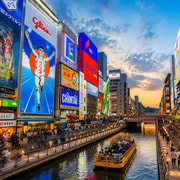
After visiting Tennoji Zoo, travellers can explore Shinsekai, one of Osaka’s most distinctive neighbourhoods.
Famous for its colourful signs, retro atmosphere and traditional restaurants, Shinsekai provides a fascinating contrast to the zoo’s natural environments.
Why Is Shinsekai Famous?
The district developed as an entertainment area during the early 20th century and has retained much of its nostalgic character.
Visitors can explore lively streets lined with restaurants, shops and traditional Osaka attractions.
Try Kushikatsu
One of Shinsekai’s most famous foods is kushikatsu, consisting of skewered and deep-fried meat, vegetables or other ingredients.
The dish is often served with a savoury dipping sauce.
Shinsekai is particularly popular with travellers interested in Osaka’s local food culture.
Tsutenkaku Tower: One of Osaka’s Most Famous Landmarks
Located in Shinsekai, Tsutenkaku Tower is one of Osaka’s most recognisable landmarks.
The current tower dates from 1956 and stands above the surrounding historic entertainment district.
Enjoy Panoramic Views
Visitors can choose to enter the observation areas for views of Osaka and the surrounding neighbourhoods.
Discover the Billiken Tradition
Tsutenkaku is also associated with Billiken, a cheerful figure regarded locally as a symbol of good luck.
Visitors often encounter Billiken statues and merchandise around Shinsekai.
Admission to Tsutenkaku Tower is separate from Tennoji Zoo and the original zoo guided-tour description.
Tennoji Park and Tenshiba: Relax in Central Osaka
Tennoji Park provides a green retreat within one of Osaka’s busy urban districts.
The park contains landscaped spaces, cultural attractions and pleasant walking areas.
Tenshiba
Tenshiba is a popular open lawn area and leisure space near Tennoji Station.
It provides an attractive location for relaxing, meeting friends or enjoying refreshments after sightseeing.
Osaka City Museum of Fine Arts
Another nearby attraction is the Osaka City Museum of Fine Arts, located within the broader Tennoji Park area.
The museum offers opportunities to discover Japanese and Asian art.
These additional attractions are not included in the zoo guided tour unless specifically stated in a separate booking package.
How to Get to Tennoji Zoo in Osaka
Tennoji Zoo is centrally located and easily reached by public transportation.
Tennoji Station is served by JR railway lines and Osaka Metro services.
The Tenshiba-side entrance to the zoo is within approximately five to ten minutes’ walk of the station, depending on the exit used.
From Dobutsuen-mae Station
Dobutsuen-mae Station on the Osaka Metro network provides convenient access to the Shinsekai side of the zoo.
The Shinsekai entrance is around five minutes’ walk from a suitable station exit.
From Ebisucho Station
Ebisucho Station is another convenient option for travellers exploring the Shinsekai district.
Which Zoo Entrance Should You Use?
The zoo has entrances associated with the Tennoji Park and Shinsekai sides.
For a guided tour, confirm the exact entrance and meeting point before travelling.
Do not assume that the guide will be waiting at whichever entrance you reach first.
Practical Visitor Information for Tennoji Zoo
What Are Tennoji Zoo’s Opening Hours?
The zoo’s general published opening hours are 9:30 am to 5:00 pm, with final admission at 4:00 pm.
Special event hours and temporary schedule changes may apply.
Is Tennoji Zoo Open on Mondays?
The zoo is generally closed on Mondays.
If Monday is a national holiday, the closure normally moves to the following weekday.
The zoo also closes during its designated New Year holiday period.
How Long Is the Guided Tour?
The original Tennoji Zoo guided experience was advertised as approximately two hours.
This duration should be confirmed if the product becomes available again.
Is Zoo Admission Included in the Guided Tour?
The current GetYourGuide page does not provide enough information to verify whether zoo admission is included in the guided-tour price.
Check the booking terms before purchasing.
Can You Visit Without a Guide?
Yes. Tennoji Zoo is open for independent visits during its published operating hours, subject to ticket availability and zoo conditions.
What Should You Bring?
Comfortable walking shoes
Weather-appropriate clothing
Sun protection during warmer months
A waterproof jacket or umbrella when needed
Drinking water
A camera or smartphone
Booking confirmation for a guided experience
Money or a payment card for food and additional purchases
Is Food Available?
The zoo has shops and refreshment facilities, with additional restaurants and cafés located around Tennoji Park and Shinsekai.
Availability may change with operating schedules.
Can You Feed the Animals?
No. Visitors must not feed the animals unless specifically participating in an authorised activity supervised by zoo staff.
Can You Use Flash Photography?
No. The zoo prohibits flash photography and other lighting that could disturb wildlife.
Is the Zoo Wheelchair Accessible?
The zoo has public paths and visitor facilities, but particular areas may involve slopes, ramps or other accessibility considerations.
Travellers requiring accessible facilities should consult the zoo directly.
The accessibility arrangements for the original guided tour could not be verified.
What Is the Guided Tour Cancellation Policy?
The original guided tour’s current cancellation terms cannot be confirmed because its individual GetYourGuide listing is not presently accessible.
Review the booking terms shown by the provider before making payment.
Frequently Asked Questions About Osaka Tennoji Zoo Guided Tours
Where is Tennoji Zoo located?
Tennoji Zoo is located at 1-108 Chausuyamacho, Tennoji-ku, Osaka, Japan.
How old is Tennoji Zoo?
The zoo opened in 1915 and has more than a century of history.
How long is the original guided experience?
The originally advertised guided tour lasts approximately two hours.
What animals can visitors see?
The zoo features animals associated with different habitats, including African savanna wildlife, polar bears, birds, reptiles and other species. The current animal collection and visibility may change.
Does Tennoji Zoo have giraffes?
Giraffes have been among the animals featured in the zoo’s African Savanna Zone. Confirm current viewing availability.
Can visitors see polar bears?
Tennoji Zoo is known for its polar bear exhibit, although individual animal sightings cannot be guaranteed.
Does the zoo have reptiles?
Yes. Its exhibits include reptile and other wildlife displays, including the IFAR Reptile House.
Is the guided tour suitable for children?
A wildlife tour can be educational for families, but age requirements for this particular guided product should be verified before booking.
Is the zoo near Shinsekai?
Yes. Tennoji Zoo is located beside Osaka’s historic Shinsekai district.
Is Tsutenkaku Tower nearby?
Yes. Tsutenkaku Tower is a well-known landmark in the nearby Shinsekai entertainment area.
How do you get to Tennoji Zoo?
The zoo can be reached on foot from Tennoji, Dobutsuen-mae or Ebisucho stations.
What time does Tennoji Zoo open?
General opening time is 9:30 am.
What time does Tennoji Zoo close?
General closing time is 5:00 pm, with final admission at 4:00 pm.
Is the zoo open every day?
No. It is generally closed on Mondays and during the designated New Year holiday period, with adjustments for public holidays.
Is zoo admission included in the guided tour?
The inclusion cannot currently be verified from the original booking page. Confirm it before purchasing.
Where does the guided tour meet?
The exact meeting point is not currently verifiable. Confirm which zoo entrance to use when booking.
Can visitors take photographs?
Photography is generally possible, subject to zoo rules. Flash photography is prohibited.
Are animal feeding experiences included?
No animal feeding activity has been verified as part of the original guided tour.
Can visitors explore the zoo independently?
Yes. Independent admission to Tennoji Zoo is available through the zoo’s normal ticketing arrangements.
What happens if an animal is not on display?
Animals may be temporarily unavailable because of veterinary care, exhibit maintenance or other management reasons. Sightings are not guaranteed.
Is Tennoji Zoo worth visiting?
For travellers interested in wildlife, zoological exhibits or family-friendly attractions near Shinsekai, Tennoji Zoo offers a convenient sightseeing option in central Osaka.
Check Osaka Tennoji Zoo Guided Tour Availability
Exploring Tennoji Zoo offers an opportunity to discover wildlife and learn about animal habitats while enjoying one of Osaka’s longest-established visitor attractions.
From African savanna exhibits and polar bears to reptiles, birds and other species, the zoo introduces visitors to animals from a variety of environments.
A locally guided experience can add educational value through explanations about animal behaviour, ecological relationships and wildlife conservation.
The zoo’s convenient location also makes it easy to combine a visit with sightseeing in Shinsekai, Tsutenkaku Tower and Tennoji Park.
Whether you are planning a family day out or looking for a different attraction in Osaka, Tennoji Zoo is worth considering as part of your Japan itinerary.
Discover Osaka’s historic Tennoji Zoo, learn about animals and their habitats, and explore one of the city’s most accessible wildlife attractions.
Important: The original GetYourGuide tour currently redirects to the general Osaka activities page. The guided experience may not be available for booking. Confirm the provider, meeting point, admission arrangements and cancellation terms before reserving. Animal collections, exhibit access and zoo opening hours may change.
Best deals for Osaka: Tennoji Zoo Guided Tour with Local Guide. Join a local guide through Tennoji Zoo to explore African savannas, Asian forests, Arctic habitats, nocturnal animals, and bird worlds while discovering wildlife stories and conservation efforts. Available from getyourguide.com.
Like this:
LikeLoading…
Sponsored Popular Items
Quick take: Musement.com offers a worldwide selection of tours and attractions
Osaka Samurai Sword Experience: Learn Bushido and Try Real Katana Cutting Near Osaka Castle Japan Step into the fascinating world of Japan's legendary samurai warriors on an authentic samurai sword experience in Osaka, where visitors can discover traditional Japanese martial arts, learn about Bushido and experience the remarkable craftsmanship of the famous katana. Located near Osaka Castle, this immersive cultural activity offers travellers the opportunity to dress in traditional samurai clothing, learn basic sword etiquette and receive professional instruction from an experienced Japanese martial arts teacher. The highlight of the experience is a supervised test-cutting activity using a genuine sharp Japanese sword, allowing participants to appreciate the precision and discipline associated with traditional swordsmanship. Organised…
Osaka Sightseeing Tour: Osaka Castle, Korea Town and Shitennoji in Spanish Japan Best deals for Osaka Sightseeing Tour: Osaka Castle, Korea Town and Shitennoji in Spanish. Discover three sides of Osaka: the historic Osaka Castle, the lively Korea Town, and the Shitennoji Temple, one of the oldest in Japan. Available from getyourguide.com.
Osaka: Samurai Training Experience Kendo in Osaka Japan Best deals for Osaka: Samurai Training Experience Kendo in Osaka. Step into the world of the Samurai and try authentic Kendo. Practise with bamboo swords, learn basic techniques, and feel the discipline and spirit of this time-honoured martial art. Available from getyourguide.com.
Kyoto/Osaka : Kyoto & Osaka Private Tour With Driver/Guide Japan Best deals for Kyoto/Osaka : Kyoto & Osaka Private Tour With Driver/Guide. Explore Kyoto and Osaka on a private day tour with a local guide. Visit Fushimi Inari-Taisha Shrine, the Golden Pavilion, Kinkaku-ji Temple, Osaka Castle, and more. Available from getyourguide.com.
Osaka: 4-Day Private Tour of Osaka, Kyoto, and Nara Japan Best deals for Osaka: 4-Day Private Tour of Osaka, Kyoto, and Nara. Discover the best of Kansai on a 4-day private journey through Osaka,Kyoto and Nara. Explore iconic landmarks,ancient temples, vibrant city streets,peaceful bamboo forests, and Nara’s famous deer park Available from getyourguide.com.
Kyoto/Osaka : Kyoto and Osaka Private Day Trip with Guide Japan Best deals for Kyoto/Osaka : Kyoto and Osaka Private Day Trip with Guide. Discover Kyoto and Osaka on a private day trip from Kyoto or Osaka. Visit Todai-ji Temple, explore Naramachi, enjoy a local lunch, and see the Bamboo Grove and Otagi Nenbutsu-ji Temple. Available from getyourguide.com.
From Osaka: Kyoto, Nara & Uji Day Trip Japan Best deals for From Osaka: Kyoto, Nara & Uji Day Trip. Discover the best of Kyoto, Nara, and Uji on a day trip from Osaka. Visit Fushimi Inari Taisha, Nara Park, and Byodo-in Temple. Available from getyourguide.com.
Osaka: Kawachi Sake, Beer, and Wine Tour with Tastings Japan Best deals for Osaka: Kawachi Sake, Beer, and Wine Tour with Tastings. Explore Kawachi, Osaka's historic brewing region, on a guided tour. Visit Amano Sake Brewery, Banrinoharu Brewery, and Kawachi Wine, and enjoy tastings of sake, beer, and wine. Available from getyourguide.com.
Tokyo: Private Custom Day Trip to Osaka with Guide Japan Best deals for Tokyo: Private Custom Day Trip to Osaka with Guide. Discover Osaka on a private day trip from Tokyo. Explore the city with a guide, visit iconic landmarks, and experience the local food culture. Available from getyourguide.com.