Ohrid Visitor Guide: Tours, Activities & Top Attractions
Ohrid is best suited to heritage travellers, couples, photographers and visitors seeking a slower Balkan destination. Check current availability, inclusions and booking details before you go.
Visiting Ohrid: Things to Do and Practical Travel Advice
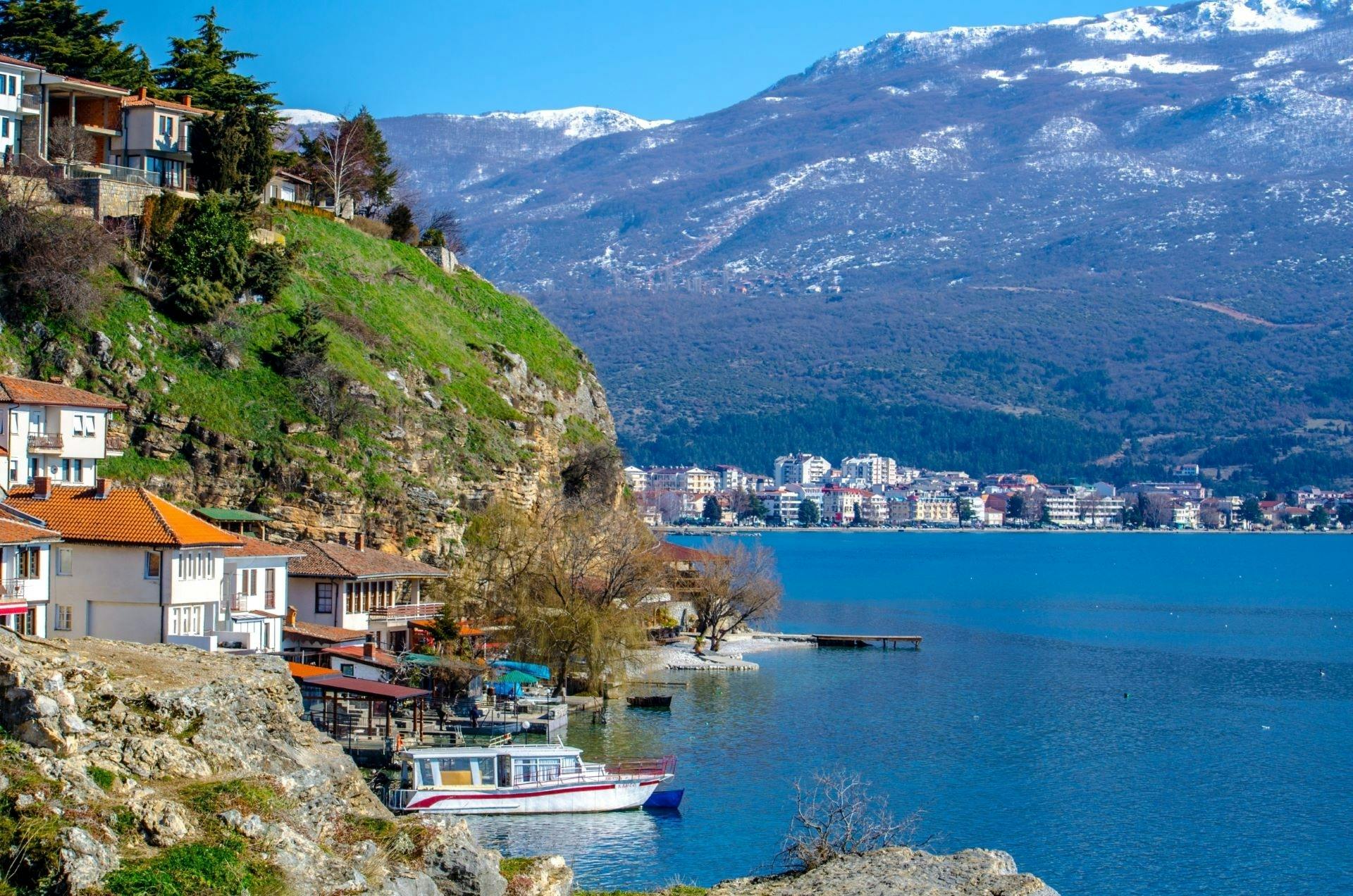
Ohrid is best suited to heritage travellers, couples, photographers and visitors seeking a slower Balkan destination. Ohrid is a UNESCO-listed lakeside town where Byzantine churches, Ottoman-era streets, archaeological sites and mountain-backed water views create a memorable setting. The most satisfying visit combines headline sights with enough time to notice local neighbourhoods, landscapes and everyday culture rather than treating the destination as a checklist.
Explore current options for Ohrid Visitor Guide: Tours, Activities & Top Attractions
Check the supplier for current availability, pricing, inclusions and booking conditions.
Ohrid is a UNESCO-listed lakeside town where Byzantine churches, Ottoman-era streets, archaeological sites and mountain-backed water views create a memorable setting. Experiences listed on the product page can help visitors compare guided tours, attraction entry, day trips and self-guided options. Availability changes by date, so use the page as a planning tool rather than assuming every activity runs daily.
A sensible stay is usually 2–3 days, although the right length depends on whether Ohrid is your main destination or one stop within a wider trip through North Macedonia. Travellers with limited time should choose two or three priorities and leave space for transport delays, weather and unplanned discoveries.
Top Things to Do in Ohrid
Church of St John at Kaneo
Walk to the cliffside church for one of the lake’s most recognisable views.
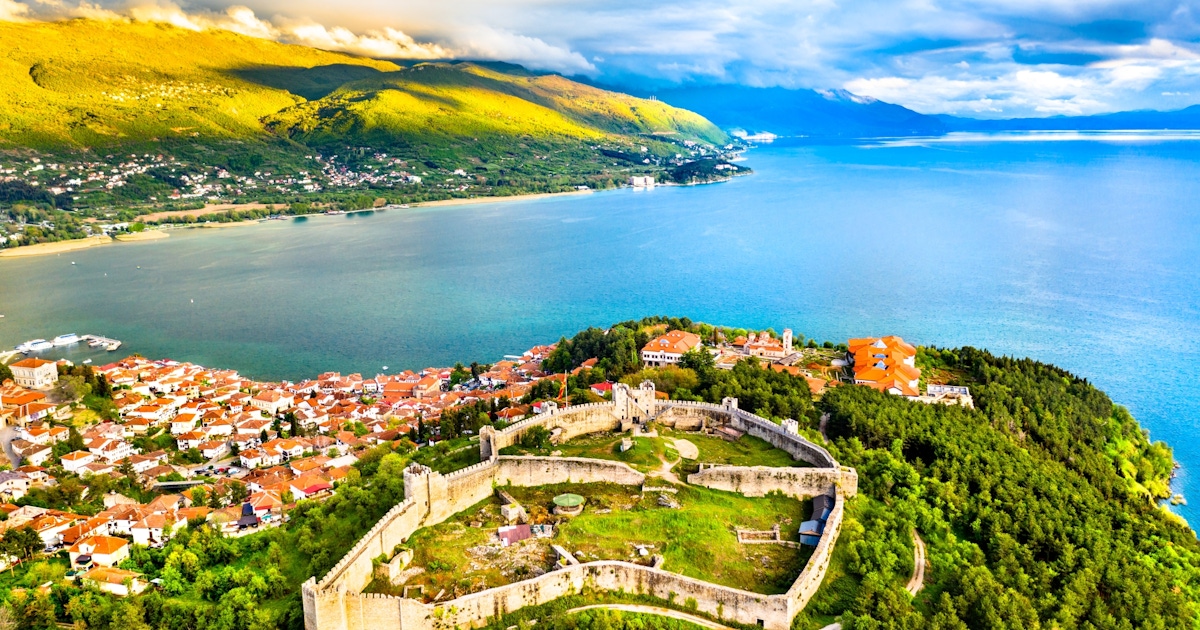
Old town and Samuel’s Fortress
Climb through historic lanes to viewpoints and fortifications above the waterfront.
Lake cruise
See Ohrid from the water or join a longer excursion toward St Naum, depending on season and conditions.
Museums and ancient sites
Explore churches, the ancient theatre and small cultural collections that explain the town’s long history.
How to Plan a Useful Visit
The old town is steep and cobbled, so wear supportive shoes. Boat schedules are seasonal and weather-dependent. Stay at least one night to enjoy the quieter morning and evening atmosphere.
Check the exact meeting point: destination pages may include experiences departing from nearby towns, ports, resorts or transport hubs.
Read the inclusions carefully: admission fees, meals, equipment, hotel transfers and local taxes are not always bundled into the advertised price.
Plan for local conditions: heat, rain, wind, altitude, sea conditions or seasonal closures can change how much is realistic in one day.
Choose responsible operators: avoid tours that disturb wildlife, disrespect religious sites, pressure local communities or encourage unsafe behaviour.
Find Tours, Tickets and Experiences
Booking ahead is most useful for limited-capacity tours, major attractions, boat trips, specialist guides and excursions requiring transport. Before paying, confirm the cancellation terms, language, accessibility, minimum age, physical demands and the time needed to return to your accommodation or cruise ship.
For most visitors, 2–3 days provides a practical balance between major sights and a less hurried experience. Add extra time when day trips, beaches, hiking or long road transfers are central to the visit.
Should I book activities in advance?
Advance booking is recommended for popular attractions, small-group tours, boat trips, wildlife experiences and peak travel dates. Flexible city walks may be easier to arrange after checking the weather.
What should I check before booking a tour?
Confirm the departure location, total duration, transport, admission fees, meal arrangements, required clothing, mobility demands and cancellation conditions. Product descriptions can change, so review the final supplier information for your chosen date.
Is Ohrid suitable for independent travellers?
Yes, although the best approach depends on distances and local transport. Central sights may be easy to visit independently, while remote landscapes, archaeological sites, marine activities and regional day trips are often simpler and more informative with an organised guide.
Ready to plan Ohrid Visitor Guide: Tours, Activities & Top Attractions?
Check the supplier for current availability, pricing, inclusions and booking conditions.
Ohrid City Tours, Neighbourhoods & Local History Guide North Macedonia Ohrid combines a UNESCO-listed lakeside city, medieval churches, clear-water scenery, mountain parks, wine and villages shared across a cross-border lake region. Check current availability, inclusions and booking details before you go.
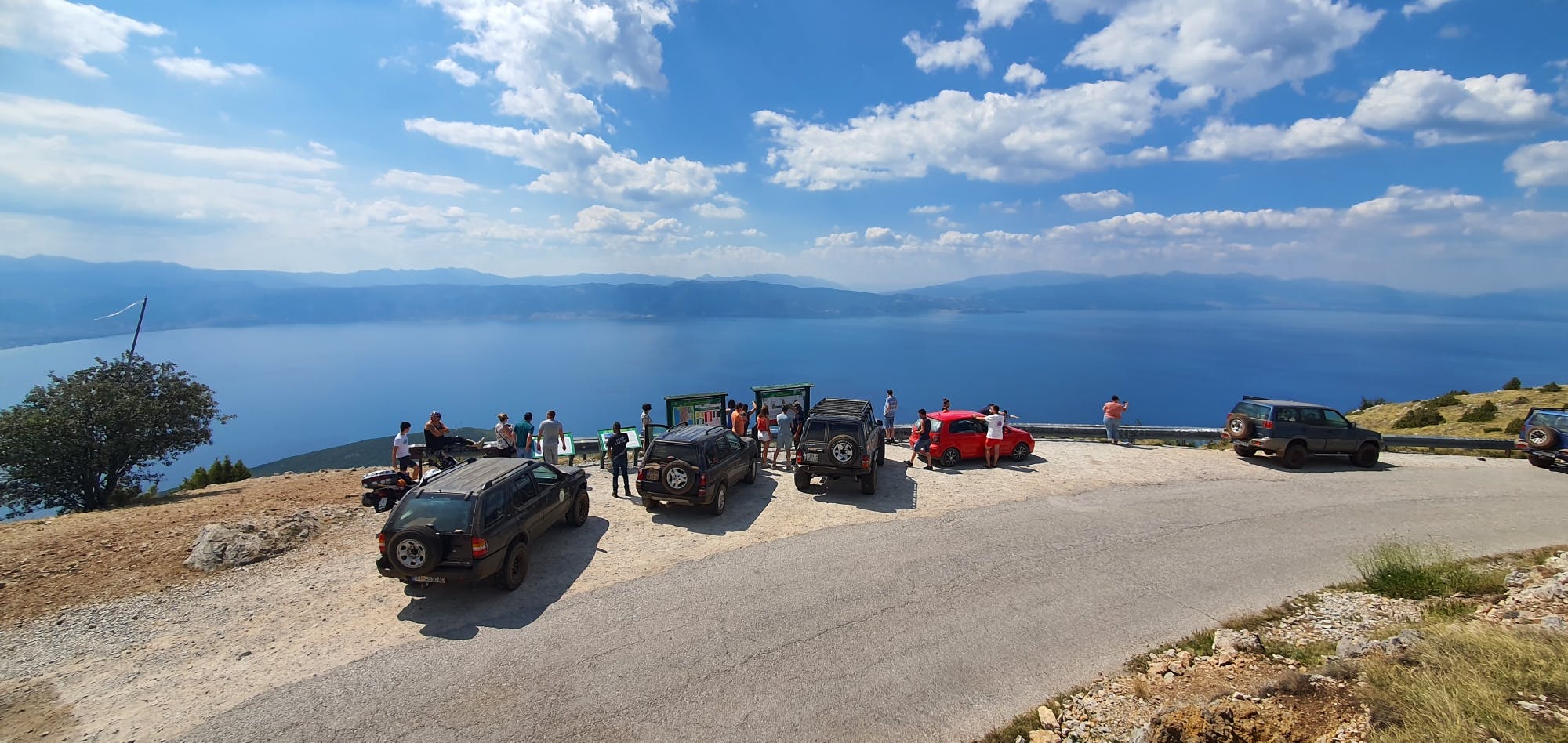
Ohrid Off-Road, 4WD & Adventure Tours Guide North Macedonia Ohrid combines a UNESCO-listed lakeside city, medieval churches, clear-water scenery, mountain parks, wine and villages shared across a cross-border lake region. Check current availability, inclusions and booking details before you go.
Ohrid Hiking, Cycling & Active Tours Guide North Macedonia Ohrid combines a UNESCO-listed lakeside city, medieval churches, clear-water scenery, mountain parks, wine and villages shared across a cross-border lake region. Check current availability, inclusions and booking details before you go.
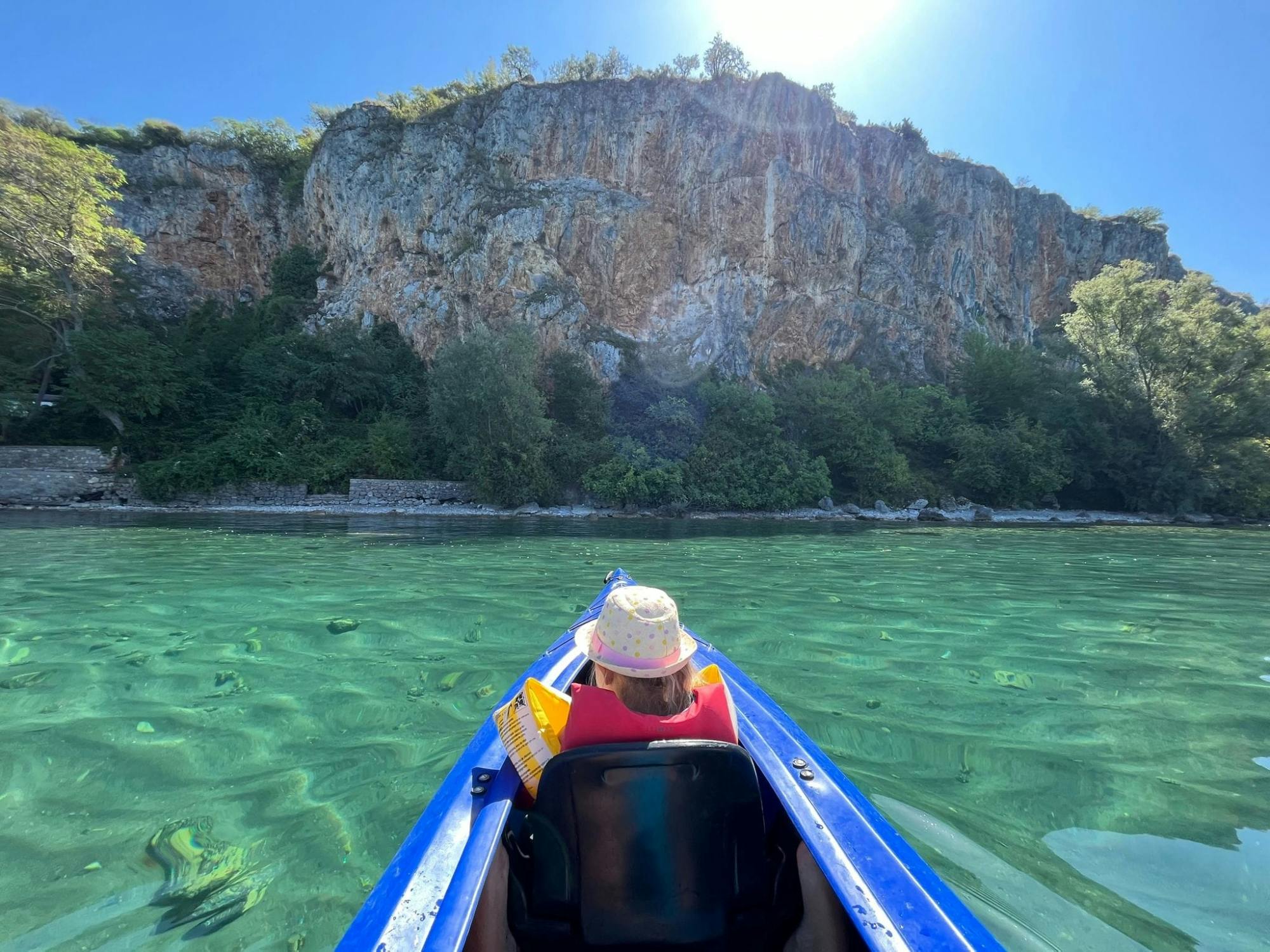
Kayaking with beach BBQ on Lake Ohrid – Scenic Water Experience North Macedonia Kayaking with beach BBQ on Lake Ohrid adds movement, scenery and a more active element to the itinerary. Check current availability, inclusions and booking details before you go.
Pelister National Park Off-Road Safari from Ohrid North Macedonia Pelister National Park off-road safari from Ohrid GBP 57 adds movement, scenery and a more active element to the itinerary. Check current availability, inclusions and booking details before you go.
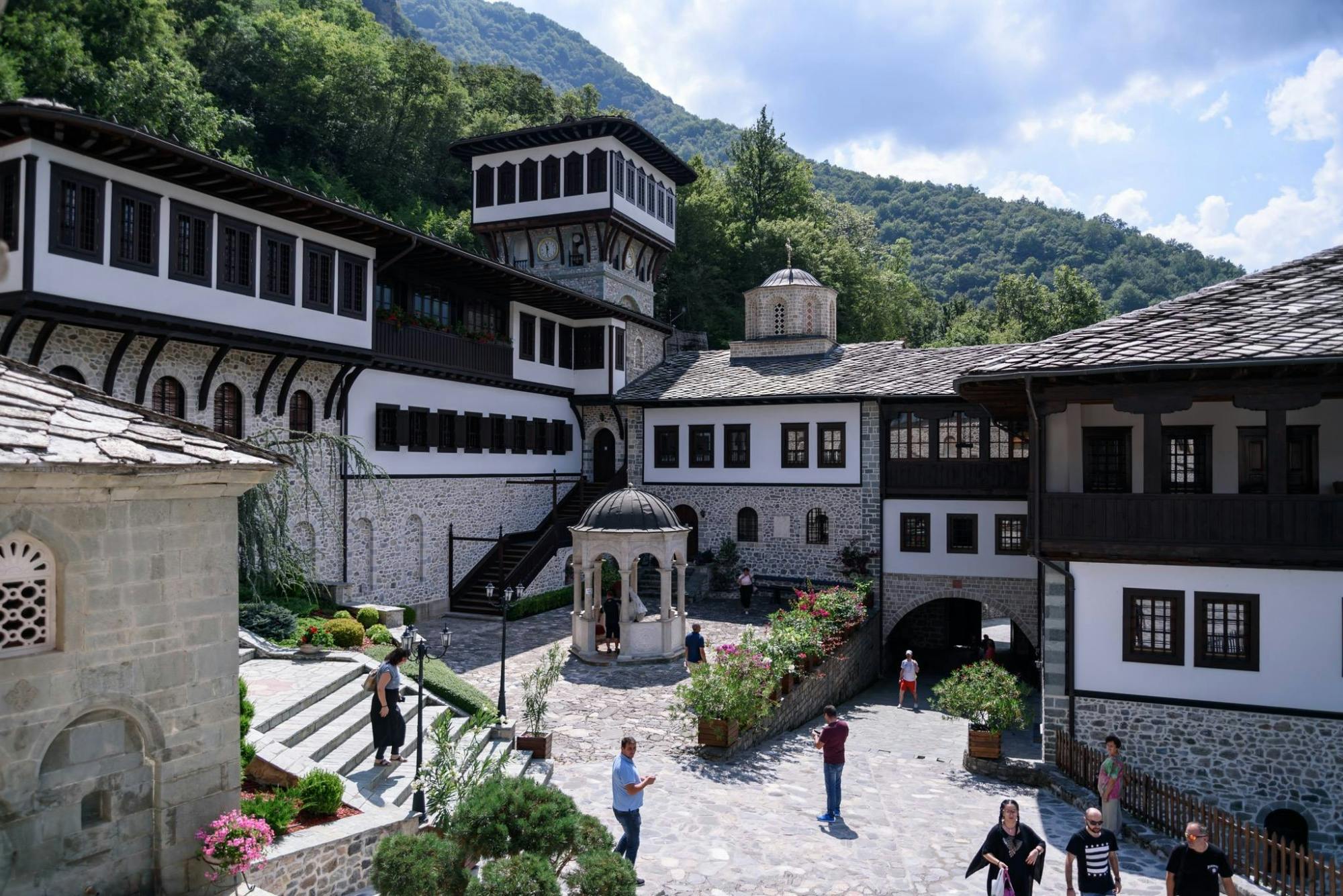
Mavrovo National Park and Bigorski Monastery from Ohrid – Outdoor Adventure North Macedonia Mavrovo National Park and Bigorski Monastery from Ohrid USD 66 places landscapes, habitats or wildlife at the centre of the experience. Check current availability, inclusions and booking details before you go.
Ohrid Day Tour to Kalishta, Struga & Vevchani North Macedonia Kalishta Rock Monastery & Struga Cultural Tour from Ohrid (with Vevchani): A Realistic Day-Trip Guide A scenic loop around Lake Ohrid: spiritual Kalishta, poetic Struga, and spring-fed Vevchani. Check current availability, inclusions and booking details before you go.
Ohrid City Guided Tour – Guided Sightseeing Tour North Macedonia Ohrid City Guided Tour USD 23 adds structure, local context and purposeful sightseeing to the itinerary. Check current availability, inclusions and booking details before you go.
Ohrid Guided Day Tour from Tirana with Castle Entrance – Attraction Entry Albania Ohrid Guided Tour with Castle Entrance from Tirana: A Realistic Day-Trip Guide Lake Ohrid in a nutshell: historic stone streets, lakeside views, and fortress-style viewpoints. Check current availability, inclusions and booking details before you go.