Negombo Visitor Guide: Top Attractions, Tours & Activities
Negombo is best suited to travellers with late arrivals or early departures and visitors interested in fishing communities. Check current availability, inclusions and booking details before you go.
Visiting Negombo: Things to Do and Practical Travel Advice
Negombo is best suited to travellers with late arrivals or early departures and visitors interested in fishing communities. Negombo is a coastal city close to Sri Lanka’s main international airport, making it a convenient first or final stop with beaches, fishing heritage and colonial-era canals. The most satisfying visit combines headline sights with enough time to notice local neighbourhoods, landscapes and everyday culture rather than treating the destination as a checklist.
Explore current options for Negombo Visitor Guide
Check the supplier for current availability, pricing, inclusions and booking conditions.
Negombo is a coastal city close to Sri Lanka’s main international airport, making it a convenient first or final stop with beaches, fishing heritage and colonial-era canals. Experiences listed on the product page can help visitors compare guided tours, attraction entry, day trips and self-guided options. Availability changes by date, so use the page as a planning tool rather than assuming every activity runs daily.
A sensible stay is usually 1–2 days, although the right length depends on whether Negombo is your main destination or one stop within a wider trip through Sri Lanka. Travellers with limited time should choose two or three priorities and leave space for transport delays, weather and unplanned discoveries.
Top Things to Do in Negombo
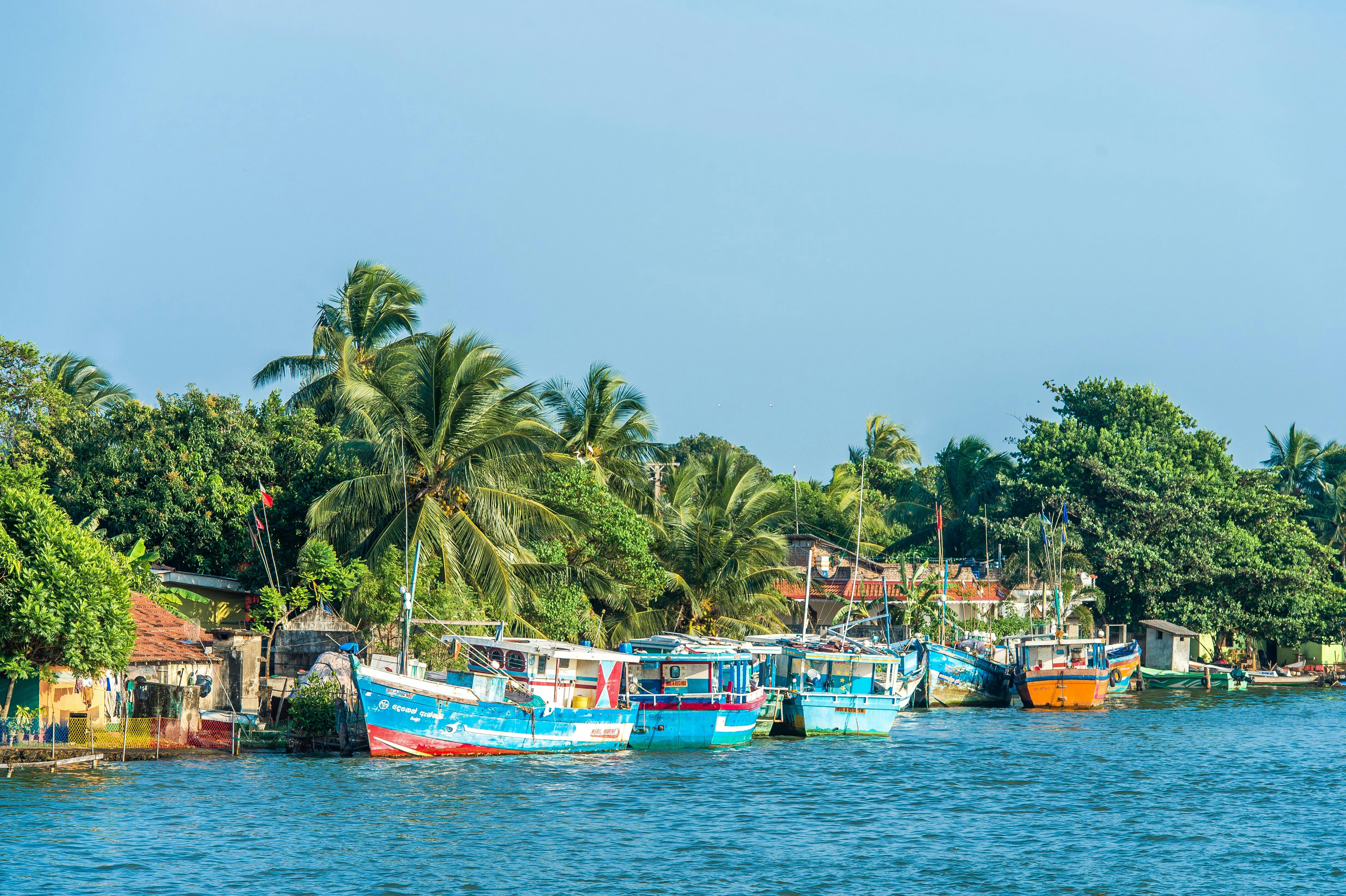
Fish market and lagoon
Observe the working fishing community respectfully and visit early for the most activity.
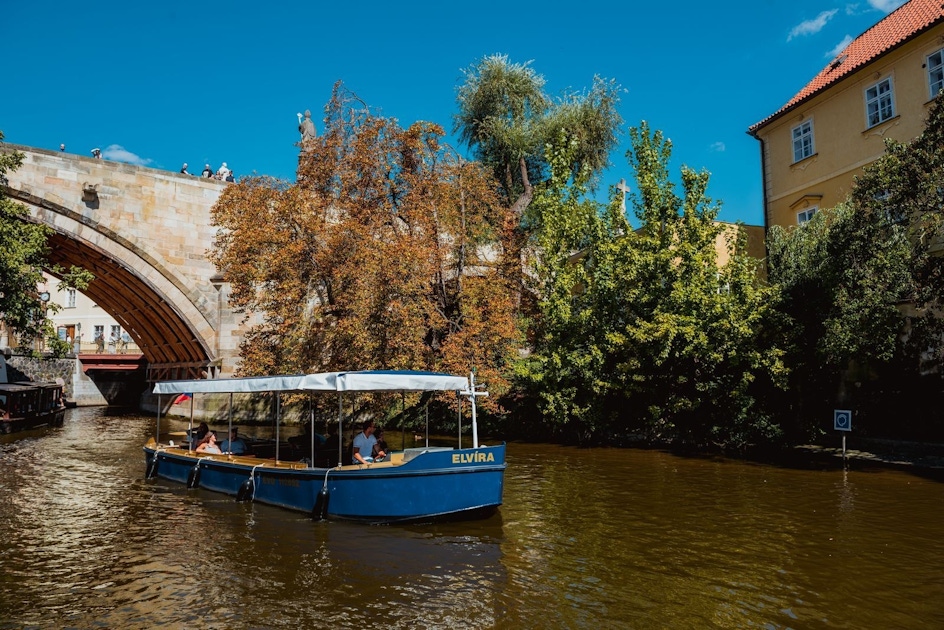
Dutch Canal
Take a boat or waterside excursion to see neighbourhoods, wetlands and traces of colonial infrastructure.
Churches and local streets
Explore the city’s strong Catholic heritage and busy everyday markets.
Beach strip
Use the resort area for a relaxed recovery day, while keeping expectations realistic about urban beach conditions.
How to Plan a Useful Visit
Negombo is usually easier for airport logistics than central Colombo. Traffic still varies, so allow generous transfer time. Dress modestly in churches and ask before photographing workers.
Check the exact meeting point: destination pages may include experiences departing from nearby towns, ports, resorts or transport hubs.
Read the inclusions carefully: admission fees, meals, equipment, hotel transfers and local taxes are not always bundled into the advertised price.
Plan for local conditions: heat, rain, wind, altitude, sea conditions or seasonal closures can change how much is realistic in one day.
Choose responsible operators: avoid tours that disturb wildlife, disrespect religious sites, pressure local communities or encourage unsafe behaviour.
Find Tours, Tickets and Experiences
Booking ahead is most useful for limited-capacity tours, major attractions, boat trips, specialist guides and excursions requiring transport. Before paying, confirm the cancellation terms, language, accessibility, minimum age, physical demands and the time needed to return to your accommodation or cruise ship.
For most visitors, 1–2 days provides a practical balance between major sights and a less hurried experience. Add extra time when day trips, beaches, hiking or long road transfers are central to the visit.
Should I book activities in advance?
Advance booking is recommended for popular attractions, small-group tours, boat trips, wildlife experiences and peak travel dates. Flexible city walks may be easier to arrange after checking the weather.
What should I check before booking a tour?
Confirm the departure location, total duration, transport, admission fees, meal arrangements, required clothing, mobility demands and cancellation conditions. Product descriptions can change, so review the final supplier information for your chosen date.
Is Negombo suitable for independent travellers?
Yes, although the best approach depends on distances and local transport. Central sights may be easy to visit independently, while remote landscapes, archaeological sites, marine activities and regional day trips are often simpler and more informative with an organised guide.
Ready to plan Negombo Visitor Guide?
Check the supplier for current availability, pricing, inclusions and booking conditions.
Negombo Must-See Attractions, Tours & Highlights Guide Sri Lanka Negombo combines a fishing economy, lagoon and wetlands, colonial canal and church heritage, beach hotels and convenient access near Sri Lanka's main international airport. Check current availability, inclusions and booking details before you go.
Negombo Hiking, Cycling & Active Tours Guide Sri Lanka Negombo combines a fishing economy, lagoon and wetlands, colonial canal and church heritage, beach hotels and convenient access near Sri Lanka's main international airport. Check current availability, inclusions and booking details before you go.
Negombo City Tours, Neighbourhoods & Local History Guide Sri Lanka Negombo combines a fishing economy, lagoon and wetlands, colonial canal and church heritage, beach hotels and convenient access near Sri Lanka's main international airport. Check current availability, inclusions and booking details before you go.
Negombo Nature, Landscapes & Wildlife Experiences Guide Sri Lanka Negombo combines a fishing economy, lagoon and wetlands, colonial canal and church heritage, beach hotels and convenient access near Sri Lanka's main international airport. Check current availability, inclusions and booking details before you go.
Negombo Dutch Canal Boat Cruise – Scenic Water Experience Sri Lanka Plan Negombo Dutch Canal Boat Cruise – Scenic Water Experience, a water-based experience, with practical tips on timing, inclusions and what to check before booking. Compare current availability, prices and booking conditions before you go.
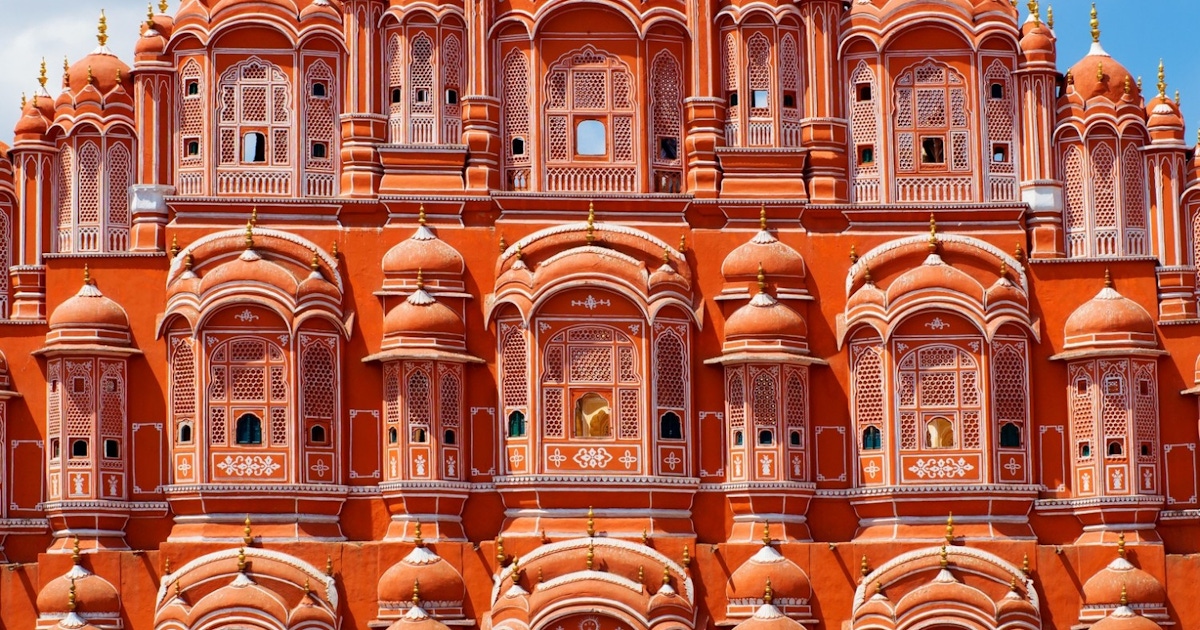
Jaipur Visitor Guide: Top Attractions, Tours & Activities India Things to do in Jaipur : Museums and attractions Known as the Pink City , Jaipur is a dazzling blend of royal heritage, vibrant culture, and architectural wonders. Check current availability, inclusions and booking details before you go.
Andorra Visitor Guide: Top Attractions, Tours & Activities Andorra Things to do in Andorra : Museums and attractions In the Pyrenees between France and Spain, Andorra is a small but stunning country known for its alpine scenery, ski resorts, tax-free shopping, and rich…. Check current availability, inclusions and booking details before you go.
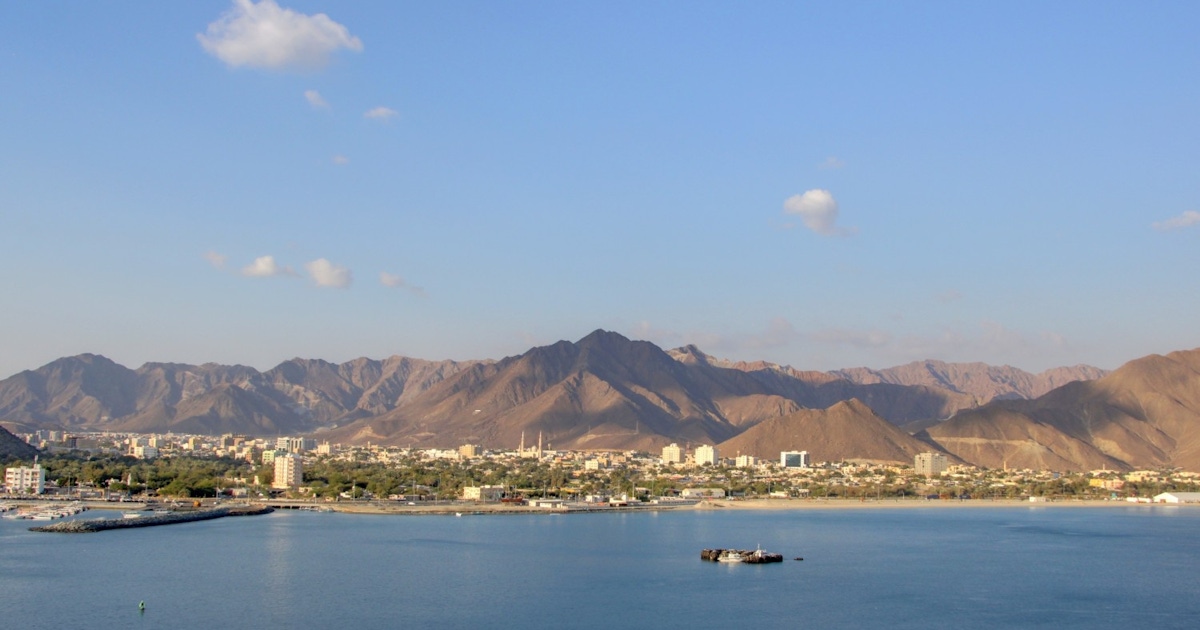
Fujairah Visitor Guide: Top Attractions, Tours & Activities United Arab Emirates Quick overview: Fujairah in United Arab Emirates is best explored by combining its headline attractions with local neighbourhoods, landscapes and food. Check current availability, inclusions and booking details before you go.