Home » Tours Sightseeing » Musée d’Orsay Private Tour with Local Expert Guide: Full Paris Art – Travel Collection
Musée d’Orsay Private Tour with Local Expert Guide: Full Paris Art – Travel Collection
$121.00
The Musée d’Orsay private tour with local expert guide is a focused Paris art experience designed for travellers who want more than a standard museum visit. Check current availability, inclusions and booking details before you go.
The Musée d’Orsay private tour with local expert guide is a focused Paris art experience designed for travellers who want more than a standard museum visit. Instead of wandering the galleries alone, you explore the museum with a private local guide who can explain the stories, styles, artists and historical context behind the works.
This Musement activity is listed as a 2-hour private tour of the Musée d’Orsay, with museum tickets included. It is available in several languages and is designed to help visitors understand the museum’s famous Impressionist and Post-Impressionist collection in a more personal and engaging way.
If you love Monet, Van Gogh, Renoir, Degas, Cézanne, Manet, Morisot, sculpture, 19th-century Paris and grand museum architecture, this private tour is a strong option for a richer Musée d’Orsay experience.
Quick Tour Overview
Activity
Musée d’Orsay private tour with local expert guide
Location
Paris, France
Experience Type
Private guided museum tour
Duration
Approximately 2 hours according to the Musement listing
Languages
English, Italian, French, Spanish and German according to the Musement listing
Voucher
Mobile voucher and e-voucher accepted
Confirmation
Instant confirmation according to the Musement listing
Tour Format
Private tour and private group
Meeting Point
In front of the Rhinoceros statue at Musée d’Orsay, 1 Rue de la Légion d’Honneur, 75007 Paris
Arrival Time
Meet your guide 10 minutes before the tour departure time
Main Focus
Impressionist and Post-Impressionist art, museum highlights, artist stories and the former railway-station building
Included
Musée d’Orsay tickets, private guided tour and friendly local expert guide
Not Included
Transport to and from the meeting point, other entrance tickets, snacks and drinks
Cancellation
100% refund if cancelled up to 24 hours before the experience begins, according to the Musement listing
Best For
Art lovers, first-time Paris visitors, couples, families with older children, private tour travellers and museum fans
Why Book This Musée d’Orsay Private Tour?
The Musée d’Orsay is one of Paris’s most rewarding museums, but it can be overwhelming if you visit without a plan. The galleries contain paintings, sculpture, decorative arts, furniture, photography and architectural features, all housed inside a dramatic former railway station.
A private guide helps make sense of the collection. Instead of trying to identify the “must-see” works alone, you can follow a carefully shaped route through the museum’s highlights and ask questions along the way.
The private format is the biggest advantage. Musement notes that the guide can take your personal preferences into account, which means the tour can feel more intimate and flexible than a large group museum visit.
What to Expect
Expect a 2-hour guided visit through the Musée d’Orsay with a local expert guide. Your guide will introduce the museum’s major themes, important artists and the historical context behind the Impressionist and Post-Impressionist movements.
The tour may cover artists such as Manet, Monet, Renoir, Degas, Morisot, Cézanne and Van Gogh. You may also explore sculpture, furniture, photography and the building itself, depending on your interests and route.
This is not just a “look at paintings” tour. A good guide can explain why these works were radical at the time, how artists broke from academic tradition, and how modern Paris influenced the art of the late 19th and early 20th centuries.
Meeting Point at the Rhinoceros Statue
The meeting point is in front of the Rhinoceros statue at Musée d’Orsay, 1 Rue de la Légion d’Honneur, 75007 Paris.
Musement asks travellers to meet the destination insider 10 minutes before the tour departure time. Arriving early is important because tickets are valid only for the selected day and starting time.
Musée d’Orsay is one of Paris’s great art museums and one of the best places in the world to explore art from the second half of the 19th century and early 20th century.
The museum is especially famous for its Impressionist and Post-Impressionist paintings. It also includes sculpture, decorative arts, photography, drawings, pastels, furniture and architectural material.
Unlike the Louvre, which covers a much wider historical span, Musée d’Orsay feels more concentrated. It focuses heavily on the period when modern art was beginning to change how artists painted light, colour, movement, everyday life and the modern city.
Impressionist and Post-Impressionist Masterpieces
The Impressionists changed the direction of European art. Instead of painting only formal history scenes or polished academic subjects, they explored modern life, outdoor light, quick brushwork, changing colour and scenes from cafés, theatres, gardens, riversides and city streets.
Post-Impressionist artists then pushed those ideas further. They experimented with colour, structure, emotion, symbolism and more personal forms of expression.
A private guide can make these movements easier to understand. You can learn why the paintings shocked some critics, how the artists influenced each other, and why their works now feel so central to the story of modern art.
Artists You May Explore
Claude Monet
Monet is closely associated with Impressionism and the study of light, atmosphere and changing conditions. His works help explain why the movement focused so strongly on perception and fleeting visual effects.
Vincent van Gogh
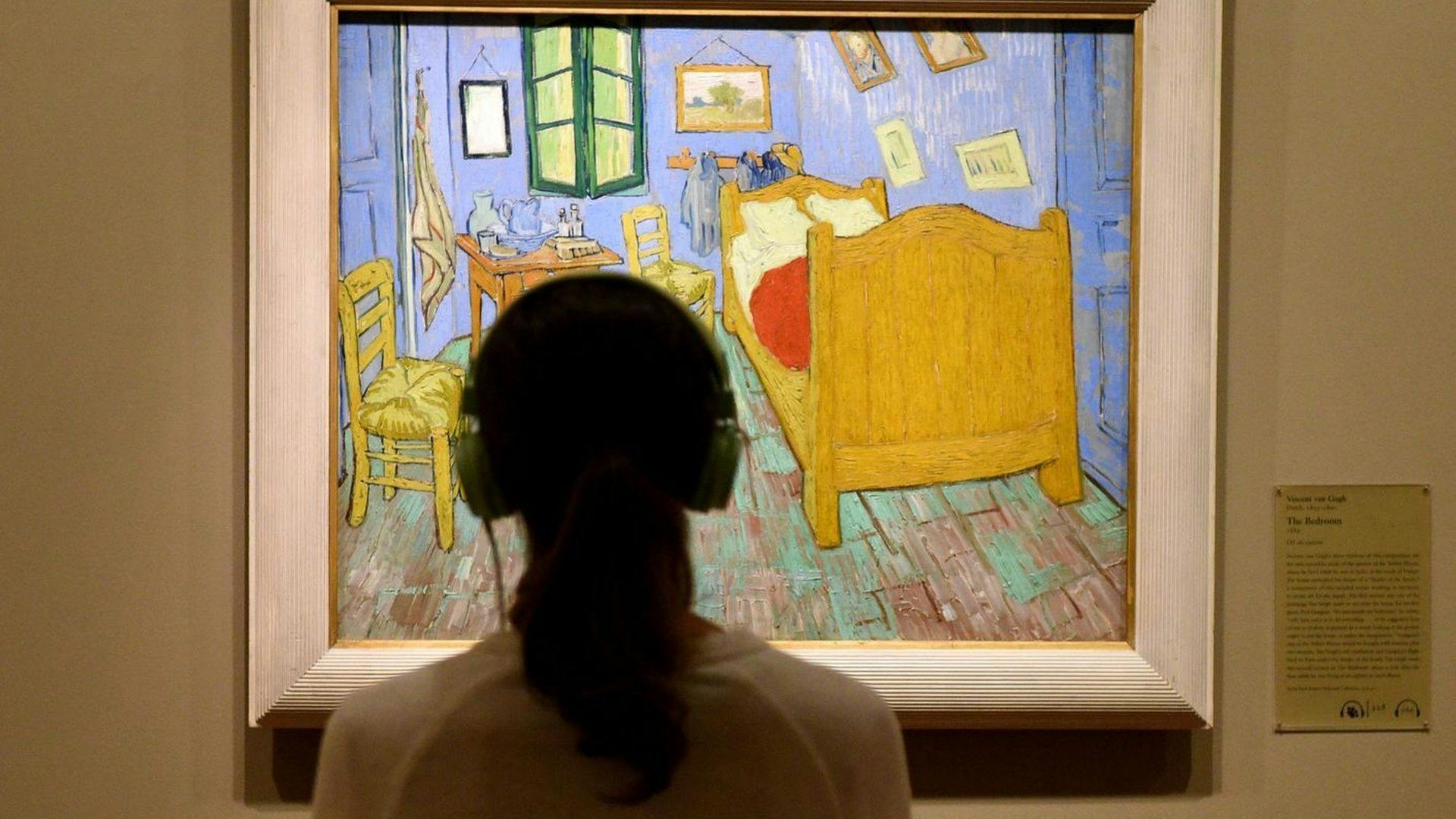
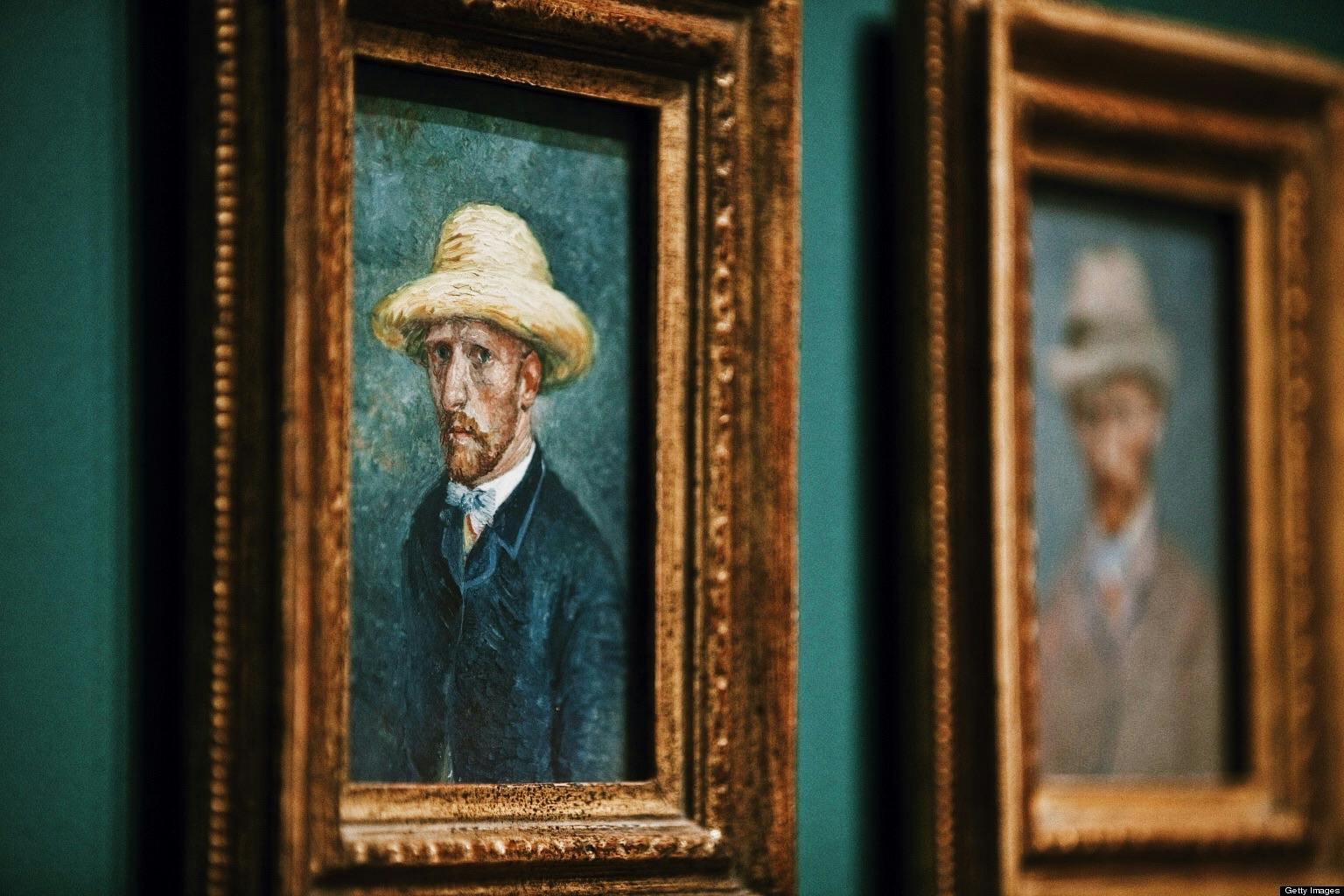
Van Gogh’s paintings are often emotionally intense, with expressive colour and energetic brushwork. His works are among the most popular highlights of Musée d’Orsay.
Edgar Degas
Degas is well known for dancers, movement, unusual viewpoints and a strong interest in modern urban life. His paintings and pastels show a different side of Impressionism.
Pierre-Auguste Renoir
Renoir’s paintings often focus on people, leisure, social life and warm colour. His work can help visitors understand the human side of Impressionist painting.
Édouard Manet
Manet was not simply an Impressionist, but he was crucial to the development of modern painting. His work challenged tradition and opened new possibilities for later artists.
Berthe Morisot
Morisot was one of the central women artists of Impressionism. Her work often explores domestic life, women, children, intimacy and light with great delicacy and confidence.
Paul Cézanne
Cézanne helped build a bridge toward modern art by focusing on structure, form and composition. His influence on later artists was enormous.
The Former Railway Station
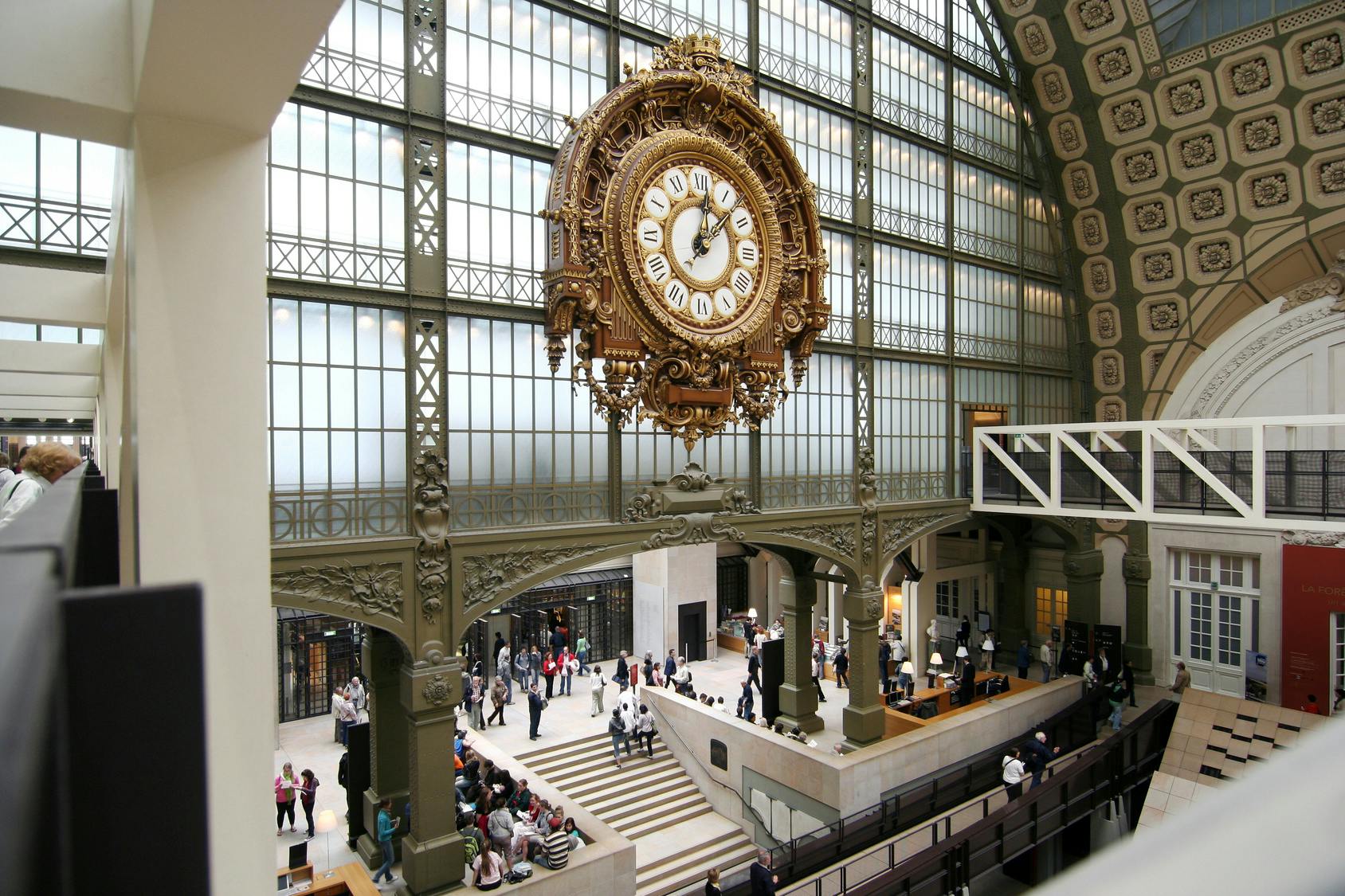
The building itself is one of the great pleasures of visiting Musée d’Orsay. The museum occupies the former Gare d’Orsay, a railway station built for the 1900 Universal Exhibition.
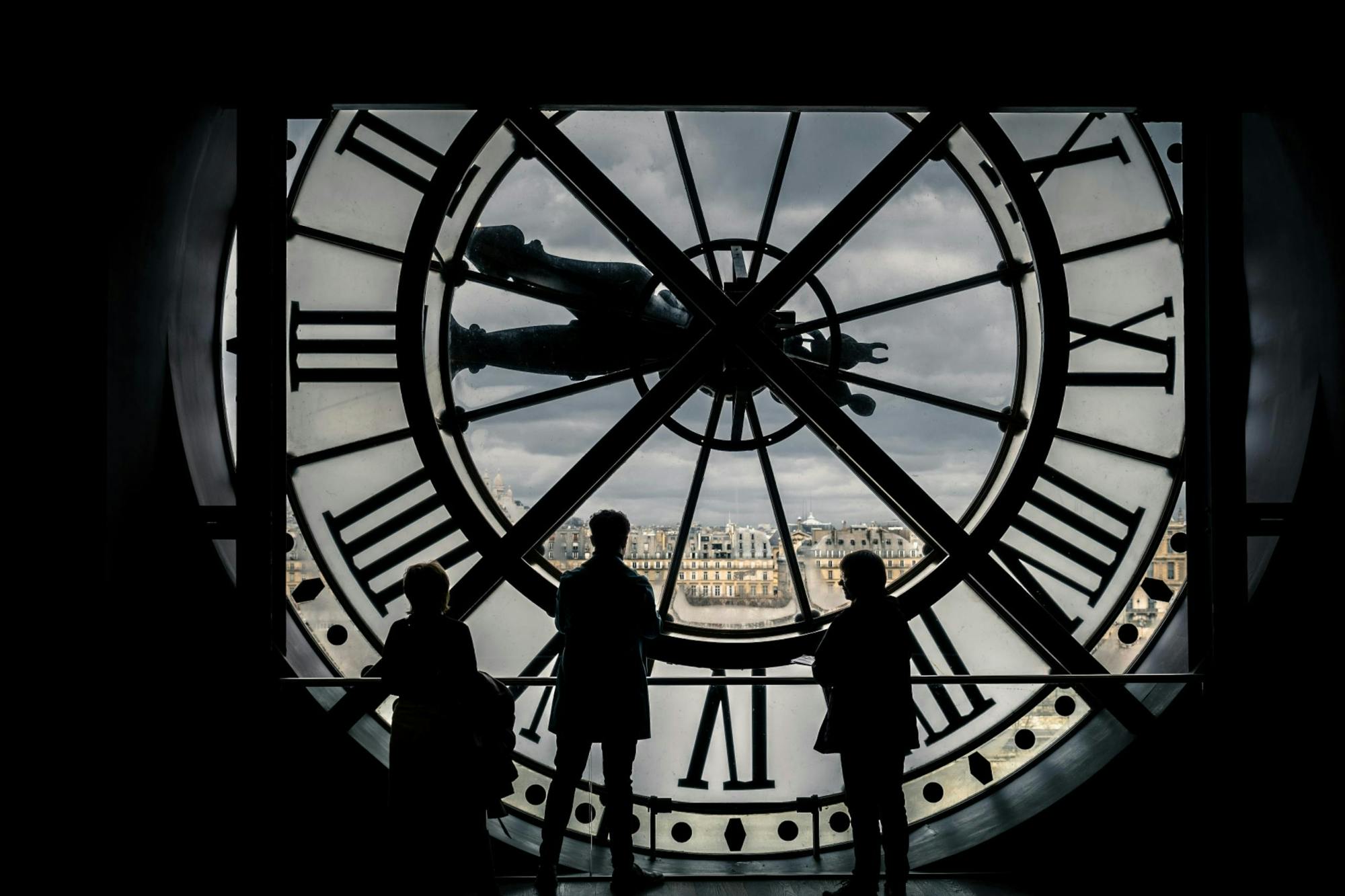
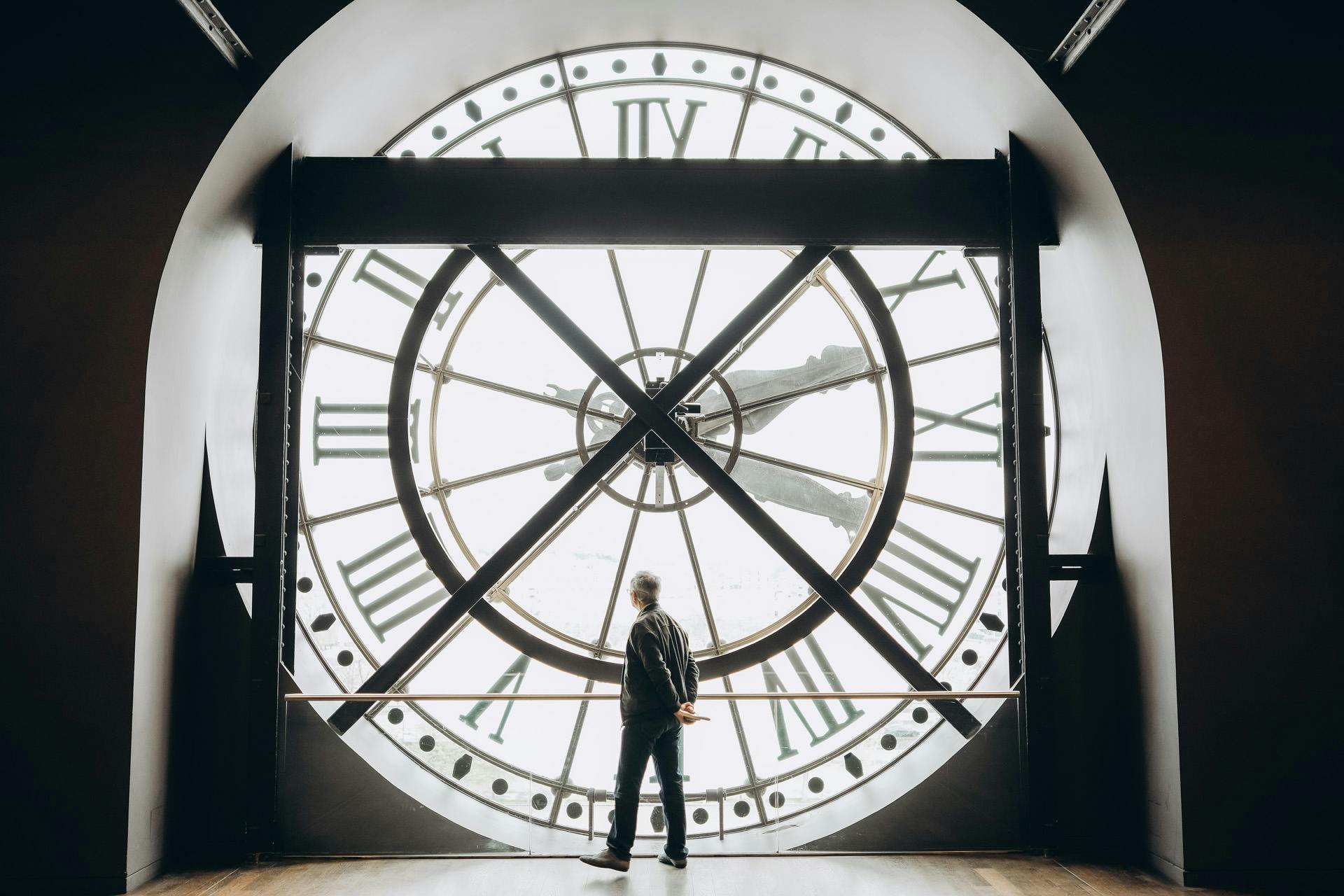
The great central hall, glass roof, metal structure, clock faces and long nave create a powerful sense of space. The transformation from station to museum gives the building a unique atmosphere that is very different from traditional palace-style museums.
During your tour, take time to look up. The museum’s architecture is not simply a backdrop; it is part of the experience.
The Famous Clock Windows
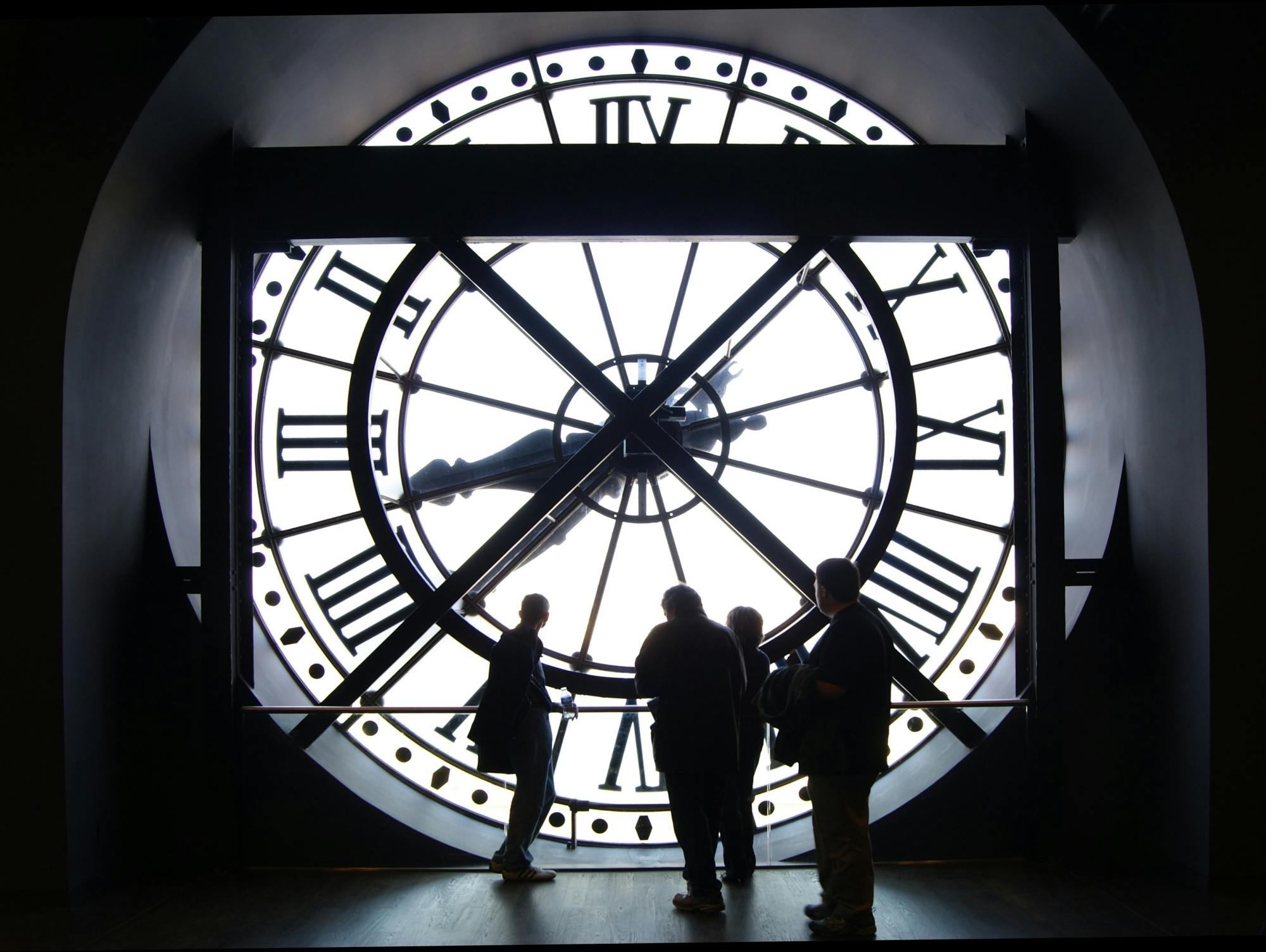
One of the most memorable features of Musée d’Orsay is its large clock windows. These clocks connect the building to its railway-station past and have become some of the most photographed features of the museum.
The Musement listing mentions a local guide’s recommendation to stop by the fifth-floor clock windows for a spectacular view of the city.
If your guide includes this part of the museum, it is worth taking a few moments to enjoy both the clock itself and the Paris view beyond it.
Sculpture, Furniture and Photography
While Musée d’Orsay is best known for paintings, the museum is not only about canvases. The Musement listing notes that visitors can also find sculpture, furniture and photographs from the 19th and 20th centuries.
The central nave is especially impressive for sculpture. Large works are displayed under the glass roof, using the natural light and scale of the former station to strong effect.
Decorative arts and photography add another dimension to the collection. They help show how the period’s creativity extended beyond painting into interiors, objects, design, technology and modern visual culture.
What Is Included?
The Musement listing shows the following inclusions:
Musée d’Orsay tickets
Private guided tour of Musée d’Orsay
Friendly and local expert guide
Private group format
Mobile voucher and e-voucher access
Instant confirmation
What Is Not Included?
The Musement listing states that the following are not included:
Transport from and to the meeting point
Any other entrance ticket
Snacks and drinks
You need to make your own way to Musée d’Orsay and plan food, drinks or additional attractions separately.
Who Is This Tour Best For?
Art lovers: This is the clearest audience. The tour focuses on one of the world’s most important collections of Impressionist and Post-Impressionist art.
First-time Paris visitors: Musée d’Orsay is a must-see museum, and a guide makes the first visit easier and more meaningful.
Couples: A private museum tour can be a memorable and more personal Paris experience than a busy group visit.
Families with older children: A guide can make the art more interesting for teenagers or young adults who might otherwise rush through the galleries.
Travellers short on time: The 2-hour format helps you see key highlights without spending a full day in the museum.
Visitors who dislike large group tours: The private format is ideal if you prefer a quieter, more tailored museum experience.
What to Wear
Wear comfortable clothing suitable for museum walking and standing.
Comfortable walking shoes
Smart-casual clothing
Light jacket or cardigan if you get cool indoors
Small crossbody bag or compact day bag
Weather-appropriate outerwear for travelling to and from the museum
You do not need formal clothing. Comfort is more important because museum visits involve slow walking, standing and moving between galleries.
What to Bring
Mobile voucher or e-voucher
Booking confirmation
Phone or camera
Portable charger
Small day bag
Water bottle if allowed under current museum rules
Glasses if you need them for viewing details or reading labels
Notebook if you enjoy taking art notes
Keep your belongings light. Large bags can be inconvenient in museum spaces and may be subject to security restrictions.
Suggested Timing
Because tickets are valid only for the selected day and starting time, plan to arrive early. Aim to reach the museum area at least 20 to 30 minutes before your tour, then meet your guide 10 minutes before departure as instructed.
A morning tour is a good option if you want the rest of the day free for the Louvre, Tuileries Garden, Saint-Germain-des-Prés or a Seine walk.
An afternoon tour works well if you want a slower morning, lunch on the Left Bank and then a focused museum visit.
After the 2-hour private tour, consider staying longer inside the museum if your ticket allows and your schedule permits. You may want extra time for the clock windows, gift shop, temporary exhibitions or galleries that were not covered in depth.
Accessibility and Walking Notes
Musement notes that this tour might not be suitable for people with walking difficulties. This is important because museum tours involve standing, walking between galleries and moving through busy public spaces.
If you have mobility concerns, contact the provider before booking to confirm whether the route can be adapted.
Even though the museum itself has visitor facilities, the private tour pace, stairs, lift availability, gallery congestion and route choices may affect comfort. It is better to confirm access needs in advance than to assume the tour will suit every mobility level.
Nearby Places to Visit After the Tour
Musée d’Orsay is very well located for continuing your Paris sightseeing day.
Tuileries Garden: Cross the Seine and enjoy one of Paris’s most elegant public gardens.
Louvre Museum: Close by across the river, ideal if you are planning a major museum-focused day.
Musée de l’Orangerie: Famous for Monet’s Water Lilies and a natural pairing with Orsay.
Saint-Germain-des-Prés: A stylish Left Bank neighbourhood with cafés, bookshops and boutiques.
Seine Riverbanks: Perfect for a walk after the museum.
Assemblée Nationale: A major political landmark nearby on the Left Bank.
Invalides: A historic complex with museums, monuments and Napoleon’s tomb.
Rue du Bac: A charming Left Bank street with shops, cafés and Parisian atmosphere.
Practical Tips Before Booking
Choose your preferred language carefully before booking.
Remember that tickets are valid only for the selected day and starting time.
Arrive early and meet at the Rhinoceros statue 10 minutes before departure.
Tell your guide if you are especially interested in Monet, Van Gogh, Degas, sculpture, architecture or the clock windows.
Wear comfortable shoes because you will be standing and walking for two hours.
Do not bring large bags if you can avoid it.
Check current museum access conditions before your visit.
Plan food and drinks separately because snacks and drinks are not included.
Allow time after the tour if you want to revisit galleries on your own.
Read the cancellation policy before confirming.
Is This Private Tour Worth It?
Yes, the Musée d’Orsay private tour with local expert guide is worth considering if you want a richer and more personal museum visit in Paris.
The main advantage is context. The Musée d’Orsay’s collection is famous, but the works become more meaningful when you understand the artists, rivalries, scandals, movements and cultural changes behind them.
The private format is also valuable. You can ask questions, move at your group’s pace and focus more on the works that interest you most.
It may not suit travellers on a tight budget or those who prefer completely independent museum browsing. But for art lovers, first-time visitors and travellers who want a guided experience without a large group, this tour is a strong choice.
What is the Musée d’Orsay private tour with local expert guide?
It is a 2-hour private guided tour of Musée d’Orsay in Paris, with museum tickets included and a local expert guide leading the visit.
How long does the tour take?
The Musement listing shows a duration of approximately 2 hours.
Where is the meeting point?
The meeting point is in front of the Rhinoceros statue at Musée d’Orsay, 1 Rue de la Légion d’Honneur, 75007 Paris.
When should I arrive?
Musement asks travellers to meet their guide 10 minutes before the departure time.
What languages are available?
The tour is available in English, Italian, French, Spanish and German according to the Musement listing.
Is this a private tour?
Yes. The activity is listed as a private tour and private group experience.
Are Musée d’Orsay tickets included?
Yes. Musée d’Orsay tickets are included according to the Musement listing.
What is not included?
Transport to and from the meeting point, any other entrance ticket, snacks and drinks are not included.
Which artists might I learn about?
The Musement listing mentions masters such as Manet, Monet, Renoir, Degas, Morisot, Cézanne and Van Gogh.
Is the tour only about paintings?
No. While Impressionist and Post-Impressionist paintings are the main draw, the museum also contains sculptures, furniture and photographs from the 19th and 20th centuries.
Can the guide adapt the tour to my interests?
Yes. Musement notes that this is a private tour where the guide can take personal preferences into account.
Is the tour suitable for people with walking difficulties?
Musement notes that the tour might not be suitable for people with walking difficulties. Travellers with mobility concerns should contact the provider before booking.
What should I wear?
Wear comfortable walking shoes and practical smart-casual clothing suitable for standing and walking through museum galleries.
What is the cancellation policy?
Musement states that travellers can receive a 100% refund if they cancel up to 24 hours before the experience begins.
Is this tour good for first-time visitors to Paris?
Yes. It is a strong choice for first-time visitors who want to understand one of Paris’s most important museums without feeling overwhelmed.
Ready to book Musée d’Orsay Private Tour with Local Expert Guide: Full Paris Art – Travel Collection?
Check the supplier for current availability, pricing, inclusions and booking conditions.
Ticket to Orsay Museum with Dedicated Entrance France Ticket to Orsay Museum with Dedicated Entrance provides a structured way to visit a notable attraction or cultural site. Check current availability, inclusions and booking details before you go.
Musée des Arts et Métiers with City Audio Tour and eSIM France Plan Musée des Arts et Métiers with City Audio Tour and eSIM, a guided sightseeing experience, with practical tips on timing, inclusions and what to check before booking. Compare current availability, prices and booking conditions before you go.
Skip-the-Line Tickets to the Musée de l'Homme France Plan Skip-the-Line Tickets to the Musée de l'Homme, a ticket or attraction experience, with practical tips on timing, inclusions and what to check before booking. Compare current availability, prices and booking conditions before you go.
Entrance Ticket for the Musée de la Romanité in Nîmes – Attraction Entry France Entrance ticket for the Musée de la Romanité in Nîmes USD 11 provides a structured way to visit a notable attraction or cultural site. Check current availability, inclusions and booking details before you go.