Discover the remarkable volcanic landscapes, beautiful beaches and traditional culture of South Korea’s Jeju Island on an Eastern Jeju UNESCO Highlights Day Tour from Seogwipo or Jungmun.
This guided sightseeing experience explores some of the most spectacular destinations on the eastern side of Jeju, including the magnificent Seongsan Ilchulbong volcanic crater, fascinating lava formations at Ilchul Land and the scenic coastline of Gwangchigi Beach.
The experience also introduces visitors to the extraordinary traditions of Jeju’s Haenyeo, women divers whose remarkable skills and cultural heritage have become internationally recognised.
Travelling with an English-speaking guide in a comfortable vehicle, visitors discover the natural and cultural attractions that make Jeju one of South Korea’s most popular holiday destinations.
With convenient collection points in Jungmun and Seogwipo, included attraction admissions and a relaxed schedule, this approximately six-and-a-half-hour excursion offers an excellent introduction to eastern Jeju.
The Eastern Jeju UNESCO Highlights experience is a guided sightseeing excursion departing from selected locations in Jungmun and Seogwipo.
Operated by Yeha Inc., the tour combines volcanic landscapes, coastal viewpoints, a lava cave and opportunities to discover Jeju’s traditional maritime culture.
Destination: Eastern Jeju Island, South Korea
Departure areas: Jungmun and Seogwipo
Duration: Approximately 6.5 hours
Operator: Yeha Inc.
Guide: English-speaking professional guide
Transport: Comfortable sightseeing vehicle
Main attractions: Ilchul Land, Micheon Cave, Gwangchigi Beach and Seongsan Ilchulbong
Cultural highlight: Jeju Haenyeo women divers, subject to weather and demonstration arrangements
Departure time: Approximately 10:30 am, depending on pickup location
Return time: Approximately 5:00 pm
Attraction admissions: Included for scheduled paid attractions
Lunch: No scheduled sit-down lunch stop; meals and drinks are additional
Pickup and drop-off: Selected designated locations
The tour is particularly suitable for travellers staying in southern Jeju who want to explore the island’s eastern highlights without hiring a car.
Discover Jeju Island: South Korea’s Beautiful Volcanic Paradise
Jeju Island is South Korea’s largest island and one of the country’s most celebrated natural destinations.
Located south of the Korean Peninsula, Jeju is famous for its volcanic mountains, dramatic cliffs, lava caves, picturesque beaches and distinctive island traditions.
The island’s landscapes were shaped by ancient volcanic activity, creating natural features that are very different from those found in much of mainland South Korea.
Why Is Jeju So Famous?
Jeju offers a remarkable combination of natural attractions and cultural heritage.
Volcanic mountains and craters
UNESCO-listed geological landscapes
Beautiful beaches and coastal scenery
Ancient lava caves
Traditional fishing communities
Distinctive local food
The internationally recognised Haenyeo diving tradition
Eastern Jeju is especially popular for its volcanic coastline and the spectacular Seongsan Ilchulbong tuff cone.
Eastern Jeju UNESCO Day Tour Itinerary
The excursion begins with collection from designated pickup points in Seogwipo and Jungmun before travelling towards eastern Jeju.
Stop 1: Ilchul Land and Micheon Cave
Explore a fascinating volcanic lava cave and the surrounding landscaped gardens.
The current itinerary allocates approximately one hour to Ilchul Land.
Stop 2: Gwangchigi Beach
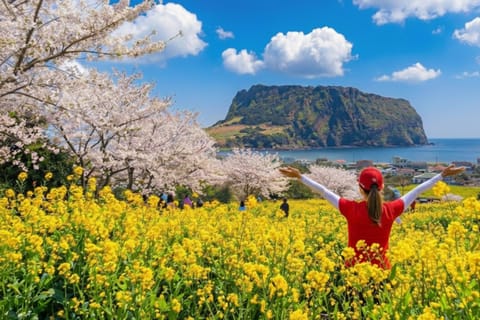
Admire the spectacular coastal landscape with Seongsan Ilchulbong rising above the sea.
Approximately thirty minutes are allocated to this scenic beach stop.
Additional Cultural or Scenic Stop
The itinerary includes an additional stop lasting around thirty-five minutes.
The tour description discusses traditional Jeju village culture and the famous Haenyeo women divers, but the exact stop can vary.
Stop 3: Seongsan Ilchulbong
Visit the island’s most recognisable volcanic landmark, the UNESCO-listed Seongsan Ilchulbong tuff cone.
The published itinerary allocates approximately eighty minutes for sightseeing and walking.
Return to Seogwipo or Jungmun
After visiting the scheduled attractions, travel back to your selected drop-off location in southern Jeju.
The precise order and timing may change because of weather, traffic or operational arrangements.
Ilchul Land and Micheon Cave: Explore Jeju’s Underground Volcanic World
One of the first major attractions is Ilchul Land, a botanical and geological attraction in eastern Jeju.
The site is particularly known for Micheon Cave, an underground lava formation created by ancient volcanic activity.
What Is Micheon Cave?
Micheon Cave is a lava cave associated with the volcanic landscape of Jeju Island.
Lava caves form when molten lava flows beneath a cooling surface and later drains away, leaving underground passages.
These formations provide fascinating evidence of the volcanic processes that created Jeju’s extraordinary natural environment.
Explore the Underground Passages
Visitors can walk through accessible sections of the cave and observe unusual rock formations.
The underground environment offers a striking contrast to the island’s open coastal landscapes.
Beautiful Gardens Above Ground
Ilchul Land also features landscaped gardens and natural scenery.
Depending on the season, visitors can enjoy flowers, green spaces and peaceful walking areas surrounding the cave.
What Makes Ilchul Land Worth Visiting?
Interesting lava cave formations
Insights into Jeju’s volcanic history
Beautiful landscaped gardens
Unusual underground photography opportunities where permitted
A different perspective on Jeju’s natural environment
Visitors should follow the site’s instructions because underground pathways may be damp, uneven or slippery.
Understanding Jeju’s UNESCO Volcanic Heritage
Jeju’s volcanic landscapes are internationally recognised for their geological significance.
The UNESCO World Heritage property known as Jeju Volcanic Island and Lava Tubes was inscribed in 2007.
It includes important features such as Hallasan, Seongsan Ilchulbong and the Geomunoreum lava tube system.
How Was Jeju Island Formed?
Jeju developed through volcanic activity over a long period of geological history.
Successive eruptions created lava flows, cones, craters and extensive volcanic rock formations.
The island’s porous volcanic rock also influences local soil, vegetation and water movement.
What Is a Lava Tube?
A lava tube is an underground passage formed when the surface of flowing lava solidifies while molten lava continues moving underneath.
Once the flow ends, a hollow tunnel can remain.
Jeju contains several remarkable examples of volcanic cave formations.
Important: Although Ilchul Land offers a lava cave experience, Micheon Cave should not be confused with Manjanggul Cave or the UNESCO-listed Geomunoreum lava tube system.
Gwangchigi Beach: Spectacular Views of Sunrise Peak
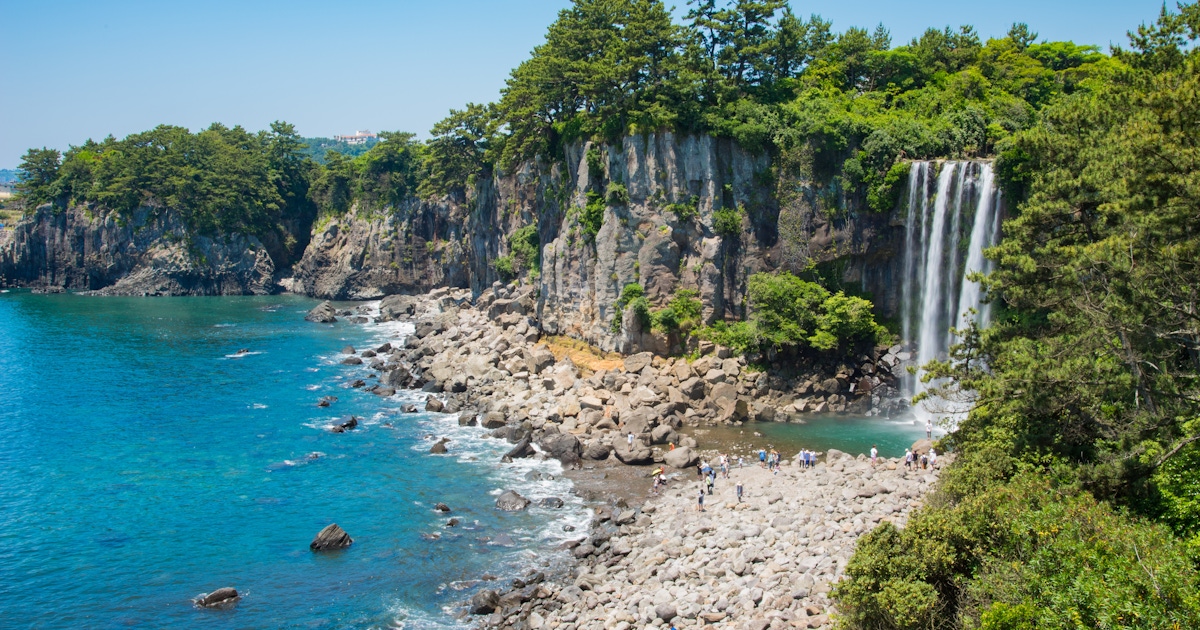
Gwangchigi Beach is one of the most photogenic coastal locations in eastern Jeju.
Located near Seongsan Ilchulbong, the beach is famous for its dramatic combination of volcanic rocks, ocean scenery and views towards the island’s iconic volcanic crater.
What Makes Gwangchigi Beach Special?
The shoreline reveals the fascinating relationship between Jeju’s volcanic geology and its coastal environment.
Dark volcanic rock formations create striking contrasts against the sea and surrounding vegetation.
Beautiful Coastal Photography
Depending on the tide, visitors may see exposed rock formations covered with green algae.
These colourful coastal features provide a remarkable foreground for photographs of Seongsan Ilchulbong.
Views of the Volcanic Crater
One of the highlights is the dramatic view of Sunrise Peak rising above the surrounding coastline.
The combination of the volcanic headland and open sea makes Gwangchigi Beach particularly appealing to landscape photographers.
Photography Tips
Use the volcanic rocks as foreground details.
Include Seongsan Ilchulbong in wider coastal photographs.
Watch for changing light across the sea.
Be cautious on slippery rocks.
Remain within safe public access areas.
The scheduled stop provides time to admire the scenery and take photographs before continuing around eastern Jeju.
Seongsan Ilchulbong: Visit Jeju’s Famous Sunrise Peak
The principal natural highlight of the excursion is Seongsan Ilchulbong, also known as Sunrise Peak.
This extraordinary volcanic tuff cone rises dramatically from the eastern coastline of Jeju Island.
Its distinctive circular crater, steep cliffs and sweeping coastal views make it one of South Korea’s most recognisable natural landmarks.
How Was Seongsan Ilchulbong Formed?
Seongsan Ilchulbong was formed by volcanic eruptions involving magma and seawater thousands of years ago.
The interaction produced explosive eruptions that deposited layers of volcanic ash and rock fragments, gradually forming the remarkable tuff cone visible today.
A UNESCO World Natural Heritage Site
Seongsan Ilchulbong is part of the UNESCO World Heritage property Jeju Volcanic Island and Lava Tubes.
Its geological structure is internationally important for understanding volcanic processes.
Why Is It Called Sunrise Peak?
The location is famous for spectacular sunrise views over the eastern horizon.
Visitors traditionally gather here to watch the first light of morning illuminate the surrounding sea and landscape.
Although this tour visits during the day rather than sunrise, the views remain impressive.
What Can Visitors See?
The remarkable volcanic tuff cone
Beautiful views of the crater rim
Panoramic ocean scenery
Jeju’s eastern coastline
Nearby coastal villages and harbours
Surrounding volcanic rock formations
The site offers one of the most memorable sightseeing experiences on Jeju Island.
Walking and Hiking at Seongsan Ilchulbong
Visitors can enjoy Seongsan Ilchulbong from viewpoints around its base or choose to climb towards the summit when access and conditions permit.
The Summit Trail
The main ascent involves a substantial number of steps climbing the steep volcanic hillside.
At the top, visitors can admire the crater and spectacular surrounding coastline.
Is the Walk Difficult?
The summit climb is relatively short but can be physically demanding because of its steep stairways.
Visitors should consider their fitness, mobility and available time before attempting the ascent.
Can You Enjoy the Attraction Without Climbing?
Yes. The lower walking areas and scenic viewpoints still provide excellent opportunities to admire the volcanic landscape.
This is useful for travellers who prefer a less strenuous visit.
What Should You Wear?
Comfortable walking shoes are strongly recommended.
Sun protection, water and weather-appropriate clothing can also make the visit more comfortable.
Tour note: The scheduled stop is approximately eighty minutes. Visitors should follow the guide’s return time and avoid starting a climb they cannot finish comfortably within the available period.
Jeju Haenyeo: Discover the Island’s Famous Women Divers
One of the most distinctive cultural traditions of Jeju Island is the work of the Haenyeo, women divers who have harvested seafood from the island’s coastal waters for generations.
The Haenyeo are internationally recognised for their extraordinary diving abilities and their important role in local communities.
Who Are the Haenyeo?
Haenyeo are traditional women divers who enter the sea without scuba breathing equipment to collect seafood.
Their work requires extensive knowledge of coastal environments, tides, weather and marine life.
What Do Haenyeo Collect?
Traditional Haenyeo harvesting may include:
Abalone
Sea urchins
Seaweed
Shellfish
Other permitted marine products
UNESCO Recognition
The culture of Jeju Haenyeo was inscribed on UNESCO’s Representative List of the Intangible Cultural Heritage of Humanity in 2016.
This recognition highlights the importance of preserving the divers’ knowledge, traditions and cultural identity.
Watching a Haenyeo Demonstration
The advertised tour includes the opportunity to experience the Haenyeo cultural demonstration.
Visitors can learn about the divers’ skills and their connection with Jeju’s fishing communities.
Important: Demonstrations depend on weather and sea conditions. The operator may cancel the show and substitute another scenic stop, with refund arrangements described in the current booking conditions.
Discover Traditional Jeju Village Culture
The tour’s extended description also discusses Seongeup Folk Village, a traditional settlement associated with Jeju’s local architecture and cultural heritage.
However, this village is not identified as a guaranteed separate stop in the current itinerary map.
Traditional Jeju Architecture
Jeju’s historic houses developed distinctive features suited to the island’s windy climate and volcanic environment.
Many traditional homes use dark volcanic stone in walls and incorporate thatched roofing.
Stone Walls and Village Streets
Stone walls made from local volcanic rock are among the most recognisable features of Jeju’s rural landscapes.
These walls have traditionally marked property boundaries and offered protection against strong coastal winds.
Jeju’s Agricultural Traditions
Historic village communities relied on farming, fishing and local trade.
These traditions helped shape the island’s distinctive identity.
Travellers particularly interested in Seongeup Folk Village should confirm whether it is included on their selected departure date.
Traditional Korean Food to Try in Eastern Jeju
Jeju has a distinctive regional food culture influenced by its volcanic landscapes, agricultural traditions and surrounding ocean.
The guided excursion does not include a scheduled restaurant lunch, but visitors may have time to purchase a snack or light meal around the Seongsan area.
Jeju Black Pork
Jeju black pork is one of the island’s most famous regional specialities.
It is often served grilled in Korean barbecue restaurants with vegetables and traditional side dishes.
Abalone Dishes
Jeju is known for seafood, particularly abalone harvested in local waters.
Abalone porridge is a traditional Korean dish that can be found in some restaurants around the island.
Seafood Noodles
Fresh seafood is widely used in local noodle soups and other regional dishes.
Hallabong Citrus
Jeju is famous for citrus fruit, including Hallabong, a large sweet citrus variety.
Visitors may encounter fresh fruit, juice, sweets and desserts made with local citrus.
Food note: The tour does not guarantee time for a full restaurant meal. Bring snacks if necessary, and confirm any special dietary needs before travelling.
Best Photography Locations on the Eastern Jeju Tour
Ilchul Land
Photograph landscaped gardens and interesting volcanic formations where photography is permitted.
Gwangchigi Beach
Capture dark volcanic rock formations, exposed tidal landscapes and dramatic views of Sunrise Peak.
Seongsan Ilchulbong
Enjoy spectacular photographs of the crater, green volcanic slopes and sweeping ocean views.
Haenyeo Cultural Experience
Document Jeju’s remarkable maritime traditions where the performers and guide permit photography.
Rural Jeju
Look for scenic agricultural fields, traditional stone walls and mountain views during the journey.
Best Time to Visit Eastern Jeju Island
Spring: Mild Weather and Beautiful Flowers
Spring is one of the most appealing times to visit Jeju, with comfortable temperatures and seasonal flowers.
It is particularly suitable for coastal sightseeing and walking.
Summer: Green Landscapes and Warm Weather
Summer brings vibrant green scenery and warm temperatures.
However, visitors should prepare for humidity, heavy rain and occasional storms.
Autumn: Comfortable Sightseeing Conditions
Autumn often provides pleasant weather for visiting coastal attractions and walking trails.
Clearer days can offer excellent visibility across the volcanic coastline.
Winter: Dramatic Coastal Landscapes
Winter can be beautiful but windy and cool, especially near the sea and at exposed viewpoints.
Bring warm layers and a windproof jacket.
Why Choose a Guided Eastern Jeju Day Tour?
Convenient Departure from Southern Jeju
The experience offers selected pickup points in Jungmun and Seogwipo, making it especially convenient for travellers staying in the southern part of the island.
Visit Several Attractions Without Driving
Organised transportation removes the need to navigate Jeju’s roads or arrange separate public transport connections.
Discover Jeju’s UNESCO Heritage
The itinerary includes Seongsan Ilchulbong, one of the island’s most important volcanic landmarks.
Learn About Local Culture
The English-speaking guide introduces visitors to Jeju’s geology, natural landscapes and Haenyeo traditions.
Enjoy a Relaxed Schedule
The later departure time avoids the need for an early-morning start.
No Compulsory Shopping Stops
The operator advertises a sightseeing-focused itinerary without compulsory shopping visits or optional paid tour activities.
Practical Information for Your Eastern Jeju UNESCO Day Tour
Where Does the Tour Start?
The tour provides pickup from twelve designated locations in the Jungmun and Seogwipo areas.
Options include selected major resorts, hotels, the Jeju International Convention Center and a meeting point in Seogwipo.
Which Pickup Locations Are Available?
The advertised pickup list includes:
Jeju International Convention Center
The Suites Hotel Jeju
The Seaes Hotel & Resort
Parnas Hotel Jeju
LOTTE HOTEL JEJU
Seogwipo E-Mart
Heyy Seogwipo Hotel
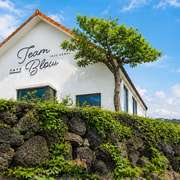
Bloom Hotel
The Shilla Jeju
Jeju Booyoung Hotel & Resort
Kensington Resort Jeju Jungmun
Grand Josun Jeju
Pickup arrangements depend on the location selected during booking.
What Time Does the Tour Begin?
The current schedule indicates a start around 10:30 am, although individual pickup times may vary.
The operator sends detailed pickup information through WhatsApp approximately one day before departure.
How Early Should You Arrive?
Be at the selected pickup point at least ten minutes before the confirmed meeting time.
Look for a guide holding a YEHA sign.
How Long Does the Tour Last?
The advertised duration is approximately six-and-a-half hours.
The tour normally finishes around 5:00 pm, depending on traffic and operational conditions.
What Is Included?
Round-trip sightseeing transportation
Professional English-speaking guide
Pickup and drop-off at designated locations
Admission to scheduled paid attractions
Visits to the advertised eastern Jeju sightseeing locations
Applicable taxes and service charges
What Is Not Included?
Meals and beverages
Personal purchases
Travel insurance
Additional activities outside the advertised itinerary
Is Lunch Included?
No. There is no scheduled sit-down lunch stop.
Visitors may have free time to purchase snacks or a light meal near Seongsan.
What Should You Bring?
Comfortable walking shoes
A lightweight jacket
Sun protection
Drinking water
A camera or smartphone
Money or a payment card for refreshments
Personal medication and essentials
A working phone number for pickup communications
Does the Tour Involve Walking?
Yes. Visitors walk around volcanic landscapes, beaches and cave attractions.
Some paths are rocky, uneven or steep, particularly around Seongsan Ilchulbong.
Is the Tour Suitable for Wheelchair Users?
No. The advertised experience is not suitable for wheelchair users or people with significant mobility impairments.
Are There Other Participation Restrictions?
The current booking conditions identify the tour as unsuitable for pregnant travellers.
Anyone uncertain about their ability to manage uneven walking surfaces should contact the operator before booking.
What Happens if the Haenyeo Show Is Cancelled?
The Haenyeo demonstration is weather-dependent.
The operator may substitute another scenic visit, such as Gwangchigi Beach, and its published terms describe a refund option in certain circumstances.
Confirm the applicable arrangements with the tour provider.
What Is the Cancellation Policy?
The GetYourGuide listing advertises free cancellation up to 24 hours before departure for a full refund, subject to booking terms.
Frequently Asked Questions About the Eastern Jeju UNESCO Day Tour
How long does the Eastern Jeju tour last?
The current tour lasts approximately six-and-a-half hours.
Does the tour depart from Seogwipo?
Yes. Selected pickup points are available in Seogwipo and Jungmun.
What time does the tour start?
Pickup begins around 10:30 am, with exact times depending on the selected meeting location.
Who operates the experience?
The activity is operated by Yeha Inc.
Does the excursion visit Seongsan Ilchulbong?
Yes. Seongsan Ilchulbong is one of the main sightseeing attractions.
Is Seongsan Ilchulbong a UNESCO World Heritage Site?
Yes. It forms part of the UNESCO World Heritage property Jeju Volcanic Island and Lava Tubes.
Can visitors climb Sunrise Peak?
Visitors may be able to climb the established summit trail when conditions and available time permit. The ascent includes many steps.
Does the tour visit a lava cave?
Yes. The itinerary includes Ilchul Land, where visitors can explore Micheon Cave.
Is Micheon Cave the same as Manjanggul Cave?
No. These are different lava caves on Jeju Island.
Does the excursion include Gwangchigi Beach?
Yes. Gwangchigi Beach is one of the listed coastal sightseeing stops.
Can visitors watch the Haenyeo divers?
The experience advertises a Haenyeo cultural demonstration, although it depends on weather and operating conditions.
Who are the Haenyeo?
Haenyeo are Jeju’s traditional women divers who harvest seafood without scuba breathing equipment.
Is the Haenyeo tradition UNESCO recognised?
Yes. The culture of Jeju Haenyeo is recognised by UNESCO as Intangible Cultural Heritage of Humanity.
Does the tour visit Seongeup Folk Village?
The expanded description discusses Seongeup Folk Village, but it is not shown as a guaranteed separate stop on the current itinerary map. Confirm with the operator.
Is an English-speaking guide included?
Yes. The tour includes a professional English-speaking guide.
Are attraction tickets included?
Yes. Admission fees for the scheduled listed attractions are included.
Is lunch included?
No. Travellers can purchase snacks or a light meal during free time.
Does the tour include hotel pickup?
Pickup is available from designated hotels and meeting points in Jungmun and Seogwipo, rather than every accommodation property.
Is the excursion suitable for wheelchair users?
No. The operator lists the activity as unsuitable for wheelchair users and people with mobility impairments.
What shoes should visitors wear?
Comfortable walking shoes with suitable grip are recommended because some paths are uneven or rocky.
Does the tour have compulsory shopping stops?
No. The current operator description advertises sightseeing without compulsory shopping stops.
What happens during bad weather?
The itinerary may change and the Haenyeo demonstration may be cancelled. The operator explains available alternatives and refund arrangements in its booking conditions.
Can I cancel the tour?
Free cancellation is advertised up to 24 hours before departure, subject to the current booking terms.
Is the Eastern Jeju UNESCO tour worth taking?
For travellers staying in Seogwipo or Jungmun who want to discover Jeju’s volcanic landscapes, traditional maritime culture and scenic eastern coastline without driving, the guided excursion offers a convenient and rewarding introduction.
Book Your Eastern Jeju UNESCO Day Tour from Seogwipo
Exploring eastern Jeju is one of the most rewarding ways to discover South Korea’s extraordinary volcanic landscapes and traditional island culture.
From the fascinating underground formations at Ilchul Land to the dramatic scenery of Gwangchigi Beach and the magnificent Seongsan Ilchulbong volcanic crater, this guided experience showcases some of the island’s most recognisable attractions.
The opportunity to learn about Jeju’s famous Haenyeo women divers adds an important cultural dimension to the natural sightseeing.
With convenient pickup points in Jungmun and Seogwipo, an English-speaking guide, included attraction admissions and comfortable transportation, the experience provides an accessible way to explore the island’s eastern highlights.
Whether you are visiting Jeju for the first time, exploring South Korea’s UNESCO heritage or simply looking for beautiful coastal scenery, this guided day tour deserves consideration.
Discover volcanic craters, fascinating lava caves, spectacular beaches and the traditional culture of Jeju’s women divers on a guided adventure through eastern Jeju Island.
Tour schedules, pickup locations, demonstrations and sightseeing stops may change. Confirm the current itinerary and participation conditions before booking. The Haenyeo demonstration is weather-dependent, and Seongeup Folk Village is not guaranteed as a separate stop.
Best deals for Jeju Tour | Jungmun & Seogwipo Pick-up | UNESCO Highlights. Perfect for first-time visitors, this relaxed Jeju day tour departs from Jungmun & Seogwipo and visits Seongsan Ilchulbong, a lava cave, and the Haenyeo show—no shopping stops. Available from getyourguide.com.
Sponsored Popular Items
Quick take: Musement.com offers a worldwide selection of tours and attractions
Jeju: Western Jeju K-Drama Spots Tour with Hotel Pickup Best deals for Jeju: Western Jeju K-Drama Spots Tour with Hotel Pickup. Explore K-Drama filming locations in the western part of Jeju Island. If you're lucky, you can see dolphins! This tour starts with hotel pickup for convenience, and all entrance fees are included. Available from getyourguide.com.
Jeju: UNESCO Mt Halla & South Jeju Coastal Wonders Day Tour Best deals for Jeju: UNESCO Mt Halla & South Jeju Coastal Wonders Day Tour. Experience the wild beauty of South Jeju, from oceanfront wonders and scenic walking trails to peaceful temples and volcanic highlands! Available from getyourguide.com.
Jeju: Trip to Jeju Island in a Wheelchair (Accessible Tour) Best deals for Jeju: Trip to Jeju Island in a Wheelchair (Accessible Tour). "Three wins at UNESCO." "The Seven Natural Wonders of the World." You who got to know the "wheelchair tour"! You will soon have a wheelchair walk along the coast of Jeju Island. Available from getyourguide.com.
Jeju: UNESCO Southwest & East Highlights 2-Day Combo Tour Best deals for Jeju: UNESCO Southwest & East Highlights 2-Day Combo Tour. Why book two separate tours? Discover East and South Jeju in one seamless 2-day combo. The tour order depends on the option you select, so choose your preferred itinerary when booking. Available from getyourguide.com.
Jeju West Small-Group(Max 12) Bestseller Tour- From Seogwipo Best deals for Jeju West Small-Group(Max 12) Bestseller Tour- From Seogwipo. -Jeju Fabio's Jeju Classic Tour, based in Seogwipo, Jeju Island -Small group tour for up to 12 people -Pickup available from all hotels around Olle Market and the Seogwipo (Jeju) World Cup Stadium. Available from getyourguide.com.
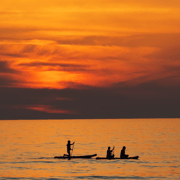
Jeju Aewol Seaside Retreat – SUP Adventure Best deals for Jeju Aewol Seaside Retreat – SUP Adventure. Enjoy the crystal-clear waters of Jeju Island on a stand-up paddleboard. With calm conditions and a peaceful atmosphere, Gwakji Beach is the perfect place for your first ocean SUP experience. Available from getyourguide.com.
Jeju: 3-Day UNESCO South, East & West Highlights Bus Tour Best deals for Jeju: 3-Day UNESCO South, East & West Highlights Bus Tour. No option, No shopping to this tour, completely hassle free!! Discover the best of Jeju’s natural wonders on this 3 full-day UNESCO highlights tour! Available from getyourguide.com.
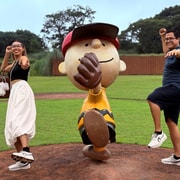
Jeju Trendy Café Tour including Snoopy Garden Best deals for Jeju Trendy Café Tour including Snoopy Garden. Discover Jeju Island's most Instagrammable spots on a guided tour. Visit Snoopy Garden, Seongsan Ilchulbong, Ghibli style cafe and shop and more! Available from getyourguide.com.
Jeju: Teddy Bear House TESEUM Entry Ticket Best deals for Jeju: Teddy Bear House TESEUM Entry Ticket. Visit Teddy Bear House Teseum in Jeju with this entry ticket. Explore a museum filled with teddy bears, life-sized animal dolls, and artistic creations from around the world. Available from getyourguide.com.
 Unusedrooms Travel Tours and Information